The best running trails around Sint-Gillis-Waas
4.3
(71)
2,771
runners
241
runs
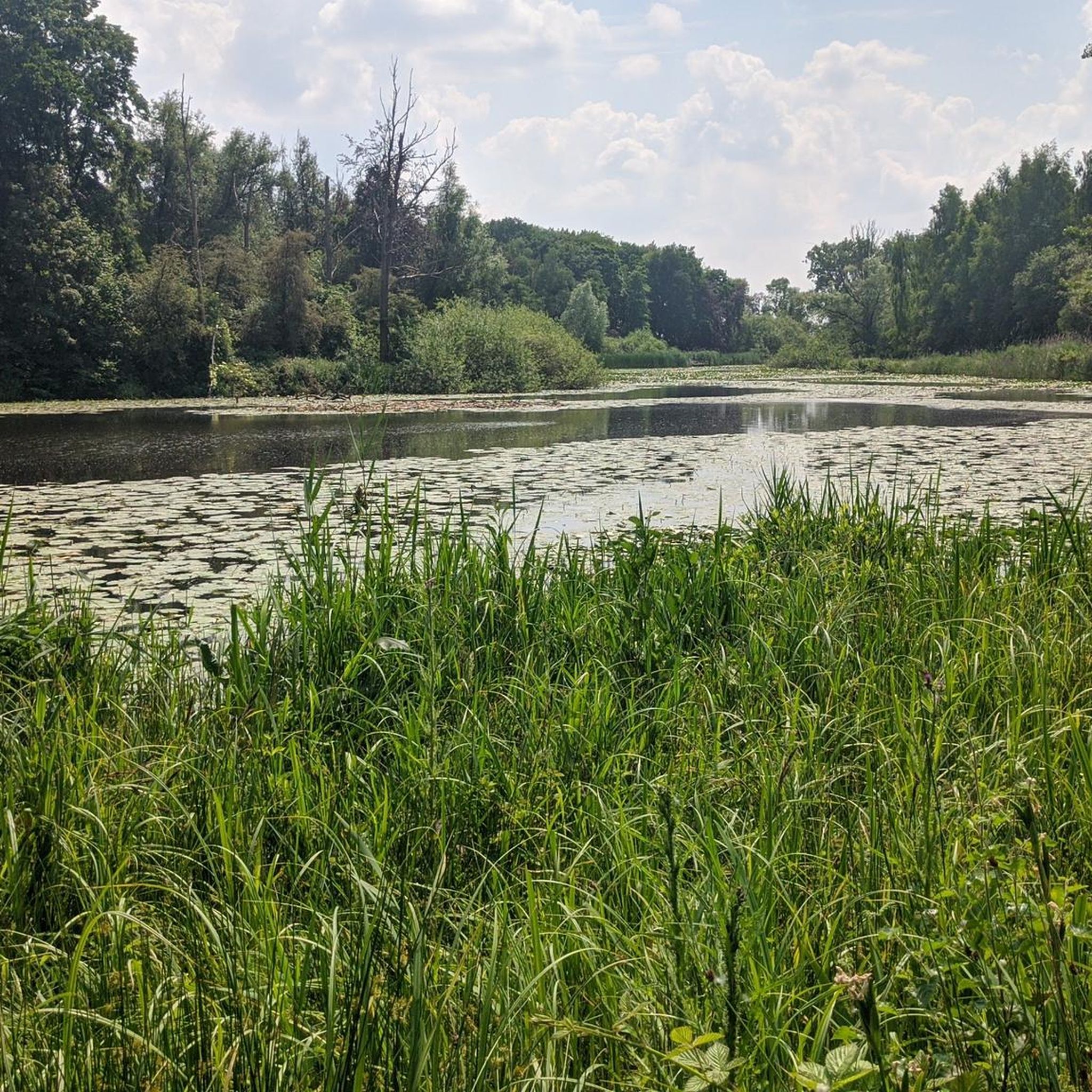
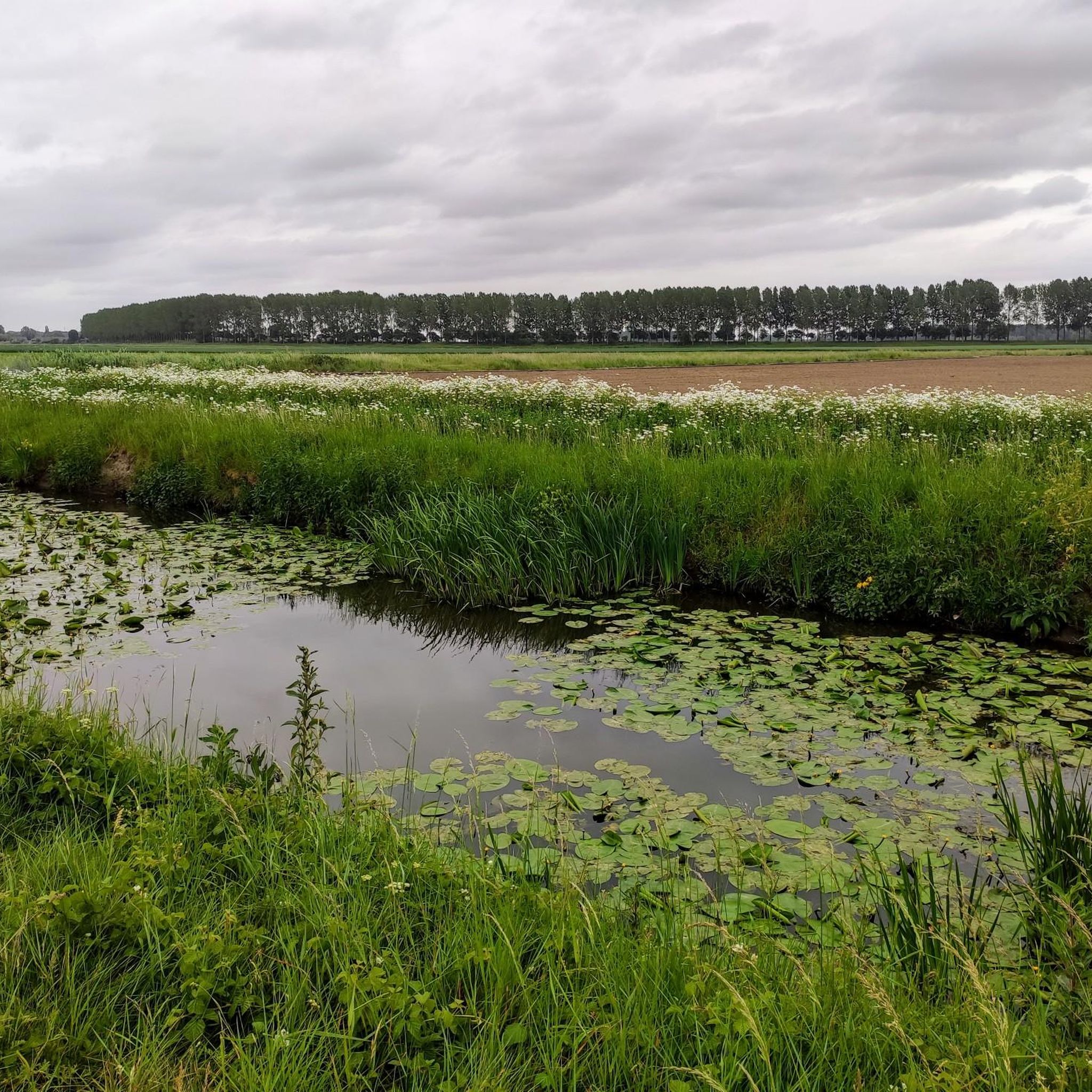
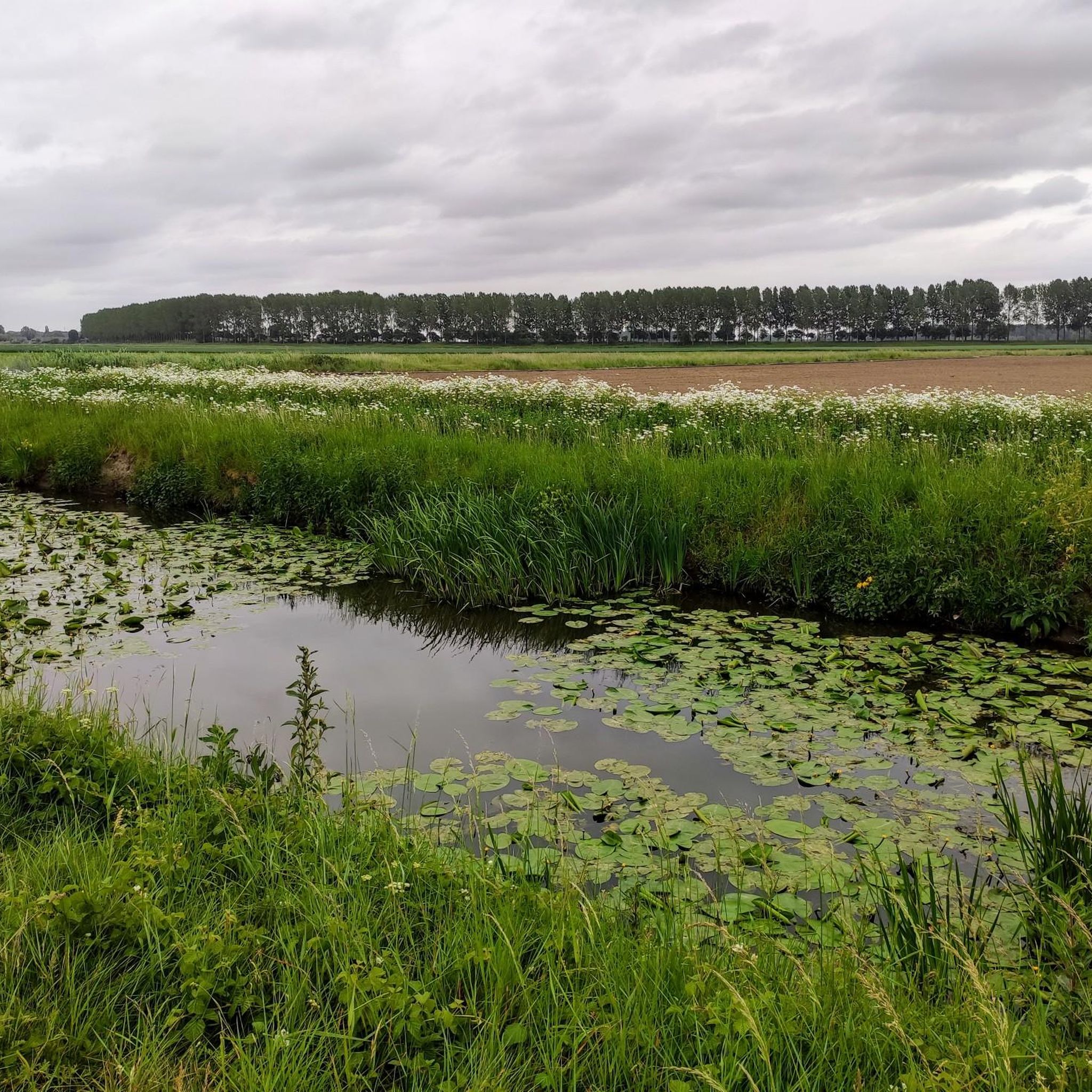
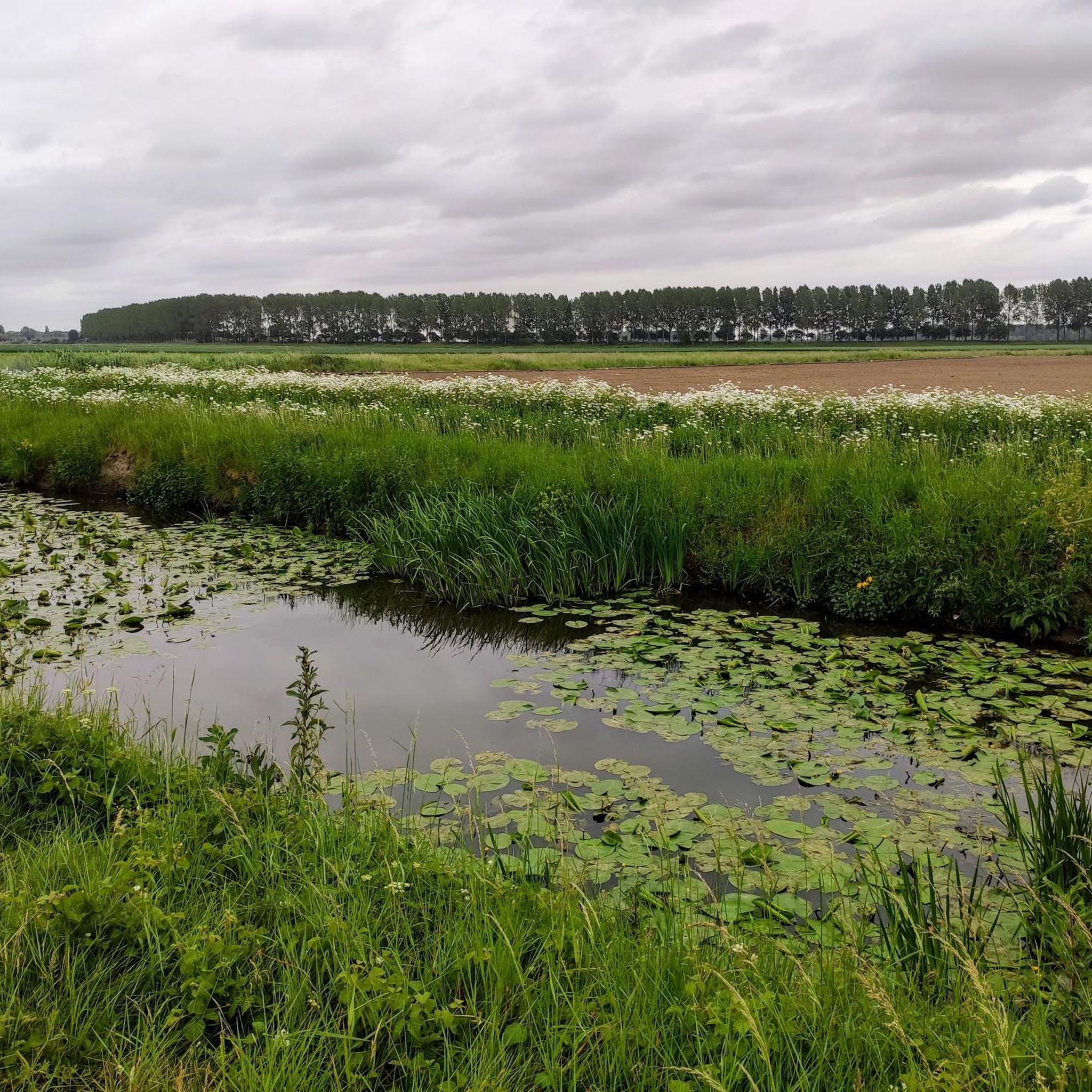
Jogging around Sint-Gillis-Waas offers diverse natural landscapes, making it an excellent destination for outdoor activities. The region features a rich tapestry of green agrarian landscapes, including forests, orchards, and polders. Runners can explore varied terrain, from dense woodlands like Stropersbos to expansive polder areas and wide creeks. The paths are generally well-maintained, providing a mix of environments for different running preferences.
Best jogging routes around Sint-Gillis-Waas
- The most popular jogging route is Stropersbos – Clinge Play Forest loop from Sint-Gillis-Waas…
Last updated: May 20, 2026
4.5
(4)
133
runners
21.8km
02:26
20m
20m
Hard run. Very good fitness required. Mostly paved surfaces. Suitable for all skill levels.
5.0
(2)
108
runners
9.23km
01:03
10m
10m
Moderate run. Good fitness required. Mostly paved surfaces. Suitable for all skill levels.

Sign up for free
5.0
(6)
134
runners
9.93km
01:09
10m
10m
Moderate run. Good fitness required. Mostly paved surfaces. Suitable for all skill levels.
71
runners
12.5km
01:21
20m
20m
Moderate run. Good fitness required. Mostly paved surfaces. Suitable for all skill levels.
52
runners
11.3km
01:17
10m
10m
Moderate run. Good fitness required. Mostly paved surfaces. Suitable for all skill levels.
Get access to more routes and recommendations from other explorers.
Sign up for free
Already have an account?
Our route recommendations are based on thousands of hikes, rides, and runs completed by other people on komoot.
Start today with a free account
Your next adventure awaits.
Login or Signup

Tips from the Community

The Stropersbos is located right on the Belgian-Dutch border and forms a whole with the Clingse Bossen, as the forest on the Dutch side of the border is called. The history of the forest dates back to the 13th century. This means that the forest has experienced wars, and from one of those wars, the War of the Spanish Succession (1702-1713), very clear traces can still be seen: there are still a number of remnants of the Line that served here in 1701. A little further north, there are also remains of Fort Sint-Jan (from which the Dutch municipality Sint-Jan-Steen derives its name). But even if you are not interested in that history, the Stropersbos is a special place, both for the tree and plant lover, the birdwatcher, the playing child, the boot-wearing walker who likes to trudge through mud, the bivouacker, ... and everyone who simply enjoys a walk. There is a good chance you will encounter wild horses, pass grazing sheep, or that - who knows, maybe you'll be as lucky as I was - roe deer or a fox will cross your path. In short: a very beautiful hiking area ...
1
0
The outdoor site of KLINGSPOOR can be visited every day. The experience centre is open every Sunday from April to October from 2 PM to 5 PM. Staff members of Folkloregroep De Klomp will welcome visitors. KLINGSPOOR is freely accessible to everyone; no ticket needed. Would you like to visit the experience centre with your family, as part of a school trip or with a group? Then you can make an appointment via the Sint-Gillis-Waas Tourism service. source: klingspoor.be
1
0
The smuggling trade thrived in De Klinge and its surroundings. This illegal cross-border trade went in both directions, with all sorts of products being smuggled to the Netherlands or Belgium. In the spring of 1915, the Germans attempted to put a stop to smuggling by constructing the "dodendraad" (death wire). An electric wire under high voltage was intended to deter smugglers. The high voltage on the "Dodendraad" meant that people were electrocuted upon the slightest contact. The inhabitants were not yet aware of the dangers of electricity during this period. For this reason, protective wires were placed on either side, made of barbed wire or chicken wire. The German occupiers wanted to prevent war volunteers, espionage messages, or smugglers from crossing the border with the border barrier. Inventive smugglers quickly found numerous ways to overcome the wire, yet hundreds of daredevils lost their lives during their crossing along the Belgian-Dutch border. At least three victims fell in De Klinge and Meerdonk. After the Second World War, the eternal cat-and-mouse game between customs officers and smugglers became grimmer. Butter smuggling became a lucrative business, and armored cars, "kraaienpoten" (crow's feet), and firearms made their appearance. The "kraaienpoot" was made of metal and had four points. There was always one sharp point facing upwards, intended to puncture the tires of customs service vehicles. Here, at the "Dodendraadmonument", lies an enlarged "kraaienpoot". The "dodendraad" was constructed in the summer of 1915; in November 2015, a section was reconstructed at the border post. On the site, in 2015, on the occasion of the 100th anniversary of the installation of the "dodendraad", a linden tree was planted, donated by the Koninklijke Oudheidkundige Kring van het Land van Waas. source: tracesofwar.nl
1
0
The numbers of the border posts on the Belgian-Dutch border run upwards from border post number 1 at the Drielandenpunt in Vaals, to 369 near Retranchement. It's funny that neither the first nor the last post is actually on the border (the evolution of the Zwin is partly responsible for the last post). On almost all posts, the year 1843 is shown. Only in Zeeuws-Vlaanderen are there 7 border posts with a later year, which were placed after land reclamation. The posts are made of cast iron and weigh 372 kilograms. Each post is equipped with the Belgian Lion on the Belgian side and the Dutch Lion with sword and arrows on the other side. And each post has a number. The Belgian-Dutch border is 458 kilometers long. On average, the posts are therefore just over a kilometer apart. source: bestemmingbuitenlucht.nl/
1
0
Actually, it's not allowed in the Clingse Bossen: go off the path, roam through the forest and build huts. Because plants get damaged and animals get scared. But here you can! So come and splash around with water, climb a tree, put on your own show in the theatre or play hide-and-seek!". an information board challenges children to romp around here. "Feel free to bring your parents: just put them on a bench with a good book and they'll be no trouble at all!" it continues, almost in the style of Annie M.G. Schmidt ;-)
1
0

Very well-developed cycle path
0
0

The tower itself is beautiful. Unfortunately, it's no longer accessible. Vandals make a sport of unscrewing railing screws, so it's dangerous if you don't know how to do it.
0
0

Beautiful and quiet forest (if in high season). The hiking trails are almost in order, sometimes it can be a bit muddy during heavy rain. If you are lucky you might spot some deer 😊
1
0
Frequently Asked Questions
How many running routes are available in Sint-Gillis-Waas?
Sint-Gillis-Waas offers a wide selection of running routes, with over 200 options available. These routes cater to various preferences, from easy strolls to more challenging long-distance runs.
Are there any easy jogging routes suitable for beginners or a relaxed run?
Yes, Sint-Gillis-Waas has 22 easy running routes. These paths are generally well-maintained and offer a pleasant experience through the region's green agrarian landscapes, making them ideal for beginners or those looking for a less strenuous run.
What kind of terrain can I expect on the running trails in Sint-Gillis-Waas?
The running trails in Sint-Gillis-Waas feature a diverse mix of natural environments. You can expect to run through dense forests like the Stropersbos, expansive polder landscapes, open grasslands, and along wide creeks. The terrain varies, offering everything from forest cores and light-filled open spaces to thickets and agrarian paths.
Are there any challenging running routes for experienced runners?
Absolutely. For those seeking a challenge, Sint-Gillis-Waas offers 18 difficult running routes. One such route is the Stropersbos – Clinge Play Forest loop from Sint-Gillis-Waas, which spans 22.4 km and traverses extensive forest areas with varied terrain.
Can I find long-distance running routes in Sint-Gillis-Waas?
Yes, there are several long-distance running routes. For example, the Gravel Route – Sunflower Fields View loop from Stropersbos is a difficult 21.3 km trail, perfect for those looking to cover more ground and enjoy the scenic polder landscapes.
What are some scenic highlights or natural attractions I can see while jogging?
While jogging in Sint-Gillis-Waas, you can explore the 'crown jewels' of nature like the Stropersbos and Panneweel Nature Reserve. Other scenic spots include the unique polder landscapes in Meerdonk and wide creeks. You might also encounter natural highlights such as Heather Stropersbos, Den Bunt Nature Reserve, and Groot Eiland Nature Reserve.
Are there any circular running routes available?
Many of the running routes in Sint-Gillis-Waas are circular, allowing you to start and end at the same point. An example is the moderate Spanish Line in Stropersbos – Heather Stropersbos loop from Sint-Gillis-Waas, which offers varied forest cores and open spaces.
What do other runners think about the trails in Sint-Gillis-Waas?
The running routes in Sint-Gillis-Waas are highly rated by the komoot community, with an average score of 4.4 stars from over 68 reviews. More than 2600 runners have used komoot to explore the varied terrain, often praising the diverse natural landscapes and well-maintained paths.
Are there any family-friendly running trails in the area?
While specific 'family-friendly' designations aren't always explicit, the 22 easy routes are generally suitable for families. These trails often pass through pleasant natural settings like the Stropersbos, offering a relaxed environment for all ages to enjoy a run or walk.
Are the running routes in Sint-Gillis-Waas well-marked?
Yes, the area features many signposted walking and cycling routes that can also be utilized for jogging. This ensures clear navigation through the scenic surroundings, making it easier to follow your chosen path.
Can I find running routes that pass by water features?
Absolutely. The region is known for its expansive creeks and unique polder landscapes, especially in Meerdonk. Many routes explore picturesque creek areas and the surrounding polderlands, offering tranquil runs alongside water features.
Are there any routes that explore historical features?
Yes, some routes incorporate historical features. The Koningsdijk, a dike lined with beautiful trees, is particularly noteworthy and offers an attractive path for outdoor enthusiasts, blending natural beauty with historical context.
Most popular routes around Sint-Gillis-Waas
Most popular attractions around Sint-Gillis-Waas

Get inspired with the komoot mobile app


Explore more
Browse the best Running Trails & Routes in other regions.
