The best road cycling routes around Ferrières
4.3
(338)
17,065
riders
42
rides
Road cycling routes around Ferrières traverse a landscape characterized by rolling hills, river valleys, and historic landmarks. The region features numerous ascents and descents, often passing by castles and through varied terrain. Road cyclists can expect a mix of open roads and sections winding through more secluded areas. This diverse topography provides a range of challenges for different skill levels.
Best road cycling routes around Ferrières
- The most popular road cycling route is View of Froidcour Castle – Col du Rosier East Ascent loop from Burnontige Mon Lecomte, a 40.7 miles (65.6 km) trail that takes 3 hours 28 minutes to complete. This route features significant elevation gain and views of Froidcour Castle.
- Another top favourite among local road cyclists is Waterfall on the Hoyoux – Wall of Huy loop from Sy, a difficult 49.7 miles (80.0 km) path. This route includes a challenging climb known as the Wall of Huy and follows the Hoyoux river.
- Local road cyclists also love the Bomal-sur-Ourthe Castle – Climb Col de Rideux North loop from Rouge-Minière Église, a 32.7 miles (52.7 km) trail leading through river valleys and past Bomal-sur-Ourthe Castle, often completed in about 2 hours 40 minutes.
- Road cycling around Ferrières is defined by river valleys, challenging climbs, and historic castles. The network offers options for various ability levels, from moderate rides to difficult ascents.
- The routes in Ferrières are highly rated by the komoot community with an average score of 4.5 stars from over 16 reviews. More than 600 road cyclists have used komoot to explore Ferrières's varied terrain.
Last updated: May 19, 2026
5.0
(2)
97
riders
65.6km
03:29
1,180m
1,180m
Hard road ride. Very good fitness required. Mostly well-paved surfaces and easy to ride.
5.0
(1)
59
riders
Moderate road ride. Good fitness required. Mostly well-paved surfaces and easy to ride.

Sign up for free
4.0
(2)
43
riders
Moderate road ride. Good fitness required. Mostly well-paved surfaces and easy to ride.
45
riders
113km
05:45
1,590m
1,590m
Hard road ride. Very good fitness required. Some segments of this route may be unpaved and difficult to ride.
5.0
(1)
41
riders
51.2km
02:37
600m
600m
Moderate road ride. Good fitness required. Mostly well-paved surfaces and easy to ride.
Get access to more routes and recommendations from other explorers.
Sign up for free
Already have an account?
Our route recommendations are based on thousands of hikes, rides, and runs completed by other people on komoot.
Start today with a free account
Your next adventure awaits.
Login or Signup
Popular around Ferrières




Tips from the Community

In honor of the American liberators of Belgium
4
0
After the hustle and bustle of Coo, the river here resumes its quiet course
4
0

Durbuy is first mentioned in 1078 (as Dolbui) and in 1084 (under the current name). The first traces of habitation are found during excavations in the Anticlinaal cave by Count Pierre d'Ursel. The d'Ursel family still inhabits Durbuy Castle. Before the current castle, there were already others. Based on the archives of Luxembourg, a castle was destroyed and in the eleventh century, another was built by Henry II the Lame, who had received the domain from his mother Rageline, sister of Pope Stephen II, and her husband Albert II of Namur. Around 1156, that castle was severely damaged by flames and during the succession wars of the Duchy of Limburg, it was destroyed several more times. From 1412, Durbuy came into the hands of the House of Burgundy and at the end of the fifteenth century, the then-existing castle was destroyed by Maximilian of Austria, like all the castles of the la Marck family: besides Durbuy, these also include the castles of Logne and La Roche. In 1628, Baron Antoine Schetz of Grobendonck leased the Durbuy estate for 40,000 gold marks, a very considerable sum. Besides being a baron, he was also Count of Grobbendonk, Lord of Tilburg and Goirle, Pulle and Pulderbos, and Wezemaal. He was in the service of the Spanish and had led the defense of 's-Hertogenbosch during the Eighty Years' War. At the age of 71, he was also governor of the city of Leuven during the Siege of Leuven. And he was the first in a long line of the d'Ursel family who, to this day, inhabit the castle. In 1731, the castle was rebuilt by the then Duke of Ursel. Countess Auguste d'Ursel, who acquired the d'Ursel family's possessions in Durbuy, then modernized the castle from 1880 to 1882 with the help of architect Thirian from Namur. During the Second World War, the castle was occupied several times and in 1944, during the Battle of the Bulge, it was used as a field hospital by the American liberators, with the billiard table serving as an operating table. Sources: historical overviews in Word documents on the website of Count Jean-Michel d'Ursel, current resident, at https://www.chateaudedurbuy.be/historique.html
6
0

start of the awesome link
1
0

It's a shame the route doesn't go past the Fraiture hut. A short detour is recommended...
0
0

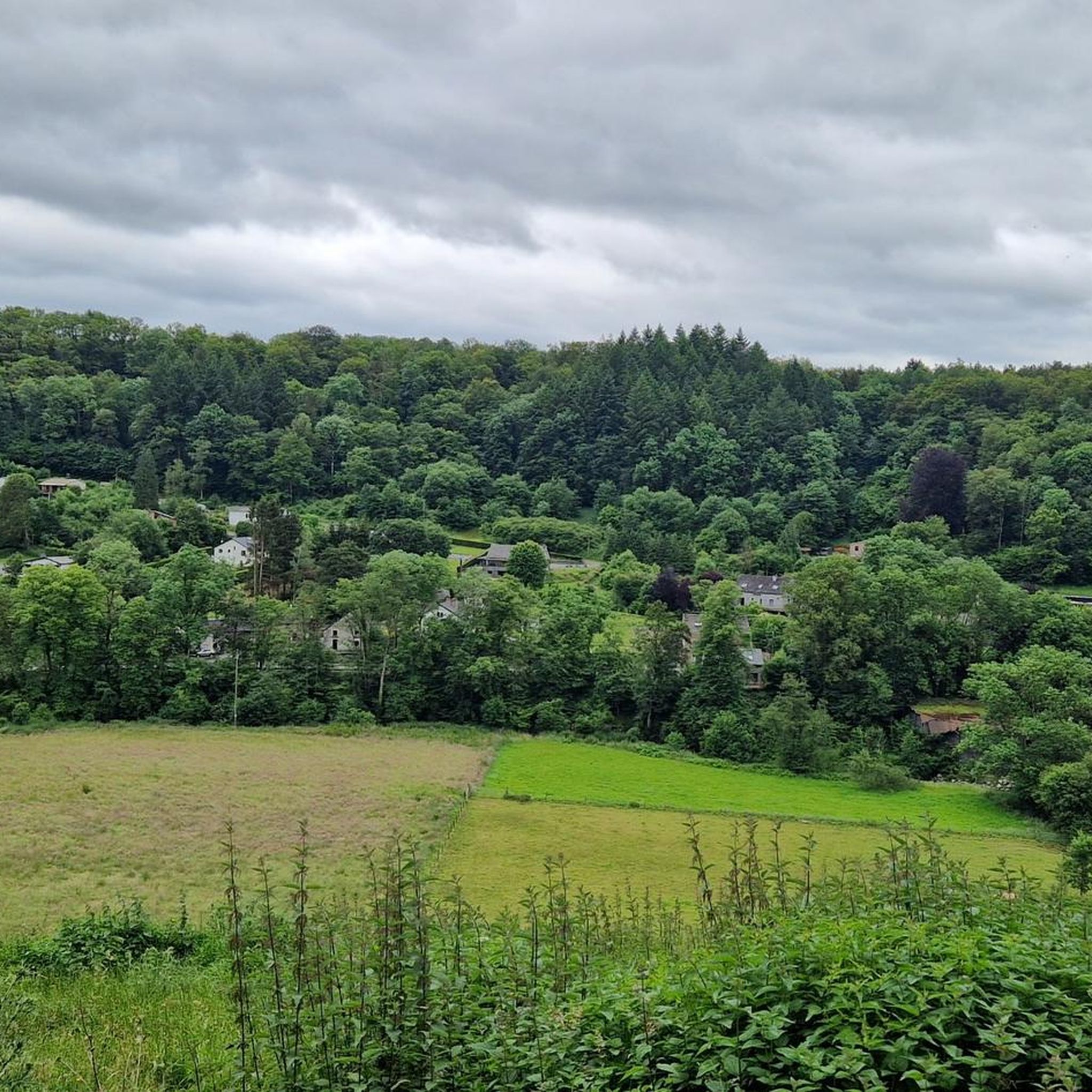
The village is located on the right bank of the Ourthe River. It is a popular area for climbing, kayaking, and hiking.
0
0

This neoclassical castle, perched on terraces, was built in 1776 by Jean-Baptiste de Hayme, the mayor of Liège several times. With its magnificent park, it has been part of a renovation project since 2009. Source: https://www.mini-ardenne.be/poi.card.php?language=fr&id=4350
2
0

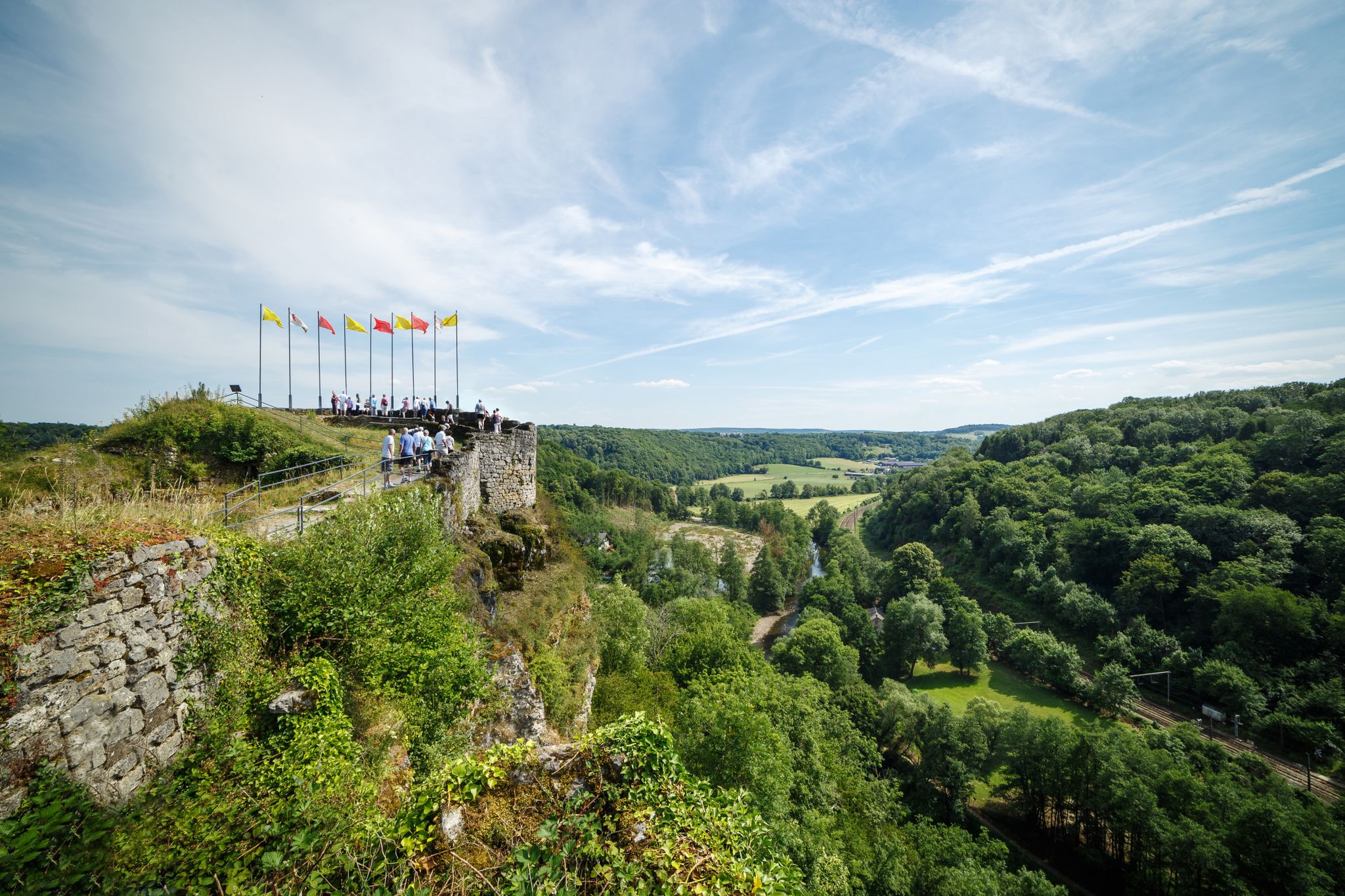
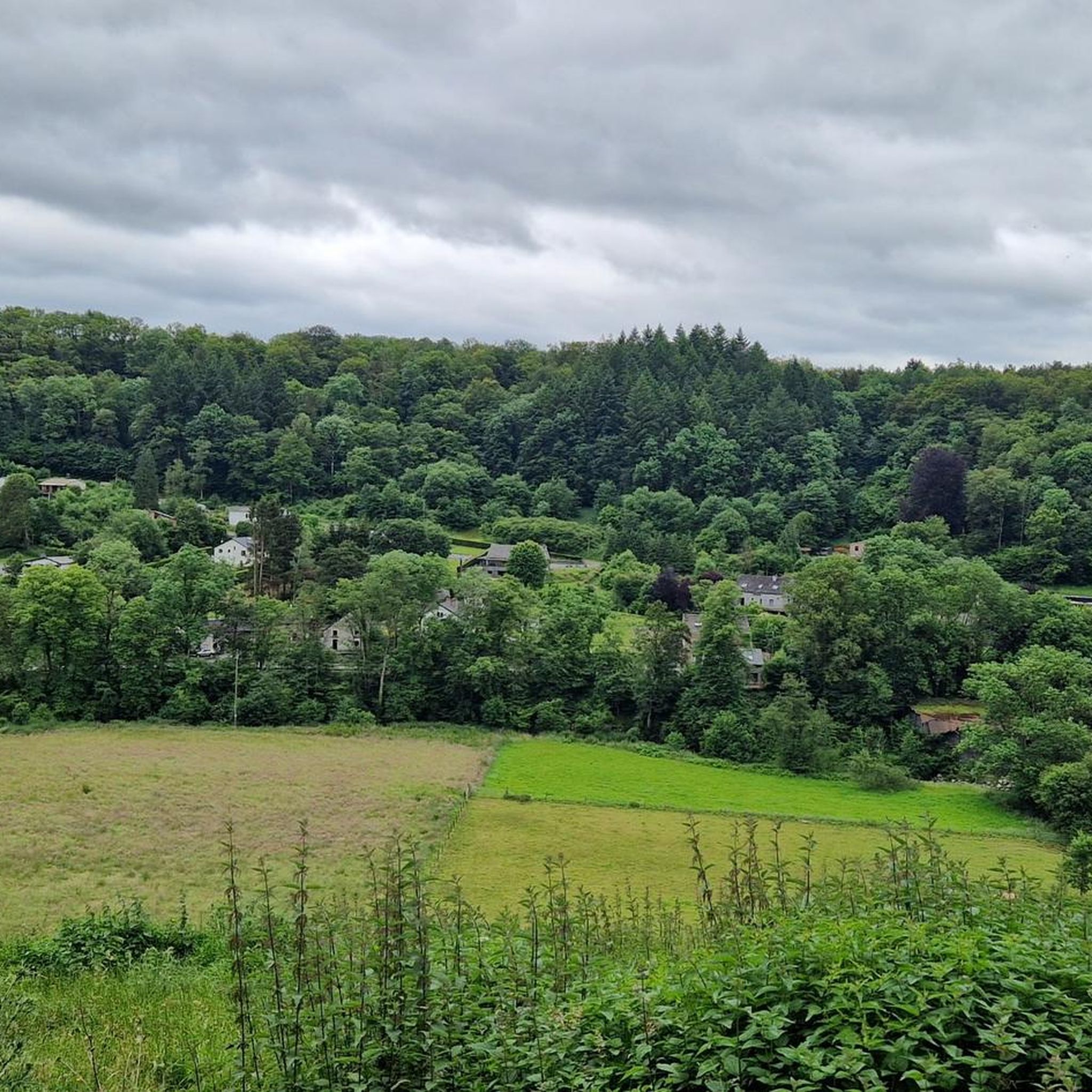
Here you can enjoy panoramic views over the rolling fields that stretch out like a carpet beneath you. In spring and summer the landscape is particularly lively, with meadows full of flowers and grazing animals. The gentle undulations of the terrain create a picturesque scene.
1
0
Frequently Asked Questions
How many road cycling routes are available around Ferrières?
There are over 35 road cycling routes around Ferrières, offering a diverse range of options for different skill levels. The region is known for its rolling hills, river valleys, and historic landmarks, providing varied terrain for cyclists.
Are there any easy road cycling routes for beginners in Ferrières?
While many routes in Ferrières feature significant elevation changes, there is at least one easy road cycling route available. The region also offers 19 moderate routes that could be suitable for beginners looking for a bit more challenge, often traversing river valleys and passing by castles.
What are some challenging road cycling routes for advanced riders in Ferrières?
Advanced riders will find plenty of challenging options, with 17 difficult routes in the area. A notable difficult route is the Waterfall on the Hoyoux – Wall of Huy loop from Sy, which includes the demanding climb known as the Wall of Huy. Another challenging option is the View of Froidcour Castle – Col du Rosier East Ascent loop from Burnontige Mon Lecomte, featuring significant elevation gain.
Are the road cycling routes in Ferrières typically circular?
Yes, many of the road cycling routes around Ferrières are designed as loops, allowing you to start and finish at the same point. For example, the Bomal-sur-Ourthe Castle – Climb Col de Rideux North loop from Rouge-Minière Église is a popular circular route.
What kind of scenery can I expect on road cycling routes in Ferrières?
The routes in Ferrières offer diverse and scenic landscapes. You can expect to cycle through rolling hills, picturesque river valleys, and past historic landmarks such as castles. Routes like the View of Froidcour Castle – Col du Rosier East Ascent loop from Burnontige Mon Lecomte provide stunning views of Froidcour Castle, while others follow rivers like the Hoyoux.
What are some interesting landmarks or attractions near the road cycling routes?
Ferrières is rich in attractions. Along your rides, you might encounter historical sites like Durbuy — Old Town and Castle or the Durbuy Bridge - 1725. Natural wonders include the Ninglinspo Valley, the Venus' Bath waterfall, and geological formations like The Anticline. There are also several caves, such as Remouchamps Caves, that can be explored nearby.
What do other road cyclists say about the routes in Ferrières?
The road cycling routes in Ferrières are highly regarded by the komoot community, holding an average rating of 4.5 stars from over 16 reviews. Cyclists often praise the varied terrain, the challenging climbs, and the beautiful historic castles encountered along the way. Over 600 road cyclists have used komoot to explore this region.
Is Ferrières suitable for family-friendly road biking?
While Ferrières is characterized by rolling hills and challenging ascents, which might be demanding for very young children, families with older, experienced cyclists can enjoy the region's scenic routes. For easier, flatter sections, consider routes that closely follow river valleys, though specific dedicated family-friendly road cycling paths are less common due to the hilly nature of the area.
What is the best time of year for road biking in Ferrières?
The best time for road biking in Ferrières is typically from spring through autumn (April to October). During these months, the weather is generally milder and more predictable, making for more enjoyable rides. Summer offers the warmest temperatures, while spring and autumn provide beautiful scenery with fewer crowds.
Are there cafes or places to stop for refreshments along the road cycling routes?
Yes, many of the road cycling routes in Ferrières pass through charming villages and towns where you can find cafes, bakeries, and restaurants to refuel. Larger towns like Durbuy, which is often near routes, offer a wider selection of amenities. Planning your route with komoot can help identify these stopping points.
What are the parking options for road cyclists in Ferrières?
Parking is generally available in the villages and towns that serve as starting points for many routes, such as Sy or Burnontige Mon Lecomte. Look for public parking areas or designated spots near trailheads. It's always advisable to check local signage for any parking restrictions.
Can I access road cycling routes in Ferrières using public transport?
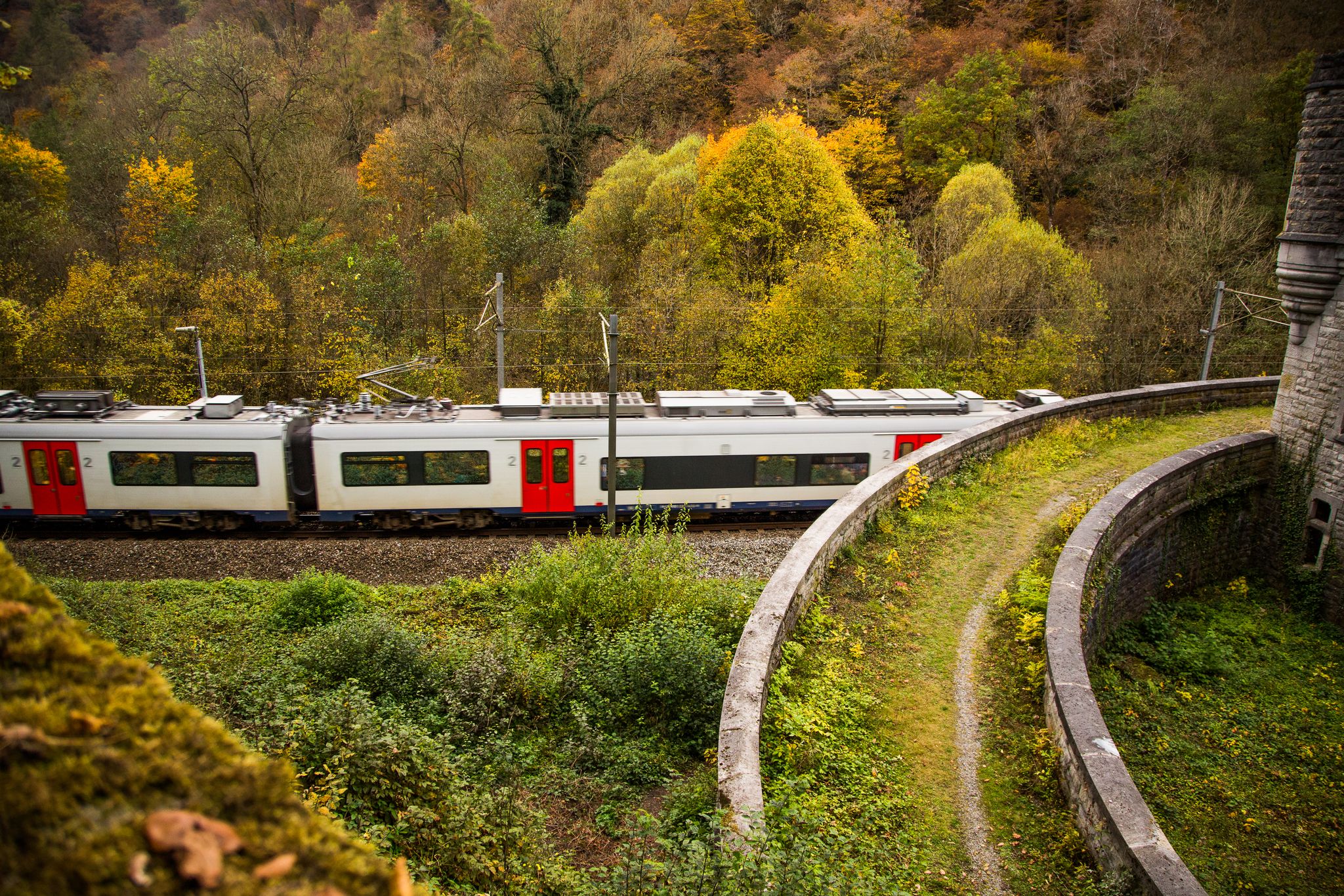
Public transport options to access road cycling routes in Ferrières might be limited, as the region is quite rural. However, some larger towns in the vicinity may have train or bus connections. It's recommended to check local public transport schedules and bike carriage policies in advance if you plan to use this option.
Most popular routes around Ferrières
Most popular attractions around Ferrières

Get inspired with the komoot mobile app


Explore more
Browse the best Road cycling routes in other regions.
