Top 20 Castles around Fexhe-Le-Haut-Clocher
Castles around Fexhe-Le-Haut-Clocher offer a glimpse into the rich historical heritage of the Liège province in Belgium. This region features a landscape dotted with historical structures, including castles and fortified farms. The area's architectural evolution spans from medieval towers to 19th-century neoclassical residences, often set within expansive grounds and parks. These sites provide insight into regional history and defensive architecture.
Best castles around Fexhe-Le-Haut-Clocher
- The most popular castles is Aigremont Castle, a castle that was rebuilt in the 16th…
Last updated: July 28, 2026
Heks Castle
Highlight • Castle
The palatial castle was built from 1770, probably …
Translated by Google •
Tip by

Prince-Bishops' Palace, Liège
Highlight • Historical Site
Translated by Google •
Tip by

Sign up now to discover places like this
Get recommendations on the best single tracks, peaks, & plenty of other exciting outdoor places.
Sign up for free
Aigremont Castle
Highlight • Castle
Translated by Google •
Tip by

Heks Castle
Highlight • Castle
Translated by Google •
Tip by
Lexhy Castle
Highlight • Castle
Translated by Google •
Tip by

Sign up for free to discover even more castles around Fexhe-Le-Haut-Clocher.
Sign up for free
Already have an account?
Start today with a free account
Your next adventure awaits.
Login or Signup
Tips from the Community

This is the former palace of the Prince-Bishops!
0
0

A castle built as a country retreat between 1717 and 1727 in the Louis XIVth style, then popular in the Meuse Valley, belonged to the Church of Liège. A fortress existed on the same site as early as 900. The estate also features a French-style garden with corner towers, and adjacent to the castle is the limestone castle farm. Now privately owned and in need of renovation.
1
0

The complex includes several adjoining courtyards. The first courtyard is surrounded on all four sides by galleries with Gothic cross vaults resting on 60 columns. They are all designed differently and richly decorated with fantastic human figures and grotesque masks. They were probably inspired by the humanist way of thinking, the Renaissance and the discovery of the New World. Inside the building, numerous pieces from the time of the prince-bishops have been preserved, including their former private apartments. Source: https://www.visitezliege.be/de/offre/palais-des-princes-eveques#containerDescription
6
0

Aigremont Castle is a private castle owned by the Dumont Wauthier company. The Flémalle Tourist Office offers guided tours between April and October. Please visit the website www.flemalle.be for upcoming dates.
1
0

The Palace of the Prince-Bishops in the Belgian city of Liège is located on the Place Saint-Lambert in the heart of the city. Until the end of the 18th century, it was opposite the Saint-Lambert Cathedral, which was destroyed by revolutionaries. The current building, with its imposing façade, is the third building to house the Prince-Bishops of Liège. A first palace was integrated into the fortifications by Prince-Bishop Notger, but that building disappeared in a fire in 1185. It was rebuilt by Rudolf of Zähringen. This construction suffered greatly during the plundering of the city by the troops of Charles the Bold and also burned down in 1505. Everhard van der Marck, who became prince-bishop in 1505, began the construction of a new palace, the construction of which he entrusted to Arnold van Mulken in 1526. Construction lasted until the end of the 16th century. The very special courtyard (Cour d'Honneur) is surrounded by a colonnade with sixty Renaissance columns of different types. Some of the capitals are decorated with masks and heads with feather headdresses based on the Aztec model. Apparently the bishop was fascinated by the treasures of the Aztec empire that had been conquered in 1521. The south facade was completely renovated after a fire in 1734, under the direction of the Brussels architect Johannes Andreas Anneessens. In 1849, a new wing was built on the west side to house the provincial government. In 2010, the Justice Department and the provincial government occupied the former palace.
8
0

There is the possibility of going for some very nice walks but be careful, you must stay on the authorized paths.
1
0

According to legend, the name Aigremont was always closely linked to that of Duke Beuve of Aigremont. According to De Schone Historie by knight Malegijs, Beuve was the great-grandfather of the four Heemskinderen, who opposed Charlemagne. The history of Aigremont includes many well-known figures. One of them is the infamous Willem van der Marck, who turned against the prince-bishops of Liège and entrenched himself in Aigremont, but had to surrender to the then prince-bishop in 1474. Ten years later, Willem van der Marck was beheaded in Maastricht. In 1715, canon and landowner of the Liège cathedral, Mathias Clercx, bought Aigremont, which had been rebuilt in the 16th century on the ruins of an old fortification. His family was among the richest in the country. The building was in poor condition, and Mathias Clercx decided to build a new castle on an adjacent site. It became a particularly elegant residence according to the typical classical regulations of that time. Source: https://www.burchten-kastelen.be/provincies/luik/015%20Kasteel%20van%20Aigremont/Kasteel%20van%20Aigremont.html
7
0
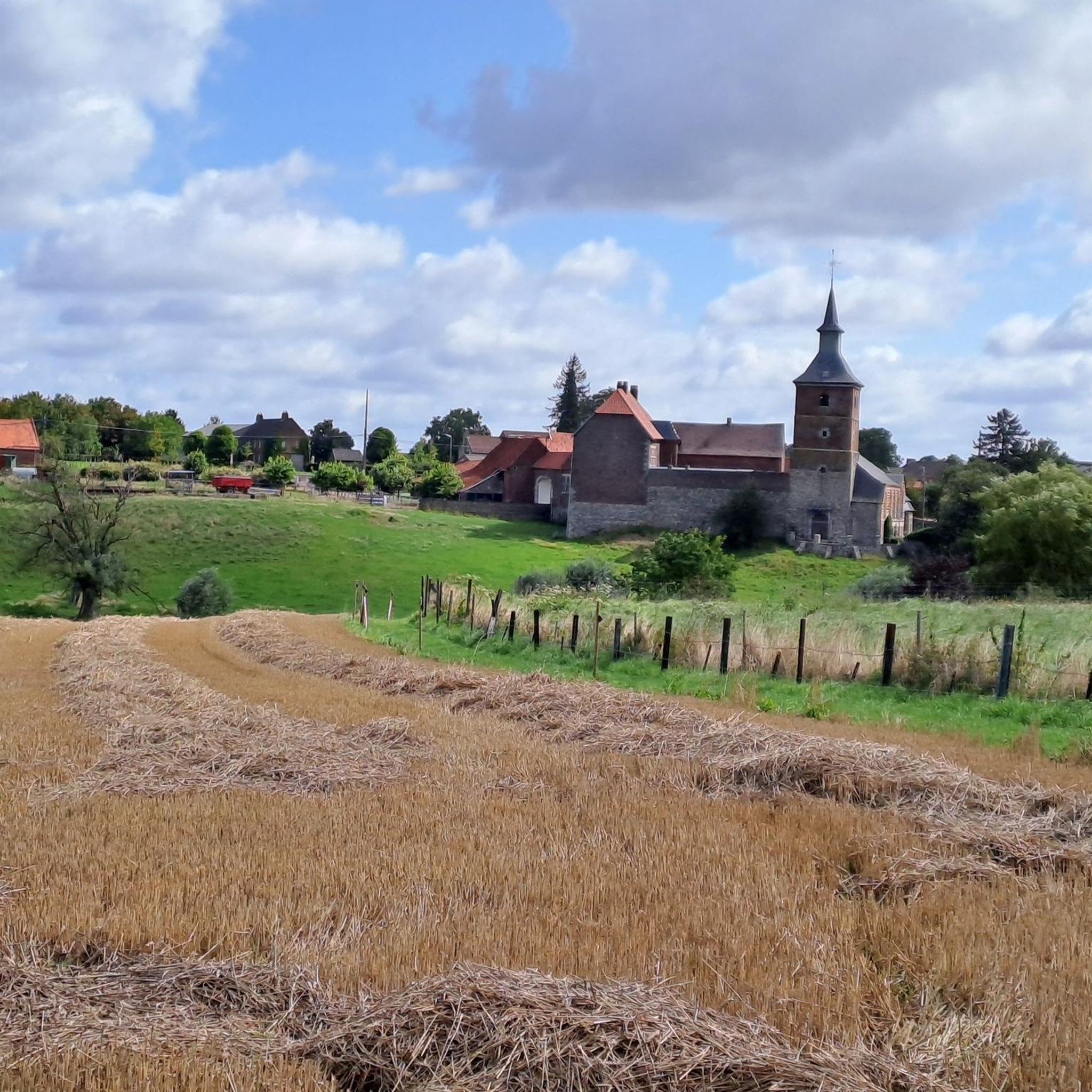
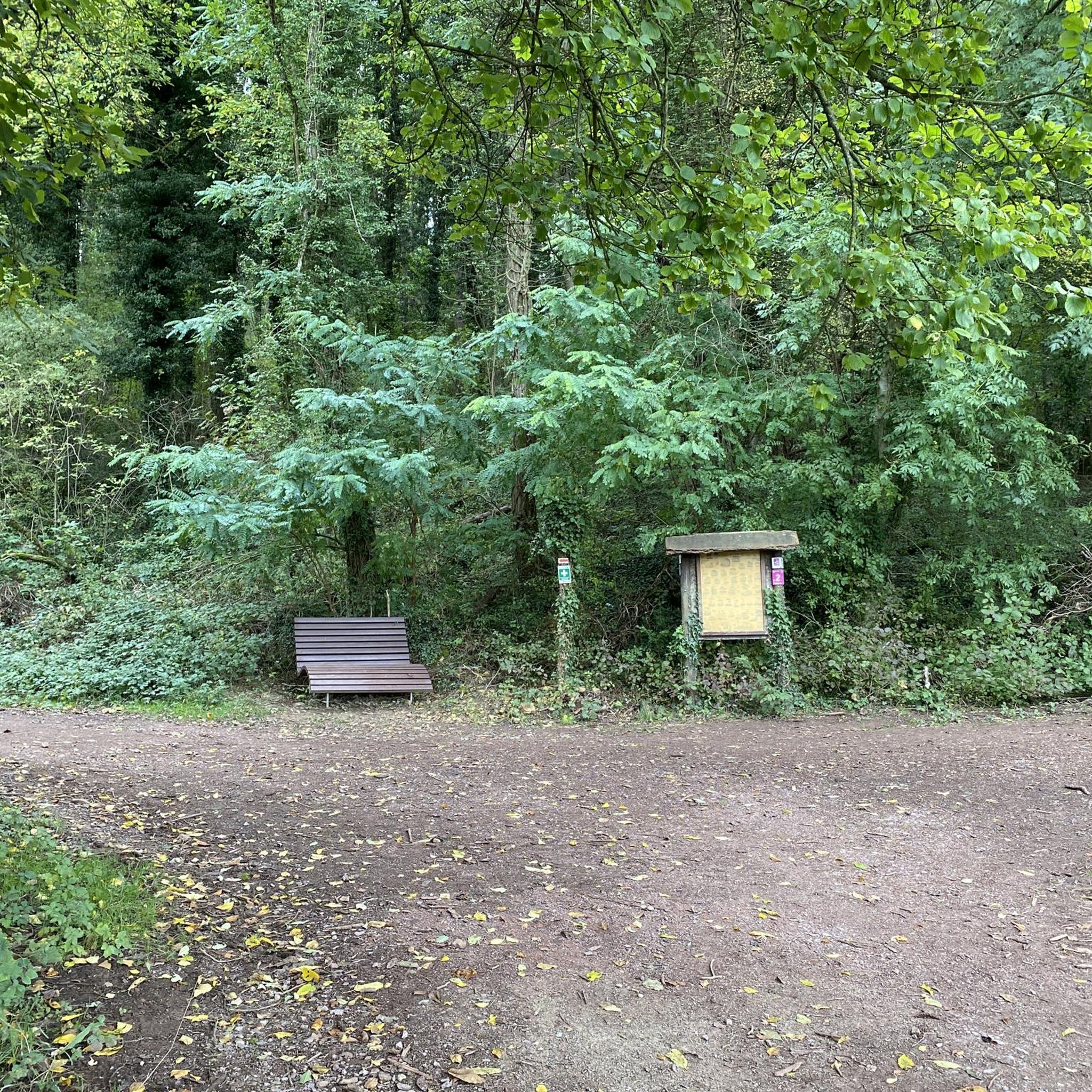
After watching a football match at Awirs, I went back up towards Trixhes and saw the pleasure castle on my way.
3
0
Frequently Asked Questions
What are some of the most notable castles and historical sites in the Fexhe-le-Haut-Clocher region?
The region offers a variety of historical structures. Among the most popular are Aigremont Castle, known for its 16th-century reconstruction and elegant 18th-century residence, and Widooie Castle, a beautifully preserved castle farm with a gate dating from 1662. The Prince-Bishops' Palace, Liège, a significant Gothic-style building, is also a must-see historical site.
What kind of historical architecture can I expect to see among the castles in this area?
The castles and fortified structures in the Fexhe-le-Haut-Clocher region showcase a rich architectural evolution. You can find sites with medieval origins, such as the initial tower at Château de Lexhy from around 1140, alongside 19th-century neoclassical residences like the current Château de Lexhy. Fortified farms, like the Ferme-château de Freloux, also represent the regional architectural and agricultural heritage, often featuring elements from the 17th to 20th centuries.
Are there any castles with significant gardens or parks that are open to the public?
Yes, Heks Castle is particularly renowned for its extensive gardens and park. It features a rose garden with an exceptional assortment of varieties, some original from the 18th century, and a 60-hectare English country park. The gardens and park are typically open to the public during specific weekends in June and September.
What outdoor activities can I do near these castles?
The region around Fexhe-le-Haut-Clocher offers various outdoor activities. You can explore MTB trails, enjoy road cycling routes, or try gravel biking. Many routes pass by historical sites and offer scenic views of the countryside.
Are there family-friendly castles to visit in the Fexhe-le-Haut-Clocher area?
Several castles in the region are considered family-friendly. Heks Castle, for example, with its beautiful gardens and park, can be an enjoyable outing for families. The Prince-Bishops' Palace, Liège, also offers an engaging historical experience for all ages.
What is the best time of year to visit the castles and their surroundings?
The spring and summer months are generally ideal for visiting, especially if you wish to experience the gardens and parks at their best. For instance, the gardens of Heks Castle are open to the public during specific weekends in June and September, showcasing their rose collections. The milder weather also makes outdoor activities like cycling and walking more pleasant.
Are there any lesser-known or 'hidden gem' castles worth exploring in the region?
Beyond the more prominent sites, the region holds several less-publicized but historically significant structures. The Ferme-château de Freloux, an imposing quadrangular fortified farm, offers a glimpse into regional architecture from the 17th century. The Château de Goreux, identified as a fortified castle, also contributes to the area's rich historical landscape, though specific visitor details may be limited for these sites.
What do visitors enjoy most about the castles around Fexhe-le-Haut-Clocher?
Visitors frequently appreciate the rich historical heritage and the architectural diversity, ranging from medieval fortifications to neoclassical residences. The expansive grounds and parks surrounding many of these castles are also a major draw, offering opportunities for peaceful walks and enjoying nature. The komoot community has shown strong appreciation, with over 180 upvotes and 13 photos shared for the castles in the area.
Can I find cycling routes that specifically pass by castles in the Fexhe-le-Haut-Clocher area?
Yes, there are several cycling routes designed to take you past historical sites. For example, the Road Cycling Routes around Fexhe-Le-Haut-Clocher guide includes routes like the 'Château de Jehay – Lexhy Castle loop from Fexhe-le-Haut-Clocher', allowing you to combine your ride with castle viewing.
What types of historical sites, beyond castles, can be found in the area?
In addition to castles, the region is home to other significant historical sites. The Prince-Bishops' Palace, Liège, serves as a major historical landmark, housing the Palace of Justice and the provincial government. Fortified farms, such as the Ferme-château de Freloux, also represent a crucial part of the area's historical and agricultural past.
Are there any specific tips for visiting Heks Castle?
Heks Castle is particularly known for its gardens. The gardens and park are typically open to the public during the first weekend in June and the second weekend in September. It's advisable to check their official website for current opening times and any specific visitor information before planning your trip, as public access is limited to these periods.
Most popular routes around Fexhe-Le-Haut-Clocher
Most popular attractions around Fexhe-Le-Haut-Clocher

Get inspired with the komoot mobile app


Explore more
Looking for the best castles somewhere else? Discover other guides around Fexhe-Le-Haut-Clocher:
