The best road cycling routes around Fexhe-Le-Haut-Clocher
4.1
(23)
762
riders
86
rides
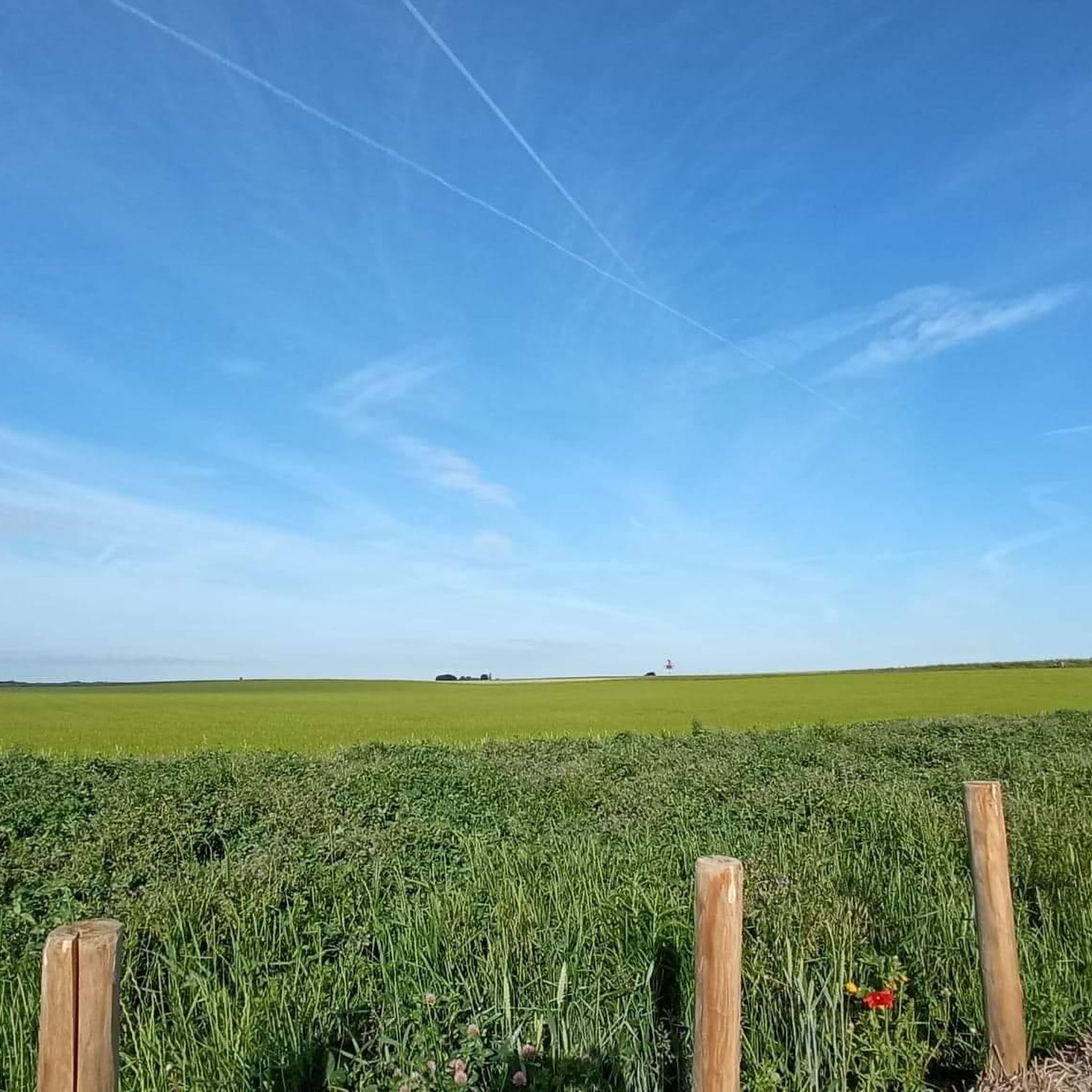
Road cycling around Fexhe-Le-Haut-Clocher offers routes through the Hesbaye region, characterized by gently rolling hills and expansive agricultural lands. The terrain features moderate elevation changes, providing engaging rides without overly strenuous climbs. Cyclists can expect predominantly paved roads connecting rural villages and farmlands, suitable for various skill levels. This landscape provides a mix of open vistas and charming countryside.
Best road cycling routes around Fexhe-Le-Haut-Clocher
- The most popular road cycling route is Oudoumont Castle and Farm – Rue Famelette Climb…
Last updated: July 25, 2026
5.0
(2)
90
riders
84.2km
03:54
710m
710m
Moderate road ride. Good fitness required. Mostly well-paved surfaces and easy to ride.
5.0
(1)
50
riders
88.4km
04:25
960m
960m
Hard road ride. Very good fitness required. Mostly well-paved surfaces and easy to ride.

Sign up for free
3.0
(1)
35
riders
74.0km
03:27
460m
460m
Moderate road ride. Good fitness required. Some segments of this route may be unpaved and difficult to ride.
71
riders
88.6km
04:02
540m
540m
Moderate road ride. Good fitness required. Some segments of this route may be unpaved and difficult to ride.
25
riders
121km
06:14
1,870m
1,870m
Hard road ride. Very good fitness required. Mostly well-paved surfaces and easy to ride.
Get access to more routes and recommendations from other explorers.
Sign up for free
Already have an account?
Our route recommendations are based on thousands of hikes, rides, and runs completed by other people on komoot.
Start today with a free account
Your next adventure awaits.
Login or Signup
Tips from the Community

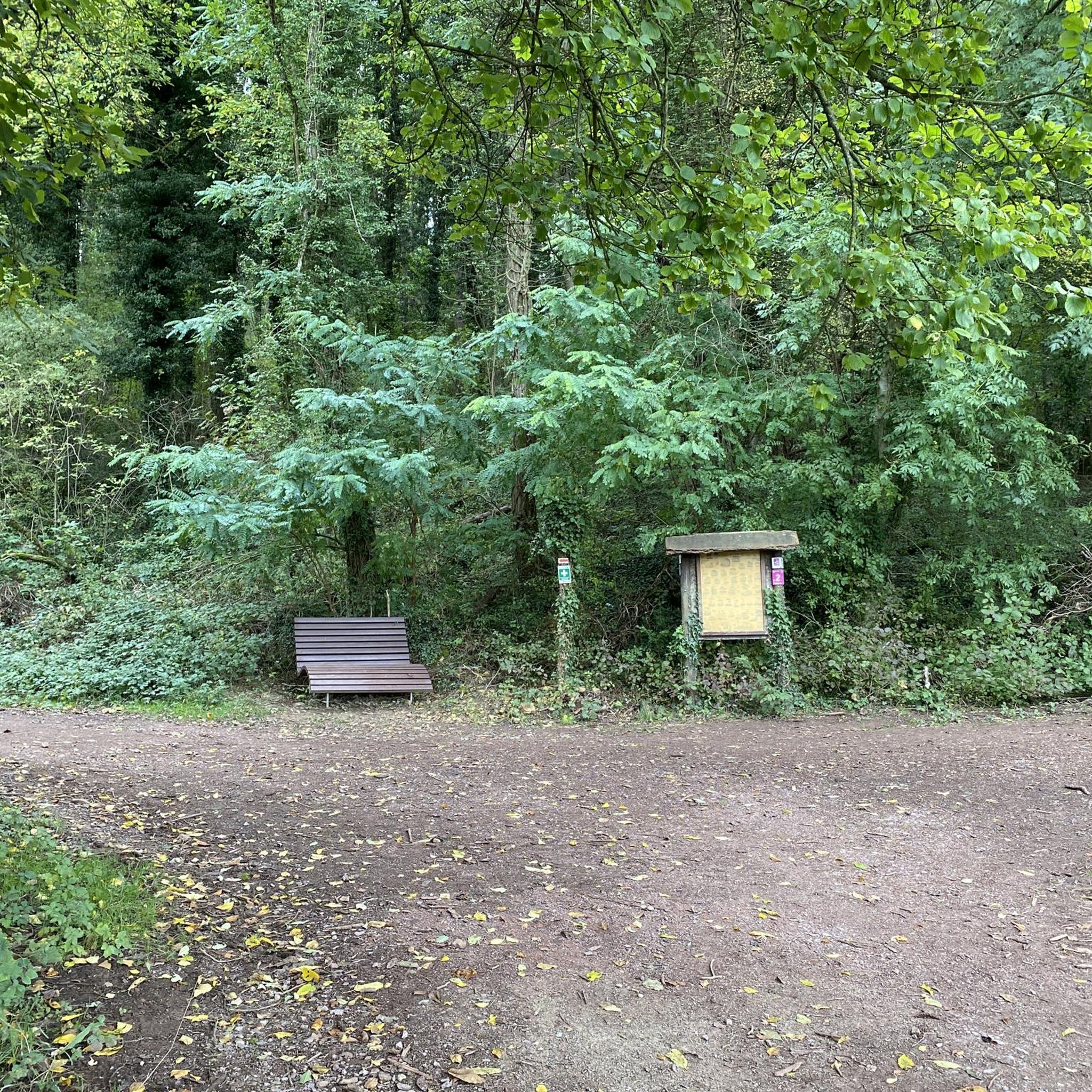
A really nice place to have a drink after your walk (open Wednesday and Sunday)
0
0

Augustinian Abbey on the Meuse River, whose origins date back to 1075. The complex features an impressive corner tower, gateway, abbey church, dovecote, watermill, brewery, and other outbuildings. Later, it also housed a tax collection house and the abbot's palace. Today, it's a large school complex that can be very busy on a Wednesday afternoon.
0
0
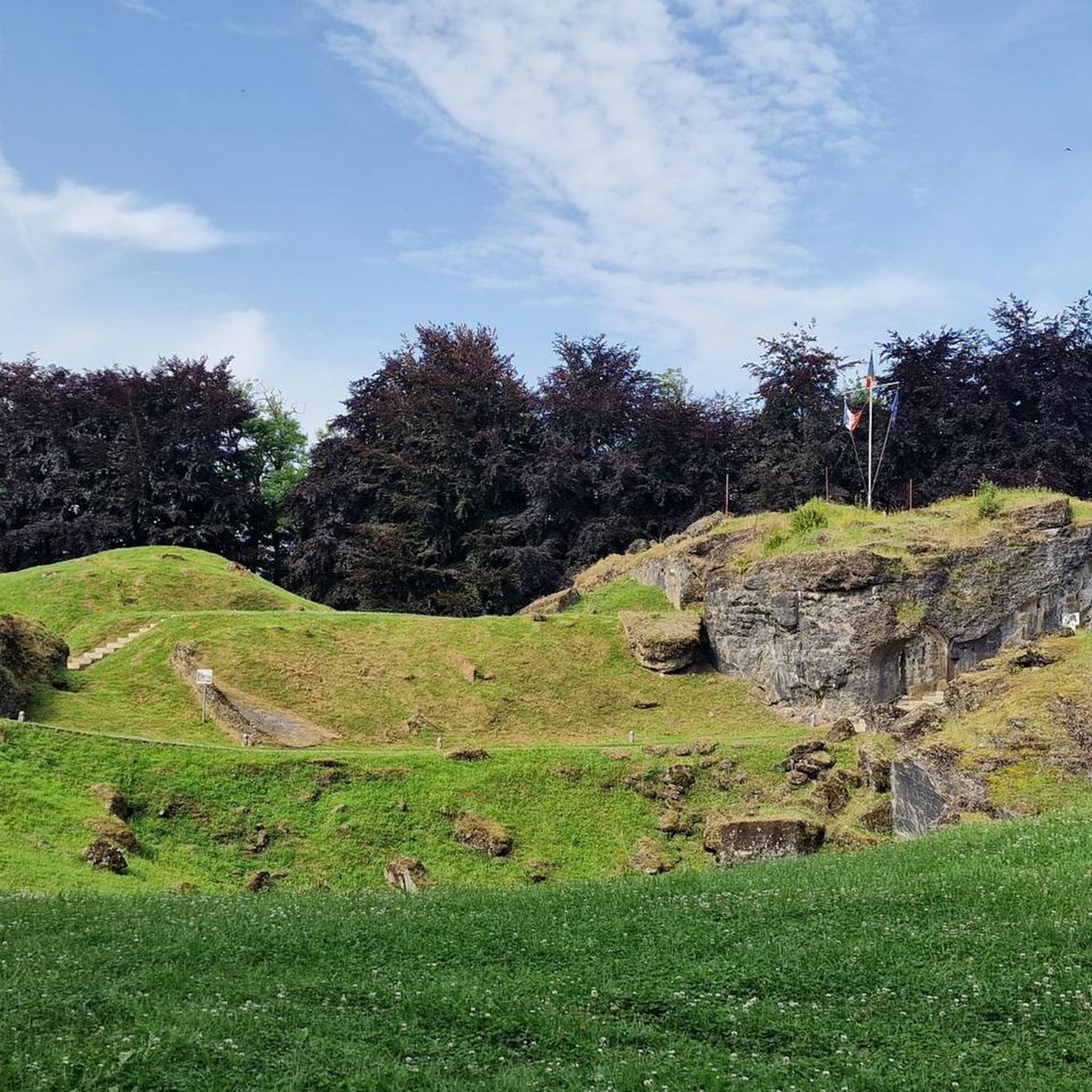
One of Liège's most beautiful castles, originating in the 11th century, completely surrounded by a moat. Striking are the checkerboard facades in limestone and brown sandstone and the pepper-pot-like turrets. Various owners succeeded one another over the centuries. For two centuries (16th-17th century), it was owned by the powerful de Merode family, who gave the castle its current appearance. They sold it to the Van den Steen family in 1720. The last descendant of the family, Count Guy vanden Steen, bequeathed it to the province in 1999. He was a sculptor, among other things, and many of his bronze statues still adorn the gardens. He did, however, incorporate a distinctive symbolism, depicting nude female figures mating with beetles. The 22-hectare estate also features an Italian ornamental garden with water features and bronze statues, a 19th-century vegetable garden with orangeries, a 19th-century icehouse, and many listed trees. The castle also has its own church within the moat on a peninsula. Over the centuries, the owners have amassed numerous curiosities that can be seen in the castle, which is now a provincial property and open to visitors.
0
0

Video of the climb https://youtu.be/Zo2UjmpC1Yw
0
0


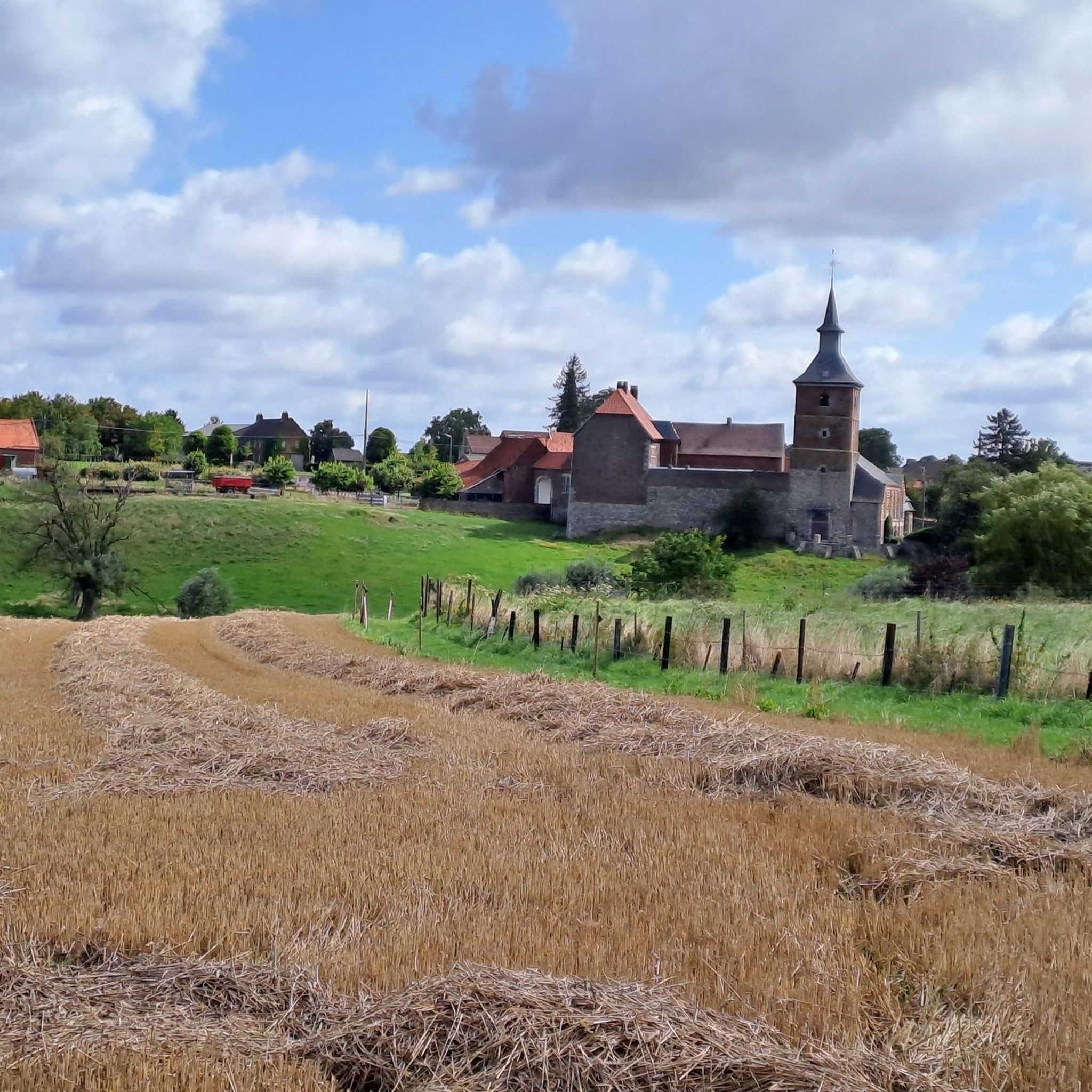
The eighteenth-century church is a typical example of Hesbaye architecture. It contains a stained-glass window depicting the family coat of arms (1938) by Louis Struys.
3
0

nice narrow climb with 2 tight bends
0
0
Frequently Asked Questions
How many road cycling routes are available around Fexhe-Le-Haut-Clocher?
There are over 75 road cycling routes available around Fexhe-Le-Haut-Clocher, catering to various skill levels. You'll find a mix of easy, moderate, and challenging options to explore the Hesbaye region.
What kind of terrain can I expect when road cycling in Fexhe-Le-Haut-Clocher?
The region is characterized by gently rolling hills and expansive agricultural lands of the Hesbaye. You can expect predominantly paved roads with moderate elevation changes, providing engaging rides without overly strenuous climbs. It's a landscape of open vistas and charming countryside.
Are there any challenging road cycling routes for experienced riders?
Yes, for experienced riders seeking a challenge, routes like the Château de Jehay – Lexhy Castle loop from Fexhe-le-Haut-Clocher offer significant elevation gains over its 116.6 km distance, making it a demanding ride through the region's varied terrain.
What are some scenic viewpoints or landmarks I can see along the road cycling routes?
While cycling, you'll pass through picturesque rural villages and vast farmlands. For specific landmarks, consider routes that might take you near historical sites like the villages mentioned in the 'Peace of Fexhe' history. The wider region also features natural attractions such as the Aux Roches Nature Reserve, known for its impressive limestone formations, though this is more suited for hiking.
What do other road cyclists enjoy most about cycling in Fexhe-Le-Haut-Clocher?
The area is highly rated by the komoot community, with an average score of 4.1 stars from over 10 reviews. Cyclists often praise the varied terrain, which offers a good balance of rolling hills and flat sections, as well as the scenic routes through agricultural plains and charming villages.
Are there any family-friendly road cycling routes in the area?
While specific 'family-friendly' road cycling routes are not explicitly detailed, the region's gently rolling hills and predominantly paved roads make many of the easier and moderate routes suitable for families with some cycling experience. Look for routes with less elevation gain for a more relaxed family outing.
Where can I find cafes or pubs along the road cycling routes?
The charming rural villages within the commune, such as Fexhe, Freloux, Noville, Roloux, and Voroux-Goreux, are good places to look for local cafes or pubs. The The Old Haneffe Café – Opheersberg loop from Fexhe-le-Haut-Clocher route even suggests a specific cafe in its name, indicating opportunities for refreshment stops.
What is the best time of year to go road cycling in Fexhe-Le-Haut-Clocher?
The spring, summer, and early autumn months generally offer the most pleasant conditions for road cycling in Fexhe-Le-Haut-Clocher. During these seasons, the weather is typically mild, and the agricultural landscapes are at their most vibrant, providing beautiful scenery for your rides.
Are there any loop road cycling routes available?
Yes, many of the routes in the area are designed as loops, allowing you to start and end at the same point. Examples include the Oudoumont Castle and Farm – Rue Famelette Climb loop from Fexhe-le-Haut-Clocher and the Braives Railway Path – The Velupont Mill loop from Fexhe-le-Haut-Clocher, which are popular choices among local cyclists.
Can I access road cycling routes using public transport?
While Fexhe-Le-Haut-Clocher itself is a rural municipality, larger urban centers like Liège are accessible by public transport. From Liège, which has a major railway station (Liège-Guillemins railway station), you might be able to connect to local bus services that serve the Fexhe-Le-Haut-Clocher area, though direct access to specific trailheads might require planning.
Are there any historical sites or cultural attractions near the cycling routes?
Beyond the natural scenery, the village of Fexhe itself holds historical importance as the site where the 'Peace of Fexhe' was signed in 1316. Additionally, the nearby Belgian Owl distillery offers tours for those interested in local produce and whisky-making, providing a cultural stop off the bike.
Most popular routes around Fexhe-Le-Haut-Clocher
Most popular attractions around Fexhe-Le-Haut-Clocher

Get inspired with the komoot mobile app


Explore more
Browse the best Road cycling routes in other regions.
