The best cycling routes around Wachtebeke
4.4
(116)
977
riders
75
rides
Touring cycling routes around Wachtebeke offer diverse landscapes, characterized by extensive waterways such as the Moervaart and Zuidlede, and the Stekense Canal. The region features the Heidebos nature reserve, a mix of forests and heathland situated on a sand ridge. These flat to gently undulating terrains provide varied surfaces, including quiet roads, dedicated paths, and towpaths, suitable for touring cyclists.
Best touring cycling routes around Wachtebeke
- The most popular touring cycling route is Stekense Canal – Towpath Along the Moervaart…
Last updated: July 18, 2026
4.7
(41)
222
riders
48.6km
02:53
50m
50m
Moderate bike ride. Good fitness required. Mostly paved surfaces. Suitable for all skill levels.
5.0
(2)
34
riders
35.2km
02:33
40m
40m
Hard bike ride. Good fitness required. You may need to push your bike for some segments of this route.

Sign up for free
4.0
(1)
35
riders
9.13km
00:45
10m
10m
Easy bike ride. Great for any fitness level. Mostly paved surfaces. Suitable for all skill levels.
4.8
(6)
25
riders
46.2km
02:57
40m
40m
Hard bike ride. Good fitness required. You may need to push your bike for some segments of this route.
5.0
(1)
28
riders
17.3km
01:05
20m
20m
Easy bike ride. Great for any fitness level. Mostly paved surfaces. Suitable for all skill levels.
Get access to more routes and recommendations from other explorers.
Sign up for free
Already have an account?
Our route recommendations are based on thousands of hikes, rides, and runs completed by other people on komoot.
Start today with a free account
Your next adventure awaits.
Login or Signup

Tips from the Community

The wooden arch bridge over the Stekense Vaart, named after Frans Coppens, was receiver-clerk in the municipality of Sinaai for almost a quarter of a century. He played an important role in "de Groote Watering van Sinay", the name given to the project launched by the Boerenbond in 1926. This project was initiated after repeated floods and aimed to make the polders 'dry'. The construction of the pumping station near Hondsnest was one of the first achievements within this project. During the Second World War, the unemployed were employed to clean or widen ditches. Under the impetus of dike reeve Jozef "meester" Maes and... receiver-clerk Frans Coppens (!), major reclamation works were carried out in the 60s, continuing into the following decades. Thus, Hondsnest got a new pumping station in 1975. In the meantime, the watering area had been converted into a polder, pursuant to the polder law of June 3, 1957. source: info file "Polder Daknam-Sinaai"
2
0

On Friday, April 5, 1867, the Spletterenbrug was officially opened. Between Moerbeke and Lokeren, trains stopped in Daknam and Eksaarde. In Moerbeke, travelers could transfer to railway line 77 towards Zelzate or towards Sint-Gillis-Waas. That the intention was to one day double the 9-kilometer railway line to two tracks is still visible on the Spletterenbrug. Both bridge abutments are indeed twice as wide as the bridge deck itself. It never came to that. On the contrary. The railway line suffered during both world wars, causing traffic to be suspended for months. For example, retreating German soldiers blew up the bridge at the end of World War I. Less than a year after the armistice, in September 1919, the line was already restored and trains could run on the route again. In 1940, the Belgian army, in turn, tried to slow down the German advance by destroying the bridge. The bridge was repaired again. In 1971, the last train chugged along the route. After more than a century of train traffic, the tracks were dismantled and the route was redeveloped as a cycling and walking path from Lokeren to Moerbeke. The Spletterenbrug itself was preserved and restored in 2017. The seven layers of paint were removed, and the bridge regained its original, dark gray color. Source: industriecultuur.be
4
0
The Sint-Annakerk is located in the Heirbrug district. This district originated from 1880 onwards, when workers' houses were built. In 1931, a parish was founded. Church services were temporarily held in a practice room at the school. Lack of money and economic stagnation, and later the Second World War, prevented the construction of a definitive church. The church was built in 1949-1950 according to the design of Adrien Bressers. It is striking that the tower is not integrated into the building, but was built next to it, on a square floor plan. Source: Wikipedia.
4
0

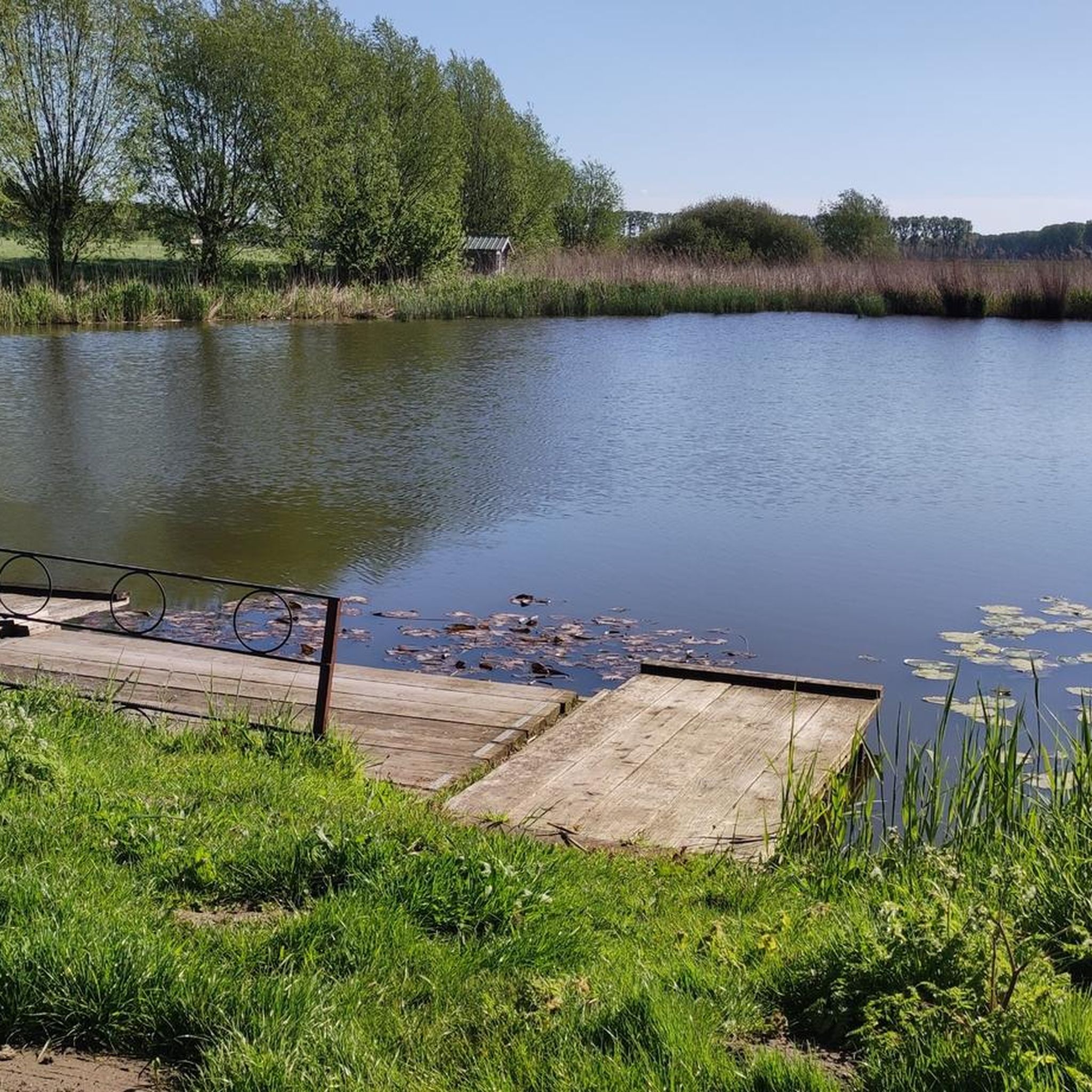
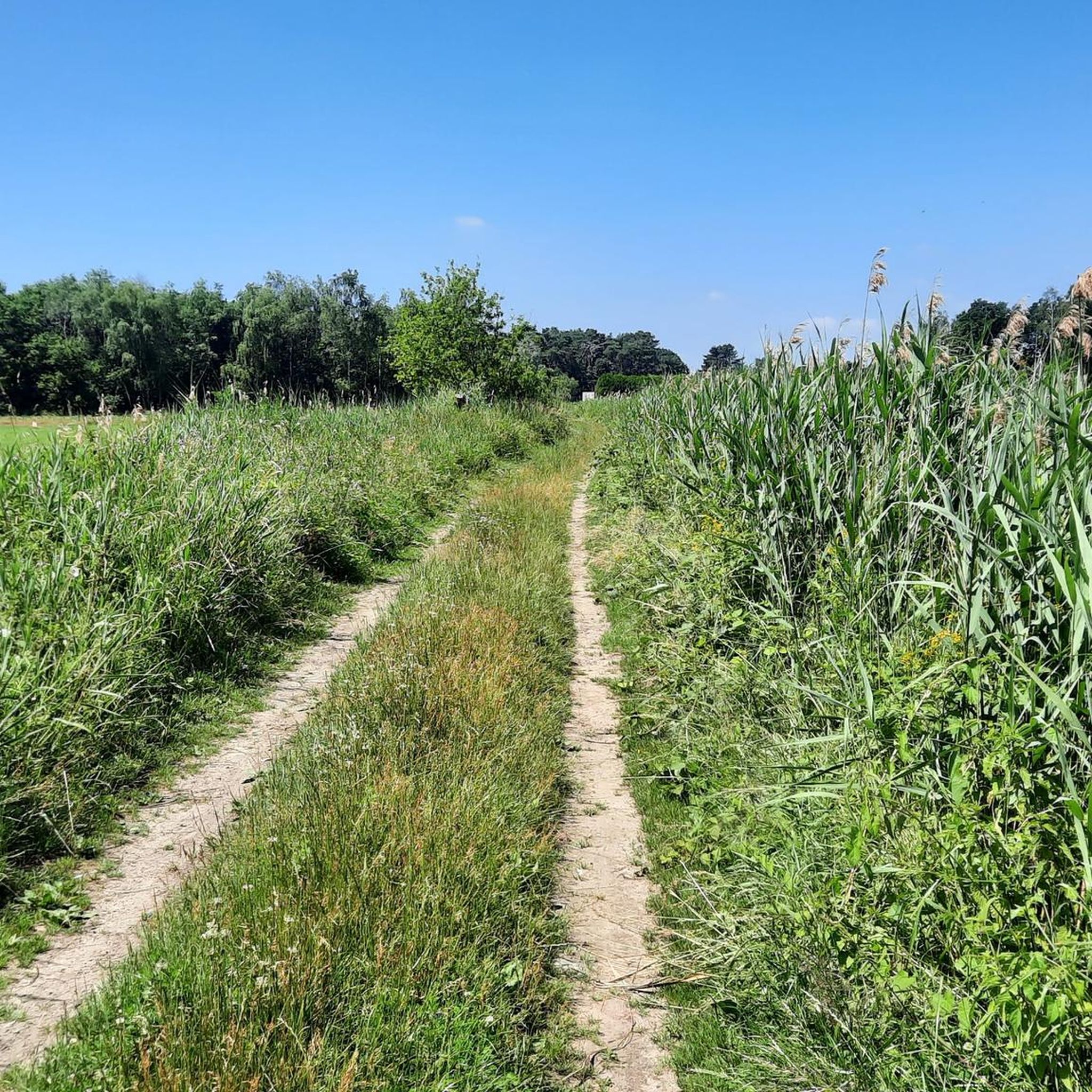
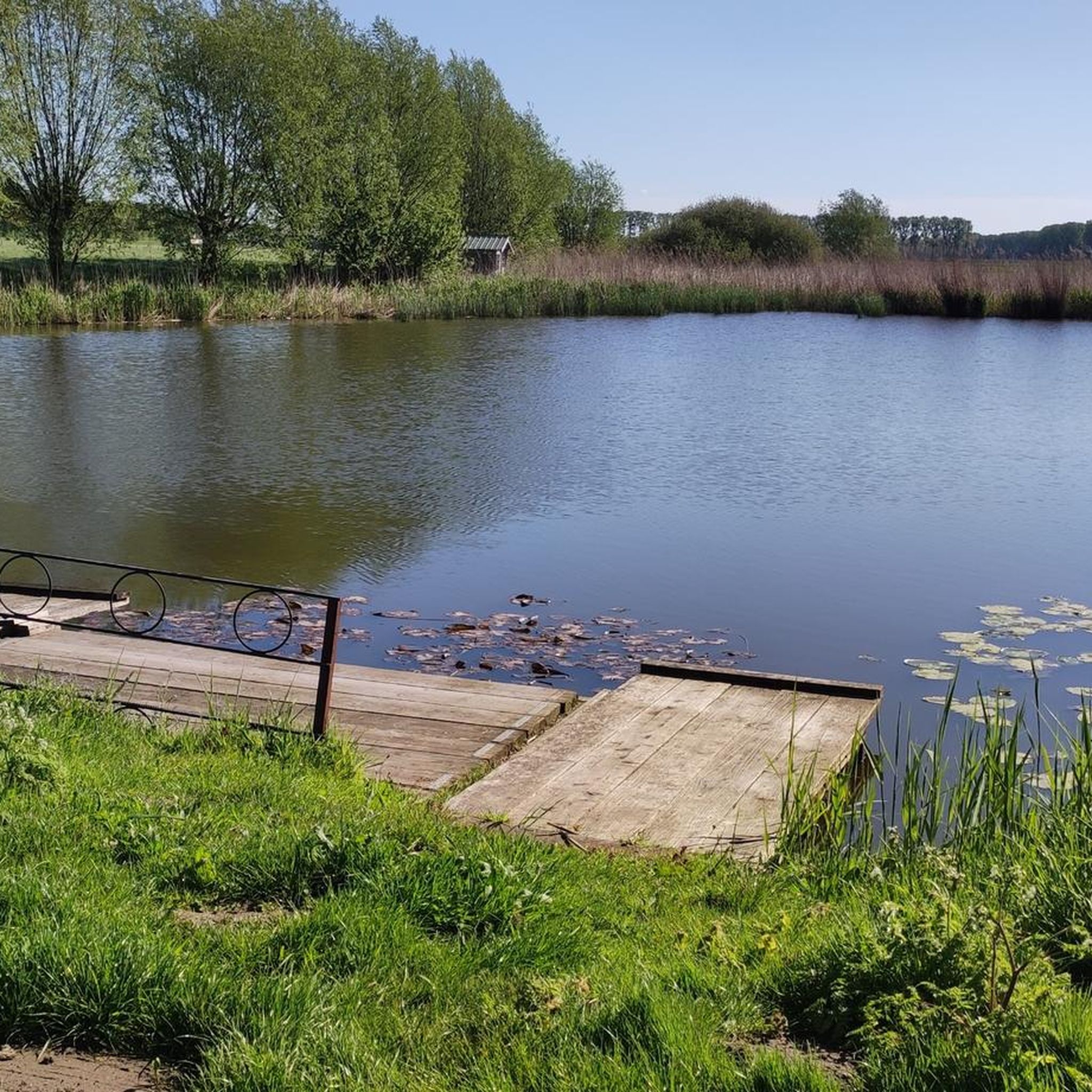
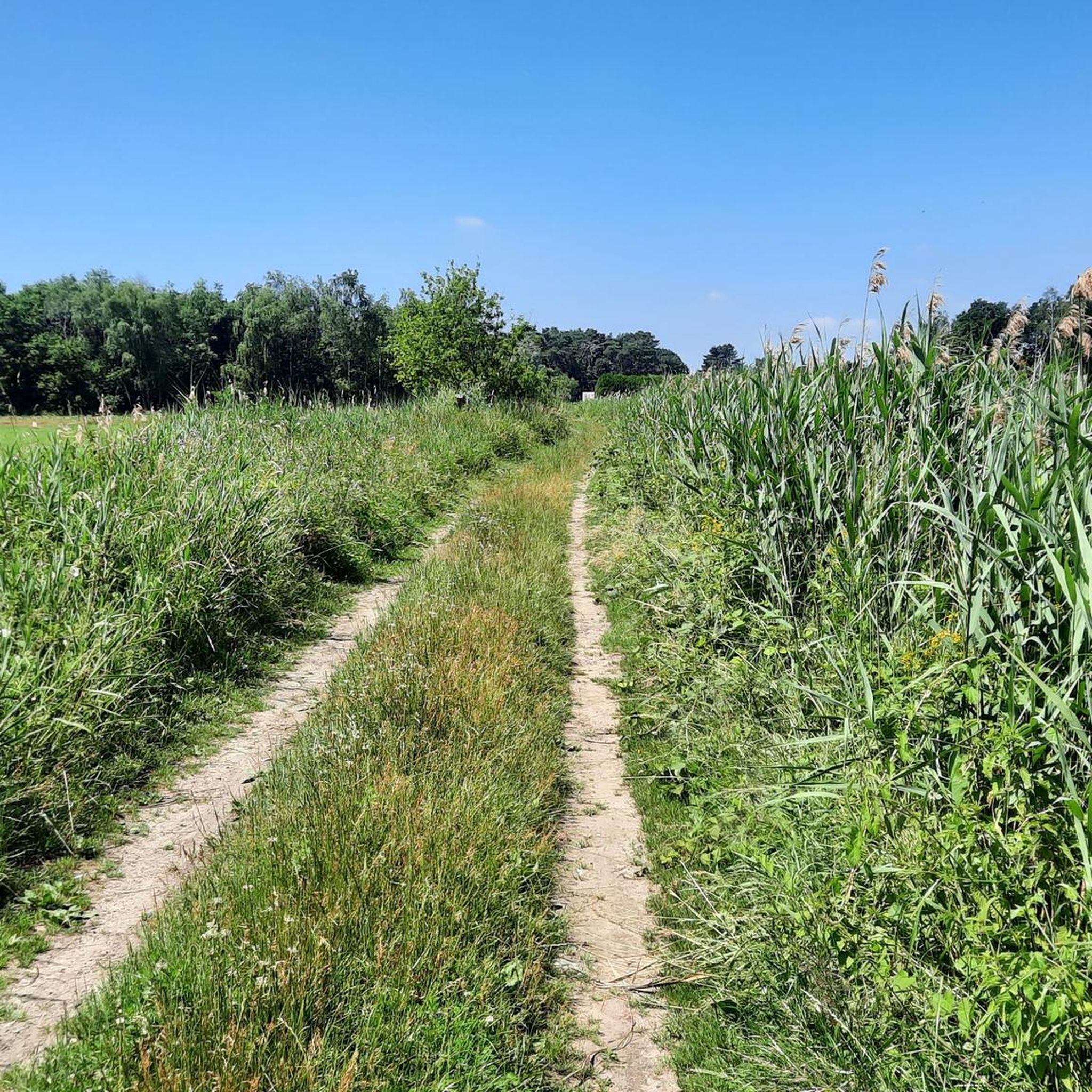
Very beautiful, calm, greenery.
0
0
Enjoy a refreshing drive on warm summer days
0
0

The pumping station at the Frans Coppens Bridge serves to pump excess water from the lower surrounding area into the canal.
4
0
It is well worth stopping on top of the bridge. The view from the Stekense Vaart looks like a landscape painting. The bridge is named after honorary citizen Frans Coppens from Klein-Sinaai. As receiver-clerk he made a great contribution in his career. The canal used to be an important connection between the Dutch Hulst and Ghent.
3
0
Frequently Asked Questions
How many touring cycling routes are available in Wachtebeke?
There are over 70 touring cycling routes in Wachtebeke, catering to various skill levels. You'll find a good mix, with 42 easy routes, 26 moderate, and 4 more challenging options.
What kind of landscapes can I expect to see while cycling in Wachtebeke?
Wachtebeke offers a diverse 'green and blue patchwork' of landscapes. You'll cycle through polders, past clay pits, alongside rivers like the Moervaart and Zuidlede, and through meadows and forests. The Forest Path in Heidebos – Kloosterbos loop from Wachtebeke, for example, takes you through the Heidebos nature reserve, known for its majestic avenues and natural beauty.
Are there any family-friendly cycling routes in Wachtebeke?
Yes, the Provincial Domain Puyenbroeck is an excellent area for family cycling. It's a vast recreational area with extensive cycling routes and facilities like an animal park and traffic park. A shorter, easy option is the Cathedral of Poplars – Puyenbroeck Provincial Domain loop from De Eenbes, which is just over 9 km.
What are the main natural features to look out for along the routes?
The Moervaart and Zuidlede rivers are central to many routes, offering quiet paths and surprising natural scenery. You'll also encounter the Heidebos nature reserve and the 'green lung' of Kloosterbos. Cycling along the Moervaart Towpath is particularly recommended for its tranquil waters and wildlife.
Are there any circular cycling routes in Wachtebeke?
Many routes in Wachtebeke are designed as loops, making them convenient for touring cyclists. Examples include the Stekense Canal – Towpath Along the Moervaart loop from Wachtebeke and the Cycle Path Along the Moervaart – Towpath Along the Moervaart loop from Wachtebeke, both offering scenic circular tours.
What kind of terrain and surfaces can I expect on Wachtebeke's cycling routes?
The routes in Wachtebeke are generally flat to gently undulating. You'll find a mix of quiet roads, dedicated cycle paths, and well-maintained towpaths. Many routes feature a high percentage of paved roads and dedicated cycleways, ensuring a comfortable ride.
Are there any historical landmarks or interesting sights along the cycling paths?
Yes, the region has several points of interest. You can discover various castles, such as Puyenbrug Castle and Lippens Castle. The Stekense Canal and the Terwest Bridge are also notable features along the waterways.
What do other touring cyclists say about Wachtebeke?
The touring cycling routes around Wachtebeke are highly rated by the komoot community, with an average score of 4.3 stars from over 100 reviews. Cyclists often praise the tranquil paths along the waterways and the varied natural scenery.
Is it possible to combine cycling with other activities in Wachtebeke?
Absolutely. The Provincial Domain Puyenbroeck, a major hub in Wachtebeke, offers a wide array of activities beyond cycling. You can also enjoy swimming, walking, rowing, minigolf, and even visit an animal park, making it a great destination for a full day out.
Where can I find parking for cycling routes in Wachtebeke?
The Provincial Domain Puyenbroeck is a central location with ample parking facilities for visitors. Many routes either start from or pass through this domain, making it a convenient base for your cycling adventures.
Are there any challenging routes for experienced touring cyclists?
While many routes are easy to moderate, there are options for more experienced cyclists. The Forest Path in Heidebos – Kloosterbos loop from Wachtebeke is rated as difficult, as is the Moervaart Towpath – Stekense Canal loop from Provinciaal Domein Puyenbroeck, offering a more demanding ride through varied terrain.
Most popular routes around Wachtebeke
Most popular attractions around Wachtebeke

Get inspired with the komoot mobile app


Explore more
Browse the best Cycling routes in other regions.
