The best cycling routes around Conco
4.4
(1725)
21,615
riders
16
rides
Touring cycling around Conco offers routes through varied terrain, characterized by hills and views of the surrounding plains. The region features a network of paths that traverse both open landscapes and areas with historical significance. Elevations on these routes can be substantial, providing a challenging experience for cyclists. The area's geography supports diverse touring cycling experiences.
Best touring cycling routes around Conco
- The most popular touring cycling route is View of the Plain Below – Public Water Fountain loop from…
Last updated: July 19, 2026
5.0
(3)
37
riders
36.0km
03:41
920m
920m
Hard bike ride. Very good fitness required. You may need to push your bike for some segments of this route.
22
riders
Moderate bike ride. Good fitness required. Mostly paved surfaces. Suitable for all skill levels.

Sign up for free
5.0
(1)
16
riders
38.1km
02:44
740m
740m
Hard bike ride. Very good fitness required. Mostly paved surfaces. Suitable for all skill levels.
12
riders
46.5km
04:07
1,010m
1,010m
Hard bike ride. Very good fitness required. You may need to push your bike for some segments of this route.
4.0
(1)
10
riders
42.6km
03:25
670m
670m
Hard bike ride. Very good fitness required. You may need to push your bike for some segments of this route.
Get access to more routes and recommendations from other explorers.
Sign up for free
Already have an account?
Our route recommendations are based on thousands of hikes, rides, and runs completed by other people on komoot.
Start today with a free account
Your next adventure awaits.
Login or Signup
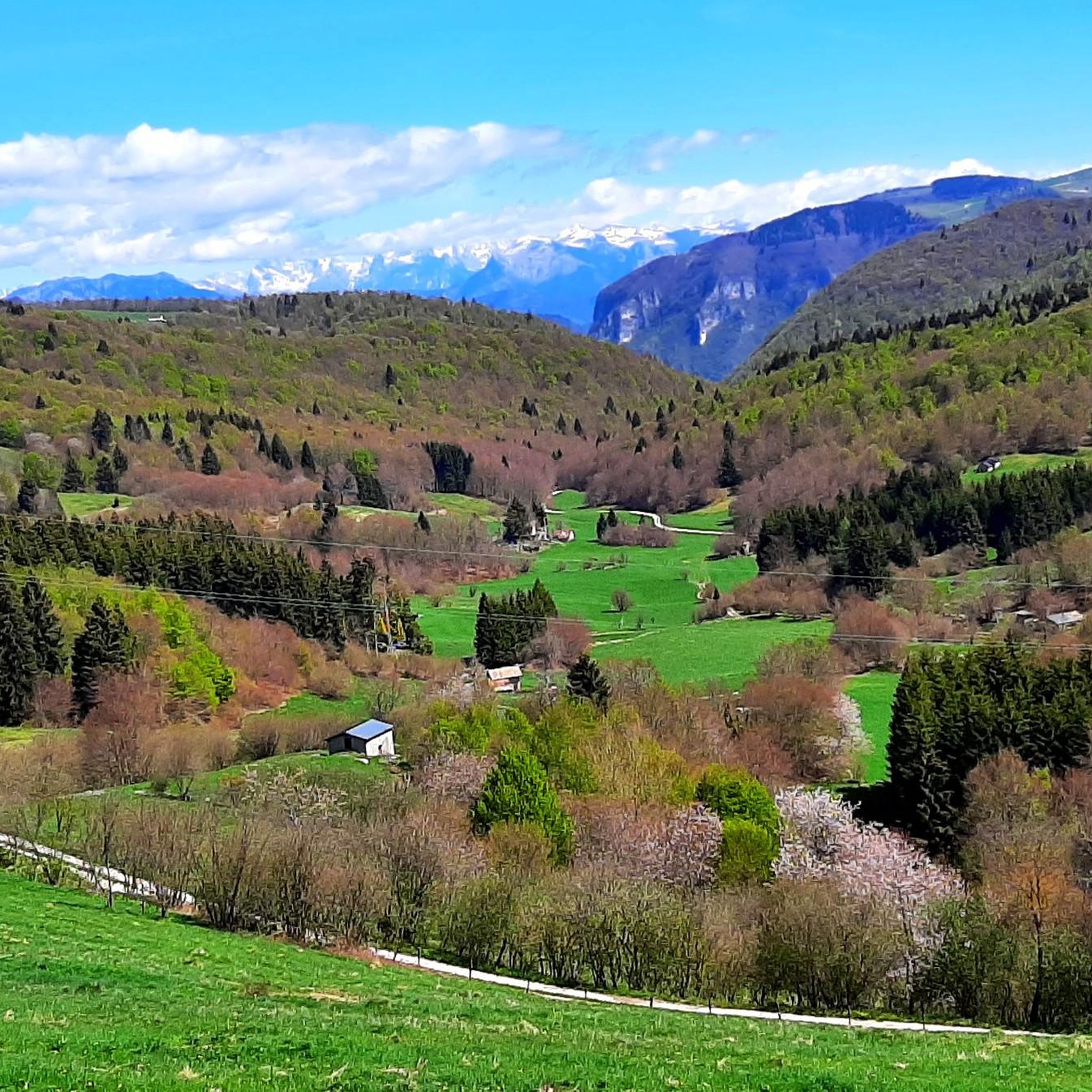
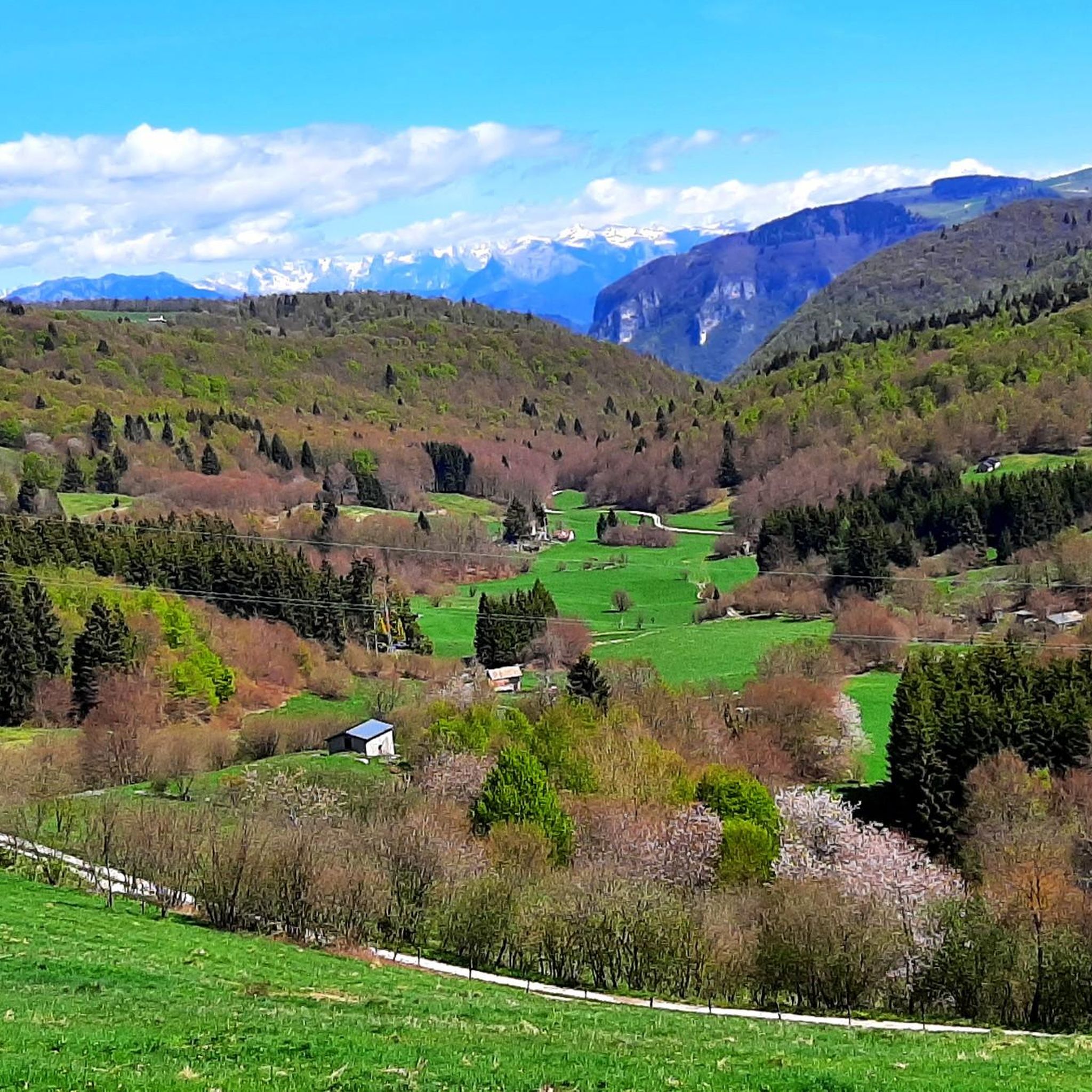

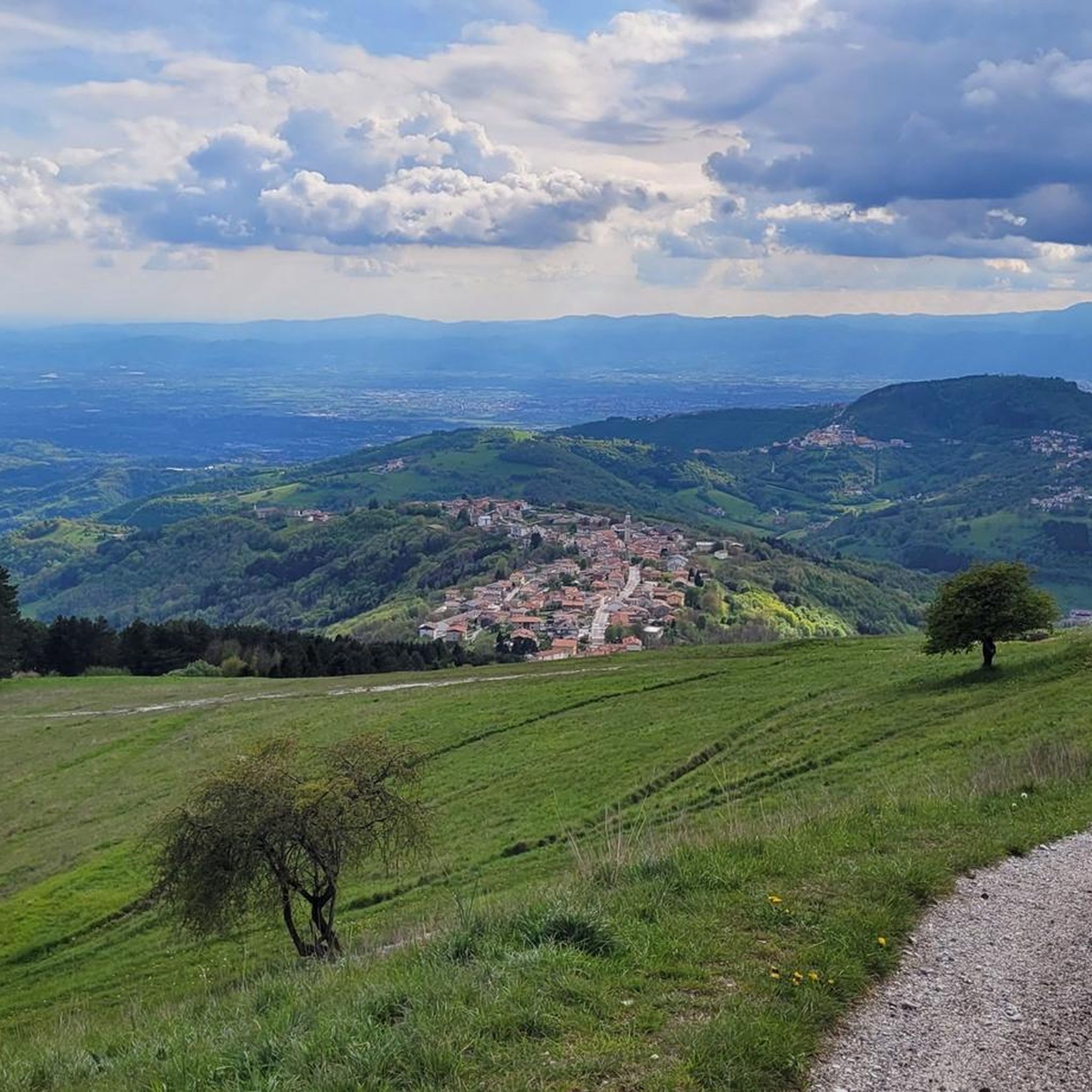
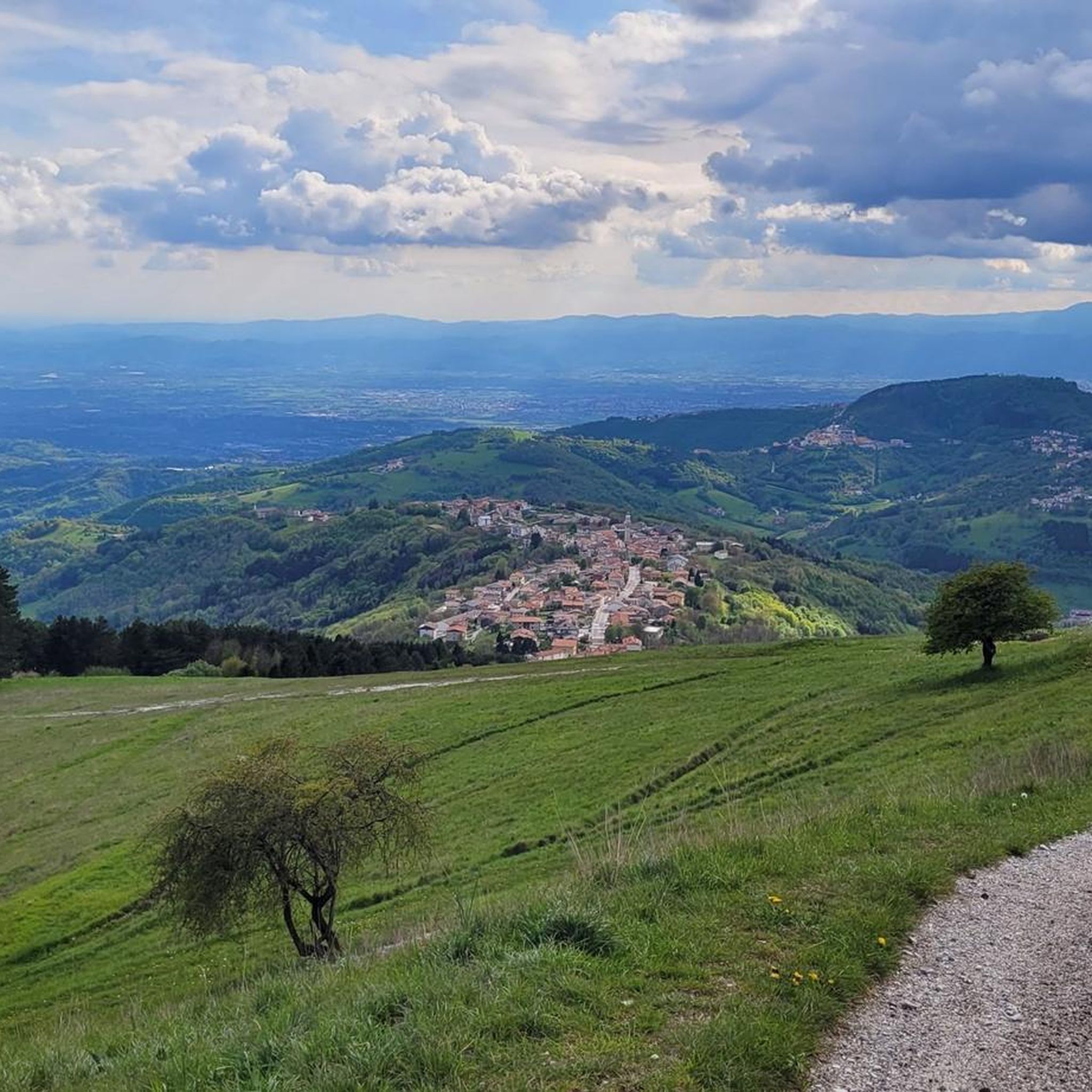
Tips from the Community

This large concrete tank pumps water from the springs of the Grotte di Oliero, thanks to an aqueduct that overcomes 1000m of elevation difference, to then distribute it throughout the Asiago Plateau: up here, in fact, the territory is karst, so it does not retain water which flows downstream through underground channels... practically the same water from rain and snow that naturally descends from the summit is artificially pumped up out of necessity! The current aqueduct and tank were built on the traces of a system already created during the First World War, to address the primary problem of water supply for the Plateau, which became critically serious during the conflict, both due to the exponential increase in the number of men present at altitude, and due to the contest for the few springs by opposing enemies. Considered by many to be a horrible structure, for me it is a suggestive brutalist architecture totally detached, positioned in a natural and unspoiled environment: a fascinating contrast!
0
0

Strategic stop and meeting point in Rubbio, perfect for those tackling the Altopiano routes by MTB, e-MTB, or road bike. At Ristorante Milleluci, there is specific hospitality for cyclists with the possibility of e-bike charging, water for refilling bottles, and information material on the trails and routes in the area. Excellent as a starting point or for a regenerating break with local products. Safe space to temporarily leave your bikes.
0
0

The Military Shrine of Asiago, also known as the Sacrario del Leiten, stands majestically on the homonymous hill to honor the memory of the fallen of the Great War. Inaugurated in 1936, the imposing white marble structure is distinguished by its iconic four-fronted triumphal arch, twenty meters high, which dominates the entire Altopiano dei Sette Comuni. Inside the square base, a dense network of galleries houses the remains of over 54,000 soldiers, many of them unknown, belonging to both the Italian and Austro-Hungarian armies. In addition to its commemorative function, the site houses a war museum rich in memorabilia and documents from the era. Traversing its spaces of silence offers a profound reflection on human sacrifice and the history of the alpine front, making the monument not only a symbol of patriotic devotion but also a solemn warning for peace addressed to future generations.
0
0

“Death is not the end, but only a very specific end: namely, the end of a first, provisional period of life and the beginning of a new, unending epoch. Jesus said, ‘My kingdom is not of this world.’ So there is another world. Not only his disciples believed in this other world, but also his opponents. The lawyer, for example, asked him what he must do ‘to inherit eternal life.’ (…) Precisely because it lasts forever, this life is so precious that everything else in the present world pales in comparison.” (Text by Albino Luciani / Pope John Paul I)
0
0


Descent into the meadows around the Asiago Shrine, be careful in case of pedestrians.
0
0

iconic refreshment point
0
0
iconic refreshment point
0
0
Frequently Asked Questions
How many touring cycling routes are available around Conco?
There are over 10 touring cycling routes around Conco, offering a variety of experiences. The region is known for its moderate to difficult routes, with 5 moderate and 8 difficult options available.
What kind of terrain can I expect when touring cycling around Conco?
Touring cycling around Conco is characterized by rolling hills and significant elevation changes, providing a challenging experience. The routes often feature expansive views of the plains and traverse varied landscapes, including areas with historical significance. The broader region, including the Bakony Mountains and Vértes Hills, offers diverse terrain from forest environments to gentle hillsides.
What is the best time of year for touring cycling in Conco?
While specific seasonal recommendations for Conco are not detailed, the region's varied terrain, including hills and forest environments, suggests that spring and autumn would likely offer the most pleasant cycling conditions, avoiding the extremes of summer heat or winter cold. Always check local weather conditions before heading out.
Are there any circular touring cycling routes in Conco?
Yes, many of the touring cycling routes around Conco are designed as loops. For example, the difficult route View of the Plain Below – Public Water Fountain loop from Rubbio and the moderate Military Memorial of Asiago – Asiago — Stage Host Town loop from Galgi are popular circular options.
Are there touring cycling routes suitable for beginners in Conco?
The touring cycling routes around Conco are primarily moderate to difficult, with no routes specifically categorized as easy. Cyclists should be prepared for significant elevation gains and challenging climbs. If you are a beginner, consider routes with lower elevation gain or shorter distances, such as the Military Memorial of Asiago – Asiago — Stage Host Town loop from Galgi, which is rated moderate.
What natural features or landmarks can I see along the touring cycling routes?
The routes offer expansive views of the plains and lead through historical landscapes. While cycling, you might encounter various natural features. The broader region is known for its varied terrain, including forest environments and rolling hills. For specific natural highlights, consider exploring areas like Foza–Valstagna Hairpin Road or Col d'Astiago, which are mountain passes in the vicinity.
Are there historical sites to explore while cycling in Conco?
Yes, Conco's touring cycling routes often connect historical points of interest. Routes like the Military Memorial of Asiago – Asiago — Stage Host Town loop from Conco and Granezza British Cemetery – Military Memorial of Asiago loop from Bocchetta lead through significant historical landscapes. The nearby town of Kisbér also hosts the Mini-Hungary Model Park, and Komárom, where the Concó River discharges, features historical fortifications like the Monostor Fortress.
Where can I find parking for touring cycling routes in Conco?
Specific parking information for individual routes is not detailed, but generally, starting points for routes like those from Rubbio, Galgi, Conco, or Bocchetta would be good places to look for local parking options. It's advisable to check local municipality websites or komoot route details for precise parking locations before your trip.
Is public transport available to access touring cycling routes in Conco?
Information on specific public transport links directly to the starting points of these touring cycling routes is not readily available. However, towns like Tata, near the Vértes Hills, are connected by public transport, and some routes utilize forestry access roads. Planning your journey in advance and checking local bus or train schedules to nearby towns would be recommended.
Are there places to eat or stay near the touring cycling routes in Conco?
While specific cafes, pubs, or accommodations directly on the routes are not listed, the towns and villages around Conco, such as Asiago, would offer various options for refreshments and overnight stays. It's a good idea to research local amenities in the towns you plan to pass through or start from.
What do other touring cyclists say about the routes in Conco?
The touring cycling routes in Conco are highly rated by the komoot community, with an average score of 4.3 stars from over 450 reviews. More than 8,000 touring cyclists have used komoot to explore Conco's varied terrain, often praising the challenging climbs, panoramic views, and historical landscapes.
Can I bring my dog on touring cycling routes in Conco?
While the region offers diverse outdoor opportunities, specific rules regarding dogs on touring cycling routes in Conco are not detailed. It's generally recommended to keep dogs on a leash and ensure they are well-behaved, especially in areas with other cyclists or wildlife. Always check local regulations or signage for any restrictions.
Most popular attractions around Conco

Get inspired with the komoot mobile app


Explore more
Browse the best Cycling routes in other regions.
