Attractions and Places To See around Signa - Top 20
Best attractions and places to see around Signa include a range of historical and natural sites. Signa is a historic town located on the right bank of the Arno river in Tuscany, Italy, with a history dating back to 930 AD. The area features notable landmarks, cultural sites, and natural points of interest. Visitors can explore historic churches, ancient town structures, and museums.
Best attractions and places to see around Signa
- The most popular attractions is Basilica di Santa Maria Novella, a religious building that is one of the most important churches in Florence. It served as a reference point for the Dominican order.
- Another must-see spot is Devil’s Rock (Pietramarina), a natural monument. This strange rock formation is a single large sandstone monolith with steps dug directly into the stone.
- Visitors also love Pitti Palace, a historical site. Originally built from 1458, it served as the residence of the Dukes of Florence since the 16th century.
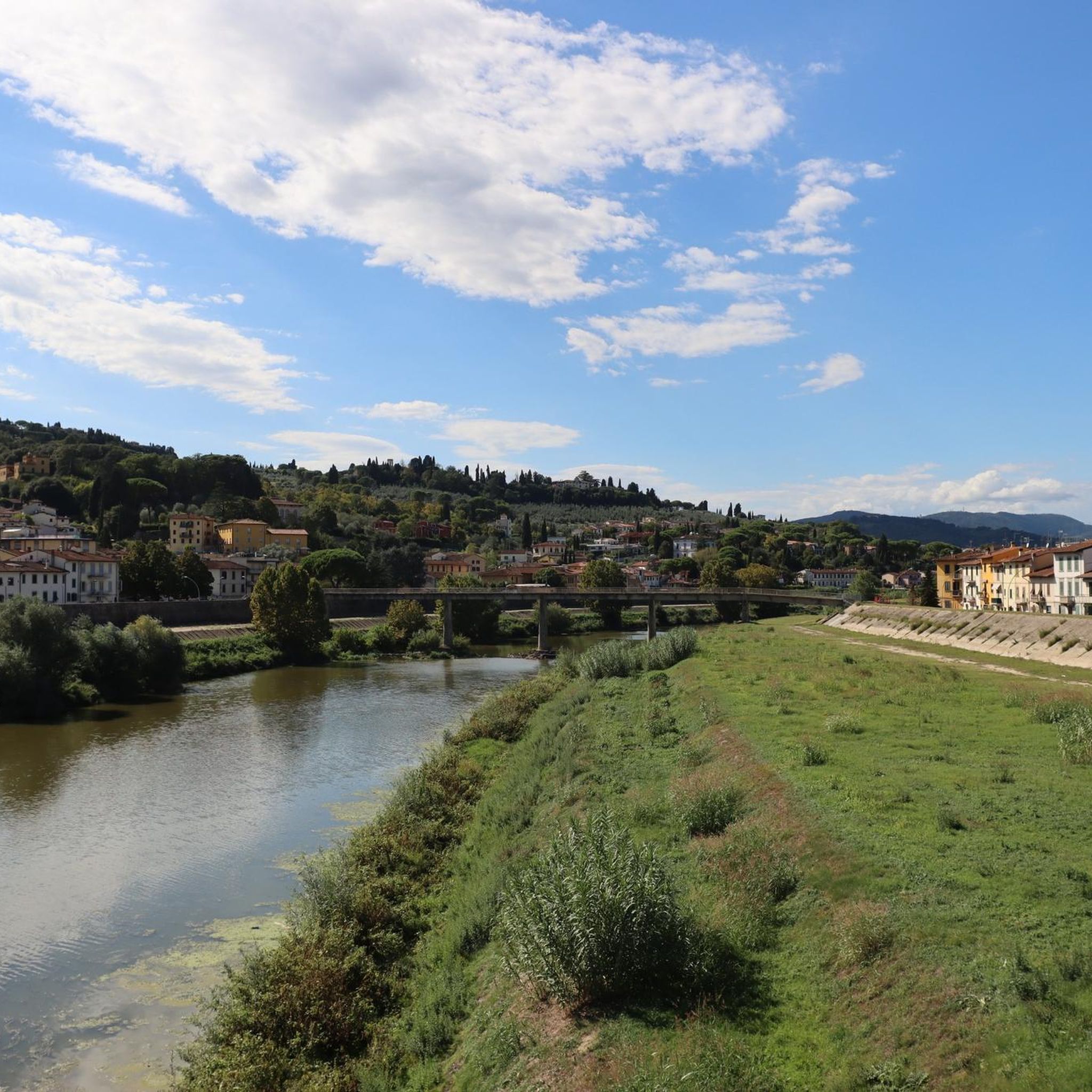
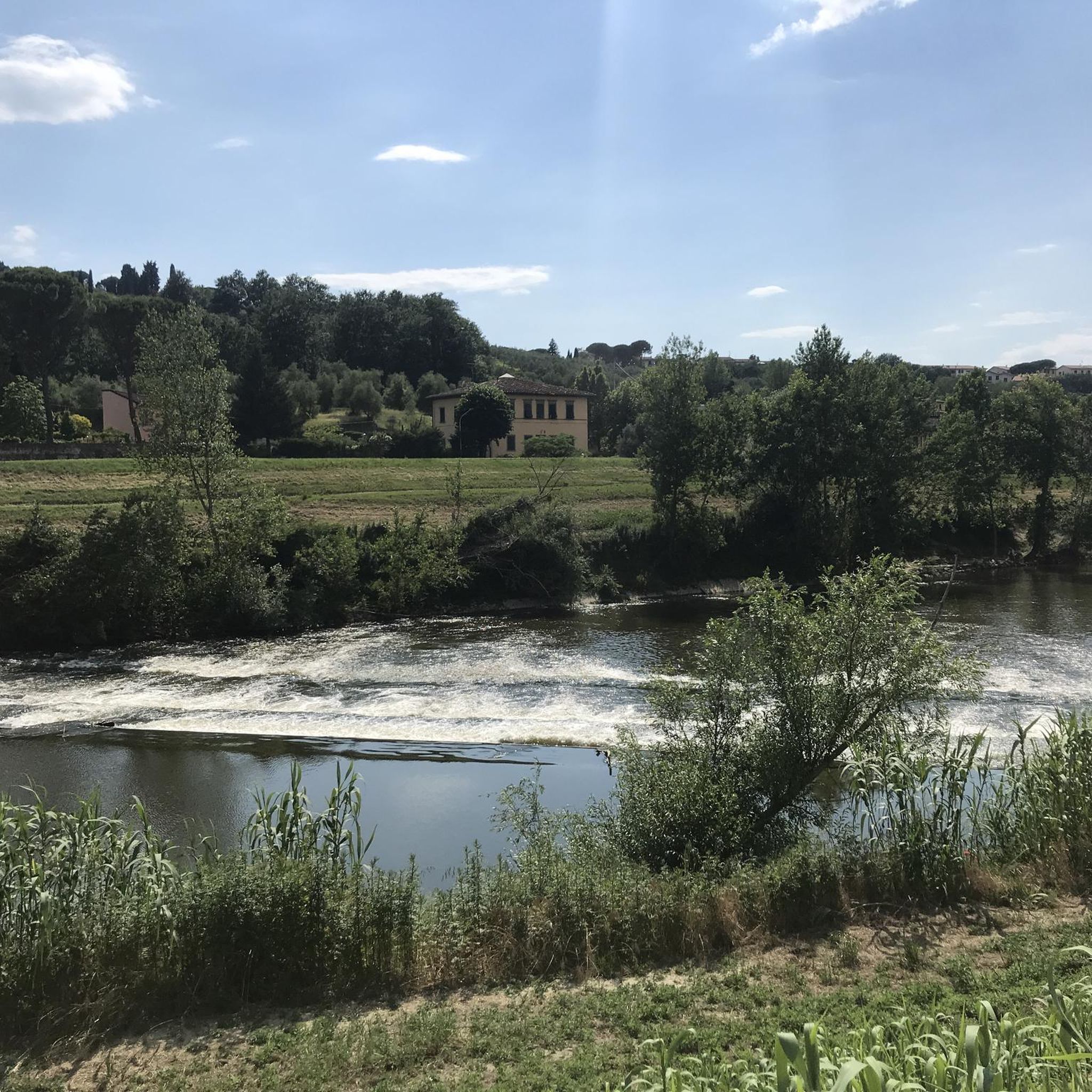
- Signa is known for its historic churches, museums, and natural features like the Arno River. The region offers a variety of attractions to see and explore, from ancient structures to recreational parks.
- The attractions around Signa are appreciated by the komoot community, with more than 560 upvotes and 280 photos shared.
Last updated: July 21, 2026
Cascine Park, Florence
Highlight • Forest
Translated by Google •
Tip by

Pitti Palace
Highlight • Historical Site
Translated by Google •
Tip by

Sign up now to discover places like this
Get recommendations on the best single tracks, peaks, & plenty of other exciting outdoor places.
Sign up for free
Gino Bartali Cycle Path Along the Bisenzio River
Highlight (Segment) • Cycleway
Translated by Google •
Tip by

Devil’s Rock (Pietramarina)
Highlight • Natural Monument
There are those who recognize the boulder as an Etruscan altar, but most likely the staircase was dug in the recent past by the inhabitants of Bacchereto with the aim of helping the first tourists to go up and admire the landscape.
There can be no doubt, however, that that wonderfully isolated boulder did not remain indifferent to the Etruscans who inhabited the citadel for six hundred years, whose excavations are visible today just a few meters away.
Indeed, it is probable that the boulder was actually frequented in remote times: on its surface, among the engravings and writings left from the early twentieth century to today, some deeper and more rounded grooves seem to belong to peoples and uses lost in the mists of time.
Translated by Google •
Tip by

Mercato Centrale Florence
Highlight • Structure
The Central Market opens for the first time in Florence in one of the city's most important locations: the first floor of the historic San Lorenzo Market. The project was completed in spring 2014 to celebrate the 140th anniversary of the iron and glass structure, built in 1874. The work is by architect Giuseppe Mengoni, who also designed the Sant'Ambrogio Market and the Galleria Vittorio Emanuele in Milan.
Text / Source: MERCATO CENTRALE HOLDING Srl, Via Generale dalla Chiesa, 13 Firenze
mercatocentrale.it/firenze
Translated by Google •
Tip by

Sign up for free to discover even more attractions around Signa.
Sign up for free
Already have an account?
Start today with a free account
Your next adventure awaits.
Login or Signup

Tips from the Community

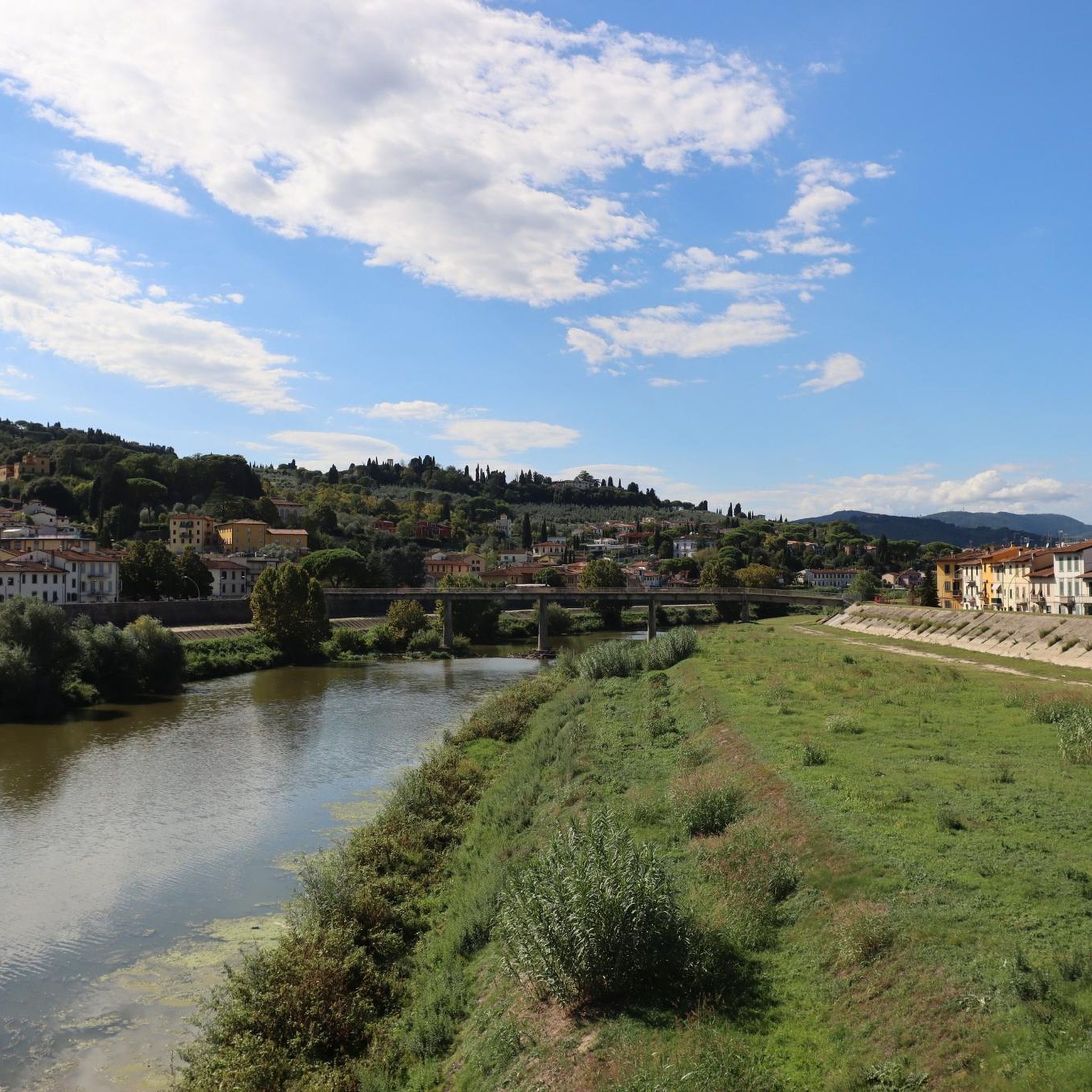
The Gino Bartali cycle path is a charming, flat, and safe route along the Bisenzio river in Prato. Ideal for urban commuting and excursions, it extends for over 30 km in total, connecting to the nearby Fausto Coppi cycle path towards the Val di Bisenzio. The route starts from the Petrino bridge area, runs along the river, crosses the historic center of Prato skirting the old walls, and continues south to the Gonfienti archaeological area. It is a perfect itinerary for families and nature lovers, completely separated from car traffic. Near viale Galilei, you will find numerous refreshment points and green areas for a break.
0
0

Perfect place for cycling, running, or walking without the hassle of traffic. All flat, with wide paved roads or dirt trails within the park.
0
0

Beautiful cycle path.
0
0

Very useful. Too bad there are no directional signs!
2
0

The Central Market in Florence The Central Market opens for the first time in Florence in one of the city's most important locations: the first floor of the historic San Lorenzo Market. The project was completed in spring 2014 to celebrate the 140th anniversary of the iron and glass structure, built in 1874. The work is by architect Giuseppe Mengoni, who also designed the Sant'Ambrogio Market and the Galleria Vittorio Emanuele in Milan. Text / Source: MERCATO CENTRALE HOLDING Srl, Via Generale dalla Chiesa, 13 Firenze https://www.mercatocentrale.it/firenze/
13
0

A Renaissance palace located in the Oltrarno district, in the center of Florence and former residence of the banker Luca Pitti, Palazzo Pitti was for decades the main residence of the Grand Dukes of Tuscany. Today it houses important museums with works by artists such as Titian and Raphael.
0
0

The market is celebrating its 10th anniversary this year. On the ground floor, the classic market stalls such as fruit, butchers, etc. are open until 2 p.m. On the ground floor there are a few snack stalls that are open until 3 p.m. The food court on the 1st floor is open until night. https://florenztipps.de/markt.html
9
0

Devil's Boulder. It is a particular monolith located on the edge of a plateau surrounded by centenary holm oaks, similar - with smaller dimensions - to the so-called Etruscan Pyramid of Bomarzo. On the boulder there are writings that probably date back to a couple of centuries ago and indecipherable signs but what is most striking are the deep grooves perhaps due to uses and rituals that are lost in the mists of time. It is called "The Devil's Boulder" and is surrounded by centuries-old holm oaks in the Pietramarina woods, one of the most mysterious environments of Montalbano. The boulder is located near an area occupied by an Etruscan settlement, perhaps a sacrificial altar renamed "of the devil" by Christians to exorcise its pagan affiliation or, as a legend has it, "of the devil" because the devil left the the imprint of his hoof. However, the “Masso di Pietramarina” makes this corner of Montalbano suggestive and mysterious. It was also in a strategic position, given that from the top it is possible to see the sea.
0
0
Frequently Asked Questions
What historical and cultural sites can I visit in Signa?
Signa is rich in history, with its oldest part, known as the Castello, dating back to the 14th century. You can explore several historic churches within this area, including the Pieve di San Giovanni Battista, which houses the remains of the Blessed Giovanna, and the Pieve di San Lorenzo, featuring frescoes by Maestro di Signa and Pietro Nelli. Another significant cultural site is the Pitti Palace, a grand historical residence that served as the home of the Dukes of Florence.
Are there any museums in Signa?
Yes, Signa is home to the Museo Civico della Paglia (Museum of Straw and Weaving). This museum showcases Signa's historical importance in the straw weaving craft, which gained international recognition from the 18th century onwards. It features a collection of hats and exhibits detailing the tools and machinery used in straw processing.
What natural attractions are there around Signa?
Signa is situated on the right bank of the Arno River, which historically played a vital role in its development. For recreational opportunities, you can visit Parco dei Renai. Additionally, the unique Devil’s Rock (Pietramarina) is a fascinating natural monument, a large sandstone monolith with steps carved directly into the stone, offering historical intrigue and a viewpoint.
What outdoor activities can I do near Signa?
The area around Signa offers various outdoor activities. You can find numerous routes for hiking, gravel biking, and running. For example, there are moderate hiking routes like the 'Le Piagge Riverside Path – Anfiteatro delle Cascine loop from San Donnino' and 'View of Comeana – Former Nobel Explosives Factory loop from Signa'. You can explore more options on the Hiking around Signa guide.
Are there family-friendly attractions in Signa?
Yes, several attractions around Signa are suitable for families. The Basilica di Santa Maria Novella and the Pitti Palace, both located in nearby Florence, are listed as family-friendly historical sites. Cascine Park in Florence also offers a large green space for families to enjoy.
What are some popular routes for gravel biking near Signa?
Gravel biking enthusiasts can find challenging routes around Signa, such as the 'Arno River Cycle Path – Arno River loop from Signa' or the 'Parco dei Renai Entrance – Upper Via Turbone Trail loop from Le Piagge'. These routes offer extensive distances and varying terrains. More details can be found in the Gravel biking around Signa guide.
What running trails are available in the Signa area?
Runners can enjoy several trails around Signa, ranging from moderate to difficult. Popular options include the 'Ponte di Badia a Settimo – Monument to the Indian loop from San Donnino' and the 'Ponte di Badia a Settimo – Parco dei Renai Entrance loop from San Donnino'. For a comprehensive list of routes, refer to the Running Trails around Signa guide.
What historical festivals are celebrated in Signa?
Signa hosts two notable historical festivals. In the first week of September, the 'Ancient September Fair' (Antica Fiera di Settembre) takes place, featuring shows, fireworks, a medieval banquet, and the Palio degli Arcieri (Archery Palio). On Easter Monday, the town celebrates the Feast of Blessed Giovanna with a historical parade involving over 400 figures in traditional costumes.
What is the significance of the Arno River to Signa?
The Arno River has historically been crucial to Signa. Located on its right bank, Signa played a significant role as a center for river trades, contributing to its development and prosperity since its early history dating back to 930 AD.
What is the <a href="https://www.komoot.com/highlight/353676" target="_blank" rel="noopener">Basilica di Santa Maria Novella</a>?
The Basilica di Santa Maria Novella, located in Florence, is one of the city's most important churches. It served as a significant reference point for the Dominican order and is known for its picturesque architecture and historical importance. It is easily accessible from Florence's main railway station.
What is the <a href="https://www.komoot.com/highlight/3692125" target="_blank" rel="noopener">Basilica of San Lorenzo</a>?
The Basilica of San Lorenzo, located in Florence, is a historically significant religious building. It is particularly known as the parish church of the powerful Medici family and features the attached Cappelle Medicee and the Biblioteca Medicea-Laurenziana, the latter designed by Michelangelo.
Most popular attractions around Signa

Get inspired with the komoot mobile app


Explore more
Still not found the Highlight you’re looking for? See guides of the top attractions in other regions:
