The best road cycling routes around Pontedera
4.5
(808)
17,691
riders
151
rides
Road cycling around Pontedera, located in Tuscany's Valdera region, features a diverse landscape ideal for cyclists. The area is characterized by rolling Tuscan hills, riverine environments along the Arno and Era rivers, and the Monte Pisano mountain range. This topography provides a variety of routes, from challenging climbs with significant elevation gains to more leisurely paths through vineyards and olive groves.
Best road cycling routes around Pontedera
- The most popular road cycling route is Monte Serra Loop from Pontedera,…
Last updated: July 21, 2026
4.2
(18)
247
riders
61.4km
03:20
1,110m
1,110m
Hard road ride. Very good fitness required. Some segments of this route may be unpaved and difficult to ride.
4.5
(49)
592
riders
Moderate road ride. Good fitness required. Mostly well-paved surfaces and easy to ride.

Sign up for free
4.7
(13)
235
riders
Moderate road ride. Good fitness required. Mostly well-paved surfaces and easy to ride.
4.6
(9)
209
riders
Moderate road ride. Good fitness required. Mostly well-paved surfaces and easy to ride.
4.1
(14)
189
riders
Moderate road ride. Good fitness required. Mostly well-paved surfaces and easy to ride.
Get access to more routes and recommendations from other explorers.
Sign up for free
Already have an account?
Our route recommendations are based on thousands of hikes, rides, and runs completed by other people on komoot.
Start today with a free account
Your next adventure awaits.
Login or Signup
Tips from the Community

Volterra is a historic hilltop town in Tuscany, located in the province of Pisa, famous for its ancient Etruscan origins, its medieval past, and the very long tradition of alabaster working.
0
0
Volterra is a historic hilltop town in Tuscany located in the province of Pisa, famous for its ancient Etruscan origins, medieval past, and the very long tradition of alabaster working.
0
0

Piazza Martiri della Libertà offers one of Volterra's most iconic and photographed viewpoints, combining the medieval architecture of the village with the boundless landscape of the Tuscan hills. The square's terrace directly overlooks the terracotta roofs of the historic center, offering a close-up view of the characteristic dome of the Baptistery of San Giovanni and the soaring bell tower of the Duomo (Cathedral of Santa Maria Assunta). In the background, the gaze extends to the Val di Cecina.
0
0

Beautiful structure even if not very old
0
0

A bit hidden, but really impossible to miss. The last 2-3 hundred meters are on a gravel road. Worth seeing!
0
0

Volterra is a beautiful city rich in history and a beautiful road to reach it, only very busy.
1
0


This section of the Southern Variant of the Via Francigena is characterized by the imposing aqueduct by the architect Lorenzo Nottolini. The aqueduct, built in Roman style, was commissioned to Nottolini in 1822 by Maria Luisa of Bourbon, Duchess of Lucca at the time.
0
0
Frequently Asked Questions
How many road cycling routes are available around Pontedera?
There are over 140 road cycling routes around Pontedera, offering a wide range of options for different skill levels. Specifically, you'll find 26 easy, 82 moderate, and 41 difficult routes to explore.
What kind of terrain can I expect on road cycling routes near Pontedera?
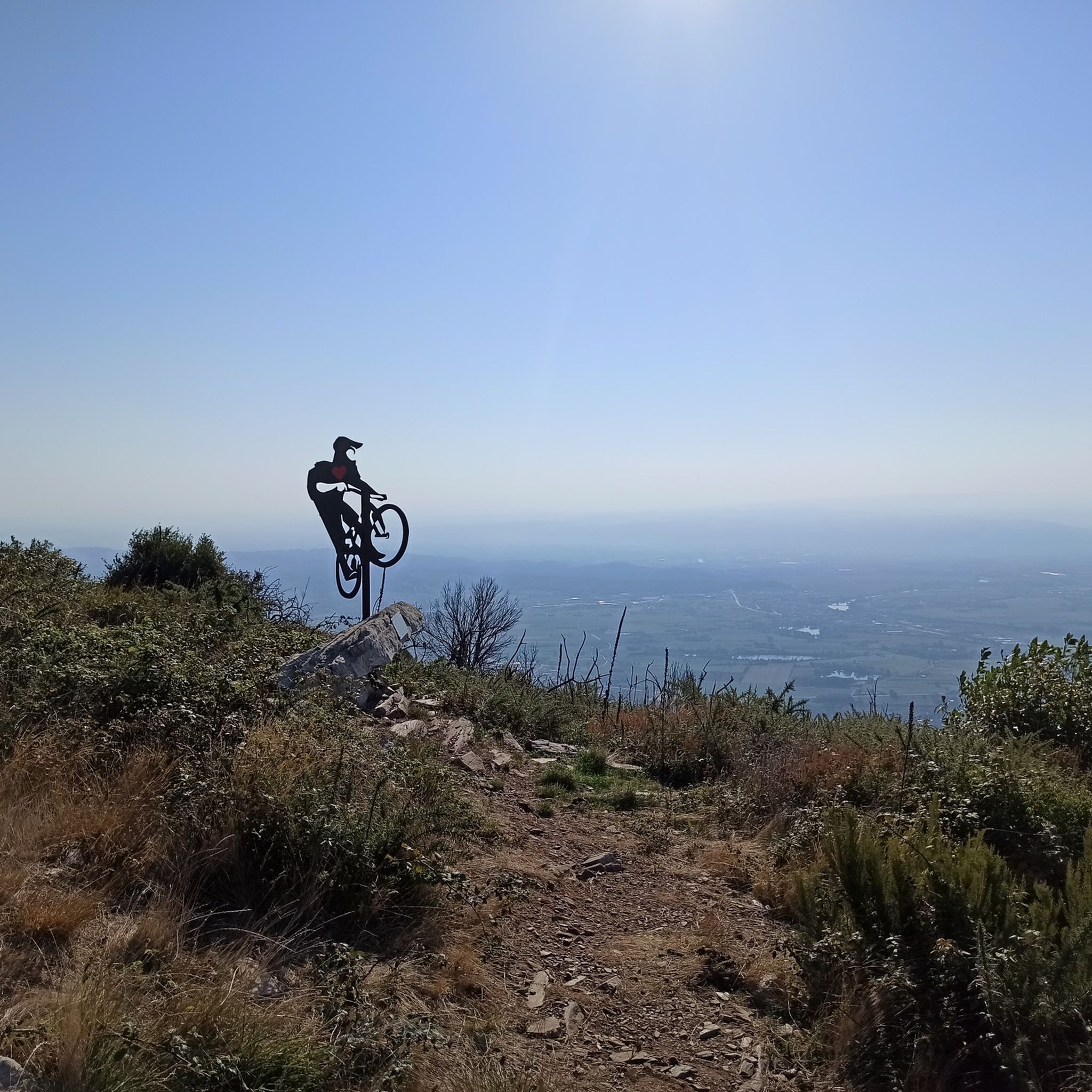
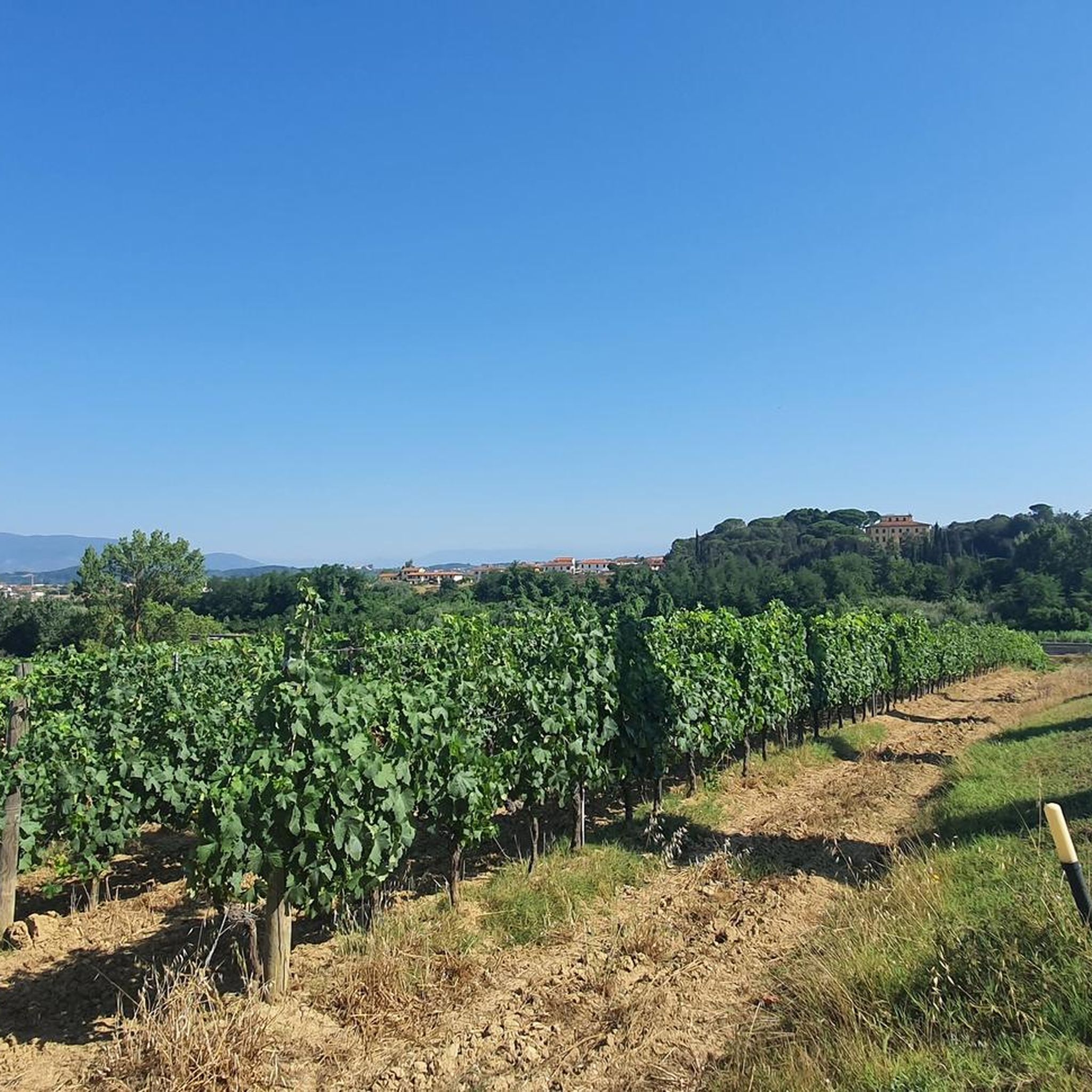
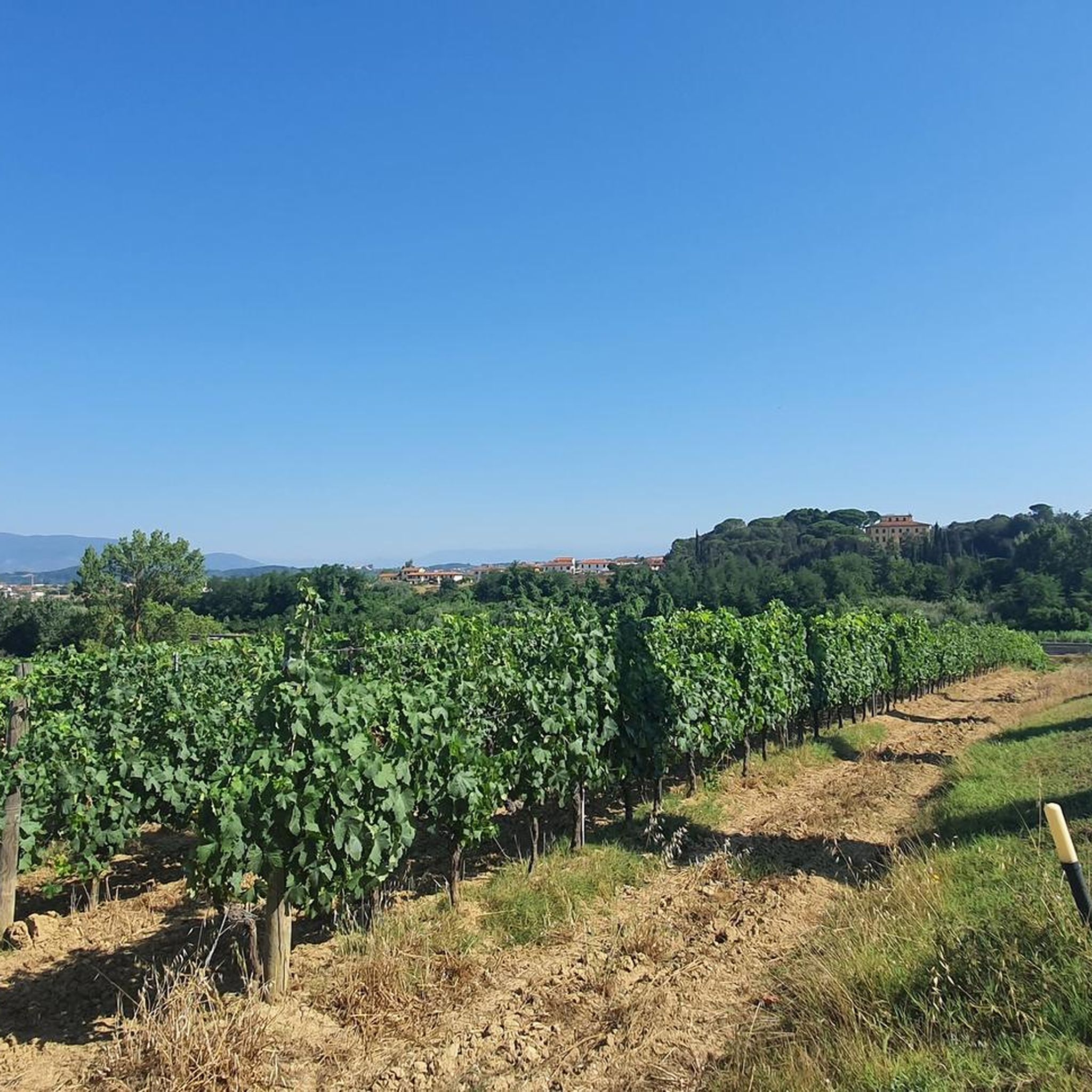
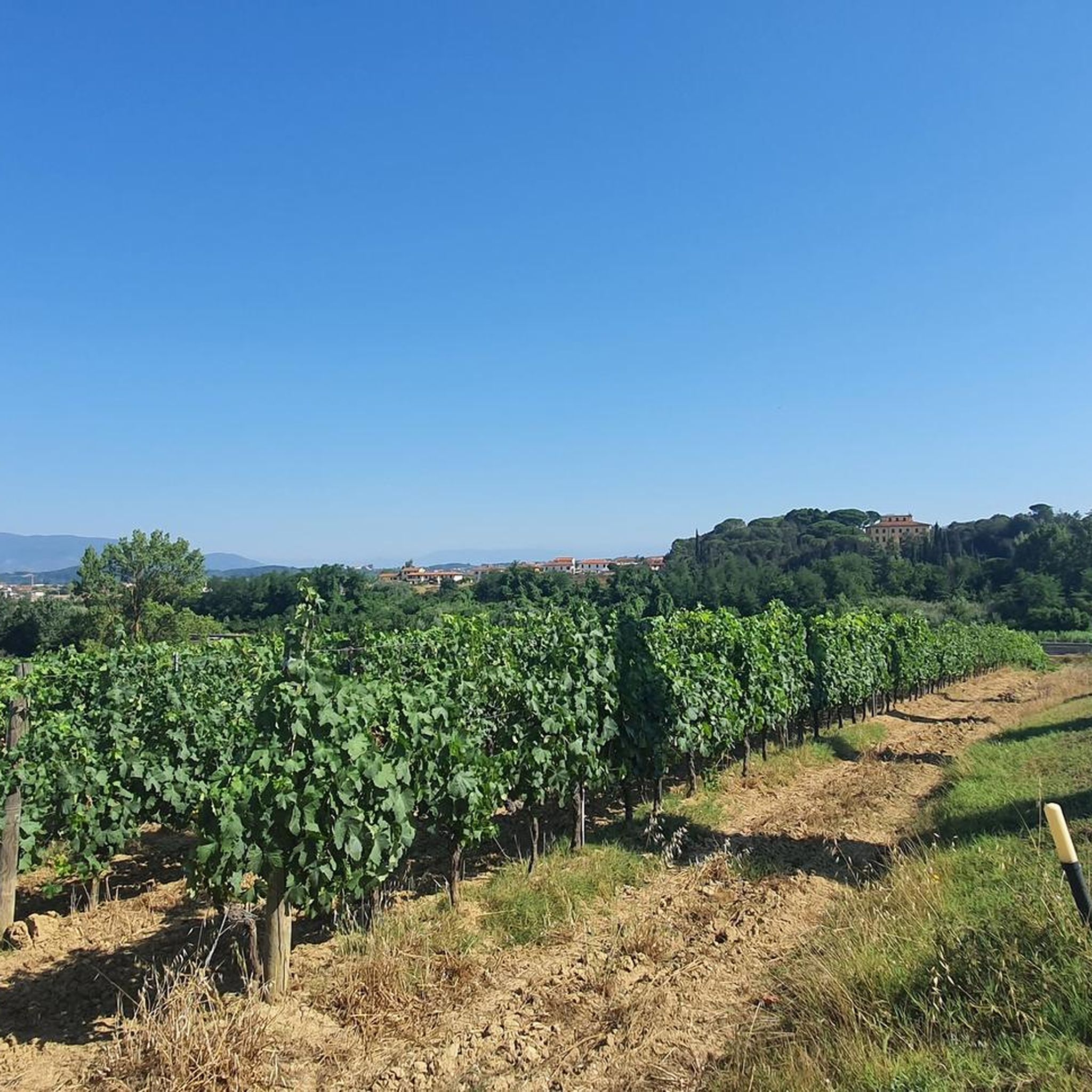
The region around Pontedera features diverse terrain, including iconic rolling Tuscan hills dotted with vineyards and olive groves, as well as riverine paths along the Arno and Era rivers. You'll also encounter the Monte Pisano mountain range, which offers opportunities for challenging climbs and panoramic views.
Are there challenging road cycling routes for experienced riders?
Yes, for experienced riders seeking a challenge, routes like the Monte Serra Loop from Pontedera offer significant elevation gains, reaching over 1,100 meters over 61.4 km. The Monte Serra climb itself is known for its average gradient of 7% with peaks in double figures. Another demanding option is the "Volterra – The Balze of Volterra loop," covering 97.3 km with 790 meters of elevation.
What are some scenic viewpoints or landmarks along the cycling routes?
Many routes lead through picturesque Tuscan landscapes. You can enjoy panoramic views from the Monte Serra Loop. The region is also rich in historical sites; for example, the Castle of Lari and Brunelleschi’s Fortress of Vicopisano are notable landmarks you might encounter. The Palaia Historic Town Center is another charming spot.
Are there any family-friendly road cycling paths in the Pontedera area?
While many routes involve hills, the Arno Cycle Path, particularly the section running along the Era and Arno rivers, offers a tranquil and largely traffic-free experience. This path features varied terrain, including paved sections, making it suitable for a more relaxed family ride. Within Pontedera, the Parco dei Salici also provides urban green spaces for gentle cycling.
What is the best time of year for road cycling around Pontedera?
The region is popular for cycling in January and October, suggesting pleasant conditions outside the peak summer heat. Generally, spring (April-May) and autumn (September-October) offer ideal weather with comfortable temperatures and beautiful Tuscan scenery for road cycling.
Are there circular road cycling routes available?
Yes, many routes around Pontedera are designed as loops, allowing you to start and finish in the same location. Examples include the Villa of Corliano – Nottolini Aqueduct loop and the View of Montaione – View of the Calanchi loop, both offering scenic circular journeys.
What do other road cyclists enjoy most about cycling in Pontedera?
The area is highly rated by the komoot community, with an average score of 4.5 stars from over 280 reviews. Cyclists often praise the diverse terrain, from challenging climbs to scenic river paths, and the opportunity to explore authentic Tuscan landscapes away from mass tourism.
Are there any natural attractions or river trails to explore?
Yes, the confluence of the Era and Arno rivers provides beautiful natural settings. The banks of the Era river in La Rotta feature a naturalistic river trail, and the Parco dei Salici, an 8-hectare urban green area on the Arno, is home to diverse bird species and woodland flora. You can find more information about the naturalistic river trail on VisitTuscany.com.
Can I find moderate road cycling routes in the area?
Absolutely. Pontedera offers a good selection of moderate routes. For instance, the Villa of Corliano – Nottolini Aqueduct loop is a moderate 68.4 km path with well-paved surfaces, making it enjoyable for various skill levels. Another option is the Parish Church of San Martino – Palaia Clock Tower loop, a slightly shorter 48.7 km route.
Are there opportunities to combine cycling with exploring charming Tuscan villages?
Many road cycling routes in the Pontedera area lead through quaint Tuscan towns and past historical sites. The region is known for its ocher-colored villages and historical fortresses, offering a chance to experience authentic, laid-back Tuscany. For example, the Parish Church of San Martino – Palaia Clock Tower loop takes you through such scenic areas.
Most popular attractions around Pontedera

Get inspired with the komoot mobile app


Explore more
Browse the best Road cycling routes in other regions.
