Attractions and Places To See around Mirandola - Top 20
Best attractions and places to see around Mirandola, a town in Italy's Emilia-Romagna region, blend historical significance, cultural insights, and natural features. The area is known for its historical landmarks, including castles and churches, alongside unique natural landscapes. Visitors can explore sites that narrate the town's past and offer opportunities for outdoor activities. Mirandola provides a diverse range of points of interest for those exploring the region.
Best attractions and places to see around Mirandola
- The most popular attractions is…
Last updated: August 2, 2026
Mondine Pumping Stations
Highlight • Monument
Translated by Google •
Tip by

Mirandola Station Rest Area
Highlight • Rest Area
Translated by Google •
Tip by
Sign up now to discover places like this
Get recommendations on the best single tracks, peaks, & plenty of other exciting outdoor places.
Sign up for free
Fossoli Concentration Camp Memorial
Highlight • Historical Site
Translated by Google •
Tip by
Cyclist Rest Area With Repair Station and Water Fountain
Highlight • Rest Area
Translated by Google •
Tip by

Verdeta Towers
Highlight • Historical Site
Translated by Google •
Tip by
Sign up for free to discover even more attractions around Mirandola.
Sign up for free
Already have an account?
Start today with a free account
Your next adventure awaits.
Login or Signup
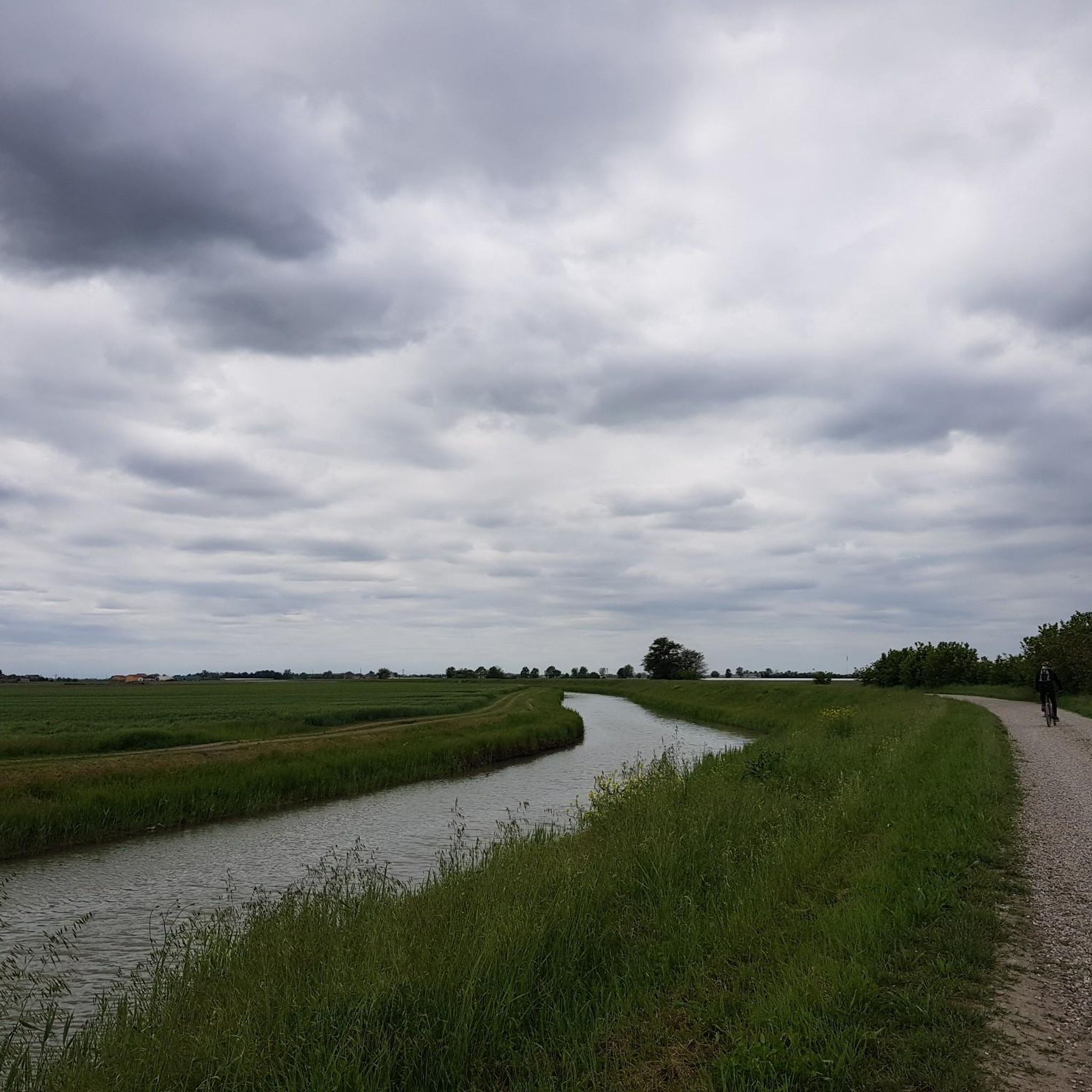
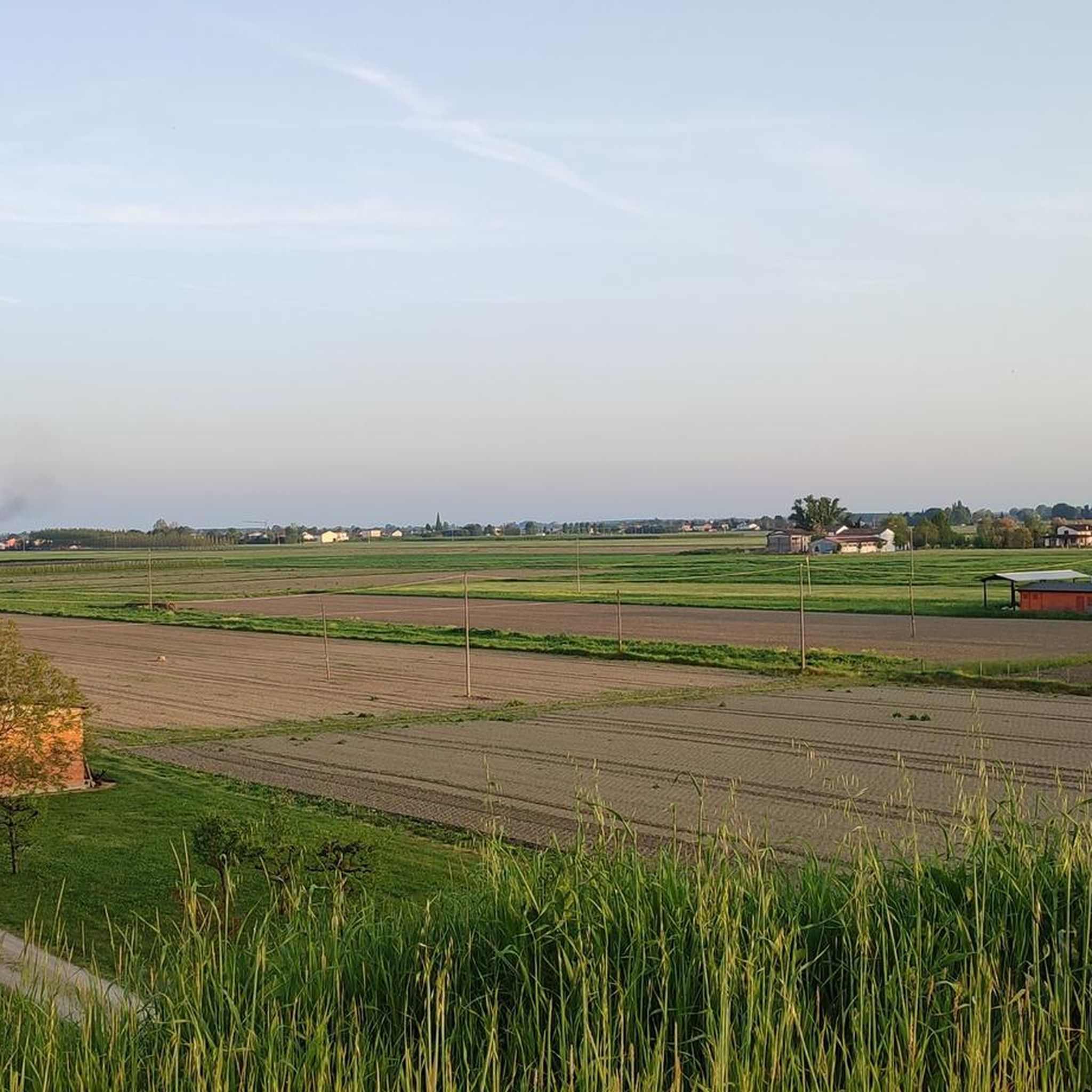
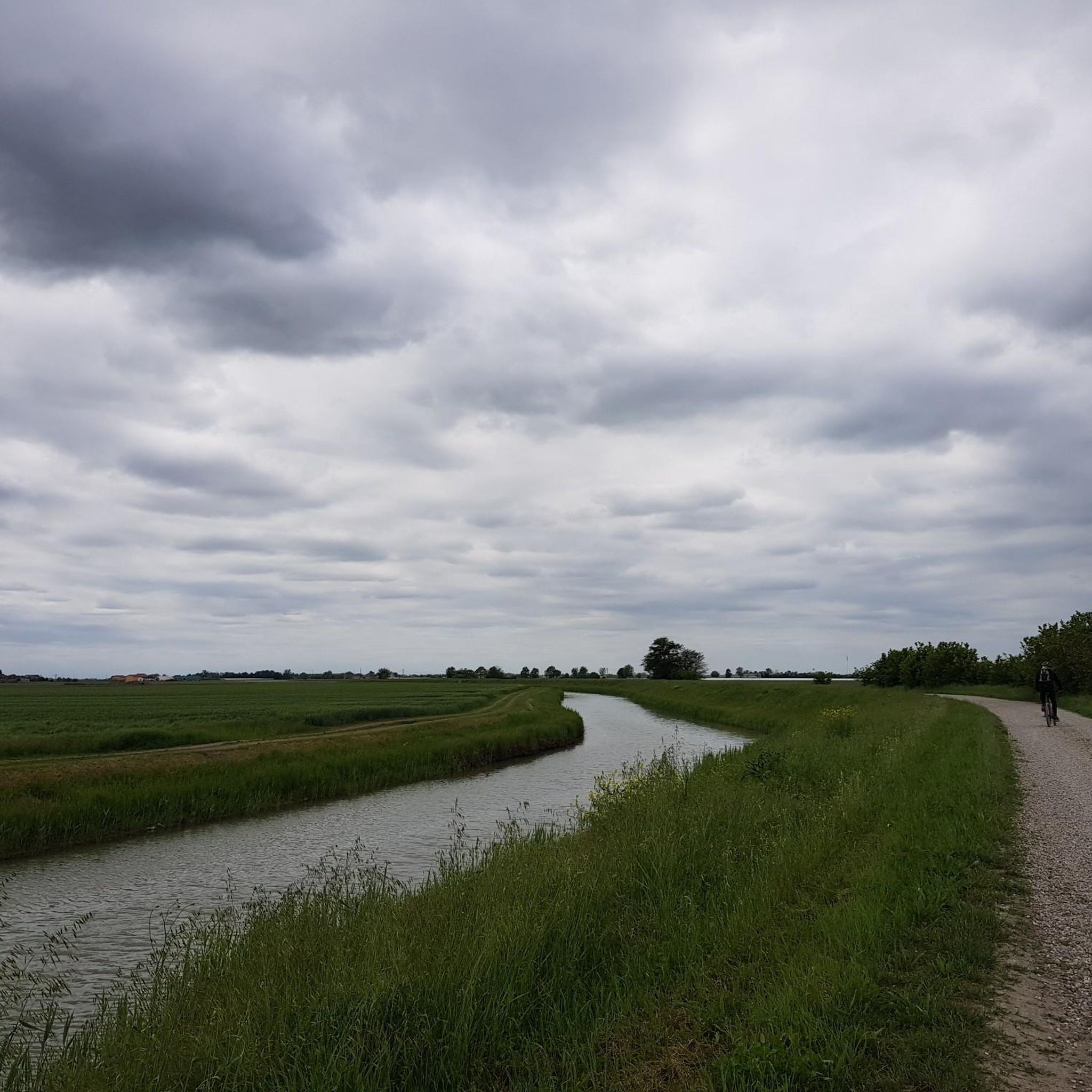
Tips from the Community


Damned War
0
0
Very touching
0
0

A building dating back to the 16th century, with two towers that over the centuries have had both a military function to control the territory as a watchtower and a function as a warehouse to store grain and wheat.
0
0
Magnificent rest area
0
0

It's a place of memory, there's a need for it these days.
0
0
Frequently Asked Questions
What historical landmarks can I explore in Mirandola?
Mirandola is rich in history. You can visit the historic Pico Castle, once home to the powerful Pico family, which also houses the Civic Museum. The Collegiate Church of Santa Maria Maggiore, a 15th-century Gothic cathedral, and the Palazzo Comunale (Town Hall) are also significant. Don't miss the Church of San Francesco, a 13th-century Gothic church holding the tombs of the Pico family, and the Verdeta Towers, which served as both a military lookout and grain storage.
Are there any natural areas or features to visit near Mirandola?
Yes, the Mirandolesi Valleys are a specially protected area and a haven for birdwatchers, part of the Natura 2000 European ecological network. You can observe rare bird species in their natural habitat. The Pettazzurro Bird Observatory in Mortizzuolo di Mirandola is also a great spot for tracking bird migration, boasting high biodiversity with 312 recorded bird species.
What cultural sites are there in Mirandola?
Mirandola offers cultural insights, particularly at the Biomedical Museum (MOBIMED) located within the Pico Castle. This permanent exhibition showcases the history and innovative strengths of Mirandola's significant biomedical industry. The town is also the birthplace of the renowned 15th-century philosopher and humanist, Giovanni Pico della Mirandola, whose legacy is an important part of its heritage.
What outdoor activities can I do around Mirandola?
The Mirandola area is great for outdoor activities. You can find various routes for hiking, road cycling, and running. For hiking, explore trails like the Secchia Nature Trail or the Pathway Under the Overpass loop. Cyclists can enjoy the Circular tour around Mirandola following the Sun Cycle Route or the Ciclovia del Sole Gravel Path. Runners have options like the Running loop from Mirandola. You can find more details on these activities on the respective guide pages, such as Hiking around Mirandola, Road Cycling Routes around Mirandola, and Running Trails around Mirandola.
Are there family-friendly attractions in the Mirandola area?
Yes, several attractions are suitable for families. The Mondine Pumping Stations, a man-made monument with an innovative dewatering system, is considered family-friendly. The Fossoli Concentration Camp Memorial, while a somber historical site, is also listed as family-friendly for educational visits. Additionally, the Mirandola Station Rest Area on the cycle route of the sun is suitable for all types of cyclists, including families.
What is the <a href="https://www.komoot.com/highlight/2728130" target="_blank" rel="noopener">Mondine Pumping Stations</a>?
The Mondine Pumping Stations is a significant hydraulic work and man-made monument. It features an innovative dewatering system capable of lifting up to 50,000 liters per second, crucial for the water management of the Secchia river. The structure showcases typical architecture from the 1920s-30s and is easily accessible, making it an interesting stop for those exploring the area.
Where can I learn about the history of World War II near Mirandola?
You can visit the Fossoli Concentration Camp Memorial. This historical site, established in 1942, served as a prison and later a concentration and transit camp for the deportation of Jews and political opponents during WWII. It is a significant place of memory that can be visited to understand this dark period of history.
Are there good cycling facilities around Mirandola?
Yes, the area is well-equipped for cyclists. The Mirandola Station Rest Area offers a long, shaded section of the cycle route of the sun, suitable for all cyclists. Additionally, you can find a Cyclist Rest Area With Repair Station and Water Fountain, providing benches, electric sockets for recharging, tools for bike repairs, and a pump to inflate tires.
What are some local culinary traditions or products from Mirandola?
Mirandola is known for its agricultural products, especially melons and watermelons. It also has a historical connection to the creation of 'zampone,' a traditional Italian pork dish. The area is associated with regional specialties like San Felice Salame and Maccherone al Pettine, reflecting its rich culinary heritage.
What do visitors enjoy most about the attractions around Mirandola?
Visitors appreciate the blend of historical significance, cultural insights, and natural beauty. The Mondine Pumping Stations is noted for its impressive hydraulic engineering and historical architecture. The Fossoli Concentration Camp Memorial is valued as a crucial place of memory for future generations. Cyclists particularly enjoy the well-maintained sections of the cycle route of the sun, like the Mirandola Station Rest Area, for their comfort and accessibility.
Can I find easy walking paths near Mirandola?
Yes, there are several walking paths suitable for easy walks. For instance, the 'Pathway Under the Overpass loop from Mirandola' is an easy hiking route. Many sections of the cycle routes, like the Via del Sole, are wide and have a uniform surface, making them suitable for leisurely walks as well. For more options, refer to the Hiking around Mirandola guide.
What is the significance of the Verdeta Towers?
The Verdeta Towers, constructed in the first half of the 16th century, served a dual purpose. They functioned as a military lookout to control the territory and also as a storage facility for grain and wheat. Located near the 18th-century rural building Corte Verdeta and the Oratory of San Gaetano, they represent a historical architectural landmark in the region.
Most popular routes around Mirandola
Most popular attractions around Mirandola

Get inspired with the komoot mobile app


Explore more
Still not found the Highlight you’re looking for? See guides of the top attractions in other regions:
