Attractions and Places To See around Quistello - Top 20
Best attractions and places to see around Quistello, a town located on the banks of the Secchia river in the province of Mantua, Lombardy, offer a rich blend of historical, artistic, and cultural heritage. The area features ancient churches, significant hydraulic works, and cultural sites. Visitors can explore a variety of engaging attractions that highlight the region's history and engineering achievements.
Best attractions and places to see around Quistello
- The most popular attractions is Travata Pumping Station, a man-made…
Last updated: July 21, 2026
Ostello Dei Concari
Highlight • Rest Area
Translated by Google •
Tip by

Mondine Pumping Stations
Highlight • Monument
Translated by Google •
Tip by

Sign up now to discover places like this
Get recommendations on the best single tracks, peaks, & plenty of other exciting outdoor places.
Sign up for free
Matilda Tower of Governolo
Highlight • Monument
Translated by Google •
Tip by

Abbey of St. Benedict in Polirone
Highlight • Religious Site
Translated by Google •
Tip by

Travata Pumping Station
Highlight • Monument
Translated by Google •
Tip by
Sign up for free to discover even more attractions around Quistello.
Sign up for free
Already have an account?
Start today with a free account
Your next adventure awaits.
Login or Signup
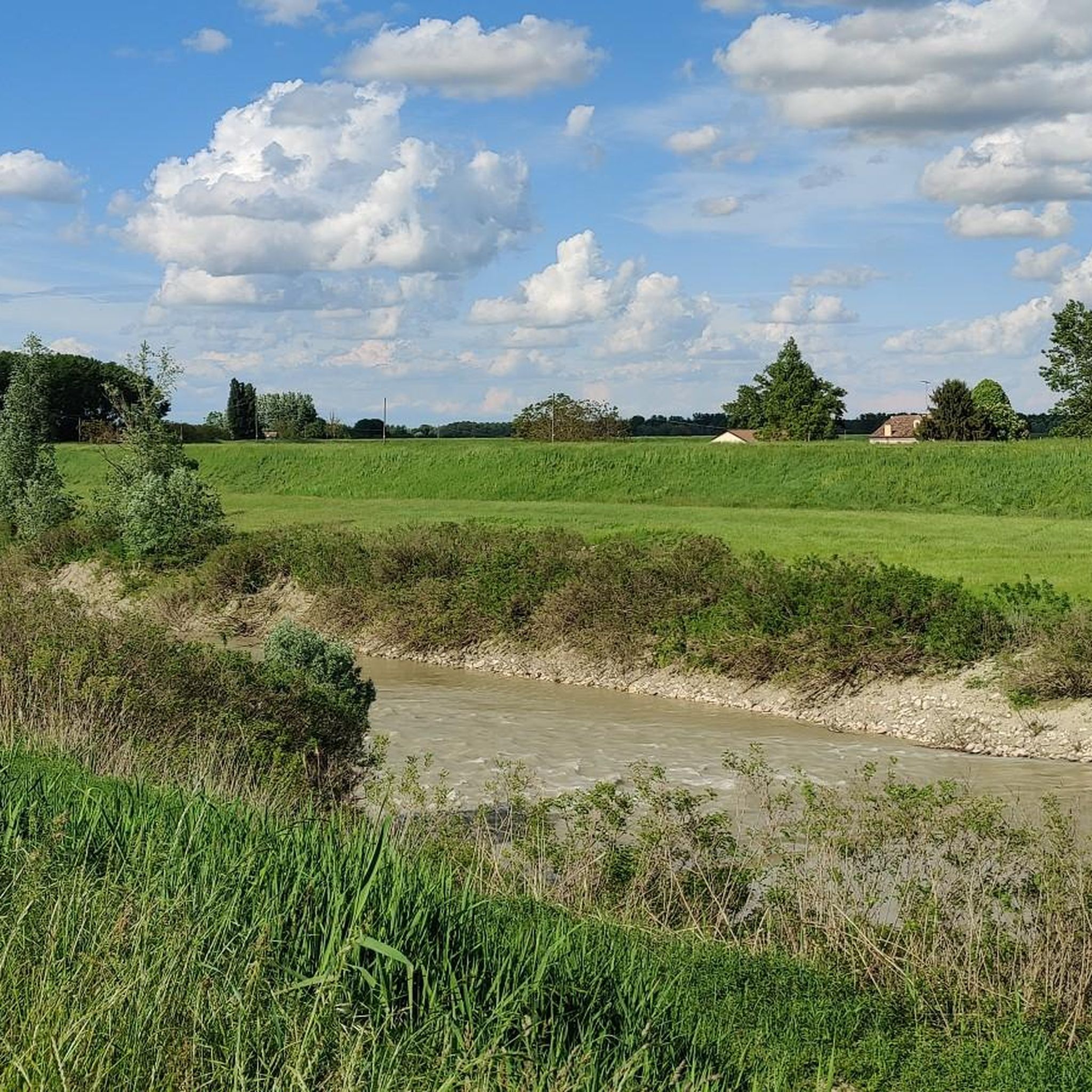
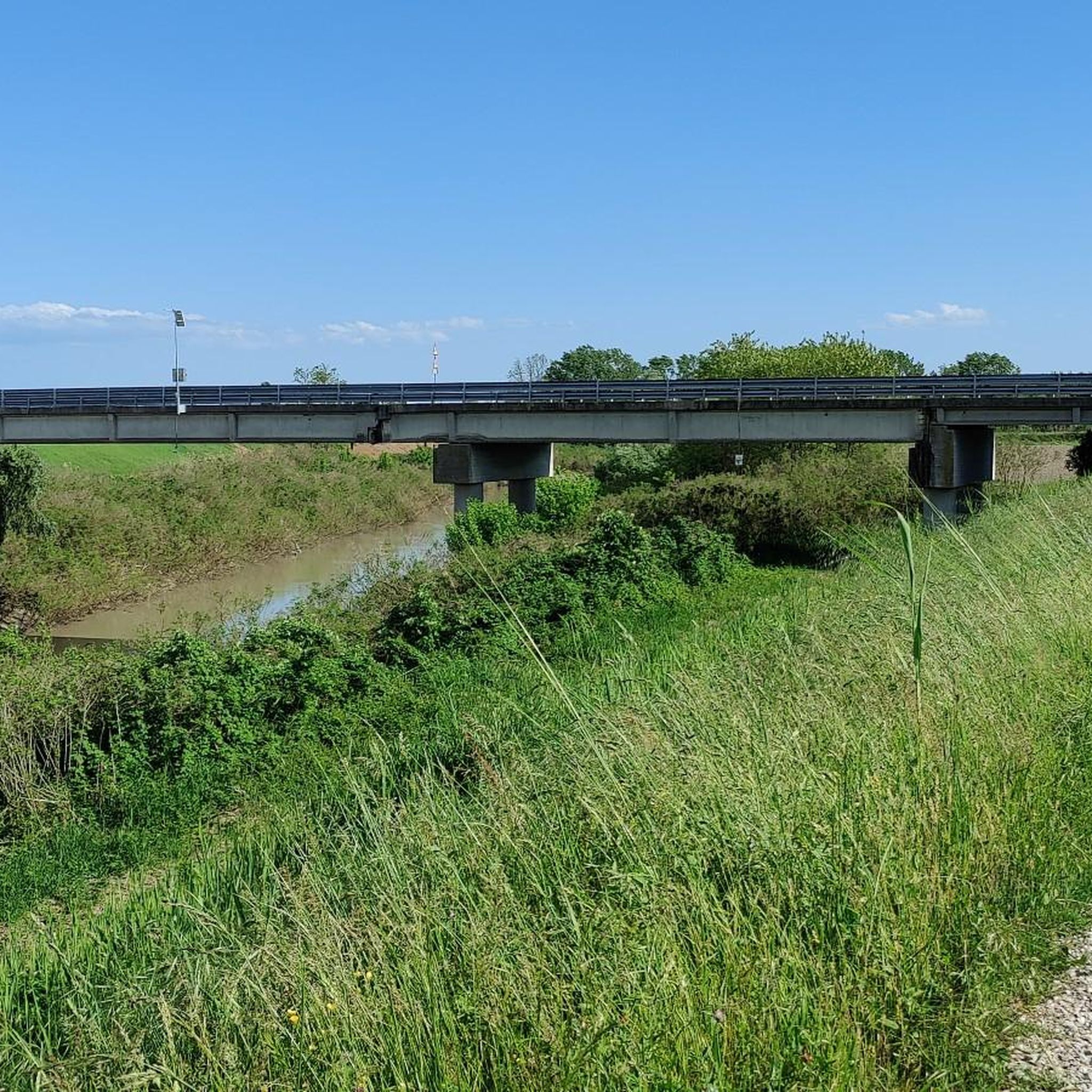

Other adventures around Quistello

Tips from the Community


On July 18, 1848, during one of the wars of independence, a clash took place here in Governolo between Piedmontese troops, including bersaglieri, and an Austrian army rearguard. The Austrians had the worst of it, also because they were in clear numerical inferiority. When you visit Governolo, it is very interesting to follow the path prepared by the municipality with explanatory panels placed in various locations (I must say that sometimes they are not even very visible and therefore you have to go on a bit of a treasure hunt, but it's fun) that guide you step by step through the events of that day; in reality, they also tell of a clash that took place on April 24, also in 1848. Let's say that 1848, that period, was not exactly peaceful.
0
0
Road surface with gravel and puddles
1
0
You pass in front of it on the way to the Mincio
0
0
This passage is beautiful
0
0
Frequently Asked Questions
What historical and cultural sites can I explore in Quistello?
Quistello offers a rich historical and cultural heritage. You can visit the Museo dell'Abbazia, which houses archaeological finds and a fresco attributed to Correggio. The Pinacoteca Comunale di Quistello showcases modern and contemporary art by local artists. Additionally, the Museo Virgiliano blends tradition with contemporary art, featuring works by Ugo Celada. Don't miss the ancient Chiesa di Santa Maria Assunta, built in 1082, with its original frescoes. The Abbey of St. Benedict in Polirone, founded in 1007, is also a significant Benedictine monastic complex nearby.
Are there any notable engineering marvels or unique structures to see in the area?
Yes, Quistello is known for its impressive hydraulic works. The Mondine Pumping Stations are an innovative, largely underground dewatering system capable of lifting up to 50,000 liters per second to protect the territory from floods and ensure irrigation for 30,000 hectares. Another significant site is the Travata Pumping Station, crucial for land reclamation and irrigation across 10,000 hectares, featuring an imposing industrial building with Neo-Renaissance and Liberty elements.
What outdoor activities, like cycling or hiking, can I do near Quistello?
The area around Quistello offers various outdoor activities, especially cycling and hiking. For cycling, you can explore routes like the 'Sabbioncello Derivation Plant – Along the Po River loop' or the 'Mondine Pumping Station – Mondine Pumping Stations loop'. Mountain biking enthusiasts can try trails such as 'Mondine Pumping Stations – Secchia River Embankment loop'. Hikers can enjoy the 'Secchia Nature Trail' or a 'Hiking loop from San Benedetto Po'. You can find more details and routes in the dedicated guides for Cycling around Quistello, MTB Trails around Quistello, and Hiking around Quistello.
Are there family-friendly attractions or activities in Quistello?
Several attractions around Quistello are considered family-friendly. The Mondine Pumping Stations and the Abbey of St. Benedict in Polirone are both marked as suitable for families. Additionally, the Ciclovia del Sole – Tramuschio Entrance provides access to a cycle path that is suitable for all bikes and on foot, making it a great option for family outings.
What is the best time to visit Quistello for exploring its attractions?
Quistello's attractions, which include historical sites, cultural institutions, and engineering marvels, can be enjoyed in any season. The region's agricultural landscapes and river settings are pleasant year-round. For outdoor activities like cycling or hiking, spring and autumn generally offer the most comfortable weather conditions.
Where can I find a place to rest or eat near the attractions?
If you are looking for a place to rest or eat, Ostello Dei Concari in the historic village of Governolo is a recommended spot. It offers home cooking and is a popular meeting point for cyclists. There are also refreshment areas near some attractions, such as the one close to the Mondine Pumping Stations, which has tables, benches, and waste bins for a countryside stop.
Are there any wheelchair-accessible attractions in Quistello?
The Ciclovia del Sole – Tramuschio Entrance is noted as wheelchair accessible, providing an opportunity to enjoy the cycle path. For other attractions, it is advisable to check specific accessibility details directly with the venues, as historical sites may have limitations.
What kind of natural features can I expect to see around Quistello?
Quistello is situated on the banks of the Secchia river, providing a natural setting. While there aren't prominent natural parks directly within its immediate vicinity, the surrounding Lombardy region is characterized by its agricultural landscapes. The river itself and the associated hydraulic works like the Mondine Pumping Stations offer views of how human engineering interacts with the natural environment.
What do visitors enjoy most about the attractions in Quistello?
Visitors appreciate the rich blend of historical, artistic, and cultural heritage, alongside the impressive engineering achievements. The Travata Pumping Station is admired as a beautiful example of industrial architecture and a symbol of Mantua's irrigation reclamation. The Mondine Pumping Stations are noted for their innovative design and integration into the landscape. The Abbey of St. Benedict in Polirone is valued for its historical significance and artistic interest, including its precious pipe organ.
Are there any specific tips for visiting the Mondine Pumping Stations?
Yes, the Mondine Pumping Stations are easily accessible year-round via an asphalted road suitable for all types of bicycles. It's considered a must-see if you're walking or cycling along the bank of the Secchia between Concordia and Bondanello. There's also a refreshment area nearby with tables, benches, and waste bins, making it an excellent spot for a break in the countryside.
Can I find information about local artists in Quistello?
Yes, the Pinacoteca Comunale di Quistello is dedicated to showcasing the works of local artists. It features a collection of paintings, drawings, sculptures, and graphic works that represent modern and contemporary art from the region.
What is the historical significance of the Abbey of St. Benedict in Polirone?
The Abbey of St. Benedict in Polirone is a highly significant historical site, founded in 1007 by Tedaldo di Canossa, the grandfather of Matilde di Canossa. It grew to become one of the largest Italian Benedictine monastic complexes, with buildings dating from the 11th to the 17th centuries. It played a crucial role in controlling river navigation between the Po and Lirone rivers.
Most popular routes around Quistello

Get inspired with the komoot mobile app


Explore more
Still not found the Highlight you’re looking for? See guides of the top attractions in other regions:
