The best MTB trails around Südliches Anhalt
4.8
(262)
611
riders
125
rides
Mountain biking around Südliches Anhalt offers diverse landscapes within the Anhalt-Bitterfeld district of Saxony-Anhalt. The region features a mix of gently rolling hills, dense forests, and picturesque lake landscapes, including areas influenced by renaturalization projects. While not known for high peaks, the terrain provides varied opportunities for mountain biking, particularly within the broader Fläming Nature Park which extends into the area. The routes often follow river floodplains and connect through agricultural fields and woodlands.
Best mountain bike trails in Südliches…
Last updated: September 30, 2026
5.0
(1)
9
riders
19.5km
01:06
20m
20m
Easy mountain bike ride. Great for any fitness level. Suitable for all skill levels.
4.7
(3)
6
riders
23.0km
01:15
60m
60m
Moderate mountain bike ride. Great for any fitness level. Advanced riding skills necessary.

9
riders
17.6km
00:54
30m
30m
Easy mountain bike ride. Great for any fitness level. Suitable for all skill levels.
5.0
(1)
4
riders
49.6km
02:46
120m
120m
Moderate mountain bike ride. Good fitness required. Advanced riding skills necessary.
5.0
(1)
5
riders
Moderate mountain bike ride. Good fitness required. Suitable for all skill levels.
Get access to more routes and recommendations from other explorers.
Already have an account?
Our route recommendations are based on thousands of hikes, rides, and runs completed by other people on komoot.
Start today with a free account
Your next adventure awaits.
Tips from the Community

Beautiful view from the bridge.
0
0

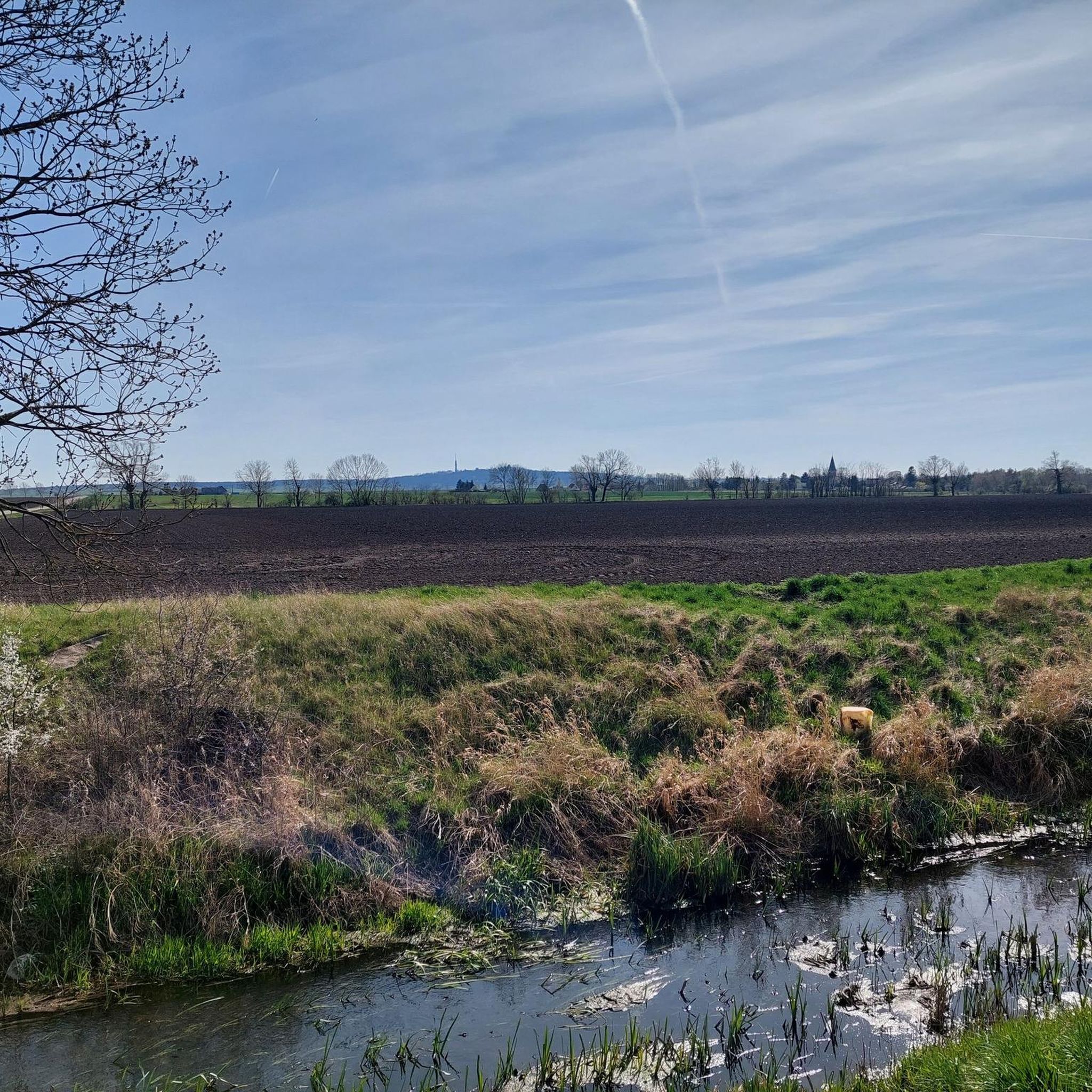
Great view from the small bridge over the Fuhne into the Fuhneaue
1
0

You are ferried across with a small ferry and can then enjoy a wonderful meal on the Elbe in Brambach
0
0

The route between Aken and Dessau is one of the most beautiful tours along the Elbe. The path leads from the ferry in Aken (ferry house with restaurant) to the Kornhaus (excursion restaurant in Bauhaus style) in Dessau. It is pure nature, there are many beautiful views of the Elbe with light sandbanks. The opposite restaurant in Brambach can be reached by a shuttle service. This route is highly recommended.
0
0
Frequently Asked Questions
What is the general difficulty level of mountain bike trails in Südliches Anhalt?
The mountain bike trails in Südliches Anhalt primarily range from easy to moderate. Out of over 130 available routes, approximately 50 are classified as easy, and around 90 are moderate. There are no trails specifically categorized as difficult, making the region well-suited for riders of varying skill levels looking for enjoyable, accessible rides.
Are there easy mountain bike trails suitable for beginners in Südliches Anhalt?
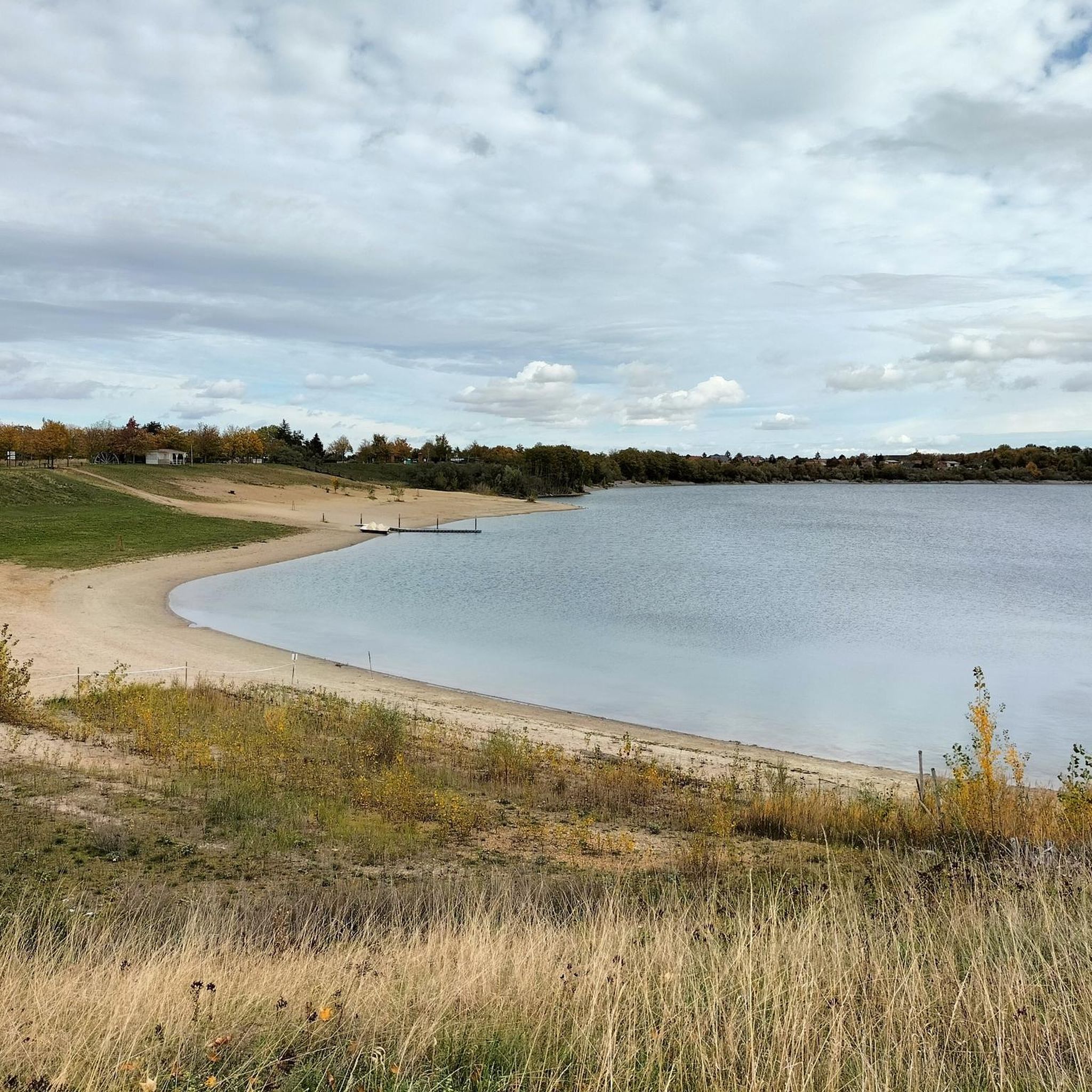
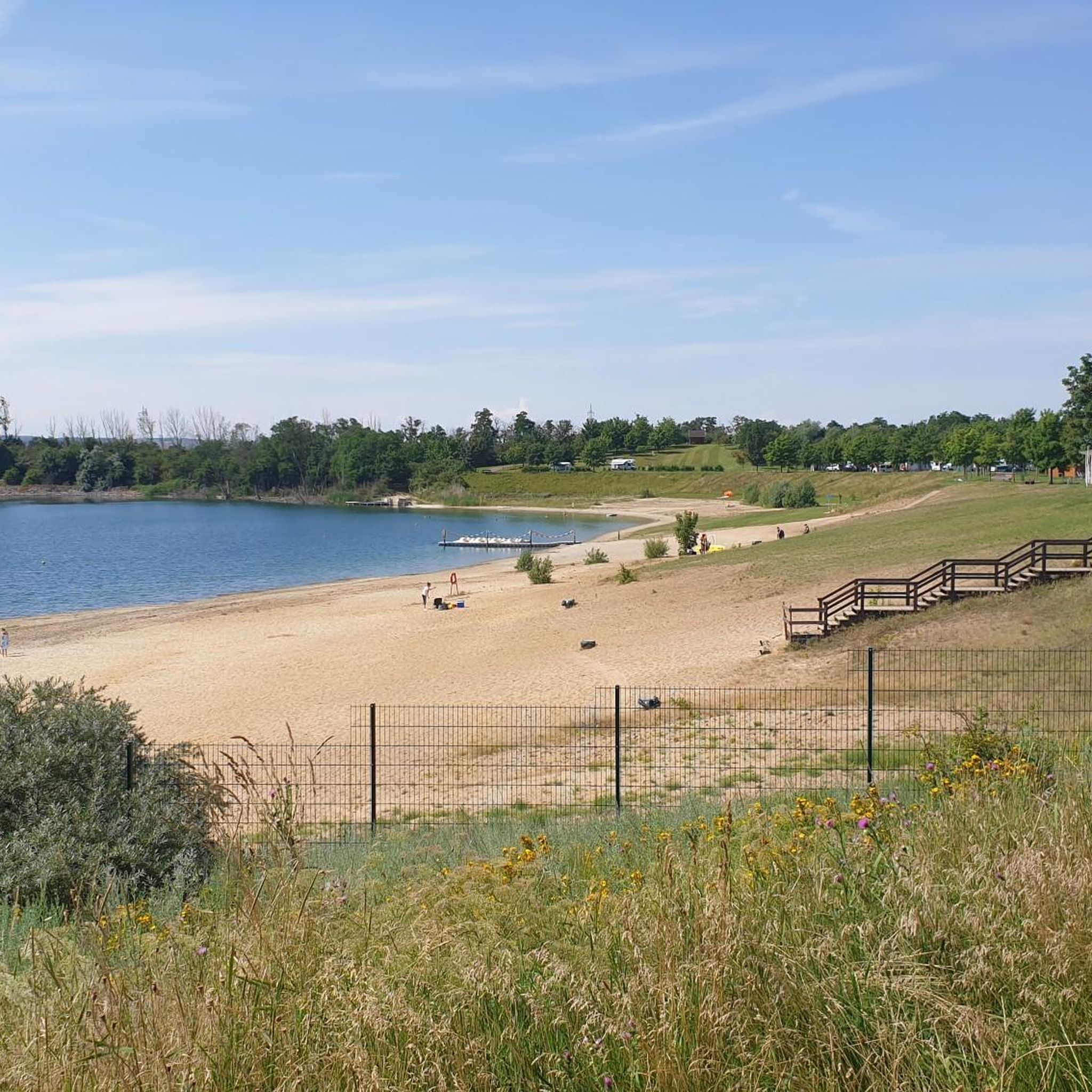
Yes, Südliches Anhalt offers a good selection of easy mountain bike trails perfect for beginners or those seeking a relaxed ride. For example, the Seebad Edderitz loop from Edderitz is an easy 10.8-mile (17.4 km) trail that takes about 53 minutes to complete, leading through the picturesque lake landscape around Edderitz. Another easy option is the Evangelical Church Radegast – Fuhne River loop from Radegast, which is 12.0 miles (19.3 km) and explores flat terrain along the Fuhne River.
What kind of landscapes can I expect to see while mountain biking in Südliches Anhalt?
Südliches Anhalt offers diverse landscapes, including gently rolling hills, dense forests, and picturesque lake areas, many of which are former open-cast mines transformed into recreational spaces. You'll also find routes that follow river floodplains and traverse agricultural fields and woodlands. The region is part of the broader Fläming Nature Park, known for its varied natural beauty.
Are there any family-friendly mountain bike trails in Südliches Anhalt?
Many of the easy and moderate trails in Südliches Anhalt are suitable for families, especially those with some cycling experience. The region's generally gentle terrain and lack of highly technical routes make it a good choice for family outings. Trails around the lake landscapes, like the Seebad Edderitz loop from Edderitz, are often popular for their scenic and accessible nature.
Can I bring my dog on the mountain bike trails in Südliches Anhalt?
Generally, dogs are welcome on most public trails in Südliches Anhalt, provided they are kept on a leash and you adhere to local regulations, especially in nature protection areas. It's always advisable to check specific trail rules or nature park guidelines if you plan to ride with your dog, particularly within the Fläming Nature Park or near sensitive wildlife habitats.
What interesting landmarks or natural features can I see along the mountain bike trails?
While mountain biking in Südliches Anhalt, you can discover various points of interest. Near the trails, you might encounter historical sites like the Bauhaus Masters’ Houses or the Sachsenspiegel Art Project in Reppichau. Natural attractions include the serene Georgium Park and the tranquil Kühnauer Lake. Some routes also pass by the Aken Ferry on the Elbe River, offering scenic views.
Are there any longer mountain bike routes for a full-day adventure?
Yes, for those looking for longer rides, Südliches Anhalt offers several moderate routes that can fill a good portion of your day. The Großer Goitzschesee Gauge Tower – Großer Goitzschesee Marina loop from Löberitz is a moderate 31.2-mile (50.2 km) trail, taking over 2 hours 45 minutes to complete. Another option is the Elbe Meadows Towards Aken – Elbe Terraces at Brambach loop from Elsnigk (Anh), a 24.9-mile (40.1 km) route that takes about 2 hours 10 minutes.
What do other mountain bikers enjoy most about the trails in Südliches Anhalt?
The mountain bike trails in Südliches Anhalt are highly regarded by the komoot community, boasting an average rating of 4.7 stars from over 240 reviews. Riders frequently praise the region's diverse and accessible landscapes, which offer a pleasant mix of forests, fields, and lake views. The well-maintained paths and the opportunity for leisurely rides through nature are often highlighted as key attractions.
Is Südliches Anhalt well-connected by public transport for accessing mountain bike trails?
While Südliches Anhalt is part of a region with good cycling infrastructure, direct public transport access to specific trailheads can vary. Larger towns like Köthen, which serves as a starting point for routes like the Köthen Castle – Seebad Edderitz loop, are generally well-served by regional trains and buses. For more remote starting points, planning your journey in advance and checking local transport schedules is recommended.
What is the best season for mountain biking in Südliches Anhalt?
The best seasons for mountain biking in Südliches Anhalt are typically spring, summer, and autumn. During these months, the weather is generally mild and pleasant, making for ideal riding conditions. Spring brings blooming landscapes, summer offers warm days, and autumn provides beautiful foliage. While winter riding is possible, be prepared for colder temperatures and potentially muddy or icy conditions, especially on unpaved trails.
Are there any circular mountain bike routes in Südliches Anhalt?
Yes, many of the mountain bike routes in Südliches Anhalt are designed as circular loops, allowing you to start and end your ride at the same point. Examples include the Evangelical Church Radegast – Fuhne River loop from Radegast and the Seebad Edderitz loop from Edderitz. These loops are convenient for planning your trip and often showcase a variety of the region's landscapes.
Where can I find parking for mountain bike trails in Südliches Anhalt?
Parking is generally available in or near the towns and villages that serve as starting points for the trails. For routes originating from places like Radegast, Edderitz, or Köthen, you can usually find public parking facilities. For trails around specific attractions or natural areas, designated parking lots are often provided. It's advisable to check the specific komoot tour details for recommended parking locations.
Most popular routes around Südliches Anhalt
Most popular attractions around Südliches Anhalt

Get inspired with the komoot mobile app


Explore more
Browse the best MTB trails in other regions.
