Attractions and Places To See around Santo Stefano Belbo - Top 20
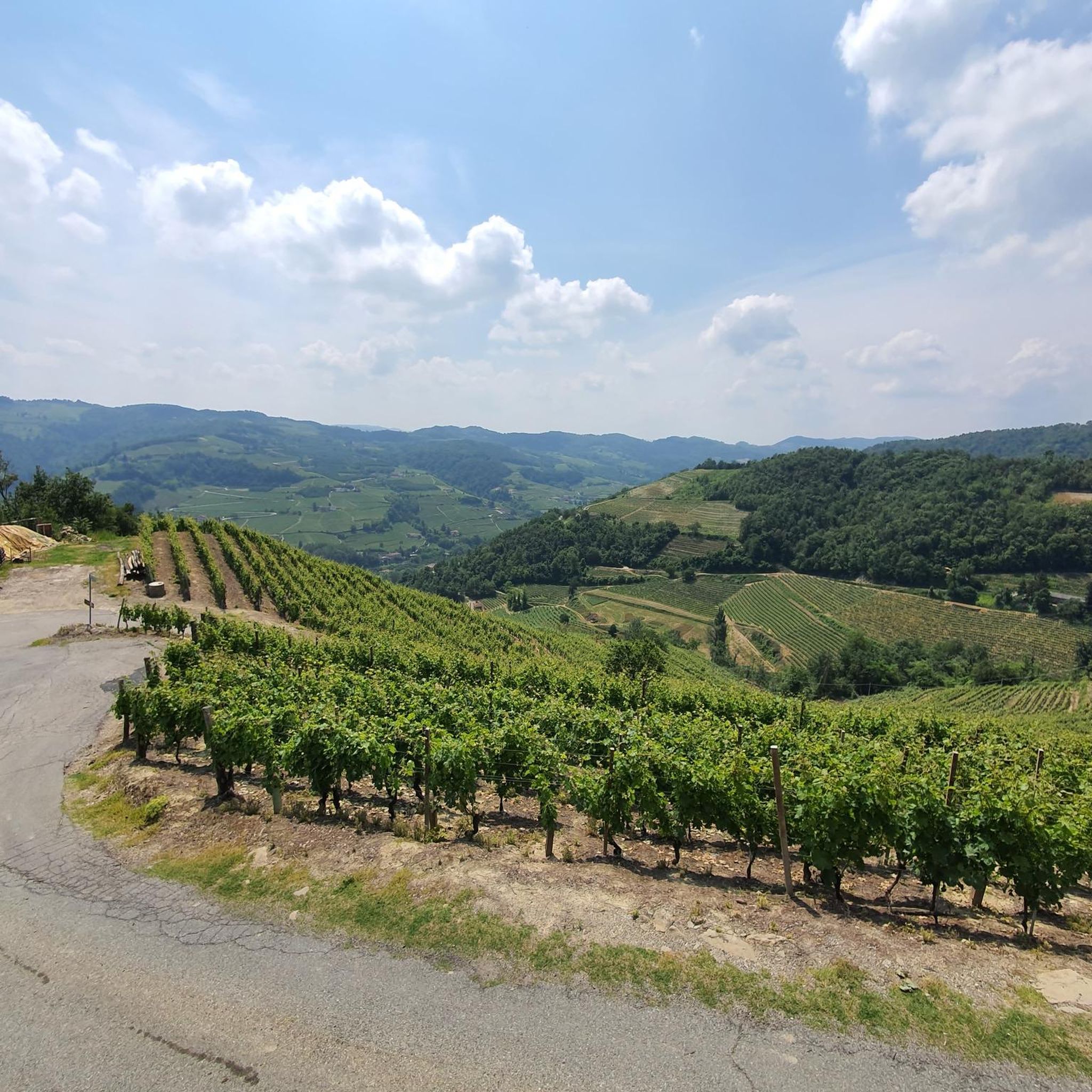
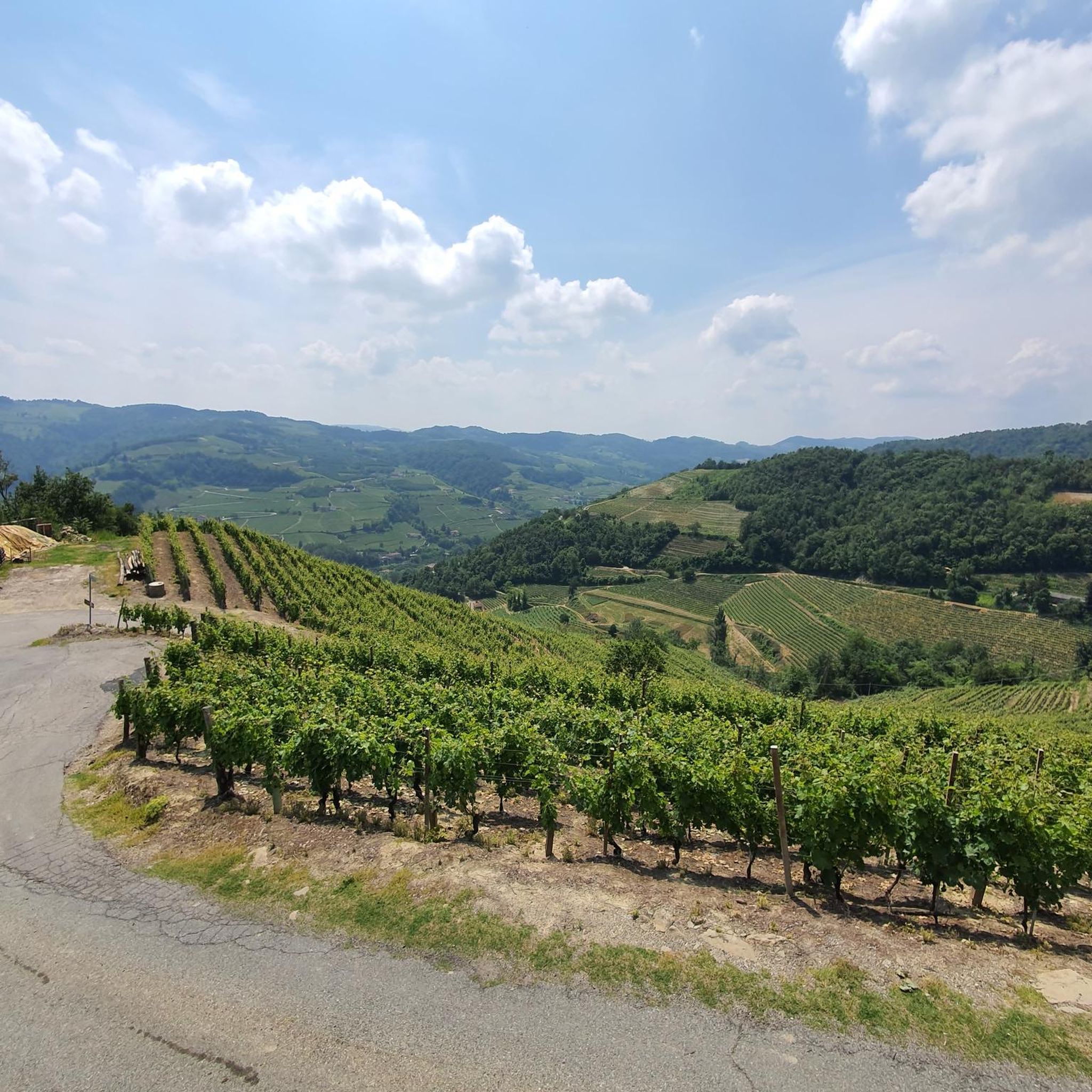
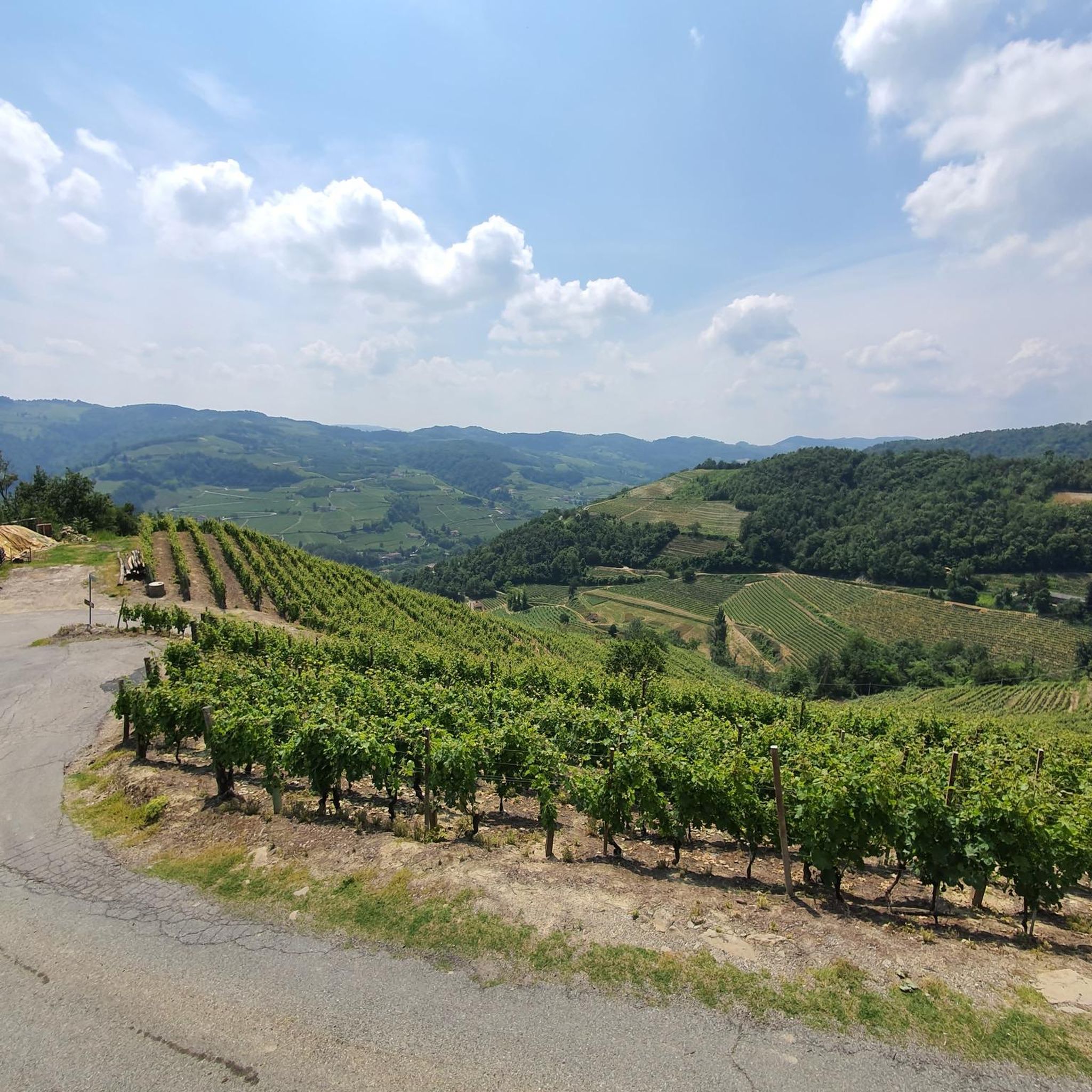
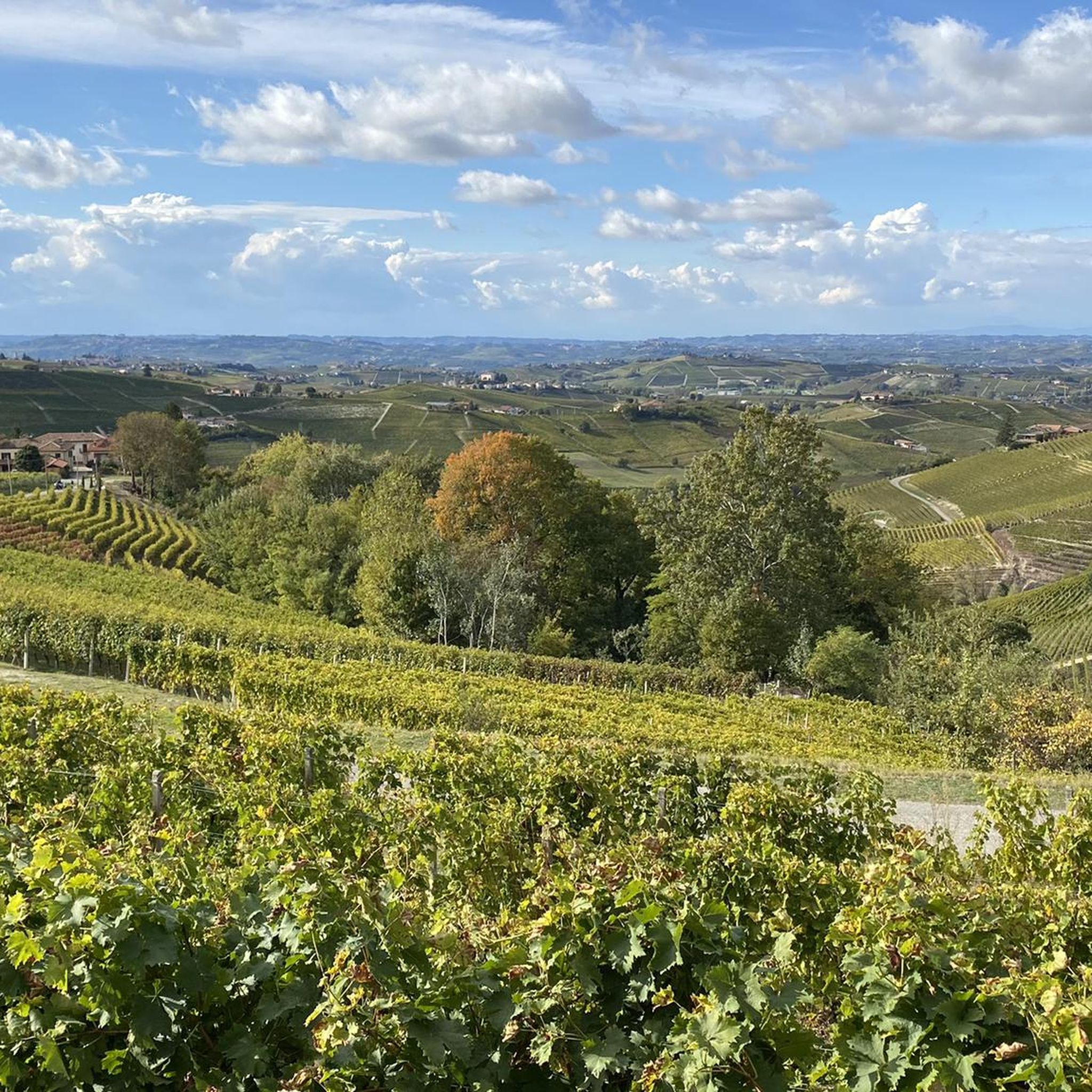
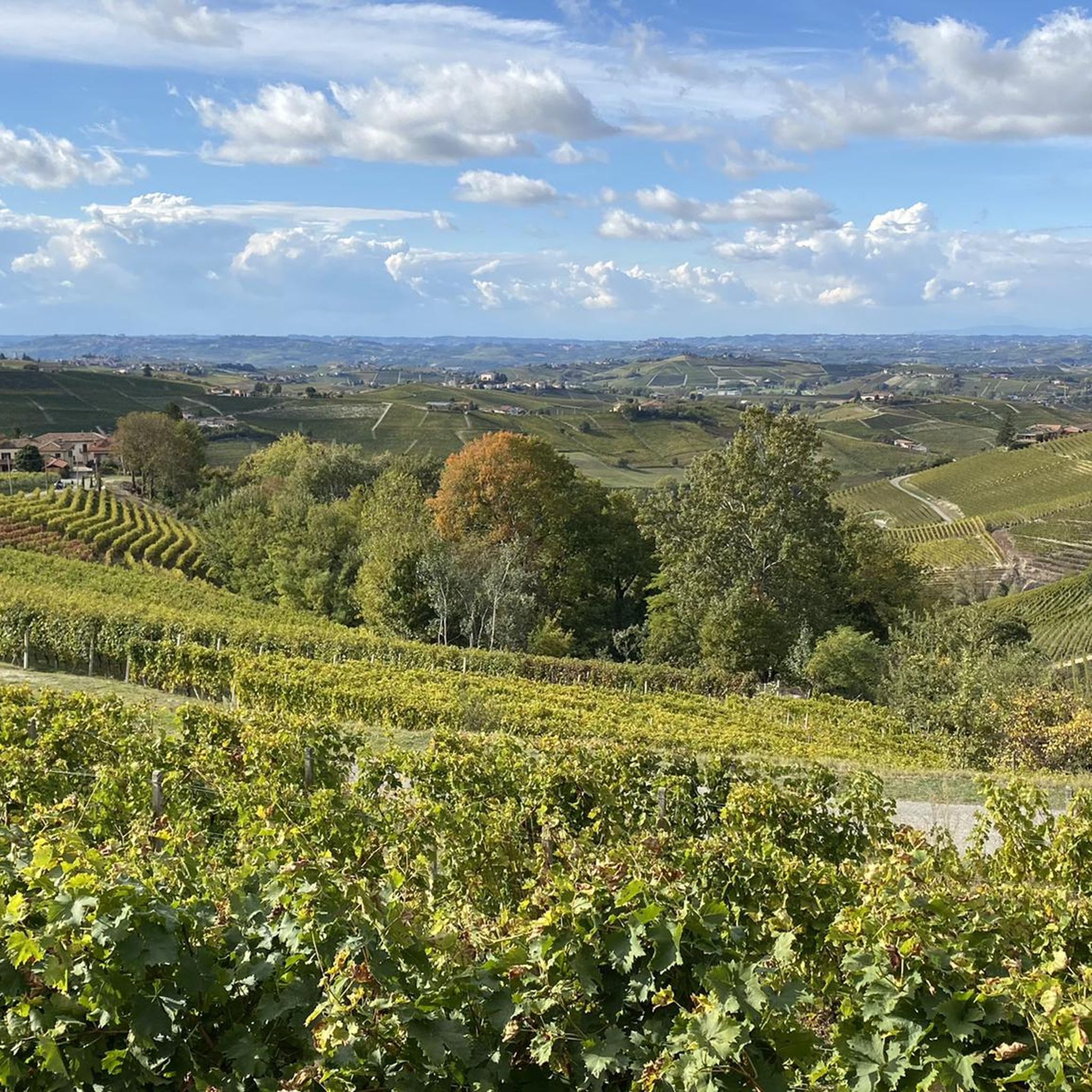
Best attractions and places to see around Santo Stefano Belbo include a captivating blend of cultural heritage and natural beauty in Italy's northwestern Piedmont region. The area is characterized by picturesque hilly landscapes, extensive vineyards, and hazelnut trees, forming part of the Langhe region. Santo Stefano Belbo is also notable as the birthplace of writer Cesare Pavese, with several sites dedicated to his life and works. Visitors can explore historical landmarks and enjoy the tranquil rural atmosphere.
Best attractions and…
Last updated: August 2, 2026
Barbaresco Tower
Highlight • Monument
Translated by Google •
Tip by

Costigliole d'Asti Castle
Highlight • Castle
Translated by Google •
Tip by

Sign up now to discover places like this
Get recommendations on the best single tracks, peaks, & plenty of other exciting outdoor places.
Sign up for free
Monastero Bormida
Highlight • Settlement
Translated by Google •
Tip by

Chapel of St. Mary the Virgin
Highlight • Religious Site
Translated by Google •
Tip by
Church of Saints Peter and Paul (Chiesa dei Santi Pietro e Paolo), Neive
Highlight • Religious Site
Translated by Google •
Tip by

Sign up for free to discover even more attractions around Santo Stefano Belbo.
Sign up for free
Already have an account?
Start today with a free account
Your next adventure awaits.
Login or Signup

Tips from the Community

Monastero Bormida is a charming Italian medieval village located in the province of Asti, in Piedmont, nestled in the picturesque landscapes of the Langa Astigiana. The village was founded around the year 1050, when a group of Benedictine monks was called by Marquis Aleramo to clear and repopulate the lands devastated by Saracen raids.
0
0

The Castle of Monastero Bormida was not originally built as a defensive structure but as a Benedictine monastery, founded around 1050 by monks from the Abbey of Fruttuaria, called by the Aleramici Marquises to reclaim the lands devastated by Saracen raids. The 27-meter tower still visible today was originally the bell tower, and the river flowing a few meters from the southern tower confirms the non-military nature of the building. In 1393, the Benedictines abandoned the monastery, and its feudal history began: the fief passed to the Del Carretto marquises, who in the 15th century added the first defensive structures, transforming it into a castle. The building is a quadrangular structure with an internal courtyard, protected by towers on multiple sides and connected to the former bell tower by a small suspension bridge. On the south facade, there is a two-arched Renaissance loggia with a small stone column. Inside, the rooms on the main floor—transformed in the 17th century—feature mosaic floors and sail and cross vaults with frescoes of floral and geometric motifs. The castle later passed to the Della Rovere family and subsequently to the Genoese Polleri family, finally becoming the property of the Municipality starting in 1880. Today it is open to visitors and is part of the regional circuit "Castelli Aperti".
1
0

Beautiful old arched bridge.
4
1

"Castle" of Monastero Bormida Place of tourist, historical, architectural and cultural interest Piazza Castello, 1, 14058 Monastero Bormida AT http://www.comune.monasterobormida.at.it/ 014488450
4
0

Very well cared for church.
22
0

The tower joined to the castle by a medieval arch
3
0

The small town of Barbaresco is famous for being the place of origin of the wine of the same name. The municipality is part of the Langhe, Roero and Monferrato area, which has been part of the UNESCO heritage since 2014.
3
0

It is also called the Tremlett church in honor of the British artist who repainted and embellished it taking inspiration from the colors of the Coazzolo hill. David Tremlett who also helped repaint the Barolo chapel in La Morra which attracts many tourists
0
0
Frequently Asked Questions
What historical and cultural sites can I explore in Santo Stefano Belbo?
Santo Stefano Belbo is rich in history and culture, particularly related to the writer Cesare Pavese. You can visit the Cesare Pavese Foundation and Museum, his Birthplace (Casa Natale), and even his Grave. Other significant historical sites include the ancient Monastero Bormida, the medieval Costigliole d'Asti Castle, and the iconic Barbaresco Tower, which offers historical insights and panoramic views.
Where can I learn about the writer Cesare Pavese in Santo Stefano Belbo?
Santo Stefano Belbo is the birthplace of the influential writer Cesare Pavese. You can delve into his life and works at the Cesare Pavese Foundation and Museum, located in the town's ancient quarter. This museum features original memorabilia, manuscripts, and personal belongings. You can also visit his Birthplace (Casa Natale) and the Church of Saints James and Christopher, where he was baptized. His remains were transferred to the local cemetery in 2001, so you can also visit his Grave.
Are there any ancient ruins or medieval structures to visit in the area?
Yes, the region around Santo Stefano Belbo holds several ancient and medieval remnants. You can see the partly destroyed Tower of the Belbo, a testament to the town's feudal past. Near Moncucco hill, explore the impressive Ruins of the Romanic Abbey of San Gaudenzio, which was once a Benedictine monastery. Additionally, remnants of a medieval castle, including one of its ancient towers, can be found on S. Libera hill.
What natural landscapes characterize the Santo Stefano Belbo area?
The Santo Stefano Belbo area is defined by its picturesque hilly landscapes, extensive vineyards, and hazelnut trees, forming part of the renowned Langhe region. The River Belbo, from which the town gets its name, flows through the area, and Moncucco Hill offers a stunning viewpoint dominating the entire Belbo valley. These natural features provide a tranquil rural atmosphere perfect for exploration.
Where can I find the best panoramic views of the Langhe region?
For breathtaking panoramic views, head to Moncucco Hill, which offers a stunning vista dominating the entire Belbo valley. Another excellent spot is the Barbaresco Tower, where an elevator takes you 30 meters high to a roof terrace with expansive views of the surrounding vineyards and the Langhe, Roero, and Monferrato area. The Chapel of St. Mary the Virgin also offers a wonderful panorama sweeping over the Moscato hills.
Are there family-friendly attractions around Santo Stefano Belbo?
Many attractions in the Santo Stefano Belbo area are suitable for families. The Barbaresco Tower offers an engaging experience with its elevator to a panoramic roof terrace. Historic sites like Costigliole d'Asti Castle and Monastero Bormida provide interesting exploration opportunities. Religious buildings such as the Chapel of St. Mary the Virgin and the Church of Saints Peter and Paul in Neive are also considered family-friendly.
What outdoor activities can I do near these attractions?
The picturesque landscapes around Santo Stefano Belbo are ideal for outdoor activities. You can enjoy hiking and biking through vineyards and along the paths of the Langhe and Monferrato hills. For specific routes, explore the hiking routes around Santo Stefano Belbo, including trails like the 'Santo Stefano Belbo to Canelli UNESCO vineyard trail'. Cyclists can find numerous options, such as the 'Santo Stefano Belbo, Loazzolo, and Roccaverano Loop' among the road cycling routes or the 'Santo Stefano Belbo and surroundings - ring tour' for general cycling.
Are there opportunities for vineyard tours and wine tastings?
Absolutely. The Santo Stefano Belbo area is renowned for its wine production, particularly Moscato d'Asti and Ruchè. Numerous wineries throughout the region offer tours and tastings, providing insights into the winemaking process and the area's rich viticultural history. This is a fantastic way to experience the local culture and taste the celebrated wines of Piedmont.
What is the best time to visit Santo Stefano Belbo for sightseeing and outdoor activities?
The best time to visit Santo Stefano Belbo for sightseeing and outdoor activities is generally during the spring (April to June) and autumn (September to October). During these seasons, the weather is pleasant for hiking and cycling through the vineyards, and the landscapes are particularly beautiful, either with blooming flora or vibrant autumn colors. Autumn also coincides with the grape harvest, offering a lively atmosphere in the wineries.
Are there any unique or 'hidden gem' attractions in the vicinity?
Beyond the well-known sites, you might discover the Camo's Open Air Museum, located just a few minutes from Santo Stefano Belbo. This museum is a meeting point for national and international creatives, born from a local family's passion for art, offering a different kind of cultural experience.
What kind of local cuisine can I expect in Santo Stefano Belbo?
In Santo Stefano Belbo, you can indulge in authentic Piedmontese cuisine. The local dishes often feature the sweet, crunchy IGP Piedmont Hazelnut, a regional specialty. Meals are typically accompanied by the region's renowned wines, such as Moscato d'Asti and Barbaresco. Expect hearty, flavorful dishes that reflect the rich agricultural traditions of the area.
Is the Barbaresco Tower accessible for visitors with mobility considerations?
Yes, the Barbaresco Tower is noted as being wheelchair accessible. An elevator takes visitors 30 meters high to a spacious roof terrace, allowing everyone to enjoy the beautiful panoramic views of the Langhe, Roero, and Monferrato area.
Most popular routes around Santo Stefano Belbo
Most popular attractions around Santo Stefano Belbo

Get inspired with the komoot mobile app


Explore more
Still not found the Highlight you’re looking for? See guides of the top attractions in other regions:
