The best road cycling routes around Santo Stefano Belbo
4.5
(211)
3,863
riders
16
rides
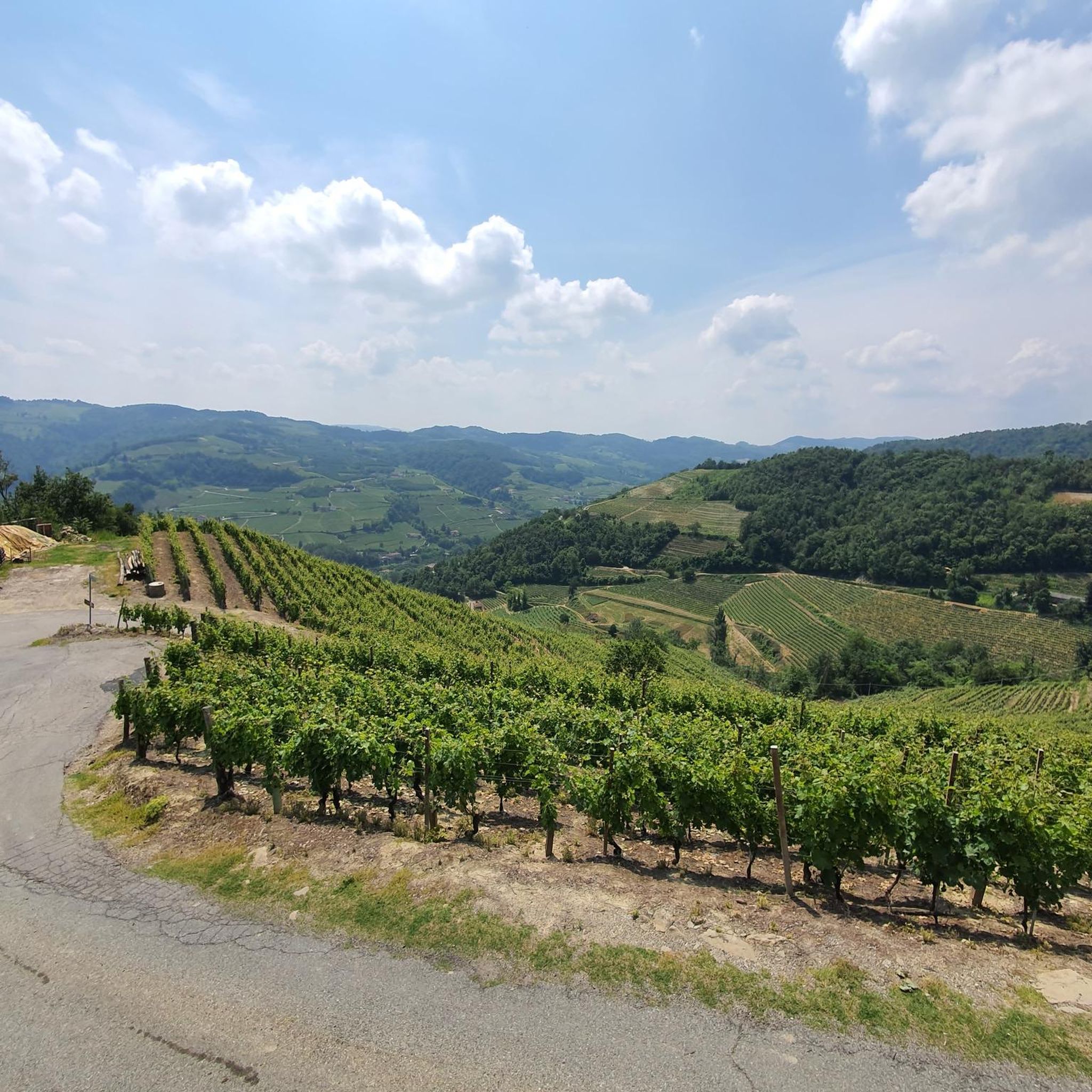
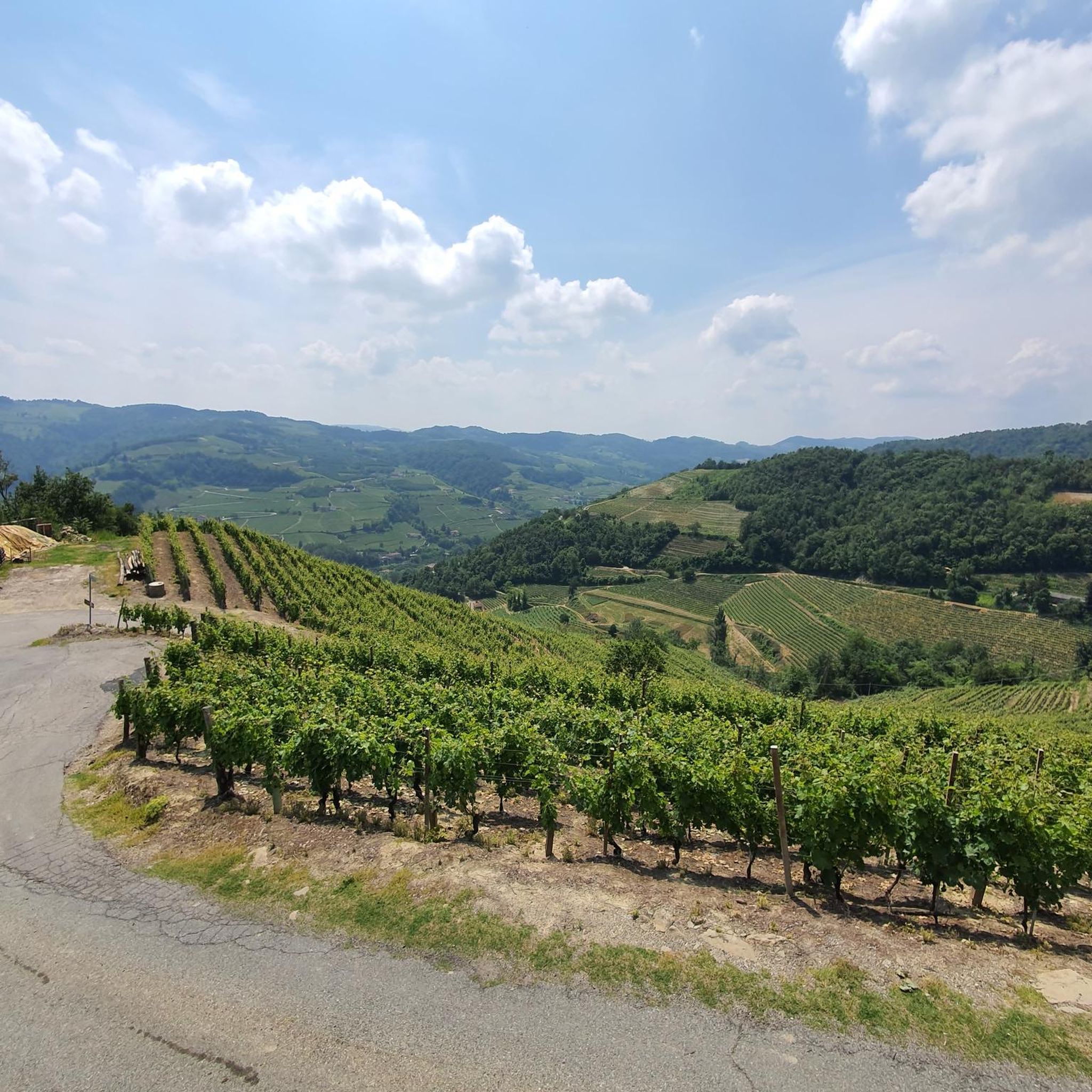
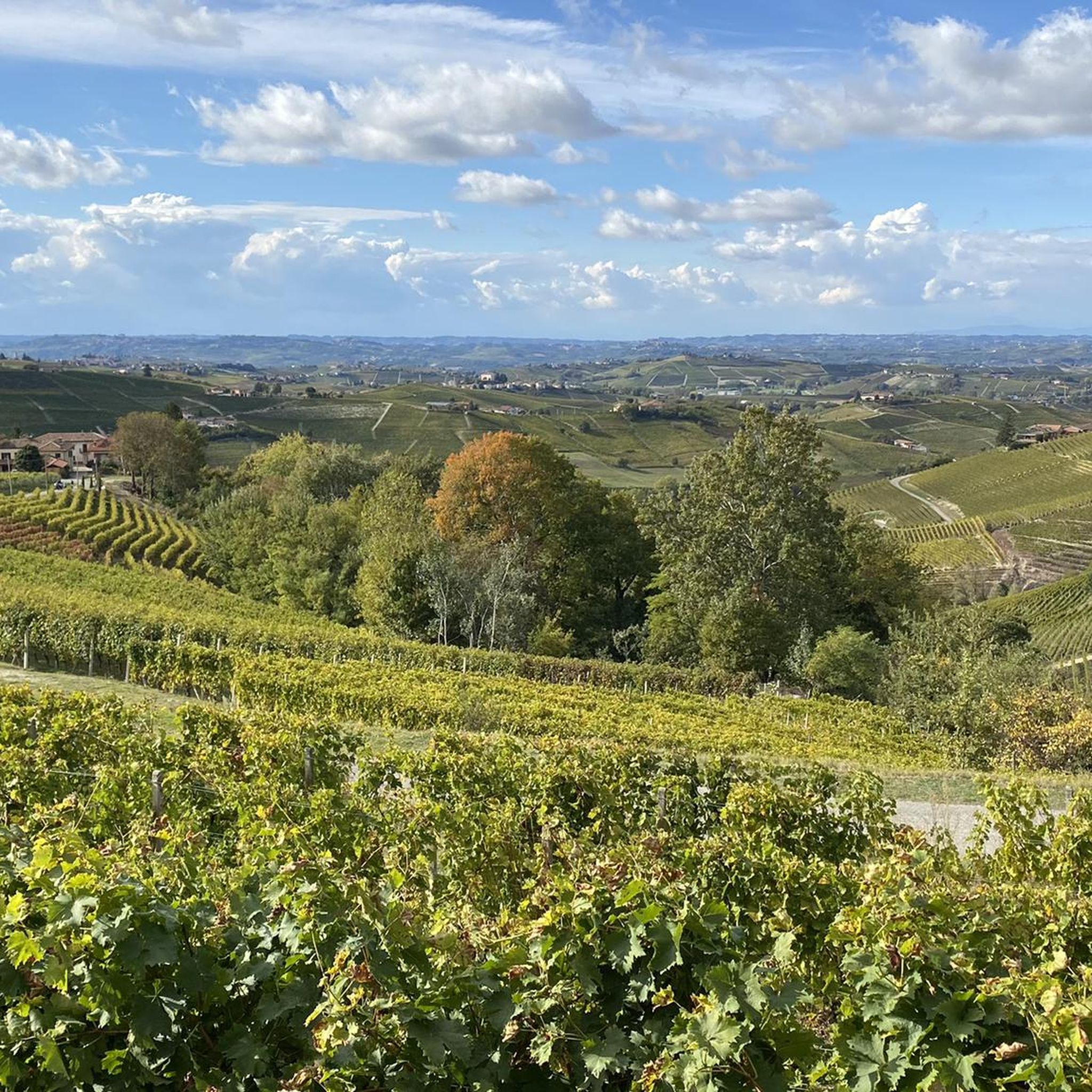
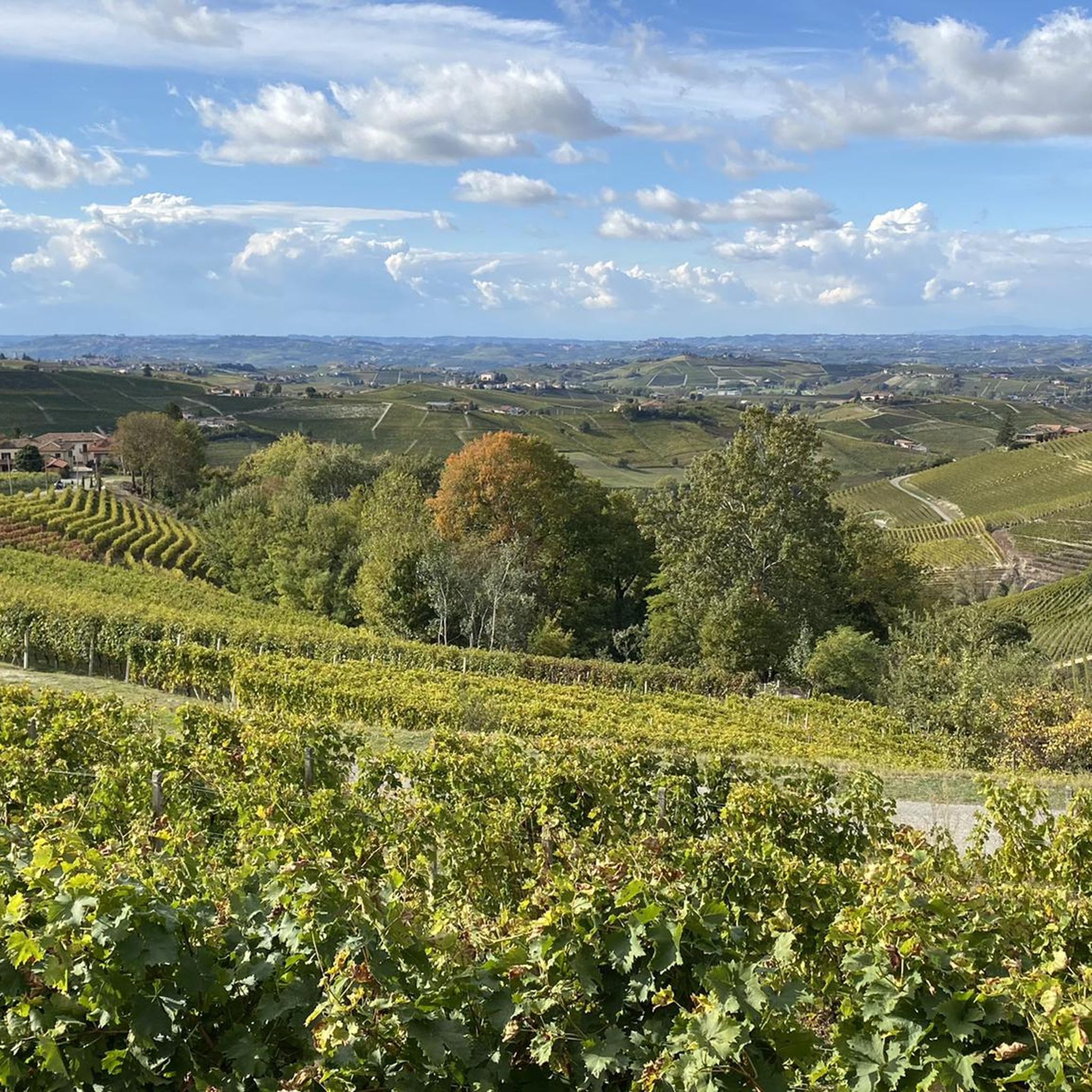
Road cycling around Santo Stefano Belbo is characterized by the rolling Langhe hills, extensive vineyards, and hazelnut groves of Piedmont, Italy. The region features a diverse landscape with varied terrain, including the prominent Belbo Valley and hills like Moncucco and Gaminella. Cyclists can expect routes that wind through these scenic areas, offering ascents and descents. The natural features provide a dynamic backdrop for road cycling, with many routes on paved surfaces.
Best road cycling routes around Santo Stefano Belbo
- The…
Last updated: August 17, 2026
4.0
(1)
6
riders
56.1km
03:36
1,590m
1,590m
Hard road ride. Very good fitness required. Mostly well-paved surfaces and easy to ride.
4.8
(4)
90
riders
98.8km
05:01
1,460m
1,460m
Hard road ride. Very good fitness required. Mostly well-paved surfaces and easy to ride.

Sign up for free
38
riders
103km
05:46
1,890m
1,890m
Hard road ride. Very good fitness required. Mostly well-paved surfaces and easy to ride.
4.0
(1)
23
riders
56.4km
03:14
1,130m
1,130m
Hard road ride. Very good fitness required. Some segments of this route may be unpaved and difficult to ride.
5.0
(4)
43
riders
98.0km
04:58
1,640m
1,640m
Hard road ride. Very good fitness required. Mostly well-paved surfaces and easy to ride.
Get access to more routes and recommendations from other explorers.
Sign up for free
Already have an account?
Our route recommendations are based on thousands of hikes, rides, and runs completed by other people on komoot.
Start today with a free account
Your next adventure awaits.
Login or Signup

Tips from the Community

Monastero Bormida is a charming Italian medieval village located in the province of Asti, in Piedmont, nestled in the picturesque landscapes of the Langa Astigiana. The village was founded around the year 1050, when a group of Benedictine monks was called by Marquis Aleramo to clear and repopulate the lands devastated by Saracen raids.
0
0

Beautiful places, worth trying
0
0

impressive view over the hills!!!
0
0

The Castle of Monastero Bormida was not originally built as a defensive structure but as a Benedictine monastery, founded around 1050 by monks from the Abbey of Fruttuaria, called by the Aleramici Marquises to reclaim the lands devastated by Saracen raids. The 27-meter tower still visible today was originally the bell tower, and the river flowing a few meters from the southern tower confirms the non-military nature of the building. In 1393, the Benedictines abandoned the monastery, and its feudal history began: the fief passed to the Del Carretto marquises, who in the 15th century added the first defensive structures, transforming it into a castle. The building is a quadrangular structure with an internal courtyard, protected by towers on multiple sides and connected to the former bell tower by a small suspension bridge. On the south facade, there is a two-arched Renaissance loggia with a small stone column. Inside, the rooms on the main floor—transformed in the 17th century—feature mosaic floors and sail and cross vaults with frescoes of floral and geometric motifs. The castle later passed to the Della Rovere family and subsequently to the Genoese Polleri family, finally becoming the property of the Municipality starting in 1880. Today it is open to visitors and is part of the regional circuit "Castelli Aperti".
1
0

Beautiful old arched bridge.
4
1

In a splendid panoramic location, built of Langa stone, it is notable for the Baroque-style decoration of its brick façade. The building's design is attributed to Francesco Gallo, who worked in the Cuneo and Mondovì areas in the first half of the 18th century. The interior retains no decoration. The altar is noteworthy, the last vestige of the pre-existing building. This is evidenced by the fresco depicting the Madonna enthroned breastfeeding the Child, with Saint George, patron saint of Niella Belbo, at her side, dating to the late 15th century. (Quote from the lovelanghe website)
0
0

Neo-Gothic church dating back to the early 1900s. Very beautiful. There's a panoramic viewpoint behind it.
1
0
A beautiful, impressive neo-Gothic church from the early 1900s. The road that runs around it leads to a panoramic viewpoint with breathtaking views of the surrounding hills.
1
0
Frequently Asked Questions
How many road cycling routes are available around Santo Stefano Belbo?
There are over 15 road cycling routes around Santo Stefano Belbo, offering a diverse range of experiences. These routes cater to various fitness levels, from moderate excursions to challenging rides with significant elevation gain.
What is the best time of year for road cycling in Santo Stefano Belbo?
The Langhe region, including Santo Stefano Belbo, is generally pleasant for road cycling from spring through autumn. Spring offers blooming vineyards, while autumn provides stunning fall colors and harvest activities. Summers can be warm, but early mornings or late afternoons are often ideal. Always check local weather conditions before heading out.
Are there any easy or beginner-friendly road cycling routes in the area?
While many routes in Santo Stefano Belbo feature the characteristic rolling Langhe hills and can be challenging, there are options for less experienced cyclists. For example, the guide lists one easy route, and several moderate routes like the Costigliole d'Asti Castle – Drinking Fountain with Fresh Water loop from Santo Stefano Belbo, which covers 72.1 km with 813 meters of elevation gain.
What kind of elevation gain can I expect on road cycling routes around Santo Stefano Belbo?
Road cycling routes in Santo Stefano Belbo often involve significant elevation changes due to the hilly terrain of the Langhe region. For instance, the San Martino Alfieri Castle – Mango loop from Santo Stefano Belbo is a difficult route with nearly 1,900 meters of elevation gain over 103.2 km, offering panoramic views over vineyards and valleys.
Are there circular road cycling routes available?
Yes, many of the road cycling routes around Santo Stefano Belbo are designed as loops, allowing you to start and finish in the same location. Examples include the popular Santo Stefano Belbo, Loazzolo, and Roccaverano Loop and the Castino – Cortemilia loop from Santo Stefano Belbo.
What historical or cultural attractions can I see along the road cycling routes?
The region is rich in history and culture. You can cycle past sites like Costigliole d'Asti Castle, or explore areas connected to author Cesare Pavese. The Costigliole d'Asti Castle – Drinking Fountain with Fresh Water loop from Santo Stefano Belbo specifically leads through vineyards and past historical sites.
Are there any scenic viewpoints or natural features to look out for?
Absolutely. The routes wind through the picturesque Langhe hills, offering stunning views of vineyards, hazelnut groves, and the Belbo Valley. Locations like Moncucco Hill and Vedetta house provide panoramic vistas. Distant views of the Alpine Arc are also possible on some routes, such as the "Cascina Pavaglione – View of the Alpine Arc loop" mentioned by the community.
What do other road cyclists say about the routes in Santo Stefano Belbo?
The road cycling routes around Santo Stefano Belbo are highly rated by the komoot community, with an average score of 4.5 stars from over 120 reviews. Cyclists often praise the varied terrain, the beauty of the Langhe hills, and the rewarding ascents that offer stunning panoramic views.
Is there parking available for cyclists in Santo Stefano Belbo?
While specific parking areas for cyclists are not detailed, Santo Stefano Belbo is a town with various parking options. It's advisable to check local signage for public parking facilities, especially near the start points of popular routes or in the town center.
Are there places to stop for refreshments or food along the routes?
Given its location in a renowned wine region, you'll find numerous opportunities for refreshment. Many routes pass through small towns and villages where you can find cafes, restaurants, and local wineries offering tastings of Moscato d'Asti and Ruchè. The region is known for its culinary delights, making it easy to combine cycling with gastronomic experiences.
Can I rent a road bike in Santo Stefano Belbo?
While specific bike rental shops in Santo Stefano Belbo are not listed, the Langhe region is popular for cycling tourism. It is common to find bike rental services in larger towns nearby or through specialized tour operators that cater to cyclists visiting the area. It's recommended to search for local rental options in advance of your trip.
Are there any routes that feature unique local art or sculptures?
Yes, for a unique experience, consider the Bergolo – Bossolasco Bicycle Sculptures loop from Santo Stefano Belbo. This challenging 122.4 km route with over 2,400 meters of elevation gain offers not only a great ride but also the chance to discover interesting bicycle sculptures along the way.
Most popular routes around Santo Stefano Belbo
Most popular attractions around Santo Stefano Belbo

Get inspired with the komoot mobile app


Explore more
Browse the best Road cycling routes in other regions.
