Top 19 Castles around Forgaria Nel Friuli
Castles around Forgaria Nel Friuli offer a journey through the region's historical landscape. Situated high above the Tagliamento River and the Arzino valley, the area features strategic locations that controlled important routes. This part of Friuli is characterized by its rich past, with sites showcasing millennia of human presence and medieval significance. The terrain provides natural defenses for many historical structures, making it a compelling destination for history enthusiasts.
Best castles around Forgaria Nel Friuli
- The most popular castles is…
Last updated: November 1, 2026
Pinzano Castle and View of the Tagliamento River
Highlight • Castle
Translated by Google •
Tip by

Caporiacco Castle
Highlight • Castle
Translated by Google •
Tip by

Sign up now to discover places like this
Get recommendations on the best single tracks, peaks, & plenty of other exciting outdoor places.
Castello Savorgnan
Highlight • Castle
Translated by Google •
Tip by
Osoppo Fortress
Highlight • Historical Site
I strongly suggest taking a torch with you, to make the …
Tip by

Toppo Castle
Highlight • Castle
Damaged in the 1976 earthquake, it was …
Translated by Google •
Tip by

Sign up for free to discover even more castles around Forgaria Nel Friuli.
Already have an account?
Start today with a free account
Your next adventure awaits.
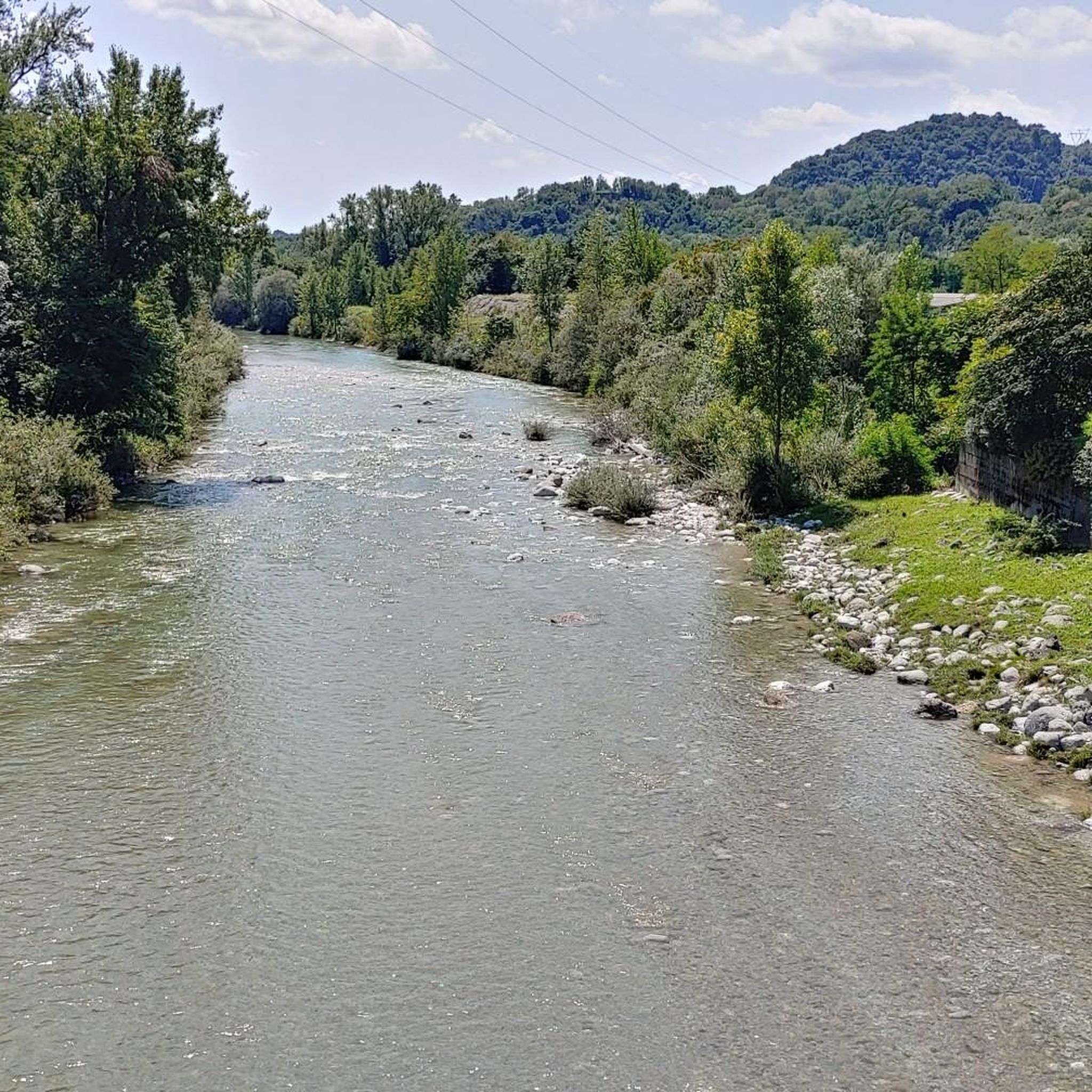
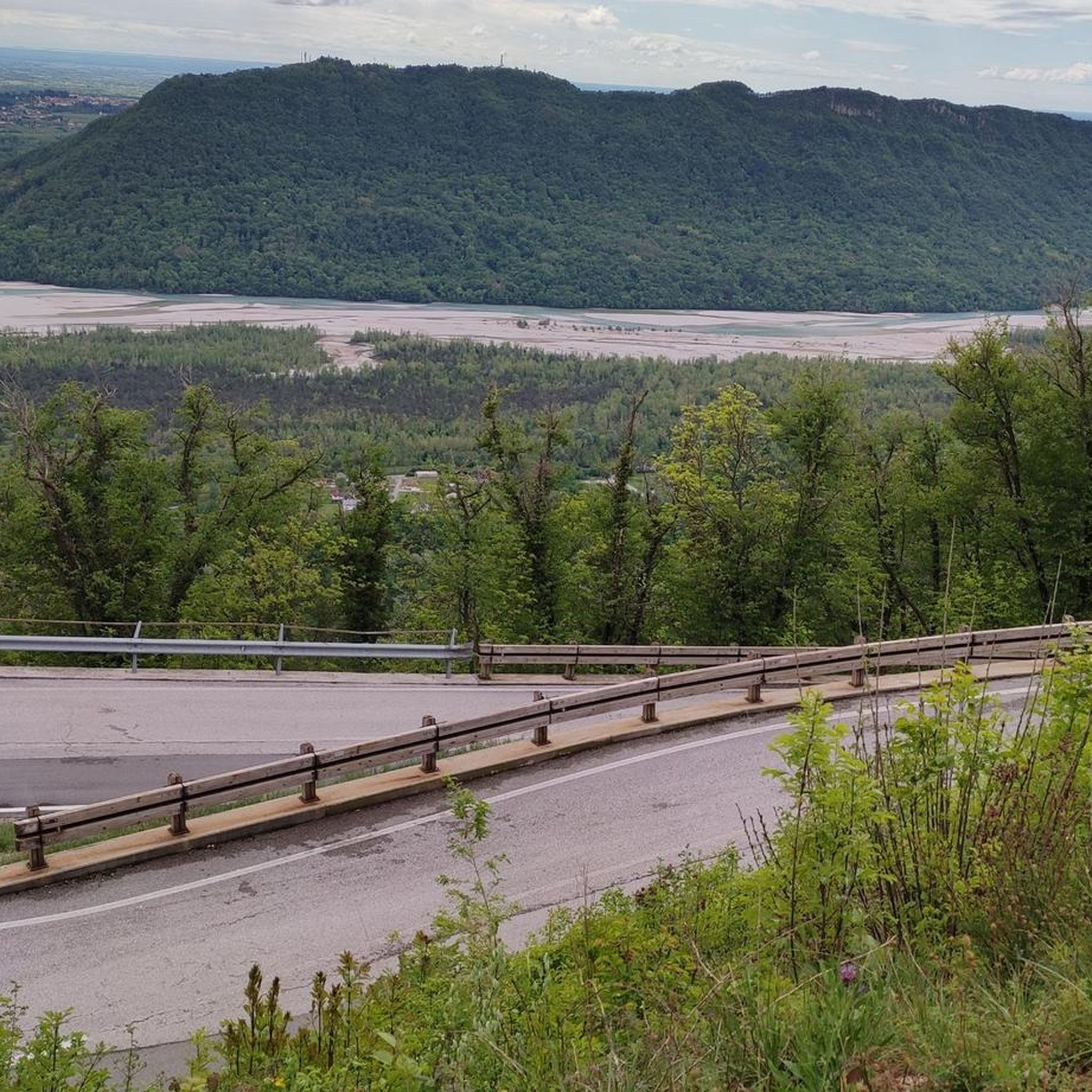
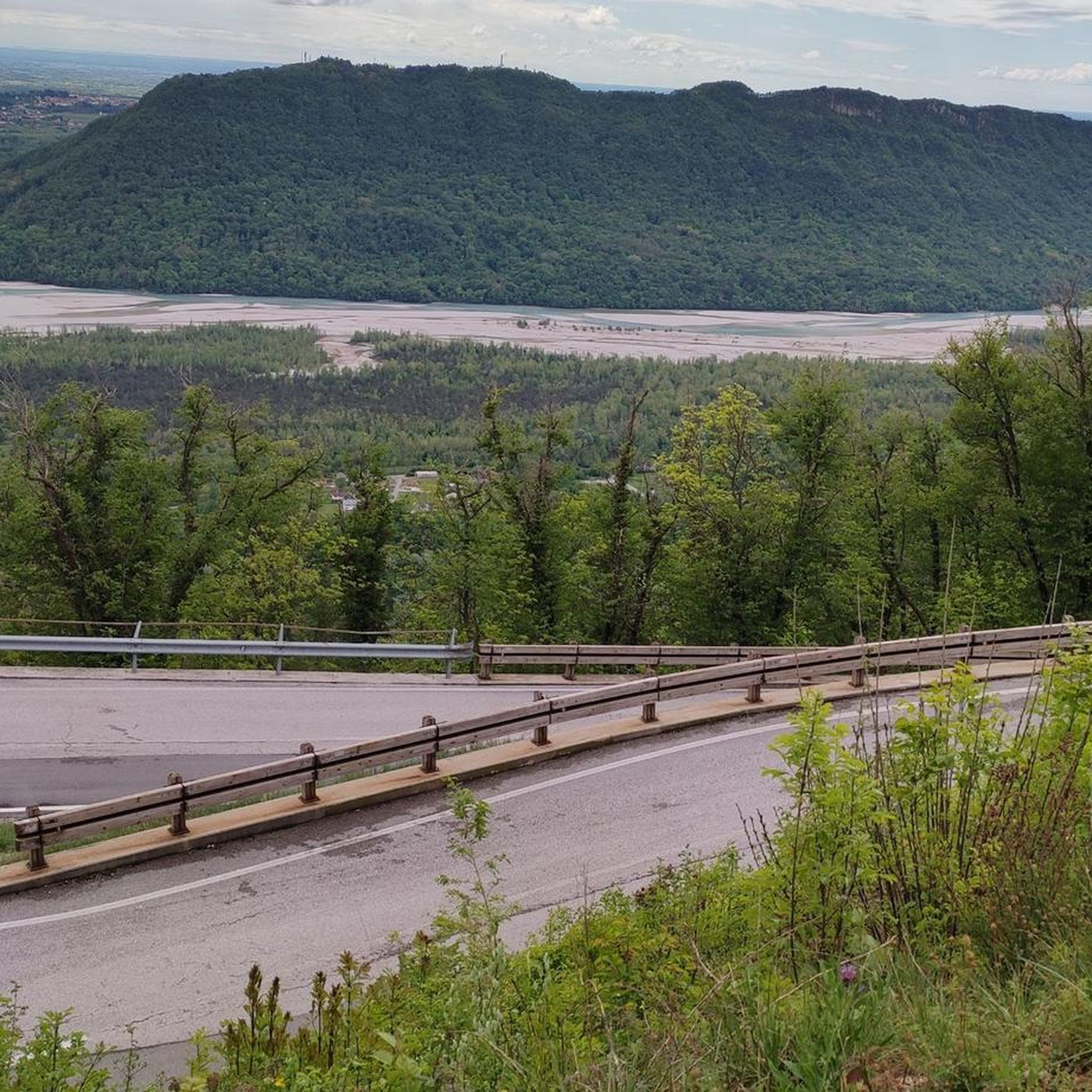
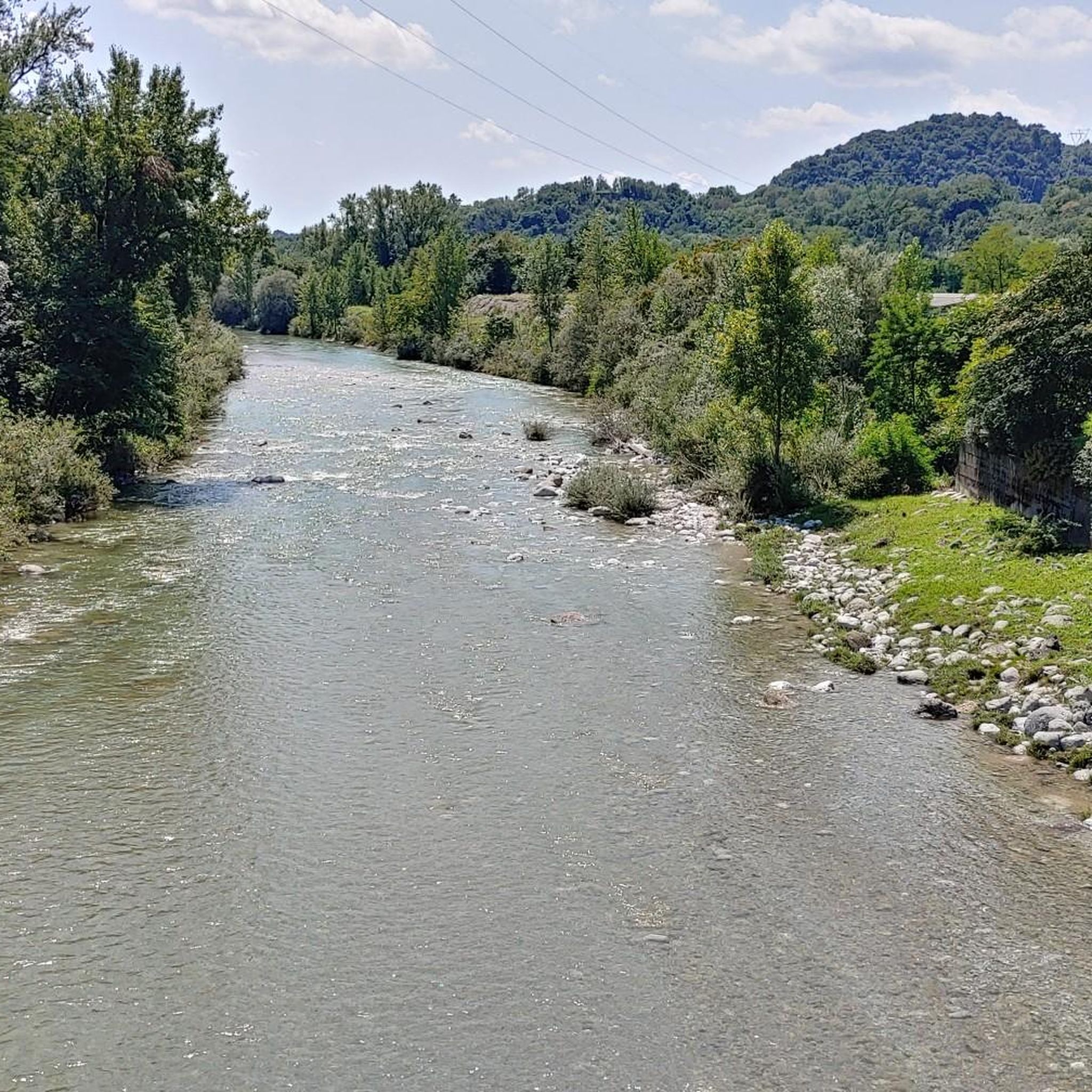

Tips from the Community

In the 13th century, the lords of Artegna began the construction of a building on the Colle di San Martino, expanding and transforming existing structures. This new complex, of which the central load-bearing wall and the tower, improperly called "Lombard", are the oldest parts, became the residential seat of the lords of Artegna probably in the second half of the 13th century, after the destruction of the ancient manor by the Gemonese troops. It remained the property of this family until 1384, the year in which the last male descendant of the main branch of the family died. The so-called "castelletto" then passed by female inheritance to the Savorgnano family. https://www.ecomuseodelleacque.it/collezione-ecomuseale/siti-storico-archeologici/artegna-castello-savorgnan/
0
0

Recently renovated, fine structure and beautiful view
0
0

Wonderful all-round view
0
0

Highly visible from the plain, the Toppo castle, dating back to around 1100 AD, created a belt of manors on the Pordenone foothills.
0
0

Caporiacco Castle, located in the village of the same name in the hills of Colloredo di Monte Albano, was built in the medieval period (1026-1045) as a residence-fortress for the nobles of Caporiacco. In its long history, the manor has suffered numerous damages: set on fire by enemies, looted by patriarchal troops, attacked by the population during the famous peasant revolt of Fat Thursday in 1511 and severely hit by the earthquake of the same year. But it was the 1976 earthquake that had devastating effects on the structure, leaving only the curtain wall of the facade standing. For decades it remained in a state of rubble, until the recovery work began in 1999 and concluded in 2013, with the reconstruction of the Torre Mastio, the oldest part of the site, the main body and the "casa del frate".
2
0

Among the hills of Colloredo di Monte Albano, the Caporiacco castle belonged to the family of the same name until 1278. It was then damaged and looted several times and also suffered damage from an earthquake in 1976. Restoration work was completed a few years ago.
1
0

One of many castle ruins in the foothills of the surrounding mountains. Very well restored with information signs. From the ruins there is a beautiful view towards Val Colvera di Jof and far into the Friulian plain. The ascent is on a forest path, partly with coarser rock. It is worth a visit, impressively illuminated in the dark.
0
0
These explanatory signs, which explain the structure of the castle, are interesting.
1
0
Frequently Asked Questions
What are some historically significant castles to visit in Forgaria Nel Friuli?
Forgaria Nel Friuli is rich in history. You can explore the archaeological park of Castelraimondo (Zuc Scjaramont), which showcases millennia of human presence from a fortified village to a Roman fortress. Another significant site is the Castle of San Giovanni at Flagogna, with Lombard origins and remnants of its perimeter walls and an adjacent church. Both offer deep insights into the region's past.
Are there family-friendly castles around Forgaria Nel Friuli?
Yes, several castles and historical sites are suitable for families. Caporiacco Castle is listed as family-friendly, offering a glimpse into medieval history after extensive restoration. The Osoppo Fortress is also family-friendly, providing historical exploration and views. Additionally, Forte Col Roncone is noted as family-friendly.
Which castles offer the best views of the surrounding area?
For panoramic views, Pinzano Castle and View of the Tagliamento River offers a 360° vista from its hill. The ascent to Osoppo Fortress is also highly recommended for its views of the plains. The ruins of Toppo Castle also provide a beautiful panorama.
Are there walking or hiking trails near the castles?
Yes, the region offers opportunities for walking and hiking. The Castle of San Giovanni at Flagogna is accessed via the "Troj di Meni" naturalistic path, which includes educational panels. For more extensive outdoor activities, you can find numerous running trails around Forgaria Nel Friuli, including a loop around the Castello di Flagogna loop from Cornino.
What outdoor activities can I do near these castles?
Beyond exploring the castles, the area around Forgaria Nel Friuli is excellent for various outdoor activities. You can find many cycling routes, including challenging loops like the Tagliamento Bridge – Lake Cornino. There are also numerous running trails, such as the Lago di Cornino loop, and road cycling routes that take you through scenic landscapes.
Can I bring my dog to the castles?
The Osoppo Fortress is listed as dog-friendly, making it a good option if you're visiting with your canine companion. For other sites, it's advisable to check specific regulations or signage upon arrival.
What is the best time to visit the castles in Forgaria Nel Friuli?
While there's no specific 'best time' mentioned, visiting during spring or autumn generally offers pleasant weather for exploring outdoor historical sites and trails. These seasons avoid the peak heat of summer and the colder, potentially snowy conditions of winter, making walks and archaeological explorations more comfortable.
Are there any amenities like cafes or restrooms near the castles?
At the Osoppo Fortress, you'll find a cozy bar and public restrooms at the top, near the church. For other castle sites, amenities might be limited, so it's a good idea to plan accordingly or check for facilities in nearby villages.
What can I expect to see at Castelraimondo (Zuc Scjaramont)?
At Castelraimondo, you'll explore an archaeological park with evidence of human presence spanning millennia. This includes remains of a 4th-century BCE fortified village, a Roman fortress, and findings from the medieval period. Many artifacts are displayed in an Antiquarium at the Forgaria nel Friuli municipality, offering a comprehensive historical journey.
What is the history of Caporiacco Castle?
Caporiacco Castle, located in the hills of Colloredo di Monte Albano, dates back to the medieval period (1026-1045). It suffered numerous damages throughout its history, including fires, looting, and severe impacts from earthquakes, particularly in 1976. Extensive restoration work was completed in 2013, reconstructing its Torre Mastio and main body.
Are there any hidden gems among the castles or historical sites?
While not explicitly 'hidden,' the archaeological park of Castelraimondo (Zuc Scjaramont) offers a unique, multi-layered historical experience that goes beyond typical castle ruins, delving into prehistoric and Roman eras. The "Troj di Meni" naturalistic path leading to the Castle of San Giovanni at Flagogna also provides a charming and historically rich approach to a lesser-known site.
What makes Osoppo Fortress significant?
The Osoppo Fortress holds significant military-strategic importance due to its commanding position. Its ascent offers rewarding views of the plains, and visitors can explore various parts of the structure. It's a testament to the region's defensive architecture and history.
What is the story behind Pinzano Castle?
Pinzano Castle was first mentioned in the 12th century as a fortified complex. Although largely in ruins today, with only foundations and two arches remaining, it retains its charm and offers a 360° view. Legend has it that a secret chamber with treasure and tunnels to the Tagliamento River lie beneath the castle.
Most popular routes around Forgaria Nel Friuli
Most popular attractions around Forgaria Nel Friuli

Get inspired with the komoot mobile app


Explore more
Looking for the best castles somewhere else? Discover other guides around Forgaria Nel Friuli:
