Top 19 Lakes around Trichiana
Best lakes around Trichiana are found within the surrounding Belluno province in Italy, offering diverse natural attractions. This region is characterized by its dramatic Dolomite landscape, with numerous lakes nestled amidst mountains and valleys. These bodies of water provide opportunities for relaxation, water sports, and exploring the natural environment. The area is known for both natural and artificial lakes, many of which are easily accessible from Trichiana.
Best lakes around Trichiana
- The most popular lakes is Lago di Lago, a lake that is one of two glacial water basins in the Valmareno. Its calm waters reflect characteristic stone houses and are lined with reeds and water lilies.
- Another must-see spot is Lake del Mis, an artificial lake located in the Belluno Dolomites National Park. This suggestive body of water was ranked as one of the most beautiful lakes in Italy.
- Visitors also love Lake Morto, a beautiful alpine body of water with a picnic area. A path allows you to circumnavigate the lake on foot or by mountain bike.
- Trichiana is known for a variety of lakes, including natural alpine basins, glacial lakes, and artificial lakes created for hydroelectric energy. These offer diverse landscapes and activities.
- The lakes around Trichiana are appreciated by the komoot community, with more than 500 upvotes and over 20 photos shared by visitors.
Last updated: May 27, 2026
Lake Morto
Highlight • Lake
Here is a picnic area where you can relax and enjoy a well-deserved break.
Translated by Google •
Tip by

Lago di Lago
Highlight • Lake
Specifically, it is Lake Santa Maria, to the east, and Lake Lake, to the west. The basins are separated by a marshy area and connected by the canal of the boats. A suggestive corner, a few steps from Vittorio Veneto and Conegliano. The characteristic stone houses of the villages of Santa Maria, Colmaggiore, Lago and Fratta are reflected on the calm waters, lined with reeds and dotted with water lilies.
Translated by Google •
Tip by

Sign up now to discover places like this
Get recommendations on the best single tracks, peaks, & plenty of other exciting outdoor places.
Sign up for free
Lake del Mis
Highlight • Lake
Its nature is of artificial genesis. The dam that holds back the water, 91 meters high and 220 meters long, was built in 1962 near the town of Pascoli and is still used today for the production of hydroelectric energy. The wild appearance of the Mis valley, capable of hiding true environmental and historical treasures with the harshness of its appearance, undoubtedly contributes to the fame that the lake has been able to gain in recent times.
Translated by Google •
Tip by
Lake Santa Maria
Highlight • Lake
Translated by Google •
Tip by

Picnic area by Lago Morto
Highlight • Rest Area
The equipped area is also the arrival point of the "Troi dei Pai" single track path which branches off from the mule track that descends from the village of Croda Rossa, the lowest of the 8 villages of Fais
Translated by Google •
Tip by

Sign up for free to discover even more lakes around Trichiana.
Sign up for free
Already have an account?
Start today with a free account
Your next adventure awaits.
Login or Signup
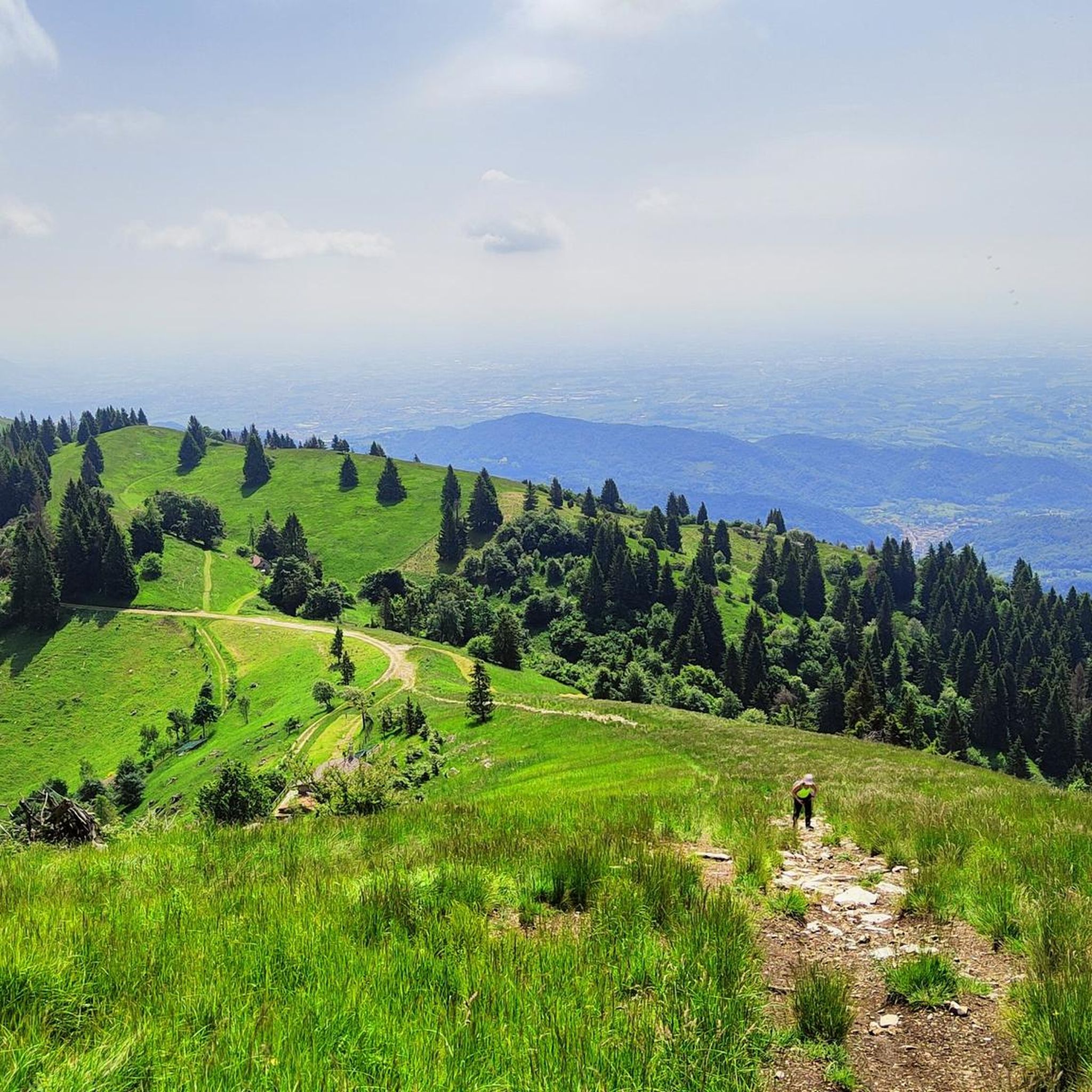


Tips from the Community

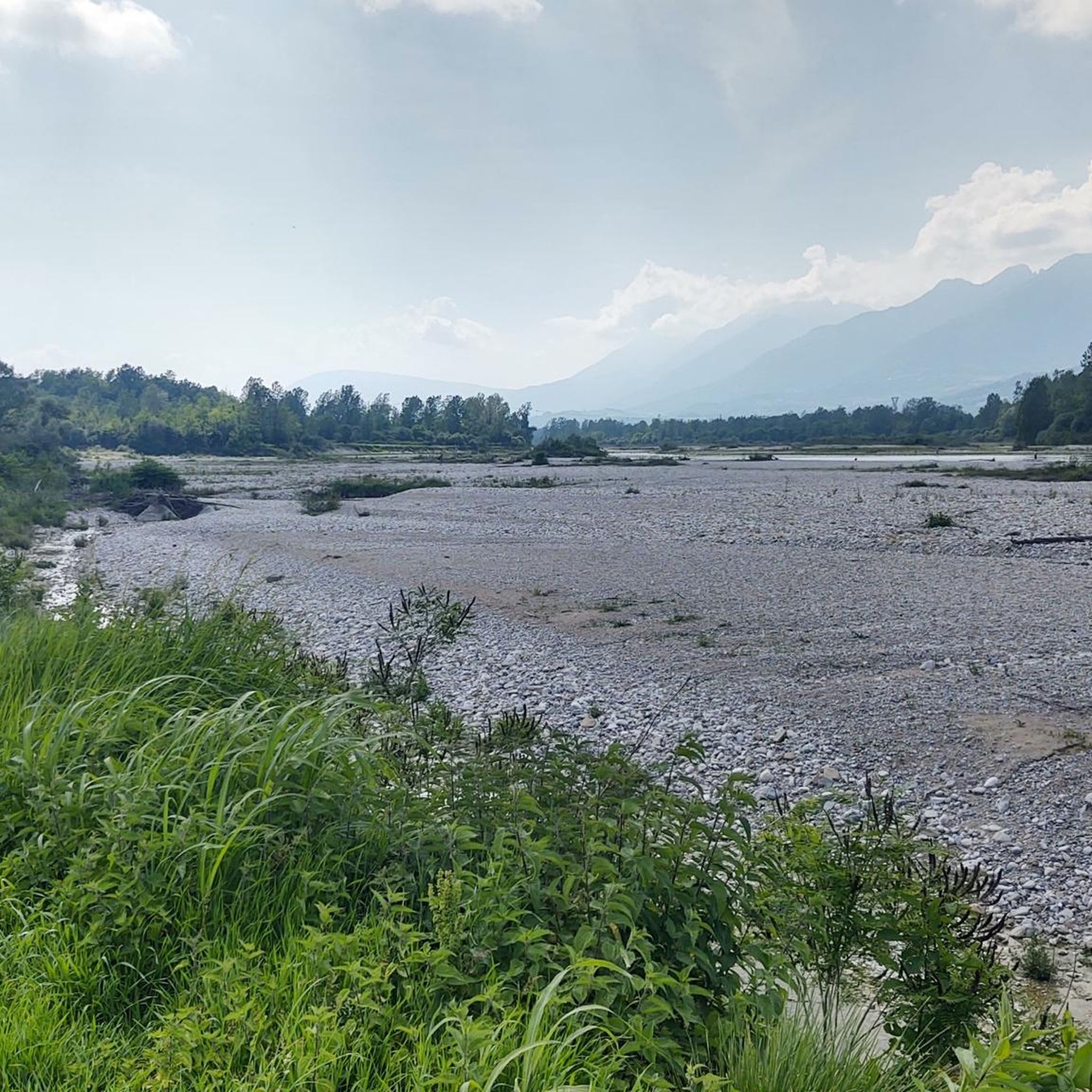
Lago Morto is a striking body of water located in Val Lapisina, in the municipality of Vittorio Veneto, right at the foot of the Treviso side of the Sella di Fadalto pass. Its peculiar name derives from a unique geographical characteristic: it is a lake devoid of visible surface outlets and inlets, as it is fed and emptied exclusively through underground karst pathways. The basin, surrounded by steep wooded slopes and imposing rocky walls, is characterized by deep and cool waters. Today, the lake plays a fundamental role in hydroelectric power production, being connected to the valley's power plant system that utilizes the waters coming from the overlying Lago di Santa Croce. Despite the industrial footprint, the area is a popular destination for relaxing walks, picnics, and sport fishing.
0
0
Il Lago di Santa Maria, located in the suggestive Valley between the Trevigian Prealps, is one of the two lake basins that form the Revine Lago lakes, connected to the nearby Lago di Lago via an artificial channel. This body of water, of glacial origin, owes its name to the nearby hamlet of Santa Maria and is surrounded by reed beds and wooded areas of great naturalistic value. Since ancient times, the site has held enormous historical importance, as evidenced by the archaeological finds of a stilt village dating back to the Neolithic and Bronze Age, which has today been faithfully reconstructed in the nearby Livelet Archaeological Educational Park. Today, the lake is a very popular destination for eco-sustainable tourism, relaxation, and outdoor activities. Along its banks, pedestrian and cycle paths develop, allowing visitors to admire the rich bird fauna and the typical flora of the pre-Alpine wetlands.
0
0


So called because it has no tributaries and emissaries, Dead Lake is an intravalley lake formed through landslide accumulations that occurred at the end of the ice age. With its 55 m depth, and a reservoir of approximately 20 million square meters of water, it is the largest of the three lakes in the municipality of Vittorio Veneto. It is fed by underground infiltrations that come from Lake Santa Croce and by karst springs from the right side of Col Visentin. Like the underlying Restello and Negrisiola, arranged in succession, these semi-artificial basins were "built" on ancient basins left by the glacier that descended from the Lapisina Valley and in which mirrors of lake water had taken place. In fact, Val Lapisina is what remains of the branch of an ancient glacier that followed the current course of the Piave. The branch, in turn, divided, forming on one side what is today the Valley and on the other the morainic amphitheater located between Vittorio Veneto and Conegliano.
2
0

Unfortunately, today it is not possible to drive directly along the water due to flooding of the path
0
0

Nice ride, especially in the low season, in some points the passage is not very wide and if there are pedestrians it becomes uncomfortable
0
0

Choke of the lake to the north
0
0
Frequently Asked Questions
What outdoor activities can I enjoy at the lakes near Trichiana?
The lakes in the Belluno province offer a wide range of activities. For example, Lake Santa Croce is a paradise for sailing sports like kitesurfing and windsurfing due to its consistent winds. You can also enjoy canoeing, kayaking, paddle boating, swimming, beach volleyball, fishing, and birdwatching. Many lakes, like Lake Morto, have paths suitable for walking or mountain biking.
Are there family-friendly lakes around Trichiana?
Yes, several lakes are ideal for families. Lake Santa Croce has beaches perfect for relaxation and sunbathing, and the Oasis of Sbarai is great for birdwatching. Lago di Lago is also considered family-friendly, with calm waters reflecting charming villages. Lake Federa, though not detailed in the guide, is also known as an excellent destination for families in the wider Belluno region.
What natural features can I expect to see around these lakes?
The lakes are nestled within the dramatic Dolomite landscape, offering breathtaking scenery. You'll find diverse features such as the larch forests surrounding Lago di Lago, the wild appearance of Lake del Mis within the Belluno Dolomites National Park, and the majestic Dolomite peaks like the Cadini di Misurina chain around Lake Misurina. Many lakes also feature reeds and water lilies, adding to their picturesque charm.
Are there hiking or cycling routes near the lakes?
Absolutely. Many lakes offer paths for walking and cycling. For instance, Lake Morto has a path that allows you to circumnavigate it on foot or by mountain bike. The wider area around Trichiana also features numerous routes for various sports. You can find detailed options for gravel biking, MTB trails, and road cycling, with routes like the 'Lake Vedana – Salce Cycle Path loop' or 'Piave River – Certosa di Vedana loop' accessible from Trichiana.
What is the best time of year to visit the lakes near Trichiana?
The lakes offer beauty throughout the year, but the best time depends on your preferred activities. Summer is ideal for water sports and sunbathing at lakes like Lake Santa Croce. Lakes like Misurina are known to change dramatically with the seasons, offering stunning views in autumn with vibrant foliage and a serene, snowy landscape in winter. Spring brings fresh greenery and pleasant temperatures for hiking.
Are there any historical sites or landmarks near the lakes?
Yes, some lakes are close to historical points of interest. Near Lake Restello, you can find the San Floriano Tower and its church. This area also has historical significance related to the 'restelli di sanità,' barriers established by the Republic of Venice. The Mis valley, where Lake del Mis is located, is also known for its hidden environmental and historical treasures.
Is parking available at the lakes?
Yes, parking is generally available. For example, Lake del Mis has an access area near the road with parking possibilities. Many popular lake destinations in the Belluno province are accessible by car, often with designated parking areas, though these can fill up during peak season.
Can I find places to eat or stay near the lakes?
Yes, many lake areas offer facilities for visitors. For instance, Lake Morto has picnic areas for relaxation. Larger lakes like Misurina are surrounded by high-quality tourist facilities, including accommodation and dining options. The villages around Lago di Lago also provide charming local establishments.
Which lakes are less crowded for a more peaceful experience?
While popular lakes can attract crowds, smaller or slightly less accessible ones might offer more tranquility. Lake del Mis is described as having a 'very secluded location' and usually 'relatively little going on,' making it a good choice for a peaceful visit. Lake d'Antorno, though close to the road to Tre Cime, is a small lake that offers stunning views without the crowds often found at larger destinations.
What do visitors enjoy most about the lakes around Trichiana?
Visitors frequently praise the stunning natural beauty and diverse activities. The dramatic Dolomite backdrop, the clear waters, and the opportunities for both active pursuits and peaceful relaxation are highly valued. The komoot community has shown appreciation for these lakes, with over 500 upvotes and more than 20 photos shared, highlighting their scenic viewpoints and family-friendly appeal.
Are there easy walking paths suitable for beginners around the lakes?
Yes, there are several easy walking options. Lake Morto has a path that allows you to circumnavigate the lake. Lake d'Antorno, though not a highlight in the guide, offers a short walking path around it that takes about 20 minutes, providing beautiful views without extensive hiking. The Oasis of Sbarai at Lake Santa Croce can also be explored on foot.
Can I go wild swimming in any of the lakes?
While swimming is generally permitted in many lakes, specific regulations may apply. Lake Santa Croce is popular for swimming, with designated beaches. However, for lakes like Coldai or Sorapis, swimming might be prohibited due to environmental protection or challenging access. Always check local signage or official information before entering the water.
Most popular routes around Trichiana
Most popular attractions around Trichiana

Get inspired with the komoot mobile app


Explore more
Still not found your perfect lake around Trichiana? Check out the guides of these regions to see even more beautiful places.
