The best MTB trails around Trichiana
4.3
(110)
632
riders
37
rides
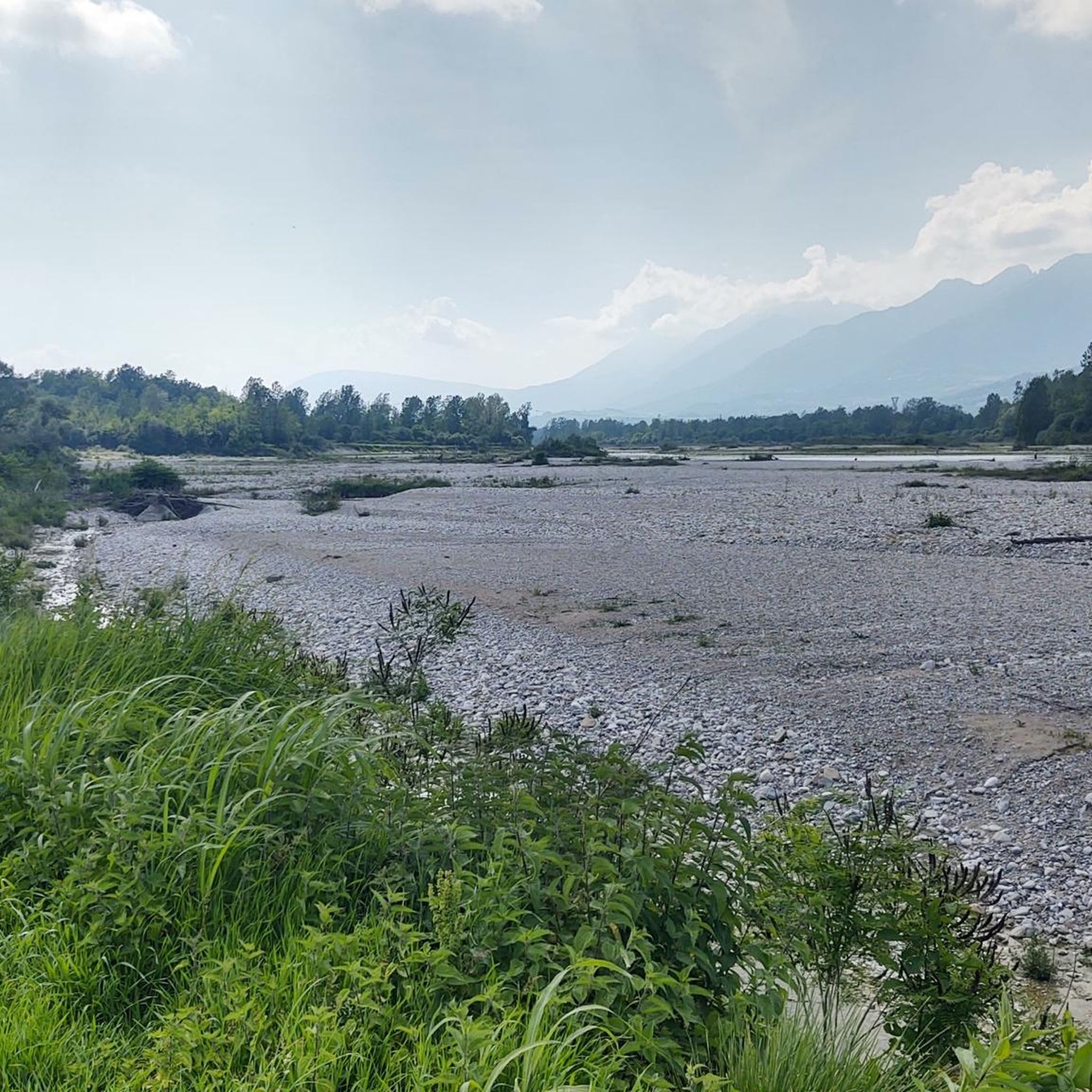
Mountain biking around Trichiana offers diverse landscapes within the Valbelluna region, featuring both valley floor routes and ascents into the pre-Alps. The terrain includes extensive forests, alpine pastures, and paths along the Piave River. Riders can expect varied surfaces, from compact trails to more challenging unpaved segments, with sustained climbs and descents across various mountain passes.
Best mountain bike trails around Trichiana
- The most popular mountain bike trail is Passo San Boldo – Cison di Valmarino loop from Trichiana,…
Last updated: July 19, 2026
4.8
(10)
74
riders
47.2km
04:06
1,440m
1,440m
Hard mountain bike ride. Very good fitness required. Advanced riding skills necessary. Some portions of the route may require you to push your bike.
4.6
(10)
60
riders
42.9km
04:10
1,290m
1,290m
Hard mountain bike ride. Very good fitness required. Advanced riding skills necessary.

Sign up for free
4.8
(6)
42
riders
39.5km
02:49
380m
380m
Moderate mountain bike ride. Good fitness required. Advanced riding skills necessary.
4.4
(12)
32
riders
47.5km
04:25
1,430m
1,430m
Hard mountain bike ride. Very good fitness required. Suitable for all skill levels.
4.6
(7)
29
riders
42.6km
04:20
1,280m
1,280m
Hard mountain bike ride. Very good fitness required. Advanced riding skills necessary. Some portions of the route may require you to push your bike.
Get access to more routes and recommendations from other explorers.
Sign up for free
Already have an account?
Our route recommendations are based on thousands of hikes, rides, and runs completed by other people on komoot.
Start today with a free account
Your next adventure awaits.
Login or Signup
Tips from the Community

The San Boldo Pass is an alpine pass located at an altitude of 706 meters that connects the province of Treviso (Val Mareno) with that of Belluno (Val Belluna) near Cison di Valmarino. This communication route is universally known as the "Road of 100 Days", a unique engineering masterpiece characterized by tight hairpin bends carved directly into the rock. The current road was completed in just one hundred days, between February 1st and June 1st, 1918, by the Austro-Hungarian army during World War I. It was used to quickly supply the front on the Piave River with weapons and ammunition. Over 7,000 workers were employed, including prisoners of war and the local population
3
0

The San Boldo Pass, located between the provinces of Treviso and Belluno, is a road engineering masterpiece unique in the world. Known as the "Road of the Hundred Days", it was built in record time by the Austro-Hungarian army in 1918 for wartime needs. Its peculiarity lies in the final meters of ascent, where the roadway winds through five tunnels carved into the living rock, connected by very tight hairpin bends that seem to overlap vertically. Traffic in the tunnels is regulated by a single traffic light, as the road is so narrow that it only allows one vehicle at a time.
2
0

an adventurous, mostly easy-to-ride single trail
0
0

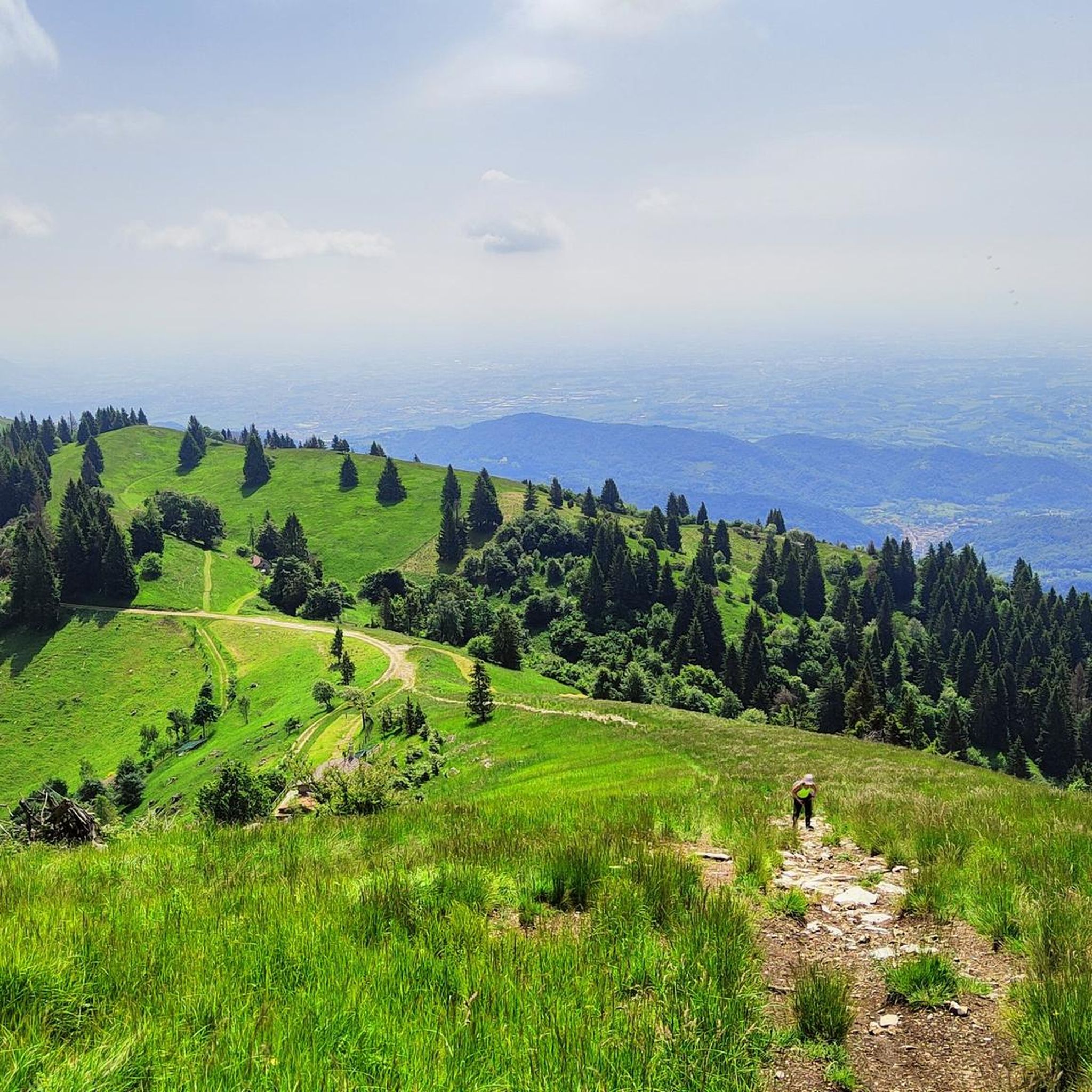
Val Belluna from the top of Col Visentin.
0
0
Long forest road back from Pian de le Femene to the Revine lakes. Rough in many sections, but captivating.
0
0

Beautiful mountain hut located in an enchanting clearing
1
0
Nice place, unmanaged shelter
0
0

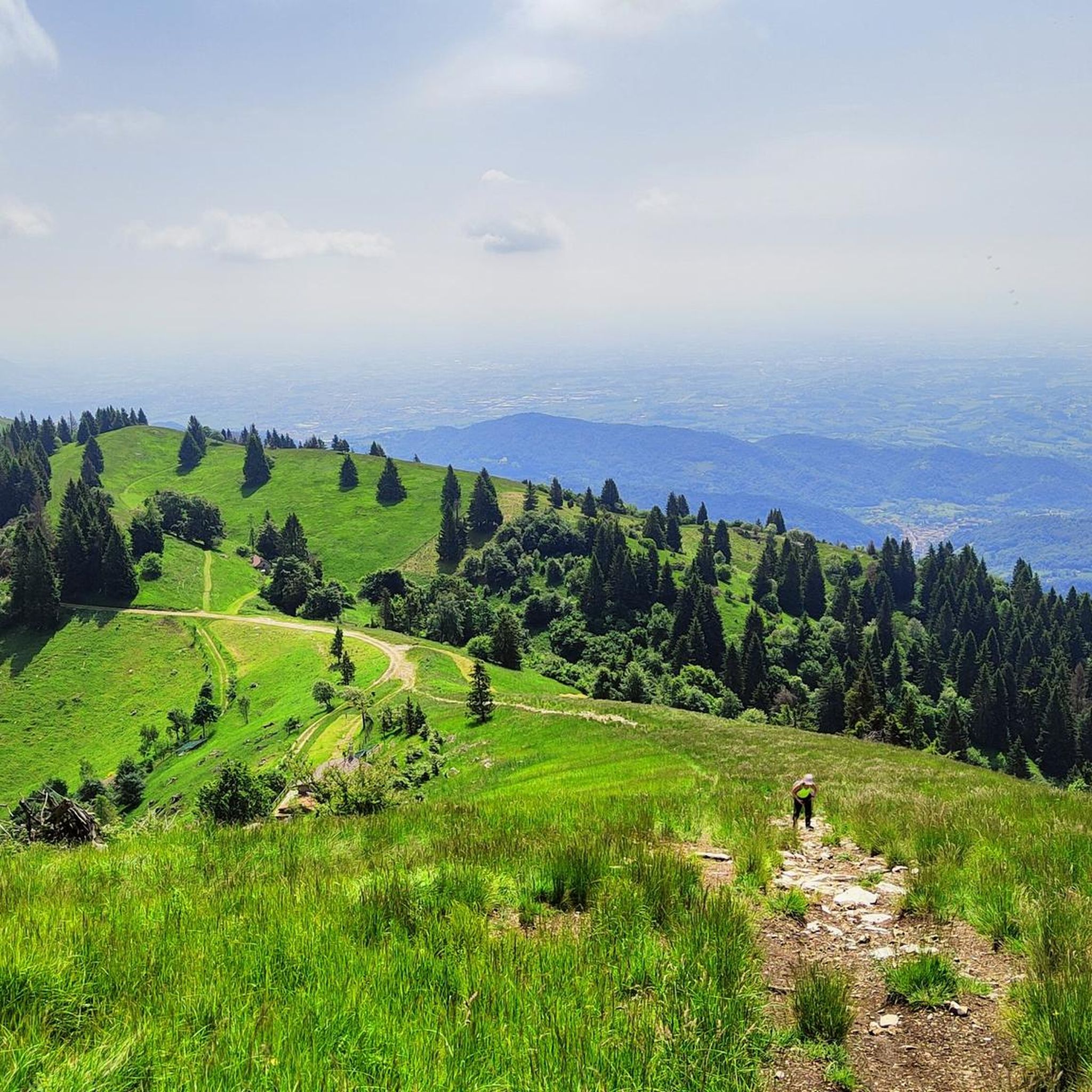
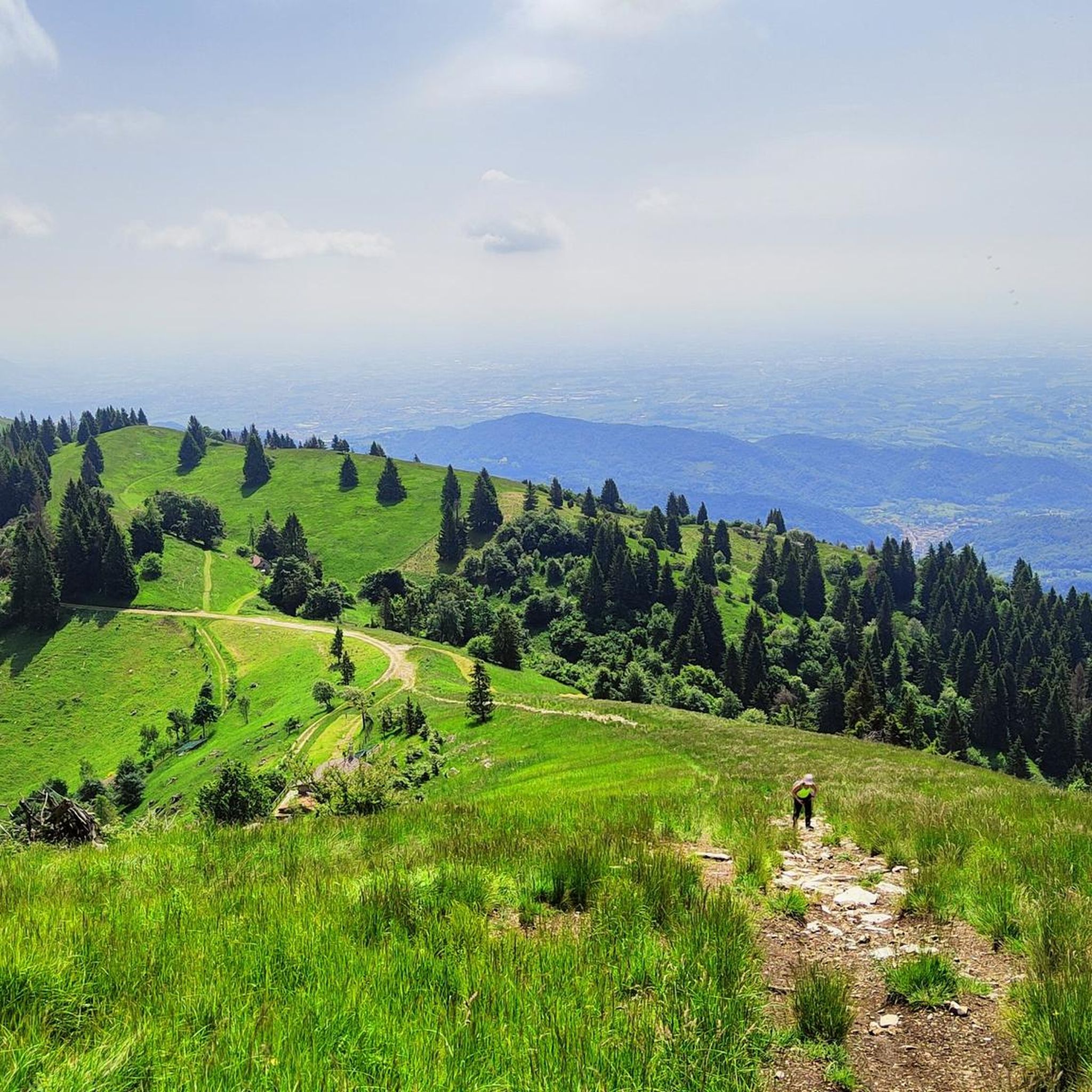
Panoramic path on a meadow on the coast, parallel to the nearby crest
0
0
Frequently Asked Questions
How many mountain bike trails are available around Trichiana?
There are over 35 mountain bike routes around Trichiana, catering to various skill levels. You'll find 5 easy routes, 18 moderate routes, and 13 difficult routes, ensuring options for everyone from beginners to experienced riders.
What kind of terrain can I expect on mountain bike trails in Trichiana?
The trails around Trichiana offer diverse terrain, winding through extensive forests, alpine pastures, and along the banks of the Piave River. You can expect varied surfaces, from compact trails to more challenging unpaved segments, with sustained climbs and thrilling descents across various mountain passes, including the notable San Boldo Pass.
Are there mountain bike trails suitable for beginners or families in Trichiana?
Yes, Trichiana offers 5 easy mountain bike routes that are suitable for beginners or families looking for a less strenuous ride. These trails typically involve less elevation gain and are shorter in duration, providing a pleasant introduction to mountain biking in the Valbelluna region.
What are some challenging mountain bike routes for experienced riders?
Experienced riders seeking a challenge will find 13 difficult routes around Trichiana. Notable options include the Passo San Boldo – Cison di Valmarino loop, a 47.1 km ride with over 1,400m of elevation gain, and the Il Portico (El Portego) – Torre di Casteldardo loop, which covers 47.3 km with over 1,200m of ascent.
What natural features or landmarks can I see while mountain biking in Trichiana?
The region is rich in natural beauty and historical landmarks. You can encounter the unique San Boldo Pass with its panoramic views, ride along the historic Piave River, or explore areas near the Brent de l'Art canyon. The trails also pass through picturesque forests and alpine pastures, offering stunning vistas of the Valbelluna and pre-Alps.
Are there any loop trails for mountain biking in Trichiana?
Yes, many mountain bike routes in Trichiana are designed as loops, allowing you to start and finish at the same point. Examples include the Cappella di San Caetano – Capitello loop and the Piave River – Certosa di Vedana loop, offering convenient circular journeys.
What do other mountain bikers enjoy most about the trails in Trichiana?
The mountain bike trails around Trichiana are highly rated by the komoot community, with an average score of 4.1 stars from over 80 reviews. Riders often praise the diverse landscapes, the variety of difficulty levels, and the breathtaking views, especially from routes that incorporate the San Boldo Pass. The extensive network of trails through forests and alpine pastures is also a frequently highlighted feature.
When is the best time of year for mountain biking in Trichiana?
The Valbelluna region, where Trichiana is located, generally offers pleasant conditions for mountain biking from spring through autumn. Summer provides warm weather, ideal for exploring higher alpine pastures, while spring and autumn offer cooler temperatures and vibrant scenery. Always check local weather conditions, especially for higher elevation routes, as conditions can change rapidly.
Are there any specific attractions or points of interest near the mountain bike routes?
Beyond the trails themselves, you can find several interesting attractions. The San Boldo Pass is a unique historical road spectacle. For natural wonders, consider visiting the Brent de l'Art canyon or the picturesque Lake Morto. The region also features historical sites like the Molinetto della Croda, a 17th-century mill.
Are there any routes that offer particularly scenic views?
Many routes in Trichiana offer stunning scenic views, particularly those that ascend into the pre-Alps or incorporate mountain passes. The Passo San Boldo – Cison di Valmarino loop is renowned for its panoramic vistas from the San Boldo Pass. Trails winding through alpine pastures and along the Piave River also provide picturesque backdrops for your ride.
Where can I find more information about mountain biking in the wider Valbelluna region?
For additional information about mountain biking in the broader Valbelluna area, you can visit the local tourism website: visitborgovalbelluna.it. This resource can provide further context on the region's offerings for cyclists.
Most popular routes around Trichiana
Most popular attractions around Trichiana

Get inspired with the komoot mobile app


Explore more
Browse the best MTB trails in other regions.
