The best cycling routes around Zero Branco
4.4
(3106)
20,346
riders
21
rides
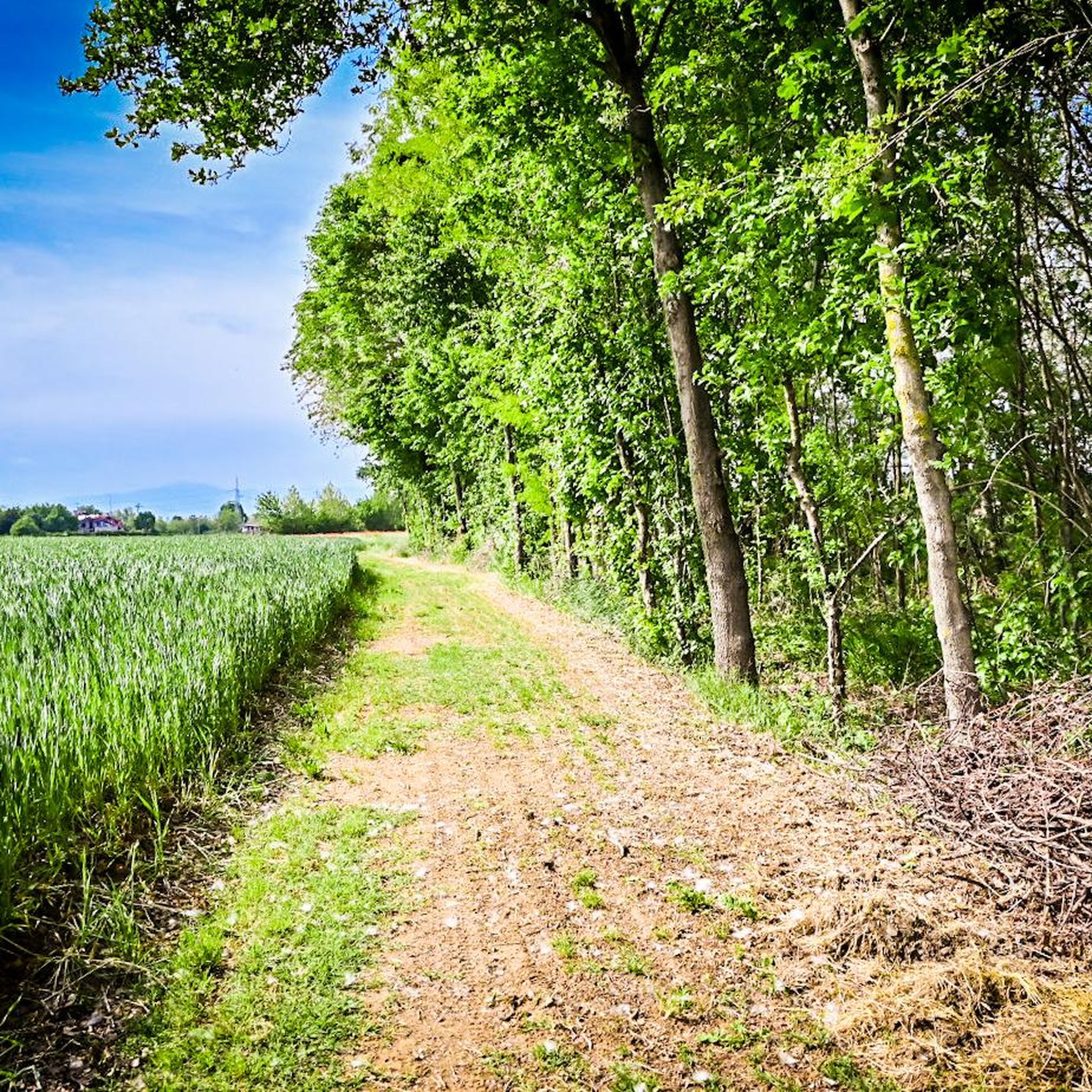
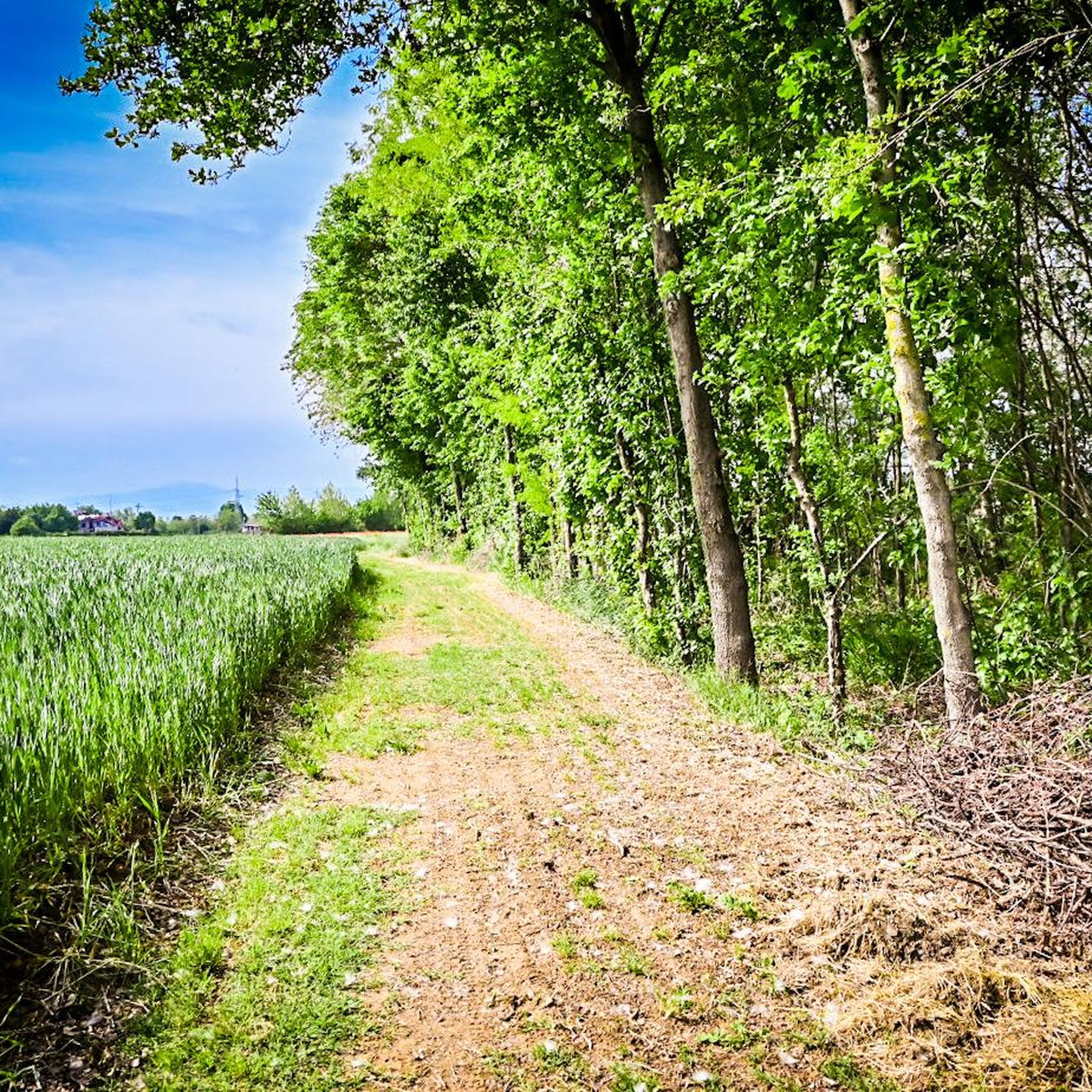
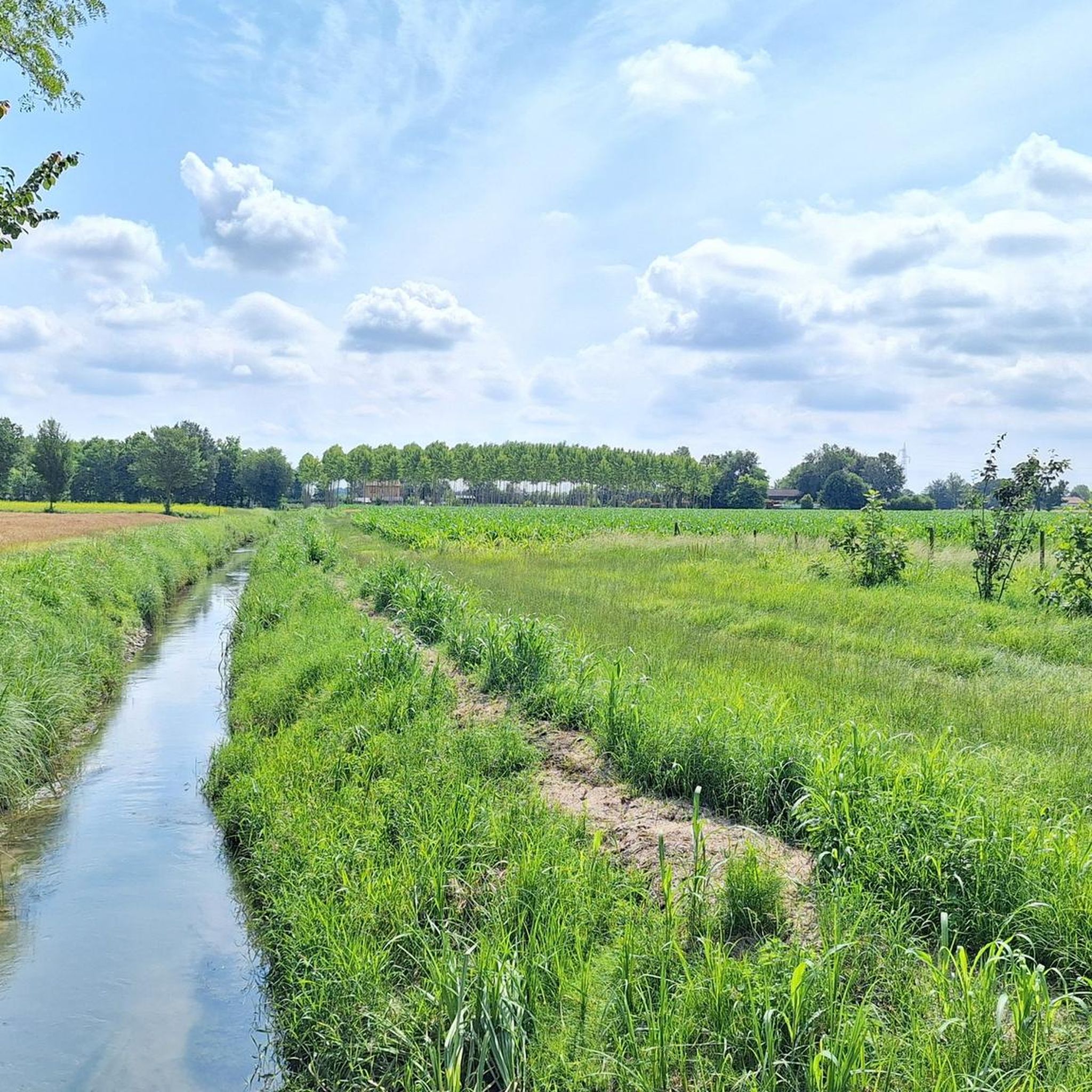
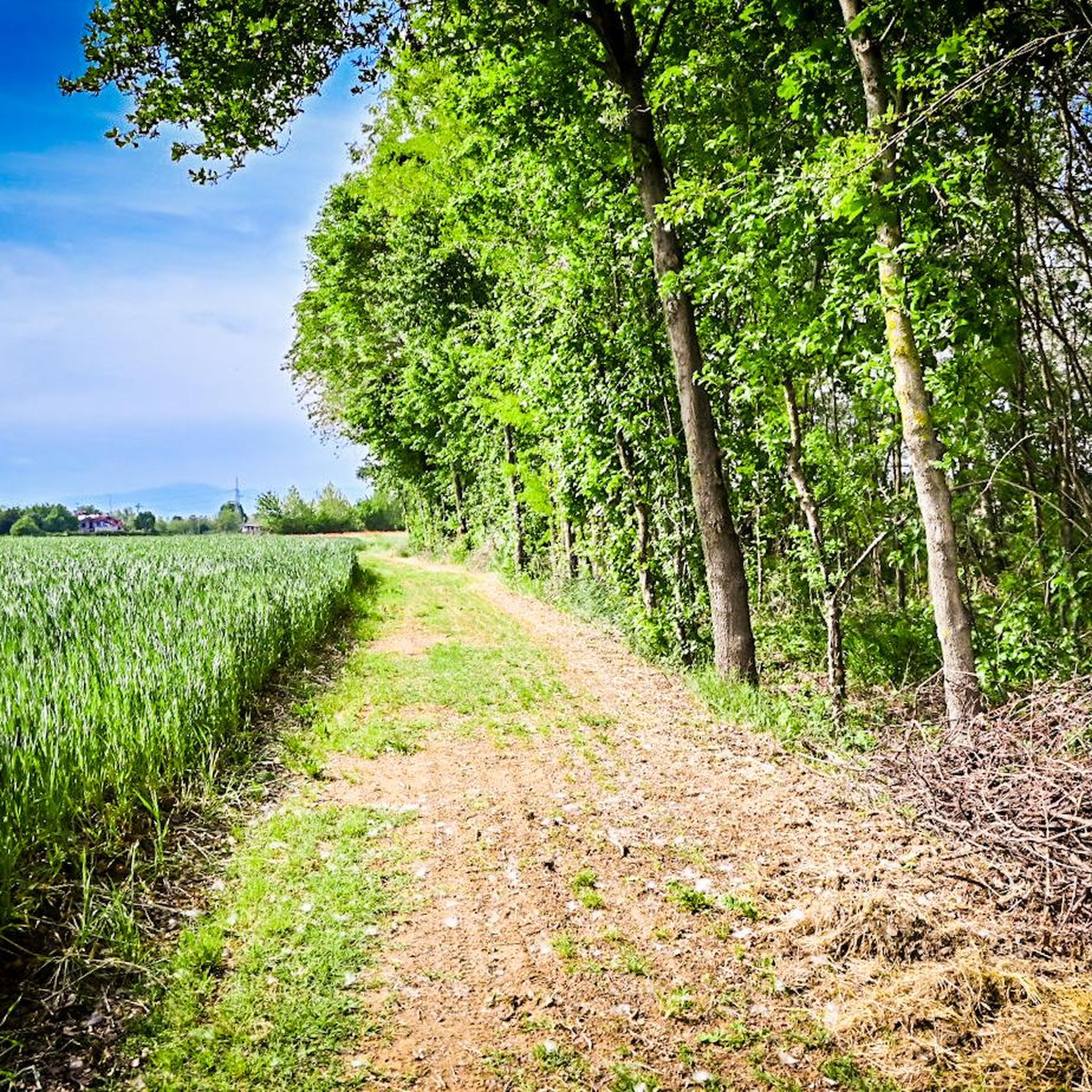
Touring cycling routes around Zero Branco are characterized by a flat, riverine landscape, with routes often following the Zero and Sile rivers. The terrain is generally low-lying, featuring agricultural fields and historic waterways. This area provides accessible cycling through the Venetian plain, connecting various local points of interest.
Best touring cycling routes around Zero Branco
- The most popular touring cycling route is Zero River – Point of insertion of the three provinces loop from Zero Branco, a 41.7 miles…
Last updated: July 27, 2026
5.0
(1)
5
riders
11.3km
00:41
10m
10m
Easy bike ride. Great for any fitness level. Mostly paved surfaces. Suitable for all skill levels.
3.0
(1)
3
riders
23.4km
01:20
30m
40m
Easy bike ride. Great for any fitness level. Mostly paved surfaces. Suitable for all skill levels.

Sign up for free
4
riders
24.2km
01:26
30m
30m
Easy bike ride. Great for any fitness level. Mostly paved surfaces. Suitable for all skill levels.
4
riders
Moderate bike ride. Good fitness required. Mostly paved surfaces. Suitable for all skill levels.
3
riders
20.3km
01:11
30m
30m
Easy bike ride. Great for any fitness level. Mostly paved surfaces. Suitable for all skill levels.
Get access to more routes and recommendations from other explorers.
Sign up for free
Already have an account?
Our route recommendations are based on thousands of hikes, rides, and runs completed by other people on komoot.
Start today with a free account
Your next adventure awaits.
Login or Signup

Tips from the Community

The Cosma Mill (formerly Pavanetto) is one of the four currently present in the municipal area, silent witnesses of a time when water was a precious resource and marked daily life. Dating back to the 15th century, as per a document that sets its construction date to 1470, and belonging to the noble families Donà, Contarini, and Zen, it remained active until 1995. It marks the initial/final stage of the Four Mills cycle path completed in 2019.
1
0

The Parish Church of Santa Maria Assunta is the main religious building in Zero Branco and dominates the historic center with its imposing neoclassical structure. Rebuilt in the second half of the eighteenth century on the site of a previous medieval parish church, the church features a majestic facade punctuated by tall Corinthian semicolumns and topped by a large pediment. Inside, the single nave houses art treasures of exceptional value, among which stands out the splendid altarpiece by Giambattista Tiepolo, depicting the "Madonna in glory with saints". The vast frescoed ceiling and the precious marble altars contribute to creating an atmosphere of solemn spirituality. The bell tower, which soars next to the structure, completes the profile of the town, making the church not only a focal point of faith but also the most recognizable identity symbol of the community.
0
0
Palazzo Sagramora, located in the center of Zero Branco, represents a fundamental piece of the local historical heritage. This building, which overlooks the main road axis, reflects the canons of Venetian residential architecture of the modern era, integrating into the urban fabric that gravitates around Piazza Umberto I. The structure is distinguished by a sober elegance, with a facade punctuated by regular openings that denote its past function as a prestigious residence or a directional center for the village's activities. Although less imposing than Villa Parata, the palace contributes to defining the architectural identity of the historic center, testifying to the social and economic evolution of the territory. Today, the building is an integral part of city life, hosting activities or offices that keep alive the link between the historical memory of the structure and the current needs of the Zero Branco community.
0
0
Piazza Umberto I is the vital heart of Zero Branco, a large open space that serves as a hinge between the town's history and daily life. Strategically located opposite Villa Parata, the seat of the Town Hall, the square has undergone a redevelopment that has enhanced its role as an urban living room, fostering encounters and social interaction. Its regular paving and the absence of architectural barriers make it ideal for hosting markets, cultural events, and civic celebrations. Lined with cafes and businesses that animate its arcades, the square offers a privileged perspective on the surrounding 18th-century architecture and the nearby church. This space is not just a transit point, but a symbol of local identity where monumental decor blends with the vibrancy of a modern and dynamic community.
0
0

Considered the "little sister" of the contemporary porta San Tomaso, it is located at the end of Borgo Cavour. It presents itself with its Istrian stone facade with three arches. On the external facade, the representation that stands out above all is the winged lion, symbol of Venice's power over the mainland. It takes its name from the nearby church dedicated to the Forty Martyrs of Sebaste. It was built in 1516, perhaps on a design by Alessandro Leopardi,
13
0
La Filanda Motta di Campocroce, a hamlet of Mogliano Veneto, is an exceptional example of perfectly preserved industrial archaeology. Built around the mid-19th century, it was for over seventy years the beating heart of the local silk industry, employing hundreds of 'filandiere' (silk mill workers) who processed precious silkworm cocoons. Characterized by its large windows, terracotta floors, and imposing original chimney, the structure has retained the charm of 19th-century production. After its closure in the post-war period, the complex has been skillfully recovered and today houses artistic workshops, creative studios, and cultural events. Immersed in the Venetian countryside, the silk mill represents a vital link between the manufacturing past and the regeneration of historic spaces, offering a timeless atmosphere.
0
0
Built in 1517 under the direction of the podestà Bartolomeo d'Alviano, Porta Santi Quaranta represents the monumental entrance to Treviso for those coming from the west (Padua or Vicenza). Together with Porta San Tommaso, it is one of the symbols of the defensive rebirth of the city carried out by the Republic of Venice in the 16th century. The name pays homage to the forty Christian soldiers martyred in Armenia, but during the period of Austrian rule it was renamed Porta Vendramin. The external facade, made of Istrian stone, follows a sober and elegant Renaissance style, with three arches, the central one intended for carts and the two side ones for pedestrians. Above the main arch stands the winged lion of Saint Mark, a symbol of Venetian power. A significant historical detail is the inscription celebrating the Serenissima's right to defend its borders. Today it marks the entrance to the Borgo Cavour district and is an integral part of the panoramic walk along the 16th-century walls.
3
0
The Cathedral of San Liberale and the adjacent Civic Tower represent the beating heart and historical soul of Castelfranco Veneto. The Duomo, an 18th-century masterpiece by Francesco Maria Preti, strikes with its imposing neoclassical facade which houses the famous Pala by Giorgione, one of the most enigmatic works of the Renaissance. Not far away, the Clock Tower stands tall above the medieval walls as a symbol of vigilance and power. Characterized by its Ghibelline battlements and the large dial that has marked the city's time for centuries, it serves as a privileged gateway to the castle. Together, these monuments create a unique dialogue between the military solidity of the past and the spiritual harmony of Venetian art.
0
0
Frequently Asked Questions
What is the general terrain like for touring cycling in Zero Branco?
The touring cycling routes around Zero Branco are characterized by a flat, riverine landscape, often following the Zero and Sile rivers. The terrain is generally low-lying, featuring agricultural fields and historic waterways, providing accessible cycling through the Venetian plain.
How many touring cycling routes are available in Zero Branco?
There are over 25 touring cycling routes around Zero Branco, offering a variety of options for different skill levels and preferences.
Are there touring cycling routes suitable for beginners or families?
Yes, Zero Branco offers many easy routes perfect for beginners and families. For example, the Villa Guidini – Capitello San Pio X loop from Zero Branco is an easy 11.3 km (7.0 mi) ride through the local countryside, typically completed in about 41 minutes.
Are there any circular touring cycling routes in Zero Branco?
Many routes in Zero Branco are designed as loops, allowing you to start and end in the same location. Examples include the popular Zero River – Point of insertion of the three provinces loop from Zero Branco and the Old Market Column – Cervara Bridge on the Sile River loop from Zero Branco.
What kind of historical sites or landmarks can I see along the touring cycling routes?
The routes often pass by historical markers and significant sites. You can explore highlights such as the Burci Boat Cemetery, the Cervara Bridge on the Sile River, and various historic mills like those found on the Fiume Zero – Mulino Marcello loop from Zero Branco.
What do other touring cyclists say about the routes in Zero Branco?
The routes in Zero Branco are highly rated by the komoot community, with an average score of 4.4 stars from over 1,200 reviews. Cyclists often praise the accessible river paths, agricultural landscapes, and the variety of options for different skill levels.
Are there any routes that offer views of the Sile River?
Yes, several routes follow the Sile River, providing scenic views. The Old Market Column – Cervara Bridge on the Sile River loop from Zero Branco is a great option that offers views of the Sile River and passes by historical markers.
Are there any castles or fortresses nearby that can be visited while cycling?
While cycling in the region, you can find several historical fortifications. Notable nearby attractions include Stigliano Castle, Bastione San Paolo, and Tempesta Fortress, Noale, which are part of the rich historical landscape surrounding Zero Branco.
What is the best time of year to go touring cycling in Zero Branco?
Given the flat terrain and riverine environment, spring and autumn generally offer the most pleasant conditions for touring cycling in Zero Branco, with mild temperatures and beautiful scenery. Summer can also be enjoyable, though it may be warmer.
Are there any longer, more challenging touring cycling routes for experienced riders?
Yes, for more experienced riders seeking longer distances, routes like the Zero River – Point of insertion of the three provinces loop from Zero Branco offer a moderate challenge, covering 67.1 km (41.7 mi) and connecting three provinces.
Can I find places to stop for refreshments or food along the routes?
The routes in Zero Branco often pass through or near local towns and villages, where you can find cafes, restaurants, and shops to refuel. The region's agricultural landscape also means you might encounter local producers.
Are there any routes that follow old railway lines?
Yes, you can explore the Cycle Path of the Former Treviso-Ostiglia Railway, which offers a unique cycling experience along a converted historical railway line.
Most popular routes around Zero Branco
Most popular attractions around Zero Branco

Get inspired with the komoot mobile app


Explore more
Browse the best Cycling routes in other regions.
