The best MTB trails around Zero Branco
4.5
(1000)
5,341
riders
411
rides
Mountain bike trails around Zero Branco are characterized by a flat landscape shaped by a network of rivers, including the Sile, Dese, and Zero. The region features extensive cycle paths, such as the Treviso-Ostiglia, often following former railway lines or riverbanks. These routes provide varied terrain, from paved sections to unpaved paths, suitable for mountain biking. The area's natural environment integrates historical features like ancient mills and the Burci Boat Cemetery along the Sile River.
Best mountain bike trails around…
Last updated: June 4, 2026
4.8
(35)
85
riders
Easy mountain bike ride. Great for any fitness level. Suitable for all skill levels.
4.5
(2)
10
riders
Moderate mountain bike ride. Good fitness required. Advanced riding skills necessary.

Sign up for free
5.0
(2)
10
riders
40.4km
02:22
60m
60m
Moderate mountain bike ride. Good fitness required. Suitable for all skill levels.
4.4
(9)
11
riders
Moderate mountain bike ride. Good fitness required. Suitable for all skill levels.
5.0
(2)
8
riders
Easy mountain bike ride. Great for any fitness level. Suitable for all skill levels.
Get access to more routes and recommendations from other explorers.
Sign up for free
Already have an account?
Our route recommendations are based on thousands of hikes, rides, and runs completed by other people on komoot.
Start today with a free account
Your next adventure awaits.
Login or Signup

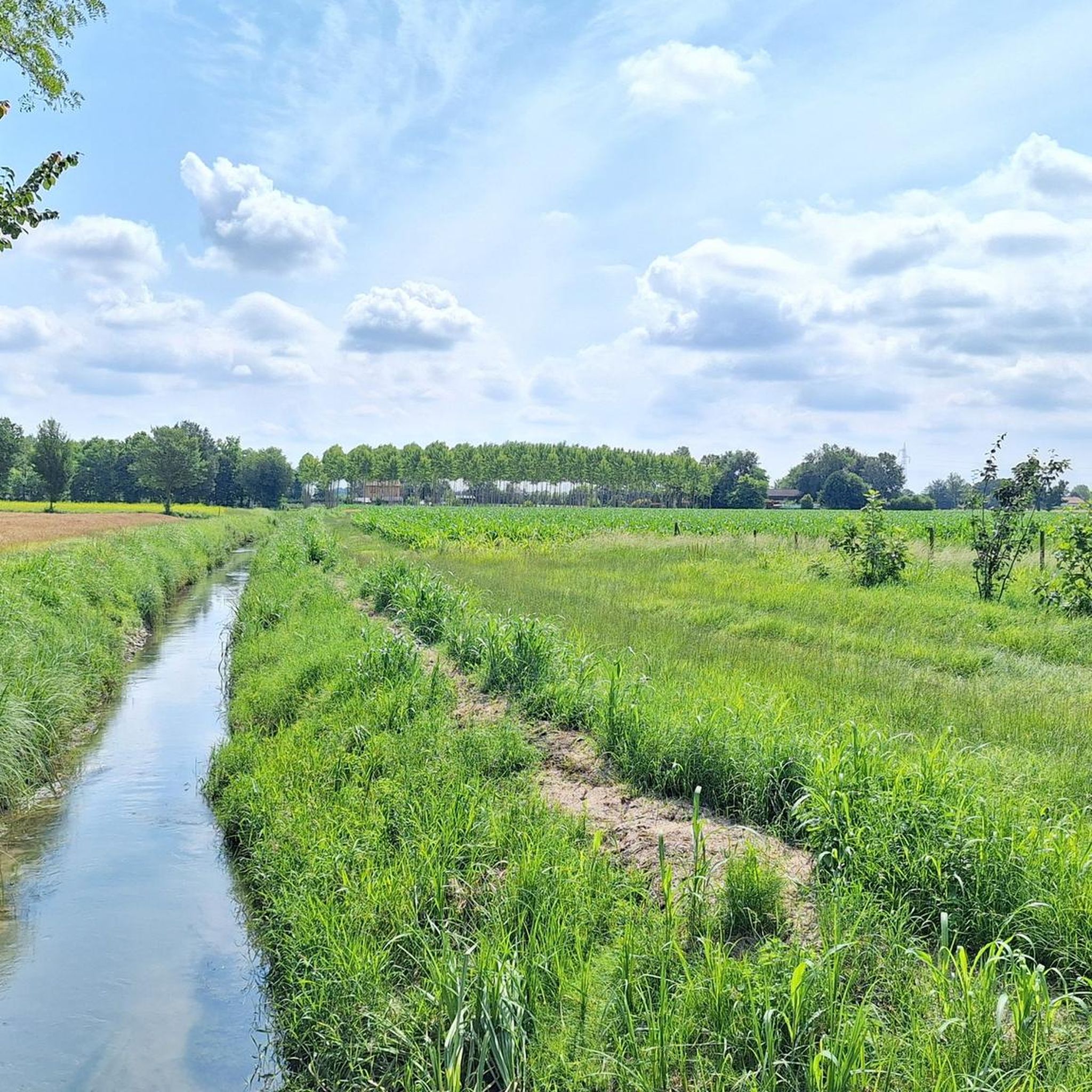
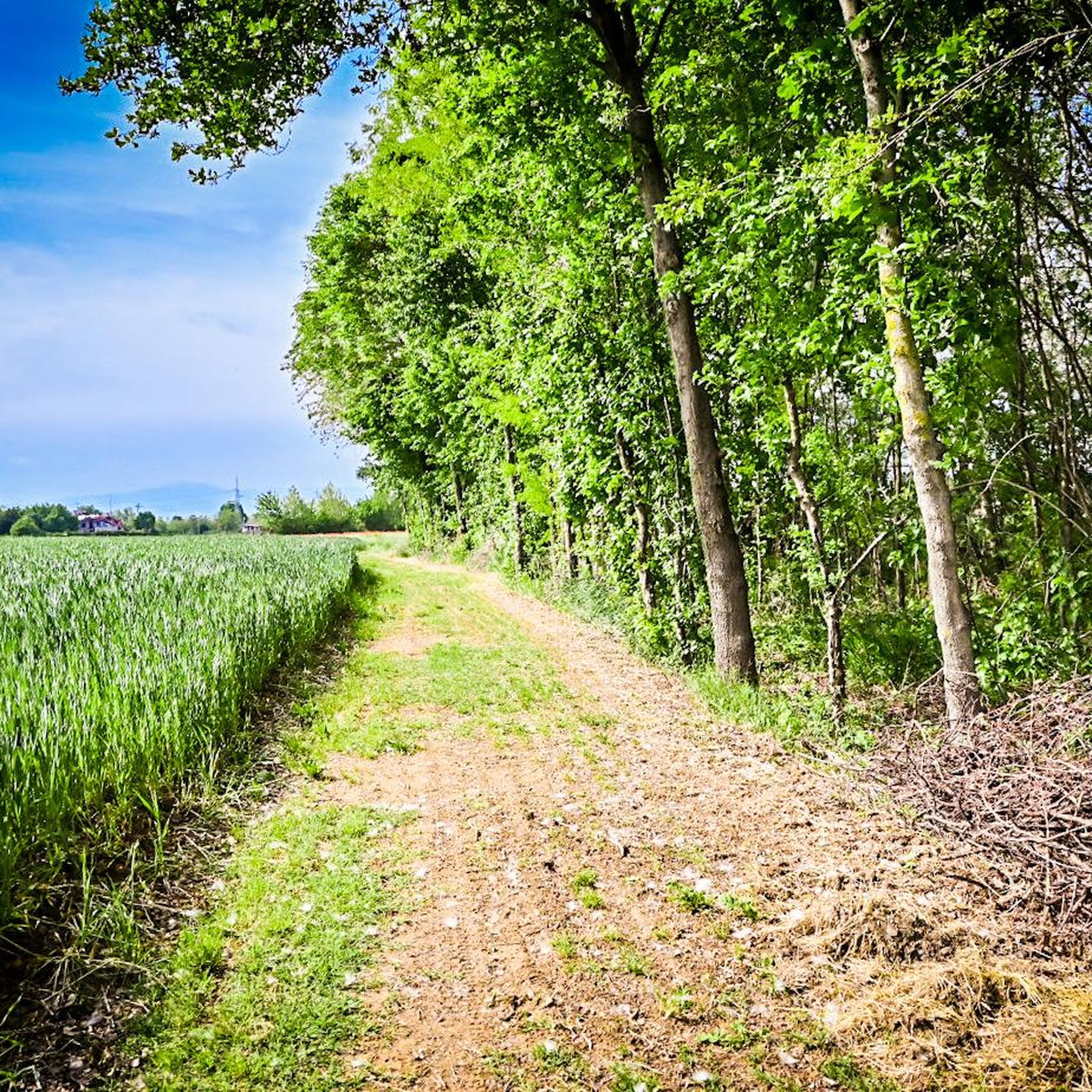
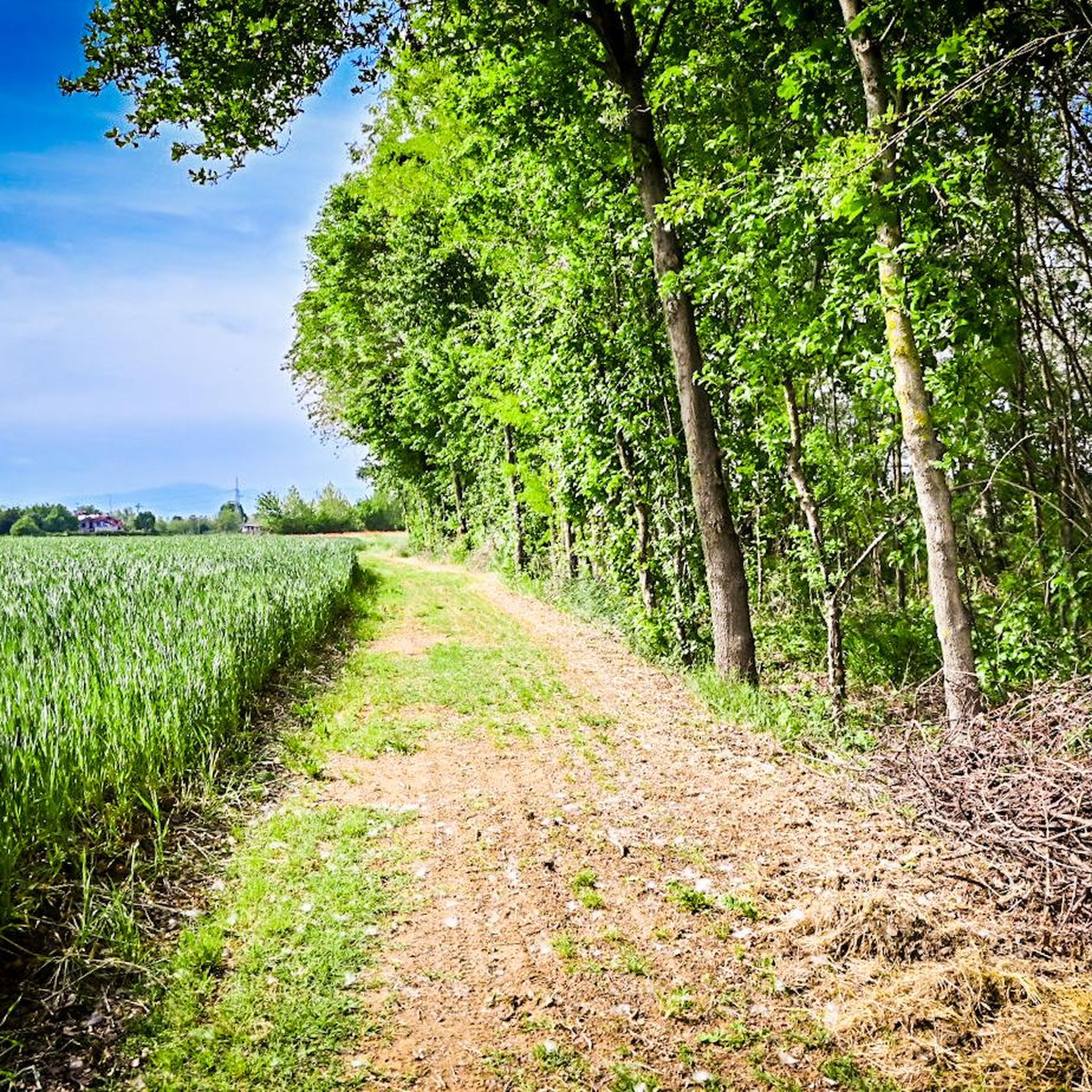
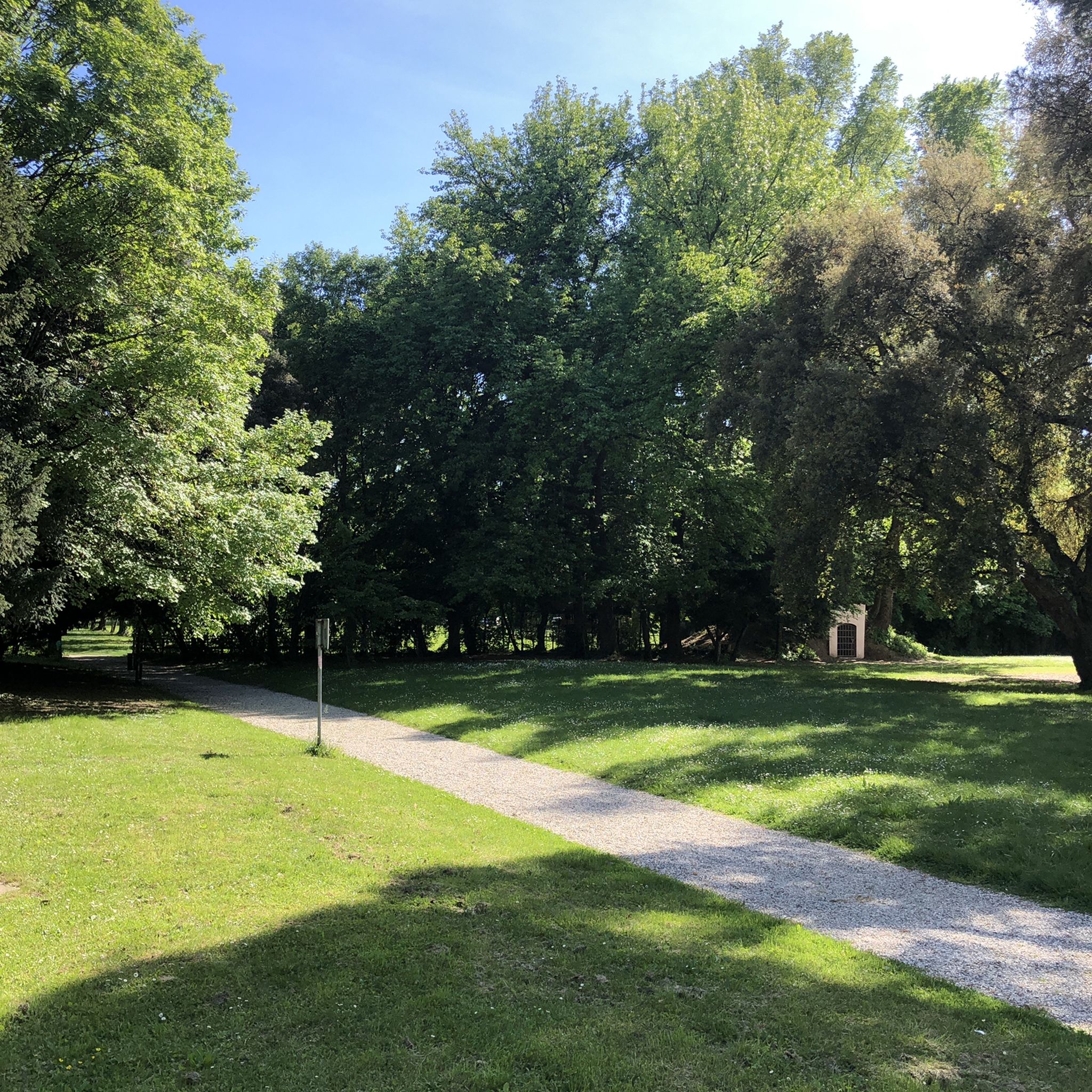
Tips from the Community

Considered the "little sister" of the contemporary porta San Tomaso, it is located at the end of Borgo Cavour. It presents itself with its Istrian stone facade with three arches. On the external facade, the representation that stands out above all is the winged lion, symbol of Venice's power over the mainland. It takes its name from the nearby church dedicated to the Forty Martyrs of Sebaste. It was built in 1516, perhaps on a design by Alessandro Leopardi,
13
0

Excellent explanation Luca
0
0

Located directly along the Ostiglia-Treviso cycle path, Ristorante Casello 104 in Loreggia is a prime example of the functional reuse of railway archaeology. Housed in an old signal box, the establishment has transformed a technical outpost into a convivial meeting point, maintaining an unbreakable link with the identity of the route. The ambiance blends rustic and modern elements, offering a strategic stop not only for cycle tourists but for anyone seeking cuisine that highlights local products in a charming setting. Its privileged location allows guests to enjoy the surrounding greenery, making mealtime a natural extension of the outdoor experience. It is a place where the memory of the rails gives way to the pleasure of the table, confirming how redevelopment can breathe new life into fragments of local history.
1
0
The former Loreggia station today represents a charming resting point along the Ciclovia Ostiglia-Treviso route, one of the most beloved cycle tourism routes in the Veneto region. Once an operational hub of the military railway that connected Ostiglia to Treviso, the building retains the typical architecture of early 20th-century stations, testifying to the industrial and logistical past of the area. After the railway line was decommissioned, the structure was repurposed as a facility for travelers traversing the route immersed in greenery. Located in a stretch where nature reclaims its space, the former station serves as an ideal connection point between the history of the territory and contemporary slow tourism, offering an atmosphere suspended between railway archaeology and rural landscape.
0
0
Old railway station of Loreggia along the Treviso-Ostiglia.
0
0
Built in 1517 under the direction of the podestà Bartolomeo d'Alviano, Porta Santi Quaranta represents the monumental entrance to Treviso for those coming from the west (Padua or Vicenza). Together with Porta San Tommaso, it is one of the symbols of the defensive rebirth of the city carried out by the Republic of Venice in the 16th century. The name pays homage to the forty Christian soldiers martyred in Armenia, but during the period of Austrian rule it was renamed Porta Vendramin. The external facade, made of Istrian stone, follows a sober and elegant Renaissance style, with three arches, the central one intended for carts and the two side ones for pedestrians. Above the main arch stands the winged lion of Saint Mark, a symbol of Venetian power. A significant historical detail is the inscription celebrating the Serenissima's right to defend its borders. Today it marks the entrance to the Borgo Cavour district and is an integral part of the panoramic walk along the 16th-century walls.
3
0
Il Mulino Todari, located in Scorzè along the Dese river, is a suggestive example of industrial archaeology and Venetian rural history. Dating back to the 16th century, it testifies to the importance of grain milling for the local economy of the past. Today, immersed in a protected natural area, the site is a beloved destination for walks and cycle tourism. Its well-preserved structure evokes the ancestral link between man and water, fitting perfectly into the landscape of the "Mulini del Dese".
1
0

This is a very beautiful route. ATTENTION: Between Santa Cristina and Treviso there is a VERY nice car-free cycle path. Maintenance work was being carried out, and we were unable to use most of it. Therefore: Do NOT follow our route between Santa Cristina and Treviso, but stay on the cycle path.
0
0
Frequently Asked Questions
What kind of terrain can I expect on mountain bike trails around Zero Branco?
The mountain bike trails around Zero Branco are characterized by a generally flat landscape, shaped by a network of rivers including the Sile, Dese, and Zero. You'll find extensive cycle paths, often following former railway lines like the Treviso-Ostiglia, or running along riverbanks. The terrain varies from paved sections to unpaved paths, making it suitable for mountain biking.
How many mountain bike trails are available in Zero Branco?
Zero Branco offers a wide selection of mountain bike routes, with over 400 trails available. These include 126 easy routes, 253 moderate routes, and 32 more challenging options, catering to various skill levels.
Are there any easy mountain bike trails suitable for beginners in Zero Branco?
Yes, Zero Branco has over 120 easy mountain bike trails. An excellent option for beginners is the Ancient Wayside Shrine of Morgano – Via dei Mulini, Santa Cristina loop from Morgano, which is an easy 28.1 km route.
What natural features can I see along the mountain bike trails in Zero Branco?
The trails often follow the Sile, Dese, and Zero rivers, offering lush riverbanks and diverse riverine fauna. You can observe various bird species, freshwater reptiles, and marsh plants. The Sile River, in particular, is known for its tranquil environment and is considered one of Europe's most important spring rivers.
Are there any historical landmarks or points of interest along the mountain bike routes?
Yes, many routes integrate historical features. You can encounter ancient mills along rivers like the Dese, as seen on the Mill on the Dese – Todari Mill loop from Zero Branco. The unique Burci Boat Cemetery along the Sile River, featuring half-submerged ancient wooden barges, is another distinctive historical attraction, accessible via routes like the Boat graveyard – Treviso-Ostiglia Cycle Path loop from Zero Branco. The Cervara Bridge on the Sile River also offers historical context and scenic views.
What do other mountain bikers say about the trails in Zero Branco?
The mountain bike routes in Zero Branco are highly regarded by the komoot community, holding an average rating of 4.5 stars from over 850 reviews. More than 4,800 mountain bikers have used komoot to explore the varied terrain, often praising the scenic river landscapes and well-maintained cycle paths.
Are there any family-friendly mountain bike trails in Zero Branco?
Given the generally flat terrain and numerous easy routes, many trails in Zero Branco are suitable for families. The extensive network of dedicated cycle paths, such as sections of the Treviso-Ostiglia, provides safe and enjoyable options for riders of all ages. Look for routes marked as 'easy' for the most family-friendly experiences.
What is the best time of year for mountain biking in Zero Branco?
The most popular months for cycling in Zero Branco are typically May and August. However, the region's mild climate often allows for enjoyable riding throughout spring and early autumn. Always check local weather forecasts before heading out.
Are there any circular mountain bike routes in Zero Branco?
Yes, many of the mountain bike trails in Zero Branco are designed as loops, offering convenient starting and ending points. Examples include the Sources of the Sile – Via dei Mulini, Santa Cristina loop from Badoere and the Sile River at Casier – Casale sul Sile Bell Tower loop from Zero Branco.
Are there places to eat or stay near the mountain bike trails in Zero Branco?
Zero Branco and the surrounding towns along the river networks offer various amenities. You'll find cafes, pubs, and restaurants in the villages you pass through, especially near popular cycle paths. For accommodation, there are options ranging from hotels to agriturismos, particularly in and around Zero Branco and nearby Treviso.
What kind of elevation gain can I expect on mountain bike trails in Zero Branco?
The Zero Branco region is characterized by its flat landscape. While some routes may have minor undulations, significant elevation gains are uncommon. For instance, a moderate 40 km route like the Mill on the Dese – Todari Mill loop from Zero Branco typically involves less than 60 meters of elevation gain, making it accessible for most riders.
Are there any castles or lakes to explore near the mountain bike routes?
Yes, the area around Zero Branco features several historical castles and picturesque lakes. You can find highlights such as Stigliano Castle or Tempesta Fortress in Noale. For natural beauty, explore areas like the Martellago Lakes or the WWF Cave di Noale Oasis, which are often accessible via nearby cycling routes.
Most popular routes around Zero Branco
Most popular attractions around Zero Branco

Get inspired with the komoot mobile app


Explore more
Browse the best MTB trails in other regions.
