Top 9 Castles around Peschiera Borromeo
Best castles around Peschiera Borromeo are located within the metropolitan city of Milan, featuring historical fortresses and noble residences. The region combines cultural significance with green surroundings, providing a historical escape close to a major city. These structures often originated as fortified farmhouses or strategic strongholds, reflecting centuries of Lombard history.
Best castles around Peschiera Borromeo
- The most popular castles is Castello di Peschiera Borromeo, a castle that was an ancient fortified farmhouse transformed in the 15th century. Its moat remains full of water, a rare feature for such structures.
- Another must-see spot is Rocca Brivio, a historical site. This noble country palace is located near the Lambro river, built on the foundations of a medieval fortress that guarded the road from Milan to Lodi.
- Visitors also love Rivellino of Porta Vercellina, a historical site that served as a projection to protect the gates of the Sforza Castle. It is the only one to have maintained its visible Sforza quadrangular plan.
- Peschiera Borromeo is known for fortified farmhouses, noble country palaces, and historical ravelins. The area offers a variety of castles to see and explore, each with distinct architectural features and historical backgrounds.
- The castles around Peschiera Borromeo are appreciated by the komoot community, with over 390 upvotes and 260 photos shared.
Last updated: July 28, 2026
Castello di Peschiera Borromeo
Highlight • Castle
Piazza Castello, 1, 20068 Peschiera Borromeo MI
castelloborromeo.it
+393913971478
Translated by Google •
Tip by

Sforza Castle
Highlight • Castle
Translated by Google •
Tip by

Sign up now to discover places like this
Get recommendations on the best single tracks, peaks, & plenty of other exciting outdoor places.
Sign up for free
Rocca Brivio
Highlight • Historical Site
Translated by Google •
Tip by

Rivellino of Porta Vercellina
Highlight • Historical Site
Translated by Google •
Tip by

Melegnano Castle
Highlight • Castle
Since the sixteenth century the history of the city has been identified with that of its Fair which takes place on Easter Thursday, a pagan event resulting from the annual celebration of the sacred recurrence of the plenary indulgence granted on January 20, 1563 by Pope Pius IV through the issue of a special bubble.
Translated by Google •
Tip by

Sign up for free to discover even more castles around Peschiera Borromeo.
Sign up for free
Already have an account?
Start today with a free account
Your next adventure awaits.
Login or Signup
Tips from the Community

The square in front of the castle is nice and you can have a good gelato or sweets there.
0
0

A true gem just a stone's throw from Milan. It's a shame it can't be visited.
2
0


The construction, perhaps on Visconti remains, of the ravelins, projections placed to protect the gates, began with the renovation of the Castle by Francesco Sforza. Of the Sforza ravelins, two bases remain on the east side of the Castle, one to defend the Porta del Carmine, the other where the medieval walls of the city were grafted and to the west, the Rivellino di Porta Vercellina. The latter, built in correspondence with the Porta di Santo Spirito, is the only one to have maintained the visible Sforza quadrangular plan, even if the current appearance is the result of the restoration by the architect Luca Beltrami. In fact, between 1911 and 1914, Beltrami restored part of the battlements, demolished at the time of the Spanish, the walls and the vaults of the passages and internal rooms. To defend the main gate of the Castle, Leonardo designed, commissioned by Ludovico il Moro, a more modern, pentagonal ravelin, which was built during the French domination of Louis XII, between 1499 and the beginning of 1500. Few traces of this bastion remain hidden in the moat.
5
0

This monumental complex was born as a defensive bulwark. Towards the end of 1300, it lost its military function to become a manor house within the land purchased by the Brivios, nobles of Germanic origin whose wealth came from agricultural activities. The name of Rocca derives from the fact that originally the building was one of the defensive bulwarks erected along the Milan - Lodi road in the early Middle Ages, at the time of the wars that pitted the Municipality of Milan against the Municipality of Lodi. The current building was built in 1600 by the Brivio marquises on the ruins of the pre-existing castle. It was at the center of important war episodes, such as the Battle of Marignano in 1515 and in 1859, when on 8 June Napoleon III and Vittorio Emanuele II entered Milan victorious, defeating the Austrians. From an architectural point of view it is a baroque palace built with a rather elaborate scheme: the north-west part houses a noble chapel, rich in typically seventeenth-century stucco and gilding. The entrance has a large portal with a beautifully crafted wrought iron gate, the work of a craftsman from Melegnano from the 1700s, rich in scrolls and arabesques. Since 1996 it has been public property and hosts painting exhibitions, classical music concerts and conferences of national importance in its halls with frescoed ceilings and large fireplaces.
1
0

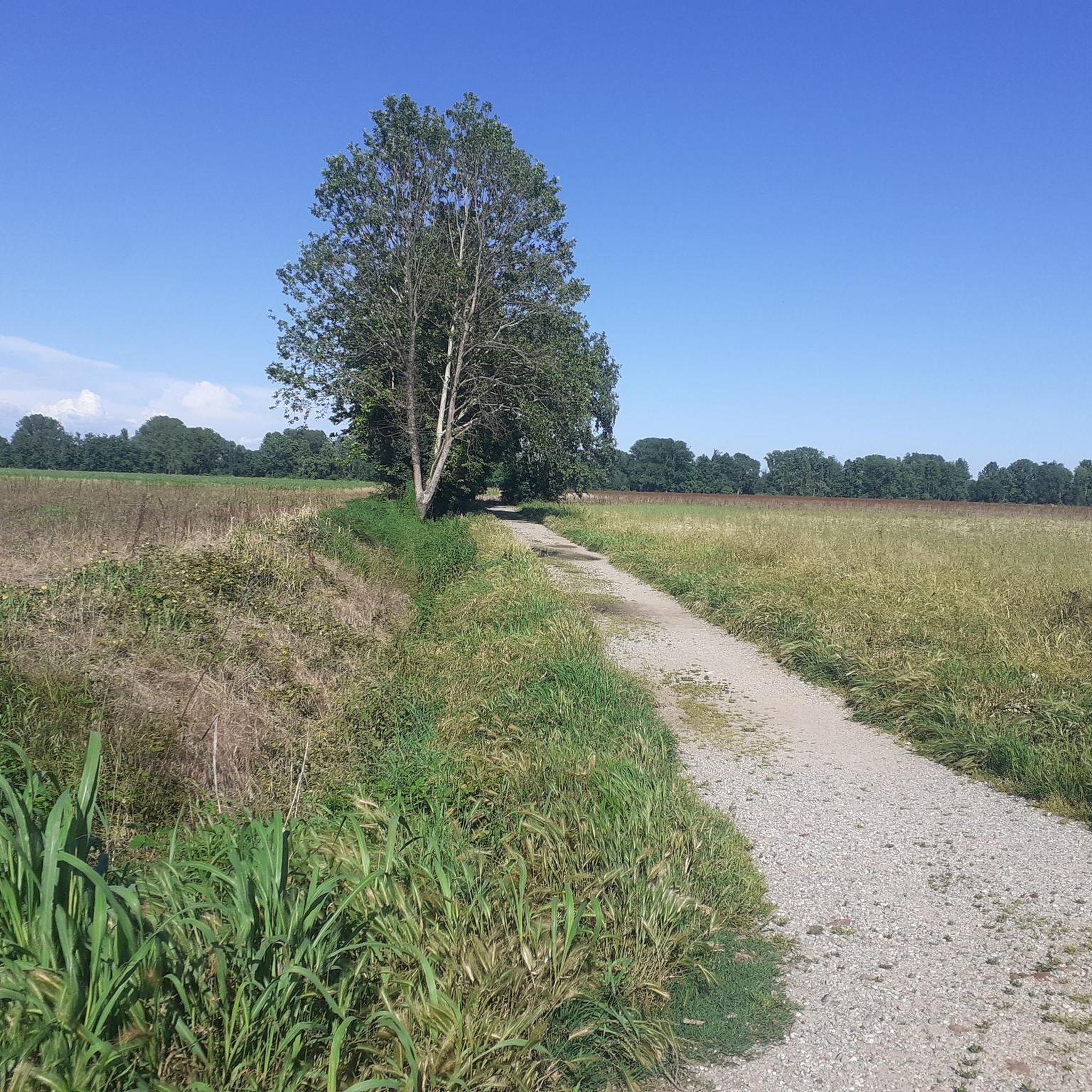
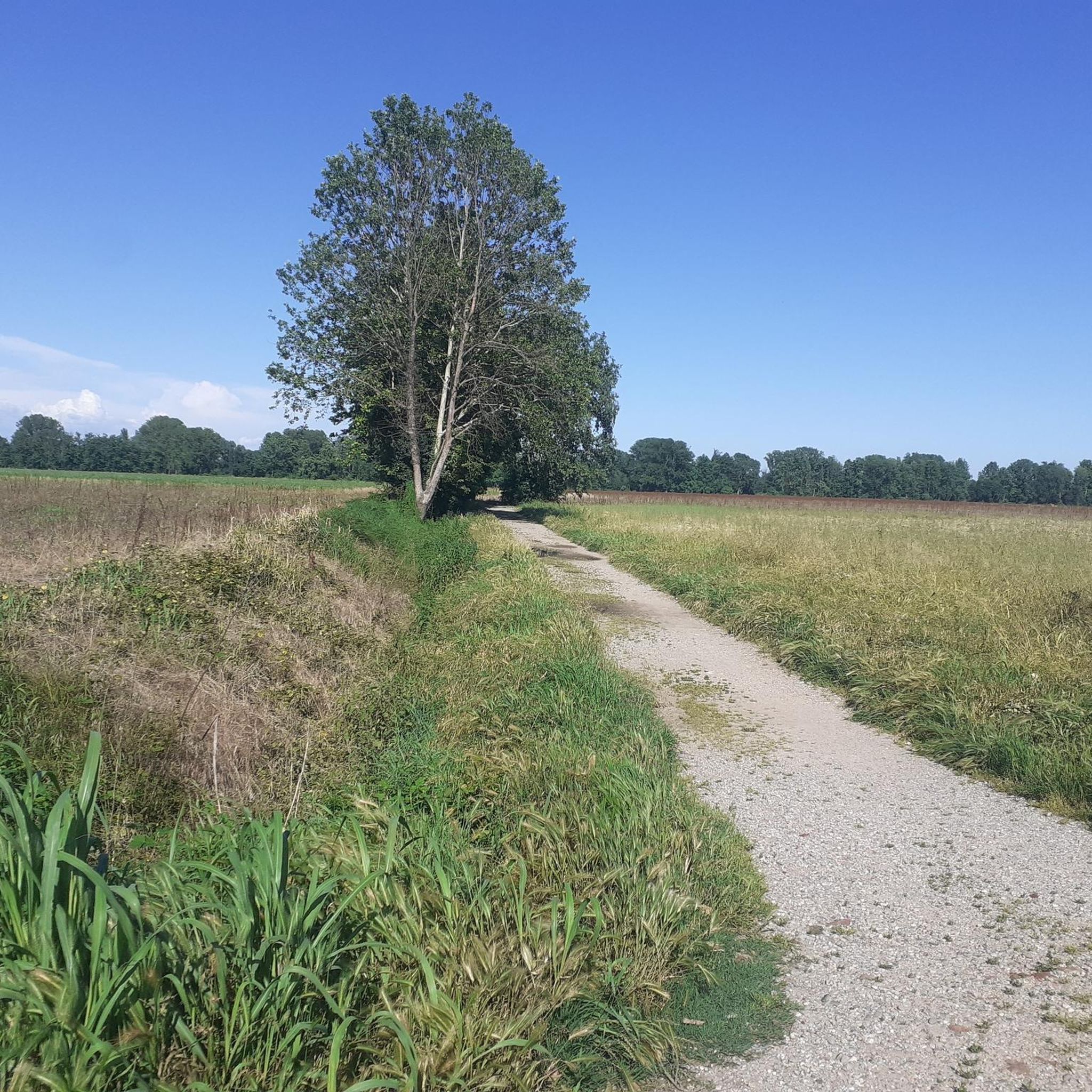
Sixteenth-century fortress immersed in the countryside between San Giuliano and Melegnano. It can be reached either by taking a pleasant dirt road through the fields or by a more comfortable asphalt road. It is not always open so don't be disappointed if the gate is closed
1
0

Viewed from the cathedral, the mighty city palace is located as an extension of Via Dante, Largo Cairoli in Piazza Castello.
9
0
Beautiful 1400s castle of the Borromeo family, located in a strategic area and easily reachable by bicycle. You can find the whole story at the following address: https://www.comune.peschieraborromeo.mi.it/it/page/il-castello-b63ef333-8b78-49ff-9876-a6e995cfd653
3
0
Frequently Asked Questions
What is the most prominent castle located directly in Peschiera Borromeo?
The most prominent castle in Peschiera Borromeo is the Castello di Peschiera Borromeo, also known as Castello Borromeo. It is the oldest Borromeo property in Lombardy, originally a fortified farmhouse transformed in the 15th century.
What unique architectural features does the Castello di Peschiera Borromeo have?
The Castello di Peschiera Borromeo is notable for its moat, which remains full of water today, a rare feature for such structures. It also features a slender central tower, four corner towers, and unusual round towers for the Lombardy region. Inside, you can find a portico with nine arches and a noble chapel adorned with 16th-century frescoes.
What other historical castles can I visit in the wider Peschiera Borromeo area?
Beyond the local castle, you can explore Rocca Brivio, a noble country palace built on medieval foundations near the Lambro river. Also, the Sforza Castle in Milan is a large fortified complex with significant history, and Melegnano Castle offers another ancient historical site.
Are there any family-friendly castles to visit near Peschiera Borromeo?
Yes, both Sforza Castle and Melegnano Castle are categorized as family-friendly. Rocca Brivio is also suitable for families.
What kind of outdoor activities can I do near the castles in Peschiera Borromeo?
The area around Peschiera Borromeo offers various outdoor activities. You can find numerous routes for gravel biking, cycling, and MTB trails. These routes often pass through green areas and offer views of the local landscape.
What is the historical significance of the Castello di Peschiera Borromeo?
The Castello di Peschiera Borromeo holds significant historical importance. It was a strategic stronghold for Francesco Sforza during his conquest of the Milanese duchy and hosted King Louis XII of France. It was also a personal property of Saint Charles Borromeo, who spent his summers there in his youth, making it a key site for understanding powerful Milanese families and pivotal historical events.
Can I visit the interiors of the Castello di Peschiera Borromeo?
While the Castello di Peschiera Borromeo is a private property, it is maintained and serves as a venue for weddings and corporate events. For specific visitor access to interiors, it is best to check their official website or contact them directly for current public opening hours or event schedules. You can find more information at castelloborromeo.it.
How can I reach the castles near Peschiera Borromeo by public transport?
Peschiera Borromeo is conveniently located close to Milan and Linate Airport, making it accessible. For specific public transport routes to individual castles like the Castello di Peschiera Borromeo, it's recommended to consult local transport schedules or use online journey planners from your starting point in Milan or the surrounding areas.
What is the best time to visit the castles around Peschiera Borromeo?
The castles in the Peschiera Borromeo region can be enjoyed throughout the year. Spring and autumn offer pleasant weather for exploring the grounds and nearby outdoor routes. Summer can be warm but is also a popular time for events. Winter visits can provide a different, quieter perspective, though it's always advisable to check specific opening hours as some sites might have reduced schedules.
What do visitors appreciate most about the castles in this region?
Visitors frequently appreciate the rich history and well-preserved architecture of the castles, such as the unique water-filled moat of the Castello di Peschiera Borromeo. The blend of cultural significance with green surroundings, offering a historical escape close to a major city like Milan, is also highly valued. The komoot community has shared over 260 photos and given more than 390 upvotes for these historical sites.
Is there a historical site related to the Sforza Castle near Peschiera Borromeo?
Yes, the Rivellino of Porta Vercellina is a historical site that served as a projection to protect the gates of the Sforza Castle. It is notable for having maintained its visible Sforza quadrangular plan, offering a glimpse into the defensive architecture of the era.
Most popular routes around Peschiera Borromeo
Most popular attractions around Peschiera Borromeo

Get inspired with the komoot mobile app


Explore more
Looking for the best castles somewhere else? Discover other guides around Peschiera Borromeo:
