The best gravel rides around Peschiera Borromeo
4.3
(384)
2,823
riders
89
rides
Gravel biking around Peschiera Borromeo features a landscape characterized by flat terrain, numerous canals, and urban green spaces. The region offers a network of paths suitable for gravel bikes, often following waterways or traversing parklands. Elevation changes are minimal, making for generally accessible riding conditions.
Best gravel bike trails around Peschiera Borromeo
- The most popular gravel bike trail is Muzza Canal – Muzza Canal loop from Repetti, a 41.8 miles (67.3 km) moderate trail that takes 3 hours 47…
Last updated: November 3, 2026
4.0
(28)
119
riders
66.3km
03:49
120m
120m
Moderate gravel ride. Good fitness required. Mostly paved surfaces.
4.9
(9)
95
riders
Hard gravel ride. Very good fitness required. You may need to push your bike for some segments of this route.

5.0
(3)
46
riders
64.0km
03:40
120m
120m
Moderate gravel ride. Good fitness required. Mostly paved surfaces.
4.3
(3)
23
riders
125km
07:22
350m
350m
Hard gravel ride. Very good fitness required. You may need to push your bike for some segments of this route.
3.7
(17)
31
riders
34.5km
02:07
60m
60m
Moderate gravel ride. Good fitness required. Mostly paved surfaces.
Get access to more routes and recommendations from other explorers.
Already have an account?
Our route recommendations are based on thousands of hikes, rides, and runs completed by other people on komoot.
Start today with a free account
Your next adventure awaits.
Tips from the Community


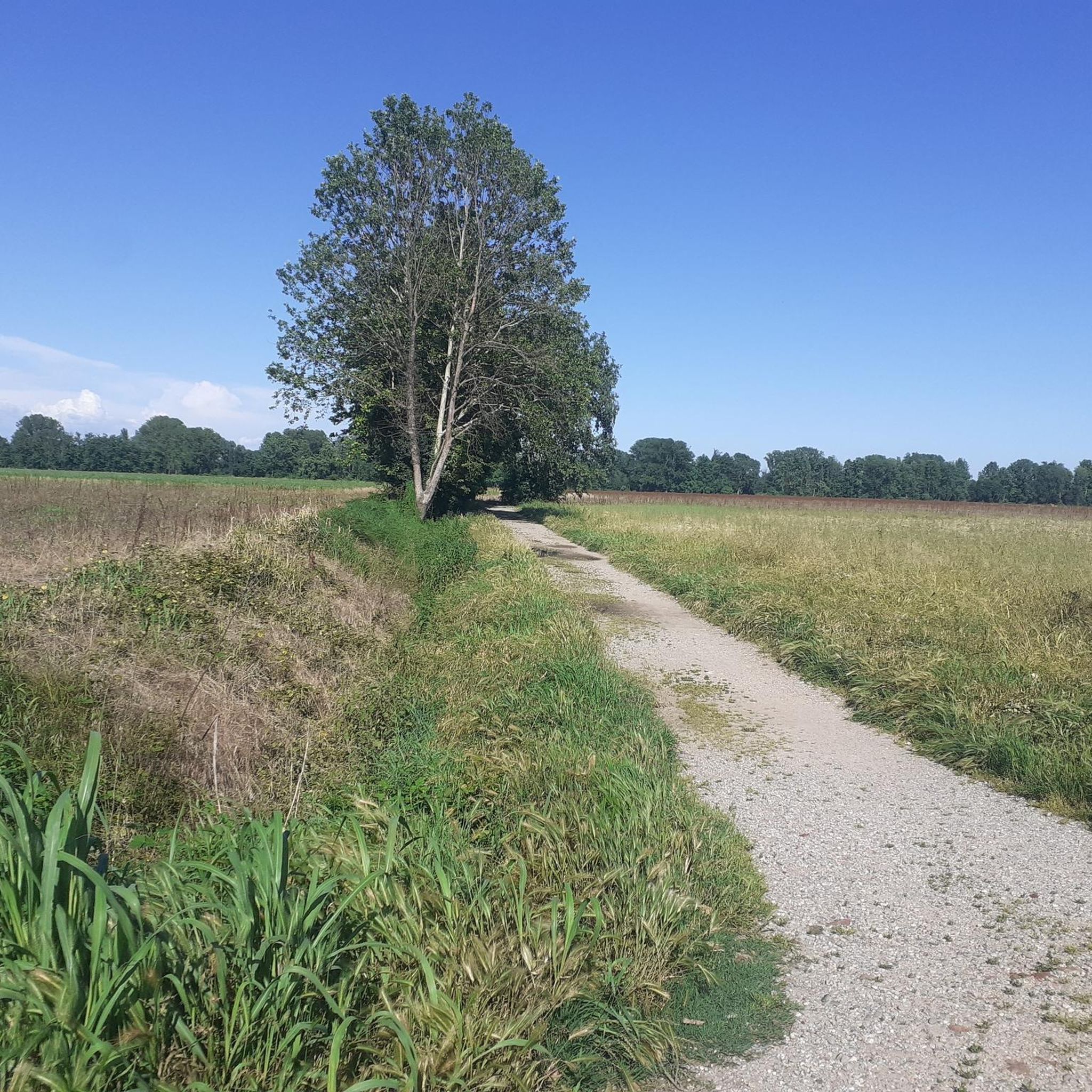
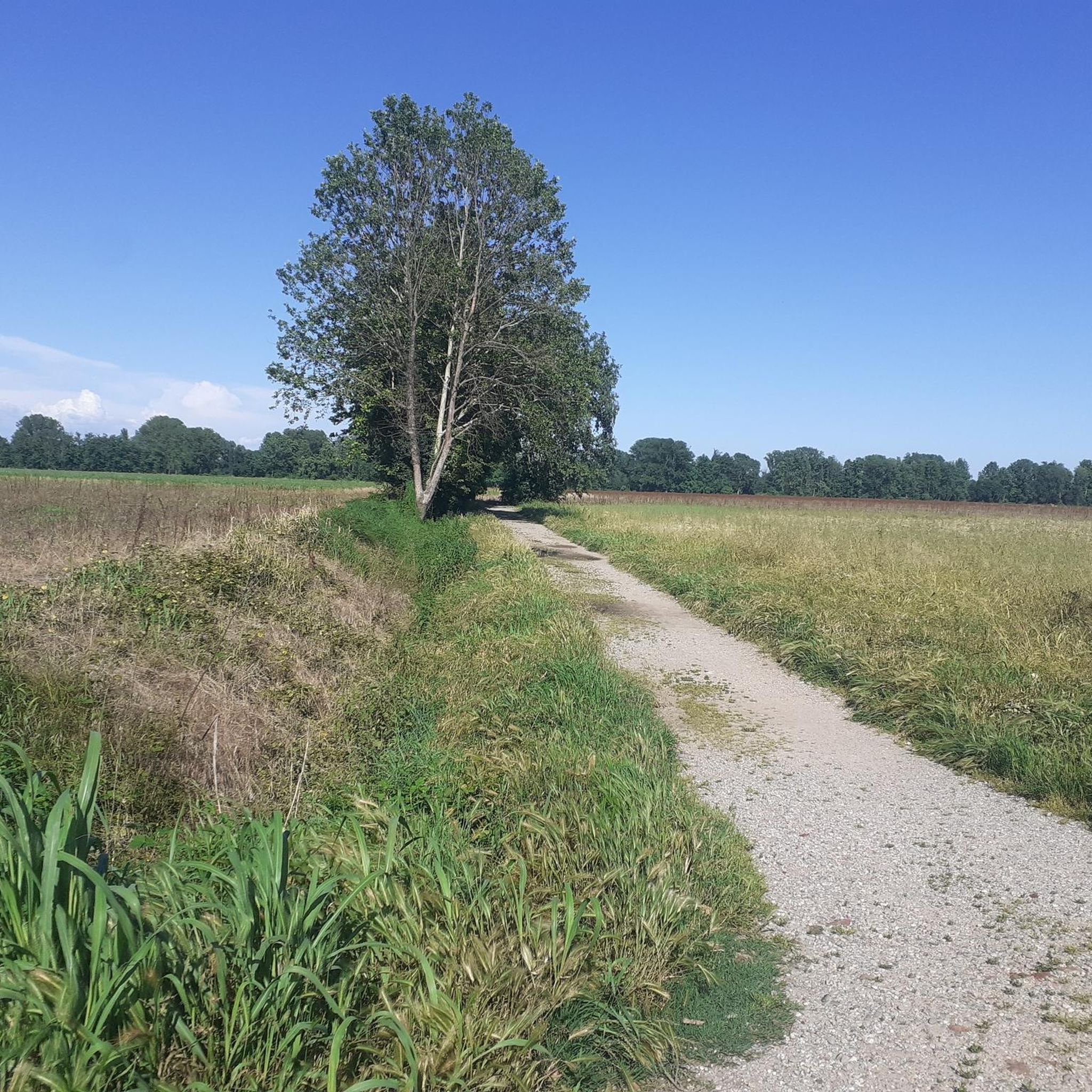
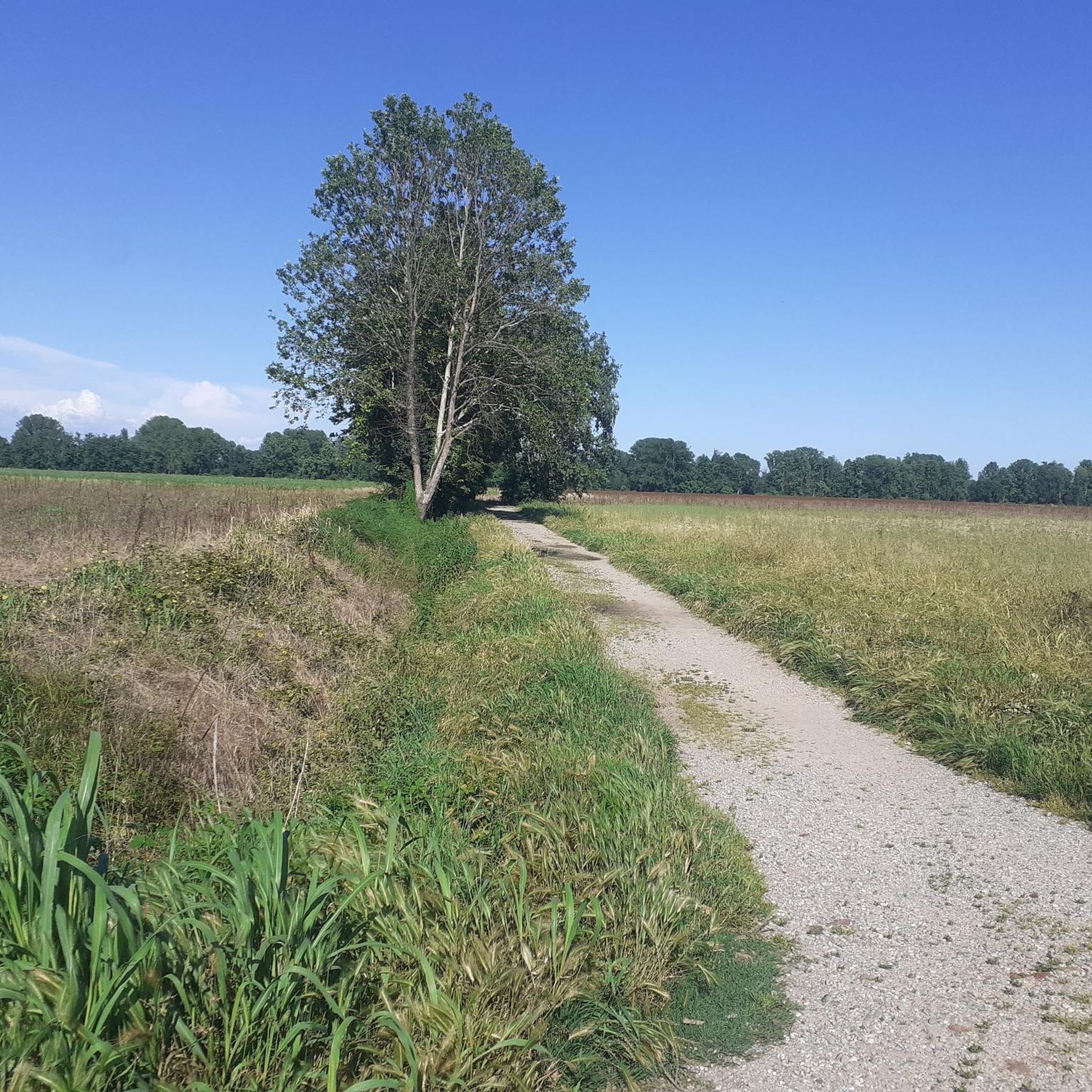
Trails and single tracks on the way there, immersed in nature.
0
0

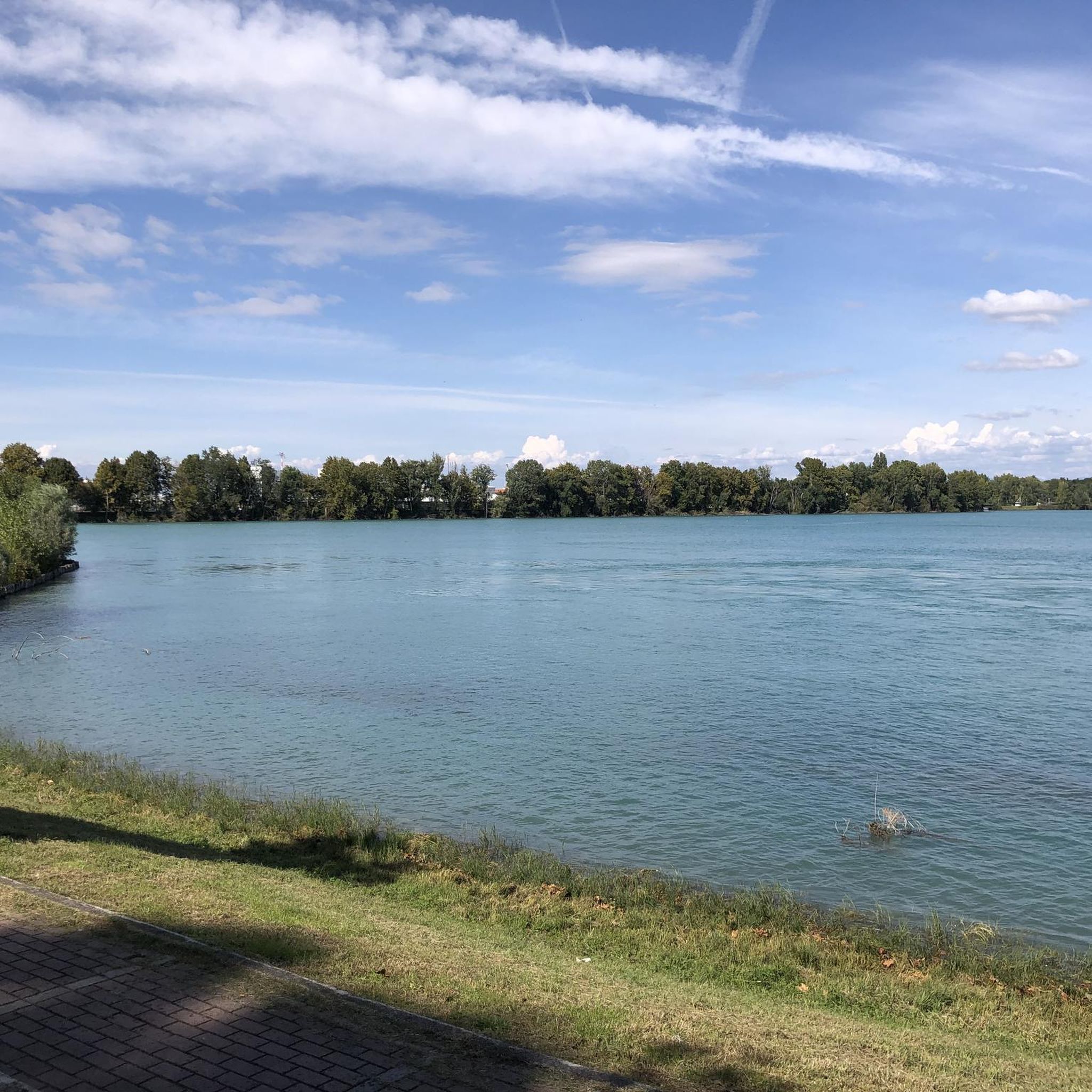
The Muzza Canal, also known as Canale della Muzza, originates near the Castle of Cassano d’Adda, where it draws water from the Adda River. After a course of about 39 km, it flows back into the Adda near Castiglione. Considered an important hydraulic engineering work at a European level, the Muzza Canal is among the oldest in Europe, with about 800 years of history, and is the largest in Northern Italy. Crossing the landscapes of the Po Valley, the canal contributes to the irrigation of the surrounding lands of the Lodi area and preserves precious patches of woodland vegetation, which characterize the Lombard territory. An ideal place to explore the beauty of nature and discover the agricultural history of the region!
1
0
The Muzza Canal, also known as Canale della Muzza, originates near the Castello di Cassano d’Adda, where it draws water from the Adda river. After a course of about 39 km, it flows back into the Adda near Castiglione. Considered an important hydraulic engineering work at a European level, the Muzza Canal is among the oldest in Europe, with about 800 years of history, and is the largest in Northern Italy. Crossing the landscapes of the Po Valley, the canal contributes to the irrigation of the surrounding lands of the Lodi area and preserves precious patches of woodland vegetation, which characterize the Lombard territory. An ideal place to explore the beauty of nature and discover the agricultural history of the region!
1
0
The Muzza Canal, also known as Canale della Muzza, originates near the Castle of Cassano d’Adda, where it draws water from the Adda River. After a journey of about 39 km, it flows back into the Adda near Castiglione. Considered an important hydraulic engineering work at a European level, the Muzza Canal is among the oldest in Europe, with about 800 years of history, and is the largest in Northern Italy. Crossing the landscapes of the Po Valley, the canal contributes to the irrigation of the surrounding lands of the Lodi area and preserves precious patches of woodland vegetation, which characterize the Lombardy region. An ideal place to explore the beauty of nature and discover the agricultural history of the region!
0
0

The Canale della Muzza is an important hydraulic work from the 12th-13th century that branches off the Adda river in Cassano d'Adda and extends for about 39 km to Castiglione d'Adda. It is one of the oldest and largest irrigation canals in Europe, fundamental for Lodi's agriculture, now also flanked by cycle paths.
1
0
The Muzza Canal is an important hydraulic work from the 12th-13th century that branches off the Adda river at Cassano d'Adda and extends for about 39 km to Castiglione d'Adda. It is one of the oldest and largest irrigation canals in Europe, fundamental for Lodi's agriculture, now also flanked by cycle paths.
2
0
The bridge over the Muzza Canal, located in Lavagna (a hamlet of the municipality of Comazzo in the province of Lodi), is a historical landmark for crossing this ancient artificial waterway. The Muzza is a branch of the Adda river, known for being one of the oldest canals in Europe. Lavagna Lodigiana is a small rural village immersed in the countryside that develops right next to the canal. The bridge area is frequented by cyclists and hikers who travel along the Muzza cycle path or the Muzza-Ponte di Lavagna route, enjoying the river landscape.
1
0
Frequently Asked Questions
What kind of terrain can I expect on gravel bike trails around Peschiera Borromeo?
The region around Peschiera Borromeo is characterized by flat terrain, numerous canals, and urban green spaces. You'll find a network of paths often following waterways or traversing parklands, with minimal elevation changes, making for generally accessible riding conditions.
Are there many gravel bike trails available in Peschiera Borromeo?
Yes, there are over 150 gravel bike trails in the Peschiera Borromeo area. These routes offer a variety of options for different ability levels, from easy to more challenging rides.
Are there any easy gravel bike trails suitable for beginners or families?
Absolutely. Peschiera Borromeo offers several easy gravel bike trails. A great option is the Chiaravalle Abbey – Chiaravalle Abbey loop from San Donato, an easy 30.1 km path that explores the historic abbey area. Another family-friendly choice is the Idroscalo of Milan – Idroscalo of Milan loop from Cascina Fiorano, a 27.8 km trail through parklands.
What are some longer or more challenging gravel bike routes in the area?
For a more extensive ride, consider the Muzza Canal – Muzza Canal loop from Repetti. This moderate 67.3 km trail follows the historic Muzza Canal and offers a longer adventure. Another moderate option is the Muzza Canal – Muzza Canal Riverside Path loop from Pioltello-Limito, which is 42.2 km long.
What is the best season for gravel biking around Peschiera Borromeo?
The flat terrain and canal paths make Peschiera Borromeo suitable for gravel biking for much of the year. Spring and autumn generally offer the most pleasant temperatures for riding. While winter conditions are usually mild, always check local weather forecasts for rain or colder temperatures, especially if riding near waterways.
Are there any scenic routes or points of interest along the gravel trails?
Many routes offer scenic views, particularly those following the canals or passing through urban parks. You can explore areas around the historic Chiaravalle Abbey or ride through the parklands surrounding the Idroscalo of Milan. The Martesana Canal Cycle Path also offers picturesque stretches.
Where can I find parking for gravel bike trails in Peschiera Borromeo?
Many of the routes start from towns or parks that offer public parking facilities. For example, routes starting from San Donato Milanese or near the Idroscalo of Milan typically have accessible parking options. It's advisable to check the specific tour details on komoot for recommended starting points and parking information.
What do other gravel bikers enjoy most about riding in Peschiera Borromeo?
The area is highly rated by the komoot community, with an average score of 4.2 stars from over 330 reviews. Reviewers often praise the well-maintained canal paths, the flat and accessible terrain suitable for all levels, and the pleasant mix of natural and urban green spaces.
Are there any loop trails for gravel biking in Peschiera Borromeo?
Yes, many of the gravel bike trails in Peschiera Borromeo are designed as loops, allowing you to start and end your ride at the same point. Examples include the Castello di Peschiera Borromeo – Blue Pond Park loop from Segrate and the various loops along the Muzza Canal.
Are there places to stop for refreshments or cafes along the routes?
Given the urban and semi-urban nature of many routes, especially those passing through towns or near parks like the Idroscalo, you will often find opportunities for refreshments. Many starting points or towns along the canals offer cafes and eateries.
How long do gravel bike trails typically take to complete in Peschiera Borromeo?
The duration varies significantly based on the trail's length and your pace. Easy routes like the 27.8 km Idroscalo of Milan loop can be completed in under 2 hours, while longer, moderate trails such as the 67.3 km Muzza Canal loop might take around 3 hours 45 minutes.
Most popular routes around Peschiera Borromeo
Most popular attractions around Peschiera Borromeo

Get inspired with the komoot mobile app


Explore more
Browse the best Gravel rides in other regions.
