Attractions and Places To See around Nocera Umbra - Top 20
Best attractions and places to see around Nocera Umbra include a rich tapestry of historical, cultural, and natural sites. This charming medieval village, nestled in the scenic Umbrian region of Italy, is known for its abundant mineral springs. The area offers serene landscapes, rolling hills, and verdant surroundings, providing opportunities for exploration and discovery. Visitors can explore ancient heritage and natural features within this historical setting.
Best attractions and places to see around Nocera Umbra
- The most popular attractions is…
Last updated: July 21, 2026
Cathedral of San Rufino and the Fountain, Assisi
Highlight • Religious Site
+ of Saint Francis (see komoot.com/de-de/highlight/138624 ) and
+ of Saint Clara (see komoot.com/de-de/highlight/2665025 ). …
Translated by Google •
Tip by

Piazza del Comune, Assisi
Highlight • Historical Site
Translated by Google •
Tip by
Sign up now to discover places like this
Get recommendations on the best single tracks, peaks, & plenty of other exciting outdoor places.
Sign up for free
Church of Santa Maria sopra Minerva
Highlight • Religious Site
Translated by Google •
Tip by
Hermitage of the Carceri
Highlight • Religious Site
The Shrine of the Hermitage of the Prisons
An ancient Franciscan shrine on Monte Subasio, 4 km from Assisi and 800 meters above sea level, …
Translated by Google •
Tip by

Croce di Sasso Piano (Sasso Piano Cross)
Highlight • Summit
Translated by Google •
Tip by

Sign up for free to discover even more attractions around Nocera Umbra.
Sign up for free
Already have an account?
Start today with a free account
Your next adventure awaits.
Login or Signup
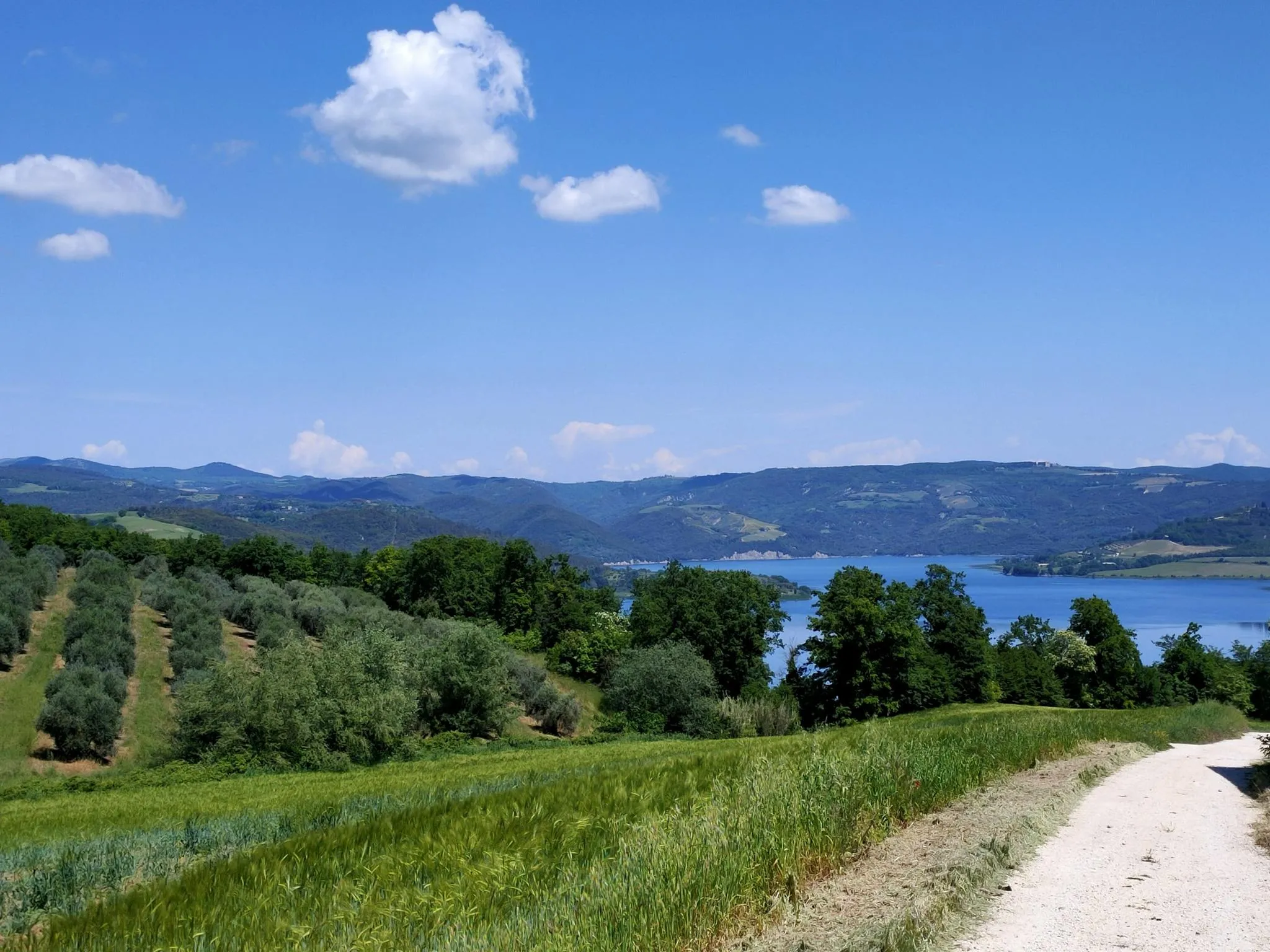
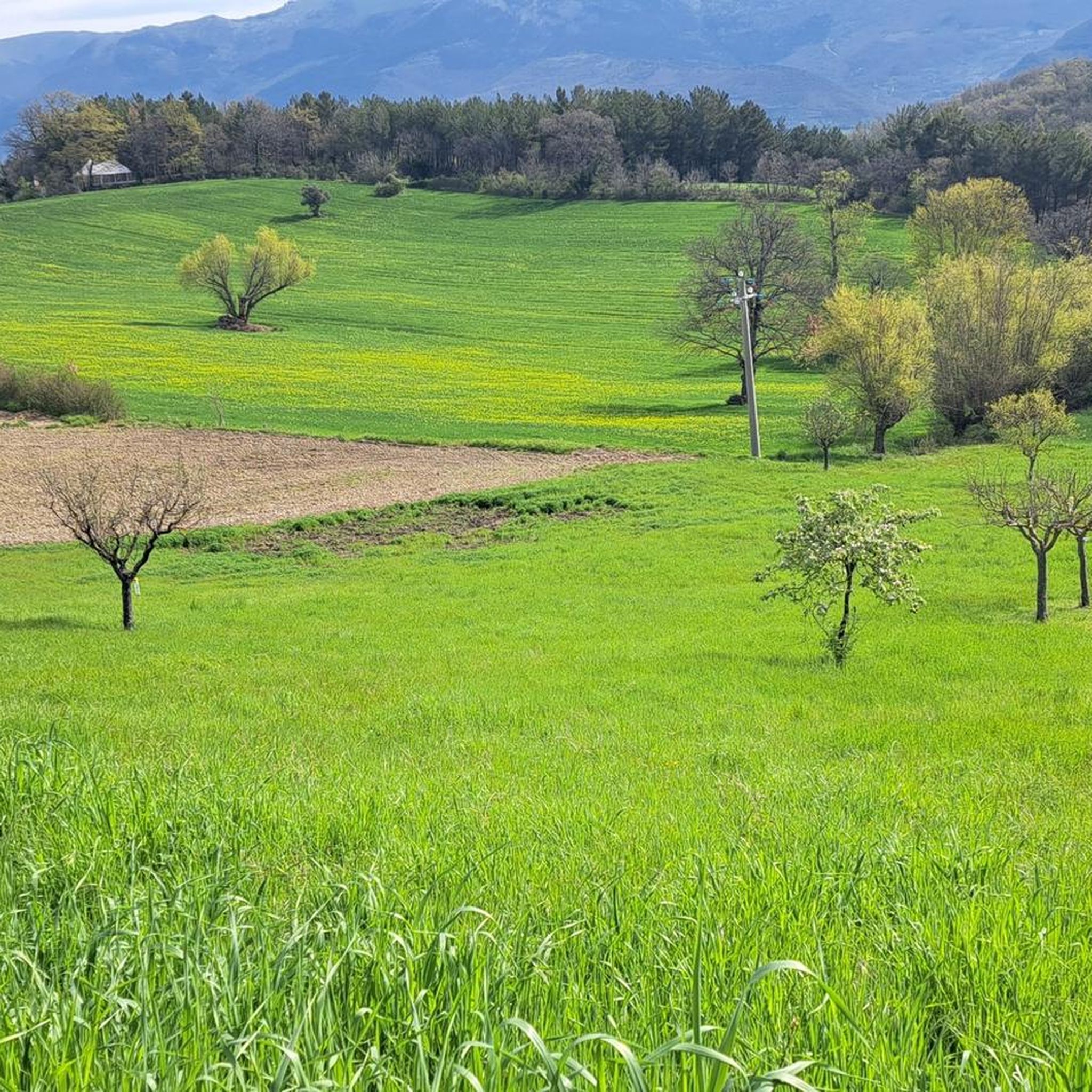
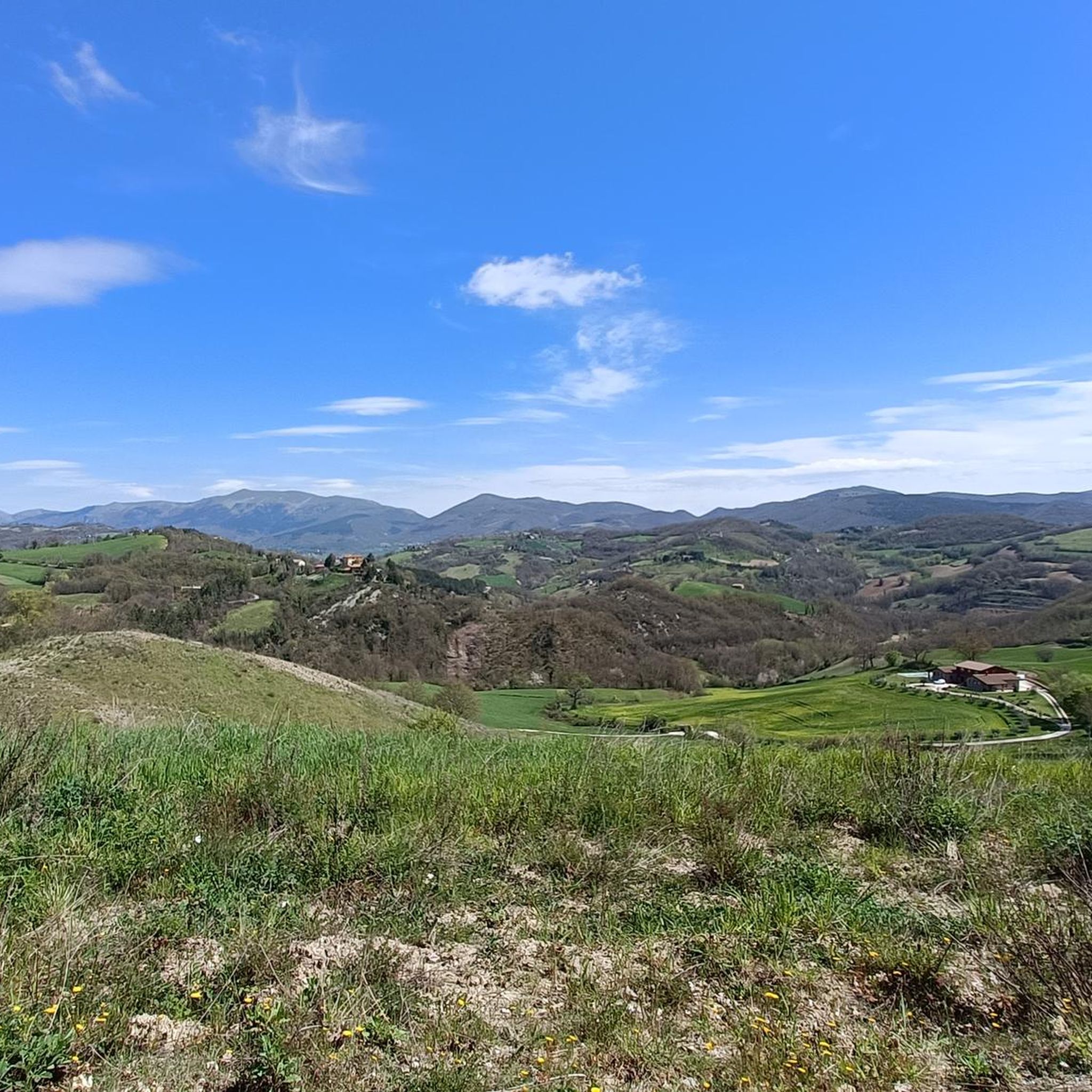
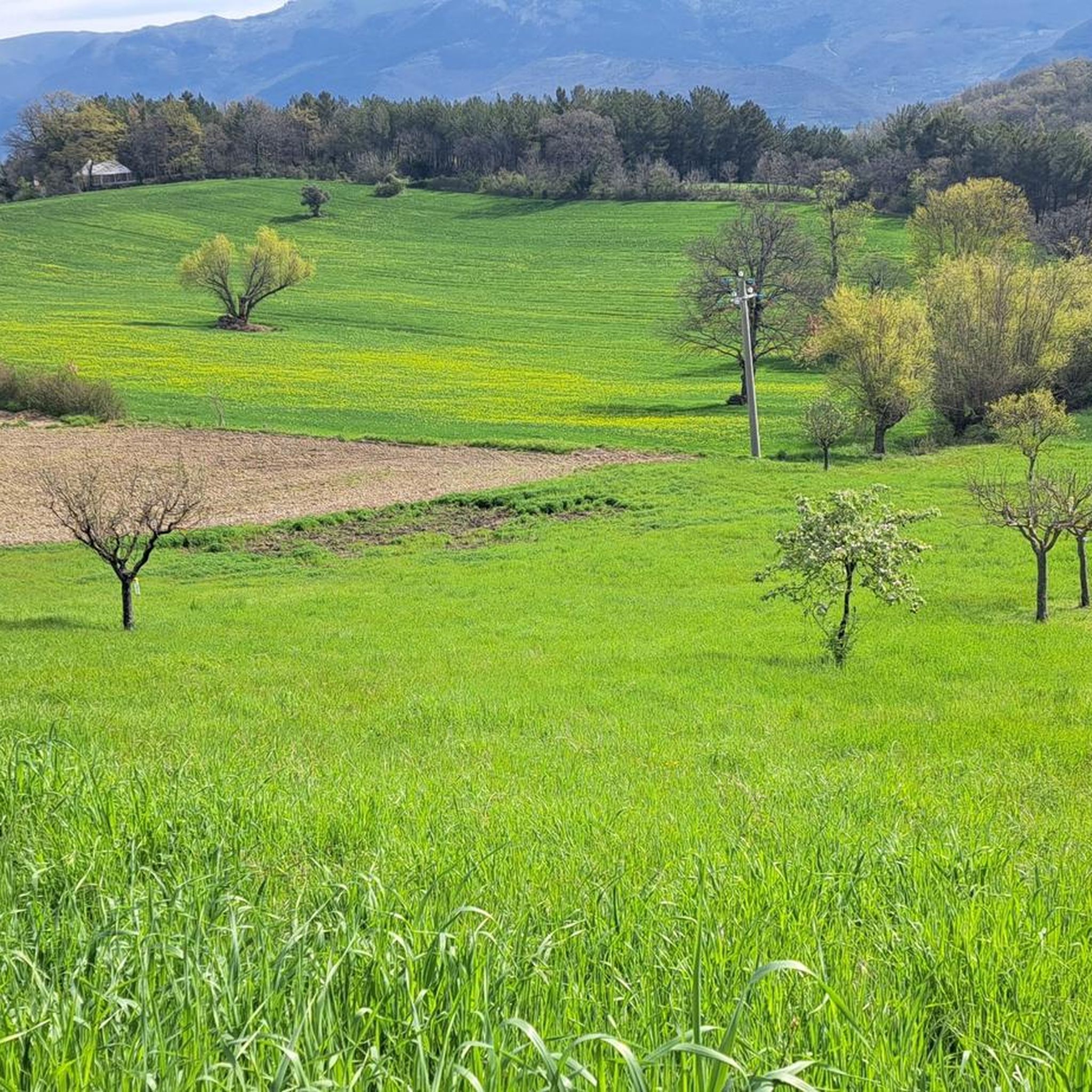

Other adventures around Nocera Umbra

Tips from the Community

In front of this small sacred monument, known as Croce di Sasso Piano, which crowns the summit of the same name, I wish to offer those who linger here a brief reflection by Saint Francis of Assisi: + “And we give you [God-Father] thanks, ... because through his cross and his blood and his death you wanted to redeem us, who were captive.” (NbR XXIII, 3)
0
0

of the ancient Roman temple only the six-column façade remains. The church is the seat of the TOR, Third Regular Order of Saint Francis
2
0

Eremo delle Carceri, the resting place of St. Francis, Assisi The Eremo delle Carceri is a pilgrimage site located in the dense forest of Monte Subasio, about 4 km from Assisi and at an altitude of 800 m. St. Francis and his first brothers imprisoned themselves for devotion, living a simple life, and praying more devoutly. The word "carceri," which may be confusing, does not mean "prison" but comes from the Latin "carcer," meaning a solitary, isolated place. This is where the term "carcerare" comes from, referring to monks and describing their practice of retreating to pray as hermits. In 1215, Benedictine monks donated the Eremo delle Carceri to Saint Francis, which became one of the most important places in his life: Immersed in a quiet, peaceful, centuries-old holm oak forest, Saint Francis followed his calling here and learned to pray devoutly. The Grotto of Saint Francis, among stories and legends Through a narrow passage, one reaches the Grotto of Saint Francis, where, according to the history of Francis of Assisi, the saint experienced his first true meditation and became a different person. Another story is that of Saint Rufinus, a companion of Saint Francis who managed to resist the devil. It is said that the hole in the grotto floor was caused by the devil when he was defeated and sank into the abyss. Many mistakenly believe that St. Francis's famous sermon to the birds took place here, but historical sources definitively link the legend to Piandarca, a town in the municipality of Cannara. Text / Source: Umbria Tourism.it https://www.umbriatourism.it/de/-/eremo-delle-carceri-der-ruheort-des-heiligen-franziskus
13
0
Hermitage of the Prisons, Assisi The Shrine of the Hermitage of the Prisons An ancient Franciscan shrine on Monte Subasio, 4 km from Assisi and 800 meters above sea level, in the heart of a forest of centuries-old holm oaks, is one of the Franciscan shrines guarded by the Friars Minor of the Seraphic Province of Saint Francis of Assisi. The word "carcere" does not mean "prison": it comes from the Latin "carcer," meaning a remote, solitary place, therefore suitable for the life of prayer. Francis, his companions, and, after them, the friars, came here for some prayers. Hermitage of the Prisons, Via Eremo delle Carceri, 38, 06081 Assisi PG, Italy Text/Source: SERAPHIC PROVINCE OF ST. FRANCIS OF ASSISI OF THE UMBRIAN FRIES MINOR https://www.santuarioeremodellecarceri.org/
13
0

The baroque basilica is located on the town hall square.
2
0
For many visitors to Assisi, the more well-known destinations are probably the Holy Sepulchre Churches + of Saint Francis (see https://www.komoot.com/de-de/highlight/7134144 ) and + of Saint Clara (see https://www.komoot.com/de-de/highlight/2665025 ). However, these two churches are more recent (compared to this one). The ancient, venerable and original main church of the city and thus also of the diocese is of course the cathedral, the seat of the bishop. Francis and Clara also received the sacrament of baptism in this cathedral, dedicated to Saint RUFINO.
4
0

The Roman temple is a hexastyle prostyle of the Corinthian order. It is a podium temple whose columns rest on pedestals on the steps, which is comparatively unusual and results from the lack of space on the terrace on which the temple was originally located. The architrave is double-faced, and the frieze bore a dedicatory inscription that no longer exists. When the church was built in the 16th century, the cella was completely removed. The contrast between the grandiose classical façade and the small-scale interior, which was redesigned in the baroque style by the architect Giacomo Giorgetti from Assisi in the 17th century, is striking.
2
0
The town (Latin Asisium, older Italian/Tuscan Ascesi or Scesi, no longer in use today) was colonized by the Romans in 399 BC and built in terraces on a rocky ridge on the west side of Monte Subasio. It was previously an acropolis of the Umbrians. The city walls, the forum (or market square Piazza del Comune), a theater, an amphitheater and the Temple of Minerva, which was later converted into the church of Santa Maria sopra Minerva, can still be found from Roman times. In 328 the town was Christianized by the current patron saint Rufino di Assisi (San Rufino). In 545 the town was largely destroyed by the Ostrogoths, later came under the rule of the Lombards and was then placed under the control of the Dukes of Spoleto. In the 12th century, Assisi became a free commune and adopted a Ghibelline orientation, which was in contrast to the Guelph neighboring city of Perugia. Saint Francis of Assisi, who was born in Assisi in 1181/1182, was taken prisoner as a young man during these conflicts. In the 13th/14th centuries, the city expanded beyond the Roman city walls, and the walls were extended several times. In the late Middle Ages, Assisi was under the alternating rule of the popes, various condottieri, the dukes of Milan and Urbino, and finally returned to the Papal States in the 15th century. The city owes the fact that Assisi was saved from fighting and thus possibly from destruction in 1944 to the then commander of the German occupation troops, Colonel Valentin Müller, who was able to persuade the German commander in Italy, Field Marshal Albert Kesselring, to declare Assisi an undefended, open hospital city. At the same time, Bishop Giuseppe Placido Nicolini and the Franciscan Rufino Niccacci, with helpers from the Catholic Church, organized the hiding of politically and racially persecuted people, including many Jews, in monasteries and other church buildings.
3
0
Frequently Asked Questions
What historical and cultural sites can I explore in Nocera Umbra?
Nocera Umbra boasts a rich history. You can visit the imposing Palazzo Comunale, the Cattedrale di Santa Maria Assunta with its 12th-century origins, and the ancient Campanaccio (Civic Tower). Don't miss the Museo San Francesco, which houses an art gallery and an Olive Oil Museum, or the Archaeological Museum in the Episcopal Palace, displaying Roman remains. The town's well-preserved medieval architecture, cobblestone streets, and ancient stone buildings offer a journey back in time.
Are there any significant religious sites to visit near Nocera Umbra?
Yes, the region is rich in religious heritage. Beyond Nocera Umbra's own cathedral, you can visit the ancient Cathedral of San Rufino and the Fountain, Assisi, a significant historical site and the baptismal place for Saint Francis and Saint Clara. Another profound site is the Hermitage of the Carceri, an ancient Franciscan shrine nestled in a dense forest on Monte Subasio, offering a remote place for prayer.
What natural features and viewpoints are there around Nocera Umbra?
Nocera Umbra is known as the 'city of waters' due to its abundant mineral springs, such as the Angelica spring at the former spa of Bagni di Nocera. The town is nestled on the slopes of the Apennines, offering scenic views over the upper Topino river valley. For breathtaking panoramic views of the Umbrian landscape, including Assisi, consider a visit to Croce di Sasso Piano (Sasso Piano Cross).
What kind of outdoor activities can I do near Nocera Umbra?
The surrounding landscapes of Nocera Umbra are ideal for various outdoor activities. You can explore numerous routes for mountain biking, road cycling, and general cycling. For detailed routes and guides, check out the MTB Trails around Nocera Umbra, Road Cycling Routes around Nocera Umbra, and Cycling around Nocera Umbra guides.
Are there family-friendly attractions or activities in the area?
While specific family-focused attractions aren't detailed, the general charm of Nocera Umbra's medieval village, its cobblestone streets, and the surrounding natural landscapes offer a pleasant environment for families to explore together. The main square in Assisi, Piazza del Comune, is also considered family-friendly with its cafes and restaurants.
What is the best time to visit Nocera Umbra?
Nocera Umbra, with its blend of historical sites and natural beauty, can be enjoyed throughout much of the year. The region research mentions 'wonderful flowers in May' for the views from Sasso Piano, suggesting spring is particularly beautiful for outdoor activities and scenic vistas. The mild climate of Umbria generally makes spring and autumn ideal for exploration.
Where can I experience the medieval atmosphere of Nocera Umbra?
The entire historic center of Nocera Umbra provides a strong medieval atmosphere. Stroll along Via Roma to discover quaint shops and traditional Umbrian cuisine. The town's well-preserved medieval architecture, ancient stone buildings, and powerful castle walls transport visitors back in time, offering an authentic glimpse into its past.
What are some lesser-known or 'hidden gem' attractions in Nocera Umbra?
Beyond the main landmarks, explore the Pinacoteca Comunale, located within the Rocca Flea, which houses works from the 14th to 19th centuries, a library, and a Ceramic Museum. The Santuario di Nostra Signora de la Salette also offers a blend of spiritual charm and historical significance, reflecting past epochs.
What do visitors enjoy most about the attractions around Nocera Umbra?
Visitors frequently appreciate the breathtaking panoramic views, especially from spots like Croce di Sasso Piano (Sasso Piano Cross), which offers expansive vistas of the Umbrian landscape and Assisi. The historical depth of sites like the Cathedral of San Rufino and the serene, spiritual atmosphere of the Hermitage of the Carceri are also highly valued.
Are there any specific architectural styles or periods represented in Nocera Umbra?
Nocera Umbra showcases a range of architectural styles reflecting its long history. The Cattedrale di Santa Maria Assunta, for instance, has Romanesque origins from the 12th century, though it was renovated in 1448. The Church of San Filippo is neo-Gothic (1864-1868), and the Teatro Comunale is a beautiful example of Art Nouveau. The town's medieval center, with its castle walls and ancient gates like Porta Vecchia, provides a strong medieval character.
Can I find Roman-era remnants in Nocera Umbra?
Yes, Nocera Umbra has a history dating back to the 6th century BC and was an important Roman municipium. The Archaeological Museum, located in the Episcopal Palace, houses various Roman remains, including a milestone from the ancient Flaminian Way, a female portrait, and mosaic fragments. The defensive tower known as Palombara also dates back to Roman times.
Most popular routes around Nocera Umbra
Most popular attractions around Nocera Umbra

Get inspired with the komoot mobile app


Explore more
Still not found the Highlight you’re looking for? See guides of the top attractions in other regions:
