Attractions and Places To See around Montalto Di Castro - Top 20
Best attractions and places to see around Montalto Di Castro include a blend of historical, cultural, and natural sites. This medieval town, situated in Maremma Laziale on the Fiora River, offers diverse exploration opportunities. Visitors can discover ancient Etruscan-Roman history, significant landmarks, and scenic natural features. The region provides a variety of attractions for those interested in history, culture, and outdoor experiences.
Best attractions and places to see around Montalto Di Castro
- The most popular attractions is Tarot Garden, an artistic garden that features 22 large, brightly colored figures. It is a unique artistic garden created by Niki de Saint Phalle.
- Another must-see spot is Historic Center of Capalbio, a historic town center. This medieval village is located on a hill and is known for its historical significance and charming atmosphere.
- Visitors also love Poggio Conte Hermitage, a historic religious site. This hermitage features architectural and sculptural details reflecting 13th-century French culture.
- Montalto Di Castro is known for its historical landmarks, archaeological parks, and natural beaches. The area offers a variety of attractions to see and explore, from ancient ruins to scenic coastal areas.
- The attractions around Montalto Di Castro are appreciated by the komoot community, with 76 upvotes and 72 photos shared across 8 highlights.
Last updated: July 21, 2026
Historic Center of Capalbio
Highlight • Settlement
Translated by Google •
Tip by

Tarot Garden
Highlight • Structure
Translated by Google •
Tip by

Sign up now to discover places like this
Get recommendations on the best single tracks, peaks, & plenty of other exciting outdoor places.
Sign up for free
Poggio Conte Hermitage
Highlight • Religious Site
Tip by

Vulci Archaeological Site
Highlight • Historical Site
The first parts of this ancient city were discovered in the 1950s. In 1970 another house was being built (party house?). The excavations are still ongoing.
A visit to the archaeological park costs €10. There are signs for a long loop and a short loop. The long one supposedly lasts 3 hours, the short one 2 hours. We walked the long way (5km). It is advisable to follow the recommended walking direction, as most of the excavations can be seen at the beginning. You can then still decide whether to go the full round or not. It also makes sense not to go when it's too hot, as there is almost no shade.
Translated by Google •
Tip by
Historic Center of Capalbio
Highlight • Historical Site
Translated by Google •
Tip by

Sign up for free to discover even more attractions around Montalto Di Castro.
Sign up for free
Already have an account?
Start today with a free account
Your next adventure awaits.
Login or Signup

Tips from the Community


Capalbio is an enchanting medieval village in the Maremma region of Tuscany, known as the "little Athens". Characterized by a tangle of narrow alleys, double ring walls that can be walked upon, and breathtaking views stretching to the sea, it offers a perfect blend of history, art, and gastronomy.
0
0

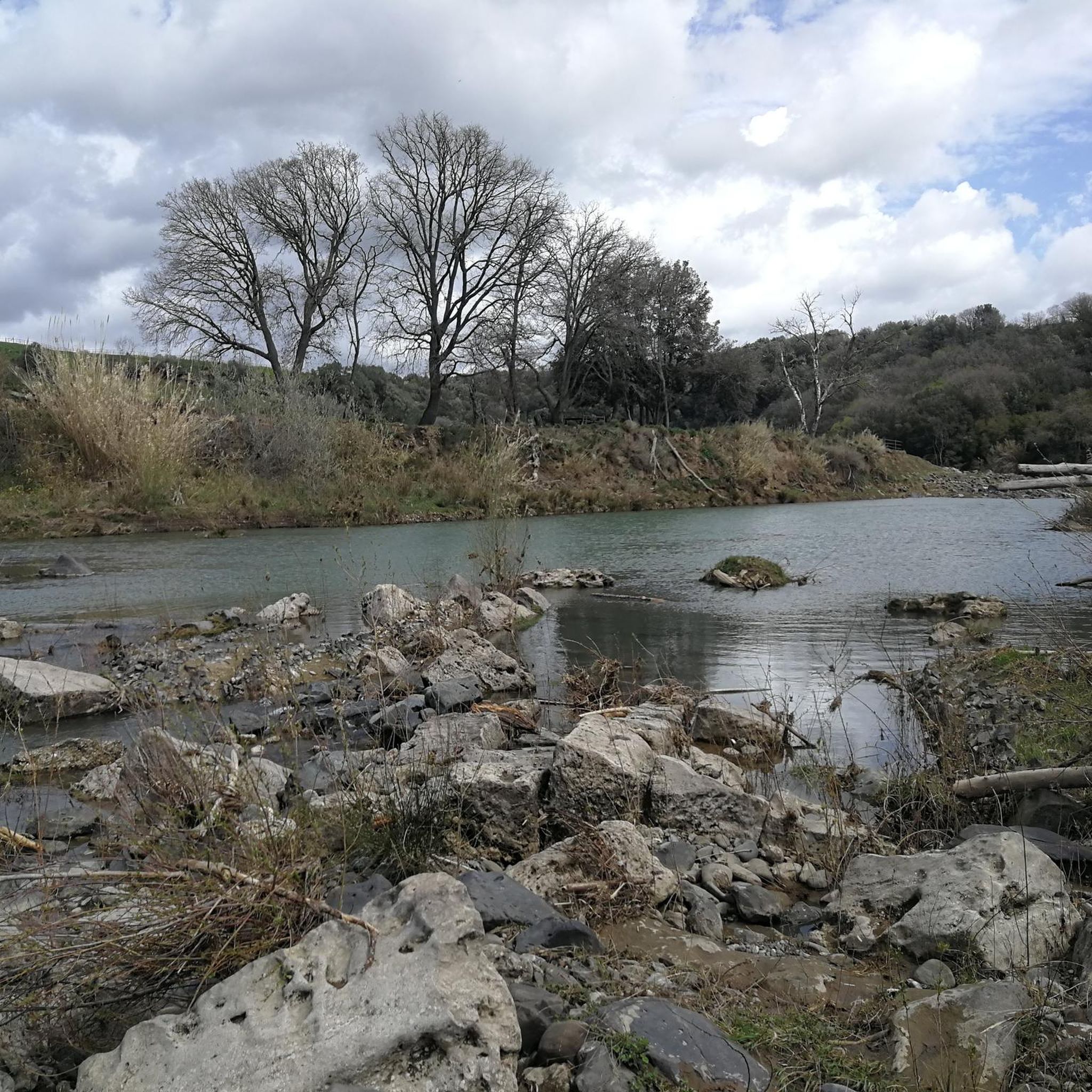
It can be reached after a walk (also accessible by bike) along a path that runs alongside the Fiora River; the last stretch is accessible only on foot. Impressive.
0
0

the wild boar festival is held at the beginning of September
1
0

Niki de Saint Phalle has created something unique with this garden. Anyone on holiday in southern Tuscany should definitely take a trip there. Each tile is handmade, each building is a gigantic masterpiece in itself and from every perspective there are new views of this overall composition. An absolute must - you will not be disappointed!!!
0
0

Vulci is an ancient Etruscan city 8 km from the Tyrrhenian Sea. Vulci was one of the Etruscan Twelve Cities. In history the city is mentioned only once on the occasion of a 280 BC. Mentioned of the triumph celebrated by the Romans over Vulci in the 4th century BC, when it was conquered by an army led by Tiberius Coruncanius. In 273, the Romans also made Cosa, which was part of Vulci as a port (today the ruins of Ansedonia), a colony. (Source: Wikipedia) The first parts of this ancient city were discovered in the 1950s. In 1970 another house was being built (party house?). The excavations are still ongoing. A visit to the archaeological park costs €10. There are signs for a long loop and a short loop. The long one supposedly lasts 3 hours, the short one 2 hours. We walked the long way (5km). It is advisable to follow the recommended walking direction, as most of the excavations can be seen at the beginning. You can then still decide whether to go the full round or not. It also makes sense not to go when it's too hot, as there is almost no shade.
1
0

incredibly beautiful garden a must visit
2
0

The 22 figures that Niki de Saint Phalle came up with for her Tarot garden in Tuscany are huge, brightly colored and quite magical. Sometimes they exude arrogance, sometimes they are frightening. From 1978 to 1998, the French-American sculptor (1930 - 2002) worked on this total work of art, in which she integrated not only her magical sculptures, but also bizarre architecture, stairs, benches, gargoyles and fountains. From 1983 the artist even lived in the middle of the site. She moved into the walk-in architectural sculpture of the “Empress,” which is designed as a sphinx. The vaulted walls of the interior are covered with thousands of shards of mirrors. The visitor's image is broken down into many small facets as if by a kaleidoscope. A winding staircase leads to the sleeping loft, where the bed in which she slept still stands today. Anyone who studies the artist's story can see that Niki de Saint Phalle has transformed her negative feelings and memories from her childhood into part of the characters. The Tarot Garden is more than just a childish, playful dream setting at first glance. Definitely worth seeing. The Tarot Garden is open from April 1st to October 15th from 2:30 p.m. to 7:30 p.m. There is a small café on site with a variety of food and drinks.
1
0
Frequently Asked Questions
What unique artistic attractions can I visit near Montalto di Castro?
The most popular artistic attraction is the Tarot Garden, a unique artistic garden created by Niki de Saint Phalle. It features 22 large, brightly colored figures and bizarre architecture, making it a truly magical and visually stunning experience. It's considered a must-visit.
Are there any significant historical towns or villages to explore nearby?
Yes, the Historic Center of Capalbio is a must-see medieval village located on a hill, known for its historical significance and charming atmosphere. Montalto di Castro itself is a medieval town with landmarks like Guglielmi Castle, the Church of Santa Maria Assunta, and the Monumental Complex of San Sisto.
What natural reserves or lakes can I visit for relaxation or wildlife viewing?
You can visit the Burano Lake Nature Reserve, a coastal brackish lagoon perfect for walking and wildlife observation. Another beautiful spot is the Laghetto del Pellicone, located within a WWF oasis along the Fiora River, known for its bathing lake and waterfall.
Where can I find ancient Etruscan-Roman history and archaeological sites?
The Archaeological and Naturalistic Park of Vulci is one of Italy's most important archaeological parks. Here you can explore ancient Etruscan-Roman city ruins, Etruscan tombs like the Necropolises of Cuccumella, and the famous François Tomb. The park also houses the Castello della Badia, which contains the National Etruscan Museum, and the impressive Ponte dell'Arcobaleno.
Are there family-friendly activities or attractions in the area?
Absolutely. The Tarot Garden is a fantastic family-friendly destination with its whimsical sculptures. The wide, sandy Montalto Marina and Pescia Romana beaches are recognized with the 'Green Flag' for being welcoming and family-friendly, offering both free access and equipped areas, along with shady pine forests.
What kind of outdoor activities can I do near Montalto di Castro?
The region offers a variety of outdoor activities. You can find numerous routes for running, gravel biking, and road cycling. The Archaeological and Naturalistic Park of Vulci also offers opportunities for exploring natural beauty, including a canyon formed by the Fiora River.
Are there any historical religious sites or hermitages to visit?
Yes, the Poggio Conte Hermitage is a historic religious site with a long history, featuring architectural and sculptural details reflecting 13th-century French culture. The Church of Santa Maria Assunta in Montalto di Castro is also an 18th-century church with beautiful facade and interior paintings.
What are the best beaches for swimming and relaxation?
Montalto Marina and Pescia Romana beaches are excellent choices. These wide, sandy beaches are known for being family-friendly and offer both free access and equipped areas. They are also backed by shady pine forests, providing a pleasant environment for relaxation.
What is the best time of year to visit Montalto di Castro?
Montalto di Castro offers attractions year-round. For beach activities and enjoying the natural parks, the warmer months from spring to early autumn are ideal. If you prefer exploring historical sites and hiking in milder weather, spring and autumn provide comfortable temperatures.
Can I find any hidden gems or less-known spots in the area?
Beyond the main attractions, consider exploring the Fontana delle Tre Cannelle and Fontana del Mascherone, two significant 18th-century fountains located outside the historic center. The picturesque green spaces of Maremma Laziale surrounding Montalto di Castro also offer serene, less-trafficked areas for quiet exploration.
What kind of cultural venues are available in Montalto di Castro?
Montalto di Castro is home to the Lea Padovani Theater, a modern venue inaugurated in 2012 and dedicated to the acclaimed actress Lea Padovani. Its unique design, including a polycarbonate scenic tower that lights up at night, makes it a notable cultural landmark.
Most popular routes around Montalto Di Castro
Most popular attractions around Montalto Di Castro

Get inspired with the komoot mobile app


Explore more
Still not found the Highlight you’re looking for? See guides of the top attractions in other regions:
