Top 18 Castles around Pollein
Best castles around Pollein serve as a gateway to exploring the remarkable medieval castles of the Aosta Valley, Italy. While Pollein itself does not feature prominent castles directly within its borders, its historical significance dates back to Roman times, later becoming a dependency of the bishops of Aosta. The region offers a deep dive into a rich past and architectural grandeur. Visitors staying in Pollein can easily access these magnificent examples of the Aosta Valley's historical and artistic legacy.
Best…
Last updated: August 4, 2026
Fénis Castle
Highlight • Castle
Combining …
Showing Translation
Tip by

Aymavilles Castle
Highlight • Castle
Translated by Google •
Tip by
Sign up now to discover places like this
Get recommendations on the best single tracks, peaks, & plenty of other exciting outdoor places.
Sign up for free
Quart Castle
Highlight • Castle
Translated by Google •
Tip by

Torre dei Balivi
Highlight • Historical Site
The tower, also known as Tour Cornière in French, was mentioned as early …
Translated by Google •
Tip by

Saint-Pierre Church and Castle
Highlight • Castle
11010 Saint-pierre AO
Translated by Google •
Tip by

Sign up for free to discover even more castles around Pollein.
Sign up for free
Already have an account?
Start today with a free account
Your next adventure awaits.
Login or Signup

Tips from the Community

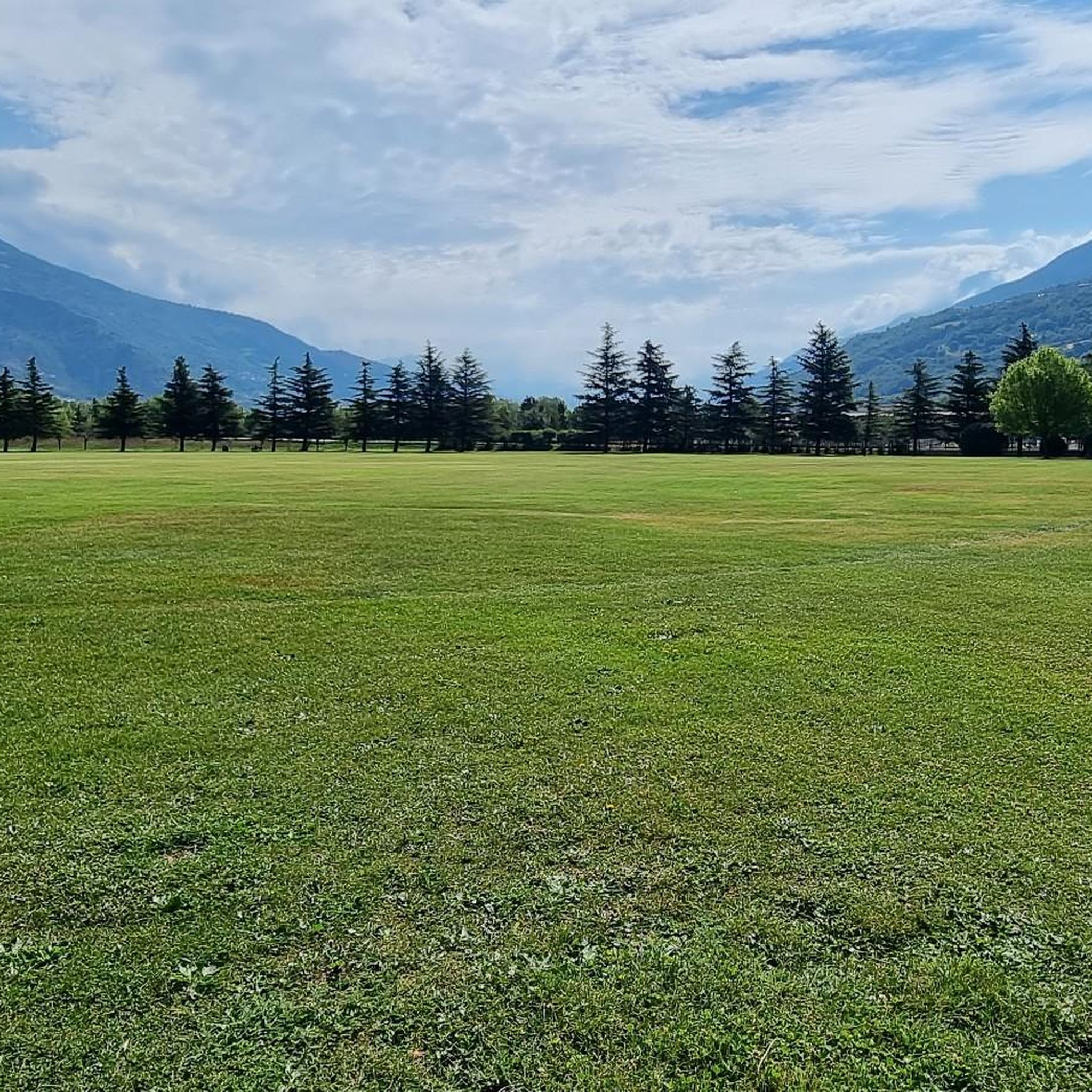
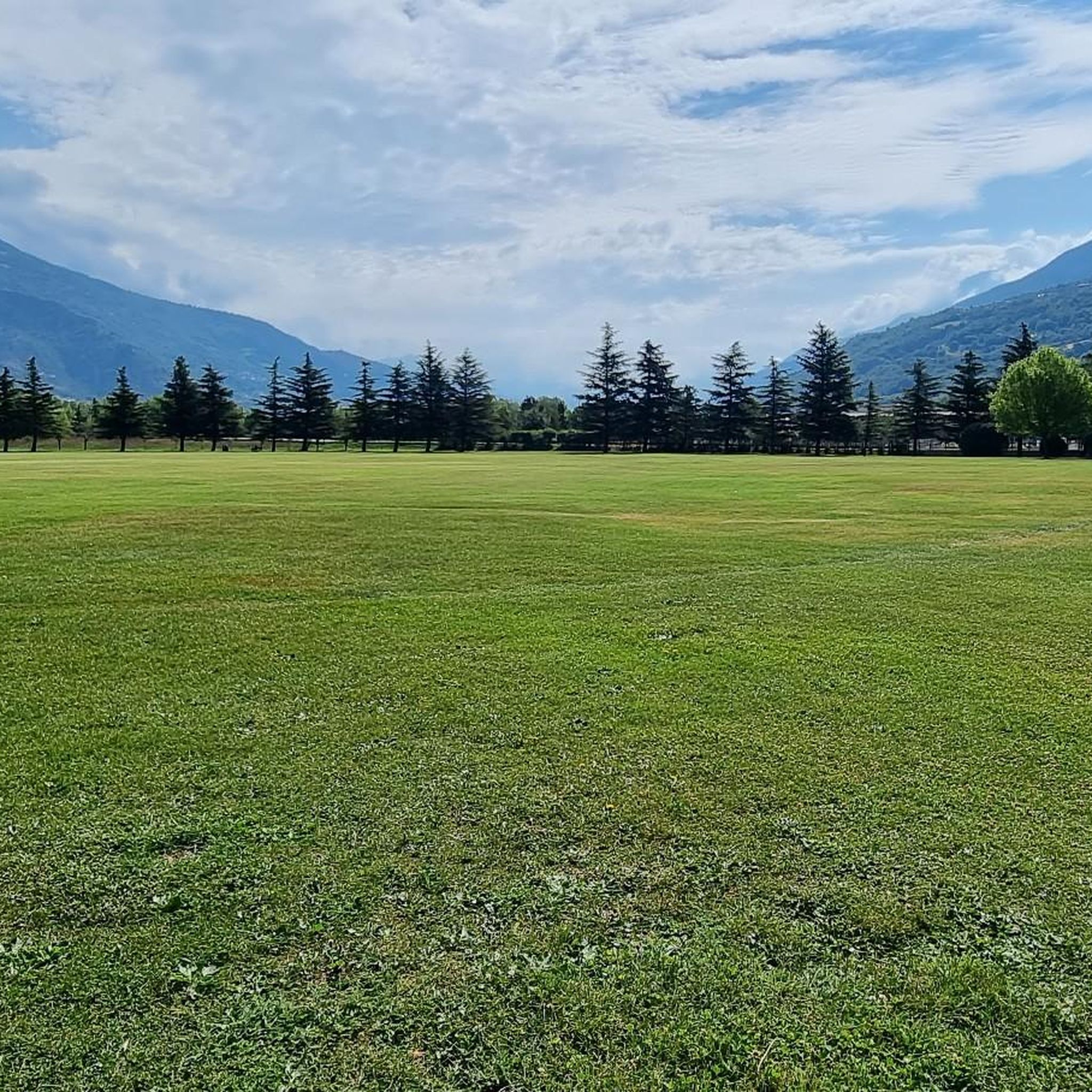
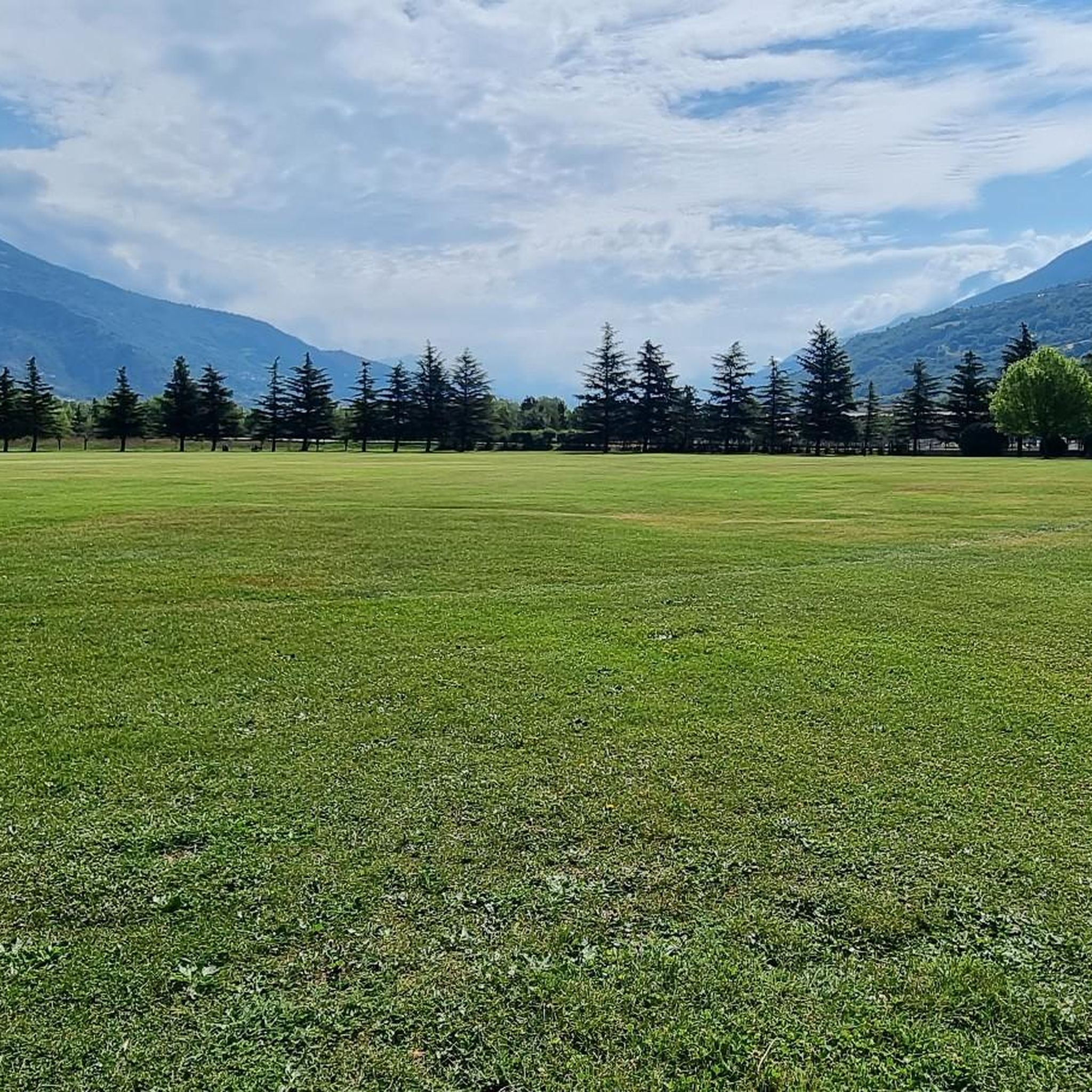
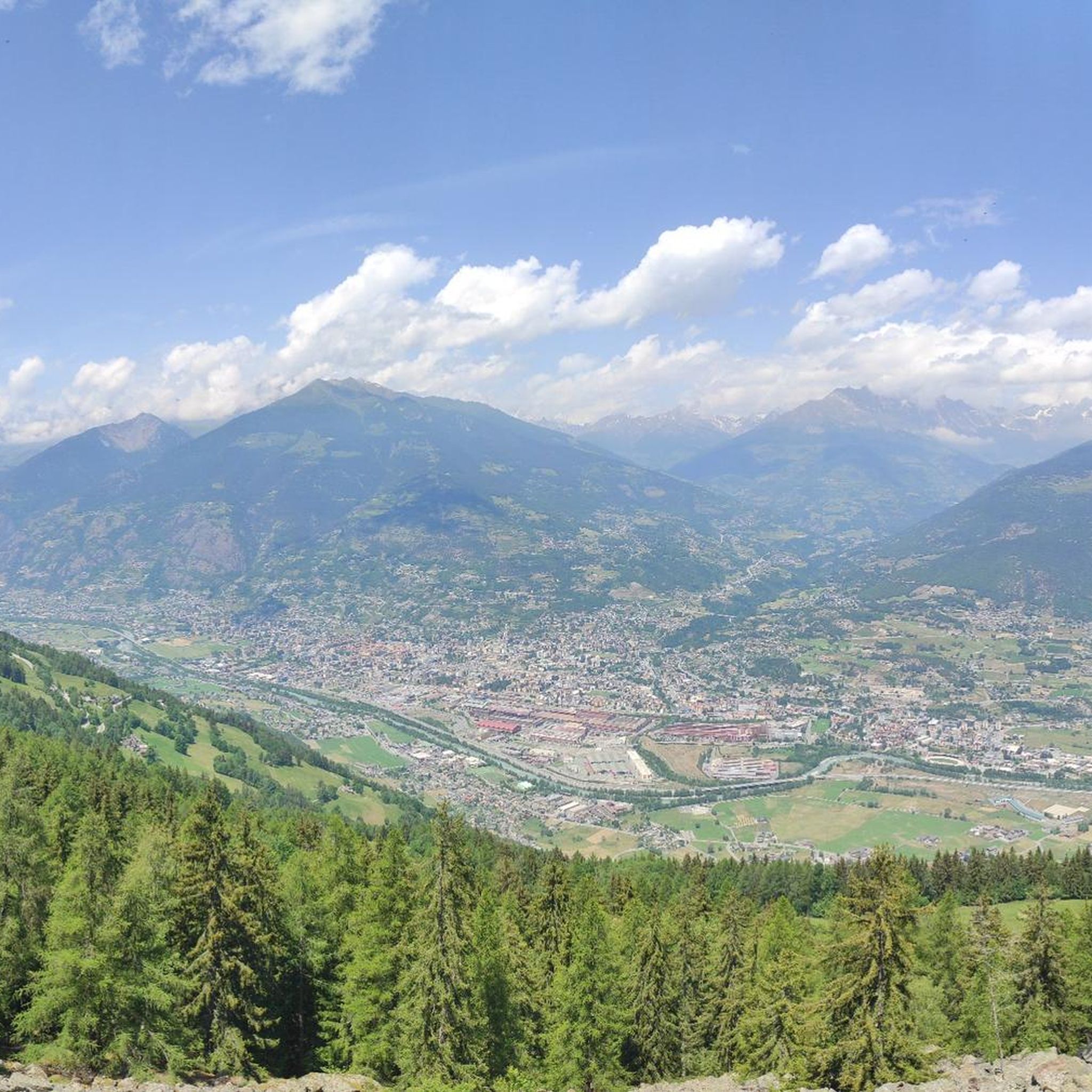
Seen only from the outside, very very beautiful!
0
0

Quart Castle is currently (January 2025) undergoing conservation work. The work should be completed by summer 2025.
0
0

Travelling along the Via Francigena from Aosta to Nus, just before Quart you come across this Castle built on a hill, an enchanting and solitary place.
0
0

The worked wooden furniture in this imposing fort is typical of the Aosta Valley. In the courtyard and in the chapel, frescoes from the Gothic workshop of Giacomo Jacquerio depict the lives of the most important saints and those of many wise men and philosophers.
6
0
The Castello di Fénis, located in the Valle d’Aosta region of Italy, is one of the most famous medieval castles in the region. It attracts visitors with its abundance of towers and battlements. Although it has an impressive defensive structure, it is situated on a small hill and not in an inaccessible place. In fact, it was originally intended as a prestigious residence for the Challant family. The inner courtyard features a semicircular stone staircase and wooden balconies. At the top of the stairs is a 15th-century fresco of Saint George slaying the dragon. The rooms are decorated with period wooden furniture.
6
0
The Torre dei Balivi, also known as Tour du bailliage, is one of Aosta's medieval architectural treasures. The tower, also known as Tour Cornière in French, was mentioned as early as 1192. In the 12th century it became the property of the local noble family De Palais (or De Palacio), who used it for their own purposes. Later, in the 13th century, it was transferred to the Count of Savoy and served as the seat of the bailiff (in old French, Bailly). The tower was expanded and remodeled in the 15th and 16th centuries, with new parts added to meet growing needs. In the 17th century it was used as a prison and courthouse. Since 2014, the tower has housed the Istituto Musicale Pareggiato della Valle d'Aosta.
8
0

Unlike other castles, built for war and protection purposes, Fénis Castle is not located on the top of a promontory, but on a slight hill devoid of natural defenses. Combining the characteristics of a fortification with those of a noble residence, Fénis Castle was indeed the prestigious seat of representation for the main exponents of the Challant family.
2
0
The Aymavilles castle, located on a moraine hill and surrounded by meadows and vineyards, dominates the course of the Dora Baltea and the strategic and commercial route that led to the Alpine passes including the Piccolo San Bernardo. Its history is very ancient, in a papal bull of 1207 it appears as a simple tower or stronghold belonging to the assets of the canons of Saint Gilles. This fortification subsequently underwent numerous transformations thanks to the illustrious owners who followed one another over time, starting from 1360, when the Savoys enfeoffed the jurisdiction to Aimone di Challant. The castle is easily recognizable for its original but elegant structure characterized by eighteenth-century stuccoes, loggias and coats of arms. The exterior is refined by the presence of a vast park with a fountain, from which you can enjoy a spectacular view of the entire valley floor.
0
0
Frequently Asked Questions
What are the most popular castles to visit near Pollein?
Among the most popular castles near Pollein, you'll find Fénis Castle, known for its numerous towers and battlements, and Aymavilles Castle, which blends medieval and Baroque architecture with a vast park. Quart Castle, standing on a high rocky cliff, is also highly appreciated for its majestic appearance and landscape views.
Are there family-friendly castles around Pollein?
Yes, several castles near Pollein are considered family-friendly. Fénis Castle, Aymavilles Castle, Saint-Marcel Castle, and Quart Castle are all noted as suitable for families, offering engaging historical experiences for all ages.
What historical insights can I gain from visiting these castles?
Visiting these castles offers a deep dive into the Aosta Valley's rich past. For example, Fénis Castle provides insight into the aristocratic life of the Challant family, with period furnishings and 15th-century frescoes. Aymavilles Castle showcases the evolution of architecture from medieval to Baroque, reflecting centuries of transformations by its owners. Saint-Marcel Castle reveals the design of 15th-century residential fortresses and its connection to the powerful Challant family.
Can I find castles with impressive views near Pollein?
Absolutely. Aymavilles Castle, situated on a moraine hill amidst vineyards, offers spectacular views of the Dora Baltea river and the valley. Quart Castle, perched on a high rocky cliff, also provides remarkable landscape views, especially along the Via Francigena.
How long should I plan for a visit to a castle near Pollein?
The duration of a visit can vary, but generally, you should plan for 1.5 to 3 hours per castle to fully explore the grounds, interiors, and any exhibitions. This allows time to appreciate the architecture, history, and surrounding views without rushing.
Are there options for guided tours at the castles?
Many castles in the Aosta Valley, including those near Pollein, offer guided tours to enhance the visitor experience. For instance, Aymavilles Castle provides guided tours and multimedia installations to discover its history. It's advisable to check the specific castle's official website for current tour availability and booking information.
What is the best time of year to visit the castles around Pollein?
The best time to visit the castles around Pollein is typically during the spring (April to June) and autumn (September to October) when the weather is pleasant for exploring and the landscapes are particularly scenic. Summer (July and August) is also popular, though it can be warmer. Some castles may have reduced hours or closures in winter, so it's best to check in advance.
Are there outdoor activities or routes near these castles?
Yes, the region around Pollein offers various outdoor activities. You can find cycling routes like the 'Les Iles Nature Reserve – Fénis Castle loop' or the 'Porta Pretoria (Aosta) – Aymavilles Castle loop'. For running, there's the 'Bridge over the Dora Baltea loop from Pollein', and gravel biking options include the 'Les Iles Nature Reserve – Arch of Augustus loop'. You can explore more routes in the Cycling around Pollein, Running Trails around Pollein, and Gravel biking around Pollein guides.
Are there hiking trails that connect or pass by castles near Pollein?
While direct castle-to-castle hiking trails might not always be explicitly marked as such, many routes in the area offer views or pass near these historical sites. For instance, Quart Castle is located along the Via Francigena, a historic pilgrimage route that can be hiked. You can find various running and cycling routes that incorporate castles in the Running Trails around Pollein and Cycling around Pollein guides.
Is parking available at the castles near Pollein?
Most major castles in the Aosta Valley, including those popular ones near Pollein, provide designated parking areas for visitors. However, availability and fees can vary. It's recommended to check the specific castle's official website or local tourist information for the most up-to-date parking details before your visit.
Are there cafes or dining options near the castles?
Yes, you can typically find cafes, restaurants, or trattorias in the towns or villages surrounding the castles. For example, the municipalities of Fénis, Aymavilles, Saint-Marcel, and Quart offer local establishments where you can enjoy a meal or a coffee before or after your castle visit.
What is unique about Fénis Castle?
Fénis Castle is unique because, despite its impressive defensive appearance with numerous towers and battlements, it was primarily conceived as a prestigious residence for the Challant family rather than a military stronghold. Its semi-circular stone staircase, wooden balconies, and 15th-century fresco of Saint George slaying the dragon in the courtyard are particularly notable.
What makes Aymavilles Castle stand out?
Aymavilles Castle is distinctive for its elegant blend of medieval and Baroque architectural phases. It features 18th-century stuccoes, loggias, and coats of arms, and is set within a vast park that offers spectacular views of the valley. Its history dates back to a simple tower in 1207, undergoing significant transformations over centuries.
Most popular routes around Pollein
Most popular attractions around Pollein

Get inspired with the komoot mobile app


Explore more
Looking for the best castles somewhere else? Discover other guides around Pollein:
