Attractions and Places To See around Canino - Top 20
Best attractions and places to see around Canino include a mix of historical, archaeological, and natural sites in the province of Viterbo, Italy. The area is characterized by its Etruscan origins, Roman presence, and the influence of the Farnese family and Luciano Bonaparte. Visitors can explore ancient ruins, historical buildings, and natural landscapes shaped by the Fiora River and its ravines. Canino is also known for its olive groves and vineyards, contributing to its agricultural heritage.
Best attractions and places to see around Canino
- The most popular attractions is Poggio Conte Hermitage, a religious building and historical site with cave features. This hermitage shows architectural and sculptural elements reminiscent of 13th-century French culture, with evidence of Etruscan chamber tombs along its access.
- Another must-see spot is Salabrone Waterfalls, a natural monument located on the Olpeta river. This quiet place is ideal for relaxation and is found within the Selva del Lamone Regional Nature Reserve.
- Visitors also love Vulci Archaeological Site, a historical site that was one of the most important Etruscan settlements. The site features ongoing excavations of the ancient city and various tombs, offering insight into its rich past.
- Canino is known for its archaeological sites, historical buildings, and natural features like rivers and waterfalls. The region offers a variety of attractions to see and explore, from ancient Etruscan cities to serene natural landscapes.
- The attractions around Canino are appreciated by the komoot community, with 18 upvotes and 56 photos shared across 3 highlights.
Last updated: June 22, 2026
Poggio Conte Hermitage
Highlight • Religious Site
Tip by

Vulci Archaeological Site
Highlight • Historical Site
The first parts of this ancient city were discovered in the 1950s. In 1970 another house was being built (party house?). The excavations are still ongoing.
A visit to the archaeological park costs €10. There are signs for a long loop and a short loop. The long one supposedly lasts 3 hours, the short one 2 hours. We walked the long way (5km). It is advisable to follow the recommended walking direction, as most of the excavations can be seen at the beginning. You can then still decide whether to go the full round or not. It also makes sense not to go when it's too hot, as there is almost no shade.
Translated by Google •
Tip by
Sign up now to discover places like this
Get recommendations on the best single tracks, peaks, & plenty of other exciting outdoor places.
Sign up for free
Fosso del Tafone Crossing
Highlight • River
Translated by Google •
Tip by

Tuscania Historic Center
Highlight • Historical Site
Translated by Google •
Tip by

Salabrone Waterfalls
Highlight • Waterfall
Translated by Google •
Tip by

Sign up for free to discover even more attractions around Canino.
Sign up for free
Already have an account?
Start today with a free account
Your next adventure awaits.
Login or Signup

Tips from the Community

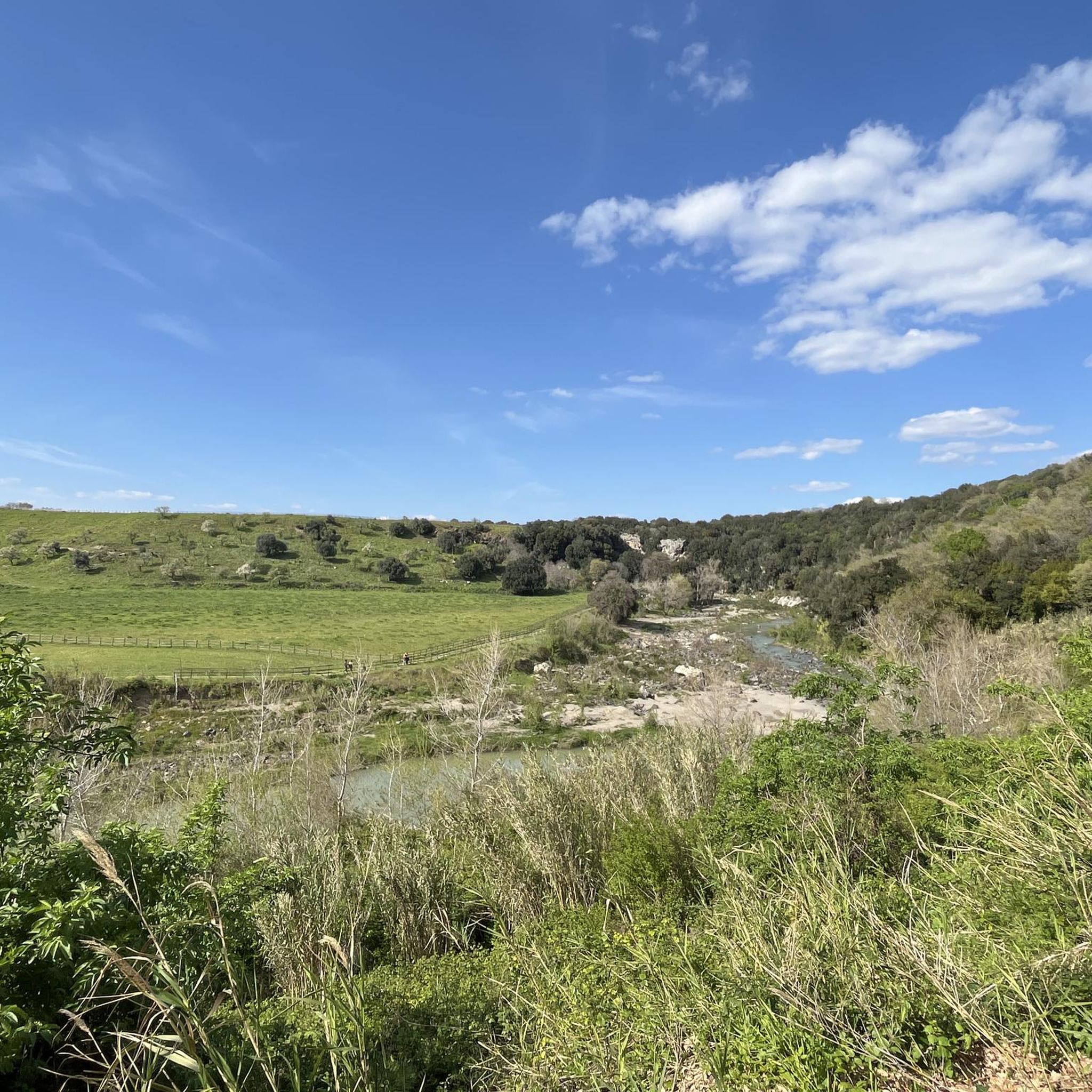
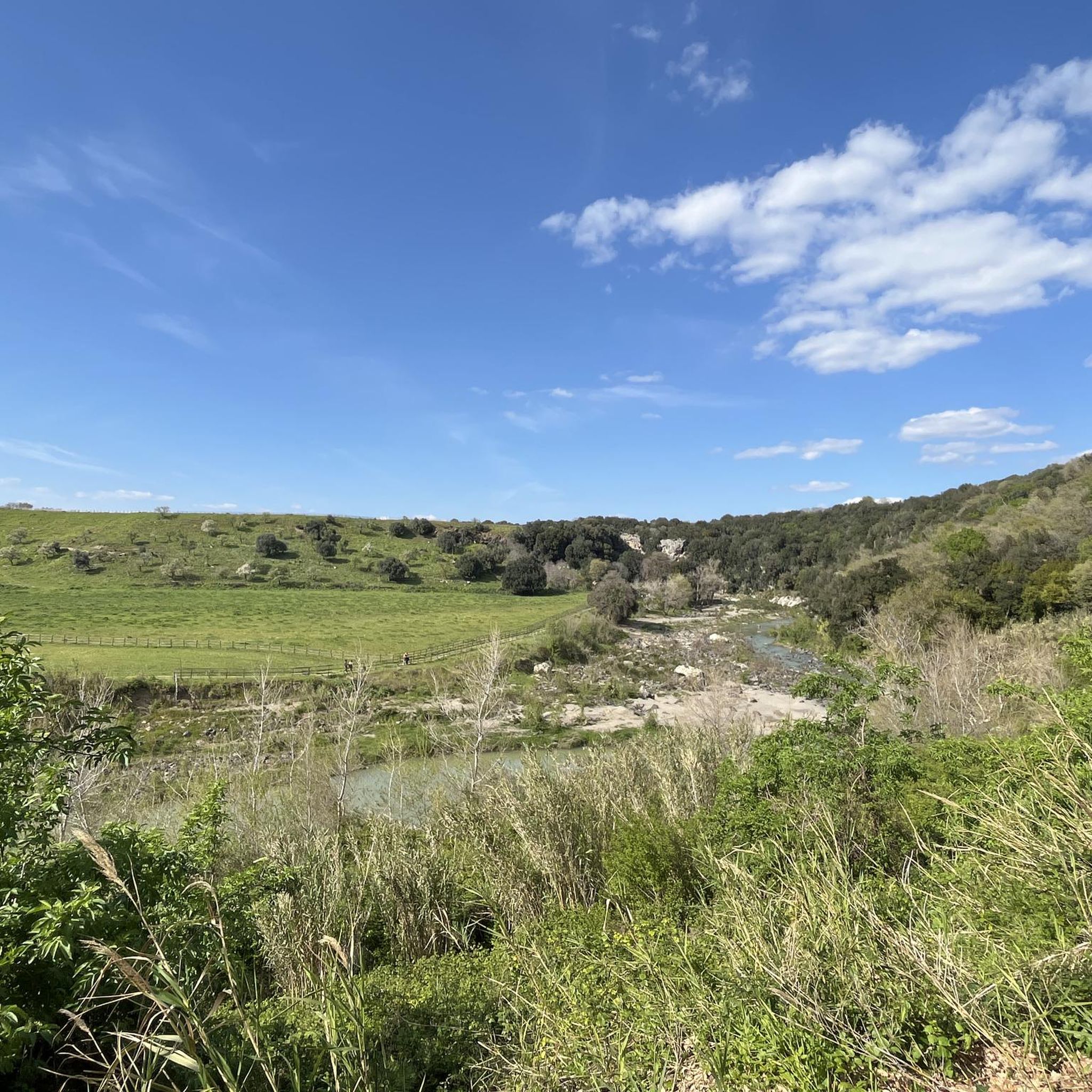
It can be reached after a walk (also accessible by bike) along a path that runs alongside the Fiora River; the last stretch is accessible only on foot. Impressive.
0
0

A very beautiful and quiet place. Ideal for switching off and relaxing.
1
0

Does anyone know if this is possible these days?
1
0

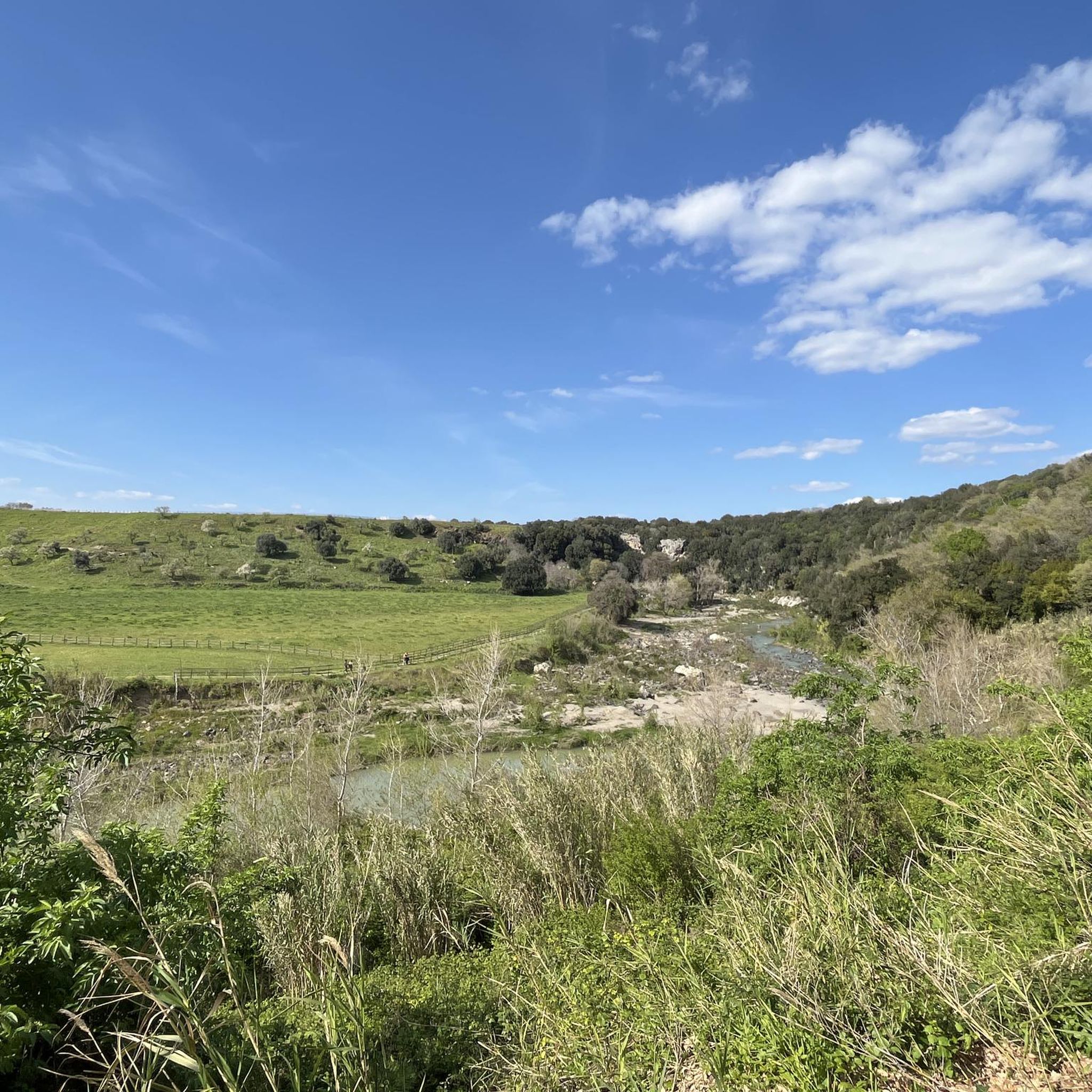
In February, after a little rain and only a little water in the ditch, the path here unfortunately becomes impassable because the mud is so deep that you get stuck. This is definitely not a cycling highlight. But I couldn't find an alternative on the map either!
2
0

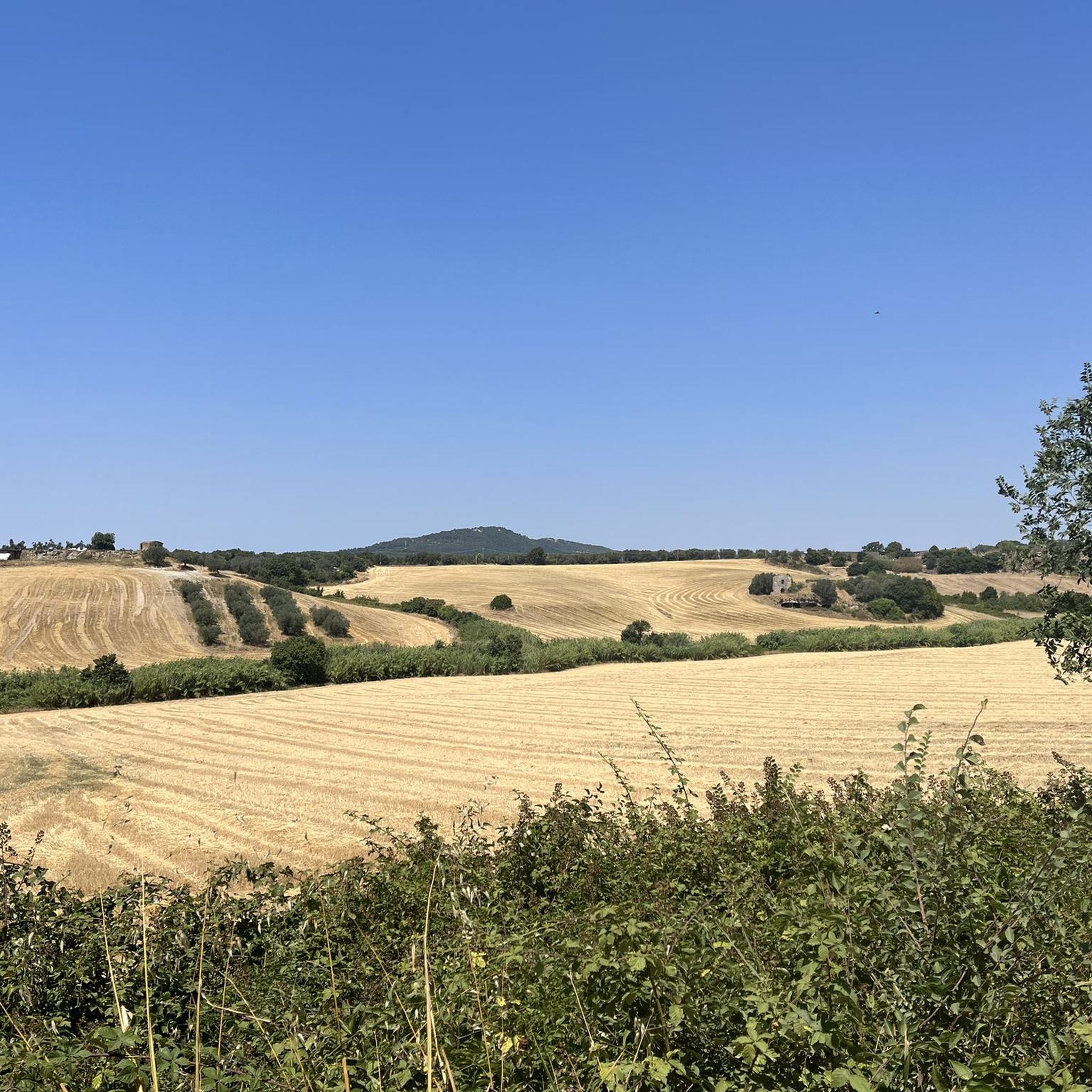
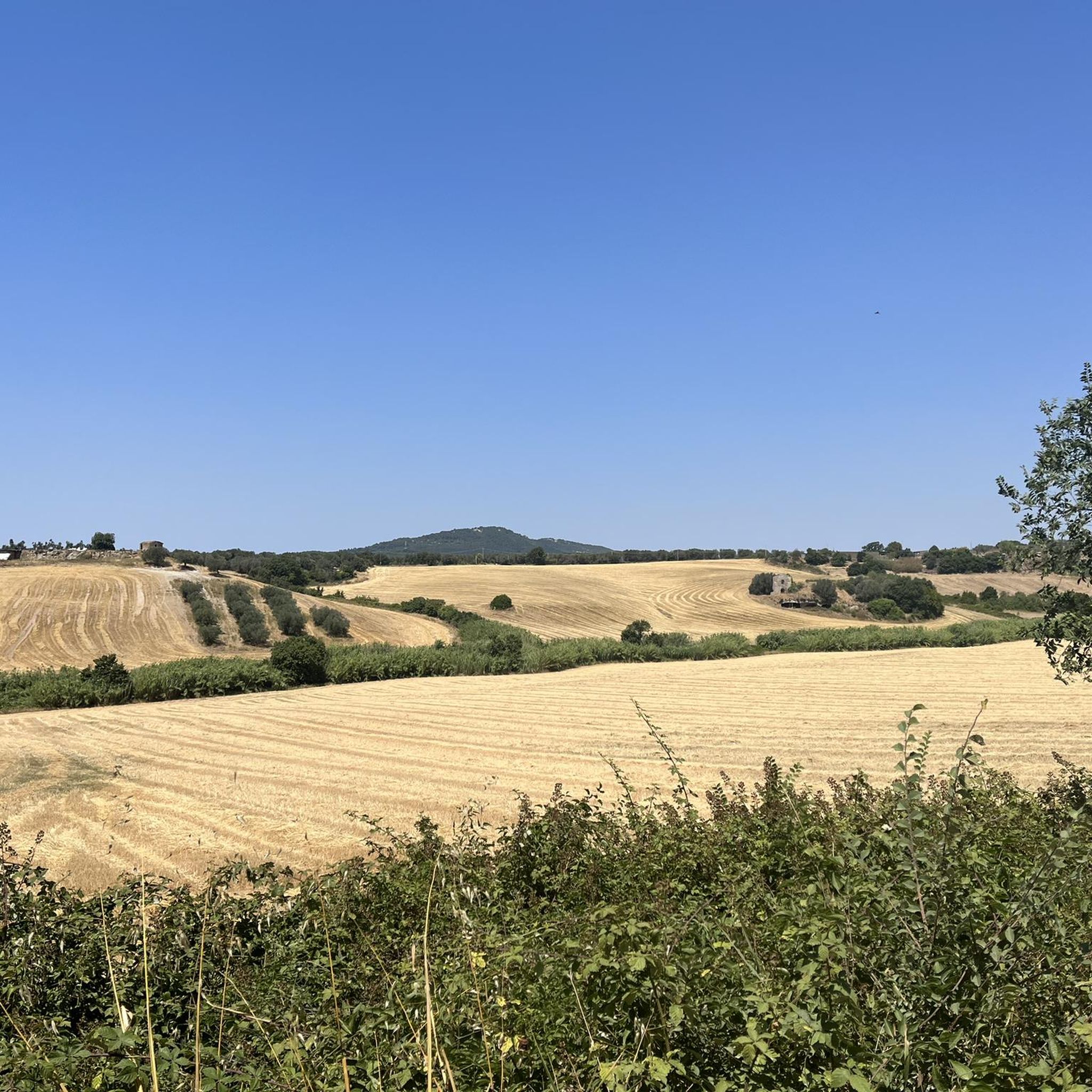
Vulci is an ancient Etruscan city 8 km from the Tyrrhenian Sea. Vulci was one of the Etruscan Twelve Cities. In history the city is mentioned only once on the occasion of a 280 BC. Mentioned of the triumph celebrated by the Romans over Vulci in the 4th century BC, when it was conquered by an army led by Tiberius Coruncanius. In 273, the Romans also made Cosa, which was part of Vulci as a port (today the ruins of Ansedonia), a colony. (Source: Wikipedia) The first parts of this ancient city were discovered in the 1950s. In 1970 another house was being built (party house?). The excavations are still ongoing. A visit to the archaeological park costs €10. There are signs for a long loop and a short loop. The long one supposedly lasts 3 hours, the short one 2 hours. We walked the long way (5km). It is advisable to follow the recommended walking direction, as most of the excavations can be seen at the beginning. You can then still decide whether to go the full round or not. It also makes sense not to go when it's too hot, as there is almost no shade.
1
0

Definitely worth a detour. You should take a few hours to a whole day because there is a lot to discover and visit.
0
0

Attention! in case of heavy rains the path is cut by the ditch in flood, so it becomes complicated and sometimes impossible to cross it... there is a possible alternative to go further, easily understood, but which is not advisable...
2
0

The waterfalls are located within the Selva del Lamone Regional Nature Reserve, to reach them it will be necessary to follow path no. 8 of the reserve.
2
0
Frequently Asked Questions
What historical and archaeological sites can I explore in Canino?
Canino is rich in history, particularly its Etruscan and Roman past. You can visit the ancient Etruscan city of Vulci Archaeological Site, which was one of the most important Etruscan settlements and features ongoing excavations and various tombs. The site also includes the National Archaeological Museum of Vulci within the Abbadia Castle and the impressive Roman-built Badia Bridge. Another significant historical site is the Poggio Conte Hermitage, a religious building with cave features and architectural elements reminiscent of 13th-century French culture, accessible via a path along the Fiora River.
Are there natural attractions or parks to visit near Canino?
Yes, the area around Canino offers several natural attractions. The Parco Naturalistico Archeologico di Vulci (Vulci Archaeological Nature Park) combines ancient ruins with beautiful natural scenery, including the picturesque waterfall on Lake Pellicone. You can also explore the WWF Oasis of Vulci, a protected natural area ideal for observing nature and wildlife. The Fiora River and its ravines provide scenic landscapes for outdoor activities.
What outdoor activities, like hiking or cycling, are available around Canino?
The region around Canino is excellent for outdoor enthusiasts. You can find numerous routes for various activities. For running, explore trails like the 'Running loop from Canino' or 'Running loop from Montalto di Castro' which are part of the Running Trails around Canino guide. Cyclists can enjoy routes such as the 'Badia di Vulci Castle – Castello della Badia loop from Canino' or 'Tuscania – Tuscania loop from Arlena di Castro' found in the Cycling around Canino guide. Road cyclists also have options like the 'Castello dell'Abbadia di Vulci – Esercizio Manca Market loop from Canino' from the Road Cycling Routes around Canino guide. The Fiora River ravines are also popular for hiking and horseback riding.
Can I find family-friendly activities or attractions in the Canino area?
While specific family-friendly attractions are not detailed, the natural parks and archaeological sites can be engaging for families. The Parco Naturalistico Archeologico di Vulci offers open spaces for exploration, and the Salabrone Waterfalls within the Selva del Lamone Regional Nature Reserve provide a beautiful and quiet place for a family outing. Exploring the olive groves and vineyards can also be a pleasant experience for all ages.
Where can I see waterfalls or unique geological features?
You can visit the beautiful Salabrone Waterfalls on the Olpeta river, located within the Selva del Lamone Regional Nature Reserve. Another picturesque spot is the waterfall on Lake Pellicone, found within the Parco Naturalistico Archeologico di Vulci. The Fiora River also carves deep ravines, creating scenic landscapes and geological formations worth exploring.
What is the significance of the Bonaparte family in Canino?
Canino has strong ties to the Bonaparte family, particularly Luciano Bonaparte, Napoleon's brother, who was Prince of Canino and Musignano. He resided in the Palazzo Bonaparte and is buried with his family in the Collegiata dei Santi Apostoli Giovanni e Andrea (Collegiate Church of Saints John and Andrew), which houses the Bonaparte Chapel. Musignano Castle was also given to Lucien Bonaparte by Pope Pius VII and served as his residence.
Are there any thermal baths or wellness spots nearby?
Yes, for wellness and relaxation, you can visit the Thermal Waters of Vulci (Terme di Vulci). These thermal baths offer natural benefits from their precious thermal water properties, providing an oasis for relaxation.
What are some lesser-known or hidden gems worth discovering in Canino?
Beyond the main attractions, consider exploring the former Convento di San Francesco with its 16th-century dodecagonal fountain designed by Jacopo Barozzi ('il Vignola'), which showcases splendid Renaissance architecture. The Church of the Holy Cross, with its late Renaissance façade and beautiful Romanesque portal, is another architectural gem. The Fosso del Tafone Crossing, though challenging in wet conditions, offers a unique natural experience.
When is the best time of year to visit Canino for outdoor activities?
Canino is nestled among hills rich in olive groves and vineyards, making spring and early autumn ideal for outdoor activities. Spring offers pleasant temperatures and the Green Asparagus Festival in April, while early autumn provides comfortable weather for hiking and cycling amidst picturesque views. The Olive Festival in early December also highlights the region's agricultural heritage.
What historical buildings can I see within Canino town?
Within Canino town, you can admire several historical buildings. The Palazzo Bonaparte is a notable landmark associated with Luciano Bonaparte. The Palazzo Comunale (Town Hall), built in 1696, and the Palazzo Miccinelli, dating back to the second half of the 15th century, are also significant architectural points of interest. Don't miss the former Convento di San Francesco and its unique 16th-century dodecagonal fountain.
Are there any other historical towns or villages to visit near Canino?
Yes, nearby, you can visit Tuscania Historic Center, one of the most fascinating villages in Tuscia. It offers a rich mix of Etruscan testimonies and medieval architecture, making it a timeless village worth exploring for a few hours or even a full day.

Get inspired with the komoot mobile app


Explore more
Still not found the Highlight you’re looking for? See guides of the top attractions in other regions:
