Attractions and Places To See around Biddamanna Istrisàili/Villagrande Strisaili - Top 20
Best attractions and places to see around Biddamanna Istrisàili/Villagrande Strisaili include a variety of natural landscapes and archaeological sites. Located in the Gennargentu mountains, the region is characterized by its natural beauty, including waterfalls and gorges. Visitors can explore numerous prehistoric remains, offering insights into Sardinia's ancient Nuragic civilization. The area provides opportunities for outdoor activities and cultural exploration.
Best attractions and places to see around Biddamanna Istrisàili/Villagrande Strisaili
- The most popular attractions is Arbatax Red Rocks, a natural…
Last updated: May 25, 2026
Summit of Punta La Marmora
Highlight • Summit
Translated by Google •
Tip by

Pedra Longa Rock Formation
Highlight (Segment) • Natural Monument
Translated by Google •
Tip by

Sign up now to discover places like this
Get recommendations on the best single tracks, peaks, & plenty of other exciting outdoor places.
Sign up for free
Punta Paulinu
Highlight • Summit
Translated by Google •
Tip by

Mount Bruncu Spina
Highlight • Summit
Translated by Google •
Tip by

Is Tostoinus Nuragic Village
Highlight • Historical Site
Translated by Google •
Tip by

Sign up for free to discover even more attractions around Biddamanna Istrisàili/Villagrande Strisaili.
Sign up for free
Already have an account?
Start today with a free account
Your next adventure awaits.
Login or Signup
Popular around Biddamanna Istrisàili/Villagrande Strisaili
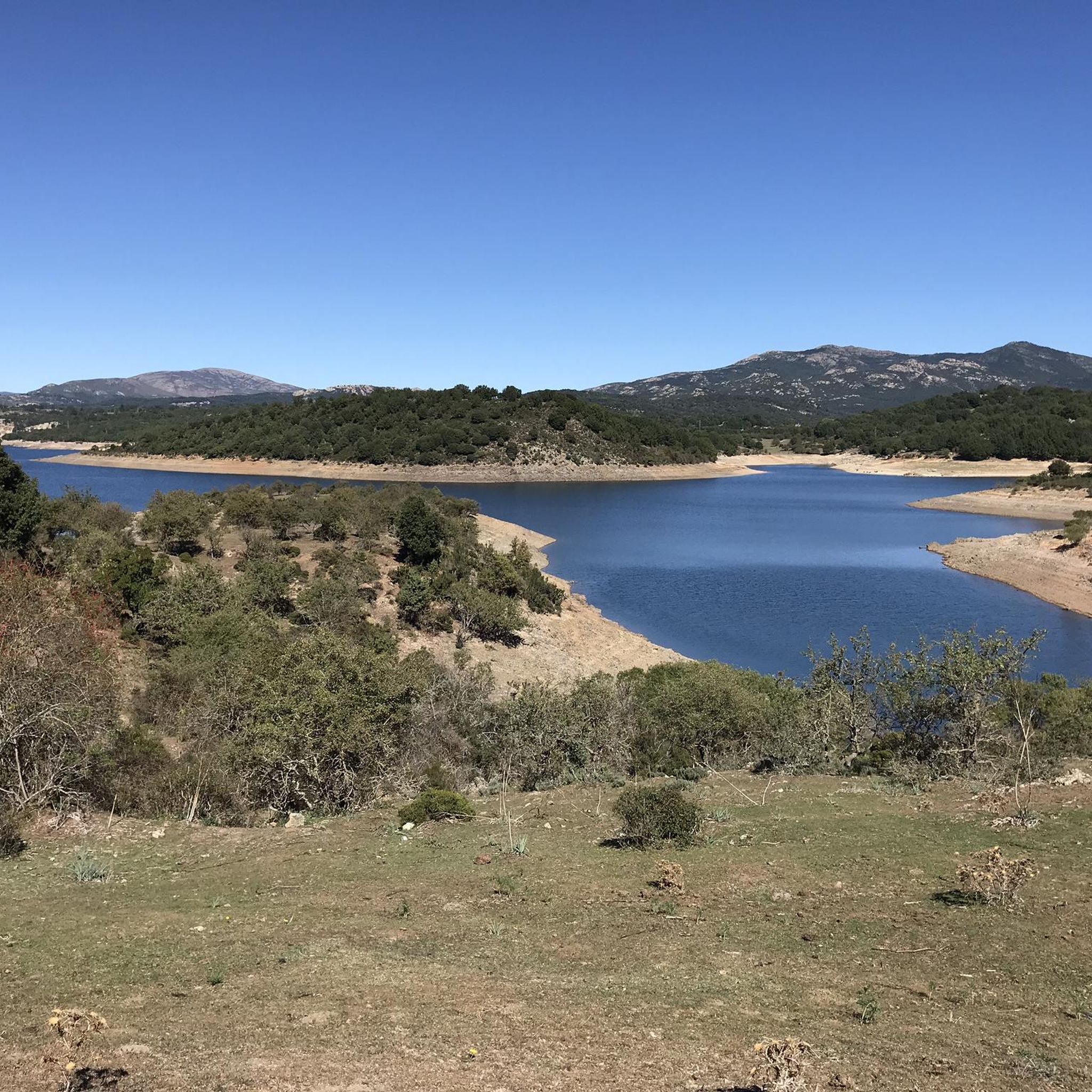
Hiking around Biddamanna Istrisàili/Villagrande Strisaili
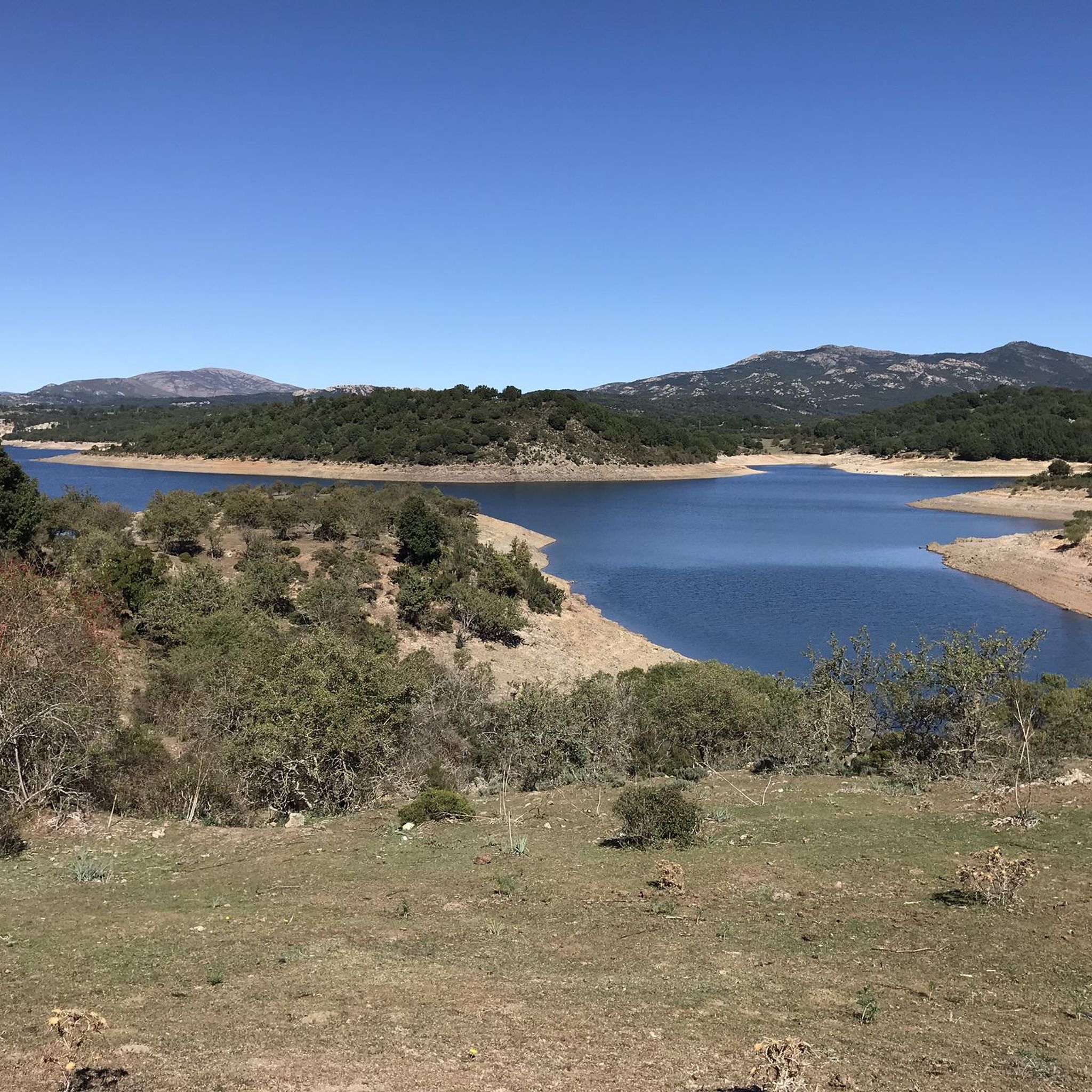
Road Cycling Routes around Biddamanna Istrisàili/Villagrande Strisaili
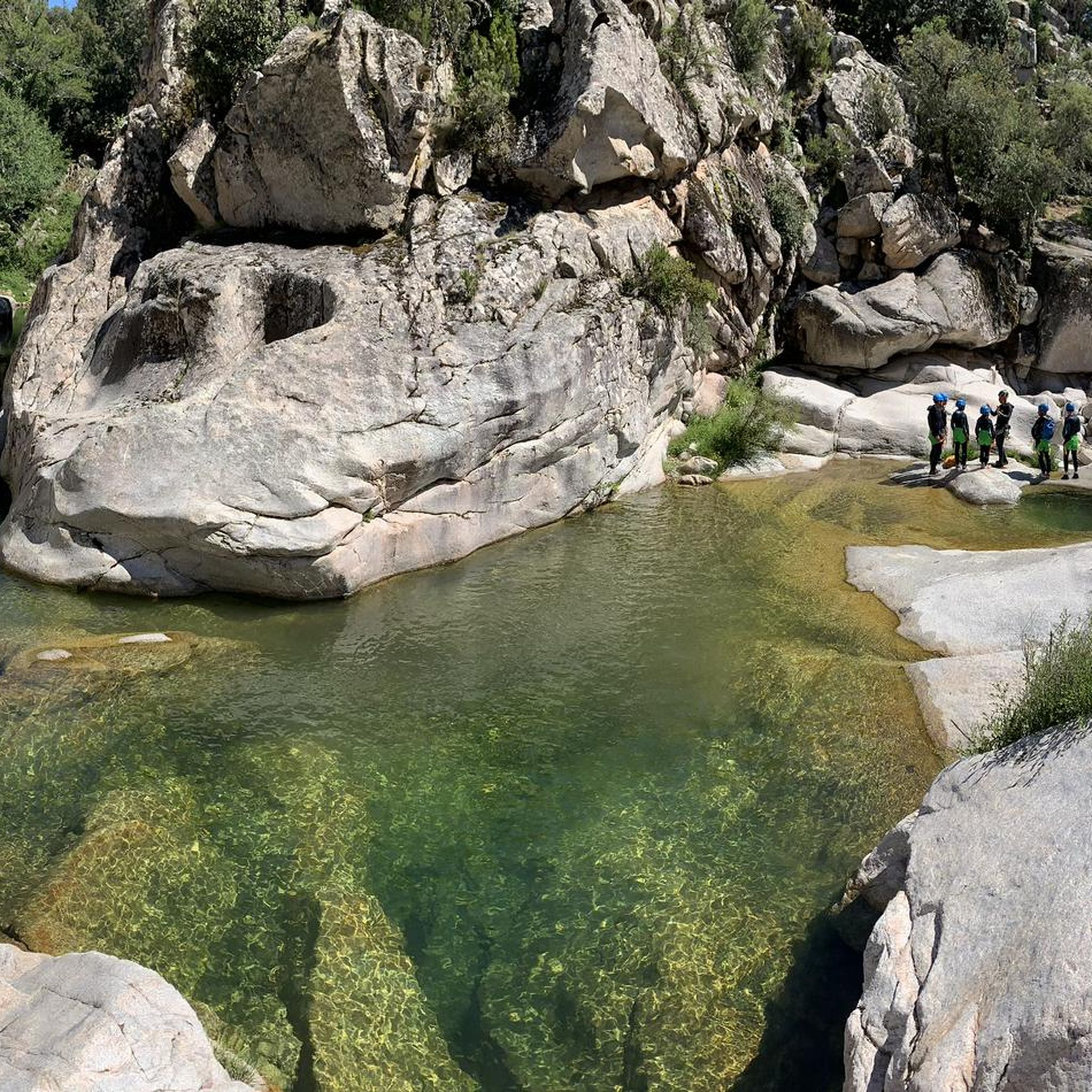
Running Trails around Biddamanna Istrisàili/Villagrande Strisaili
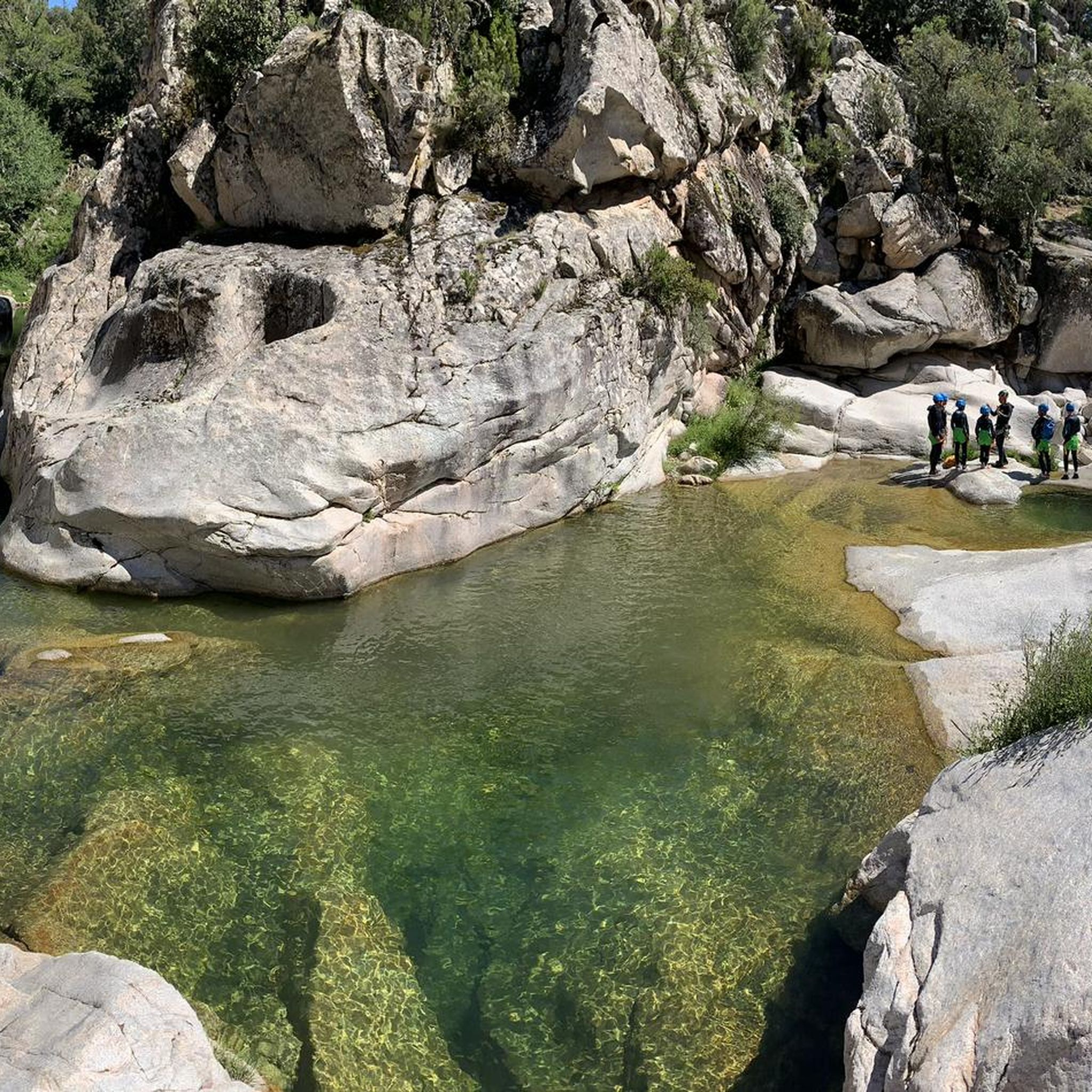
Cycling around Biddamanna Istrisàili/Villagrande Strisaili
MTB Trails around Biddamanna Istrisàili/Villagrande Strisaili

Mountain Hikes around Biddamanna Istrisàili/Villagrande Strisaili

Gravel biking around Biddamanna Istrisàili/Villagrande Strisaili
Tips from the Community

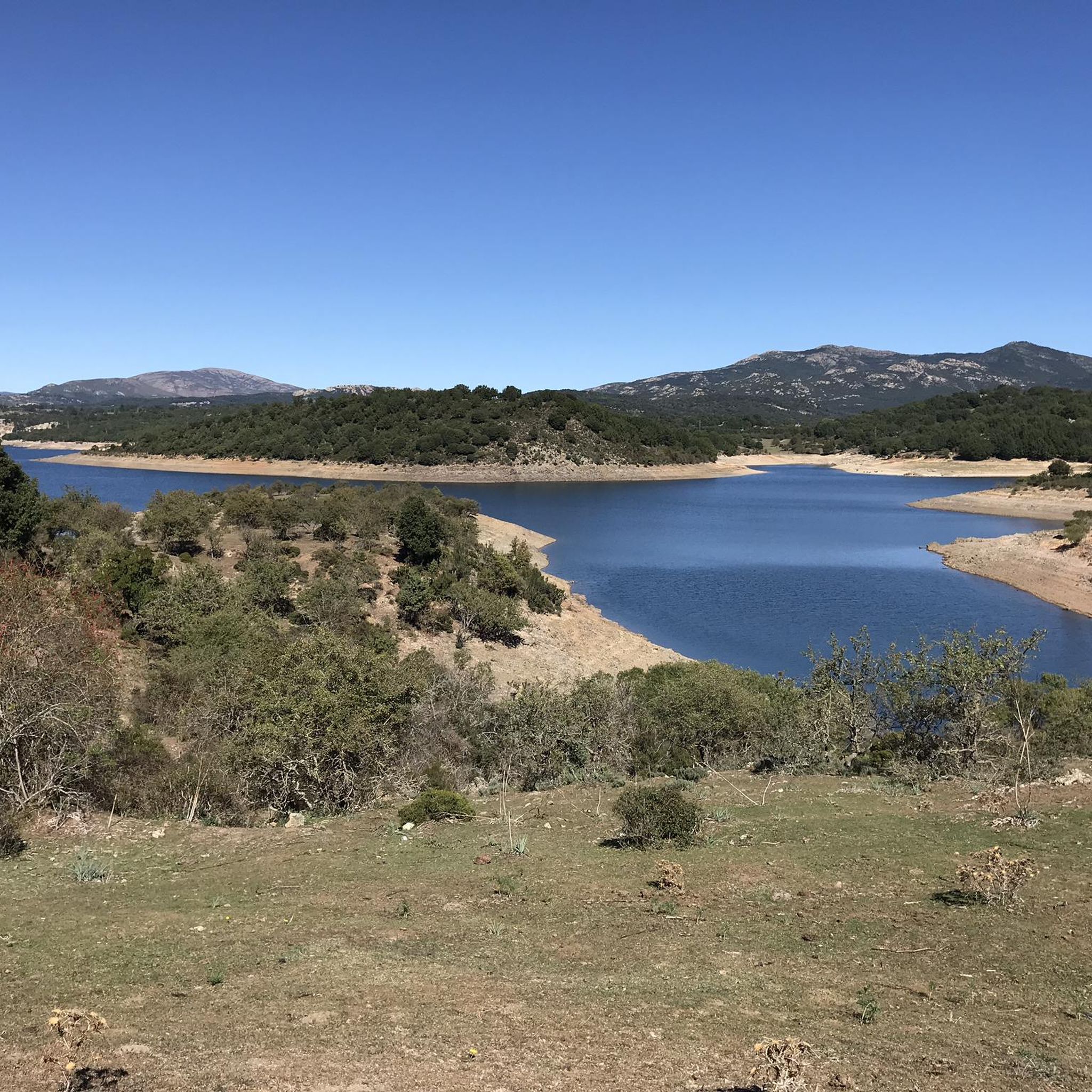
Great view. Beautiful area.
0
0

Not a Nuraghi, but a wonderfully maintained rest area!
0
0

With an all-mountain mountain bike you can do almost everything on the bike, both uphill and downhill
1
0

The German-language television series “Treasures of the World – Heritage of Humanity” – which I fully recommend in my opinion – devotes a quarter of an hour to the UNESCO world cultural heritage of the “NURAGHI” in Sardinia and the traditional shepherd’s song there, known as “Canto a Tenore”. The text accompanying the program says “Over seven thousand round towers made of stone pieces weighing tons are scattered all over Sardinia. Often only the stumps of these megalithic buildings, called nuraghi, remain. The first were around 1400 BC. Built. Small stones were placed between the mighty blocks, a construction method that made the stone towers collapse-proof.” This article (episode 413 of the series) is available in the ARD media library under the following link: https://www.ardmediathek.de/video/schaetze-der-welt/sardinien/3sat/Y3JpZDovL3N3ci5kZS8xNTg4MzM5MA
3
1

Imagine standing on the highest point in Sardinia, Punta La Marmora, and your gaze sweeps over the entire island. On a clear day you can even see the silhouettes of Corsica on the horizon. You can put this experience into practice by hiking to the summit of this 1,834 meter high elevation. Ideally, start your tour in the parking area at Rifugio Sa Crista or Rifugio S’Arena near Desulo. The route is not short at 15.5 kilometers, but it rewards you with an incredible variety of landscapes. Within a walking time of three and a half to four and a half hours, you will cross picturesque forests, pass flowering meadows and hike across impressive boulder and craggy terrain. Among other things, it goes over the summits of Bruncu Spina and Punta Paulinu. As you climb from Bruncu Spina towards Punta La Marmora, a huge summit cross might lead you astray. But don't be fooled, because the true summit is only reached when you reach the small rock pyramid that marks the top of La Marmora. The peak itself was named after the general and scientist Alberto Ferrero della Marmora, who described Sardinia in detail in his works. His love for the island will become clear to you at the summit when you enjoy the breathtaking view. You should be well prepared for this hike. This means: Sturdy hiking boots, enough water and sun protection should be in your luggage. If you need refreshment in between, you can stop off in the towns of Desulo or Fonni. The months from June to September are ideal for the tour. But Punta La Marmora is actually a year-round hiking destination for everyone who is looking for something special. Ready for this adventure? Then lace up your hiking boots and experience Sardinia at its best!
5
2

Climbing to Punta La Marmora from Bruncu Spina you first reach the pre-summit, which is misleading with its enormous summit cross. To reach the highest peak in Sardinia, you need to continue further south until you reach a small rock pyramid. This marks La Marmora's peak share of 1,833.
3
2
If you reach Punta Paulinu from Mount Bruncu Spina by walking on the high path, as you approach the rocky peak you can see on the left (towards the south-east) the famous rock formation called "Arcu Gennargentu", which is a set of three rocks that it forms a natural arch overlooking Mount Bruncu Spina on one side and the Sardinian panorama to the east.
2
2
Frequently Asked Questions
What natural wonders can I explore around Villagrande Strisaili?
The region is rich in natural beauty. You can explore the vast Gennargentu National Park, which offers immersive adventures and is home to mouflons and royal eagles. Don't miss the impressive Arbatax Red Rocks, a natural monument with unique red porphyry cliffs, or the iconic Pedra Longa Rock Formation along the coast.
Are there any waterfalls or gorges to visit in the area?
Yes, Villagrande Strisaili is dotted with impressive waterfalls and canyons. Highlights include the magnificent Sothai Waterfall, where the Flumendosa river cascades into the Bau Vigo canyon. You can also discover the wild natural treasures of Rio 'e Forru Falls and the Piricanis Gorges near Villanova Strisaili, accessible via a marked trail. The Baumela Waterfalls are another beautiful spot within the territory.
What historical and archaeological sites can I visit?
The area is exceptionally rich in prehistoric Nuragic remains. You can explore sites like S'Arcu 'e is Forros, an important Nuragic sanctuary-village near the Flumendosa lake, and Sa Carcaredda, which features an ancient temple and massive Giants' Tombs. The Is Tostoinus Nuragic Village is another significant historical site preserving traces of this ancient civilization.
What are the highest peaks in the Villagrande Strisaili region?
The highest peak in Sardinia, Punta La Marmora, at 1,834 meters, is located in the Gennargentu mountain range near Villagrande Strisaili. A hike to Summit of Punta La Marmora offers stunning views. The second highest peak is Mount Bruncu Spina, standing at 1,829 meters.
Are there family-friendly attractions around Villagrande Strisaili?
Absolutely. The Arbatax Red Rocks are considered family-friendly and offer fascinating rock formations directly on the harbor. The Is Tostoinus Nuragic Village is also suitable for families, offering a glimpse into ancient history. Additionally, the Santa Barbara Wood provides equipped picnic areas and easy trails for nature lovers of all ages.
What kind of outdoor activities can I do near these attractions?
The region offers diverse outdoor activities. You can enjoy various mountain hikes, including challenging routes to peaks like Punta La Marmora. There are also opportunities for cycling and gravel biking on scenic routes. For detailed routes and guides, you can explore options like Mountain Hikes around Biddamanna Istrisàili/Villagrande Strisaili, Cycling around Biddamanna Istrisàili/Villagrande Strisaili, and Gravel biking around Biddamanna Istrisàili/Villagrande Strisaili.
What is the Santa Barbara Wood and what makes it special?
The Santa Barbara Wood (Bosco di Santa Barbara) is an extensive forest known for its centuries-old oak trees and natural springs. It's not just a natural haven but also holds significant archaeological importance, with numerous prehistoric remains including seven Giants' Tombs and seventeen nuraghi. It's an ideal spot for nature walks and picnics.
What local culinary specialties should I try in Villagrande Strisaili?
Villagrande Strisaili is known for its delicious culinary specialties. Be sure to try is culurgiones, a traditional Sardinian ravioli filled with potatoes and pecorino cheese. The region is also famous for its high-quality ham.
Are there any notable religious sites in Villagrande Strisaili?
Yes, the main church in the village is the Parish Church of San Gabriele. Other significant religious sites include the Church of Santu Giaccu, which is part of a religious procession on Palm Sunday, and the Country Church of Santa Barbara, where a popular feast is celebrated annually in July.
What is the best time to visit Villagrande Strisaili for outdoor activities?
The months from June to September are generally ideal for hiking and exploring the peaks like Punta La Marmora. However, the region is considered a year-round destination for those seeking special outdoor adventures. Always check local weather conditions before planning your trip.
Where can I find ancient Nuragic structures like Giants' Tombs and Nuraghi?
Villagrande Strisaili is exceptionally rich in Nuragic archaeological sites. You can find 26 Giants' Tombs and 30 Nuraghi scattered across the territory. Notable locations include Sa Carcaredda with its four massive Giants' Tombs, and the Santa Barbara Park which contains seven Giants' Tombs and seventeen Nuraghi. The Troculu Complex also features two Nuraghi and a Giants' Tomb.
What makes the coastal rock formations like Arbatax Red Rocks and Pedra Longa unique?
The Arbatax Red Rocks are striking red porphyry cliffs shaped by wind and water into unique geometric forms, offering spectacular views, especially at sunset. The Pedra Longa Rock Formation is a natural monument on the east coast, known for its dramatic vertical spire that rises from the sea, serving as a landmark along coastal trails.
Most popular routes around Biddamanna Istrisàili/Villagrande Strisaili
Most popular attractions around Biddamanna Istrisàili/Villagrande Strisaili

Get inspired with the komoot mobile app


Explore more
Still not found the Highlight you’re looking for? See guides of the top attractions in other regions:
