Attractions and Places To See around Molare - Top 20
Best attractions and places to see around Molare offer a blend of historical landmarks, natural beauty, and cultural experiences within Italy's Piedmont region. Situated about 90 kilometers southeast of Turin, this area is recognized for its rich historical and artistic heritage. The surrounding landscape provides opportunities for outdoor activities like hiking and cycling. Molare is located within the UNESCO World Heritage Site of Langhe, Roero and Monferrato, known for its wine-growing landscapes and ancient villages.
Best attractions and places to…
Last updated: May 9, 2026
Monte Beigua
Highlight • Summit
Translated by Google •
Tip by

Croce del Beigua
Highlight • Monument
Translated by Google •
Tip by

Sign up now to discover places like this
Get recommendations on the best single tracks, peaks, & plenty of other exciting outdoor places.
Sign up for free
Medieval Bridge and Monumental Oak Tree, Tiglieto
Highlight • Bridge
Translated by Google •
Tip by

Historic Center of Sassello
Highlight • Settlement
Translated by Google •
Tip by
Albarola Tower
Highlight • Historical Site
Translated by Google •
Tip by

Sign up for free to discover even more attractions around Molare.
Sign up for free
Already have an account?
Start today with a free account
Your next adventure awaits.
Login or Signup
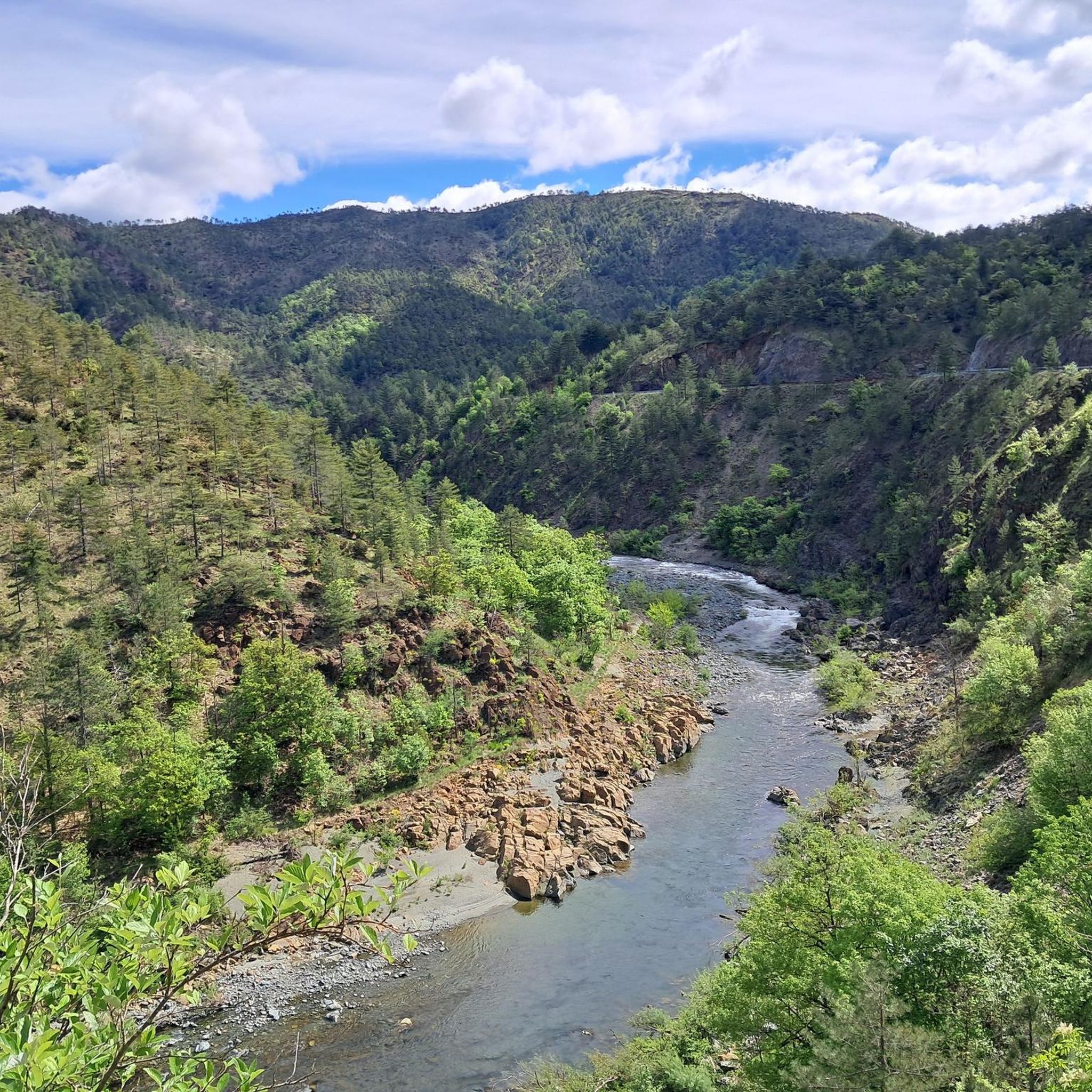
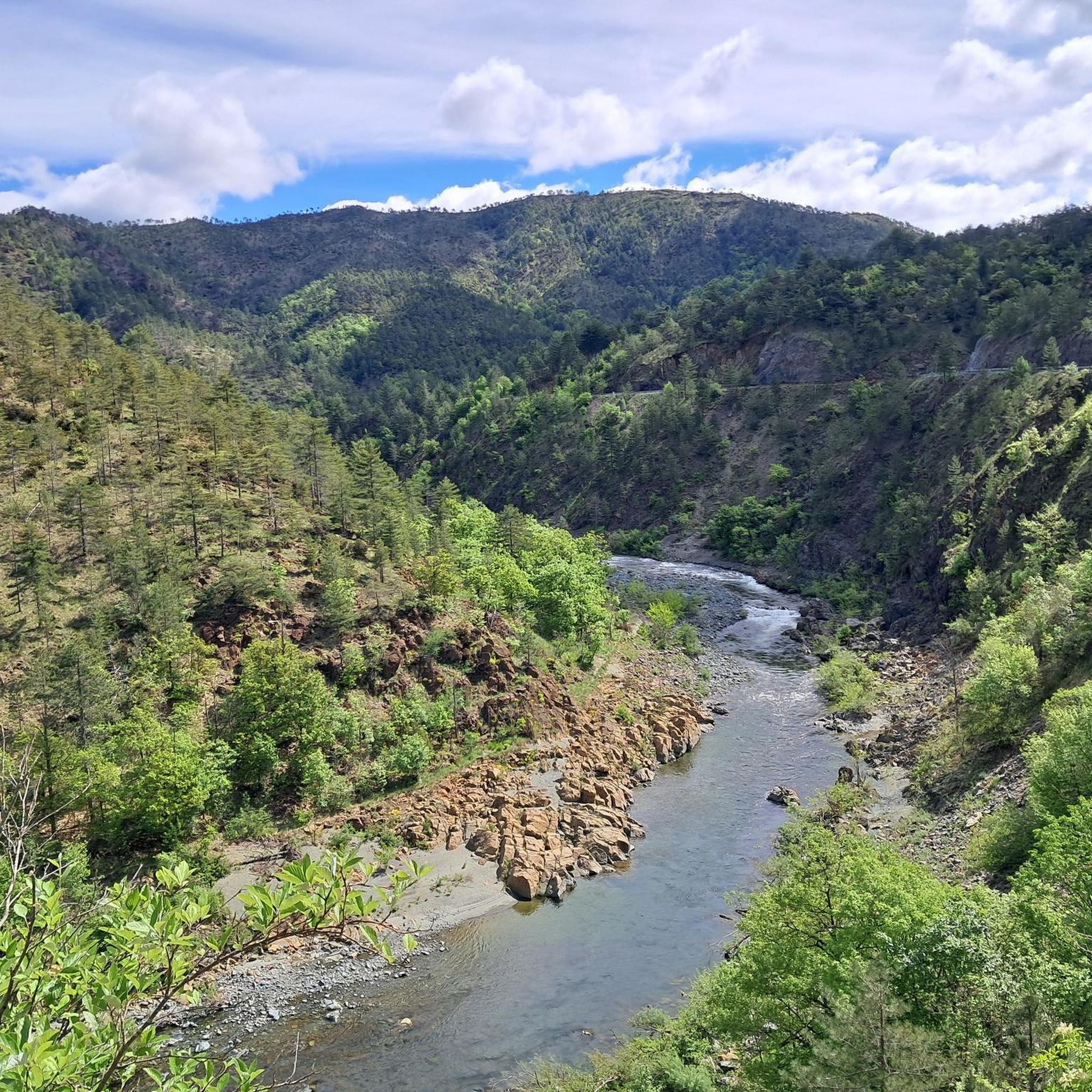
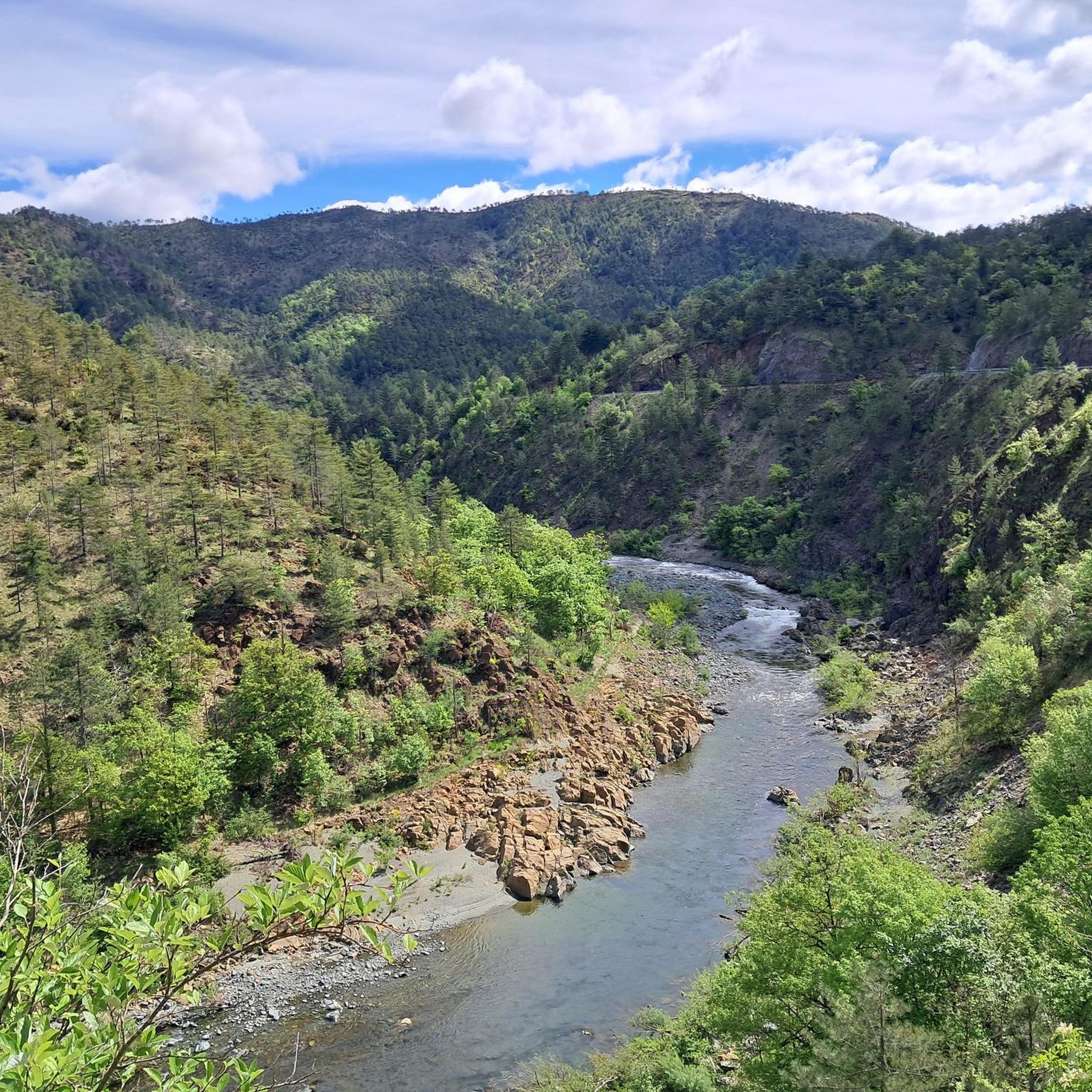
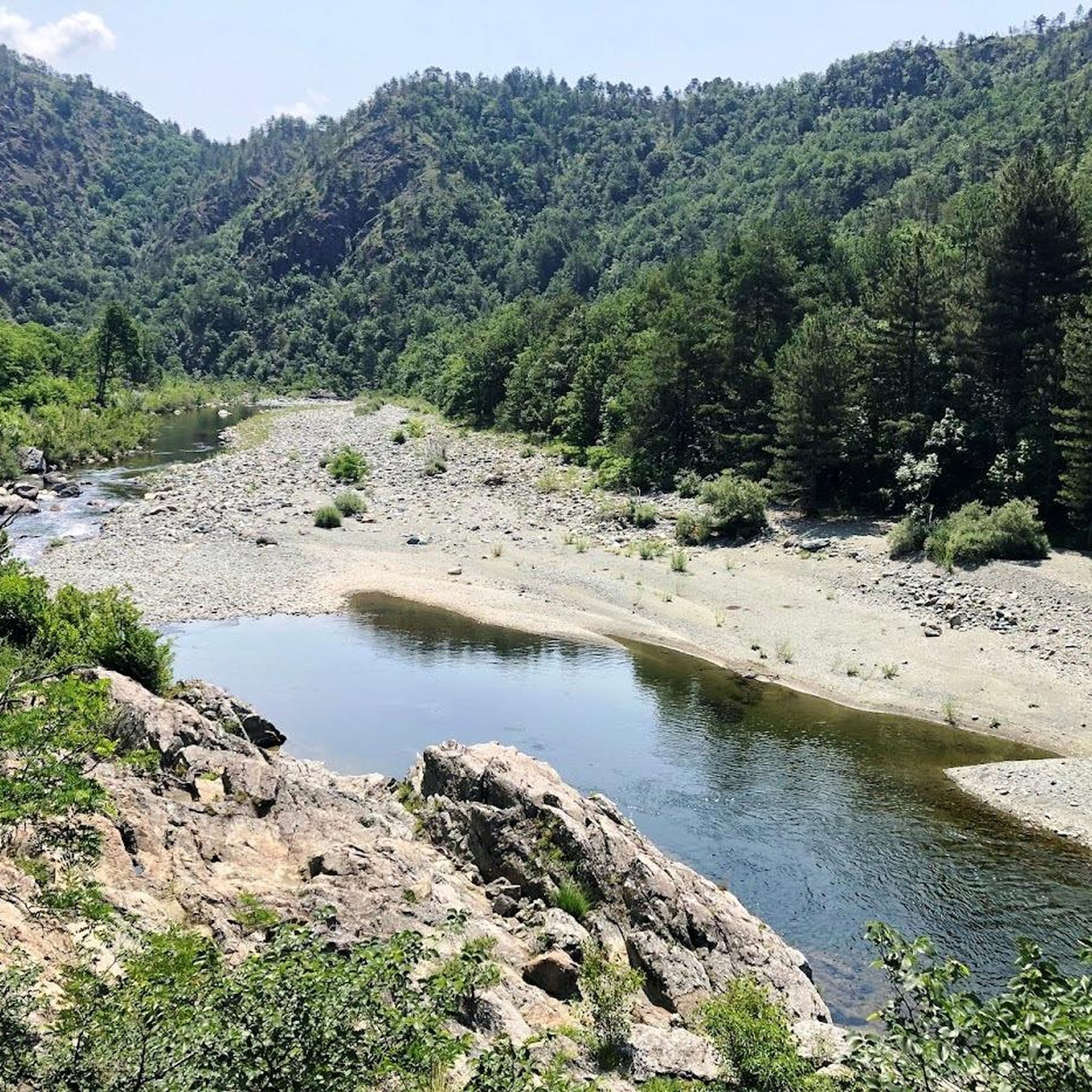

Tips from the Community

The historic center of Sassello, nestled in the Savona hinterland, has ancient origins linked, according to legend, to the Romans Statielli and the Saracens (10th-century tower). Characterized by a medieval atmosphere, the village is known for its typical architecture, the historic production of amaretti (since 1860), and places of worship such as the Church of the Holy Trinity and the Basilica of the Immaculate Conception.
7
0
Mount Beigua is a mountain range in the Ligurian Apennines, 1,287 meters above sea level, located on the Ligurian-Po watershed. It is the highest peak of the so-called "Beigua group," which includes nearby Mount Grosso, Mount Ermetta, and Bric Veciri.
11
0

the Beigua cross is a church with a huge cross visible from far away
0
0

The concept chosen by the architect for the "Croce del Beigua" does not conform to the usual pattern followed by many summit crosses. Rather than having a classic base as its foundation, it "grows" out of the roof of the chapel standing there, rising towards the sky in a massive form. The choice of material used for the construction – exposed concrete – clearly indicates its affiliation with the era of so-called "Brutalism." This is a modern architectural style that was popular in the post-World War II era and deliberately avoids cladding or painted concrete. Another striking feature is that one of the cross's two crossbeams is fitted with a railing.
0
0

Sassello, on the border between Piedmont and Liguria, has a wonderful centre where one could shoot films about the Middle Ages.
0
0

Popular legends linked to its origin and age gather around the Rovere di Tiglieto. In fact, it was said that it had been planted by Napoleon's troops during the Italian Campaign. Other sources report that a horseshoe bearing the symbol "N", the imperial monogram, was nailed to the trunk of the plant. It is said that a Dragoon of the French army, passing through the area and forced to change his horse's shoes, wanted to leave a sign of his passage. Some old people in the town say that as children they saw iron sticking out of the trunk. Today, on the surface of the trunk, there is no longer any trace of it, perhaps completely incorporated into the bark.
0
0
Mount Beigua (Munte Beigua or Mount Beigoa in Ligurian) is a mountainous relief in the Ligurian Apennines, 1287 m high above sea level, which rises on the Ligurian-Po Valley watershed. It is the highest peak of the so-called "Beigua group", which includes the nearby Monte Grosso (1265 m), Monte Ermetta (1267 m), Bric Veciri (1264 m), Monte Avzè (1022 m).
1
0

Fantastic view and satisfaction of getting there
1
0
Frequently Asked Questions
What natural features can I explore around Molare?
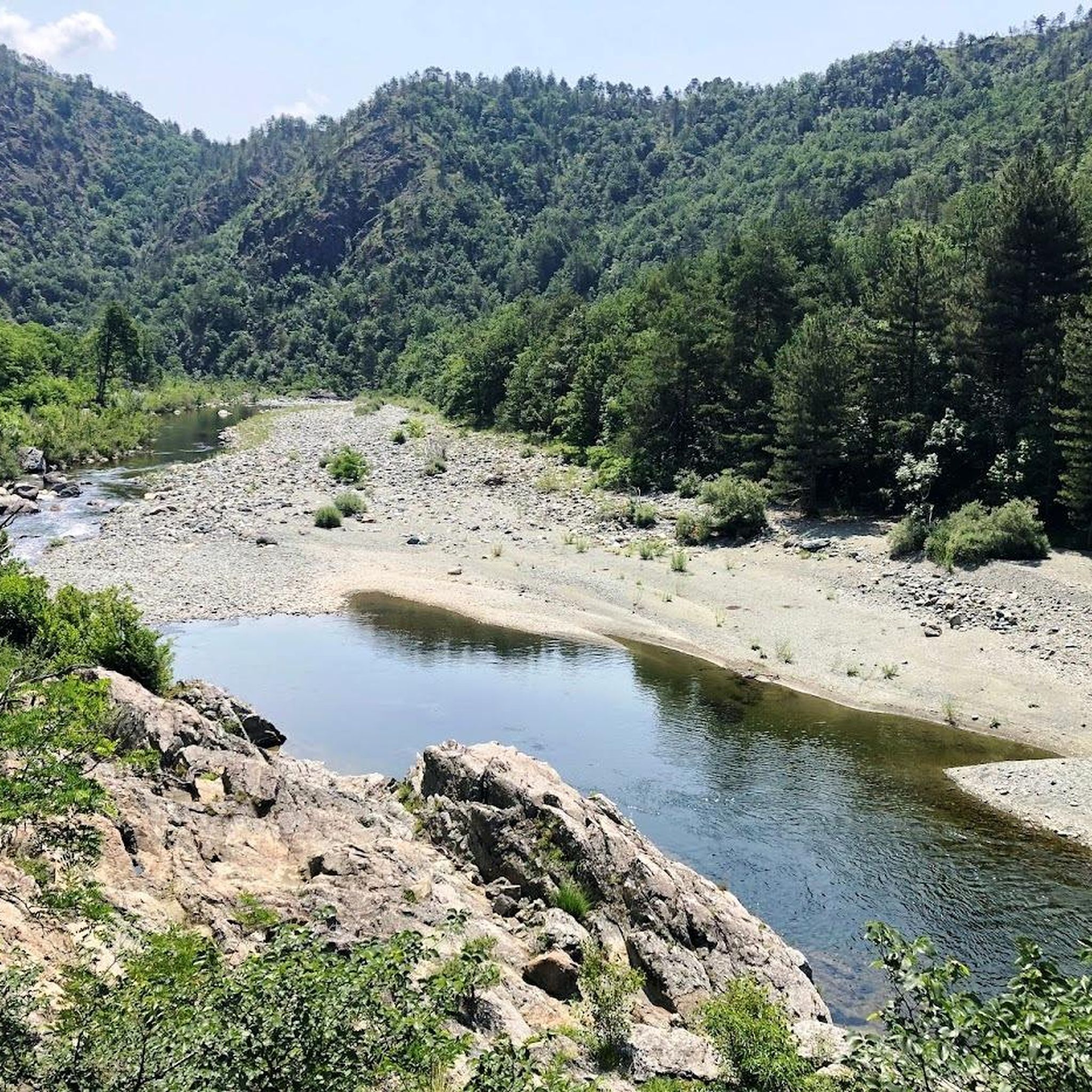
The Molare area offers diverse natural beauty. You can visit Medieval Bridge and Monumental Oak Tree, Tiglieto, which features a scenic itinerary along the Orba stream with gorges and waterfalls. For panoramic views, consider hiking to Monte Beigua or Monte Pracaban Summit, both offering magnificent vistas of the Ligurian Gulf, Apennines, and even the Piedmontese Alps on clear days.
Are there historical landmarks to visit in the Molare area?
Yes, Molare is rich in historical landmarks. You can explore the ruins of the Albarola Tower, an ancient defensive sighting system with expansive views. Nearby, you'll find several castles mentioned in the region's history, such as Castello Pallavicino (Morsasco Castle), Castello Malaspina, and Castello di Tagliolo, the latter also housing a winery.
What kind of outdoor activities are available near Molare?
The varied terrain around Molare and the Monferrato region provides numerous opportunities for outdoor enthusiasts. You can find many hiking and cycling trails. For specific routes, check out the guides for Hiking around Molare, Cycling around Molare, and Gravel biking around Molare.
Are there family-friendly attractions or activities around Molare?
Yes, several attractions are suitable for families. The Medieval Bridge and Monumental Oak Tree, Tiglieto offers a pleasant walk through woods and along the stream. The Historic Center of Sassello, with its medieval atmosphere and famous amaretti, is also a charming spot for families to explore.
Where can I find scenic viewpoints in the Molare region?
For breathtaking panoramas, head to Monte Beigua or Monte Pracaban Summit, both offering extensive views. The ruins of the Albarola Tower also provide an exceptional panoramic point, sweeping from the Piota valley to the Apennine arc and the Po Valley.
What is the best time of year to visit Molare for outdoor activities?
The Molare region, like much of Piedmont, is generally pleasant for outdoor activities from spring through early autumn. Spring offers lush greenery and comfortable temperatures, while autumn brings vibrant fall colors, especially in the wine-growing landscapes, and is ideal for hiking and cycling. Summer can be warm, but higher elevations like Monte Beigua offer cooler air.
Can I find challenging hiking trails near Molare?
Yes, the area offers trails of varying difficulties. While specific challenging routes are best found in the dedicated Hiking around Molare guide, summits like Monte Beigua are categorized as challenging and provide rewarding experiences for experienced hikers.
Is Molare known for any specific local products or cuisine?
Molare is situated within the broader Langhe, Roero and Monferrato region, which is renowned for its deeply rooted wine and food tradition. The area is famous for producing great Italian wines like Barolo and Barbaresco. Additionally, the nearby Historic Center of Sassello is known for its traditional production of amaretti sweets and porcini mushrooms.
What makes the Langhe, Roero and Monferrato region, where Molare is located, special?
Molare is nestled within the UNESCO World Heritage Site of Langhe, Roero and Monferrato. This region is celebrated for its breathtaking wine-growing landscapes, gentle hilly expanses, ancient villages, and imposing castles perched on hilltops. It's a significant area for Italian wine production and offers a rich cultural and gastronomic heritage. You can learn more about this region on Italia.it.
Are there any hidden gems or less-known spots worth discovering near Molare?
Beyond the main attractions, exploring the smaller villages and their surroundings can reveal hidden gems. The area around Tiglieto, with its medieval bridge and ancient oak, offers a tranquil escape. The ruins of the Albarola Tower, while historical, are also a less-frequented spot offering unique views and a sense of history.
What do visitors particularly enjoy about the attractions near Molare?
Visitors appreciate the blend of historical sites, natural beauty, and cultural experiences. Highlights like the Medieval Bridge and Monumental Oak Tree, Tiglieto are loved for their scenic itineraries and natural charm. Summits such as Monte Pracaban Summit are praised for their magnificent panoramas, offering interesting observation points of the surrounding landscape.
Are there easy walking paths suitable for beginners or casual strolls?
Yes, the Molare area offers easy walking paths. For example, the 'San Luca Loop Trail' is an easy option for a casual stroll. You can find more details and other routes in the Hiking around Molare guide, which includes trails suitable for various fitness levels.
Most popular attractions around Molare

Get inspired with the komoot mobile app


Explore more
Still not found the Highlight you’re looking for? See guides of the top attractions in other regions:
