Attractions and Places To See around Romano Canavese - Top 20
Best attractions and places to see around Romano Canavese, located in Piedmont, offer a blend of historical landmarks, unique natural features, and cultural sites. The area is characterized by its Roman origins and medieval developments, providing a rich historical context. Visitors can explore significant geological formations like the Ivrea Morainic Amphitheater and enjoy diverse landscapes including lakes and morainic hills. The region is well-suited for outdoor activities, with numerous paths for hiking and cycling.
Best attractions and places to see around Romano Canavese
- The most popular attractions is Gate Tower and Corner Tower of Piverone, a historical site that preserves parts of an ancient shelter, including a 13th-century access tower and north-east corner tower. These structures offer a glimpse into the village's medieval past and its position on the Via Francigena.
- Another must-see spot is Lake Pistono and the Archaeological Park of the Stilt Houses, a lake and historical site. This park features a full-scale reconstruction of an ancient village, illustrating how people lived 6500 years ago, alongside views of the lake and Montalto castle.
- Visitors also love The Dancing Lands, a natural monument. This unique forest grows on peat soil resting on water, causing the ground and nearby plants to move when stepped on, creating a distinctive "dancing" effect.
- Romano Canavese is known for its historical sites, natural monuments, and lakes. The area offers a variety of attractions to see and explore, from ancient castles and churches to unique geological phenomena and reconstructed prehistoric settlements.
- The attractions around Romano Canavese are appreciated by the komoot community, with more than 360 upvotes and over 250 photos shared by visitors.
Last updated: September 27, 2026
Lake Pistono and the Archaeological Park of the Stilt Houses
Highlight • Lake
Translated by Google •
Tip by

The Dancing Lands
Highlight • Natural Monument
It's definitely an experience worth trying 😉
Translated by Google •
Tip by

Sign up now to discover places like this
Get recommendations on the best single tracks, peaks, & plenty of other exciting outdoor places.
Ivrea Historic Centre and the Dora Baltea Riverside
Highlight • Historical Site
On the other bank of the Dora, near Via Jervis, the old Olivetti factories have been converted into Musea dell'Architecture Moderna.
Translated by Google •
Tip by

Gate Tower and Corner Tower of Piverone
Highlight • Historical Site
*Ancient shelter of which the access tower to the village (clock tower) and the north-east corner tower of the walls, from the 13th century, have been preserved
*Church of Gesiùn, ruins of the ancient church of Livione, dating back to the 10th century
*Romanesque bell tower of San Pietro di Subloco, dating back to the 10th century
*Parish Church of Saints Peter and Lawrence
Translated by Google •
Tip by
Pile-dwelling Village at Lake Viverone
Highlight • Historical Site
The settlement is one of the 111 "Prehistoric Pile-dwelling Sites of the Alpine Arc" protected by UNESCO. The place is definitely enchanting: water lilies, poplars, aquatic birds...
Translated by Google •
Tip by

Sign up for free to discover even more attractions around Romano Canavese.
Already have an account?
Start today with a free account
Your next adventure awaits.

Tips from the Community

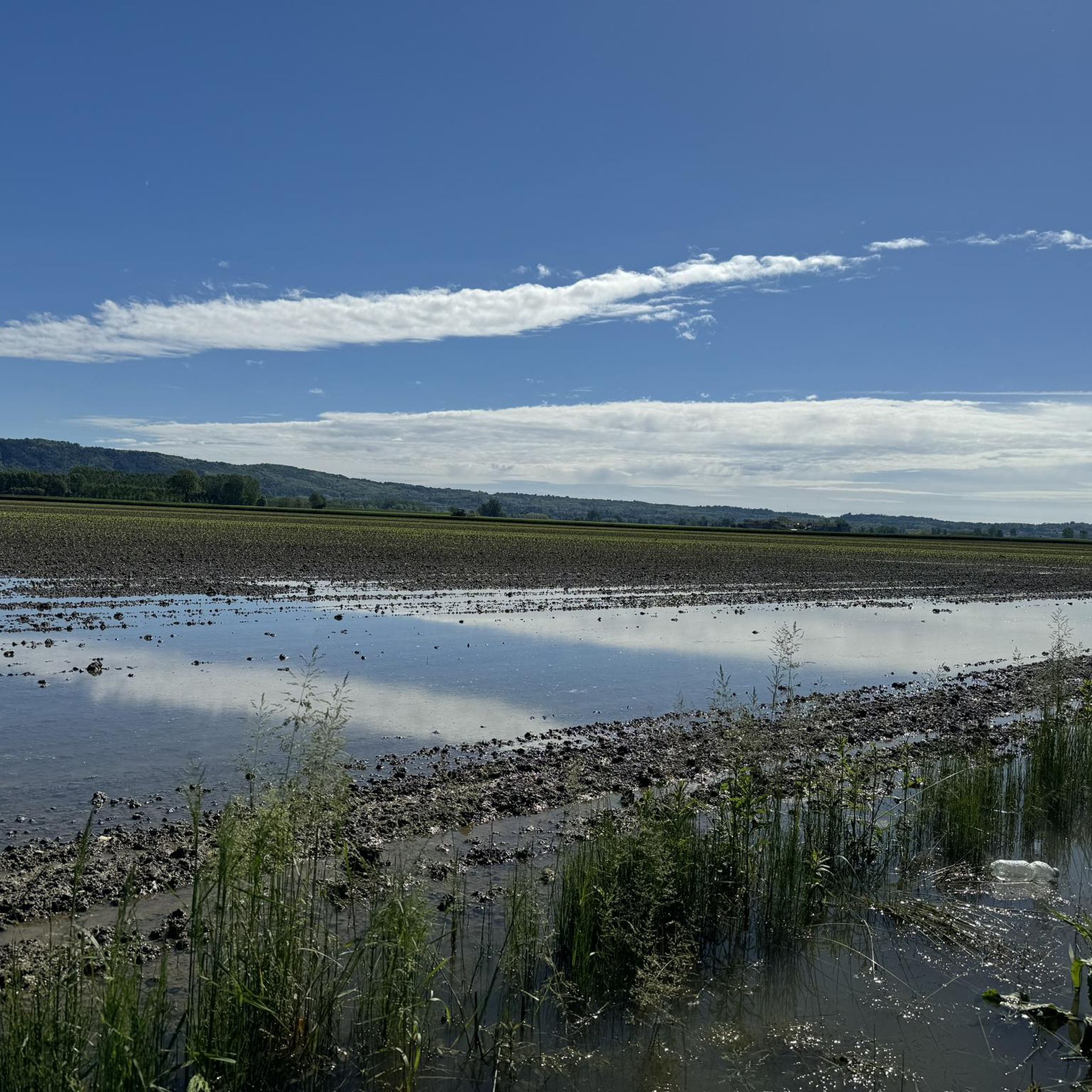
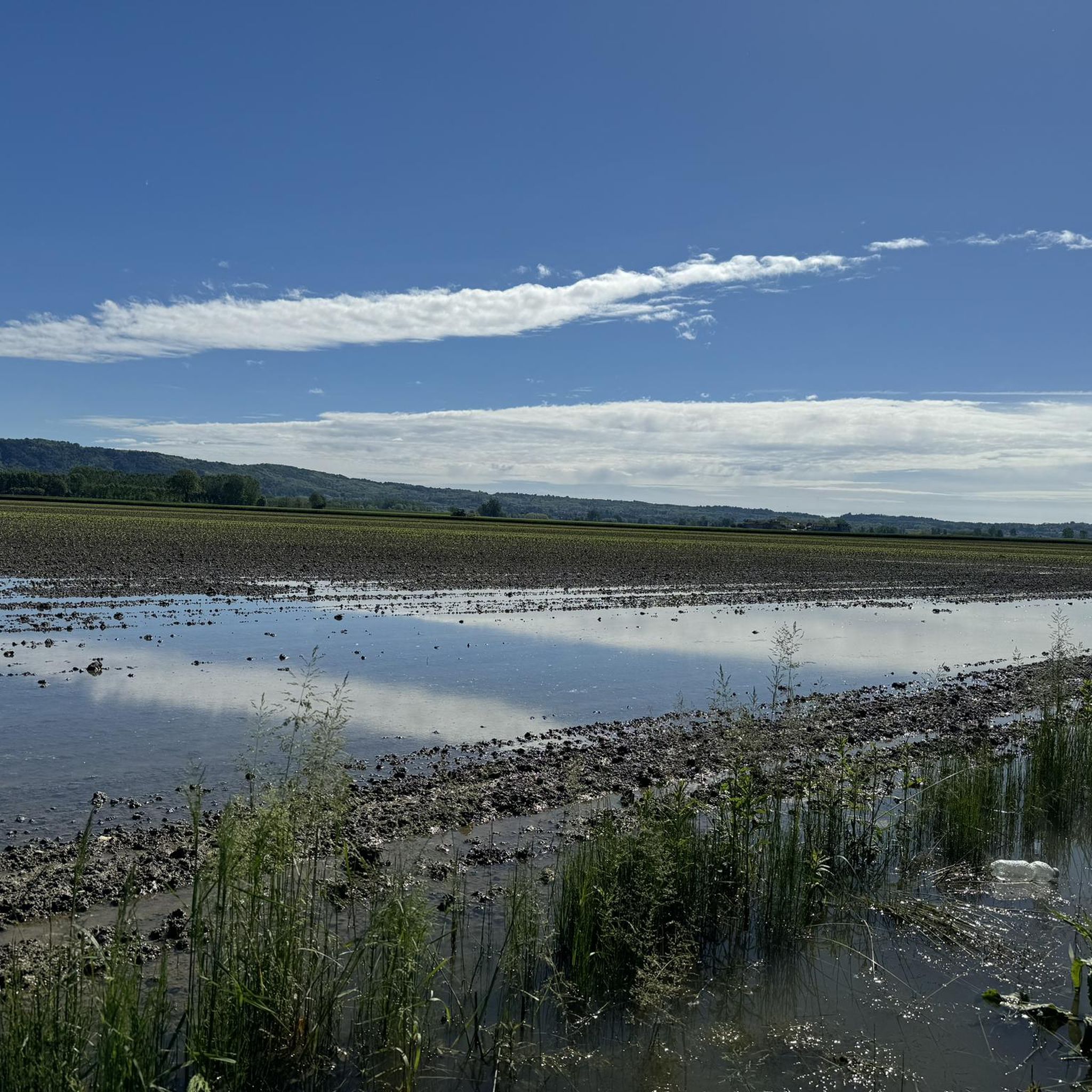
It is a unique place of its kind. In a rather small and circumscribed area 2 steps from the Montalto lake (also called "Rabbit" lake) there is an area with a very dark soil composed of water, peat, earth and medium-sized trees. Especially when the ground is wet or it has rained previously if you jump on the surface, it moves creating small waves making the surrounding trees dance. A real show! You can reach the dancing lands from 2 different dirt tracks. For those with good technical skills the entry or exit paths in both directions are also fun to pedal.
0
0

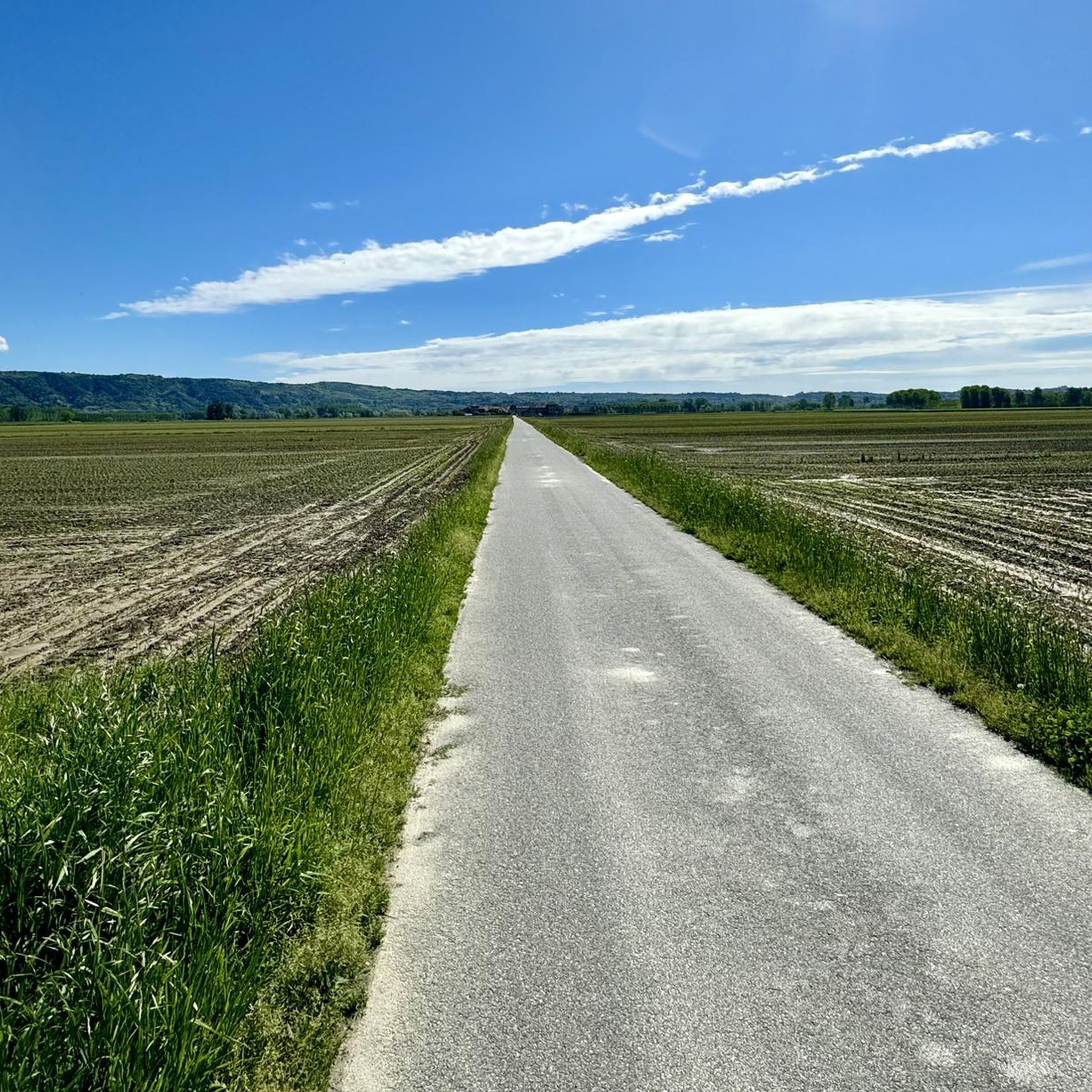
Regardless of whether you reach the Serra di Ivrea or not, even wandering around these lakes, taking advantage of the good signage present, pays off! There is a nice variety of environments and paths, from single track to dirt road, ending on cobblestone sections, never too banal, especially in the wet... the lake environments are beautiful, given that most of these lakes are not very urbanized, the stilt houses rebuilt on the shore of Lake Pistono are very beautiful, they certainly deserve a stop. Places also suitable for children, given that in the lake area the differences in altitude are very modest... just watch out for hikers, because the paths are open to everyone!
4
0

Passage made during Erratico Gravel
1
0

In this beautiful peat bog in Montaldo Dora there is a very particular natural phenomenon, which gives the place its name. The Terre Ballerine are in fact called this way because of the particular consistency of the ground, which makes those who walk on it feel like they are walking on a mattress.
1
0


Monuments and places of interest: *Ancient shelter of which the access tower to the village (clock tower) and the north-east corner tower of the walls, from the 13th century, have been preserved *Church of Gesiùn, ruins of the ancient church of Livione, dating back to the 10th century *Romanesque bell tower of San Pietro di Subloco, dating back to the 10th century *Parish Church of Saints Peter and Lawrence
8
0
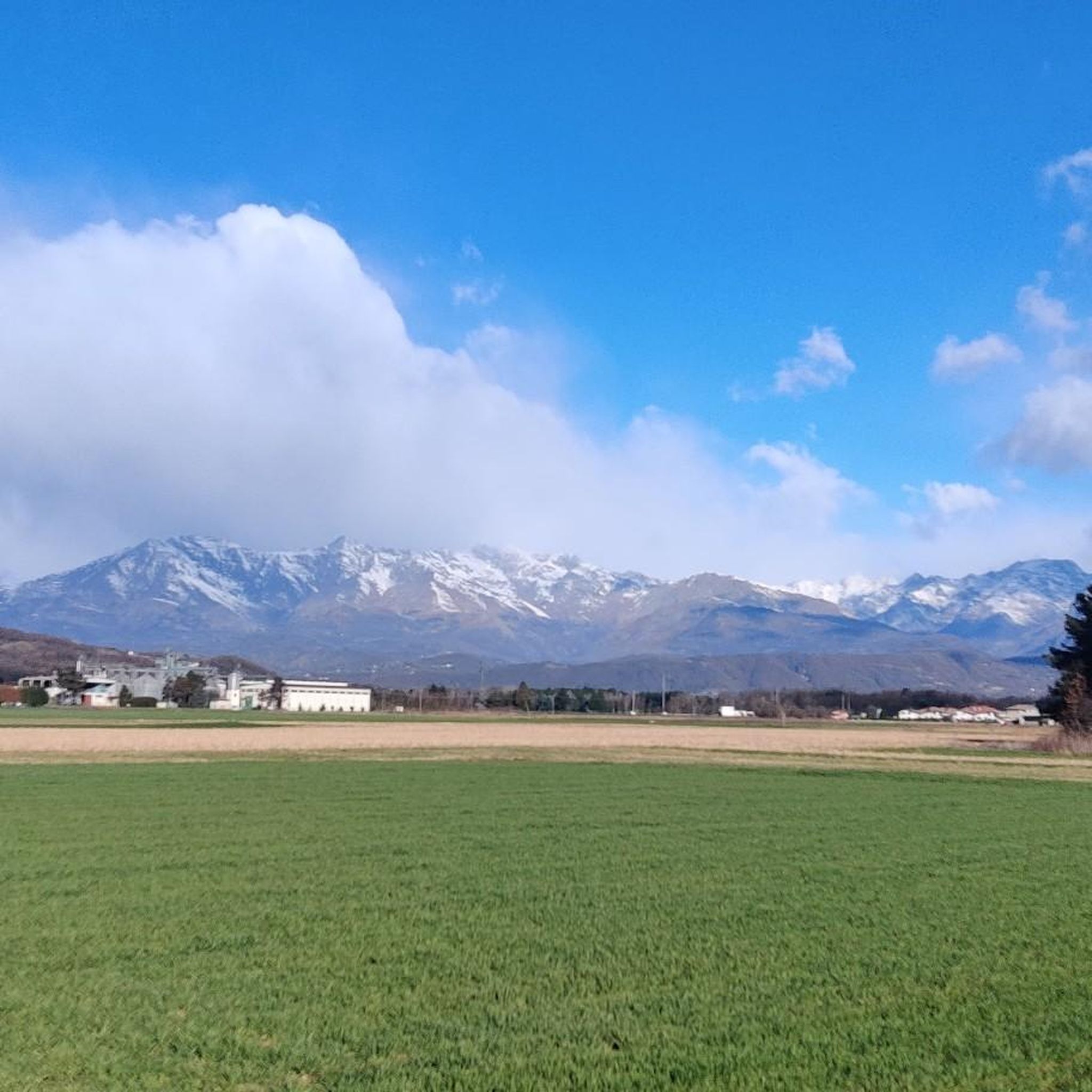
Ivrea, the cradle of the Olivetti company and its famous typewriters, is located on the right bank of the Dora Baltea, west of the Serra di Ivrea, the largest moraine wall in Europe. The silhouette of a 14th century castle rises above the city. In the upper town there is also the originally Romanesque Duomo, which was renovated in the 19th century. On the other bank of the Dora, near Via Jervis, the old Olivetti factories have been converted into Musea dell'Architecture Moderna.
10
0

The oasis they built with a wooden construction overlooking the lake is very pleasant
3
0
Frequently Asked Questions
What historical sites can I explore around Romano Canavese?
The region is rich in history. You can visit the Gate Tower and Corner Tower of Piverone, which are remnants of a 13th-century shelter. Other notable historical landmarks include the 14th-century Communal Tower in Romano Canavese, the medieval Ricetto remains, and the ancient Castello Vescovile. Nearby, the Ivrea Historic Centre offers a 14th-century castle and a Romanesque Duomo.
Are there any unique natural attractions in the area?
Yes, Romano Canavese boasts several unique natural features. Don't miss The Dancing Lands, a small forest growing on peat soil that moves when stepped on. You can also explore the Marshlands of Romano Canavese, a recently recognized nature park, and the significant Ivrea Morainic Amphitheater, a well-preserved geological formation of glacial origin.
What family-friendly attractions are available around Romano Canavese?
Families will enjoy Lake Pistono and the Archaeological Park of the Stilt Houses, where you can see a full-scale reconstruction of an ancient village from 6500 years ago. The unique experience of The Dancing Lands is also suitable for families, offering a fun and interactive natural phenomenon.
Where can I find hiking trails near Romano Canavese?
The area offers numerous hiking opportunities, particularly within the Ivrea Morainic Amphitheater. You can find trails like the 'Alta Via dell'Anfiteatro Morenico di Ivrea' or the 'Ivrea Morainic Amphitheater High Route: Romano Canavese Link Trail'. For more options, explore the Hiking around Romano Canavese guide.
Are there cycling routes suitable for different skill levels?
Yes, the Canavese region is popular for cycling. You can find routes ranging from moderate to difficult, such as the 'Tour of the castles in Canavese' or the 'Lake Candia – Lake Candia loop'. For detailed routes and difficulties, check the Cycling around Romano Canavese guide and the Road Cycling Routes around Romano Canavese guide.
What is the best time to visit Romano Canavese for outdoor activities?
The Canavese region, including Romano Canavese, is generally pleasant for outdoor activities from spring through autumn. These seasons offer mild temperatures ideal for hiking, cycling, and exploring natural and historical sites. Summers can be warm, while spring and autumn provide comfortable weather and beautiful landscapes.
Can I see ancient settlements or archaeological sites?
Absolutely. Besides the reconstructed village at Lake Pistono, you can also visit the Pile-dwelling Village at Lake Viverone. This UNESCO World Heritage site preserves the remains of a Bronze Age pile-dwelling settlement with around 5000 poles still visible underwater.
What cultural or religious buildings are worth visiting?
Romano Canavese features several significant religious buildings. The Church of Santa Marta, dating back to 1200, has a Baroque façade and a triangular bell tower. The Parish Church of Saints Peter and Solutore is a prominent 19th-century structure. Additionally, the Church of Santa Maria delle Grazie and the Chapel of San Rocco in Cascine are notable.
Are there any castles or villas to visit nearby?
Yes, the region is dotted with impressive castles and villas. Villa Bocca is an elegant neoclassical villa from the 19th century. Nearby, you can find Castello di Pavone, a 9th-century national monument, Castello di Montalto with its 15th-century frescoes, and the 13th-century Castello di Parella, which houses a private museum.
What do visitors enjoy most about the attractions around Romano Canavese?
Visitors particularly appreciate the blend of history and nature. Highlights like Lake Pistono are praised for their splendid views and historical insights. The Dancing Lands are often described as an impressive and unique experience, while the historical sites offer a deep dive into the region's past.
Is public transport available to reach attractions?
While specific public transport routes to every individual attraction may vary, Romano Canavese is located in the Metropolitan City of Turin, and Ivrea, a major nearby hub, has good connections. It's advisable to check local bus schedules or consider a combination of public transport and short walks or cycling for reaching specific sites.
Are there any viewpoints offering scenic panoramas?
Many of the natural and historical sites offer excellent viewpoints. For instance, Lake Pistono provides splendid views of the lake and Montalto castle. The Ivrea Morainic Amphitheater also features elevated trails that offer panoramic vistas of the diverse landscapes, including lakes and morainic hills.
Most popular routes around Romano Canavese
Most popular attractions around Romano Canavese

Get inspired with the komoot mobile app


Explore more
Still not found the Highlight you’re looking for? See guides of the top attractions in other regions:
