The best walks and hikes around Romano Canavese
4.5
(1828)
6,299
hikers
447
hikes
Hiking trails around Romano Canavese traverse a landscape shaped by the Ivrea Morainic Amphitheater, featuring rolling hills and varied terrain. The region is characterized by ancient glacial deposits, creating a unique topography of gentle slopes and elevated paths. Hikers can expect routes that wind through woodlands, open fields, and along the crests of these morainic formations. This area offers a mix of natural beauty and historical significance, providing diverse hiking experiences.
Best hiking trails in Romano Canavese
- The most popular…
Last updated: August 3, 2026
3
hikers
10.3km
02:44
100m
100m
Moderate hike. Good fitness required. Mostly accessible paths. Sure-footedness required.
20
hikers
6.23km
01:35
20m
20m
Easy hike. Great for any fitness level. Easily-accessible paths. Suitable for all skill levels.

Sign up for free
3.0
(1)
5
hikers
7.08km
01:51
60m
60m
Easy hike. Great for any fitness level. Easily-accessible paths. Suitable for all skill levels.
5
hikers
8.87km
02:16
30m
30m
Moderate hike. Good fitness required. Easily-accessible paths. Suitable for all skill levels.
5.0
(1)
3
hikers
7.00km
01:47
20m
20m
Easy hike. Great for any fitness level. Easily-accessible paths. Suitable for all skill levels.
Get access to more routes and recommendations from other explorers.
Sign up for free
Already have an account?
Our route recommendations are based on thousands of hikes, rides, and runs completed by other people on komoot.
Start today with a free account
Your next adventure awaits.
Login or Signup

Tips from the Community


On the plaque in front of the sanctuary we read: "The news that is handed down traces the origin of the sanctuary of Realizio to a monastery of Benedictine nuns dedicated to Santa Maria della Rovere, of which no trace remains. Damaged and impoverished by the wars in 1221, it was joined to the monastery of San Michele di Ivrea by order of Pope Honorius III. In 1585, during the plague, it was transformed into a hospital and burial place. The current church is the result of successive transformations and reconstructions. "
1
0

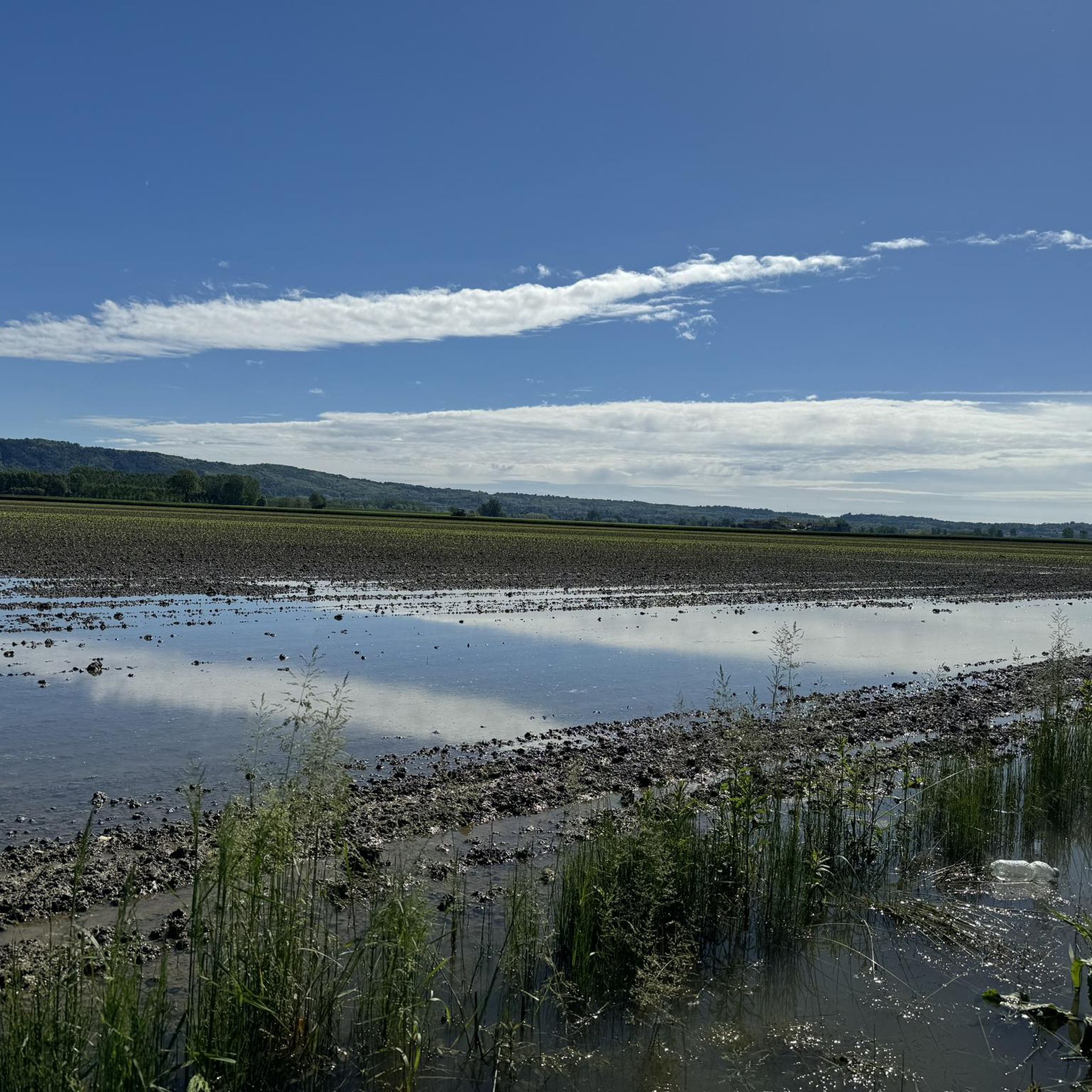
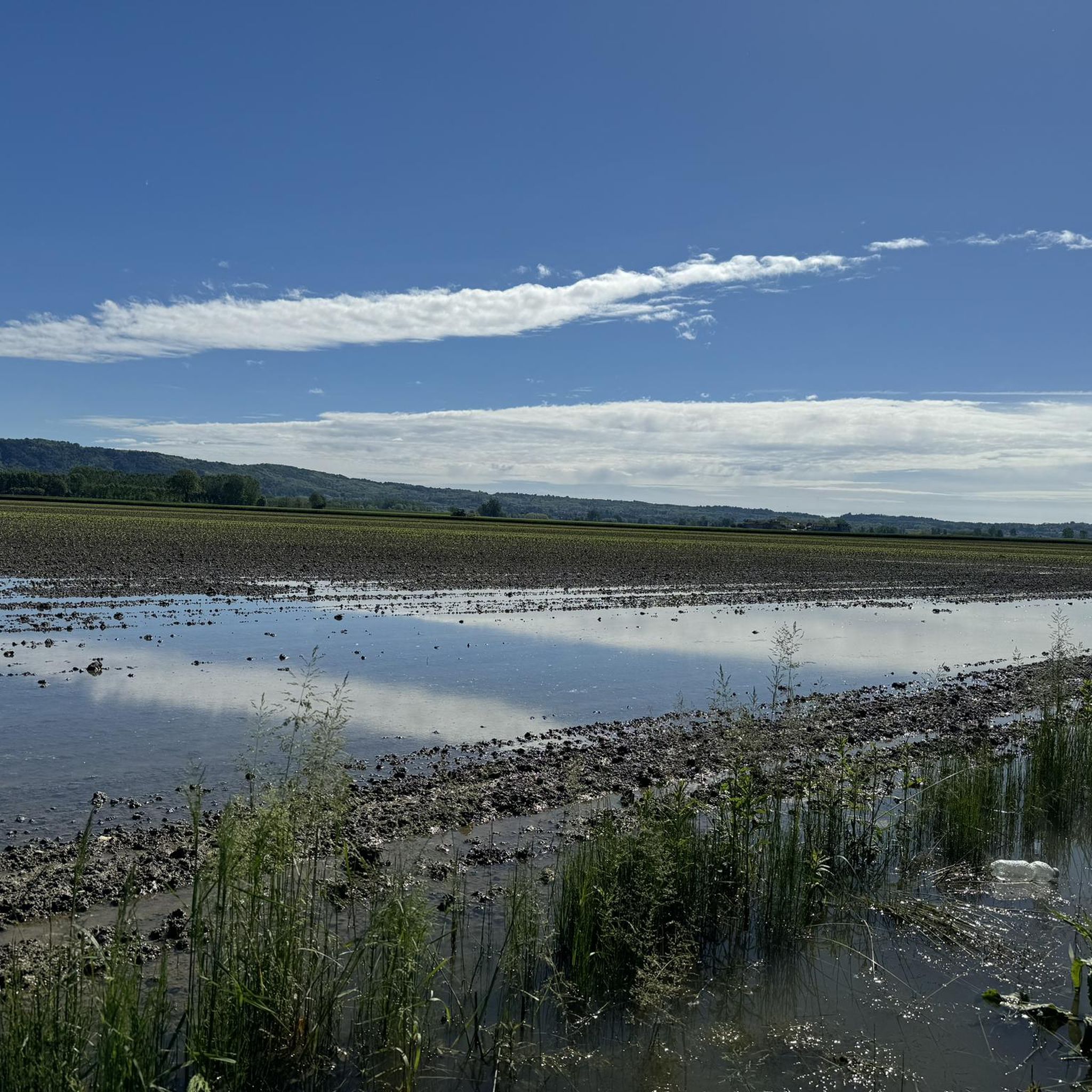
Also called the "posseul" by the locals, it is a small lake at the source of the stream of the Roggia di Romano. The water is clean and full of small fish and gerrids (insects that "walk" on the water) and the area is quiet despite being close to the highway.
0
0

Beautiful wild path along the Dora interrupted in a bend following the erosion of a flood of the river
1
0
Frequently Asked Questions
How many hiking trails are available in Romano Canavese?
There are nearly 400 hiking trails around Romano Canavese, offering a wide range of options for all skill levels. The region features 173 easy routes, 204 moderate routes, and 15 difficult trails.
What is the best time of year to hike in Romano Canavese?
The spring and autumn months are ideal for hiking in Romano Canavese, offering pleasant temperatures and vibrant landscapes. Spring brings blooming wildflowers, while autumn showcases rich foliage across the morainic hills. Summer can also be enjoyable, especially in the mornings or late afternoons, though it can get warm.
Are there easy hiking routes suitable for beginners or families in Romano Canavese?
Yes, Romano Canavese offers 173 easy hiking routes perfect for beginners or families. An example is the Torre di Montà loop from Strambino, which is an easy 7 km (4.3 miles) path through varied terrain.
What natural attractions can I explore near Romano Canavese?
The region around Romano Canavese is rich in natural beauty. You can visit Lake Pistono and the Archaeological Park of the Stilt Houses, explore The Dancing Lands, or enjoy the serene waters of Lake Candia. These highlights offer unique natural experiences along your hikes.
Are there any historical sites or cultural landmarks to see while hiking?
Yes, the area combines natural beauty with historical significance. Hikers can discover the Pile-dwelling Village at Lake Viverone, explore the Ivrea Historic Centre and the Dora Baltea Riverside, or see the ancient Pera Cunca Sacrificial Stone.
What do other hikers say about the trails in Romano Canavese?
The trails in Romano Canavese are highly regarded by the komoot community, with an average rating of 4.5 stars from over 1,700 reviews. Hikers often praise the varied terrain, the elevated views across the morainic landscape, and the well-maintained paths that wind through woodlands and open fields.
Are there any circular hiking routes in the area?
Yes, there are several circular routes available. A popular option is the Western Moraine Loop, an 8.4-mile (13.6 km) moderate trail that explores the western side of the morainic amphitheater, offering diverse natural scenery.
What is the landscape like for hiking in Romano Canavese?
The landscape around Romano Canavese is uniquely shaped by the Ivrea Morainic Amphitheater. Hikers will find rolling hills, ancient glacial deposits, and a mix of woodlands, open fields, and elevated paths. This creates a varied topography with gentle slopes and scenic viewpoints.
Are there hiking routes accessible by public transport in Romano Canavese?
While specific public transport links to trailheads vary, many routes in the Canavese region are accessible from towns with bus or train connections. It's advisable to check local transport schedules for routes originating from larger towns like Ivrea, which often serve as hubs for the surrounding morainic area.
Where can I find parking for hiking trails in Romano Canavese?
Parking is generally available in or near the villages and towns that serve as starting points for the trails. For specific routes, it's recommended to check the individual tour details on komoot, as many provide information on designated parking areas close to the trailhead.
Are there any challenging hikes for experienced hikers?
While the region is known for its moderate and easy trails, there are 15 routes classified as difficult for those seeking more challenge. These routes typically feature greater elevation changes or longer distances, providing a more strenuous experience within the morainic landscape.
Can I hike in Romano Canavese during winter?
Winter hiking in Romano Canavese is possible, especially on lower elevation trails, though conditions can vary. The morainic hills typically receive less heavy snowfall than higher mountain regions, but paths can be muddy or icy. Always check local weather conditions and trail reports before heading out in winter.
What kind of wildlife might I spot on the trails?
The diverse landscape of woodlands and open fields in Romano Canavese provides habitat for various wildlife. Hikers might spot common woodland birds, small mammals like squirrels and hares, and occasionally deer. Keep an eye out for local bird species, especially near the lakes and forested areas.
Most popular routes around Romano Canavese
Most popular attractions around Romano Canavese

Get inspired with the komoot mobile app


Explore more
Browse the best Hikes in other regions.
