The best walks and hikes around San Vito Di Fagagna
4.4
(605)
2,673
hikers
228
hikes
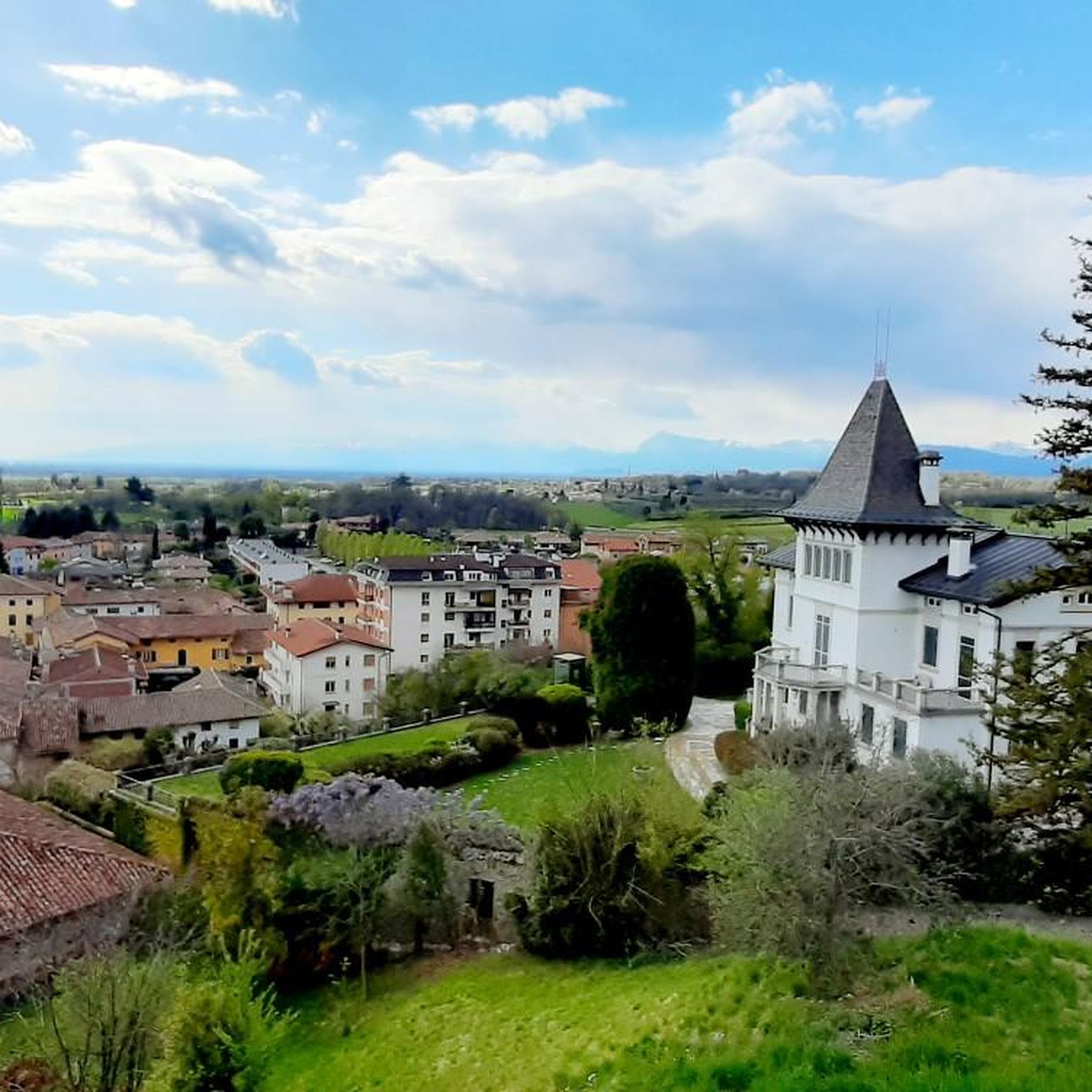
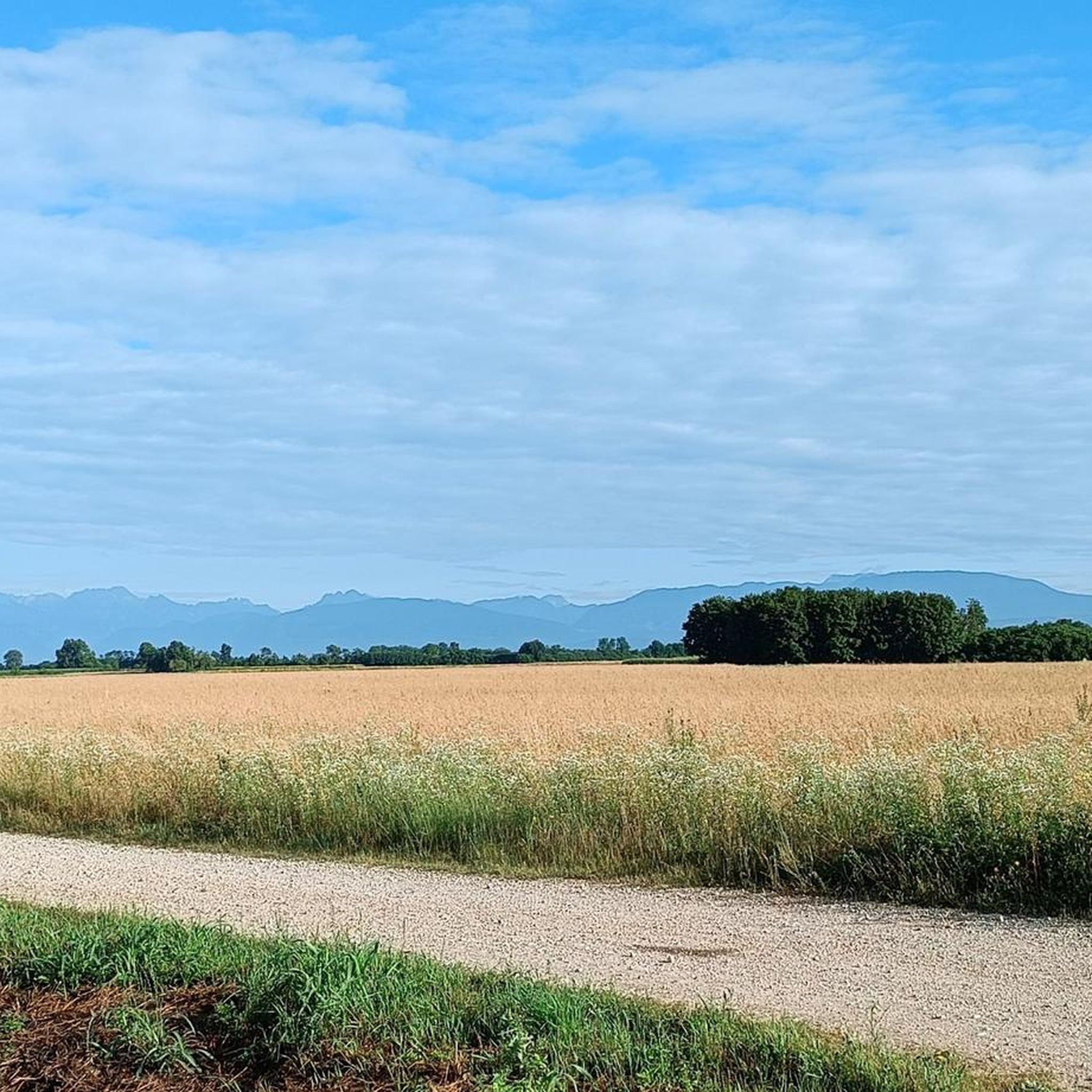
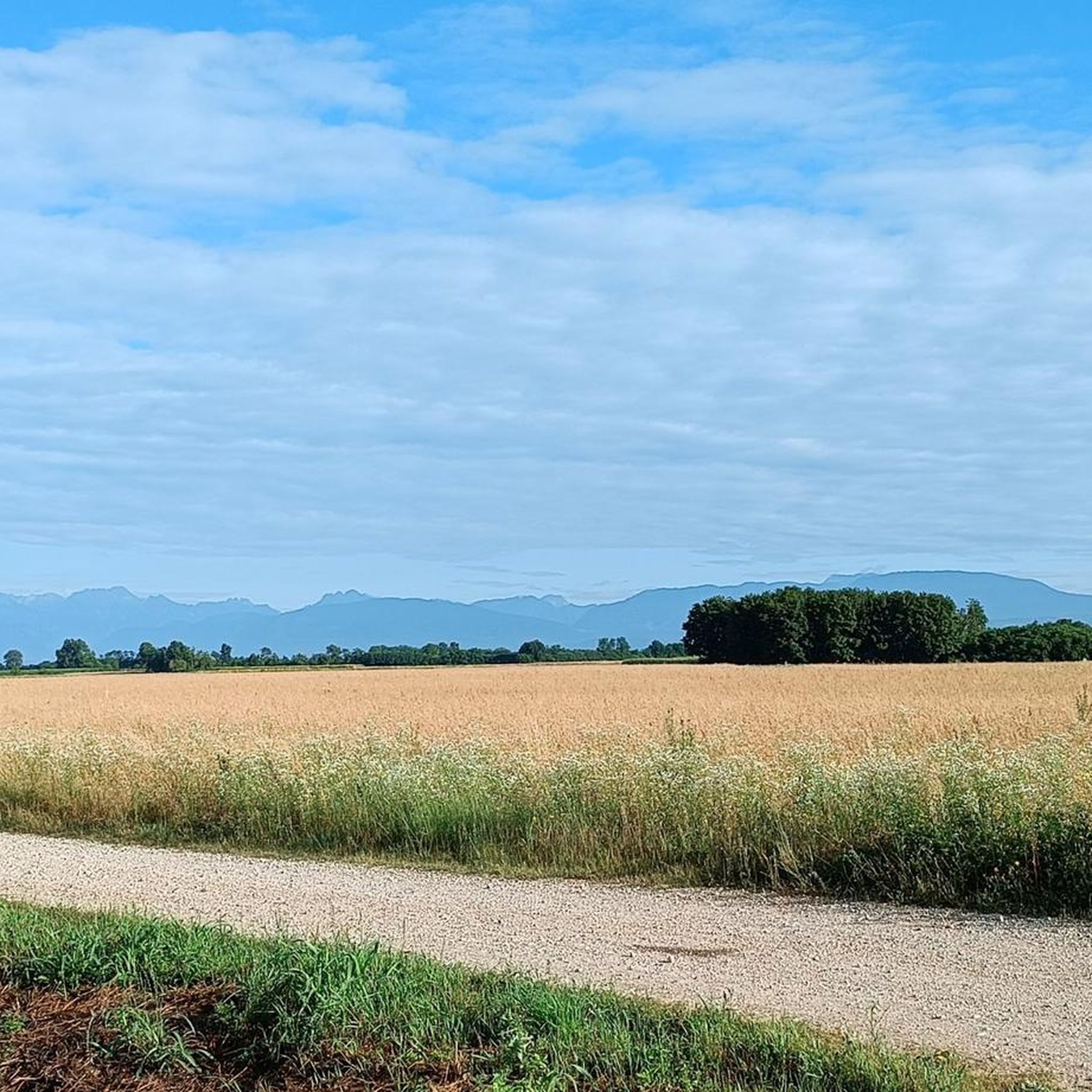
Hiking around San Vito Di Fagagna offers exploration of tranquil rural landscapes, rolling hills, and expansive views across plains and distant mountains. The region features diverse natural elements, including wooded areas and the serene Lago di Ragogna. Hikers can also discover historical sites like Fagagna Castle, which provides panoramic viewpoints. This varied topography supports a range of hiking opportunities for different skill levels.
Best hiking trails around San Vito Di Fagagna
- The most popular hiking route is Fagagna – Fagagna…
Last updated: October 8, 2026
4.6
(32)
144
hikers
12.9km
03:32
210m
210m
Moderate hike. Good fitness required. Easily-accessible paths. Suitable for all skill levels.
4.6
(30)
99
hikers
Moderate hike. Good fitness required. Easily-accessible paths. Suitable for all skill levels.

4.4
(19)
68
hikers
13.1km
03:29
140m
140m
Moderate hike. Good fitness required. Easily-accessible paths. Suitable for all skill levels.
4.6
(14)
42
hikers
Easy hike. Great for any fitness level. Easily-accessible paths. Suitable for all skill levels.
4.5
(6)
42
hikers
8.26km
02:19
170m
170m
Moderate hike. Good fitness required. Easily-accessible paths. Suitable for all skill levels.
Get access to more routes and recommendations from other explorers.
Already have an account?
Our route recommendations are based on thousands of hikes, rides, and runs completed by other people on komoot.
Start today with a free account
Your next adventure awaits.
Tips from the Community

very fun, XC trail that can be ridden in both directions in parts
0
0

Beautiful trail in the greenery for walking or running
0
0

This route is not in the province of Belluno!!! It's in the province of Udine
0
0


A beautifully preserved medieval castle perched on a small hill. The buildings adjacent to the castle also reflect the Middle Ages very well. A visit is like a journey back in time.
0
0

The small church of San Mauro stands on the river terrace of the Corno river and is surrounded by a pebble wall that encloses the old cemetery. The current building, from the sixteenth century, is the result of renovations and expansions of a previous church dating back to the 12th-13th centuries, as evidenced by the frescoes found inside. The building was destroyed by the Turks at the end of the 15th century and rebuilt shortly thereafter. Already a branch of the Pieve di Rive, the church has a rectangular hall with an exposed truss roof and a presbytery with a ribbed cross vault. The atrium, with two lowered arch entrances, and the sacristy are from a later period. Inside, on the right wall is the oldest fresco, dating back to around the 12th-13th centuries, depicting Christ the Youth; on the walls and on the counter-façade instead the frescoes with the Last Judgement, stories of the life of Christ, Madonna with Child, Saints and Coronation of the Virgin are from the end of the 14th century or the beginning of the following century and are attributable to the post-Vitale Friulian school. The high altar is dedicated to San Mauro while the small side altar is dedicated to the Madonna. Over the years, various sculptors and painters worked on the internal and external decorations such as Andrea Urbani and Zuan Contieri.
0
0
The Castello d'Arcano Superiore, magnificently preserved and still inhabited, still has something magical about it today due to the isolated site where it was built. It originally stood near the small church of San Mauro, on the banks of the Corno. For defensive and strategic reasons, it was later rebuilt in the place where it still stands today. The structural expansions probably date back to the 13th century. It is certain that from the 12th century it belonged to the Tricano family, hereditary marshals and gonfalonieri of the Patriarch of Aquileia. The castle still presents its suggestive medieval appearance today, with the crenellated Guelph curtain walls, the characteristic double tower and the mighty keep with, at the top, an elegant row of late Romanesque mullioned windows. Inside there is a small room frescoed by Andrea Urbani and various rooms with fireplaces and portals created by Raffaello de' Raffaelli. Info and visits Castle can be visited internally for groups through the visit office of the Consortium for the Safeguarding of the Historic Castles of Friuli Venezia Giulia. Curiosity Castle d'Arcano was the scene of a mysterious event that occurred in the 17th century, which saw Francesco d'Arcano stab his wife to death out of jealousy, who was found walled up at the beginning of the 20th century during restoration work. www.consorziocastelli.it
2
0
The Castello d'Arcano Superiore, magnificently preserved and still inhabited, still has something magical about it today due to the isolated site where it was built. It originally stood near the small church of San Mauro, on the banks of the Corno. For defensive and strategic reasons it was later rebuilt in the place where it still stands today. The structural expansions probably date back to the 13th century. It is certain that from the 12th century it belonged to the Tricano family, hereditary marshals and gonfalonieri of the Patriarch of Aquileia. The castle still presents its suggestive medieval appearance today, with the crenellated Guelph curtains, the characteristic double tower and the mighty keep with, at the top, an elegant row of late Romanesque mullioned windows. Inside there is a small room frescoed by Andrea Urbani and various rooms with fireplaces and portals created by Raffaello de' Raffaelli. Info and visits The castle can be visited internally for groups through the visit office of the Consortium for the Safeguarding of the Historic Castles of Friuli Venezia Giulia. Curiosity The Castello d'Arcano was the scene of a mysterious event that occurred in the 17th century, which saw Francesco d'Arcano stab his wife to death out of jealousy, who was found walled up at the beginning of the 20th century during restoration work. www.consorziocastelli.it
1
0
Frequently Asked Questions
What kind of landscapes can I expect on hikes around San Vito Di Fagagna?
Hiking around San Vito Di Fagagna offers a blend of tranquil rural landscapes, rolling hills, and expansive views across plains and distant mountains. You'll find diverse natural elements, including wooded areas and the serene Lago di Ragogna, which is encircled by forests and features a well-maintained gravel path.
What are the difficulty levels of hiking trails in San Vito Di Fagagna?
The trails around San Vito Di Fagagna cater to various skill levels. There are over 100 easy routes, more than 100 moderate trails, and a few more challenging options for experienced hikers. This variety ensures there's something for everyone, from leisurely strolls to more strenuous treks.
Are there any historical landmarks or natural features to see while hiking?
Yes, several points of interest enhance the hiking experience. You can explore the remains of Fagagna Castle, which offers panoramic views from its elevated position. The region also features the Oasis of Quadris, a nature reserve known for protecting white storks and other wetland species, accessible via dedicated paths.
Are there any family-friendly hiking options in San Vito Di Fagagna?
Many of the over 100 easy routes in the area are suitable for families. These trails often feature gentle terrain and shorter distances, perfect for walks with children. The well-maintained gravel path around Lago di Ragogna is also a great option for a leisurely family outing.
Can I bring my dog on the hiking trails?
Yes, many trails in the San Vito Di Fagagna area are dog-friendly. The rural landscapes and wooded paths provide ample space for dogs to enjoy. However, it's always recommended to keep your dog on a leash, especially near wildlife areas like the Oasis of Quadris, and to follow local regulations regarding pets.
What do other hikers enjoy most about hiking in San Vito Di Fagagna?
The area is highly rated by the komoot community, with an average score of 4.4 stars from nearly 500 reviews. Hikers often praise the tranquil rural landscapes, the variety of terrain, and the opportunity to combine nature walks with visits to historical sites like Fagagna Castle. The well-maintained paths and clear signage are also frequently highlighted.
Are there any circular walks available?
Yes, many of the routes in San Vito Di Fagagna are designed as circular walks, allowing you to start and end at the same point. An example is the Church of San Mauro – Castello d'Arcano Superiore loop from Rive d'Arcano / Rivis Darcjan, which is an easy 6.9 km trail.
What is the best time of year to go hiking in San Vito Di Fagagna?
The region is enjoyable for hiking throughout much of the year. Spring and autumn offer pleasant temperatures and vibrant natural colors, making them ideal. Summer can be warm, so early morning or late afternoon hikes are recommended. Even winter can be suitable for hiking, especially on lower elevation trails, though conditions should be checked.
Are there any trails that pass through historic villages?
Yes, some routes will take you through or near historic centers. San Vito Di Fagagna and its neighboring communities feature narrow streets and old stone houses, allowing hikers to immerse themselves in local culture. For instance, the Castello di Fagagna – Canyon of Fagagna loop from Fagagna / Feagne starts and ends in the historic town of Fagagna.
How many hiking trails are available in the San Vito Di Fagagna area?
There are over 220 hiking trails recorded in the San Vito Di Fagagna area on komoot, offering a wide range of options for all preferences and fitness levels.
Are there any trails with significant elevation changes for a challenge?
While many trails feature rolling hills, some offer more significant elevation gains. For a moderate challenge, consider routes like the Stringher-Tacoli Trail – Ford on the Lavia loop from Ciconicco / Cicunins, which covers 18.2 km with over 200 meters of elevation gain.
Where can I find information about the broader Friuli-Venezia Giulia region?
For more general information about the Friuli-Venezia Giulia region, including cultural insights and other attractions, you can visit the official tourism website: italia.it.
Most popular routes around San Vito Di Fagagna
Most popular attractions around San Vito Di Fagagna

Get inspired with the komoot mobile app


Explore more
Browse the best Hikes in other regions.
