Attractions and Places To See around Santu Antoni Arruinas/Villa Sant'Antonio - Top 20
Attractions and places to see around Santu Antoni Arruinas/Villa Sant'Antonio showcase a blend of rich history, unique natural landscapes, and cultural heritage in central-western Sardinia. The area is known for its prehistoric sites, including ancient burial grounds and Nuragic architecture. Visitors can explore distinctive table mountains and observe wild horses in their natural habitat, offering diverse experiences for nature and history enthusiasts.
Best attractions and places to see around Santu Antoni Arruinas/Villa Sant'Antonio
- The most popular attractions is Pinnetta,…
Last updated: May 20, 2026
Pinnetta
Highlight • Mountain Hut
Translated by Google •
Tip by

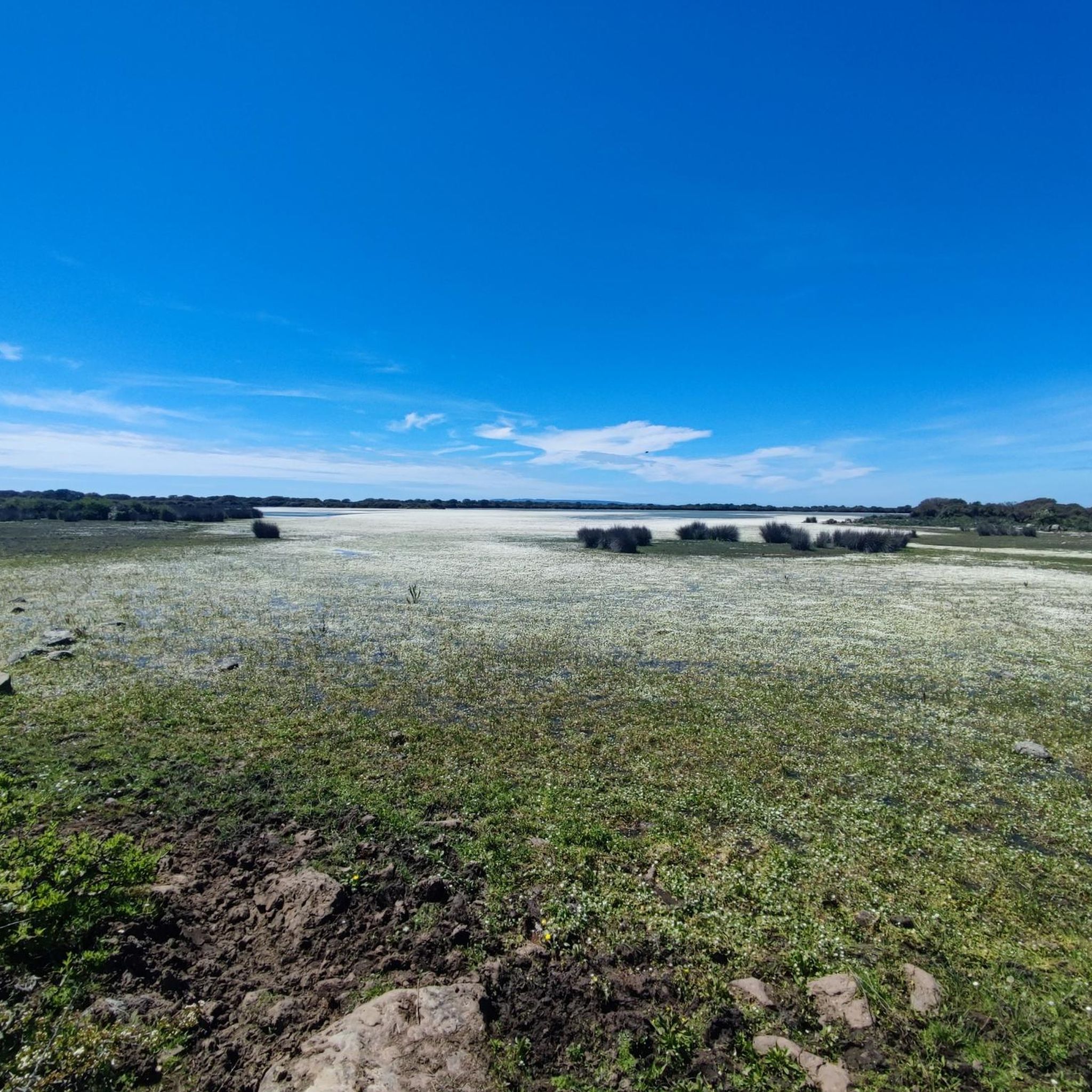
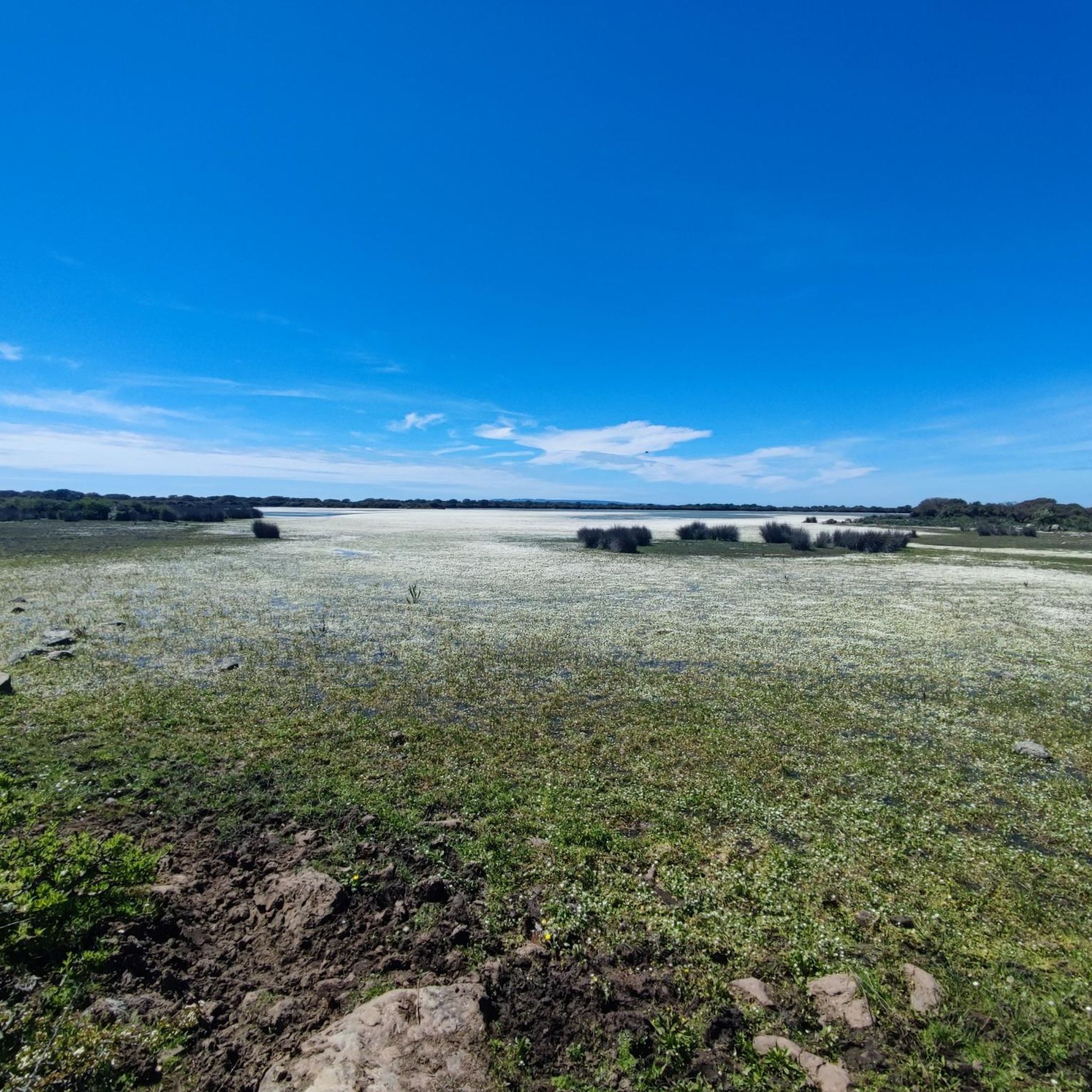
Wild Horses in the Plain of Gesturi
Highlight • Natural
Translated by Google •
Tip by

Sign up now to discover places like this
Get recommendations on the best single tracks, peaks, & plenty of other exciting outdoor places.
Sign up for free
Ruinas-Allai Connecting Road
Highlight (Segment) • Cycleway
Translated by Google •
Tip by

Grazing Wild Horses of Giara di Gesturi
Highlight • Natural
Translated by Google •
Tip by

Nuraghe San Marco
Highlight • Historical Site
Translated by Google •
Tip by
Sign up for free to discover even more attractions around Santu Antoni Arruinas/Villa Sant'Antonio.
Sign up for free
Already have an account?
Start today with a free account
Your next adventure awaits.
Login or Signup
Popular around Santu Antoni Arruinas/Villa Sant'Antonio

Tips from the Community

The Nuraghe San Marco stands on the eastern outskirts of Genuri, on the slopes of the southwestern side of the Jara Manna, the largest and most famous Giara. The basalt used to build the monument came from the plateau, which was also a source of food and resources for the peoples who inhabited the Marmilla region, while marl was used for the restoration work that took place in later phases. The building has a complex structure, consisting of a keep and three towers, and it is surrounded by a rampart with five other towers, except for the north side, perhaps because the builders considered the natural protection of the Giara plateau sufficient. Curiously, the southeast tower has a smaller diameter than the other two, while the northeast wall, which follows the profile of the central tower, has sometimes been interpreted as the wall of a fourth corner tower. In the space between the keep and the connecting curtain walls between the towers is a crescent-shaped courtyard, accessed through the entrance to the building on the south side. From the courtyard, which also contains a well, one enters the keep and the corridors leading to the side towers. Inside the keep, the space is cruciform, with two niches at the front and a third opposite the staircase. The northwest tower features six loopholes, two niches, and the absence of an entrance corridor. It opens directly onto the courtyard. Archaeological research has revealed that between the Late Bronze Age and the Late Bronze Age, a destructive event occurred, with relative collapse and subsequent rebuilding: San Marco probably witnessed a – still mysterious – period of crisis and conflict between the Nuragic tribes between the 2nd and 1st millennium BC. The site shows traces of human presence in the Punic period, and there was undoubtedly a settlement there between the late Roman period and the Early Middle Ages. At least eleven "new" rooms were built or added over the nuraghe, some of which probably served as food storage rooms, while the courtyard and towers were used for various purposes, sometimes even for burials. https://www.sardegnaturismo.it/en/explore/nuraghe-san-marco
0
0

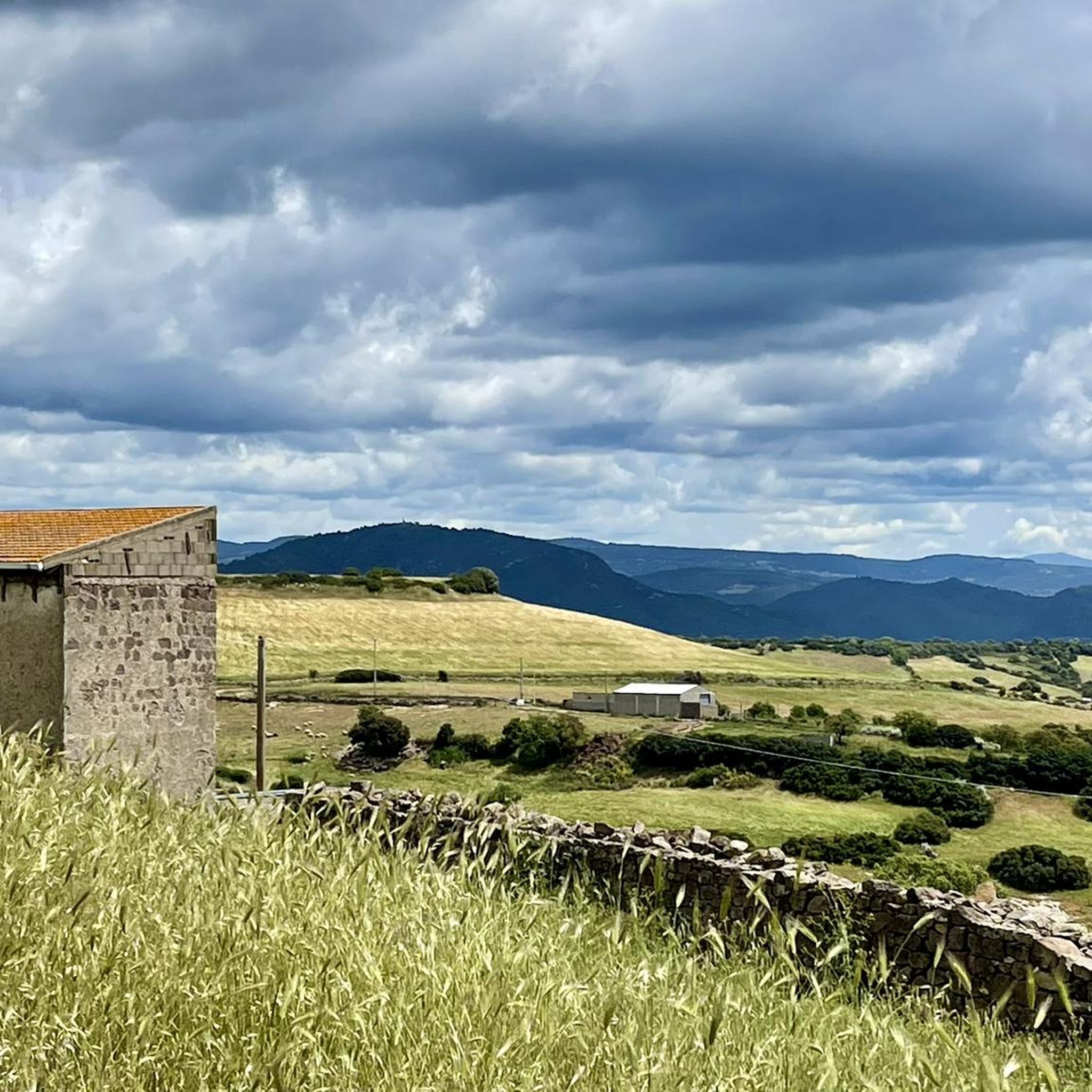
A true table mountain! A steep climb of over 500 meters, steep in places, but worth it. Beautiful scenery, horses, cows, goats, and sheep, a huge cork oak forest – and the silence is fantastic, too, with no cars around. And a speedy descent to Truili is included.
0
0

the spectacle of the Giara horses in this context of wild nature is truly evocative
0
0

Good asphalt, great views, challenging climb.
0
0

A spectacular place
0
0

It should be very nice, unfortunately not accessible
0
0

Some unfortunately destroyed by the incivility of today.
0
0
The Pinnettas are the typical Sardinian huts. Generally built on a stone base and covered with conical domed fronds or branches. Generally used by shepherds as shelter in remote areas. for materials and construction technique they are completely similar to the huts of the Nuragic era
0
0
Frequently Asked Questions
What historical and archaeological sites can I explore around Santu Antoni Arruinas/Villa Sant'Antonio?
The region is rich in history. You can visit the ancient Pinnetta, typical Sardinian huts similar to those from the Nuragic era. Another significant site is Nuraghe San Marco, a complex Nuragic structure built with basalt blocks from the Giara di Gesturi. Further afield, consider the UNESCO World Heritage site of Su Nuraxi di Barumini, the Domus de Janas Genna Salixi necropolis, or the Roman Baths of Fordongianus for a deeper dive into the area's past.
Where can I see wild horses near Santu Antoni Arruinas/Villa Sant'Antonio?
You can observe wild horses in their natural habitat at the Wild Horses in the Plain of Gesturi. Another excellent spot is the Grazing Wild Horses of Giara di Gesturi, located on the unique Giara table mountain, where you can also find cows, goats, and sheep amidst a vast cork oak forest.
Are there good cycling routes in the area?
Yes, the Ruinas-Allai Connecting Road is a popular cycle way known for its good asphalt, challenging climbs, and great views. For more options, you can explore various road cycling routes, including the 'War Memorial – Bench with a view loop from Santu Antoni Arruinas/Villa Sant'Antonio', which is a moderate 33.36 km ride. Find more details on the Road Cycling Routes guide.
What natural features should I visit around Santu Antoni Arruinas/Villa Sant'Antonio?
The most prominent natural feature is the Giara di Gesturi, a unique table mountain offering beautiful scenery, a vast cork oak forest, and the chance to see wild horses. The tranquility and absence of car noise make it ideal for nature enthusiasts. You can also find viewpoints like those along the Wild Horses in the Plain of Gesturi.
Are there hiking trails suitable for different skill levels?
Yes, there are hiking trails for various abilities. For example, the 'Water Source and Springs loop from La Giara' is an easy 7.21 km hike. More moderate options include the 'Water Source and Springs – Giara di Gesturi Wild Horses loop from La Giara' (11.46 km) or the 'Pinnettas Shepherd Huts – Pauli Piccia Wild Horses loop from La Giara' (17.8 km). You can find more hiking options in the Hiking around Santu Antoni Arruinas/Villa Sant'Antonio guide.
What do visitors enjoy most about the attractions in this region?
Visitors particularly appreciate the unique blend of history and nature. The Pinnettas offer a glimpse into traditional Sardinian life, while the Wild Horses in the Plain of Gesturi provide a truly evocative and spectacular natural experience. The scenic routes, like the Ruinas-Allai Connecting Road, are also highly rated for their views and cycling opportunities.
Are there any museums in the vicinity of Santu Antoni Arruinas/Villa Sant'Antonio?
Yes, for those interested in culture and geology, the Museo dell'Ossidiana (Obsidian Museum) offers insights into the region's geological history. Additionally, the MURATS (Museo Unico Regionale Arte Tessile Sarda) provides an immersion into traditional Sardinian textile art.
Can I find family-friendly activities around Santu Antoni Arruinas/Villa Sant'Antonio?
Absolutely. The natural areas, such as the Wild Horses in the Plain of Gesturi, are considered family-friendly and offer a memorable experience for all ages. Exploring the Giara di Gesturi with its wild animals and unique landscape is also a great option for families.
What are the options for mountain biking (MTB) trails?
The area offers several MTB trails. A popular one is 'Il parco naturale della Giara - giro ad anello', a moderate 48.16 km loop. Other options include the 'Goats on the Path – Free-Roaming Cow loop from Ollasta Useddus/Albagiara' (moderate, 47.2 km) or more challenging routes like 'Monte Arci - Trebina Longa – NATO Listening Post loop from Pau' (difficult, 40.81 km). Explore more on the MTB Trails guide.
What is the best time to visit Santu Antoni Arruinas/Villa Sant'Antonio for outdoor activities?
While specific seasonal tips are not provided, the region's natural beauty and historical sites can be enjoyed throughout much of the year. For hiking and cycling, spring and autumn generally offer milder temperatures, making outdoor activities more comfortable. Summer can be hot, but the Giara's elevation might offer some respite.
Are there any unique or lesser-known attractions worth discovering?
Beyond the main highlights, the region holds some unique spots. The Pinnetta huts, while historical, are often overlooked and offer a fascinating glimpse into traditional Sardinian life. The sheer tranquility and unique ecosystem of the Giara di Gesturi, with its cork oak forests and wild animals, also offers a sense of discovery away from typical tourist paths.
Most popular routes around Santu Antoni Arruinas/Villa Sant'Antonio

Get inspired with the komoot mobile app


Explore more
Still not found the Highlight you’re looking for? See guides of the top attractions in other regions:
