The best cycling routes around Santu Antoni Arruinas/Villa Sant'Antonio
4.0
(3)
22
riders
6
rides
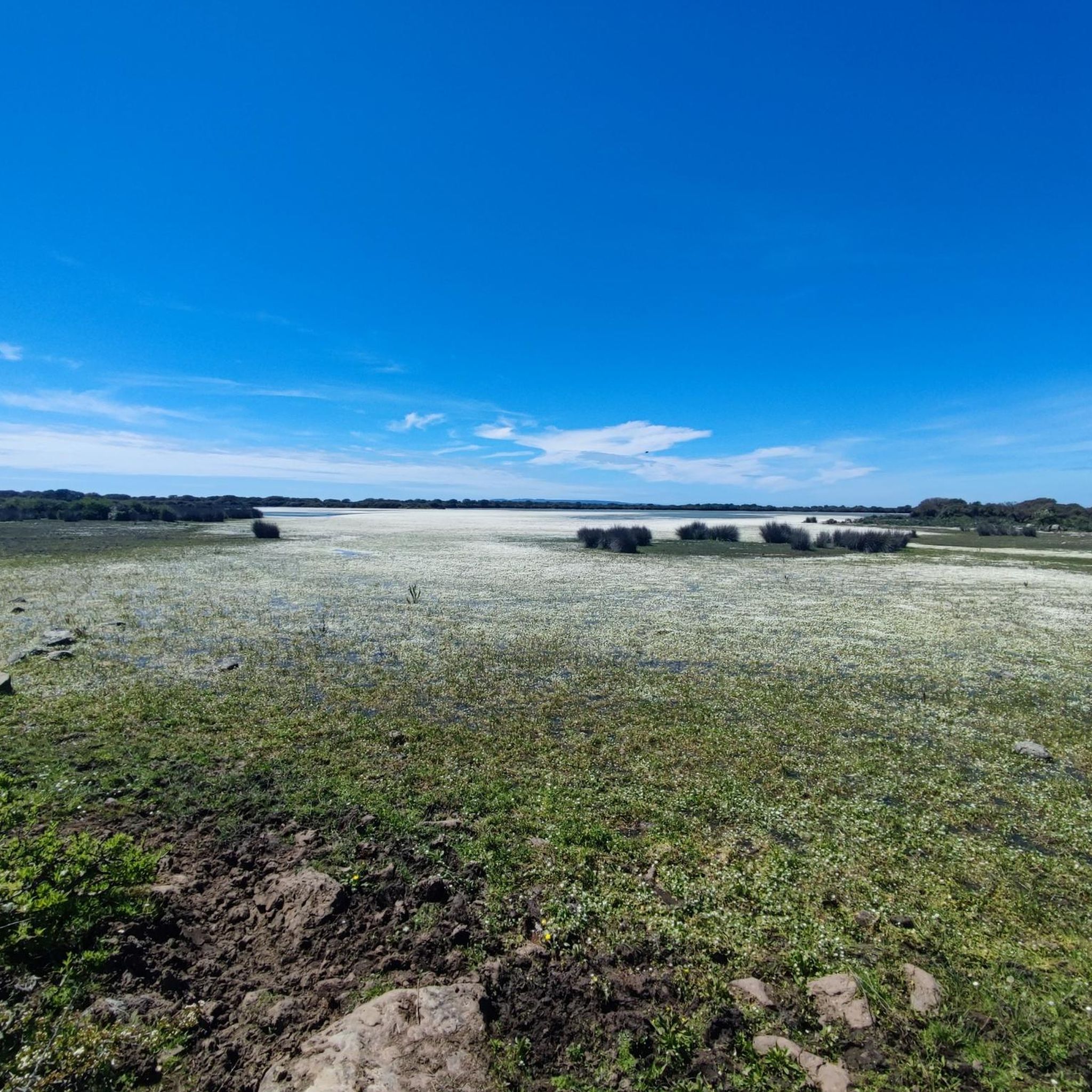
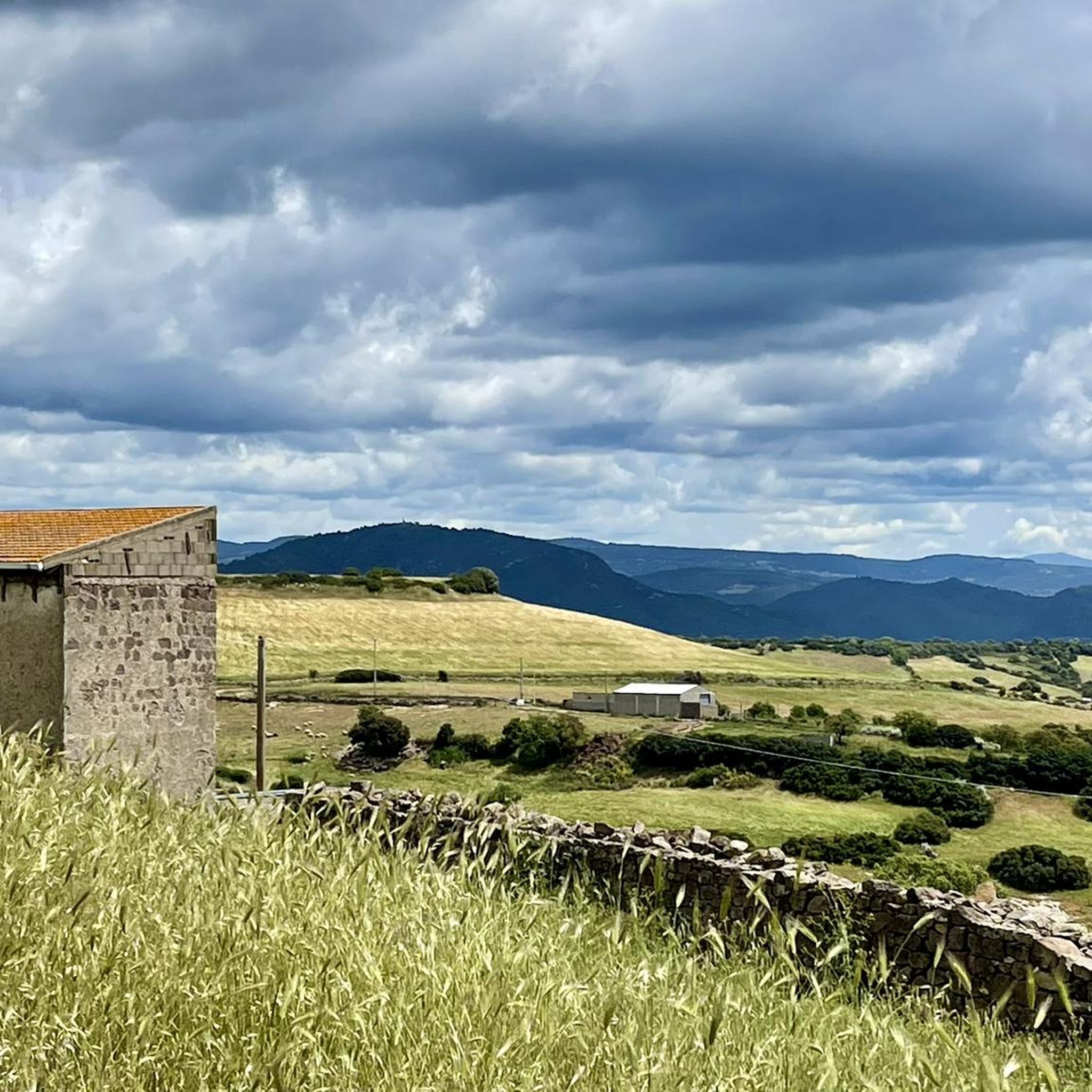
Touring cycling routes around Santu Antoni Arruinas/Villa Sant'Antonio traverse a landscape characterized by diverse terrain, including a notable table mountain with challenging climbs and extensive cork oak forests. The region features open plains where wild horses graze, such as on the Giara Manna. Cyclists encounter varied scenery and minimal car traffic, contributing to a tranquil experience. Ancient structures like Nuraghe San Marco and traditional Pinnettas are also present along some routes.
Best touring cycling routes around Santu Antoni Arruinas/Villa Sant'Antonio
…Last updated: May 11, 2026
7
riders
25.1km
01:34
250m
250m
Moderate bike ride. Good fitness required. Mostly paved surfaces. Suitable for all skill levels.
3.0
(2)
6
riders
55.2km
03:43
770m
770m
Hard bike ride. Very good fitness required. Mostly paved surfaces. Suitable for all skill levels.

Sign up for free
2
riders
37.7km
02:49
520m
520m
Hard bike ride. Very good fitness required. You may need to push your bike for some segments of this route.
5.0
(1)
3
riders
36.3km
02:25
390m
390m
Moderate bike ride. Good fitness required. Mostly paved surfaces. Suitable for all skill levels.
3
riders
47.8km
03:05
570m
570m
Hard bike ride. Very good fitness required. Mostly paved surfaces. Suitable for all skill levels.
Our route recommendations are based on thousands of hikes, rides, and runs completed by other people on komoot.
Start today with a free account
Your next adventure awaits.
Login or Signup

Tips from the Community

Very good grilled fish in Gonnosnò 11:00 - 13:00
0
0

The Nuraghe San Marco stands on the eastern outskirts of Genuri, on the slopes of the southwestern side of the Jara Manna, the largest and most famous Giara. The basalt used to build the monument came from the plateau, which was also a source of food and resources for the peoples who inhabited the Marmilla region, while marl was used for the restoration work that took place in later phases. The building has a complex structure, consisting of a keep and three towers, and it is surrounded by a rampart with five other towers, except for the north side, perhaps because the builders considered the natural protection of the Giara plateau sufficient. Curiously, the southeast tower has a smaller diameter than the other two, while the northeast wall, which follows the profile of the central tower, has sometimes been interpreted as the wall of a fourth corner tower. In the space between the keep and the connecting curtain walls between the towers is a crescent-shaped courtyard, accessed through the entrance to the building on the south side. From the courtyard, which also contains a well, one enters the keep and the corridors leading to the side towers. Inside the keep, the space is cruciform, with two niches at the front and a third opposite the staircase. The northwest tower features six loopholes, two niches, and the absence of an entrance corridor. It opens directly onto the courtyard. Archaeological research has revealed that between the Late Bronze Age and the Late Bronze Age, a destructive event occurred, with relative collapse and subsequent rebuilding: San Marco probably witnessed a – still mysterious – period of crisis and conflict between the Nuragic tribes between the 2nd and 1st millennium BC. The site shows traces of human presence in the Punic period, and there was undoubtedly a settlement there between the late Roman period and the Early Middle Ages. At least eleven "new" rooms were built or added over the nuraghe, some of which probably served as food storage rooms, while the courtyard and towers were used for various purposes, sometimes even for burials. https://www.sardegnaturismo.it/en/explore/nuraghe-san-marco
0
0

Sa Dome and s'Orku, one of the best preserved giants' tombs on the island
0
0

Tamba dei Giganti really beautiful and impressive, a pity that part of the arch on the sides of the entrance is missing
0
0
As we pass, it is left to itself
0
0
It should be very nice, unfortunately not accessible
0
0

There are about 800 Giants' Tombs in Sardinia. The one inside the archaeological site of the Giara di Siddi is one of the best preserved Nuragic funerary monuments.
1
0
Inside the Monte Arci Park, in the Tanca Manna jar, the Nuraghe Inus is located, surrounded by a dense forest of holm oaks, downy oaks, cork oaks and Mediterranean scrub. There is a picnic area and lookout point with views of the valley below.
0
0
Frequently Asked Questions
How many touring cycling routes are available around Santu Antoni Arruinas/Villa Sant'Antonio?
Our guide features 5 touring cycling routes around Santu Antoni Arruinas/Villa Sant'Antonio, offering diverse experiences for cyclists.
What kind of terrain can I expect on touring cycling routes in this region?
The region offers a varied landscape for touring cyclists, from challenging climbs up a notable table mountain to serene rides through extensive cork oak forests and open plains. You'll encounter diverse views and minimal car traffic, making for a peaceful experience.
Are there any circular touring cycling routes in Santu Antoni Arruinas/Villa Sant'Antonio?
Yes, many routes are designed as loops. For example, the Bike loop from Abas/Ales is a moderate 25.13 km circular route, and the more challenging Sa Tanca Manna loop from Abas/Ales covers 57.75 km through cork oak forests.
What are some notable landmarks or natural attractions I can see while cycling?
You can encounter unique sights like the Wild Horses in the Plain of Gesturi on the Giara Manna. Historical structures such as the ancient Nuraghe San Marco are also accessible, for instance, on the Gonnosnò–Baressa–Sini Route – Nuraghe San Marco loop from Abas/Ales. You might also spot traditional Sardinian huts known as Pinnetta.
Are there any difficult touring cycling routes for experienced riders?
Absolutely. For experienced riders seeking a challenge, the Sa Tanca Manna loop from Abas/Ales is a difficult 57.75 km path with significant elevation gains. Another demanding option is the Giara Horses – Abandoned Farmhouse loop from Senis, a 37.68 km route with substantial climbing.
What do other touring cyclists say about the routes in Santu Antoni Arruinas/Villa Sant'Antonio?
The touring cycling routes in this area are highly rated by the komoot community, with an average score of 4.3 stars from over 4 reviews. Cyclists often praise the tranquil environment, diverse scenery, and the unique experience of cycling through areas with wild horses and ancient structures.
Can I find routes that pass through cork oak forests?
Yes, the region is known for its extensive cork oak forests. The Sa Tanca Manna loop from Abas/Ales, for instance, features significant sections through these tranquil forests, offering a peaceful cycling experience with minimal car traffic.
Are there any routes where I might see wild animals?
The region is home to various animals, including horses, cows, goats, and sheep. Notably, the Giara Horses – Abandoned Farmhouse loop from Senis leads through the plains of Giara Manna, where you have a good chance of spotting the famous wild horses of Gesturi.
Are there any routes that feature traditional Sardinian structures?
Yes, you can explore routes that pass by traditional Sardinian structures. The Pinnetta – Murals of Ussaramanna loop from Abas/Ales is a 47.81 km difficult route that allows you to see a 'Pinnetta', a typical Sardinian hut, offering a glimpse into local culture and history.
What is the best time of year for touring cycling in Santu Antoni Arruinas/Villa Sant'Antonio?
While specific seasonal data isn't provided, the diverse terrain and natural beauty suggest that spring and autumn would likely offer the most pleasant cycling conditions, avoiding the peak heat of summer and potential winter chill, allowing you to fully enjoy the cork oak forests and open plains.
Are there any moderate touring cycling routes for those looking for a less strenuous ride?
Yes, there are options for moderate rides. The Bike loop from Abas/Ales is a moderate 25.13 km trail that takes about 1 hour 34 minutes to complete, offering varied scenery without overly strenuous climbs. Another moderate option is the Gonnosnò–Baressa–Sini Route – Nuraghe San Marco loop from Abas/Ales, covering 36.34 km.
Most popular routes around Santu Antoni Arruinas/Villa Sant'Antonio
Most popular attractions around Santu Antoni Arruinas/Villa Sant'Antonio

Get inspired with the komoot mobile app


Explore more
Browse the best Cycling routes in other regions.
