Attractions and Places To See around Eboli - Top 20
Best attractions and places to see around Eboli include a blend of historical landmarks, cultural sites, and natural beauty. This historic town in the province of Salerno, Italy, is strategically located between mountains and the fertile Sele Plain. Visitors can explore ancient ruins, medieval structures, and religious buildings, reflecting its rich history and agricultural traditions. The area also offers access to the Tyrrhenian Sea coastline and parts of the Monti Picentini Regional Park.
Best attractions and places to see around Eboli
- The most popular attractions is Paestum: walk along Via Magna Grecia, a historical site that represents an ancient city of Magna Graecia. Its inhabited area is still clearly recognizable today, enclosed by its Greek walls.
- Another must-see spot is Temple of Hera, Paestum, a historical site within the archaeological park of Paestum. Here, visitors can admire the remains of the ancient city of Magna Graecia, known for the perfect state of conservation of its temples and monuments.
- Visitors also love Convent of Santa Maria di Costantinopoli, a religious building abandoned in 1806 and part of the archaeological complex of Olevano sul Tusciano. It offers a historical perspective and views of the surrounding area.
- Eboli is known for its historical sites, religious buildings, and natural features. The region offers a variety of attractions to see and explore, from ancient Roman aqueducts to medieval castles and the Sele River.
- The attractions around Eboli are appreciated by the komoot community. With more than 100 upvotes and over 100 photos, these spots are popular among explorers.
Last updated: July 21, 2026
Temple of Hera, Paestum
Highlight • Historical Site
Translated by Google •
Tip by

Paestum: walk along Via Magna Grecia
Highlight (Segment) • Historical Site
It is located in the Campania region in the province of Salerno, as a fraction of the municipality of Capaccio Paestum, about 30 km south of Salerno (97 km south of Naples); it is located in the Piana del Sele, near the coast, in the Gulf of Salerno, north of the Cilento, Vallo di Diano and Alburni National Park; the town, near which there are Capaccio Scalo and Lido di Paestum, is served by a railway station of the same name.
it.wikipedia.org/wiki/Paestum
Translated by Google •
Tip by

Sign up now to discover places like this
Get recommendations on the best single tracks, peaks, & plenty of other exciting outdoor places.
Sign up for free
Convent of Santa Maria di Costantinopoli
Highlight • Religious Site
Translated by Google •
Tip by
Olevano Castle
Highlight • Castle
In the factories, the re-use of clay fragments and previous constructions is visible. The various rooms in which the inhabitants' daily activities took place are still clearly evident: three cisterns for collecting rainwater, halls, service area, halls, suspended arches and more. Between the second and third walls, the vast residential settlement can still be identified, positioned on a vast, mainly flat surface. In this area the ruins of a Christian church outline the small nave and the apse.
Translated by Google •
Tip by

Mouth of the Sele River
Highlight • River
Translated by Google •
Tip by
Sign up for free to discover even more attractions around Eboli.
Sign up for free
Already have an account?
Start today with a free account
Your next adventure awaits.
Login or Signup
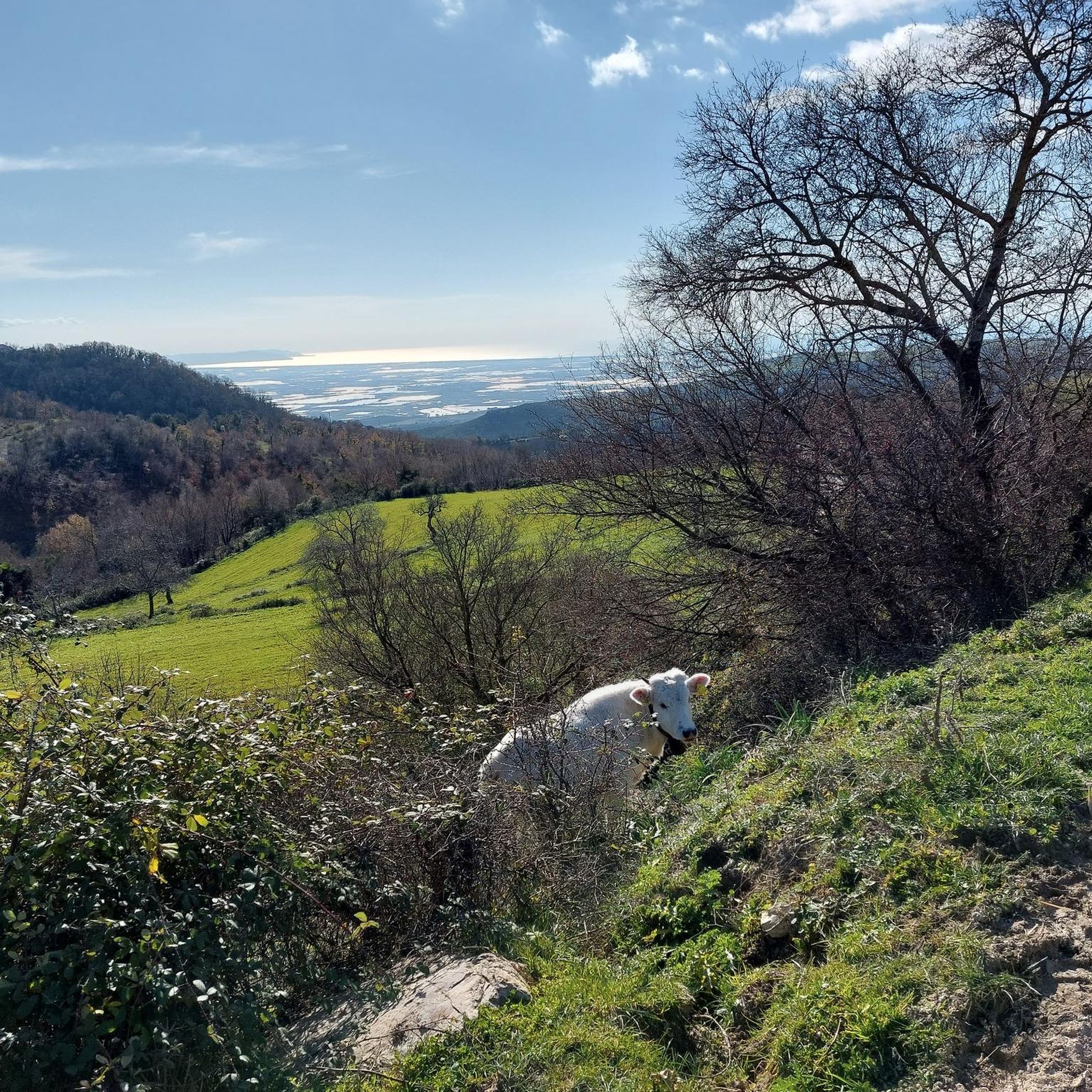
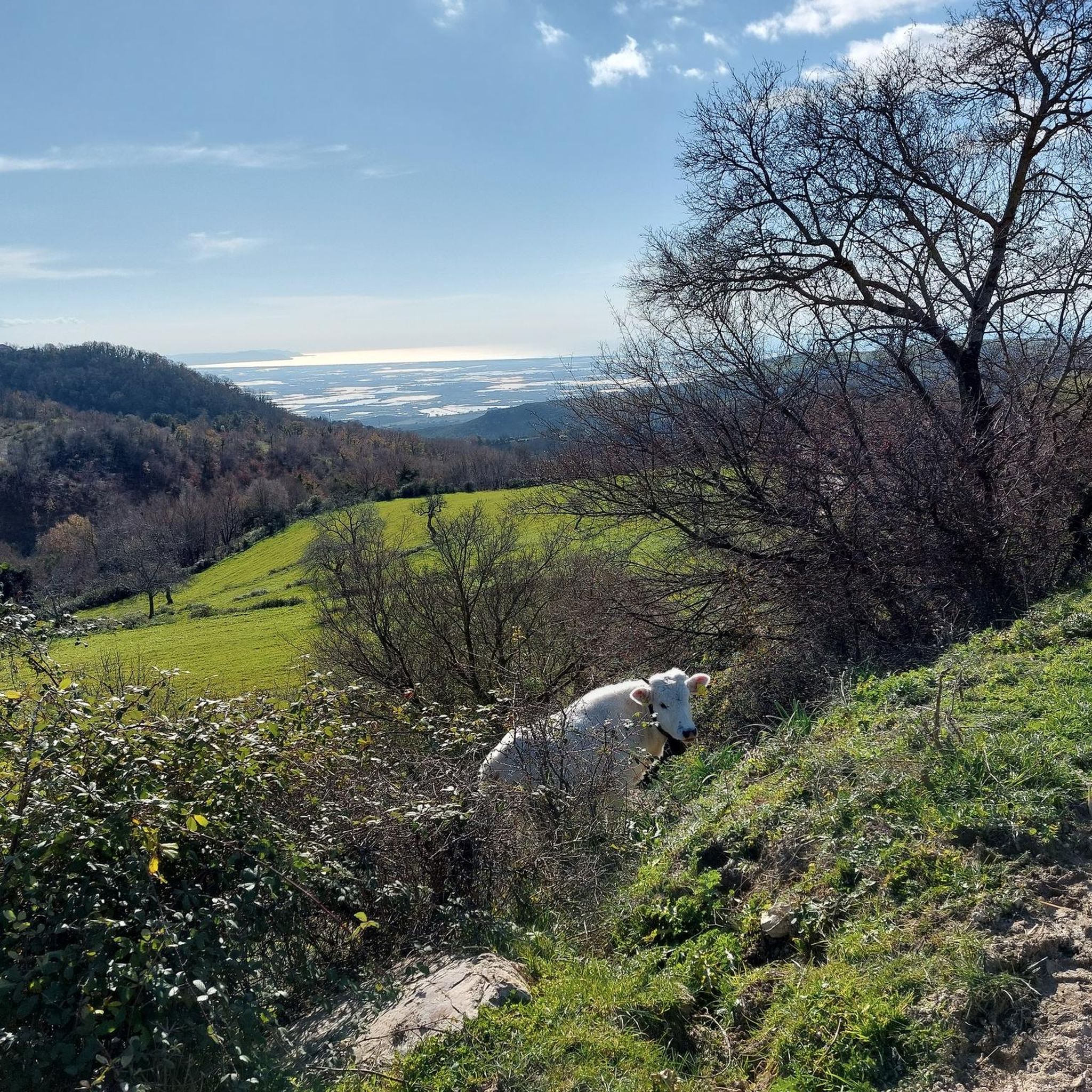
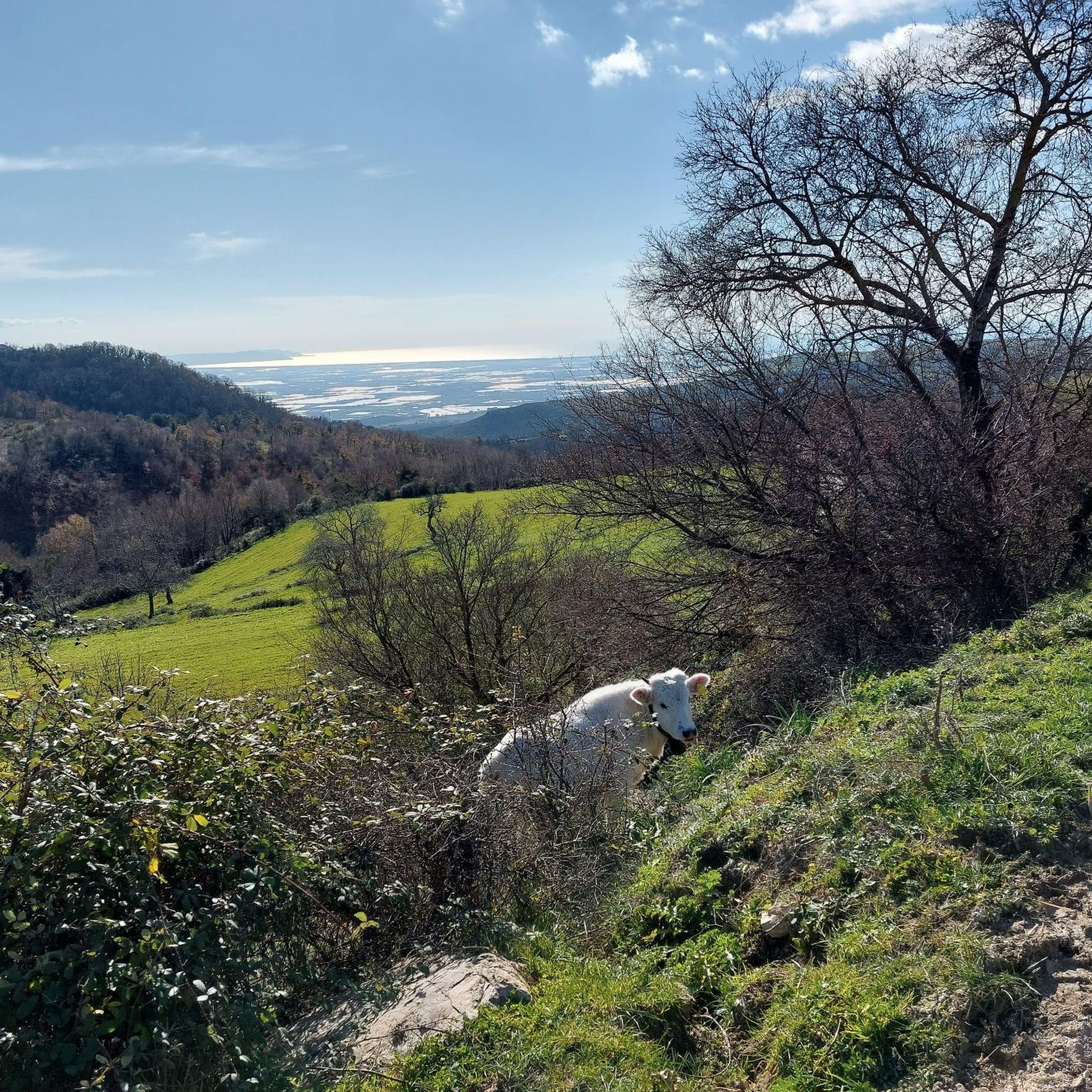
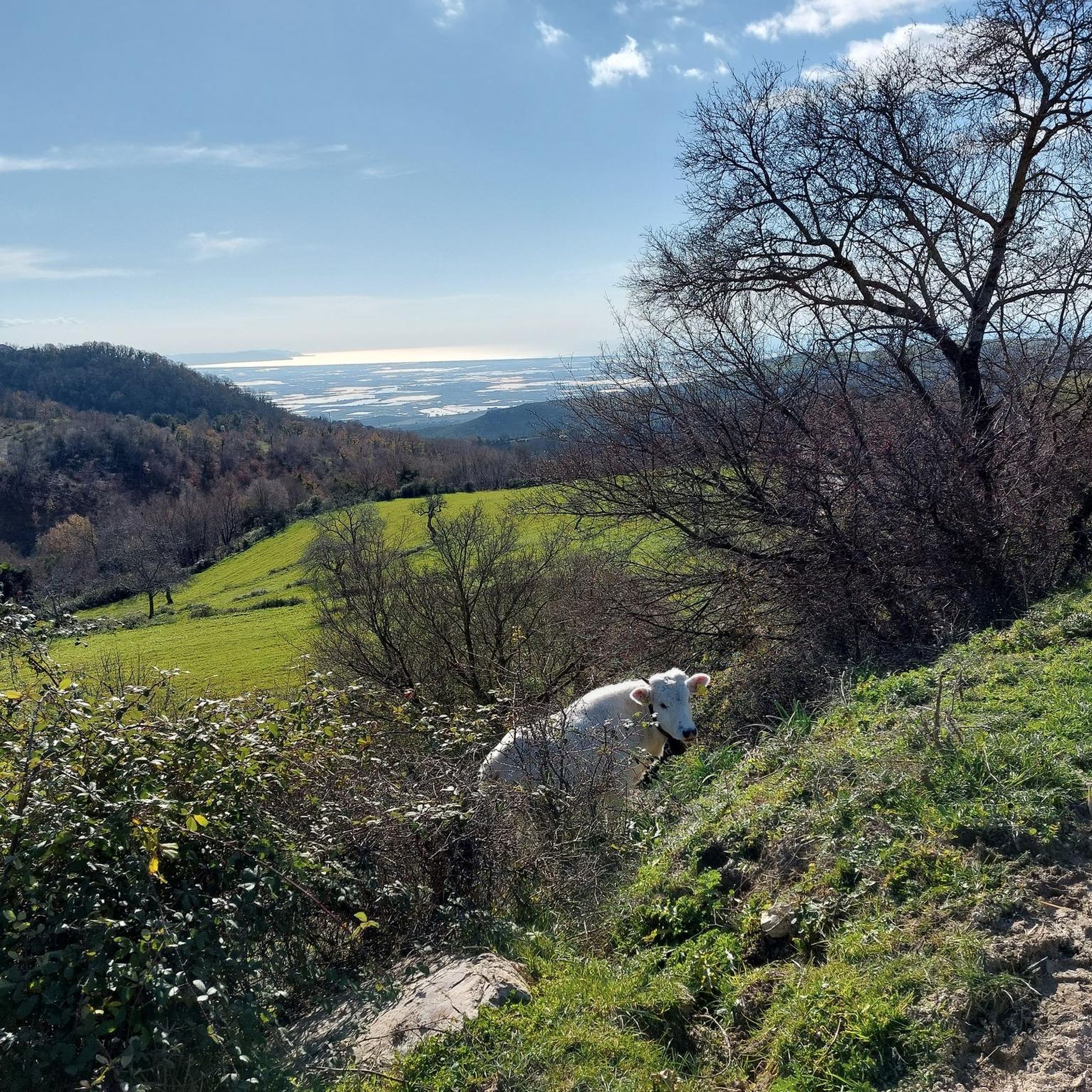

Tips from the Community


It's worth a stop (especially in summer to break the heat) if you happen to be cycling through the area. Keep in mind that admission is free on the first Sunday of every month!
1
0

Convent Ruins
1
0

Even as a ruin it is still very impressive.
2
0

Convent of Constantinople, beautiful to see, pity it is closed
3
0

very well kept exteriors, it's a pity that we were unable to visit the interior of the convent and the garden because the gates were closed.
2
0

The defensive building is set between two natural rock towers in a locality in the hamlet of Felitto, in an inaccessible place that dominates the entire valley below. The fortress was surrounded by a triple wall, the first of which can still be identified by some fragments incorporated in the current urbanization; the second, halfway up the slope, still has the watchtowers and the entrance to the Castrum intact; the third with two quadrangular towers was placed to guard the central nucleus built at maximum height. In the factories, the re-use of clay fragments and previous constructions is visible. The various rooms in which the inhabitants' daily activities took place are still clearly evident: three cisterns for collecting rainwater, halls, service area, halls, suspended arches and more. Between the second and third walls, the vast residential settlement can still be identified, positioned on a vast, mainly flat surface. In this area the ruins of a Christian church outline the small nave and the apse.
20
0

This application was made by @Reborn
4
1
Frequently Asked Questions
What historical sites can I visit around Eboli?
Eboli and its surroundings are rich in history. You can explore the ancient city of Magna Graecia at Paestum: walk along Via Magna Grecia, where you'll find well-preserved Greek walls and the impressive Temple of Hera, Paestum. Other significant historical sites include the ruins of the Convent of Santa Maria di Costantinopoli in Olevano sul Tusciano and the ancient Olevano Castle, which offers insights into medieval defensive architecture.
Are there any natural attractions or features to explore near Eboli?
Yes, Eboli is nestled between mountains and the fertile Sele Plain, offering several natural points of interest. You can visit the Mouth of the Sele River, which provides a unique natural scenario and is part of the Foce Sele e Tagnaro Natural Reserve. The region also features 8 km of Tyrrhenian Sea coastline with beaches and pine forests, and parts of the Monti Picentini Regional Park are within Eboli's territory.
What outdoor activities can I do near Eboli's attractions?
The area around Eboli is excellent for outdoor activities. You can find numerous routes for hiking, road cycling, and touring cycling. For hiking, consider trails like 'Along the Tusciano river – loop from Ariano' or 'Pilgrim's Way Loop'. Cyclists might enjoy the 'Historic Center of Eboli – Corso Matteo Ripa loop' or the 'Mouth of the Sele River – The Terrace of Cilento loop'. You can find more details on these and other routes in the Hiking around Eboli, Road Cycling Routes around Eboli, and Cycling around Eboli guides.
Are there family-friendly attractions in the Eboli area?
Absolutely. The archaeological site of Paestum: walk along Via Magna Grecia is considered family-friendly, offering an engaging historical experience. Additionally, the Mouth of the Sele River is a natural monument that can be enjoyed by families, providing space for relaxation and exploration near the water.
What is the best time of year to visit Eboli for sightseeing and outdoor activities?
Eboli experiences a Mediterranean climate, making spring and autumn ideal for visiting. These seasons offer pleasant temperatures for exploring historical sites and engaging in outdoor activities like hiking and cycling. Summers are hot and dry, while winters are mild and wet, which can still be suitable for some activities, but spring and autumn generally provide the most comfortable conditions.
What cultural sites are there in Eboli?
Eboli boasts several cultural sites. The town's historic center features medieval churches like the Basilica of San Pietro alli Marmi and Chiesa di San Francesco, which also houses a museum dedicated to World War II Operation Avalanche. The Archaeological Museum, located in the former San Francesco convent, displays artifacts from the region's ancient history, from the Neolithic to the Iron Age.
Can I find any museums in Eboli?
Yes, Eboli has a few notable museums. The Archaeological Museum (National Museum of Archaeology of Eboli and the Media Valle del Sele) is housed in the former San Francesco convent and showcases local archaeological findings. There's also the MOA - Museum of Operation Avalanche within the Monumental Complex of Sant'Antonio, and the Museum of Rural Life and Old Crafts at the educational farm 'Feudo Ron Alfre', offering insights into the region's agricultural heritage.
What are some significant religious buildings in Eboli and its surroundings?
Eboli has a rich religious heritage. Key religious buildings include the Basilica of San Pietro alli Marmi, dating back to 1076, and the Chiesa di San Francesco, founded in 1286. The Collegiata di San Matteo is the collegiate mother church, and the Convent and Church of the Most Holy Trinity (Sant'Antonio of Padua) houses important historical paintings. Further afield, the Convent of Santa Maria di Costantinopoli, though abandoned, remains a significant historical religious site.
What do visitors particularly enjoy about the attractions near Eboli?
Visitors frequently praise the perfect state of conservation of the temples and monuments at Paestum, finding it a unique and emotional experience to cycle or walk through history. The Convent of Santa Maria di Costantinopoli is often described as a very suggestive place, rich in history, despite its abandoned state. The Mouth of the Sele River is appreciated for its unique natural scenery.
Are there any ancient Roman structures visible in Eboli?
Yes, Eboli has remnants of its Roman past. You can still see remaining arches of a Roman aqueduct. Additionally, scanty remains of a Roman imperial villa can be found in the locality of Paterno, offering a glimpse into the area's Roman history.
Where can I experience the local agricultural traditions of Eboli?
Eboli is located on the fertile Sele Plain, known for its deep-rooted agricultural traditions. You can learn more about this heritage at the Museum of Rural Life and Old Crafts, located within the educational farm 'Feudo Ron Alfre'. The region is particularly famous for the production of buffalo mozzarella and olive oil, which you can often find in local markets and eateries.
What is the significance of the Castello Colonna in Eboli?
The Castello Colonna is a prominent medieval fortress in Eboli, rebuilt and expanded over centuries. Initially Norman, it was later used by Emperor Frederick II. While it's a key historical landmark, it currently houses a detention center and is not open to the public. However, its imposing presence in the town center tells tales of noble families and regional conflicts.
Most popular attractions around Eboli

Get inspired with the komoot mobile app


Explore more
Still not found the Highlight you’re looking for? See guides of the top attractions in other regions:
