The best MTB trails around Schmidmühlen
4.5
(79)
365
riders
37
rides
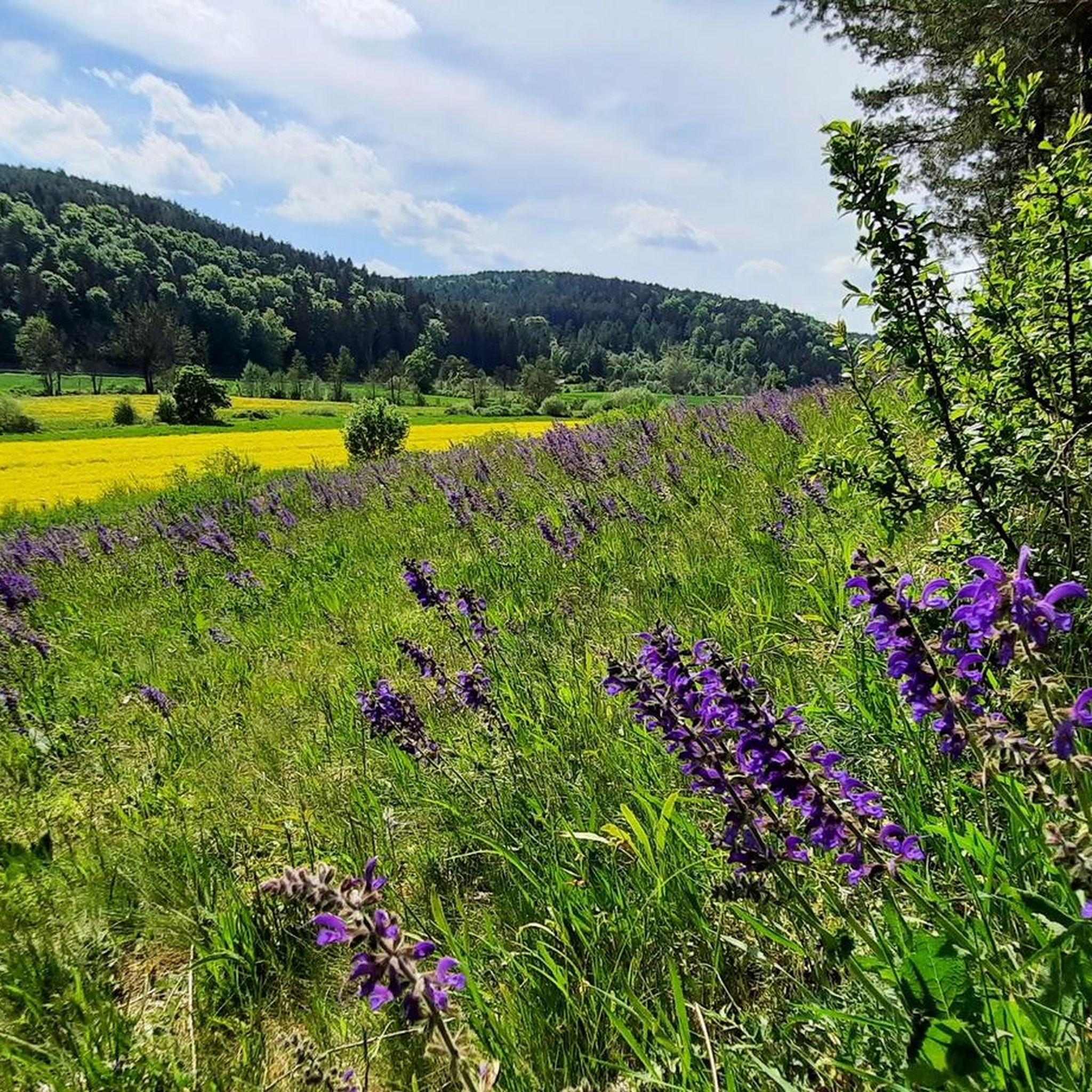
Mountain biking around Schmidmühlen traverses a landscape characterized by rolling hills, dense forests, and the scenic valleys of the Vils and Lauterach rivers. This diverse terrain provides varied conditions for mountain biking, with elevation gains ranging from moderate to significant. Riders can expect a mix of riverside paths and challenging uphill climbs. The region's natural features create a dynamic backdrop for outdoor activities.
Best mountain bike trails around Schmidmühlen
- The most popular mountain bike trail is Lauterach Valley Cycle Path…
Last updated: July 18, 2026
4.8
(22)
109
riders
54.3km
04:12
830m
830m
Moderate mountain bike ride. Good fitness required. Advanced riding skills necessary.
4.3
(3)
12
riders
37.2km
03:04
520m
520m
Moderate mountain bike ride. Good fitness required. Advanced riding skills necessary.

Sign up for free
5.0
(3)
17
riders
46.5km
04:06
800m
800m
Moderate mountain bike ride. Good fitness required. Advanced riding skills necessary.
4.5
(8)
43
riders
30.1km
01:47
310m
310m
Moderate mountain bike ride. Good fitness required. Suitable for all skill levels.
5.0
(1)
25
riders
Easy mountain bike ride. Great for any fitness level. Suitable for all skill levels.
Get access to more routes and recommendations from other explorers.
Sign up for free
Already have an account?
Our route recommendations are based on thousands of hikes, rides, and runs completed by other people on komoot.
Start today with a free account
Your next adventure awaits.
Login or Signup
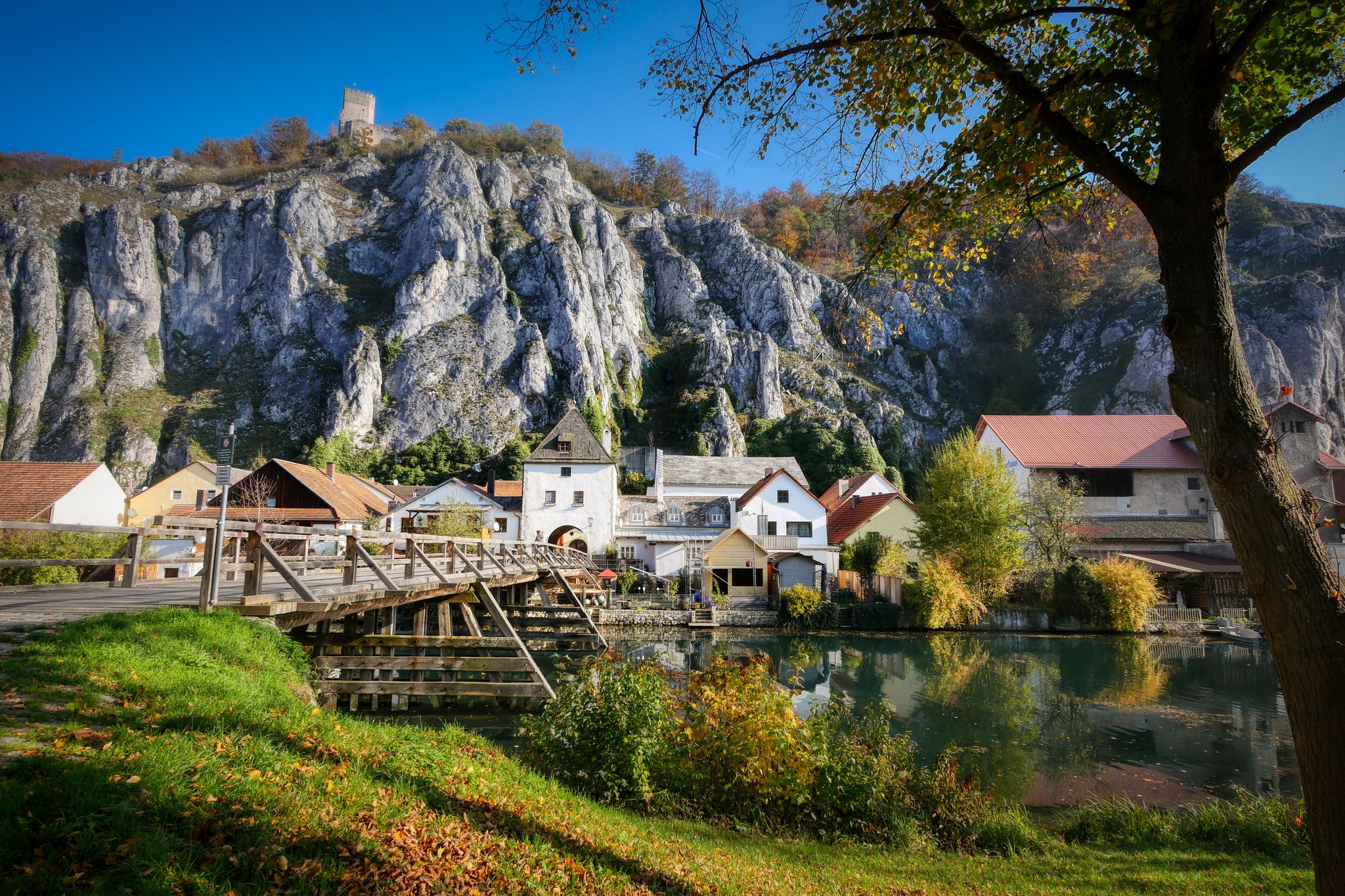
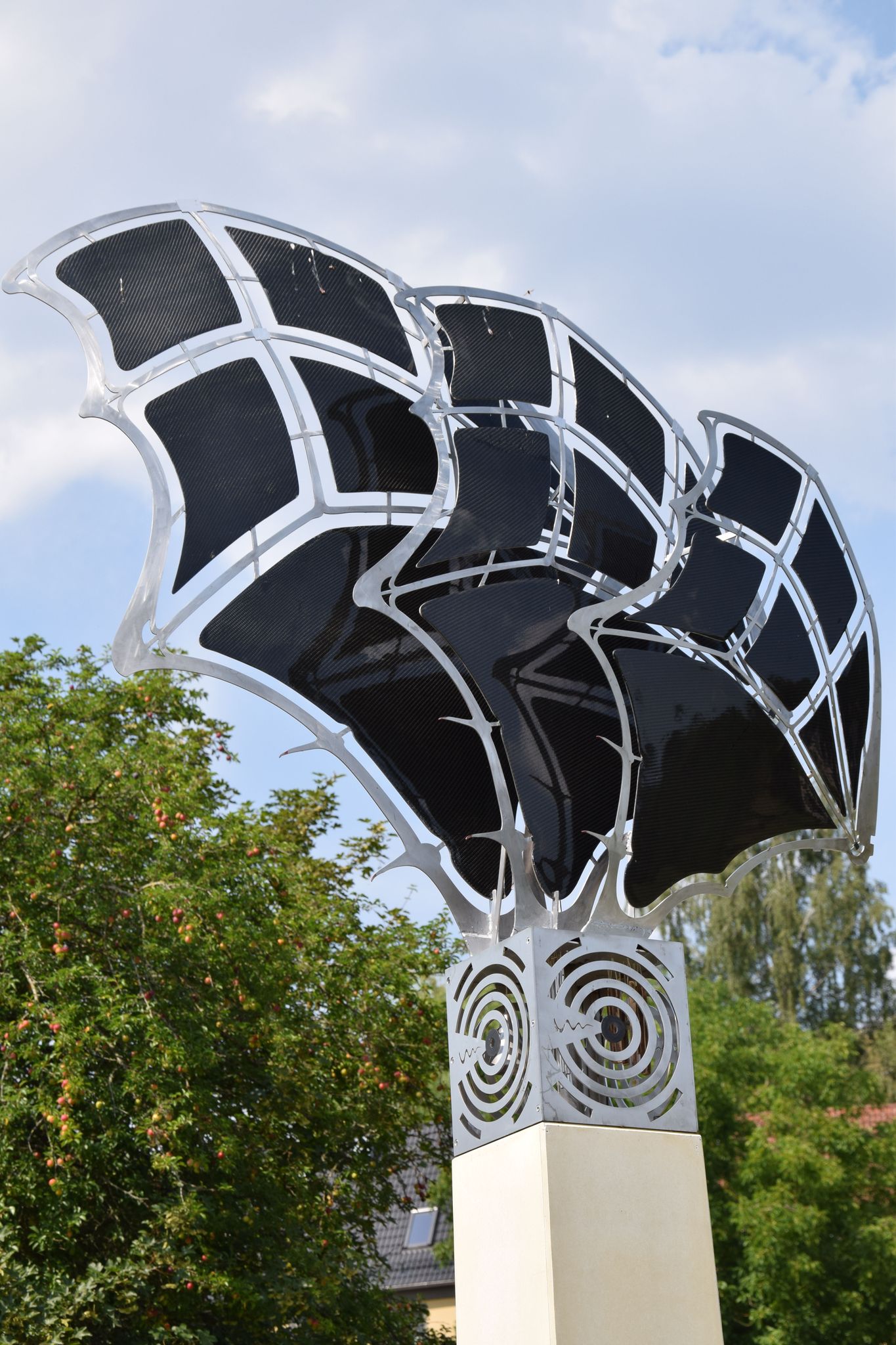
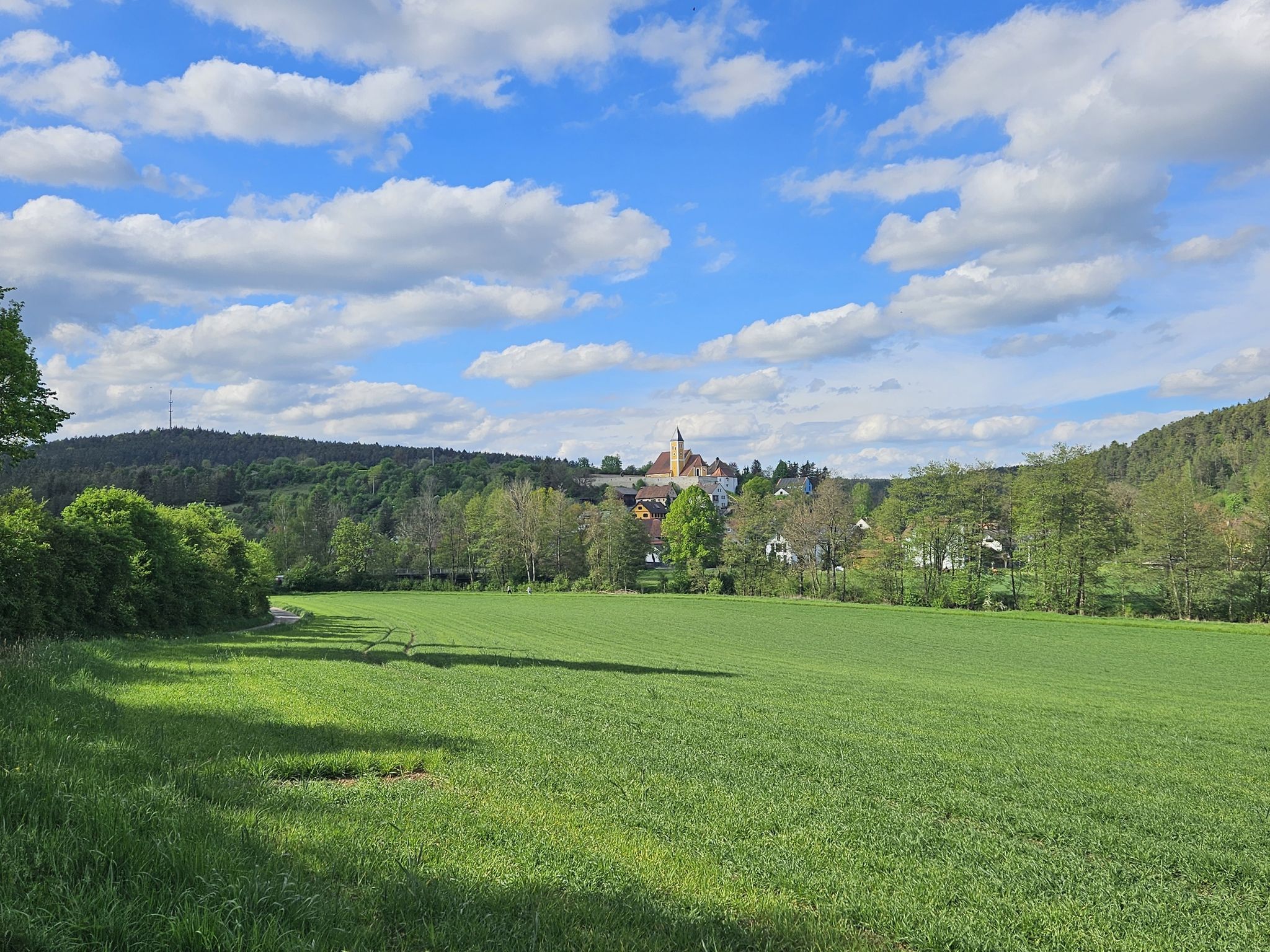
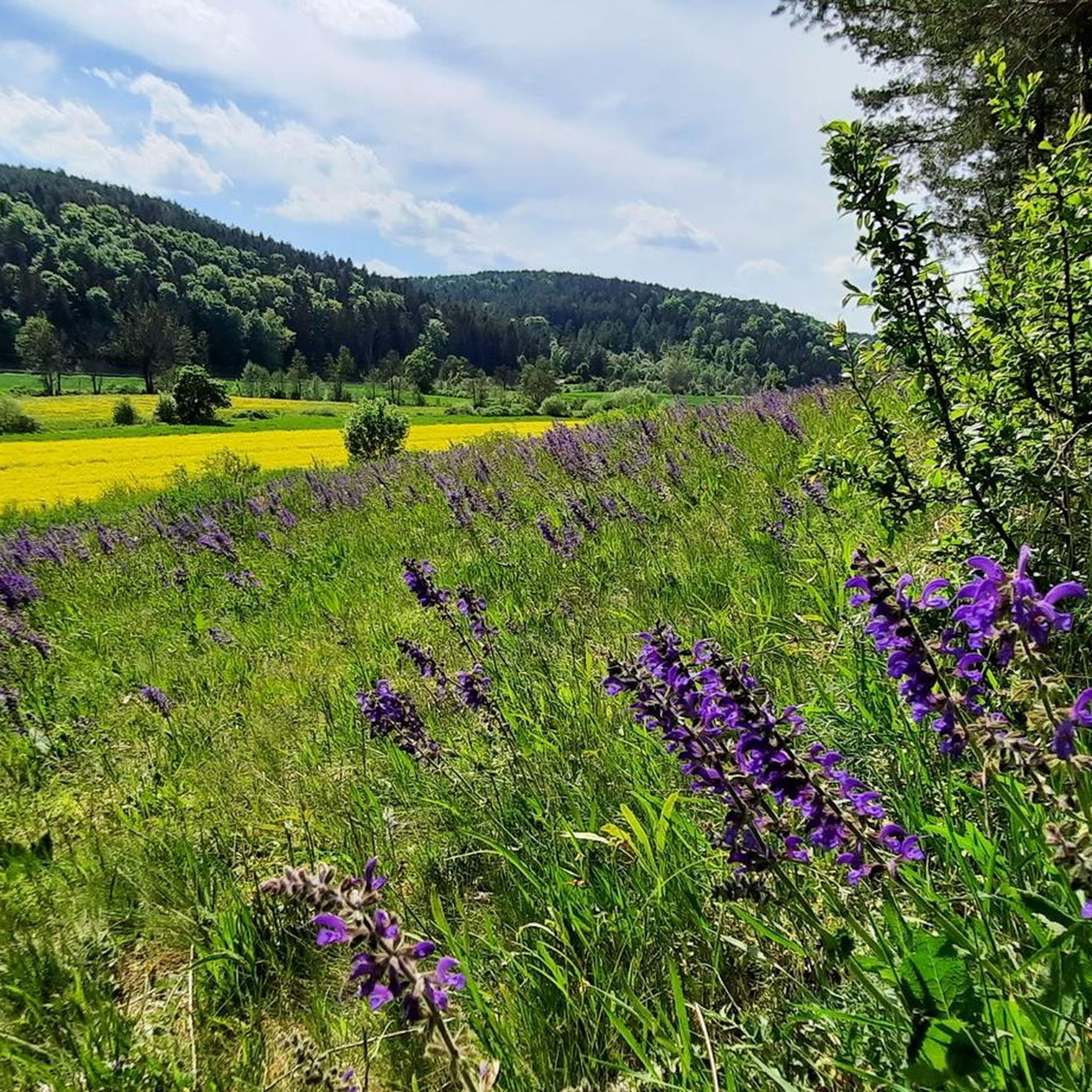



Tips from the Community

Upper Castle The Upper Castle was built as a moated castle by the Lords of Schmidmühlen. From the mid-12th century, they are documented here, starting with Ernst von Schmidmühlen (1166–1170). Georg Hausner von Winbuch (1595–1614), administrator in Regenstauf, was the builder of the present castle. The year 1600 is located on one of the magnificent door frames of the Knights' Hall. The Upper Castle is a three-story, plastered, solid building with a gable roof. An octagonal stair tower is attached, and another extension to the west. In this castle, there was also a small chapel on the ground floor, which, however, has long been filled in and walled up. At the top of the tower is a round ceiling, painted with flowers and rosettes, supported by a delicate wooden column. The entire second upper floor belongs, due to its furnishings, to the most interesting holdings of the German Renaissance. The profane wall paintings located there are reminiscent of those in the ducal castle Trausnitz in Landshut. During the Second World War and afterwards, the Upper Castle suffered greatly from billeting by the occupying forces. Thus, a valuable ceramic stove was destroyed on the second floor. In 1937, the castle came into the possession of the market town of Schmidmühlen. Since the post-war period, the castle has served the market town of Schmidmühlen as its town hall. Between 1977 and 1980, a thorough restoration took place, during which the castle and also the castle garden changed their appearance. The renovation was completed in 2003. The local history and association museum of Schmidmühlen is also housed in the castle. In front of the castle, on the well, stands the cast image of a Moriskentänzer, reminiscent of the Schmidmühlen sculptor Erasmus Grasser, who created the famous late Gothic Moriskentänzer for the festival hall in the Old Town Hall of Munich. Source: Wikipedia
4
0
Raitenbuch Castle In Kallmünz, this former castle estate was owned by the von Raitenbuch family. In 1341, Louis the Bavarian freed his steward, Heinrich von Raidenbuch, and granted him the right to seal documents with red wax. The noble residence is mentioned in the Palatinate-Neuburg land register of 1514. In 1283, Kallmünz became the seat of a regional court (Landgericht) of the Duchy of Upper Bavaria, which had been established in 1255. The regional court convened in Raitenbuch Castle. Since the necessary offices for judges and court officials first had to be built, records of this regional court do not begin until 1323. The court building also included a court official's house with a prison. Regional judges serving here are documented from 1300 onward. The list begins with Hainrich von Sigenheim around 1300 and ends with Franz Sigmund Freiherr von Wildenau in 1772. Raitenbuch Castle was acquired by the market town of Kallmünz from the lord of the manor, von Fleischmann zu Markstetten, in 1806 and adapted as a school building. The prison was sold to a private individual. In the 1990s, the municipality of Kallmünz used the castle for social housing. Today, the renovated building is used as a hotel. The renovated building received the Hypo Cultural Foundation's Heritage Award in 2013. In 1805, the street-side entrance with its external staircase, which is still preserved today, was created. In 1885, the building was raised by one story to create additional classrooms. Raitenbuch Castle is therefore a four-story hipped-roof building with a corner oriel window. It features 17th-century stucco decoration. The ground floor was built directly on bedrock. The ground floor contains vaulted ceilings. Source: Excerpts from www.wikipedia.de
2
0

Raitenbuch Castle (sometimes simply called Raitenbuch House) is a listed building at Vilsgasse 10 in the Upper Palatinate market town of Kallmünz, in the Regensburg district (Bavaria). Today, a small, fine boutique hotel with a long history. This former castle estate in Kallmünz was owned by the Raitenbuch family. In 1341, Ludwig the Bavarian exempted his court master, Heinrich von Raidenbuch, from tax, raiß (= military campaign), and blacksmithing, granting him the right to seal with red wax. ... In 1804, the 15 district courts of Palatinate-Neuburg were reduced to eight, and Kallmünz was merged with Burglengenfeld. Raitenbuch Castle was acquired by the market town of Kallmünz in 1806 from the lord of the manor, von Fleischmann zu Markstetten, and converted into a school building. The Keuche (church) was sold to a private individual. In the 1990s, the municipality of Kallmünz used the castle for social housing. Today, the renovated building serves as a hotel. The renovated building received the Hypo Cultural Foundation's Monument Prize in 2013. The street-side entrance with the external staircase, which still stands today, was created in 1805. In 1885, the building was raised by a story to create additional classrooms. Raitenbuch Castle is therefore a four-story hipped-roof structure with a corner bay window. It features stucco detailing (base rustication with parapet panels and corner pilasters) dating from the 17th century. The basement was built directly on natural rock. The ground floor features vaulted ceilings. Source: https://de.wikipedia.org/wiki/Raitenbucher_Schloss
0
0

The summit offers seating, an information board, and a beautiful view. More information at: https://peakhunter.com/de/peaks/rechenfels
1
0

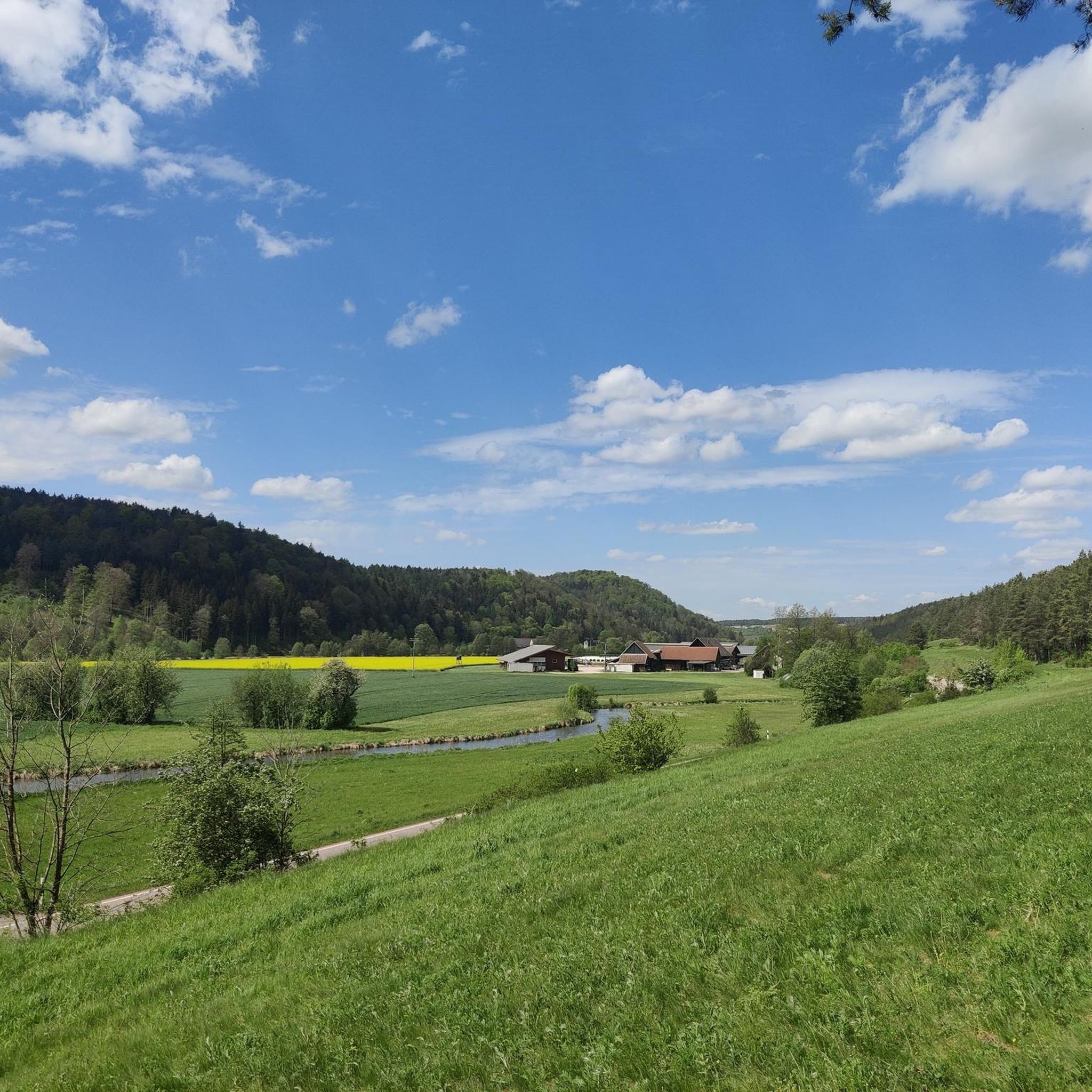
The river is called Lauterach
0
0

A slightly different Nepomuk than usual
1
0

This team of oxen is very beautiful
2
0
a nice idea, hang watering cans on the tree
3
0
Frequently Asked Questions
How many mountain bike trails are available in Schmidmühlen?
There are over 40 mountain bike trails around Schmidmühlen, offering a variety of experiences for different skill levels. You'll find a good mix of easy and moderate routes to explore.
What kind of terrain can I expect on mountain bike trails around Schmidmühlen?
The terrain around Schmidmühlen is diverse, characterized by rolling hills, dense forests, and the scenic valleys of the Vils and Lauterach rivers. You can expect a mix of riverside paths and challenging uphill climbs, with some areas featuring bright pine forests and juniper heaths, sometimes referred to as 'Bavarian Tuscany'.
Are there mountain bike trails suitable for beginners in Schmidmühlen?
Yes, Schmidmühlen offers several trails suitable for beginners. Out of the over 40 available routes, 11 are classified as easy, providing a gentle introduction to mountain biking in the region.
What natural features can I see along the mountain bike trails in Schmidmühlen?
Many trails in Schmidmühlen pass by beautiful natural features. You might encounter the scenic Vils Riverside Trail and Rock Formations, ride alongside the Lauterach River, or discover the Rammertsbrunn Spring. The region's varied landscape of forests and river valleys is a constant companion.
Are there any historical landmarks or points of interest near the mountain bike routes?
Yes, the region is rich in history. You can explore areas around the Kallmünz Castle Ruins, which is featured on routes like the Gipfelkreuz Trail Kallmünz – Kallmünz Castle Ruins loop from Schmidmühlen. Other notable sites include the historic mill district in Schmidmühlen, the 16th-century Obere Schloss, and the unique 'Skulpturenweg' with iron sculptures.
What do other mountain bikers enjoy about the trails in Schmidmühlen?
The mountain bike trails in Schmidmühlen are highly regarded by the komoot community, holding an average rating of 4.5 stars from over 60 reviews. Riders often praise the diverse terrain, the scenic river valleys, and the well-maintained network that offers options for various skill levels.
Are there any circular mountain bike routes in Schmidmühlen?
Yes, many of the mountain bike routes in Schmidmühlen are designed as loops, allowing you to start and end in the same location. Examples include the Lauterach Valley Cycle Path – Historic center of Hohenburg loop from Schmidmühlen and the Weir at Emhof – Vils River Trail loop from Schmidmühlen.
What is the best time of year for mountain biking in Schmidmühlen?
The region's diverse landscape makes it enjoyable for mountain biking through much of the year. Spring and autumn offer pleasant temperatures and vibrant scenery, while summer provides longer daylight hours. Winter riding is possible, but conditions may vary, with some trails potentially being muddy or icy.
Are there any longer, more challenging mountain bike routes for experienced riders?
While most routes are moderate, some trails offer significant elevation gains and longer distances, requiring good fitness. For instance, the Lauterach Valley Cycle Path – Historic center of Hohenburg loop from Schmidmühlen covers over 52 km with more than 740 meters of elevation gain, providing a substantial challenge.
Can I find places to eat or drink near the mountain bike trails?
Yes, Schmidmühlen and the surrounding villages offer options for refreshments. You might find local cafes or pubs, such as the Beer garden "Old Station" Theuern, which can be a convenient stop along some routes. The historic centers of towns like Kallmünz also provide opportunities for a break.
Are there any routes that offer particularly good viewpoints?
Yes, the varied terrain provides several spots with expansive views. For example, the Premberg Landscape Cinema and Summit Cross offers panoramic vistas. Trails leading to castle ruins, such as the Rossstein Castle Ruins – Allersburg Trail loop from Schmidmühlen, also often reward riders with impressive outlooks.
Most popular routes around Schmidmühlen
Most popular attractions around Schmidmühlen

Get inspired with the komoot mobile app


Explore more
Browse the best MTB trails in other regions.
