The 14 Most Amazing Peaks around Lugo Di Vicenza
Best mountain peaks around Lugo Di Vicenza are found within the Venetian Prealps, particularly the accessible Asiago Plateau. This region features a diverse landscape of hills and mountains, offering panoramic views and historical sites. The area is known for its varied terrain, from gentle slopes to more challenging ascents, making it a destination for different types of outdoor activities.
Best mountain peaks around Lugo Di Vicenza
- The most popular mountain peaks is Mount Cengio, a summit that offers a…
Last updated: May 9, 2026
Forte Interrotto
Highlight • Historical Site
Tip by

Summano Summit Cross
Highlight • Summit
The ideal place for a nice trekking in the name of relaxation and fun.
Translated by Google •
Tip by

Sign up now to discover places like this
Get recommendations on the best single tracks, peaks, & plenty of other exciting outdoor places.
Sign up for free
Mount Cengio
Highlight • Summit
Translated by Google •
Tip by

Col d'Astiago
Highlight • Mountain Pass
Translated by Google •
Tip by

Monte Paù (or Cima del Gallo)
Highlight • Summit
Translated by Google •
Tip by

Sign up for free to discover even more peaks around Lugo Di Vicenza.
Sign up for free
Already have an account?
Start today with a free account
Your next adventure awaits.
Login or Signup
Popular around Lugo Di Vicenza
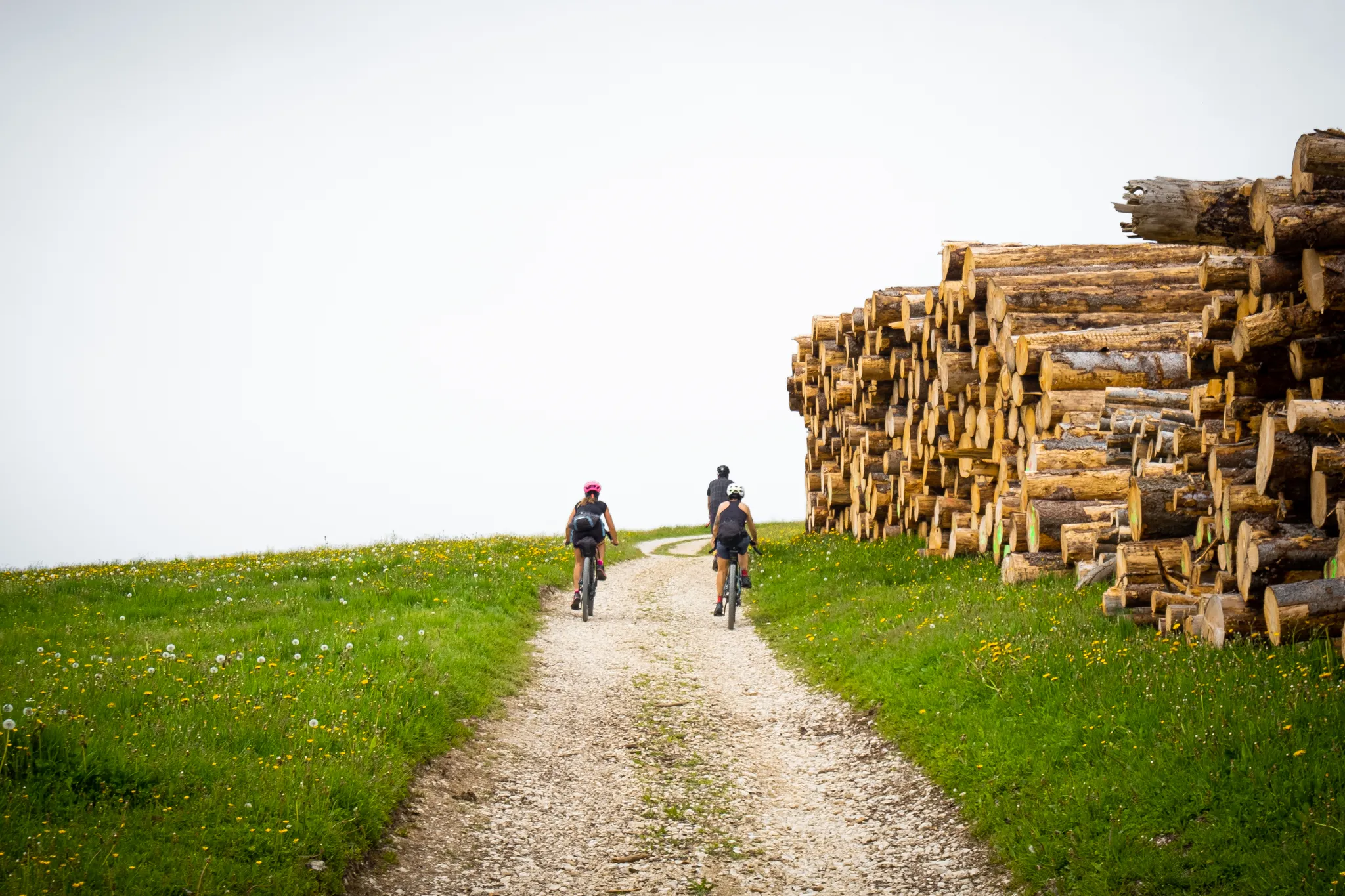
Via delle Prealpi – On the way with the MTB in the Venetian Prealps
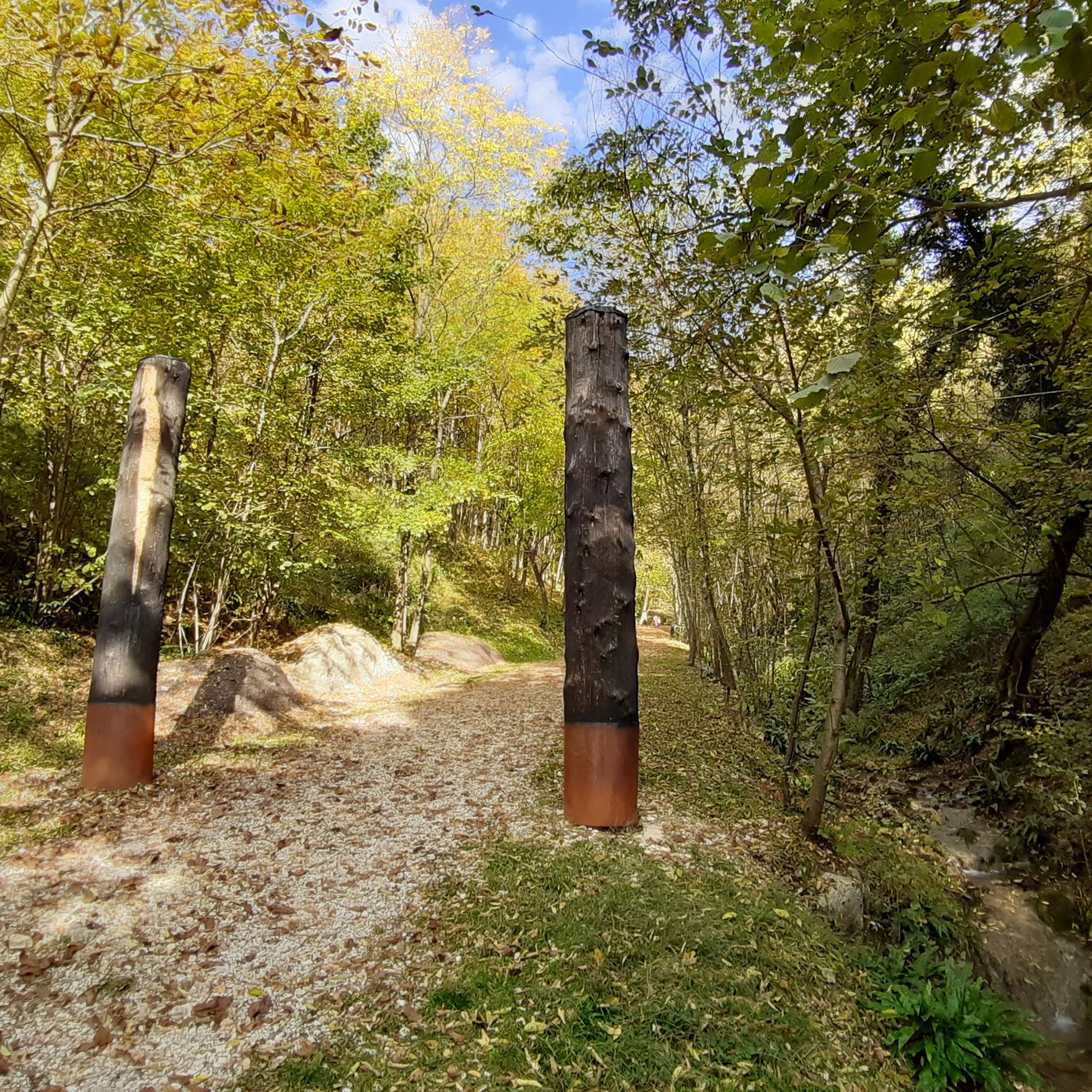
Hiking around Lugo Di Vicenza
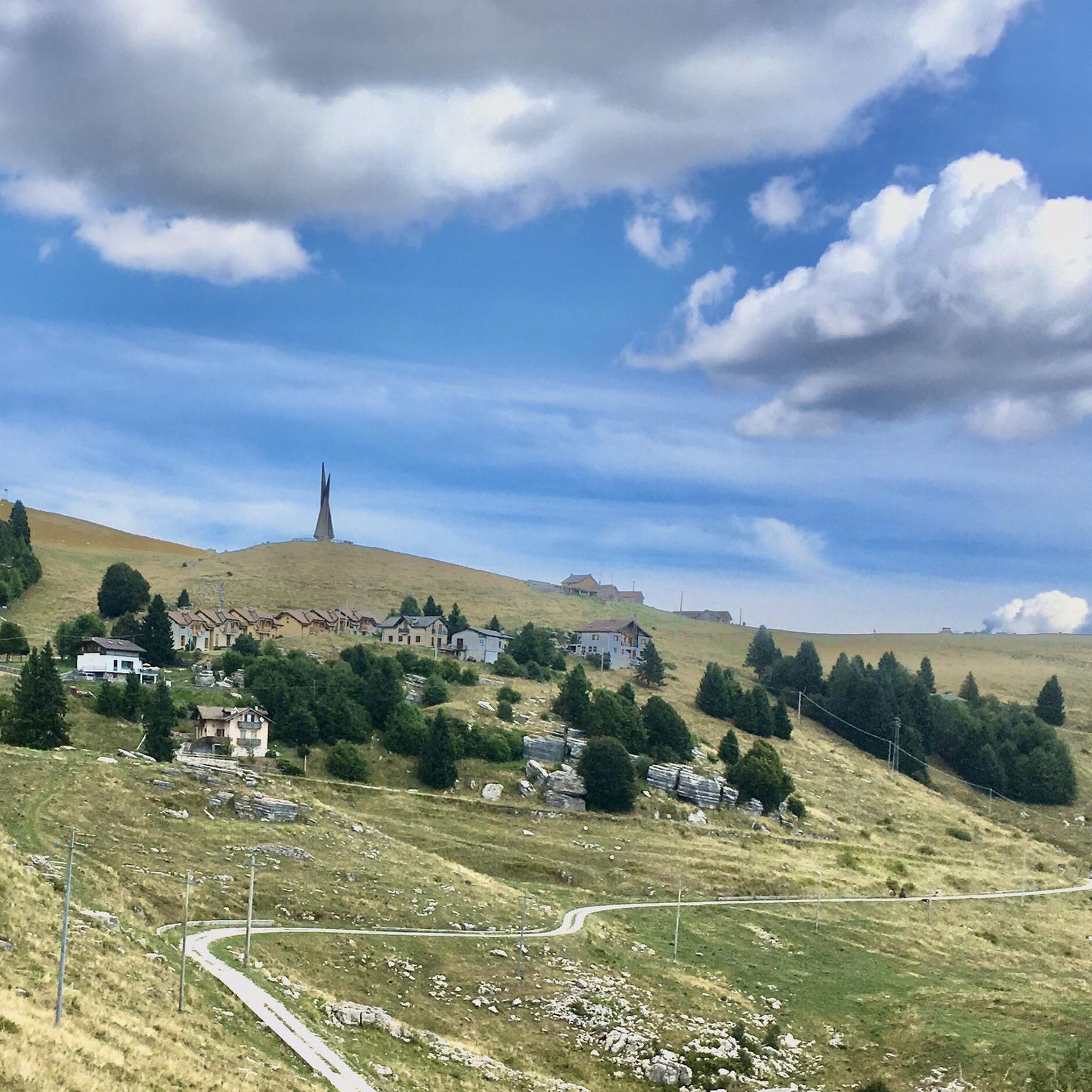
MTB Trails around Lugo Di Vicenza
Gravel biking around Lugo Di Vicenza
Road Cycling Routes around Lugo Di Vicenza
Running Trails around Lugo Di Vicenza
Cycling around Lugo Di Vicenza

Mountain Hikes around Lugo Di Vicenza
Other adventures around Lugo Di Vicenza

Tips from the Community


This sacred place is part of our history
0
0

Beautiful trek for lovers of historical trekking
0
0

It is a defensive military barracks built in the second half of the 19th century, entirely in stone, which overlooks the town of Camporovere and dominates the entire central basin of the Plateau. From a historical point of view, the Forte Interrotto represents a completely exceptional case. It was in fact born from a military architecture project that still followed late medieval canons, recognizable in the 6 gigantic central arches and in the imposing lateral bastions with 115 positions for riflemen. In 1916 it was occupied by the Austro-Hungarians and transformed into a stronghold of the imperial line.
1
0

This large concrete tank pumps water from the springs of the Oliero Caves, thanks to an aqueduct that exceeds 1000m of altitude, and then distributes it throughout the Asiago Plateau: up here in fact the territory is karst, so it does not retain the water that flows downstream through underground passages... practically the same water from rain and snow that naturally flows from the summit, is artificially made to rise out of necessity! The current aqueduct and tank were built on the traces of a system already built during the First World War, to overcome the primary problem of water supply to the Plateau, which presented itself in all its gravity during the conflict, both due to the exponential growth in the number of men present at altitude, and due to the dispute over the few springs by the opposing adversaries. Considered by many to be a horrible structure, for me it is a suggestive, totally detached brutalist architecture, positioned in a natural and uncontaminated environment: a fascinating contrast!
1
0
Col d'Asiago offers a beautiful and privileged panoramic point on the underlying Canale del Brenta, or the narrow and deep terminal part of Valsugana. But the view extends over the Asiago Plateau and the entire skyline of mountains that border it to the north, the Grappa Massif to the east and the mouth of Val Brenta. In the distance, the Piccole Dolomiti, the Pale di San Martino and the Vette Feltrine. Precisely because of its strategic position, during the First World War it was a strongly armed Italian defensive bastion and decisive in various phases of the conflict. The peak is also known locally by the ancient and dialect toponym 'Col del S-ciavo', dating back to the time of the Serenissima: on the slopes of the hill in fact the 'schiavoni' (i.e. the non-Latin inhabitants of the dominions of Dalmatia and the Venetian hinterland) cut wood for the naval fleet; the trunks (especially beech trees) were lowered down the valley through the famous and nearby Calà del Sasso; they were then loaded onto rafts that went down the entire Brenta, until they reached the lagoon and the Arsenale of Venice. A large concrete cistern dominates the summit, collecting the water pumped from the Oliero Caves, 1000m further downstream, and distributing it to the Plateau.
0
0

The ancient history of this beautiful panoramic peak.
0
0

Frequently Asked Questions
What are some of the most popular mountain peaks and viewpoints around Lugo Di Vicenza?
Visitors frequently enjoy the panoramic views from Mount Cengio, which offers a unique perspective of the Vicenza Valley and Val d'Astico, extending to the Asiago Plateau and Euganean Hills. Another favorite is the Summano Summit Cross, known for its 360° panorama of the Po Valley and the Venetian Prealps, and its rich historical and natural significance.
Are there mountain peaks with historical significance near Lugo Di Vicenza?
Yes, the region is rich in history, particularly from World War I. Forte Interrotto is a notable historical site, a 19th-century military barracks transformed into a fortress, offering views of Camporovere and Asiago. The Asiago Plateau, where many peaks are located, also holds significant historical value with memories of the Great War scattered throughout. Monte Paù (or Cima del Gallo) also features Italian artifacts from the Great War, including tunnels and artillery positions.
What kind of natural features can I expect to see when visiting the mountain peaks?
The mountain peaks around Lugo Di Vicenza offer diverse natural beauty. From summits like Summano Summit Cross, you can experience unique floral biodiversity. The broader Asiago Plateau features tranquil woods and stunning views of the Venetian plain. Many peaks provide extensive vistas of the surrounding plains and other mountain ranges, ideal for photography and enjoying nature.
What outdoor activities can I do near these mountain peaks?
The area around Lugo Di Vicenza offers a variety of outdoor activities. You can explore numerous hiking trails, ranging from easy to moderate, through historical landscapes and natural beauty. For more specific routes, consider exploring the hiking guide for Lugo Di Vicenza, which includes routes like the 'Monte Corno Summit Trail'. Mountain biking and road cycling are also popular, with dedicated guides such as MTB Trails around Lugo Di Vicenza and Road Cycling Routes around Lugo Di Vicenza.
Are there family-friendly hiking options among the mountain peaks?
Yes, the Asiago Plateau, accessible from Lugo di Vicenza, offers a variety of trails suitable for different fitness levels, including family-friendly options. For instance, the 'Family Trek from Monte Corno to Bocchetta Pau' is a moderate route largely on roads, making it accessible for many. The general loop hike on the Asiago Plateau also provides wide trails suitable for families.
What is the best time of year to visit the mountain peaks around Lugo Di Vicenza?
The region's mountain peaks can be enjoyed throughout much of the year. The climb to Monte Summano, for example, is exposed to the south, making it accessible practically all year round. Spring and autumn offer pleasant temperatures and vibrant scenery, while summer is ideal for longer treks. Winter can provide opportunities for snowshoeing or enjoying the serene, snow-covered landscapes, though some routes may require specific gear or experience.
Can I find mountain huts or places to eat and stay near the peaks?
Yes, particularly on the Asiago Plateau, you'll find numerous mountain huts (malghe) where you can experience local alpine culture and sample regional products. These often provide opportunities for refreshments and sometimes accommodation, enhancing the hiking experience.
What makes Col d'Astiago a significant mountain pass to visit?
Col d'Astiago offers a wide panorama of the Brenta and towards Monte Grappa, as well as the Asiago Plateau. It's historically significant due to its role as an Italian defensive bastion during World War I and features a unique concrete pumping station that supplies water to the karst plateau, built on the traces of a WWI aqueduct system.
Are there any easy or beginner-friendly mountain routes near Lugo Di Vicenza?
While some peaks involve intermediate climbs, the broader Asiago Plateau offers easier trails suitable for beginners. Many routes are on dirt and wide trails, providing accessible options for those new to mountain hiking. The 'Poilus Loop B' is an example of an easy hiking route listed in the hiking guide for Lugo Di Vicenza.
What do visitors appreciate most about the mountain peaks in this region?
Visitors consistently praise the breathtaking panoramic views offered by many peaks, such as Mount Cengio and Summano Summit Cross. The rich historical context, especially related to World War I, and the opportunity for immersion in nature and tranquility are also highly valued. The variety of hiking opportunities for different skill levels and the chance to experience local culture at mountain huts add to the appeal.
Is Monte Grappa visible or accessible from the Lugo Di Vicenza area?
While not directly in Lugo di Vicenza, the Monte Grappa Massif is a significant and visually prominent feature in the broader region, offering breathtaking views. From viewpoints like Col d'Astiago, you can enjoy a wide panorama that includes Monte Grappa. It's known for its historical importance and challenging, scenic routes for cyclists and hikers.
Most popular routes around Lugo Di Vicenza
Most popular attractions around Lugo Di Vicenza

Get inspired with the komoot mobile app


Explore more
See even more amazing summits around Lugo Di Vicenza with these guides:
