The best road cycling routes around Lugo Di Vicenza
4.5
(424)
15,782
riders
14
rides
Road cycling around Lugo Di Vicenza offers diverse landscapes within the Vicentine hills, providing varied terrain for cyclists. The region features rolling hills, lush countryside, and well-paved surfaces suitable for road cycling. Cyclists can find routes ranging from moderate rides to challenging ascents, often passing through areas with vineyards and olive groves. The topography includes both gentle slopes and more demanding climbs, characteristic of the Vicentine pre-Alps and Berici Hills.
Best road cycling routes around Lugo Di Vicenza
- The most…
Last updated: October 11, 2026
4.8
(13)
194
riders
44.5km
02:22
810m
810m
Moderate road ride. Good fitness required. Mostly well-paved surfaces and easy to ride.
4.7
(10)
54
riders
36.9km
02:25
1,160m
1,160m
Hard road ride. Very good fitness required. Mostly well-paved surfaces and easy to ride.

26
riders
79.8km
03:17
490m
490m
Moderate road ride. Good fitness required. Mostly well-paved surfaces and easy to ride.
11
riders
53.6km
02:33
670m
670m
Moderate road ride. Good fitness required. Some segments of this route may be unpaved and difficult to ride.
10
riders
37.1km
01:28
140m
140m
Moderate road ride. Great for any fitness level. Some segments of this route may be unpaved and difficult to ride.
Get access to more routes and recommendations from other explorers.
Already have an account?
Our route recommendations are based on thousands of hikes, rides, and runs completed by other people on komoot.
Start today with a free account
Your next adventure awaits.
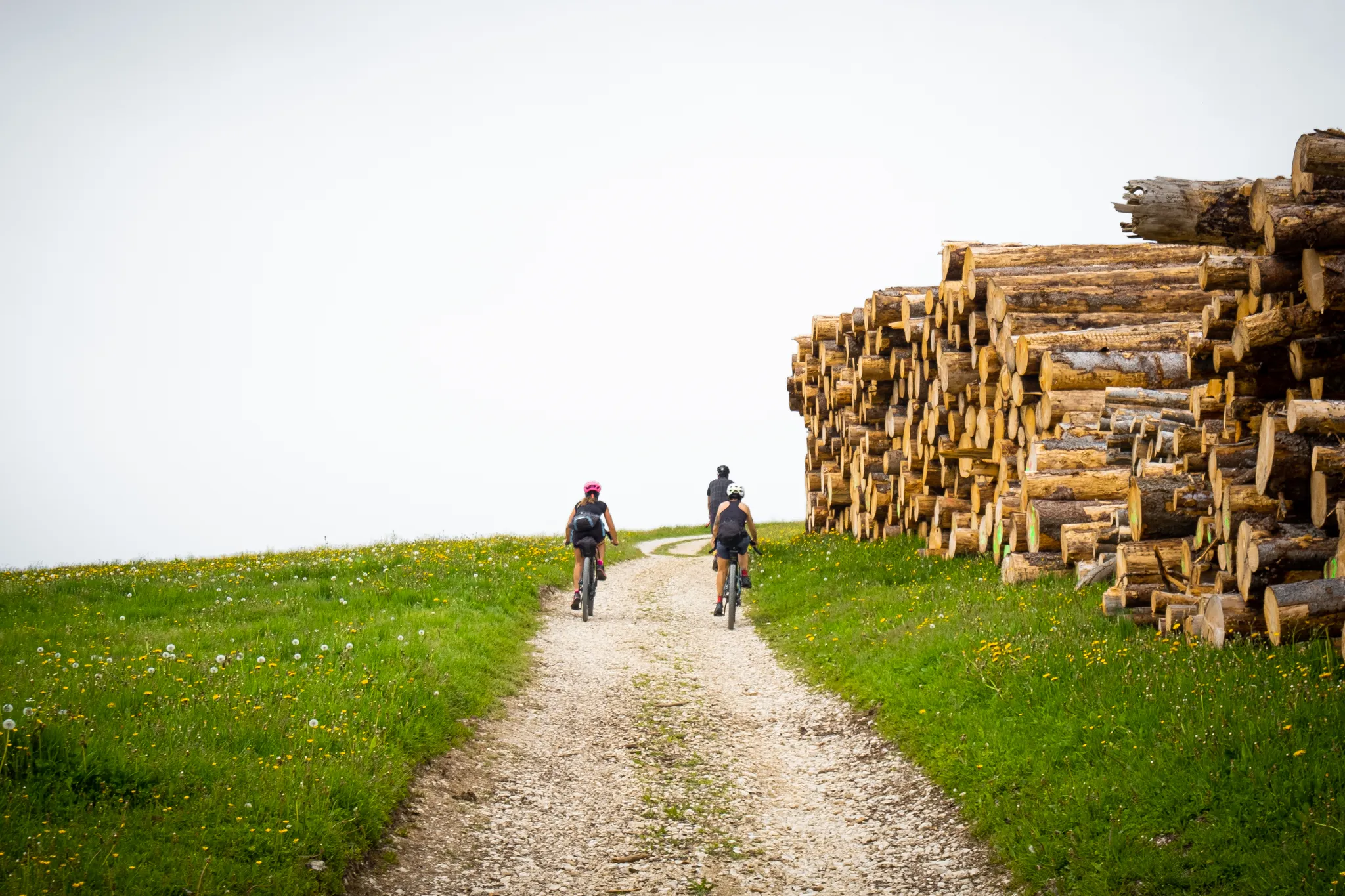
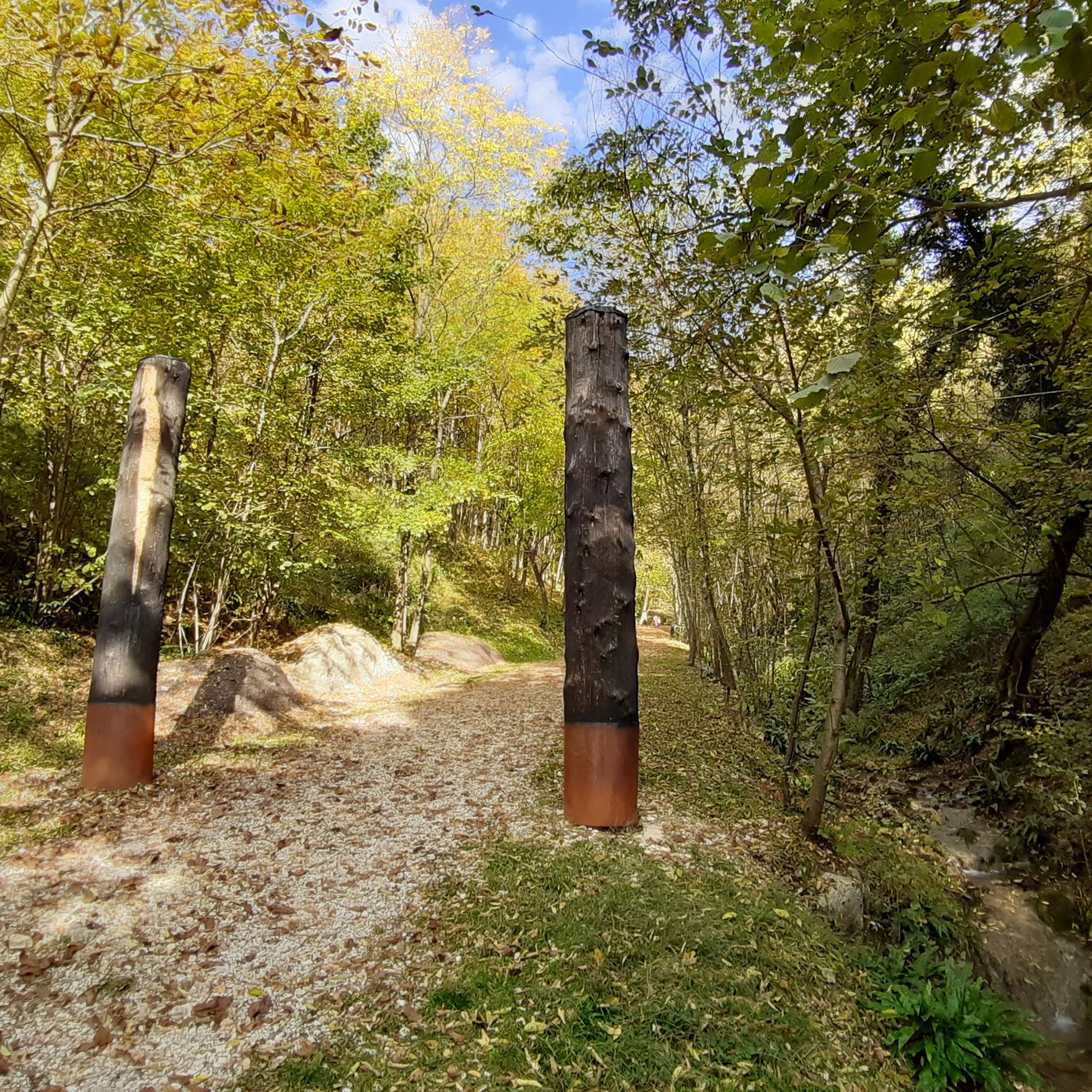
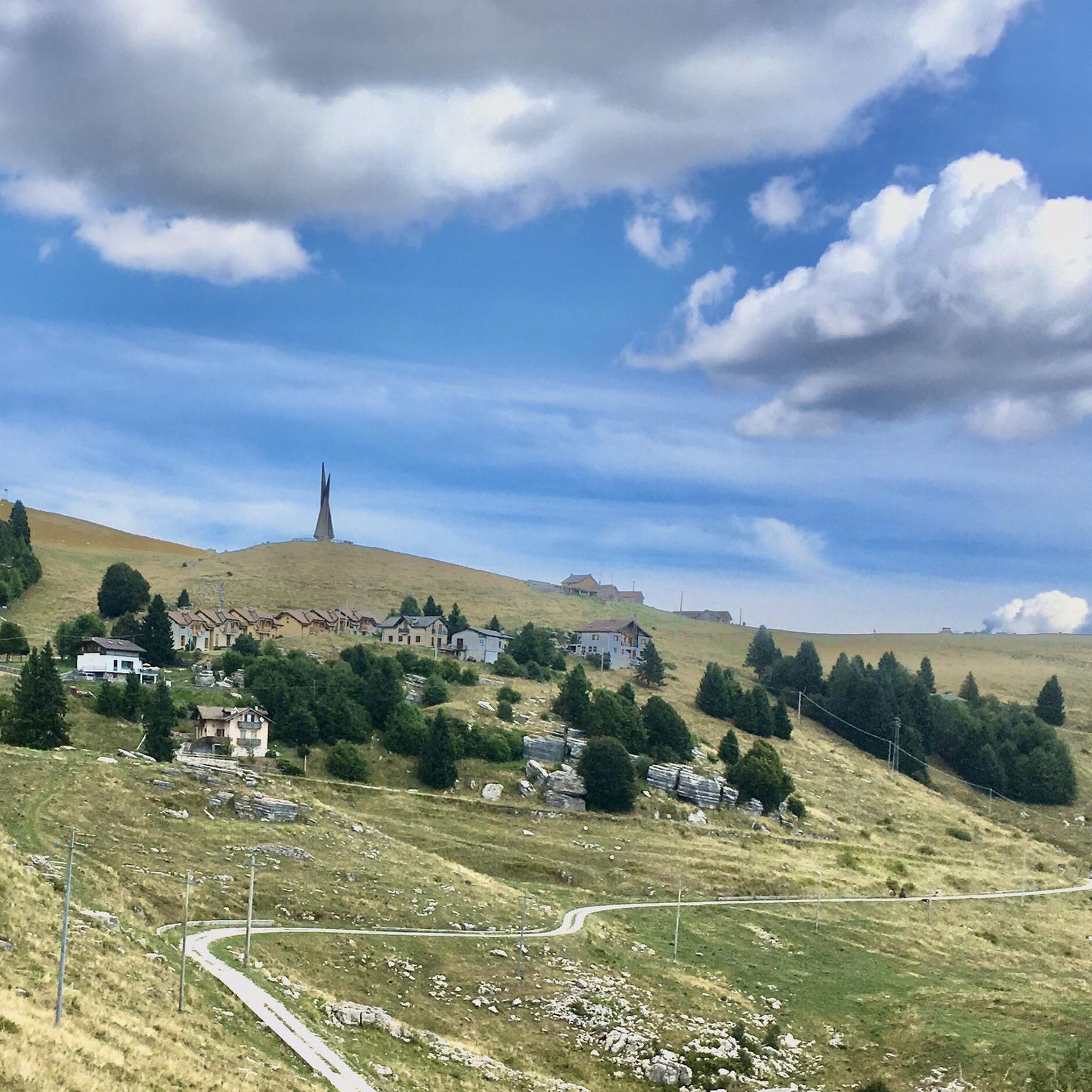
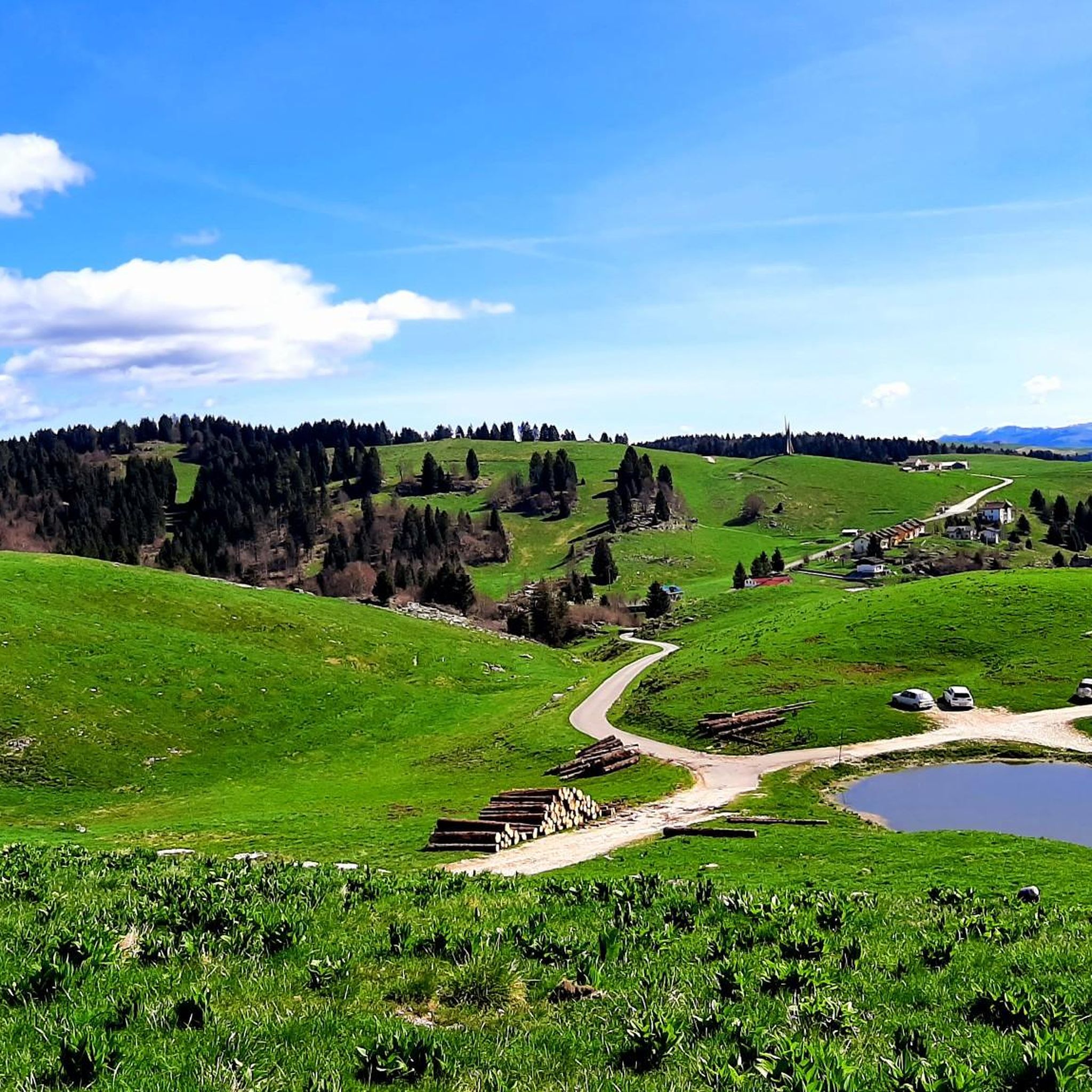

Other adventures around Lugo Di Vicenza

Tips from the Community

Piazza degli scacchi very beautiful
0
0
The Castle is definitely worth seeing
0
0

Villa Capra is a Venetian villa in Sarcedo, built in the 18th century in neoclassical forms of Palladian inspiration. The residence is considered a significant stage of the Venetian Enlightenment, in a climate influenced by the Neopalladianism of Ottone Calderari.
0
0
The third tallest bell tower in the Veneto region and the fourteenth tallest in Italy, it was built after the collapse of the previous tower in 1838 and inaugurated in 1893. Standing 90 meters tall, it houses a remarkable set of 16 bells. From the easily accessible belfry, you can enjoy a sweeping view of the Veneto plain, the local hills, and the surrounding mountains (Little Dolomites, Asiago Plateau, and Monte Grappa). Visits can be made by calling +39 378 091 9676. It is also open during Breganze's main events.
0
0
We recommend booking your visit: https://museomotolaverda.com/ Via Roma 82, 36042 Breganze (VI) 348 1746459 museo.motolaverda@gmail.com
0
0
The Museum is located a few meters from the old factory and is managed by a social promotion association led by Werner Ricciolini, a great enthusiast and enthusiast of the brand. Housed in a charming vintage setting, it houses over 100 motorcycles built between 1948 and 2000 in two large rooms, spanning more than half a century of history, told through motorcycles, photographs, artifacts, testimonials, and documentation.
0
0

This is not "La Rotonda." LA ROTONDA, Palladio's famous villa, is located just outside the center of Vicenza on the Riviera Berica.
0
0

Beautiful and cool cycle path along the Livergon stream
0
0
Frequently Asked Questions
What types of road cycling routes can I find around Lugo di Vicenza?
Lugo di Vicenza offers a diverse range of road cycling routes within the picturesque Vicentine hills. You'll find everything from moderate rides requiring good fitness to more challenging ascents. The terrain includes rolling hills, lush countryside, and well-paved surfaces, with options suitable for various skill levels.
How many road cycling routes are available in the Lugo di Vicenza area?
There are 15 road cycling routes available around Lugo di Vicenza on komoot. These include 1 easy route, 13 moderate routes, and 1 difficult route, catering to a wide range of cycling abilities.
Are there any challenging road cycling routes with significant climbs?
Yes, for experienced cyclists seeking a challenge, the Monte Corno Ascent – Monte Corno loop from Lugo di Vicenza is a difficult 36.6 km route with a significant 1,160-meter elevation gain. This route offers rewarding panoramic views from Monte Corno.
Can I find moderate road cycling routes that are longer distances?
Absolutely. The Villa Capra "La Rotonda" – Priabona loop from Lugo di Vicenza is a moderate 80.6 km route that takes you through historical landscapes, including the notable Villa Capra "La Rotonda." Another moderate option is the View of Malo – Schio loop from Lugo di Vicenza, covering 53.5 km with a 668-meter elevation gain.
Are there road cycling routes that pass by historical or architectural sites?
Yes, many routes in the region offer a blend of sport and culture. The Villa Capra "La Rotonda" – Priabona loop from Lugo di Vicenza passes by the UNESCO World Heritage site Villa Capra "La Rotonda." The area is also home to other Palladian Villas like Villa Godi and Villa Piovene, which can be incorporated into itineraries.
What kind of landscapes can I expect to see while road cycling in Lugo di Vicenza?
You can expect to cycle through diverse and picturesque landscapes. The region is characterized by rolling hills, lush countryside, vineyards, and olive groves. You'll experience a mix of gentle slopes and more demanding climbs, typical of the Vicentine pre-Alps and Berici Hills, with opportunities for expansive views from elevated points.
Are there any circular road cycling routes available?
Yes, many of the routes around Lugo di Vicenza are designed as loops, allowing you to start and finish in the same location. Examples include the Marostica Castle loop from Lugo di Vicenza and the Camisin di Caltrano – Villa Capra Bassani loop from Lugo di Vicenza.
What do other road cyclists enjoy most about the routes in Lugo di Vicenza?
The road cycling routes around Lugo di Vicenza are highly rated by the komoot community, with an average score of 4.5 stars from over 99 reviews. Cyclists often praise the varied terrain, the well-paved surfaces, and the beautiful blend of natural scenery and historical landmarks found along the routes.
Are there any specific viewpoints or natural attractions along the road cycling routes?
From elevated points like Monte Corno, accessible via routes such as the Monte Corno Ascent – Monte Corno loop, you can enjoy panoramic vistas of the plain, extending to the Apennines, Venice, and even the Adriatic Sea on clear days. You might also encounter natural features like the Pach waterfall or the Monte Corno Rock Labyrinth.
What is the best time of year for road cycling in Lugo di Vicenza?
The region generally offers pleasant conditions for road cycling for much of the year. Spring and autumn provide comfortable temperatures and beautiful scenery with blooming flowers or vibrant fall foliage. Summer can be warm, but early mornings or late afternoons are often ideal. Winters are generally milder than in more mountainous regions, but conditions can vary.
Are there any monuments or historical sites to see near the cycling paths?
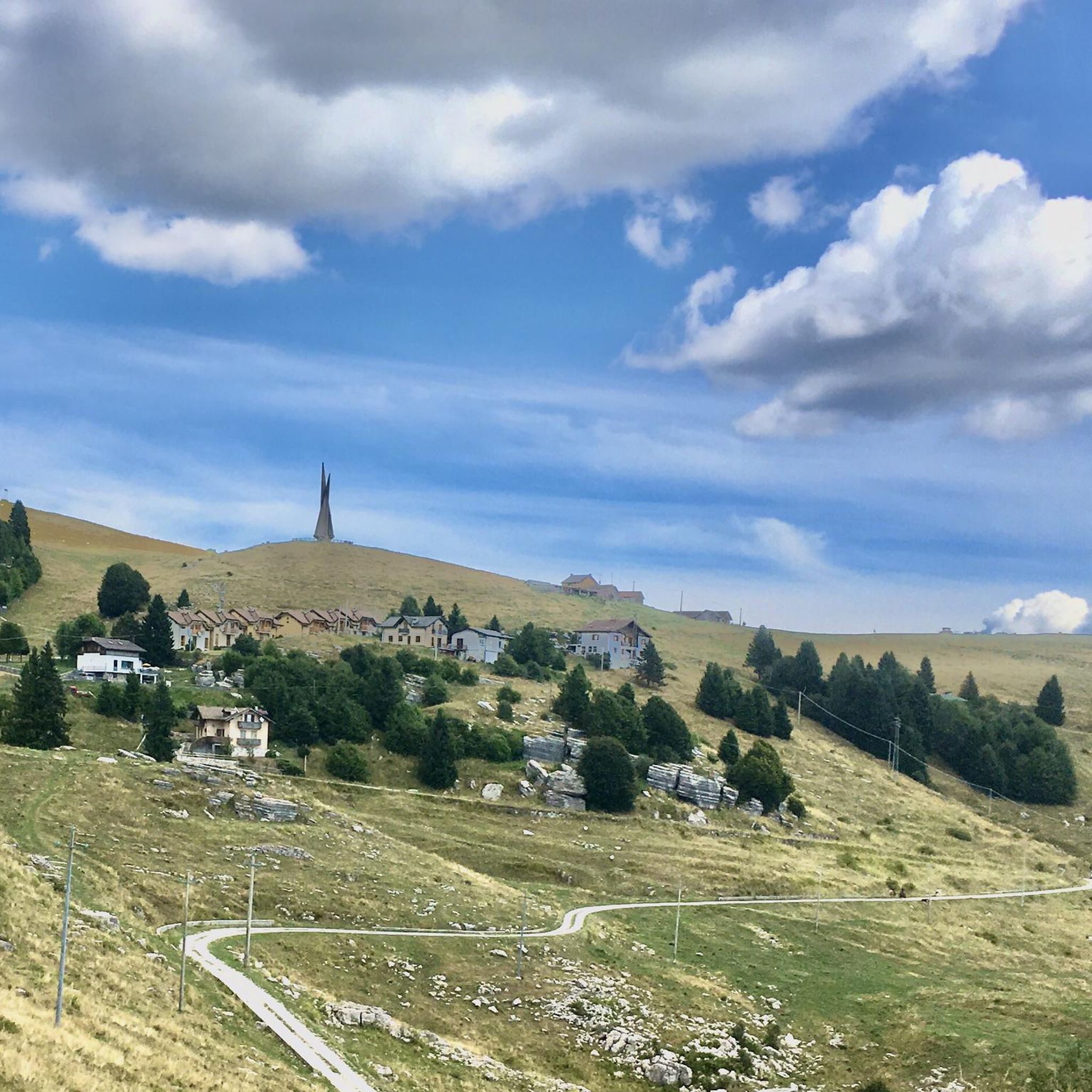
Yes, beyond the Palladian Villas, you can find historical points of interest. For instance, the Mount Corno Monument, erected in memory of those who died during World War II, is located in the vicinity and can be a point of interest during your rides.
Is there a moderate road cycling route that is around 40-50 km long?
Yes, the Marostica Castle loop from Lugo di Vicenza is a moderate 43.7 km route with an elevation gain of nearly 800 meters, typically taking a few hours to complete. This is a popular choice for a substantial yet manageable ride.
Most popular routes around Lugo Di Vicenza
Most popular attractions around Lugo Di Vicenza

Get inspired with the komoot mobile app


Explore more
Browse the best Road cycling routes in other regions.
