The best cycling routes around Sassen
4.6
(1262)
5,876
riders
424
rides
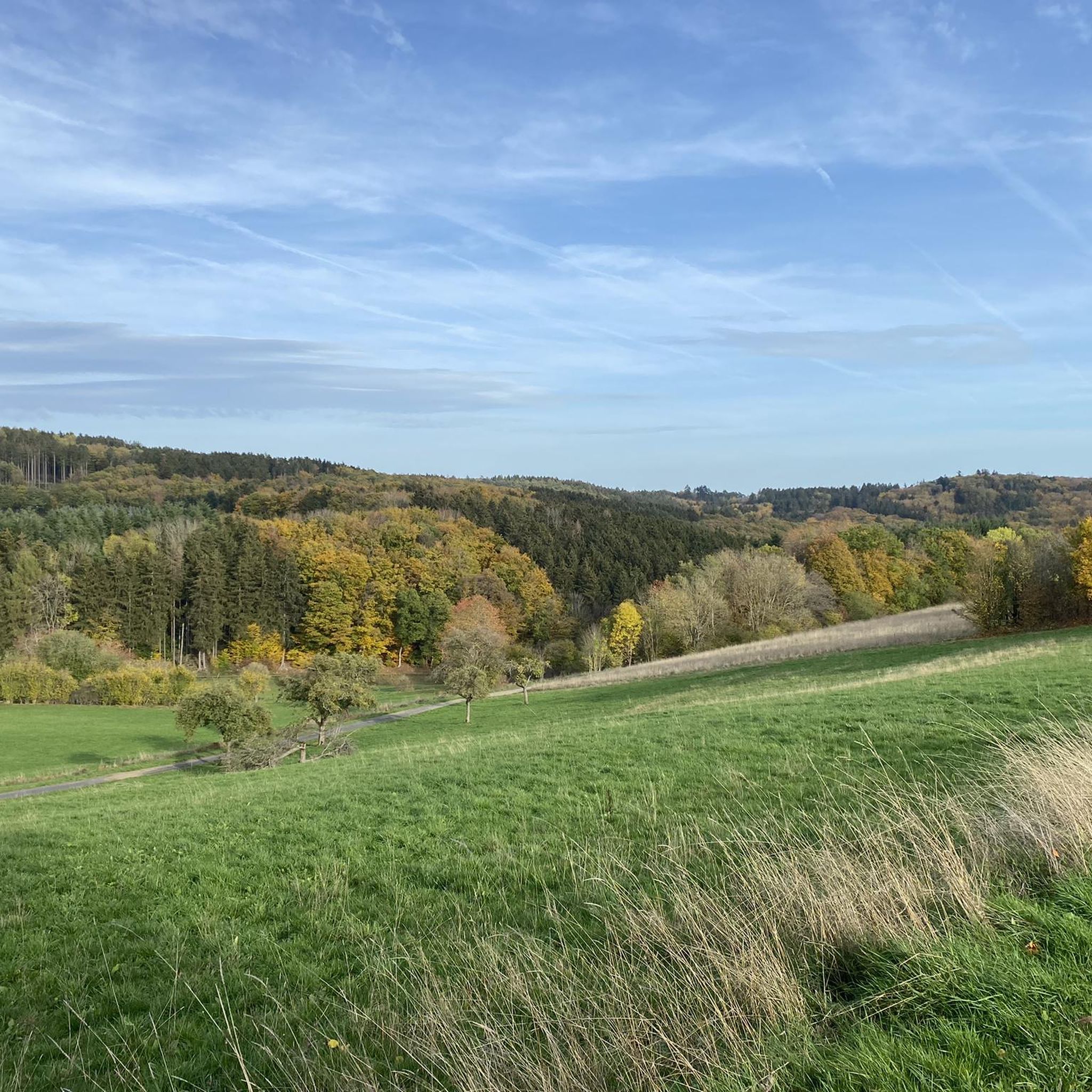
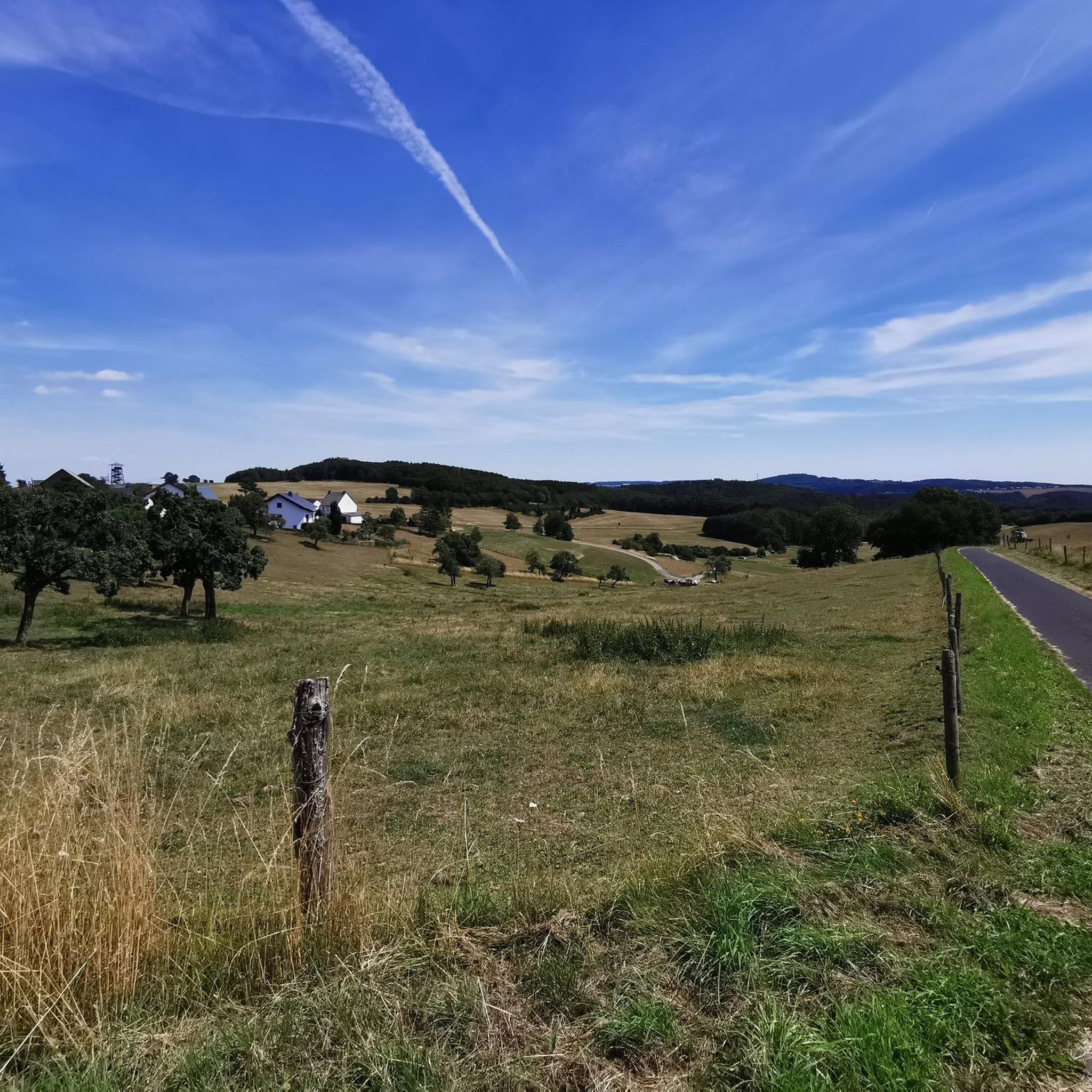
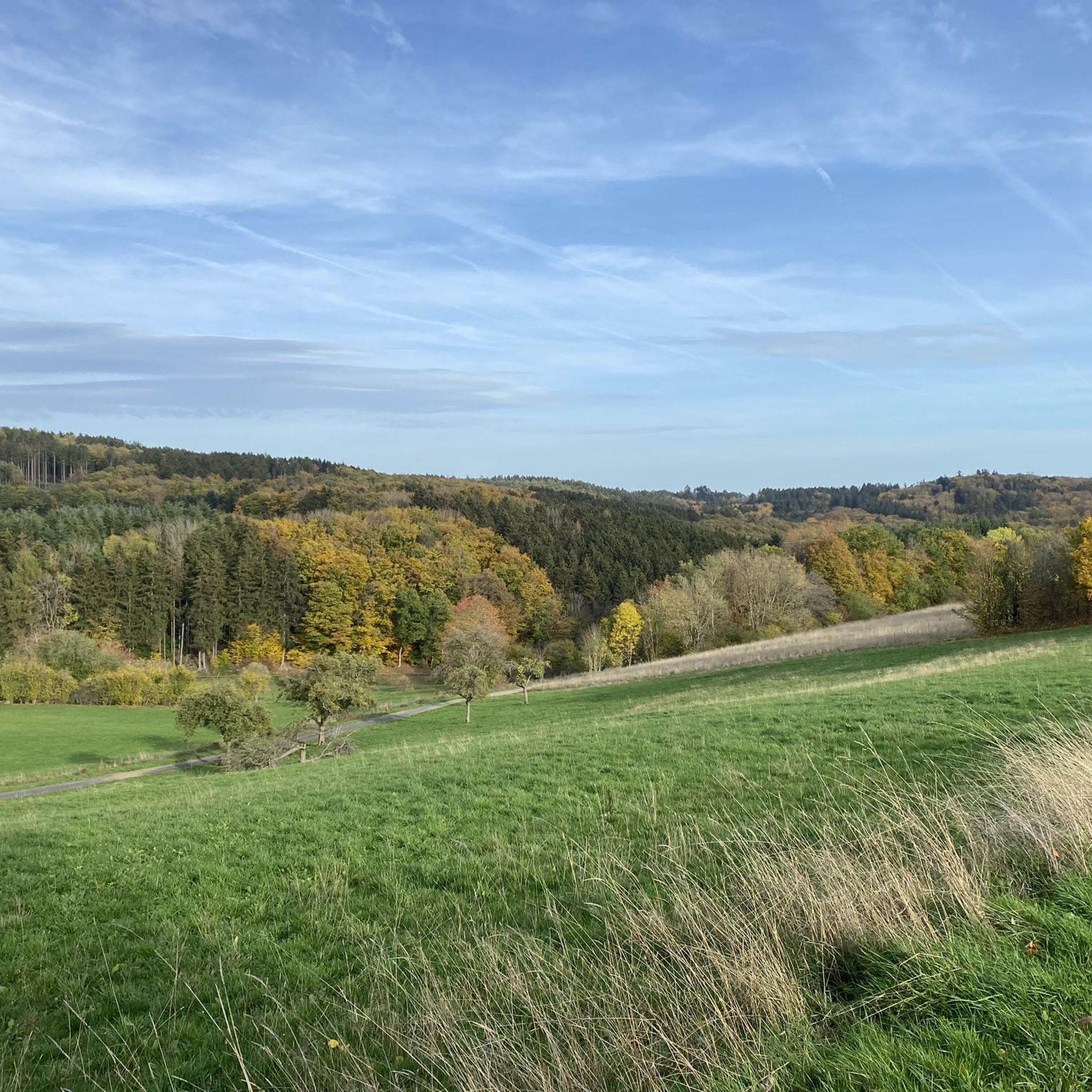
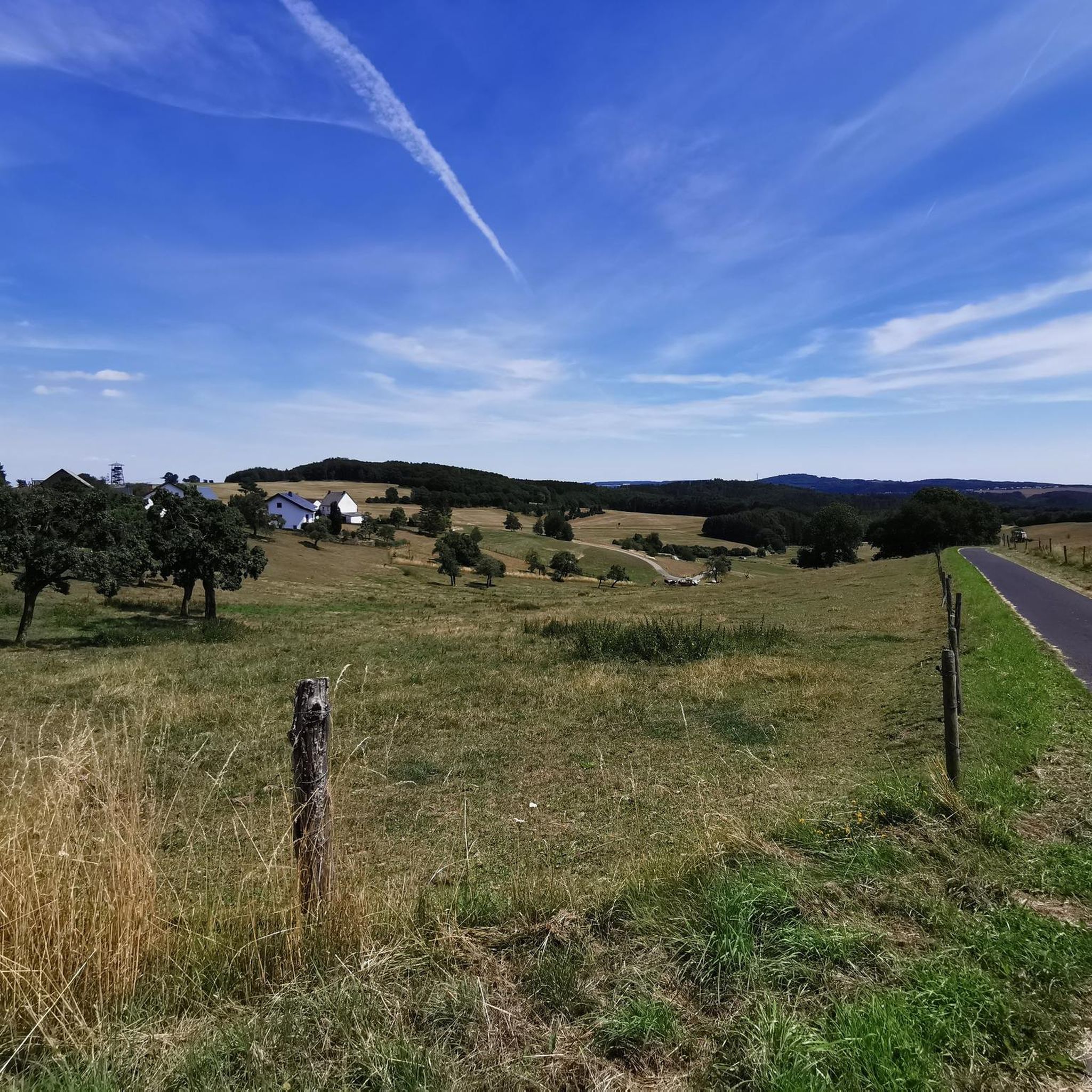
Touring cycling routes around Sassen traverse a landscape characterized by volcanic maars, rolling hills, and forested areas. The region features a network of paths that often follow river valleys and connect small villages. Cyclists can expect varied terrain, including both paved sections and natural trails, with moderate elevation changes throughout. This area provides diverse options for exploring its natural beauty on two wheels.
Best touring cycling routes around Sassen
- The most popular touring cycling route is Cycle path next to…
Last updated: May 14, 2026
4.9
(27)
118
riders
Hard bike ride. Very good fitness required. Mostly paved surfaces. Suitable for all skill levels.
4.5
(28)
83
riders
15.8km
01:02
210m
210m
Moderate bike ride. Good fitness required. Mostly paved surfaces. Suitable for all skill levels.

Sign up for free
3.8
(17)
57
riders
17.6km
01:17
270m
270m
Moderate bike ride. Good fitness required. Mostly paved surfaces. Suitable for all skill levels.
3.9
(15)
38
riders
21.7km
01:37
280m
280m
Moderate bike ride. Good fitness required. Mostly paved surfaces. Suitable for all skill levels.
4.4
(7)
44
riders
7.33km
00:30
80m
80m
Easy bike ride. Great for any fitness level. Mostly paved surfaces. Suitable for all skill levels.
Get access to more routes and recommendations from other explorers.
Sign up for free
Already have an account?
Our route recommendations are based on thousands of hikes, rides, and runs completed by other people on komoot.
Start today with a free account
Your next adventure awaits.
Login or Signup

Other adventures around Sassen

Tips from the Community

The Stellwerk, a wine tavern and restaurant, has been located in the old train station in Monreal since 1992. Here, hearty, freshly prepared dishes and regional as well as international wines are offered in a cozy atmosphere.
2
0

On asphalt through the forest, what more could you want? Fantastic.
0
0

Very interesting and worth seeing place.
1
0

1 million years of geology. Worth putting your bike aside for a moment.
6
0
The fairy-tale fountain at the Alten Postplatz tells a story. Here, on this spot, it is at its most beautiful.
7
0
The Ulmen Maar lies 420 meters above sea level today, covers an area of 5.5 hectares, and is 36 meters deep. The bubbles at the maar's edge demonstrate that volcanism is still active. They bear witness to a turbulent past—but rest assured, there's no eruption in sight! A wall of various rocks and ash, up to 20 meters thick, surrounds the cone. For those interested, these testimonies to this explosive past are beautifully displayed in St. Matthias Church. This unique wall, with its different colored layers and rounded inclusions, is worth seeing for more than just geologists. The slopes of the maar basin are covered with a beautiful forest, which can be explored on a circular walk. A detour to the medieval castle ruins, from which the Crusaders once launched their campaigns, is recommended. The view from the crater rim over the maar and the Eifel beyond will take your breath away. Whether after a sweaty hike or a long drive, the blue of the Ulmer Eifel lake is all too tempting in summer. However, bathing in the maar is prohibited because it is designated as a nature and water protection area.
6
0
The lower castle has completely disappeared. You can still see the beginning of the ring that connected the lower castle and the Ulmen city wall, a two-story outer wall of the palace, as well as a cistern and some foundation walls of other buildings. The old part of Ulmen Castle was built around 1074 AD and likely rests on the remains of a Roman settlement. In the Middle Ages, Ulmen Castle was further expanded and divided into the upper castle, whose remains of the walls still exist, and the lower castle, which extended to the banks of the maar river. Two knightly families lived in the castle, which is believed to have never been attacked or destroyed until 1673 due to its size. Only the Sun King's troops succeeded. It was rebuilt, but fell again in 1689 during the War of the Succession. However, Ulmen Castle was also rebuilt this time, with only the city wall being abandoned. With the invasion of Napoleon's soldiers, Ulmen also became French and later Prussian. The empty castle, whose last descendant died in 1801, was auctioned to a merchant from Cochem, who sold it as a quarry. When a devastating fire burned Ulmen to the ground in the 19th century, the residents of Ulmen rebuilt their houses with stones from the castle. That's why you can still see a coat of arms on some of the stables today. It wasn't until the early twentieth century that Ulmen Castle was declared a listed building and became the property of the municipality of Ulmen. The castle is always freely accessible.
7
0

On the Elztal cycle path between Gunderath and Uersfeld, there is a very quiet rest area with a bench, picnic table and the "Schacht Bergkrone" climbing tower.
0
0
Frequently Asked Questions
What kind of terrain can I expect on touring cycling routes around Sassen?
The Sassen region is characterized by its unique volcanic maars, rolling hills, and dense forested areas. You'll find a mix of paved sections and natural trails, often following river valleys and connecting charming small villages. Expect moderate elevation changes, offering a diverse and engaging cycling experience.
How many touring cycling routes are available in Sassen?
There are over 430 touring cycling routes in the Sassen area, catering to various skill levels and preferences. This extensive network ensures plenty of options for exploration.
Are there easy touring cycling routes suitable for beginners or families in Sassen?
Yes, Sassen offers a good selection of easy routes. There are 49 routes classified as easy, perfect for a relaxed ride. A great option for a shorter, less strenuous ride is the Heilbachsee – Bergkrone Mine Tunnel loop from Gunderath, which is just under 7 km.
What are some of the more challenging touring cycling routes in Sassen?
For experienced cyclists seeking a challenge, Sassen has 136 difficult routes. One notable difficult route is the Cycle path next to the railway – Obermühle Near Urmersbach loop from Gunderath, which spans over 46 km and features significant elevation changes.
Are there circular touring cycling routes in Sassen?
Many of the touring cycling routes in Sassen are designed as loops, allowing you to start and end at the same point. Examples include the Sassen Observation Tower – Schacht Bergkrone rest area loop from Gunderath and the Ulmener Maar Tunnel – Ulmener Maar loop from Gunderath, both offering scenic circular journeys.
What natural attractions can I see along the touring cycling routes in Sassen?
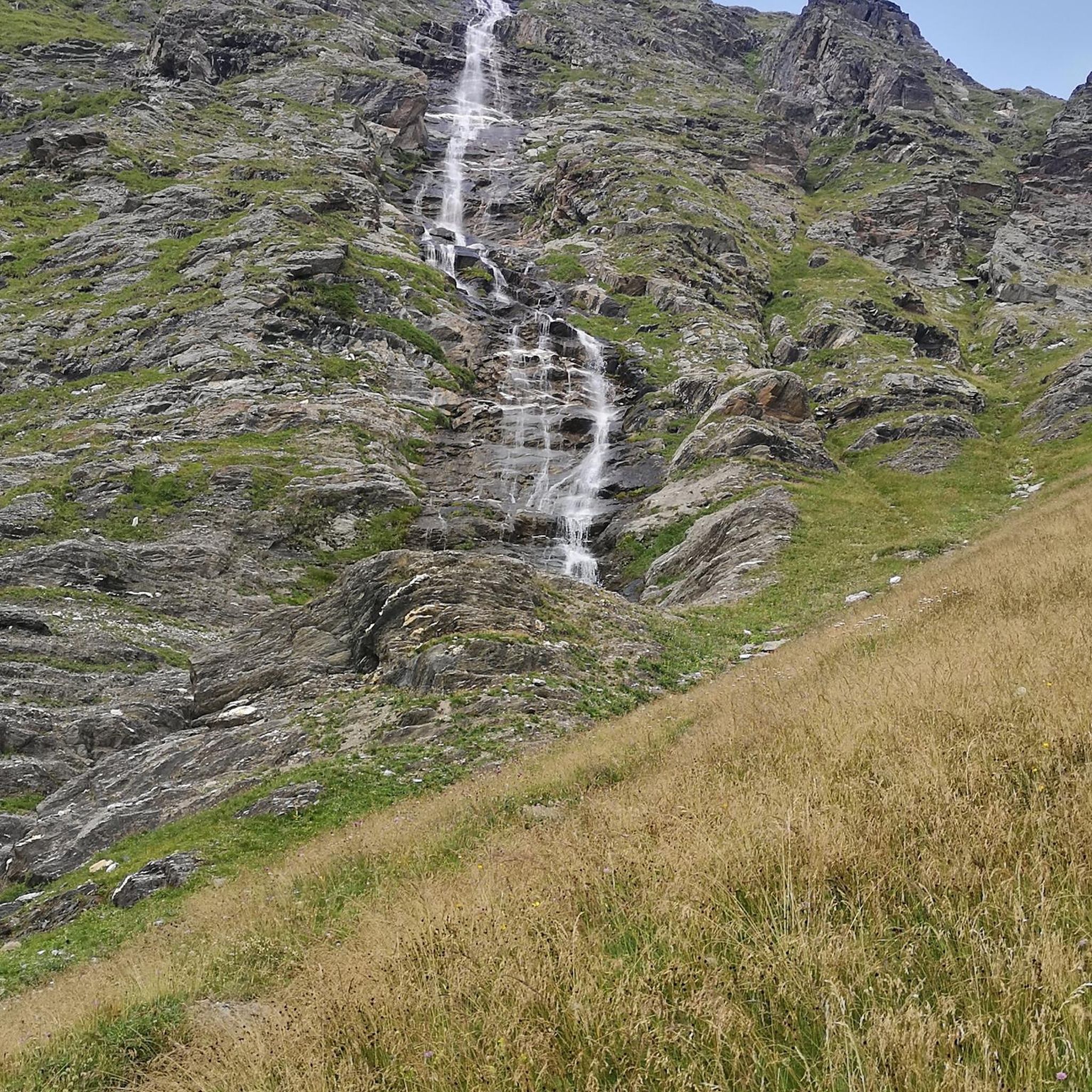
Sassen's routes often pass by stunning natural features. You can cycle past volcanic maars like the Ulmener Maar, or discover the impressive The Rausch Waterfall. The region's volcanic past is also evident in features like the Boos Lava Bomb.
Are there any interesting historical sites or viewpoints along the Sassen cycling routes?
Yes, you can combine your ride with visits to historical sites and viewpoints. The Sassen Observation Tower – Schacht Bergkrone rest area loop from Gunderath offers views from the Sassen Observation Tower. You might also encounter sites like the Bergkrone Mine Tunnel or the ruins of the Upper Castle of Ulmen.
What do other touring cyclists say about the routes in Sassen?
The touring cycling routes in Sassen are highly regarded by the komoot community, boasting an average rating of 4.6 stars from over 1400 reviews. Cyclists frequently praise the varied terrain, the scenic volcanic landscapes, and the well-maintained paths that connect charming villages.
What is the typical duration for touring cycling routes in Sassen?
Route durations vary significantly based on length and difficulty. For example, an easy route like the Heilbachsee – Bergkrone Mine Tunnel loop from Gunderath can be completed in under 30 minutes, while a more challenging one like the Cycle path next to the railway – Obermühle Near Urmersbach loop from Gunderath might take over three hours.
Are there routes that pass by lakes or water features in Sassen?
Absolutely. The region is known for its volcanic maars. Routes such as the Jungferweiher – Ulmener Maar loop from Gunderath will take you past beautiful water bodies like the Ulmener Maar and Jungferweiher, offering picturesque views.
What is the best time of year for touring cycling in Sassen?
While specific seasonal data isn't provided, regions with volcanic maars, rolling hills, and forests like Sassen are generally best enjoyed during spring, summer, and early autumn. These seasons offer pleasant temperatures, lush greenery, and better trail conditions for touring cyclists.
Most popular attractions around Sassen

Get inspired with the komoot mobile app


Explore more
Browse the best Cycling routes in other regions.
