Attractions and Places To See around Pieve Porto Morone - Top 20
Best attractions and places to see around Pieve Porto Morone, a municipality in the province of Pavia, Lombardy, Italy, offers a blend of historical sites and natural landscapes. The area is characterized by its historical significance, with its name "Pieve" referencing an ancient Romanesque church. Visitors can explore various cultural points and natural features within the region. The landscape provides opportunities for outdoor activities and discovering local heritage.
Best attractions and places to see around Pieve Porto Morone
- The most…
Last updated: July 20, 2026
Villa Litta Carini
Highlight • Historical Site
Translated by Google •
Tip by

Sigeric's Ford on the Via Francigena
Highlight • Historical Site
Translated by Google •
Tip by
Sign up now to discover places like this
Get recommendations on the best single tracks, peaks, & plenty of other exciting outdoor places.
Sign up for free
Chignolo Po Castle
Highlight • Castle
Via Stazione, 27013 Chignolo Po PV
castellodichignolopo.it
3201198899
Translated by Google •
Tip by

San Colombano Castle
Highlight • Castle
Translated by Google •
Tip by

Lambro River crossing
Highlight • Bridge
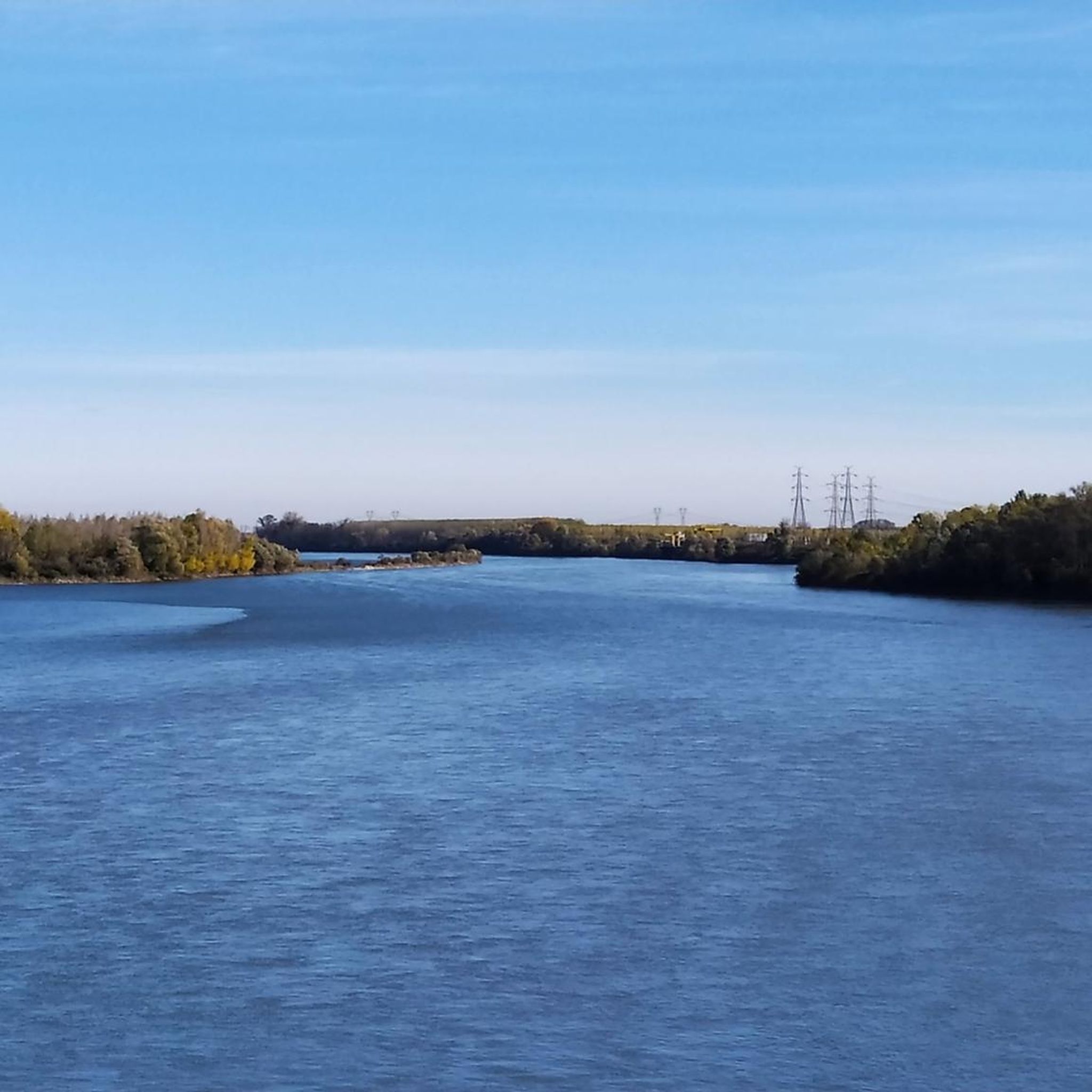
The Lambro is a river in the Italian region of Lombardy. The total length of the river is approximately 130 kilometers.
The source of the Lambro, …
Translated by Google •
Tip by
Sign up for free to discover even more attractions around Pieve Porto Morone.
Sign up for free
Already have an account?
Start today with a free account
Your next adventure awaits.
Login or Signup

Tips from the Community

The Castello di San Colombano (or Castello Belgioioso) stands in the medieval village famous for its vineyards and for being an exclave in the province of Milan. Dating back to the 6th century and rebuilt by Barbarossa in 1164, it is divided between a private area (the keep) and a communal one (the fortified village).
0
0

The villa was built according to its original design by Count Antonio Cavazzi della Somaglia, VIII Count and Baron of Somaglia, to showcase the power of his family, in an area where he owned several lands and estates. The count entrusted the design to architect Giovanni Ruggeri. Upon his death in 1688, Antonio bequeathed the villa to his great-nephew Antonio Dati, who subsequently assumed the title of Count of Somaglia. Dati oversaw the expansion of the palace, transforming it into a majestic residence intended as a holiday resort and meeting place for great figures of 18th-century Italian literature and culture, but he never lived to see the work completed, which was completed by his son Antonio Giovanni Battista in 1749.
1
0

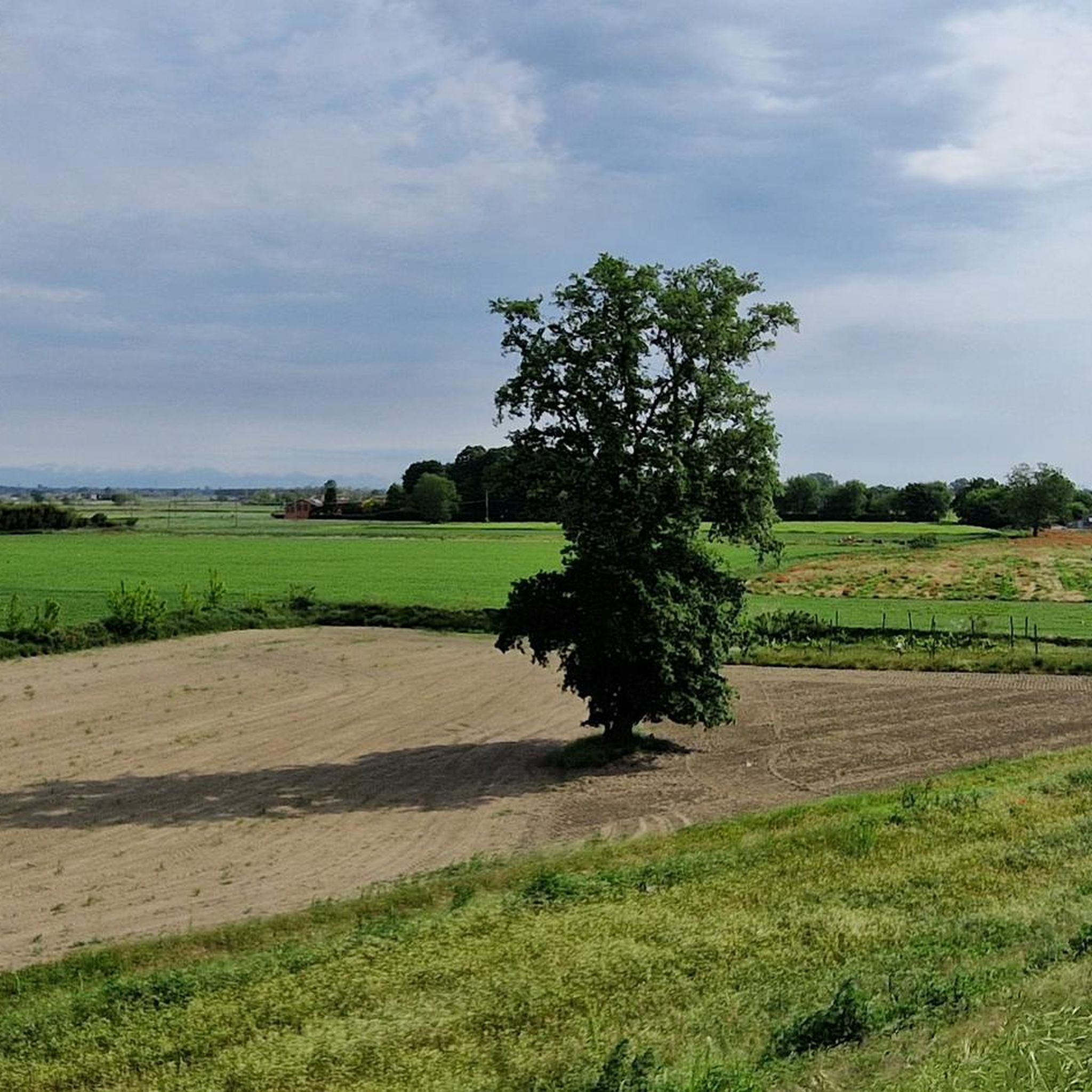
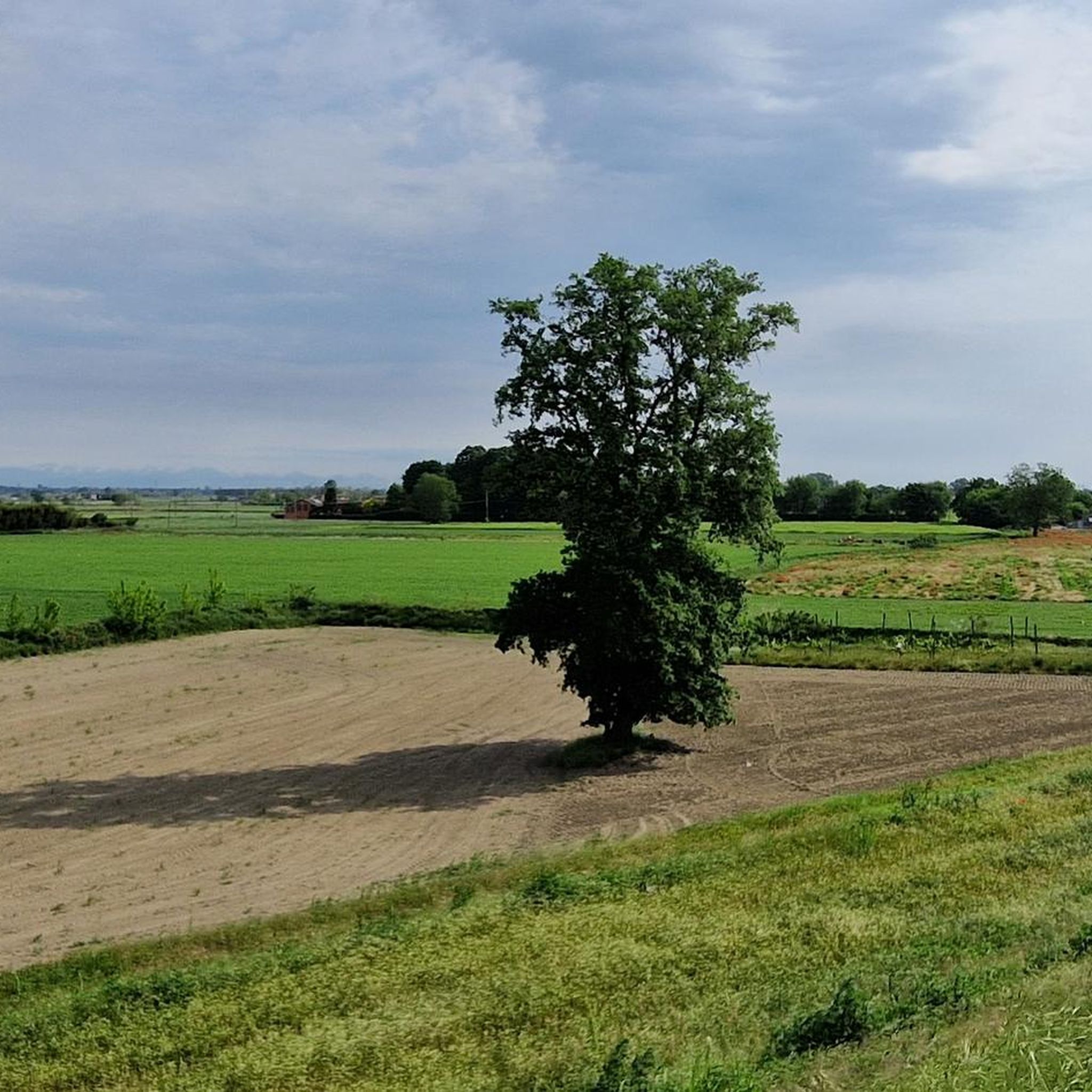
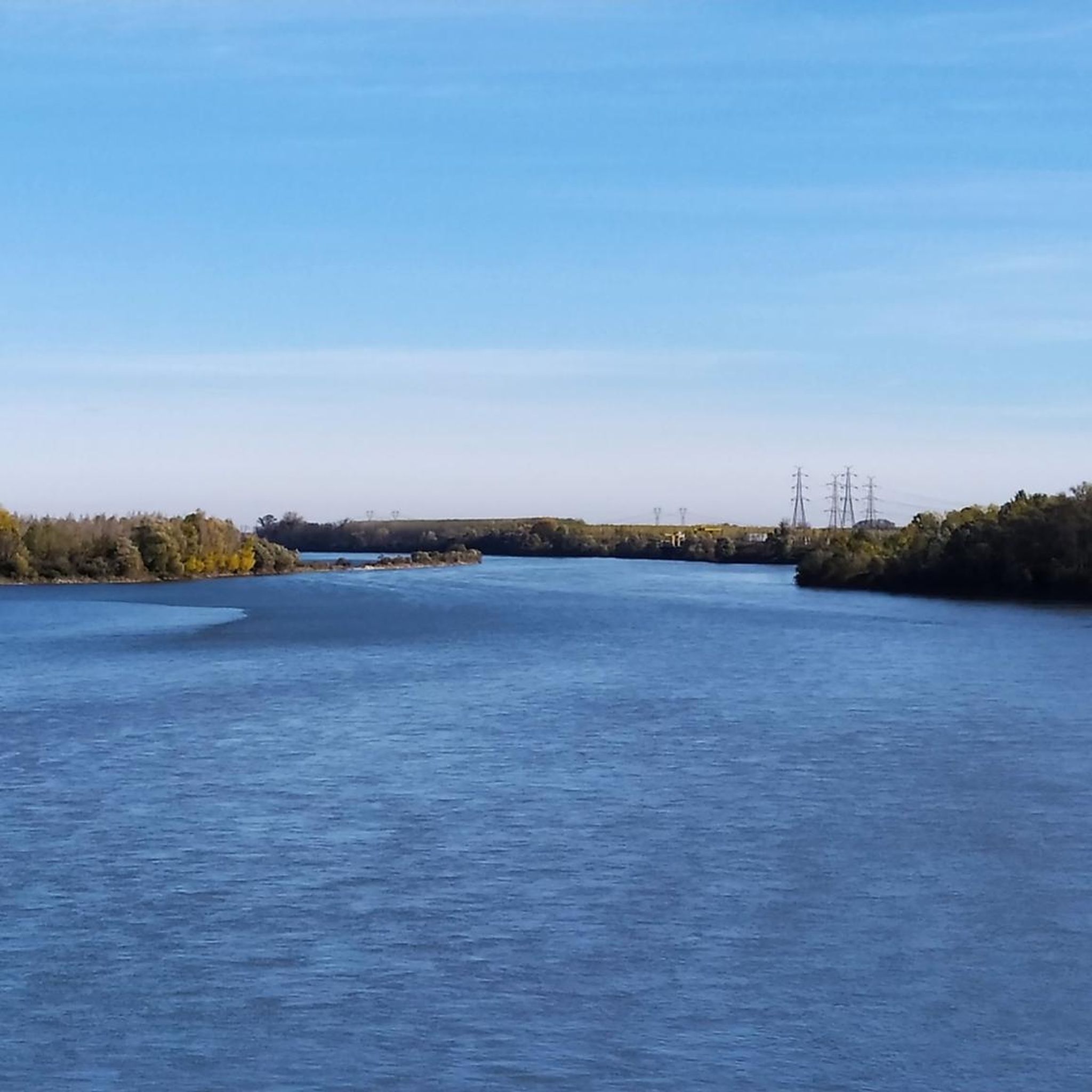
An idyllic spot for a rest and a picnic! We soak up the peace and quiet. From here, it's supposedly possible to take a boat across, just as pilgrims did in the Middle Ages. It's probably busier here in the summer.
1
0
This palace is called the "Versailles" of Lombardy. Everything is locked. According to the sign, it can be visited by appointment. The grounds are vast.
1
0
I don't know when they will be finished but a cycle bridge is being planned downstream from the road bridge and it will avoid the stretch of SS 234, to date (March 2025) the foundations have been laid on both banks then we'll see...
1
0


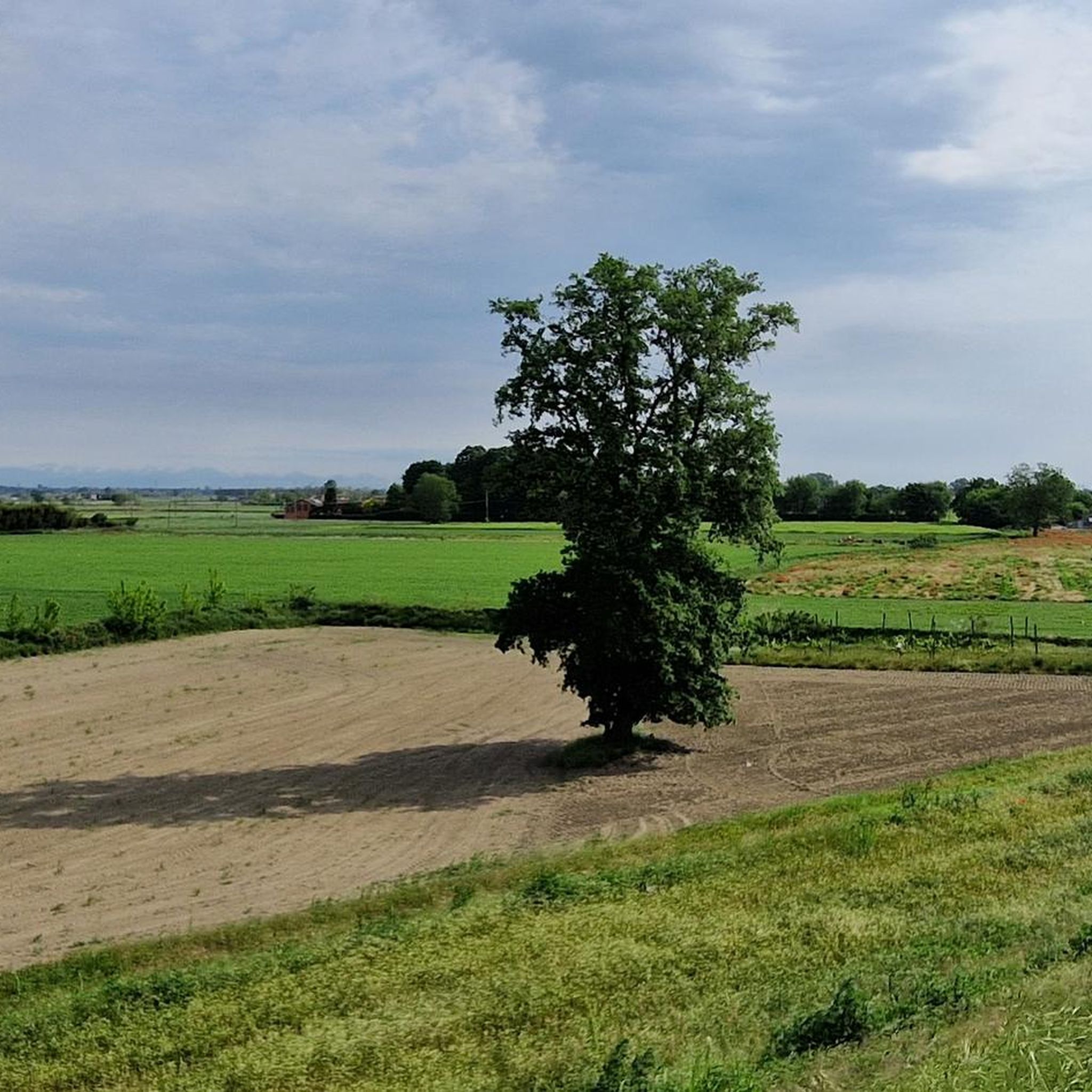
On gravel we followed dirt roads along waterways and cycle paths as much as possible, but you can get there faster with a road bike.
0
0
We left Gorgonzola in the direction of the Chignolo Po Castle, one of the sumptuous country residences of Lombardy, and after about three hours we arrived at our destination... discovering that the Castle was closed... no big deal we took pictures from the outside. Its oldest part is the tower, built as a garrison on the Po and on the connecting routes between northern Europe and Italy. The Castle, built in the thirteenth century, was transformed into a princely palace in the eighteenth century, through an imaginative stylistic reworking of the building. It appears as a majestic terracotta construction, surmounted by a protruding gallery supported by stone brackets. Each window is framed in white. The most spectacular element is the central tower, square and with battlements, embellished with a small loggia. Inside you can admire the apartments in which Pope Clement XI, Napoleon Bonaparte and Francis I of Austria were hosted, as well as the sumptuous ballroom on whose ceiling the glory of the four seasons is painted. The Castle is also home to the Museum of the History of Lombard Agricultural Civilization, created with the intent of bringing together the many historical realities that have formed the foundation of the agricultural activities of the lower Po Valley and the Lombard Wine Museum. The visit route aims to admire the monumental complex of the Castle of Chignolo Po and to enhance the history of its centuries-old royal fiefdom and its position along the Via Francigena. The visits are only guided as the Castle is a private residence. Nice trip!
0
0
Frequently Asked Questions
What historical sites can I explore in Pieve Porto Morone?
Pieve Porto Morone is rich in history. You can visit the magnificent 17th-century Palazzo Capelli, also known as Castello Capelli, which features frescoed salons and an immense private park. The town also has several churches, including the Chiesa di San Rocco Confessore and the Chiesa di San Vittore Martire, the latter built where an ancient Romanesque church once stood. Additionally, the Villa Litta Carini and Chignolo Po Castle are notable historical landmarks nearby.
Are there any natural features or outdoor areas to enjoy around Pieve Porto Morone?
Yes, Pieve Porto Morone offers picturesque landscapes and natural settings. The area is known for its nature trails, making it a 'paradise for hikers'. You can also find natural features like rivers, including the Lambro River, which has a crossing point (Lambro River crossing) that is part of the Via Francigena. The private park of Palazzo Capelli also features centuries-old trees and a tranquil pond.
What kind of outdoor activities can I do near Pieve Porto Morone?
The region around Pieve Porto Morone is excellent for various outdoor activities. You can find numerous routes for cycling, gravel biking, and hiking. For cycling enthusiasts, there are routes like the 'View of the Coperto Bridge – Villa Litta Carini loop'. Gravel bikers can explore trails such as the 'Chignolo Po Castle – Sillari Park loop'. Hikers can enjoy paths like the 'Via Francigena from Orio Litta to Piacenza' or the 'Madonna del Latte Chapel loop'. You can find more details on these and other routes on the respective guide pages for Cycling around Pieve Porto Morone, Gravel biking around Pieve Porto Morone, and Hiking around Pieve Porto Morone.
Are there family-friendly attractions in the area?
Several attractions around Pieve Porto Morone are considered family-friendly. Historical sites like Villa Litta Carini and Chignolo Po Castle are suitable for families to visit. The natural trails and parks, such as the extensive private park of Palazzo Capelli, also offer pleasant outdoor experiences for all ages.
What is the best time of year to visit Pieve Porto Morone for outdoor activities?
Pieve Porto Morone offers diverse itineraries for outdoor enthusiasts. While specific seasonal recommendations are not provided, the presence of nature trails and historical routes suggests that spring and autumn would be ideal for hiking and cycling, offering pleasant temperatures and beautiful scenery. Summer can also be enjoyable, especially for exploring the natural features.
Can I find any unique local experiences or crafts in Pieve Porto Morone?
For those interested in local crafts and flavors, the Microbirrificio Doppiobaffo brewery represents a modern point of interest, contributing to the local economy and culture. It offers a chance to experience local production.
What is the significance of the 'Pieve' in Pieve Porto Morone's name?
The name 'Pieve' in Pieve Porto Morone alludes to an ancient Romanesque church that once stood in the area. This historical reference highlights the town's deep roots and its connection to religious and architectural heritage, with the current Chiesa di San Vittore Martire built on its former site.
Are there any notable castles besides Chignolo Po Castle?
Yes, in addition to Chignolo Po Castle, you can also visit San Colombano Castle. Its origins date back to the 6th century, and it has undergone numerous transformations, divided into a shelter area and a fortress with military functions. It's located at the foot of the homonymous hill, known for its vineyards.
What do visitors particularly enjoy about the attractions around Pieve Porto Morone?
Visitors appreciate the blend of historical significance and natural beauty. For instance, Chignolo Po Castle is praised for its ancient history and interesting medieval and Renaissance routes. Villa Litta Carini is admired for its magnificent atmosphere and suggestive beauty, often described as a 'little Versailles of the Lodi area'.
Is there a significant historical route passing through the area?
Yes, the Via Francigena, an ancient pilgrim route, passes through the area. A notable point is Sigeric's Ford on the Via Francigena, which marks the historical crossing point over the River Po for pilgrims journeying from Canterbury to Rome. The Lambro River crossing is also part of this famous route.
Are there any specific civil architectural assets recognized for their value?
Yes, the Casoni di Pieve Porto Morone are identified as significant civil architectural assets by FAI (Fondo Ambiente Italiano), suggesting their historical or cultural importance within the community. These structures offer a glimpse into the local heritage and architectural style.
Most popular routes around Pieve Porto Morone
Most popular attractions around Pieve Porto Morone

Get inspired with the komoot mobile app


Explore more
Still not found the Highlight you’re looking for? See guides of the top attractions in other regions:
