The best gravel rides around Pieve Porto Morone
4.4
(47)
425
riders
22
rides
Gravel biking around Pieve Porto Morone offers diverse terrain, from the flat riverbanks of the Po River to the rolling hills and vineyards of the Oltrepò Pavese region. The area is characterized by extensive agricultural landscapes, natural riverine paths, and forested sections, providing varied surfaces for gravel cyclists. These routes often follow "sterrati" (dirt roads) and "argini del Po" (Po riverbanks), allowing for exploration of both natural and historical features. The region's proximity to the Po River ensures numerous scenic…
Last updated: November 7, 2026
4.6
(5)
50
riders
46.1km
03:21
550m
550m
Hard gravel ride. Very good fitness required. Mostly paved surfaces.
4.4
(7)
40
riders
100km
06:22
370m
370m
Hard gravel ride. Very good fitness required. You may need to push your bike for some segments of this route.

4.3
(7)
44
riders
70.6km
04:06
140m
140m
Moderate gravel ride. Good fitness required. Mostly paved surfaces.
4.7
(7)
40
riders
99.0km
05:56
260m
260m
Hard gravel ride. Very good fitness required. You may need to push your bike for some segments of this route.
4.5
(4)
36
riders
71.9km
04:14
230m
230m
Moderate gravel ride. Good fitness required. Mostly paved surfaces.
Get access to more routes and recommendations from other explorers.
Already have an account?
Our route recommendations are based on thousands of hikes, rides, and runs completed by other people on komoot.
Start today with a free account
Your next adventure awaits.
Tips from the Community

The Castello di San Colombano (or Castello Belgioioso) stands in the medieval village famous for its vineyards and for being an exclave in the province of Milan. Dating back to the 6th century and rebuilt by Barbarossa in 1164, it is divided between a private area (the keep) and a communal one (the fortified village).
0
0
The Ramp on Via Collada in San Colombano al Lambro (MI) is a climb of about 700-1160 meters that starts right by the castle walls. It is known for its challenging average gradient of ~17% and peaks exceeding 20%] Length: Approximately 1.16 km (with a steep initial section of ~ 500 meters). Elevation gain: ~ 199 meters. Average gradient: 17.12%. Maximum gradient: Very steep, suitable for intense training (MTB/road bike climb category).
1
0
The Ciaparat Chapel is a landmark mainly known on road cycling routes around Sant'Angelo Lodigiano and the Parco Agricolo Sud Milano, often included in loop itineraries between Bascapè, Locate Triulzi, and Vistarino. It is a popular area for moderate road bike training, with asphalted roads.
1
0

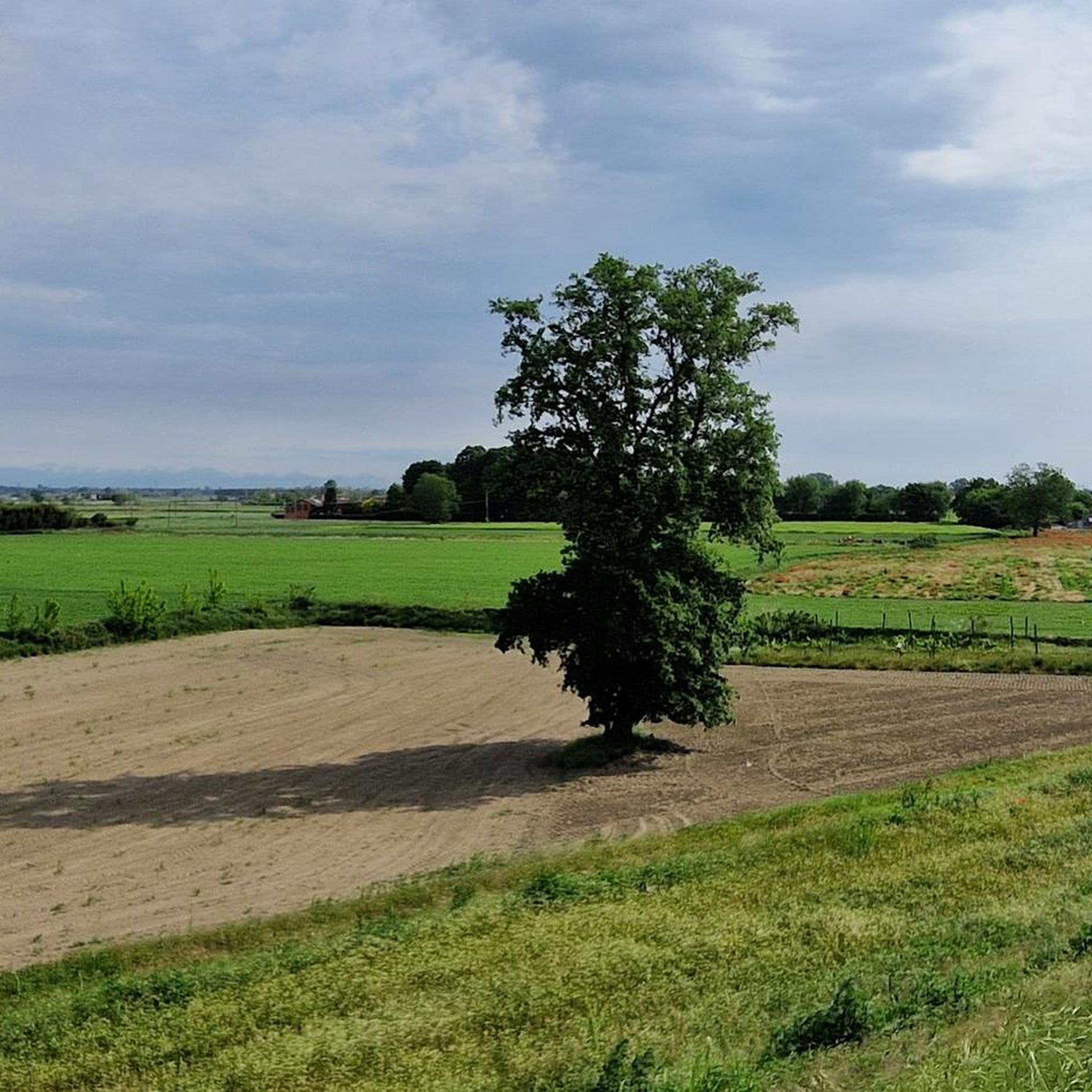
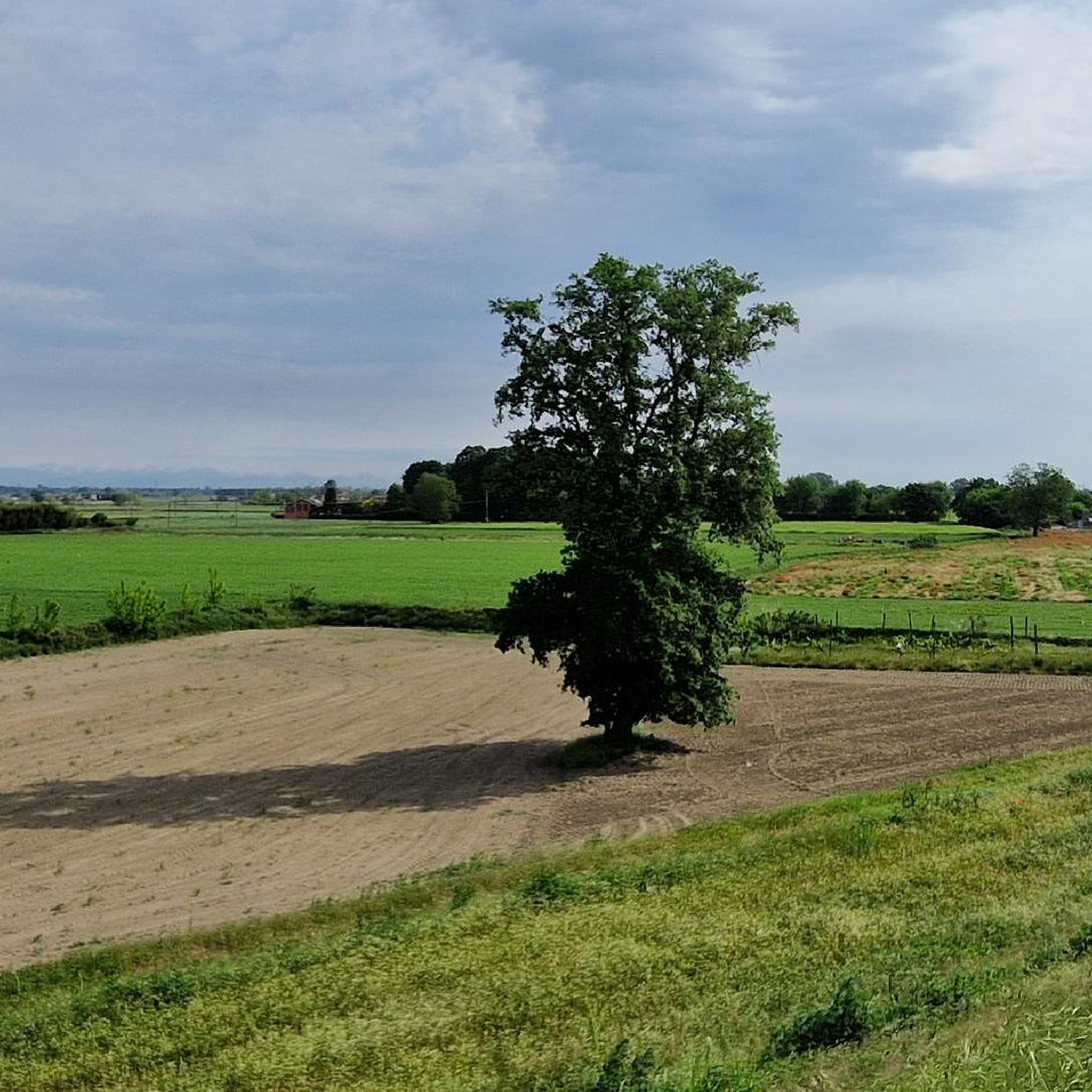
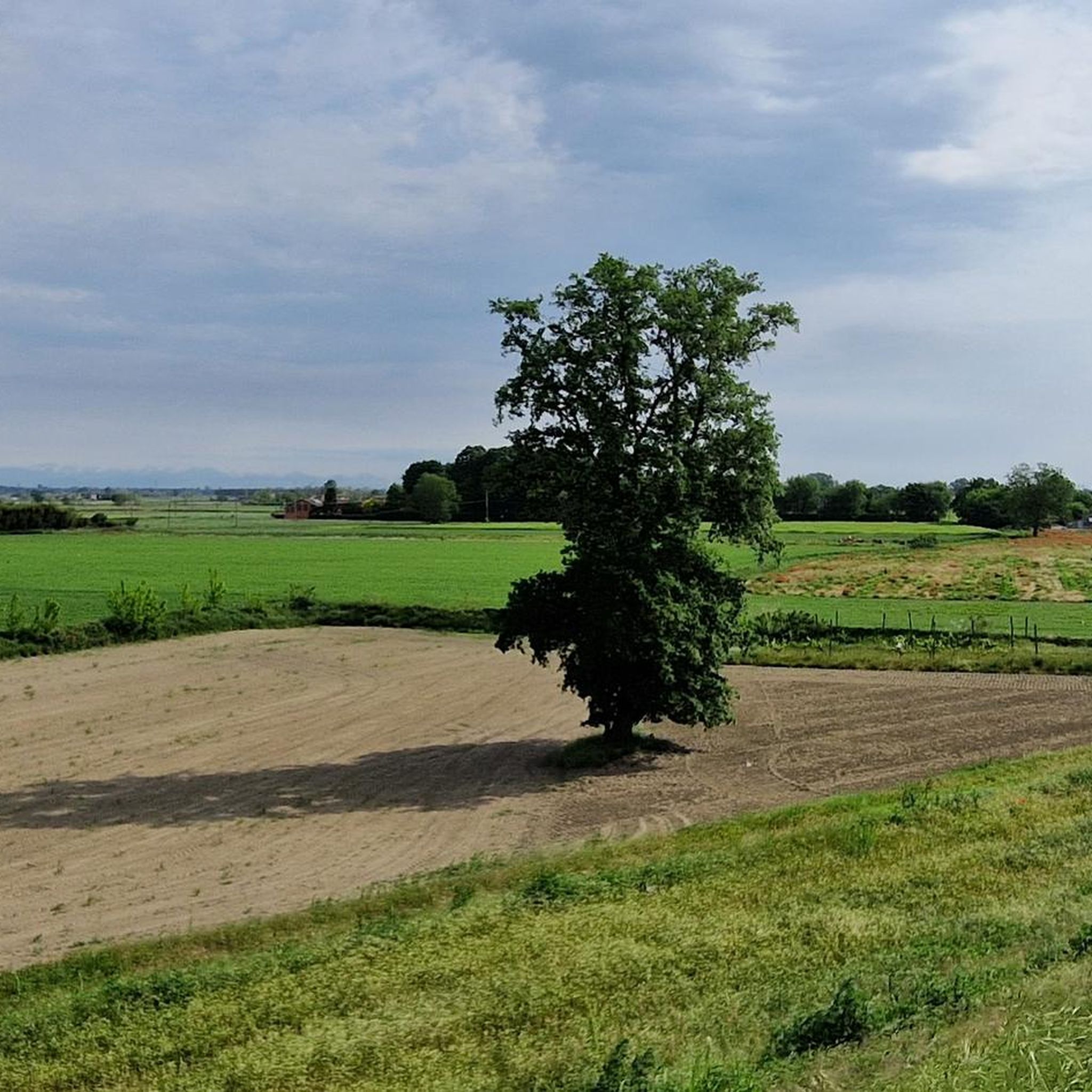
The path is easy to ride with a simple bike. The paths are exemplary!
1
0

The patronage of this shrine, dedicated to the Madonna, refers to the town of Loreto. This is one of the great and important Marian pilgrimage sites in Europe, along with Lourdes in the French Pyrenees and Fatima in Portugal. Unlike the other two places mentioned, however, Loreto is not known for apparitions of the Mother of God. Here, pilgrims can find something very tangible: Mary's childhood home in Nazareth (Israel). Her parents—not mentioned by name in the biblical writings of the New Testament—are mentioned in apocryphal traditions: Saint Anne and Saint Joachim are thus the grandparents of Jesus Christ (their common feast day in the calendar of saints is July 26). Crusaders likely dismantled the venerated building in Nazareth and brought it to Europe when the era of the Christian kingdoms in the Holy Land came to an end towards the end of the 13th century. But this very sober assumption is countered by a much more interesting legend: According to this, four angels carried out the translation and flew the house over the Mediterranean.
1
0

The villa was built according to its original design by Count Antonio Cavazzi della Somaglia, VIII Count and Baron of Somaglia, to showcase the power of his family, in an area where he owned several lands and estates. The count entrusted the design to architect Giovanni Ruggeri. Upon his death in 1688, Antonio bequeathed the villa to his great-nephew Antonio Dati, who subsequently assumed the title of Count of Somaglia. Dati oversaw the expansion of the palace, transforming it into a majestic residence intended as a holiday resort and meeting place for great figures of 18th-century Italian literature and culture, but he never lived to see the work completed, which was completed by his son Antonio Giovanni Battista in 1749.
2
0

This palace is called the "Versailles" of Lombardy. Everything is locked. According to the sign, it can be visited by appointment. The grounds are vast.
1
0
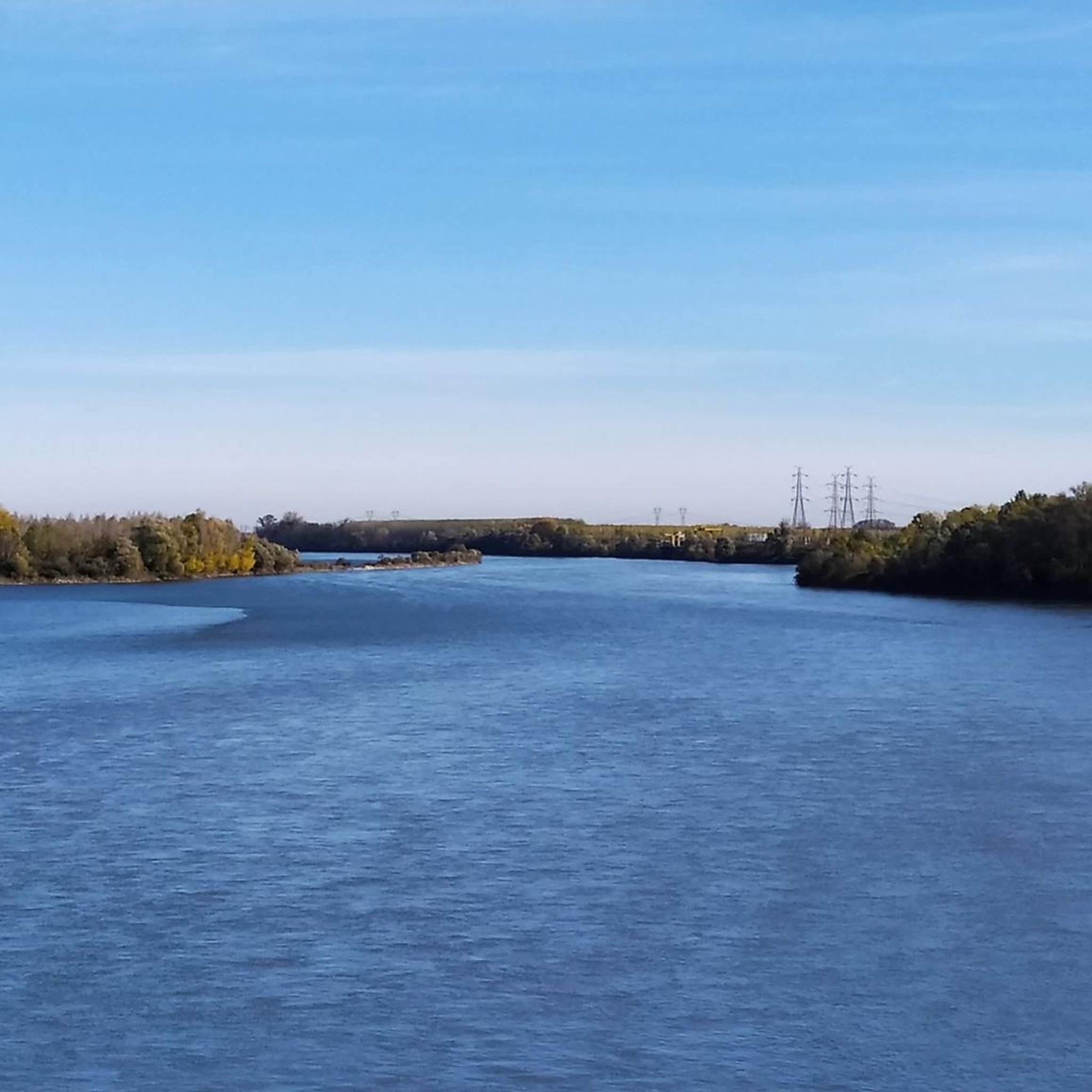
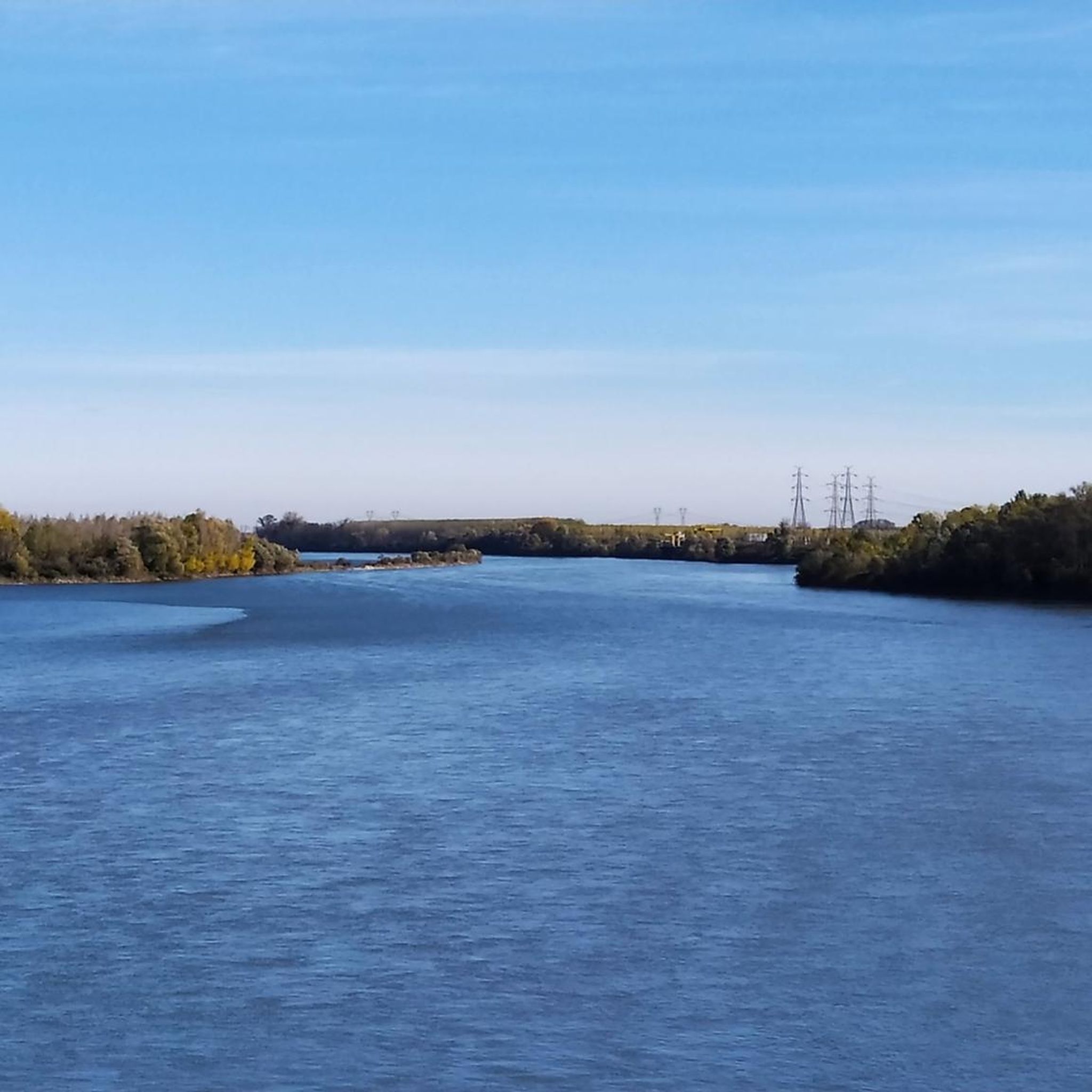
I don't know when they will be finished but a cycle bridge is being planned downstream from the road bridge and it will avoid the stretch of SS 234, to date (March 2025) the foundations have been laid on both banks then we'll see...
2
0
Frequently Asked Questions
How many gravel bike trails are available around Pieve Porto Morone?
There are over 30 gravel bike trails around Pieve Porto Morone, offering a diverse range of experiences for cyclists. These routes are highly rated by the komoot community, with an average score of 4.6 stars from over 50 reviews.
What kind of terrain can I expect on the gravel trails in Pieve Porto Morone?
You can expect a varied landscape. Many routes follow the flat, tranquil 'argini del Po' (Po riverbanks) and 'sterrati' (dirt roads) through extensive agricultural areas. As you venture towards the Oltrepò Pavese, you'll encounter rolling hills and picturesque vineyards, offering more challenging ascents and panoramic views. Some trails also lead through forested sections, providing diverse surfaces.
What are the difficulty levels of the gravel routes?
The gravel routes around Pieve Porto Morone cater to different skill levels. While there are no easy routes listed, you'll find 9 moderate and 22 difficult routes. The more challenging trails often feature significant elevation gain through forested areas or the Oltrepò Pavese hills, while others offer longer distances across river plains and countryside.
Are there any circular gravel bike routes available?
Yes, many of the gravel routes in the area are designed as loops, allowing you to start and end at the same point. Examples include the challenging Chignolo Po Castle – Sillari Park loop from Monticelli Pavese, which explores river plains and local parks, or the Miradolo Trails – Ascent of the Forest loop from Miradolo Terme, known for its elevation gain.
What historical landmarks can I see along the gravel bike trails?
The region is rich in history. Many routes pass by or near medieval castles and historical sites. You might encounter the impressive Chignolo Po Castle or the historic San Colombano Castle. Cyclists can also explore the ancient architecture within Pieve Porto Morone itself or discover sites like Villa Litta Carini.
Are there natural features or viewpoints to look out for?
Absolutely. The most prominent natural feature is the Po River, with numerous routes following its scenic embankments. You'll also find breathtaking views from the rolling hills of the Oltrepò Pavese, especially when cycling through the vineyards. Forested areas provide immersive natural settings, and some routes cross the Lambro River, such as near the Lambro River crossing.
What do other gravel bikers enjoy most about Pieve Porto Morone?
The area is highly rated by the komoot community, with an average score of 4.6 stars from over 50 reviews. Reviewers often praise the diverse terrain, from the tranquil Po River embankments to the challenging Oltrepò Pavese hills and vineyards. The blend of natural scenery, historical sites, and varied surfaces makes for a compelling gravel biking experience.
Is Pieve Porto Morone suitable for family-friendly gravel biking?
While many routes are rated moderate to difficult, the flat sections along the Po River embankments can be more accessible for families, offering a gentler introduction to gravel biking. These paths provide a tranquil environment away from heavy traffic, ideal for a relaxed ride. Always check the specific route details for distance and elevation to ensure it matches your family's capabilities.
Can I bring my dog on the gravel trails?
Generally, many outdoor trails in Italy are dog-friendly, especially those in natural, open areas like riverbanks and agricultural roads. However, it's always best to keep your dog on a leash, especially near farmlands or in areas where wildlife might be present. Be mindful of local regulations and ensure your dog is well-behaved around other cyclists and pedestrians.
Where can I park my car when visiting Pieve Porto Morone for gravel biking?
Pieve Porto Morone and nearby towns like Miradolo Terme or Monticelli Pavese, which serve as common starting points for routes, typically offer public parking options. Look for designated parking areas within the villages or near popular trailheads. It's advisable to check local signage for any restrictions or fees.
Are there places to eat or drink along the routes?
Yes, the region offers opportunities for culinary stops. Pieve Porto Morone and surrounding villages have cafes, restaurants, and agriturismos where you can refuel. The Oltrepò Pavese is also known for its gastronomic routes, allowing cyclists to discover local flavors and wines. Planning your route to pass through these villages will ensure you have options for refreshments.
What is the best time of year for gravel biking in Pieve Porto Morone?
Spring and autumn are generally the best seasons for gravel biking in Pieve Porto Morone. The weather is milder, and the landscapes are particularly beautiful, with blooming flora in spring and vibrant colors in autumn. Summer can be quite hot, especially in the open river plain areas, while winter might bring colder temperatures and potentially muddy conditions on unpaved roads.
Most popular routes around Pieve Porto Morone
Most popular attractions around Pieve Porto Morone

Get inspired with the komoot mobile app


Explore more
Browse the best Gravel rides in other regions.
