Top 9 Lakes around Piancogno
Best lakes around Piancogno are found in the lower Valle Camonica, a region characterized by its natural landscapes and historical significance. The area is closely associated with Gleno Lake, known for its unique history, and provides access to larger Lombardy lakes like Iseo, Garda, Como, and Idro. This location offers a blend of mountain scenery and diverse aquatic environments.
Best lakes around Piancogno
- The most popular lakes is Gleno Dam and Lake, a lake and historical site that features…
Last updated: September 26, 2026
Gleno Dam and Lake
Highlight • Lake
Translated by Google •
Tip by

Gleno Dam
Highlight • Monument
Translated by Google •
Tip by

Sign up now to discover places like this
Get recommendations on the best single tracks, peaks, & plenty of other exciting outdoor places.
Lova Lake
Highlight • Lake
Translated by Google •
Tip by

Conca dei Campelli
Highlight • Viewpoint
Translated by Google •
Tip by

Lake Moro
Highlight • Lake
Lake Moro (lac de la cüna in Camunian dialect) is a small alpine …
Translated by Google •
Tip by

Sign up for free to discover even more lakes around Piancogno.
Already have an account?
Start today with a free account
Your next adventure awaits.
Other adventures around Piancogno

Tips from the Community

Truly unexpected. The short paved road near the small lake is very steep and very narrow, but worth it.
0
0

Lake Lova is a picturesque hiking destination located above Borno, on the Altopiano del Sole plateau in Val Camonica. It is appreciated for its alpine landscape, tranquility, and the variety of surrounding trails. The lake is located at approximately 1,392 meters above sea level and can be reached via several hiking trails, including the Sentiero della Memoria (Path of Remembrance) that starts from the church of San Fiorino in Borno. After a short paved stretch to the Trattoria Navertino, you take a dirt path that winds through larch and fir trees, with steep sections and slippery cobblestones. The hike is immersed in a natural environment typical of the Lombard Prealps, with natural fountains and good cell phone coverage. A longer alternative is the Monte Mignone – Lake Lova circular hike, approximately 11.1 km long with an elevation gain of 837 meters, to be done counterclockwise. This route offers spectacular views and passes through pastures and woods, with the lake as its focal point. Lake Lova is also a hub for other trails: from here, you can continue towards the San Fermo Refuge or the Laeng Refuge, following CAI trails 106 and 182. Parking is available near the lake, making it accessible even for less experienced hikers. Scenically, the lake is nestled in a green valley surrounded by woods and pastures, with calm waters reflecting the sky and surrounding mountains. It's an ideal destination in all seasons, but particularly captivating in autumn due to the colorful foliage.
0
0
The Conca dei Campelli is a splendid alpine area located in the Scalve Valley, in the province of Bergamo, bordering the Camonica Valley. It is a true natural jewel, perfect for hiking, snowshoeing, and relaxing days immersed in nature. 🏞️ Characteristics of the Conca dei Campelli Altitude: approximately 1,800–1,900 m Main access: from Schilpario, following the signs for the Vivione Pass and then the Campelli Pass View: surrounded by the Piccole Dolomiti Scalvine, with views of Cimon della Bagozza Points of interest: Rifugio Campione: excellent refreshment point and base for hikes Laghetto dei Campelli: small alpine lake, ideal for a break Madonnina dei Campelli: panoramic and spiritual point 🌿 Recommended activities Summer hiking: trails also suitable for families and children Winter snowshoeing: breathtaking snow-covered landscapes, ideal for snow lovers
0
0

A place of haunting beauty, steeped in history and memories. Walking at the foot of the Gleno Dam is a deeply moving experience. In my video, I recount the history and emotion of this place. Watch it for the full adventure: https://youtu.be/xOmoTKIHDm0
1
0
wonderful place but better to avoid crowded periods
0
0


A place with a wonderful panorama, with a fantastic view of the Concarena massif. In autumn, since the sun is low and hides behind the mountain massif, it creates enchanting plays of light and shadow. Easy to reach, it is in fact just a few meters from the Cimon Bagozza refuge, reachable by car. Suitable for everyone, including children and the elderly
0
0

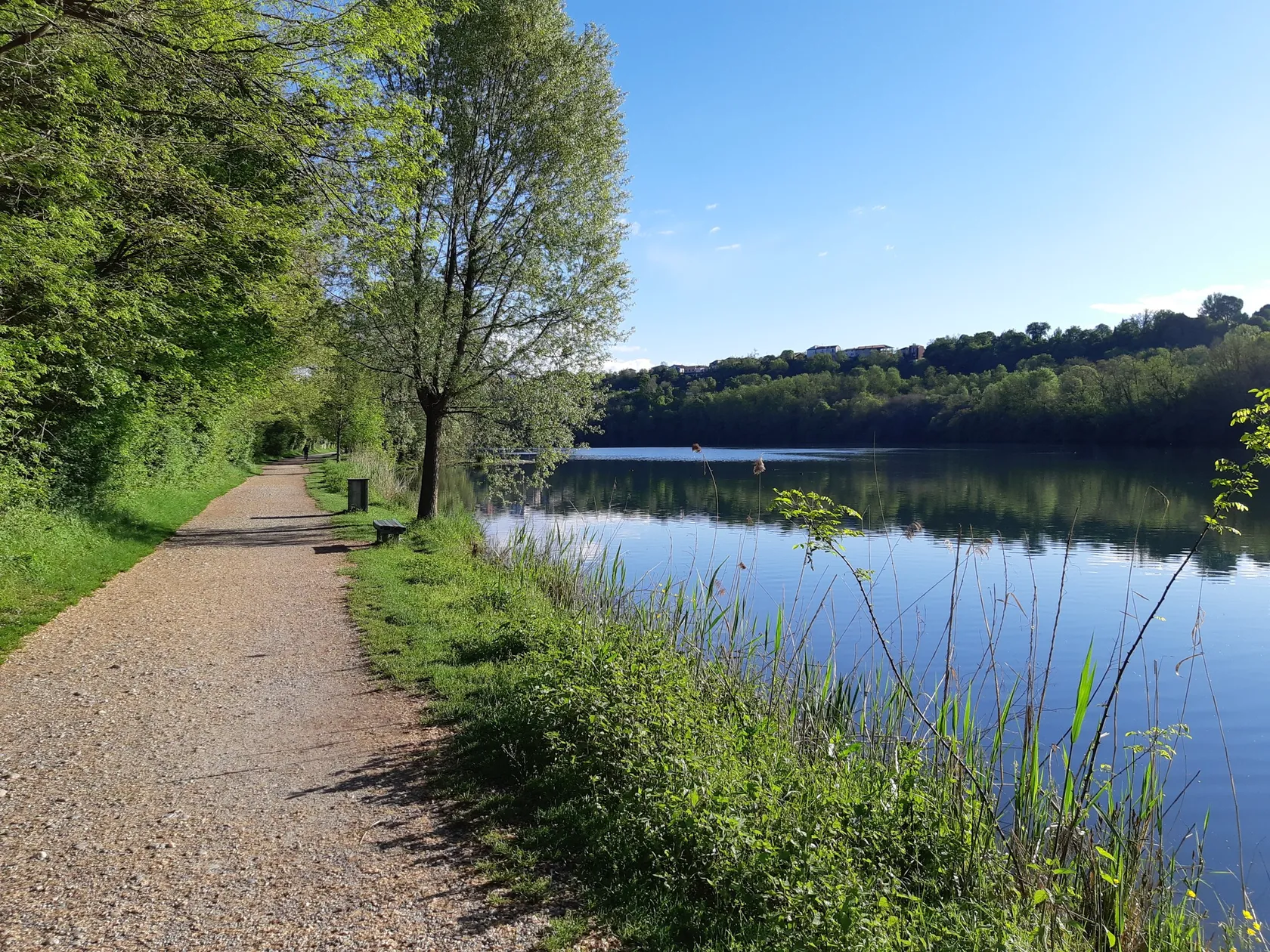
Located at 381 m.a.s.l. in the basin between the Sorline area of Angolo Terme and the Capo di Lago hamlet of Darfo Boario Terme, Lago Moro is surrounded by lush nature. The basin welcomes us with its transparent waters, made dark and mysterious by the profiles of the vegetation.
0
0
Frequently Asked Questions
Which lakes near Piancogno are known for their historical significance?
The most historically significant lake near Piancogno is Gleno Dam and Lake. It features the haunting ruins of a dam that tragically collapsed in 1923, offering a unique blend of natural beauty and a poignant historical narrative. The journey to the dam is a hike, often starting from Pianezza.
Are there any small, natural lakes suitable for swimming near Piancogno?
Yes, Lake Moro is a small alpine lake surrounded by woods and mountains, known for its dark waters. It's a great spot for a refreshing swim, and a hike around the lake is also recommended.
What kind of hiking experience can I expect when visiting Gleno Dam and Lake?
The hike to Gleno Dam and Lake typically takes around two hours from Pianezza. The first half traverses a medium-dense forest, while the second half opens up to a long flat area with panoramic views of the Presolana mountains before reaching the dam ruins. The terrain is mostly passable, with some uneven sections.
Are there family-friendly lakes or trails around Piancogno?
Several lakes around Piancogno are considered family-friendly. Gleno Dam and Lake, Lake Moro, and Lova Lake are all suitable for families, offering accessible paths and scenic environments.
What natural features can I expect to see around the lakes near Piancogno?
The lakes region offers diverse natural beauty. You'll find dense forests, views of the Presolana mountains, and serene alpine landscapes. Lakes like Lake Moro are known for their dark, deep waters, while the Lakes of the Valli are set amidst meadows and peat bogs, rich in insects and amphibians.
Can I access Lova Lake by mountain bike?
Yes, Lova Lake is accessible by foot or mountain bike. It features a recreation area with benches and picnic spots, making it a great destination for various outdoor activities.
What is the best time of year to visit the lakes around Piancogno?
The best time to visit the lakes around Piancogno is generally from spring to autumn. During these seasons, the weather is pleasant for hiking and outdoor activities. Summer is ideal for swimming in lakes like Moro, while spring and autumn offer beautiful foliage and comfortable hiking temperatures.
Are there any facilities like cafes or restaurants near the lakes?
Near Lova Lake, you can find a small chapel and a tavern (Chalet Lova), providing a place for refreshments. For other lakes, it's advisable to check local amenities or bring your own provisions, especially for more remote locations.
What outdoor activities can I do near the lakes around Piancogno?
Beyond visiting the lakes themselves, the area around Piancogno offers various outdoor activities. You can find numerous running trails, including loops around the Oglio River, and cycling routes like the Cividate-Breno Cycle Tunnel. Mountain biking is also popular, with trails such as the Spluga Trail. For detailed routes, explore the Running Trails around Piancogno, Cycling around Piancogno, and MTB Trails around Piancogno guides.
Are there other notable lakes in the broader Lombardy region accessible from Piancogno?
While Piancogno is closely associated with Gleno Lake, you can also access larger, well-known Lombardy lakes from the area. These include the picturesque Lake Iseo, the vast Lake Garda, the charming Lake Como, and the teardrop-shaped Lake Idro, each offering diverse attractions and landscapes.
What makes the Lakes of the Valli unique?
The Lakes of the Valli consist of five small alpine lakes situated at about 2000m altitude, nestled in an environment rich in meadows and peat bogs. They are known for their clear water reflecting the surrounding mountains and are easily reached from the Vivione pass or Schilpario, offering a tranquil spot for a break.
Most popular routes around Piancogno
Most popular attractions around Piancogno

Get inspired with the komoot mobile app


Explore more
Still not found your perfect lake around Piancogno? Check out the guides of these regions to see even more beautiful places.
