The 20 Most Amazing Peaks around Tramonti Di Sotto
Best mountain peaks around Tramonti Di Sotto are situated within the Val Tramontina valley, part of Italy's Friuli Venezia Giulia region. This area is characterized by its mountainous environment, offering a range of trails within the Friulian Dolomites Natural Park. The region features panoramic vistas and distinct geographical formations, providing diverse experiences for visitors. It is known for its pristine natural beauty and contributes to the rugged landscape of the Friulian Prealps.
Best mountain peaks around Tramonti Di Sotto
- The…
Last updated: May 27, 2026
Summit cross on Monte Jouf
Highlight • Summit
Translated by Google •
Tip by

Mount Valinis Summit
Highlight • Summit
Translated by Google •
Tip by

Sign up now to discover places like this
Get recommendations on the best single tracks, peaks, & plenty of other exciting outdoor places.
Sign up for free
Sella Chianzutan Pass and Sculpture Park
Highlight • Mountain Pass
Translated by Google •
Tip by

Clautana Pass
Highlight • Mountain Pass
Translated by Google •
Tip by

Monte Fara summit (1,342 m)
Highlight • Summit
Translated by Google •
Tip by

Sign up for free to discover even more peaks around Tramonti Di Sotto.
Sign up for free
Already have an account?
Start today with a free account
Your next adventure awaits.
Login or Signup

Tips from the Community

The summit of Mount Valinis, 1,102 meters, is easily accessible by hiking from all sides. It's easy to reach the paragliding launch point by e-bike. From there to the summit, the ascent and descent by e-bike is quite technical.
0
0
Monte Valinis, an international launch and takeoff point for hang gliders and paragliders.
0
0

Mount Jôuf is a peak in the Carnic Prealps that rises behind the city of Maniago. This name, quite common in the mountain environment, literally translates to "yoke" (long and rounded mountain summit). The name appears for the first time in 1286, in the Municipal Archives of Maniago, and today it is written in various ways including: Iouf, Jouf, Jôf, Iof and Jof. Its main peak, an enchanting grassy clearing at 1,224 m, in a panoramic position on the Friulian plain, is recognizable by a modest flag with a rudimentary bench. In reality there is also a lower peak, traditionally recognized, located at 1,203 m and reachable from the saddle below. Here there is a large cross with a summit book. Nearby there is a meteorological station that reduces the view.
0
0
Stone of the eighth Alpine regiment with ode of glory and incitement to victory. Placed in 1917.
0
0
Forcella Clautana 1430m., secondary pass between the Silisia valley and the Clautana valley.
0
0

Sella Chianzutan is a pass in the Carnic Prealps at around 950 meters above sea level. It can be reached from both San Francesco and Tolmezzo: the latter is the toughest side, although the gradients rarely exceed 10%. Between 2010 and 2020, it was tackled three times by the Giro d'Italia: the first to pass through here were Ludovic Turpin, Sebastian Henao and Giovanni Visconti.
0
0
The best time to climb this peak is Spring and Autumn. In Winter with proper equipment.
0
0
For those who climb Mount Jouf from Maniago, they arrive at the top, where there is a large cross. Many think that the top is that one, but for the real top (about thirty meters higher), it is necessary to continue along the crest, passing the repeaters, and descending to the saddle, go back up to the real top positioned along the crest (bench and flag).
1
0
Frequently Asked Questions
Which mountain peaks around Tramonti Di Sotto offer the best panoramic views?
For breathtaking panoramic views, consider visiting Monte Fara summit (1,342 m), which provides extensive vistas across the plain and surrounding mountains, including Monte Castello, Monte Raut, and Monte Jouf. Another excellent choice is Mount Valinis Summit, known for its 360° views over the Friulian Prealps and Val Tramontina.
Are there challenging mountain hikes in the Tramonti Di Sotto area?
Yes, the region offers several challenging hikes. The ascent to Mount Valinis Summit is described as very tiring, involving steep, stony, and narrow paths. Similarly, Monte Celant offers an alpine trek that is moderately challenging and can take over five hours with significant elevation gain. Monte Ciavac also presents a rigorous adventure within the unspoiled nature of the Friulian Dolomites Park.
What are some notable mountain passes in the region?
The Clautana Pass is a popular mountain pass offering an enchanting view from its fork, accessible via a forest road. Another significant pass is Sella Chianzutan Pass and Sculpture Park, located in the Carnic Prealps, which is known for its scenic climbs and has been featured in the Giro d'Italia.
What is the best time of year to hike the mountain peaks around Tramonti Di Sotto?
Hiking in spring or autumn is generally recommended for the mountain peaks around Tramonti Di Sotto, especially for peaks like Monte Fara summit (1,342 m), due to lower temperatures and clearer views. While specific winter hiking options are not detailed, the region's mountainous environment suggests that spring and autumn offer more favorable conditions.
Are there any unique landmarks or features on the mountain peaks?
Yes, Summit cross on Monte Jouf is marked by a large cross, though the true summit lies further along the crest. Mount Valinis Summit features the 'Alpini Cross' placed to remember members who have 'moved forward'. The Campanile di Val Montanaia, while not directly in Tramonti di Sotto, is a distinctive and iconic rock formation within the Friulian Dolomites.
What kind of natural beauty can I expect to see in the Friulian Dolomites Natural Park?
The Friulian Dolomites Natural Park, encompassing Tramonti di Sotto, is renowned for its pristine natural beauty, rugged landscapes, and diverse geographical formations. You can expect panoramic vistas, unspoiled nature, and charming old villages nestled within the Val Tramontina valley. The area is characterized by its mountainous environment, offering a rich experience for nature lovers.
What outdoor activities can I do near the mountain peaks of Tramonti Di Sotto?
Beyond hiking, the area around Tramonti Di Sotto offers a variety of outdoor activities. You can explore numerous mountain biking trails, such as the 'Redona Dam – Mount Valinis loop' or the 'Mountainbike loop from Pradis di Sotto'. There are also gravel biking routes like the 'Poffabro Village – Lake Tramonti loop' and road cycling routes, including the 'Passo Rest and Lake Tramonti Loop'. For more details, refer to the MTB Trails around Tramonti Di Sotto, Gravel biking around Tramonti Di Sotto, and Road Cycling Routes around Tramonti Di Sotto guides.
Are there any historical or cultural sites to visit near the mountain peaks?
While the focus is on natural peaks, the region does have historical significance. The abandoned village of Palcoda offers woodland trails where you can see old stone houses and a restored church, with its history tied to the Friulian Resistance. Additionally, the Sella Chianzutan Pass features a Sculpture Park, blending art with the natural landscape.
What do visitors enjoy most about the mountain peaks around Tramonti Di Sotto?
Visitors frequently praise the stunning panoramic views, especially from peaks like Mount Valinis Summit, which offers a 'fabulous peak' experience. The challenging yet rewarding nature of the trails, the pristine natural environment, and the sense of accomplishment from reaching summits with significant landmarks like the cross on Monte Jouf are also highly appreciated.
Can I find less crowded mountain trails in the Tramonti Di Sotto area?
The region is known for its unspoiled nature and offers a range of trails. While specific crowd levels are not detailed, exploring peaks like Monte Celant, which passes through the old hamlet of Tamar, or the extensive loop trails around Monte Cornetto, may offer a more secluded experience compared to the most popular viewpoints. The general character of the Friulian Dolomites Natural Park suggests opportunities for tranquil exploration.
Are there any water-related attractions or paths near the mountain peaks?
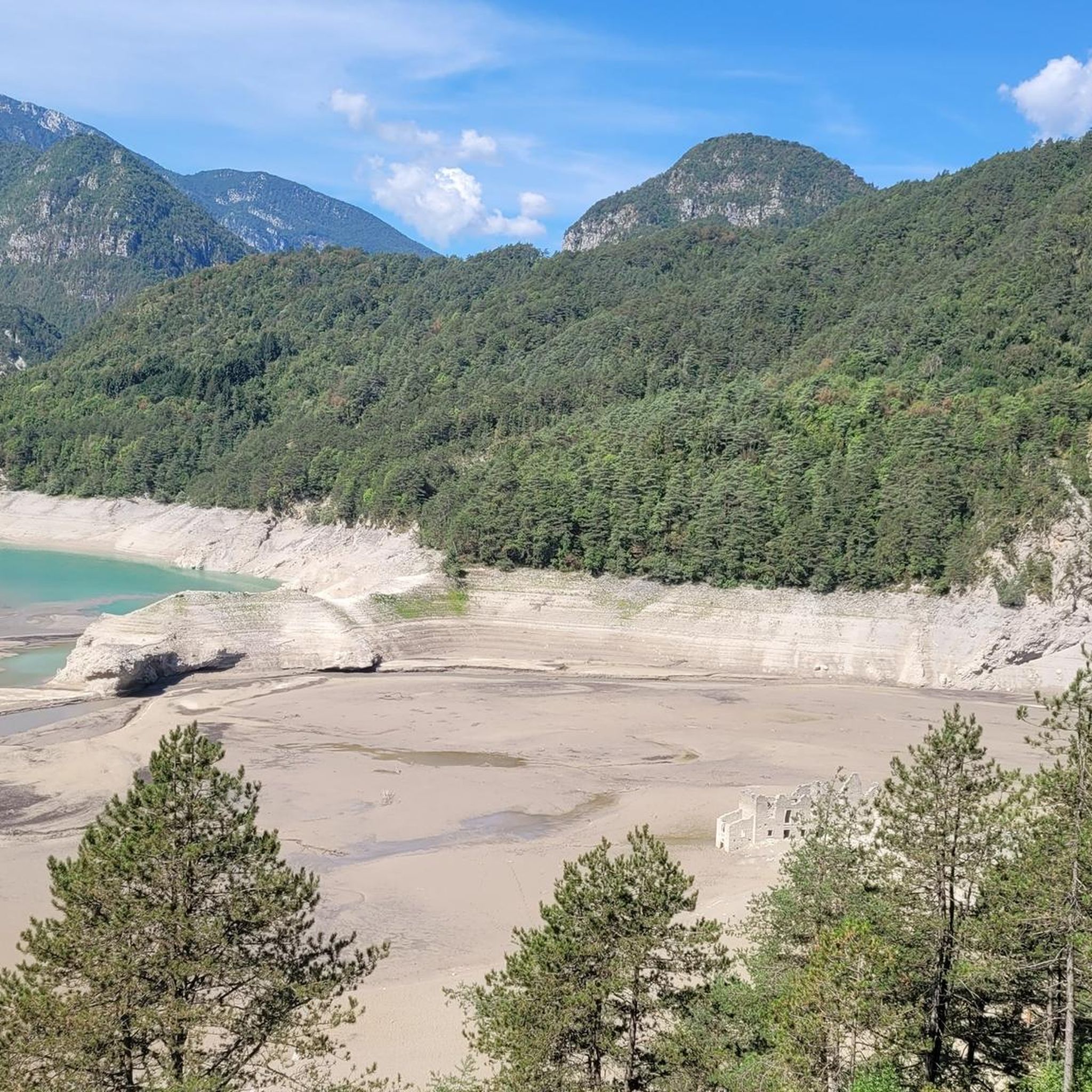
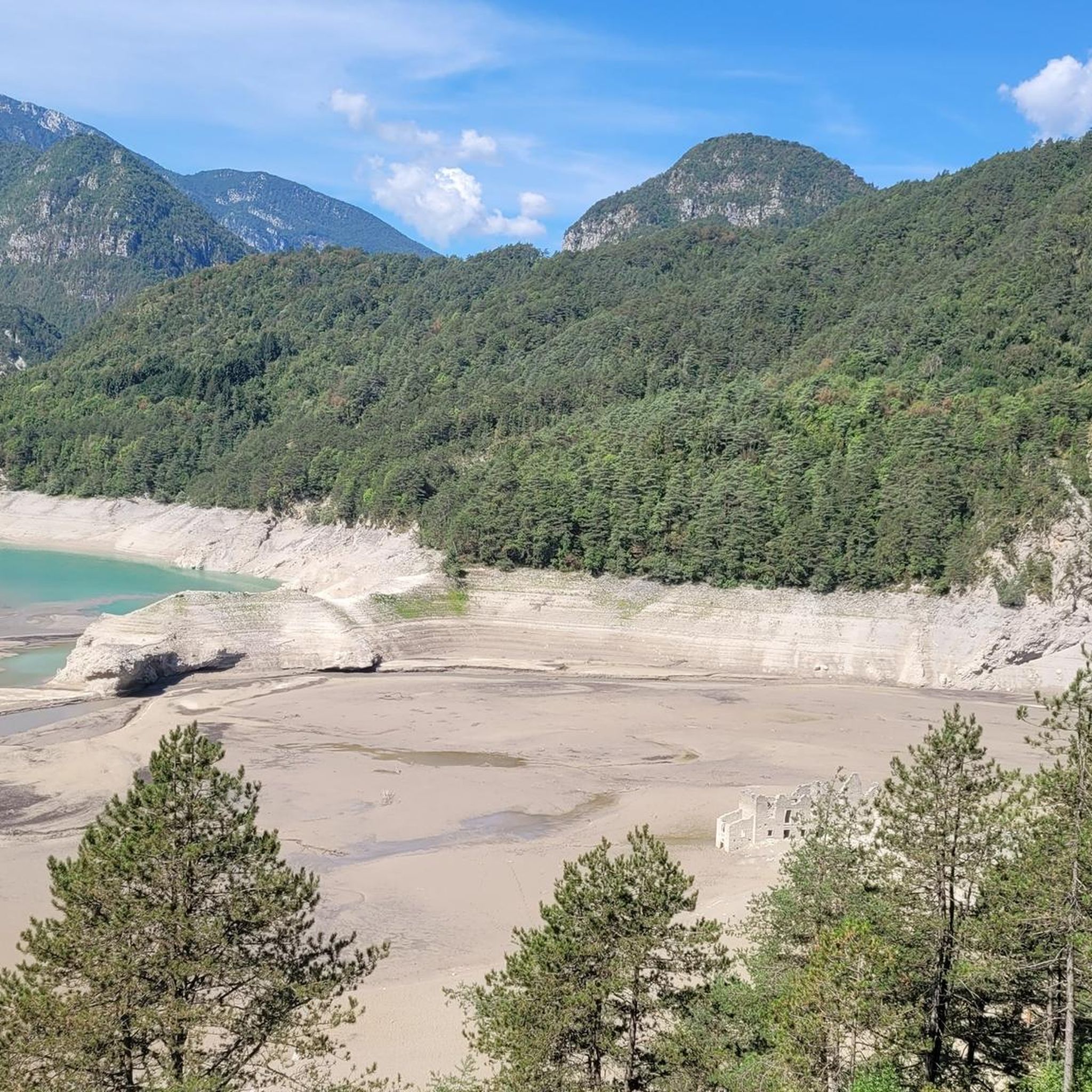
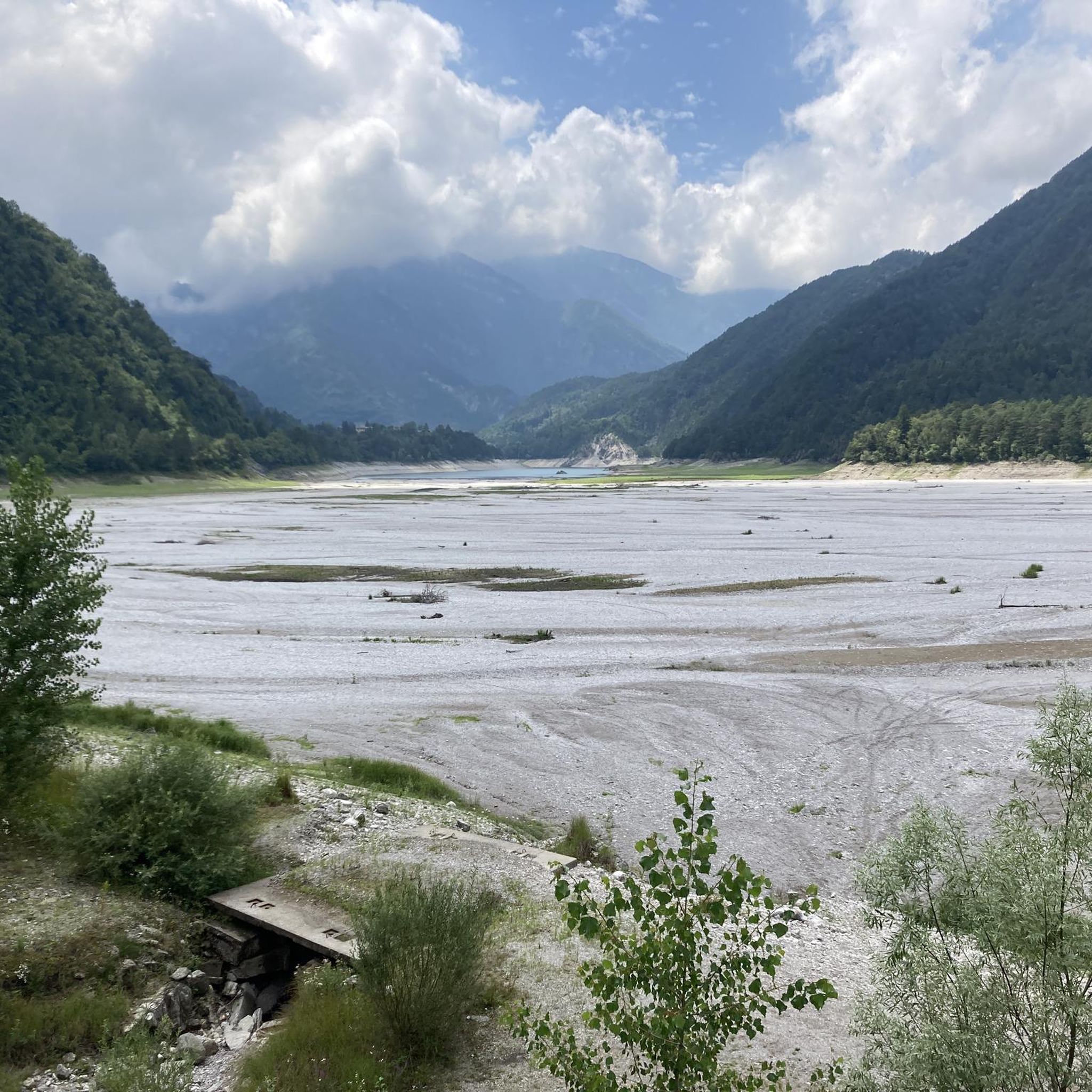
Yes, the region features 'percorsi dell'acqua' (water paths) near the Bivacco Varnerin in the old hamlet of Tamàr, which are often explored with a guide. Additionally, the Redona lake is a unique point of interest, where abandoned houses emerge when water levels are low, adding a distinctive element to the landscape.
What is Monte Celant known for?
Monte Celant is known for its accessible summit trail that passes through the old hamlet of Tamar. An alpine trek to its summit offers rewarding views overlooking the Adriatic Sea. It's considered a moderately challenging hike, requiring good fitness and potentially taking over five hours to complete.
Most popular routes around Tramonti Di Sotto
Most popular attractions around Tramonti Di Sotto

Get inspired with the komoot mobile app


Explore more
See even more amazing summits around Tramonti Di Sotto with these guides:
