The best cycling routes around Rigolato
4.5
(201)
3,613
riders
77
rides
Touring cycling around Rigolato offers routes through the Friulian Dolomites, characterized by mountainous terrain, impressive peaks, and deep valleys. The region features winding mountain roads and numerous mountain passes, providing varied elevation changes. Cyclists encounter a mix of paved and unpaved surfaces, with natural monuments like Lake Sauris adding to the scenic backdrop. This area is known for its challenging ascents and alpine environments.
Best touring cycling routes around Rigolato
- The most popular touring cycling route is Monte Zoncolan Pass…
Last updated: May 24, 2026
5.0
(3)
769
riders
28.7km
02:51
1,360m
1,360m
Hard bike ride. Very good fitness required. Mostly paved surfaces. Suitable for all skill levels.
5.0
(6)
206
riders
53.1km
04:40
1,950m
1,950m
Hard bike ride. Very good fitness required. Mostly paved surfaces. Suitable for all skill levels.

Sign up for free
177
riders
22.5km
01:45
600m
600m
Hard bike ride. Very good fitness required. Mostly paved surfaces. Suitable for all skill levels.
4.9
(32)
125
riders
Hard bike ride. Very good fitness required. Mostly paved surfaces. Suitable for all skill levels.
4.9
(15)
61
riders
Hard bike ride. Very good fitness required. Mostly paved surfaces. Suitable for all skill levels.
Get access to more routes and recommendations from other explorers.
Sign up for free
Already have an account?
Our route recommendations are based on thousands of hikes, rides, and runs completed by other people on komoot.
Start today with a free account
Your next adventure awaits.
Login or Signup
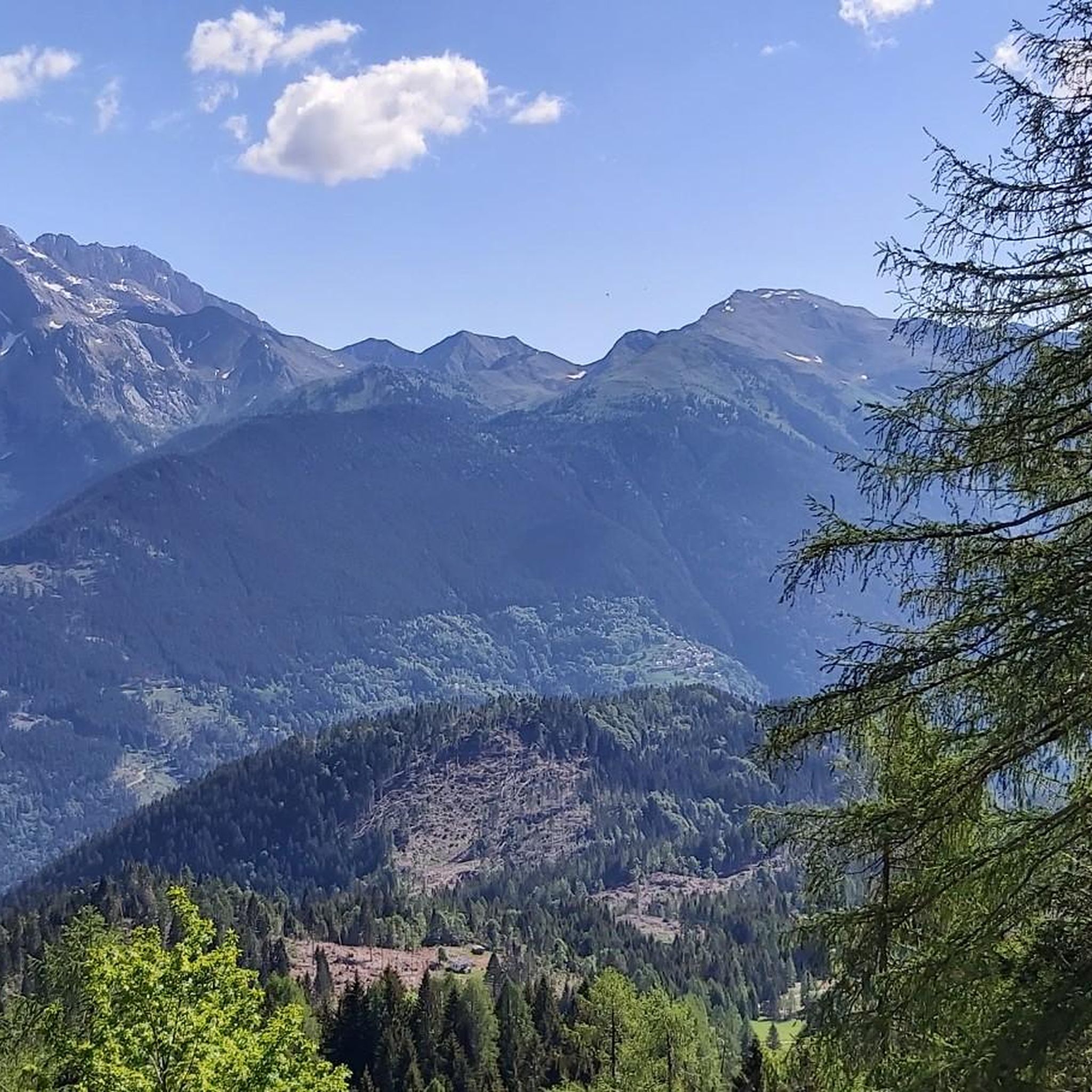
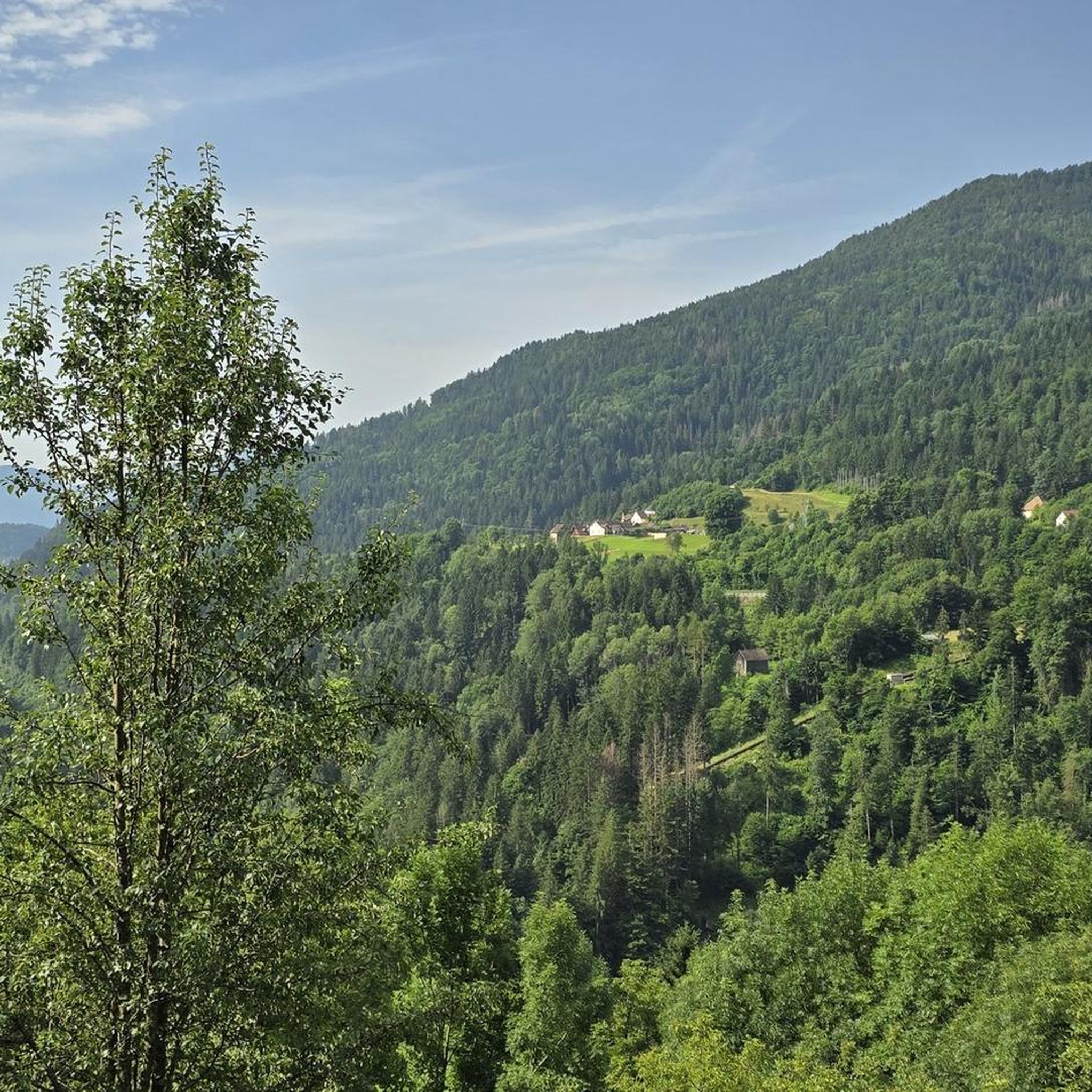
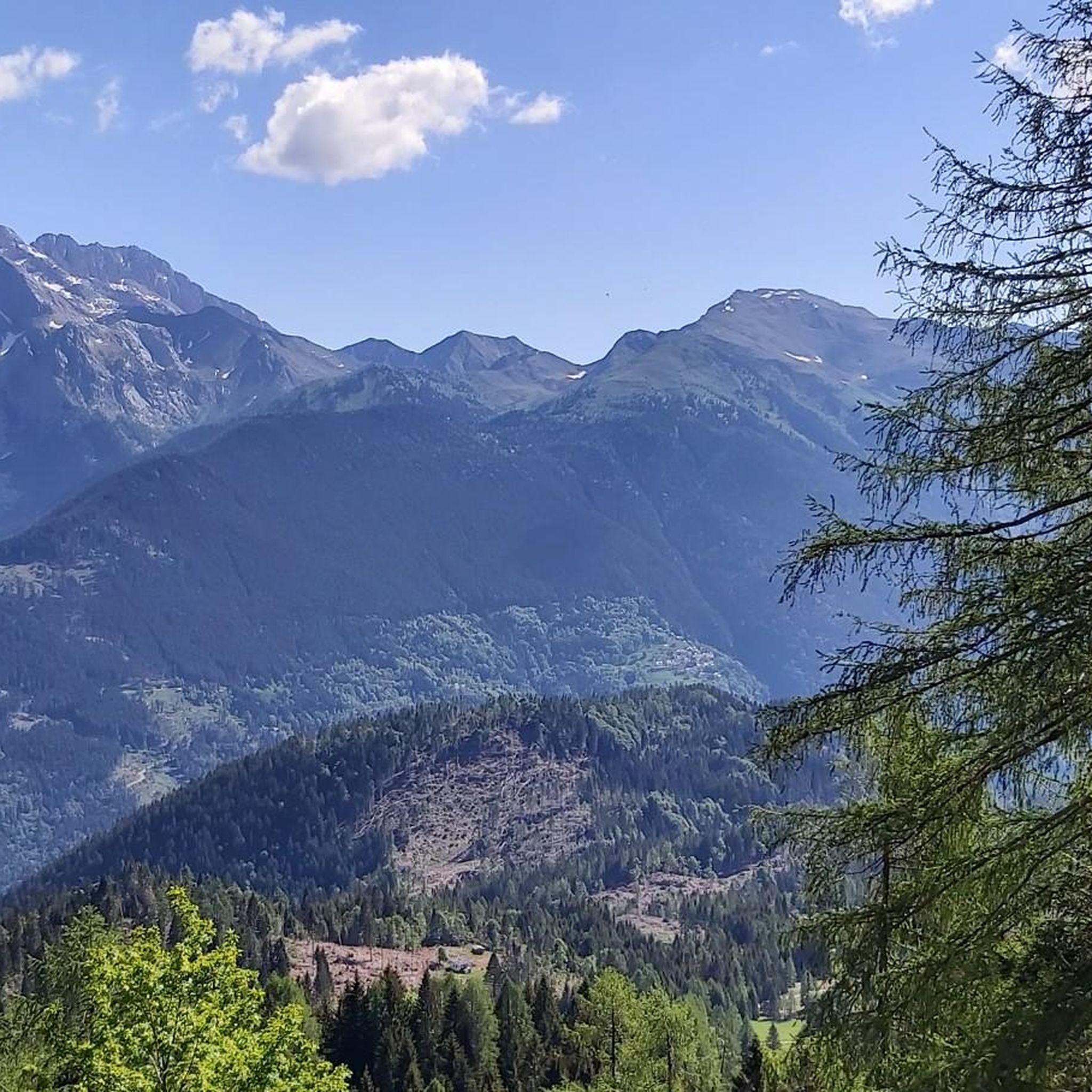
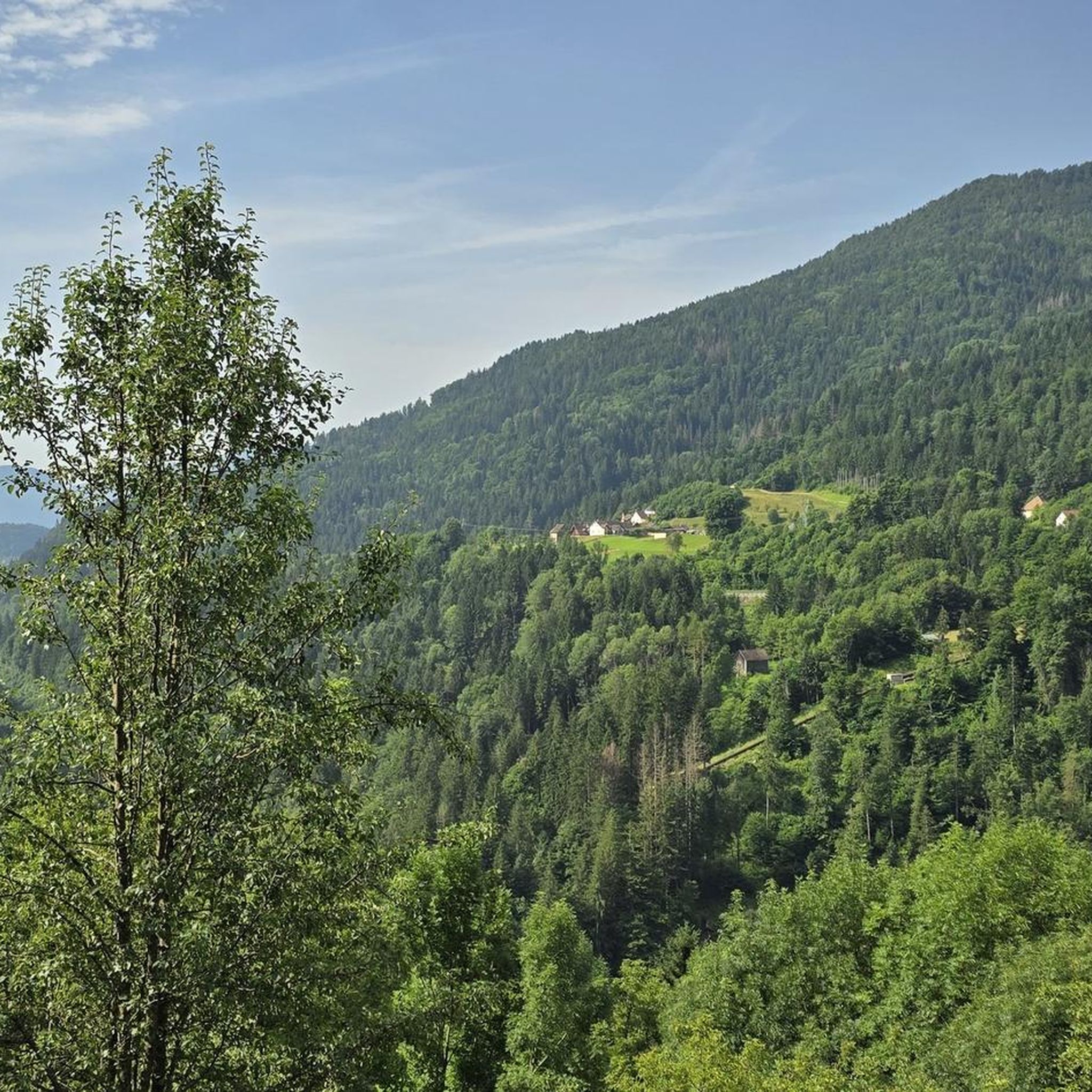
Tips from the Community

FVG 8 - directly on the Torrente Bût
4
0
FVG 8 - here you ride above the Torrente Bût
3
0

Cyclists traversing the cycle path pass through tunnels carved into the rock, where narrow-gauge railways once ran. The track had a gauge of just 750 mm (known as scartamento ridotto). Such narrow gauge tracks are rare in Europe and were typically used on industrial routes or in very difficult, mountainous terrain where standard, wide gauge tracks would have been prohibitively expensive to build. This technical specificity is the direct cause of the tunnels' tightness.
0
0
The FVG8 (Ciclovia della Carnia) cycle path on the section leading to Ovaro is unique in that it follows the route of the former narrow-gauge railway, the Ferrovia Villa Santina–Comeglians. The railway opened in 1920 but ceased operations just 15 years later, in 1935.
0
0
The twin races of the Granfondo Carnia Classic Fuji-Zoncolan in Italy and the Mt. Fuji Hillclimb in Japan were a practical manifestation of this partnership. This enabled the creation of a unique, bicontinental destination for amateurs, where they tackled the extreme intensity and gradients of Monte Zoncolan on the one hand, and the long, endurance climb of Majestic Fuji on the other, gaining global recognition for conquering the iconic 1,200-meter vertical drop on both sides of the globe.
0
0
The main reason for the partnership is the similar elevation gain experienced by cyclists on both routes. The climb to Zoncolan from Ovaro requires approximately 1,210 meters of elevation gain. Similarly, the popular Subaru Toll Road leading to Mount Fuji requires approximately 1,250 meters of elevation gain. However, the difference in scale is important: Zoncolan is extremely concentrated (about 10 km of very challenging climbing – at one point, you're climbing a 22% gradient), while the climb to Fuji is long and gentle (about 25 km, with an average gradient of 5%). The partnership focused on the vertical gain.
0
0
The "Zoncolan Mt. Fuji" sign at the wooden starting arch in Ovaro symbolizes the international twin-mountain partnership, initiated around 2015 to promote cycling tourism in the Friuli-Venezia Giulia region. The Italian province of Carnia and the Japanese prefecture of Shizuoka have announced an official gemellaggio, linking the iconic Alpine mountain of Zoncolan with Japan's majestic sacred Mount Fuji.
0
0
In addition to its role as a cycling arena, Monte Zoncolan is a multi-purpose tourist destination. In winter, you can enjoy downhill runs of varying difficulty (ranging from blue to black). The Zoncolan Ski Area offers a variety of challenging trails (both fast technical sections and steep walls), making it ideal for slalom and giant slalom training. The location in Friuli-Venezia Giulia offers good snow conditions, but also a relatively quiet base – fewer tourists than in the Dolomites. Modern infrastructure (the Ravascletto–Zoncolan gondola and artificial snowmaking system) allows for regular training even in inclement weather. If you visit Ravascletto in winter, it's not unusual to see sections of the trails marked "chiuso per allenamento" (closed for training) – a sign that national teams or clubs are training there. In summer, you can enjoy a network of trails of varying difficulty—from family walks to challenging mountain treks. The areas are well-marked and have infrastructure (huts, rifuges, viewpoints).
0
0
Frequently Asked Questions
What kind of terrain can I expect when touring cycling around Rigolato?
Touring cycling around Rigolato primarily features mountainous terrain within the Friulian Dolomites. You'll encounter impressive peaks, deep valleys, and winding mountain roads with significant elevation changes. The routes offer a mix of paved and unpaved surfaces, providing a diverse cycling experience.
Are there any easy touring cycling routes suitable for beginners in Rigolato?
While Rigolato is known for its challenging ascents, there are a few easier options available. The komoot community has identified 2 easy touring cycling routes, alongside 11 moderate and 70 difficult ones. These easier routes typically offer less elevation gain and shorter distances, making them suitable for those new to touring cycling in a mountainous environment.
What are some notable natural features or landmarks I can see along the touring cycling routes?
The region around Rigolato is rich in natural beauty. You can expect to see natural monuments like Lake Wolayer and the scenic Valentin Pass. The routes also offer views of Lake Sauris and the Degano River, as seen on the challenging Lake Sauris – View of the Degano River loop from Forni Avoltri / For Davuatri route.
Can I find circular touring cycling routes in the Rigolato area?
Yes, many of the touring cycling routes around Rigolato are designed as loops, allowing you to start and finish in the same location. For example, the iconic Monte Zoncolan Pass Road – Arch start of ascent Zoncolan loop from Comeglians / Comelians is a popular circular route that tackles the legendary Monte Zoncolan.
What is the best time of year to go touring cycling in Rigolato?
The best time for touring cycling in Rigolato, given its alpine environment and mountain passes, is typically from late spring through early autumn (May to October). During these months, the weather is generally more stable, and the higher passes are clear of snow, offering optimal conditions for exploring the Friulian Dolomites.
Are there any mountain huts or places to rest along the cycling routes?
Yes, the region is dotted with mountain huts that provide opportunities for rest, refreshments, and even overnight stays, which can be particularly useful for multi-day cycling tours. Notable huts include the Wolayersee Hut, Hochweißstein Hut, and Edoardo Tolazzi Hut.
What do other touring cyclists say about their experience in Rigolato?
The touring cycling routes in Rigolato are highly rated by the komoot community, with an average score of 4.6 stars from over 200 reviews. Over 4000 touring cyclists have used komoot to explore the varied terrain, often praising the challenging ascents, breathtaking panoramic views, and the unique alpine environment of the Friulian Dolomites.
Are there any routes that offer a significant challenge for experienced touring cyclists?
Absolutely. Rigolato is renowned for its challenging climbs, most notably Monte Zoncolan. Routes like the Monte Zoncolan Pass Road – Zoncolan loop from Comeglians / Comelians offer substantial elevation gain and steep gradients, making them a significant test for even professional cyclists. The area features 70 difficult routes in total.
What kind of views can I expect on the touring cycling routes around Rigolato?
The routes around Rigolato offer spectacular vistas of the Friulian Dolomites. You'll be treated to panoramic views of impressive peaks, deep valleys, and alpine landscapes. Many routes traverse mountain passes, providing elevated viewpoints and picturesque backdrops, including natural monuments and lakes like Lake Sauris.
Are there any specific routes that explore the source of the Piave River?
Yes, for those interested in exploring the source of the Piave River, there is a route that incorporates this natural landmark. Consider the Cima Sappada – Source of the Piave River loop from Forni Avoltri / For Davuatri, which offers a challenging ride through the mountainous terrain.
How many touring cycling routes are available in the Rigolato area?
There are over 80 touring cycling routes available around Rigolato, catering to various skill levels. This includes 2 easy, 11 moderate, and 70 difficult routes, ensuring a wide range of options for every touring cyclist.
Most popular routes around Rigolato
Most popular attractions around Rigolato

Get inspired with the komoot mobile app


Explore more
Browse the best Cycling routes in other regions.
