Attractions and Places To See around Travo - Top 20
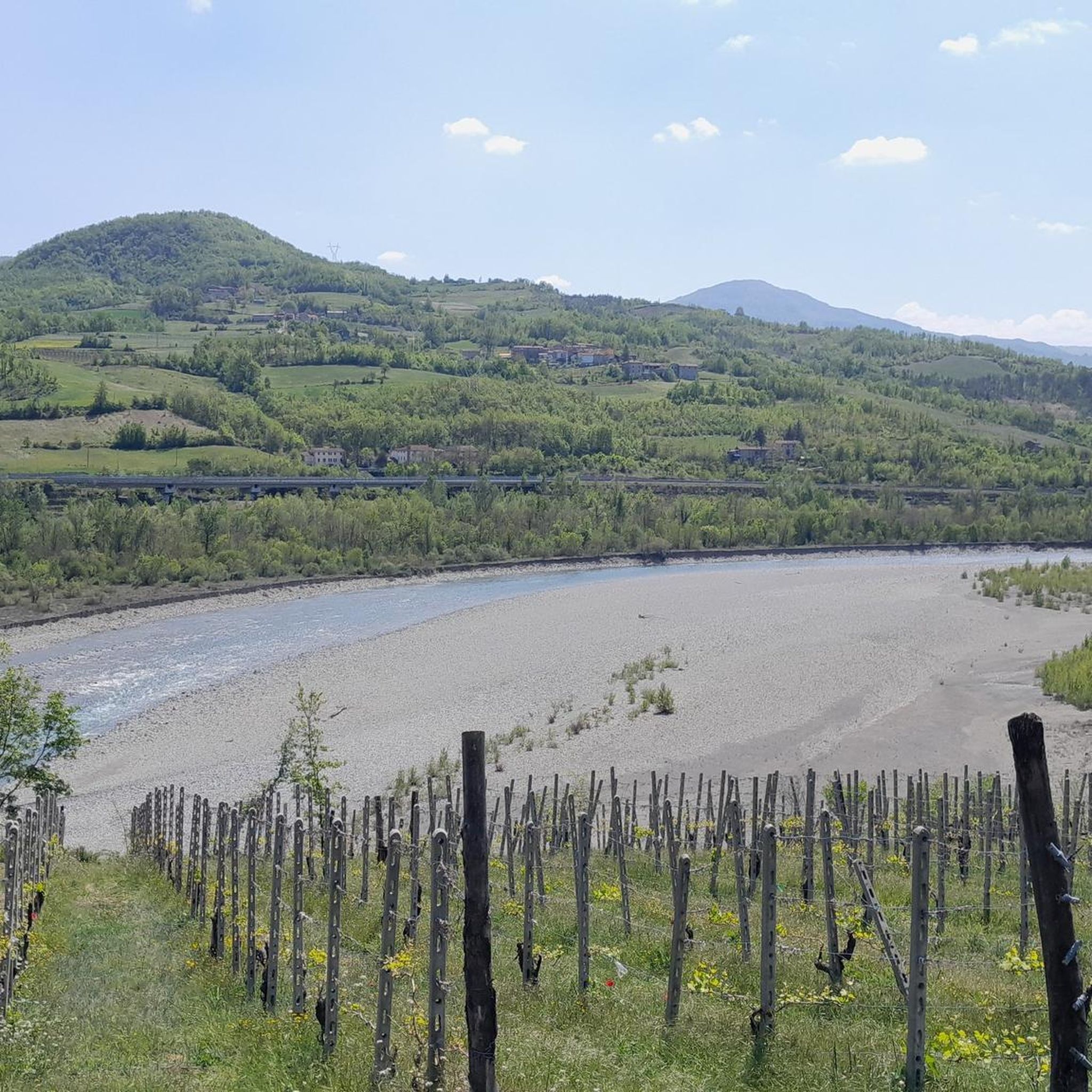
Best attractions and places to see around Travo include historical landmarks, cultural sites, and natural features. Situated in the low Trebbia Valley, Travo is known for its connection to the Trebbia River and its ancient past. The area offers a blend of archaeological insights and scenic landscapes, with prominent peaks and numerous trekking paths.
Best attractions and places to see around Travo
- The most popular attractions is Monte Denavolo Summit Cross, a summit that marks one of the first…
Last updated: August 2, 2026
Pietra Perduca and the Oratory of St. Anne
Highlight • Religious Site
Translated by Google •
Tip by

Rivalta Castle
Highlight • Castle
Translated by Google •
Tip by

Sign up now to discover places like this
Get recommendations on the best single tracks, peaks, & plenty of other exciting outdoor places.
Sign up for free
Ponte Gobbo (Devil's Bridge) of Bobbio
Highlight • Bridge
Translated by Google •
Tip by

Ponte Gobbo (Bobbio)
Highlight • Bridge
In the Middle Ages, the construction of a bridge was considered a miraculous feat. For this reason, the construction of such structures gave rise to …
Translated by Google •
Tip by

Hannibal's Elephant Statue in Gossolengo
Highlight • Monument
Translated by Google •
Tip by

Sign up for free to discover even more attractions around Travo.
Sign up for free
Already have an account?
Start today with a free account
Your next adventure awaits.
Login or Signup

Tips from the Community

Hunchback Bridge or Devil's Bridge In the Middle Ages, the construction of a bridge was considered a miraculous feat. For this reason, the construction of such structures gave rise to many legends, often involving the devil: joining two places that God had wanted separated was seen by many as a "diabolical" work. According to an ancient legend, Saint Columbanus, a 7th-century Irish monk, was eager to bring the word of God to the people living on the other bank of the Trebbia River, near the town of Bobbio. The devil promised to build the bridge in a single night, in exchange for the first mortal soul to cross it. The saint accepted. That night, the devil summoned several little devils who assisted him in the construction work, holding up the bridge's arches. The demons were of different heights, and thus the various arches of the bridge were of varying sizes. In the morning, the devil stationed himself at the end of the bridge to demand his payment. But Saint Columbanus outwitted him by having his poor, suffering and very sick dog (some say it was a bear) cross the bridge instead of a man. The enraged devil returned to hell, but not before kicking his handiwork, which has been crooked ever since. It is said that the footprints of the unfortunate animal that served as a guinea pig still remain in the crypt of the Church of Saint Columbanus. The Hunchback Bridge, also known as the Ponte Vecchio or, more precisely, the Devil's Bridge, is a Roman structure that has undergone numerous renovations over the centuries. The structure above dates back to the 7th century, but traces of an older bridge, dating back to before Columbanus' arrival, have been found underneath. The bridge, characterized by its undulating shape, irregular arches, and relatively narrow carriageway, is 280 meters long and connects the two banks of the river through a complicated succession of 11 irregular spans, varying in span and height, creating an undulating path from one end to the other. The Bobbio Bridge, now used only as a pedestrian crossing, is the very symbol of the city of San Colombano, as well as one of the strangest and most original architectural structures in Italy. Source: Emilia-Romagna Region
2
0

enchanting place on a splendid panorama, there are on the crest of the rock some tanks with newts, unique animals
2
0

I arrive in Bobbio from a less busy road and with a beautiful view of Ponte
0
0

The oratory is beautiful
1
0

Rivalta Castle is one of the very few European examples of manors surrounded by an ancient village that has largely remained intact today.
0
0
Rivalta Castle is one of the very few European examples of manors surrounded by an ancient village that has largely remained intact today. Mentioned in documents as early as 1048, it is a sumptuous noble residence, surrounded by a magnificent park. The castle shows a quadrangular planimetric development and is characterized by a singular fifteenth-century cylindrical tower, which ends with the unmistakable small tower
0
0
Hannibal's passage and the Second Punic War. An ancient legend tells of Hannibal who, after crossing the Apennines and defeating the Romans in the Rivergaro area, stopped in the countryside around Piacenza, where he entrusted an elephant wounded in battle to the farmers of Gossolengo. The inhabitants got used to the presence of the elephant, using it for work in the fields or as a means of transport, but no one ever came back to claim it. Eventually, the elephant became part of the local memory, and is represented in the municipal coat of arms.
0
0

An ancient legend tells of Hannibal who, after crossing the Apennines and defeating the Romans in the Rivergaro area, stopped in the countryside around Piacenza, where he entrusted an elephant wounded in battle to the farmers of Gossolengo. The inhabitants got used to the presence of the elephant, using it for work in the fields or as a means of transport, but no one ever came back to claim it. Eventually, the elephant became part of the local memory, represented in the municipal coat of arms.
1
0
Frequently Asked Questions
What historical and cultural sites can I explore in Travo?
Travo offers a rich historical tapestry. You can visit the Anguissola Castle, which houses the Civic Archeological Museum, showcasing the area's history from the Palaeolithic to the Early Middle Ages. Don't miss the over thousand-year-old Sant'Antonino's Church, known for its unique balcony-church square with views over the Trebbia River. Another significant site is the Archaeological Park of the Neolithic Village of Travo (S. Andrea), an open-air museum with reconstructed Neolithic huts.
Are there any family-friendly attractions around Travo?
Yes, Travo offers options suitable for families. The Hannibal's Elephant Statue in Gossolengo is a unique man-made monument that children might find interesting, commemorating an ancient legend. The Archaeological Park of the Neolithic Village of Travo (S. Andrea), with its reconstructed huts, offers an engaging glimpse into prehistoric life that can be educational and fun for all ages.
What natural features and viewpoints are prominent in the Travo area?
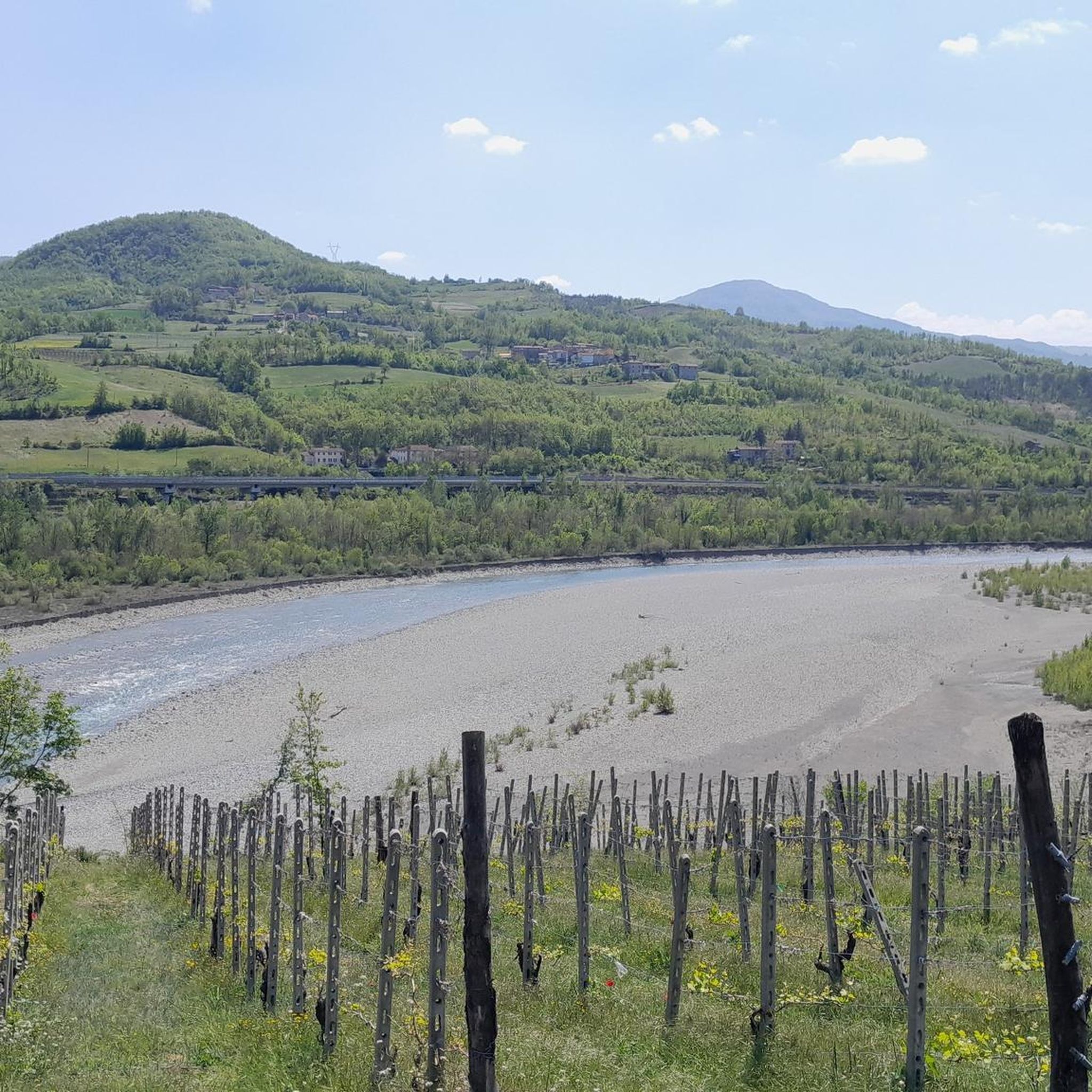
The landscape around Travo is dominated by the picturesque Trebbia River, offering scenic views and opportunities for leisurely strolls. For those seeking panoramic vistas, the prominent peaks of Pietra Parcellara and Pietra Perduca, often referred to as 'Devil's rocks,' provide excellent trekking paths and stunning views of the valley. The Monte Denavolo Summit Cross also offers a splendid 360° view of the surrounding landscape, dividing the Trebbia and Nure valleys.
What outdoor activities can I do near Travo's attractions?
The area around Travo is ideal for various outdoor activities. You can explore numerous trekking paths, including the ancient Path of the Gods. For more structured adventures, there are dedicated guides for hiking, mountain biking, and running trails, offering routes of varying difficulty through the scenic landscape.
Are there any challenging hikes around Travo?
Yes, for experienced hikers, the region offers challenging routes. For example, the hiking guide for Travo includes routes like 'From Boelli di Sotto to Monte Pillerone – ring tour' and 'From Canova Bridge to Monte Dinavolo – loop tour,' which are rated as moderate. For more strenuous options, some running and MTB trails are classified as difficult, such as the 'Central Square of Travo – View of the Trebbia Valley loop from Travo' in the running guide.
Where can I find ancient architecture or unique historical structures?
Beyond the main castle, you can discover the Fortress of Caverzago and Medieval Church of Santo Stefano, located in the hamlet of Caverzago, overlooking the Trebbia River. This site includes remnants of a lookout tower from 1337. Another unique structure is the Mulino di Riè, a characteristic rural mill along the Perino stream, with parts dating back to before the 19th century, showcasing ancient local economic activities.
What is the best time to visit Travo for outdoor activities?
While specific seasonal advice isn't detailed, the presence of numerous trekking paths and outdoor activities suggests that spring and autumn would likely be ideal for comfortable exploration, avoiding the peak heat of summer and potential winter conditions. Always check local weather forecasts before planning your visit.
Can I visit any castles or fortresses in the area?
Absolutely. The most prominent is the Anguissola Castle in Travo itself, which is open to the public as it houses the Civic Archeological Museum. Additionally, the Rezzanello Castle and Church of San Michele Arcangelo, first mentioned in 1001, is a historic castle with a trapezoidal plan and four towers. While the castle itself is private, you can still admire its exterior and the beautiful adjacent church.
Are there any unique bridges or river-related landmarks?
Yes, the Ponte Gobbo, also known as the Hunchback Bridge or Devil's Bridge, is a fascinating Roman structure near Bobbio that has undergone numerous renovations. It's characterized by its undulating shape and irregular arches, making it a unique pedestrian crossing and a symbol of the area, rich in local legends.
What kind of archaeological discoveries can be seen in Travo?
Travo is significant for its archaeological findings. The Civic Archeological Museum within Anguissola Castle displays materials from local excavations, offering insights into ancient populations. The Archaeological Park of the Neolithic Village of Travo (S. Andrea) is one of Northern Italy's most important prehistoric sites, featuring reconstructions of Neolithic huts, storage pits, and even an early medieval necropolis.
Are there any easy hiking trails suitable for beginners or casual walkers?
While many trails offer moderate to difficult challenges, the area around the Trebbia River provides opportunities for leisurely strolls. For specific easy routes, it's best to consult the hiking guide for Travo, which details various trail lengths and difficulty grades, allowing you to choose paths that suit your fitness level.
Most popular attractions around Travo

Get inspired with the komoot mobile app


Explore more
Still not found the Highlight you’re looking for? See guides of the top attractions in other regions:
