Attractions and Places To See around Bagnara Di Romagna - Top 20
Best attractions and places to see around Bagnara Di Romagna include a rich array of historical, cultural, and architectural sites. This fortified medieval village, recognized as one of "I Borghi più belli d'Italia," features a well-preserved town center. The area is characterized by its historical significance, with structures dating back to the 15th century. Visitors can explore various landmarks that reflect its heritage.
Best attractions and places to see around Bagnara Di Romagna
- The most popular attractions is Enzo and…
Last updated: August 4, 2026
Scodellino Mill of Castel Bolognese
Highlight • Monument
Translated by Google •
Tip by

Enzo and Dino Ferrari International Circuit (Imola)
Highlight • Structure
Translated by Google •
Tip by

Sign up now to discover places like this
Get recommendations on the best single tracks, peaks, & plenty of other exciting outdoor places.
Sign up for free
Rocca Sforzesca di Bagnara
Highlight • Castle
The entire defensive system that includes the Sforza fortress, the boundary wall and the moat …
Translated by Google •
Tip by

Parco delle Acque Minerali
Highlight • Forest
It is …
Translated by Google •
Tip by

Rocca Sforzesca of Imola
Highlight • Castle
Translated by Google •
Tip by

Sign up for free to discover even more attractions around Bagnara Di Romagna.
Sign up for free
Already have an account?
Start today with a free account
Your next adventure awaits.
Login or Signup

Tips from the Community

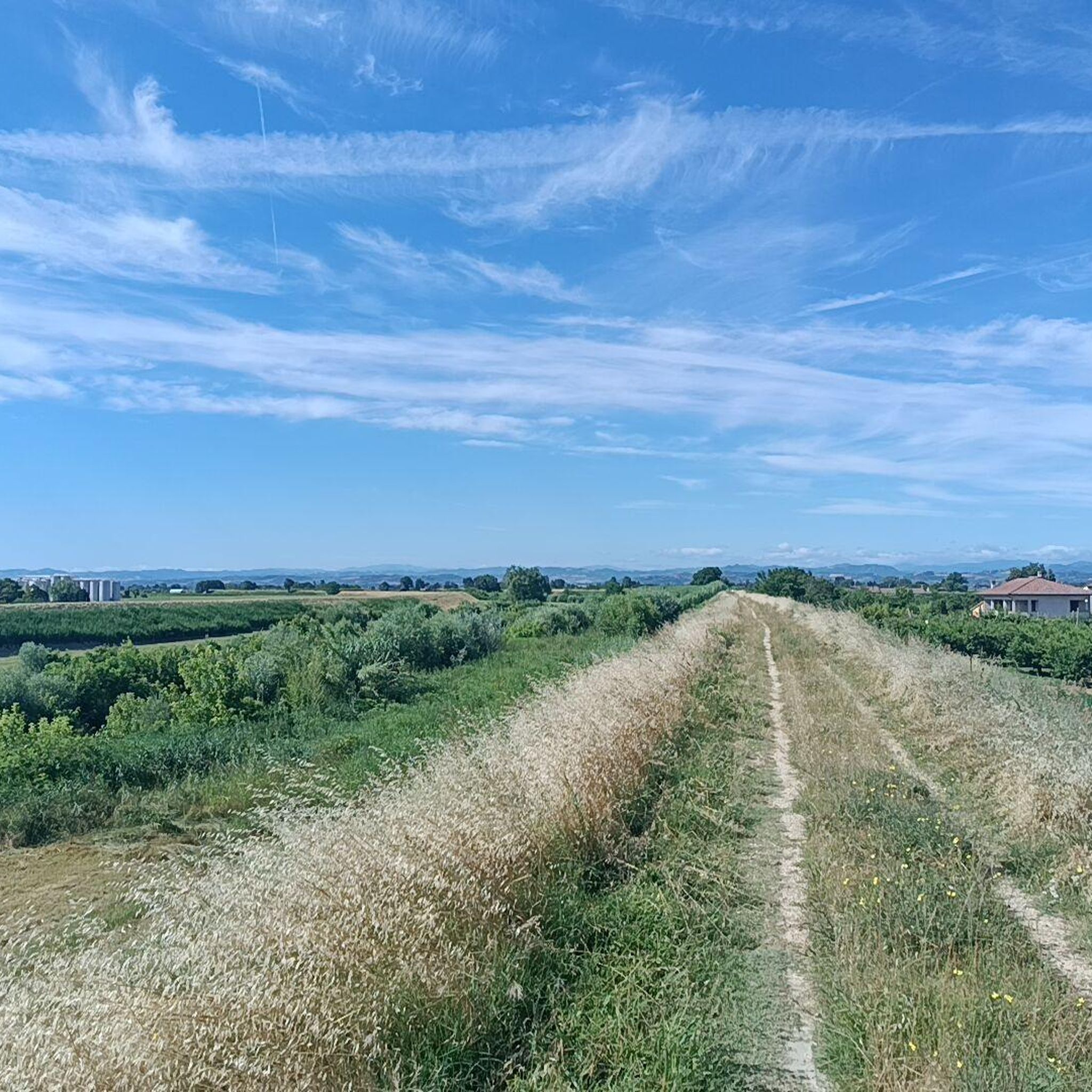
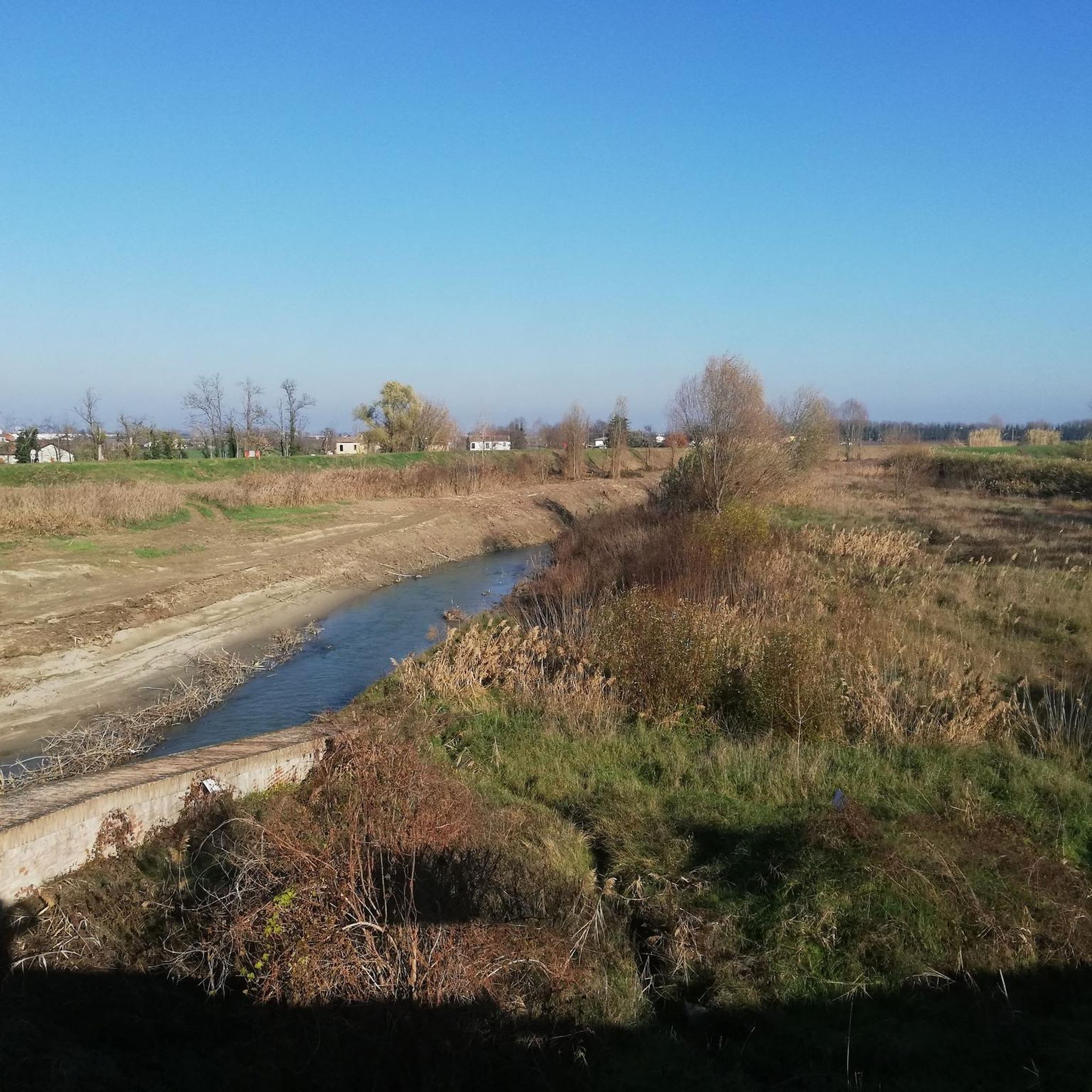
Refurbished mill located along a short stretch of dirt road
0
0

brisk walk
0
0

Very nice building! It's worth a visit just to linger and hear the water flow... very relaxing
0
0

The Mineral Water Park is the historic green lung of Imola. Mainly known for its recreational and sporting function, it also has an undoubted botanical and historical value. It is located a short distance from the city center and is nowadays entirely surrounded by the “Enzo e Dino Ferrari” racetrack. It originated from the discovery of Dr. Gioacchino Cerchiari, which occurred in 1830, of the healing sulphurous water springs which made the place immediately popular. The first arrangement of the area into a real park dates back to 1871, with the creation of avenues and flowerbeds according to the so-called "English" model. Currently the park extends over 11 hectares and has a rich heritage of tree species, both native and exotic. Recent interventions have aimed to enhance this heritage by providing the park with two play areas and an educational path of a geological nature, and by redeveloping some historical areas: the area of the ancient springs (indicated by the restoration of the original cisterns), the monumental staircase that leads from Viale Atleti Azzurri d'Italia leads to the Belvedere, and the entrances to the park. In particular we highlight the one to the north, called 'Piazzetta della Fontana' from the ceramic work of the artist Mannes Laffi, and the one to the south, or Piazzetta delle Querce', characterized by paving in stone slabs and cubes which reflect the park logo : an oak leaf. (Source: https://visitareimola.it/vivere/tempo-libero/natura/parco-acque-minerali/ )
0
0
...the origins of the fortress of Imola date back to 1261, when the municipality decided to build a fortress to defend the city. ... The fortress then had a quadrangular perimeter with nine square towers, four at the corners and four at the center of each curtain wall, plus an entrance tower on the eastern side and a mighty central keep. In the second half of the 15th century, the transformation of the medieval fortress into a new structure capable of withstanding the destructive power of modern artillery began. ... Beginning in 1480, the square corner towers were incorporated into new, thicker circular towers capable of withstanding bombardment, and construction of an internal residence began. The crisis of the Riario-Sforza lordship and the siege of the fortress launched in 1499 by Cesare Borgia, known as Valentino, decreed the return of direct papal rule. ... With the definitive annexation of Imola to the Papal States, the fortress's use as a prison intensified, a situation that continued until 1958, when restoration work began and the Sforza monument was converted into a museum. (Source: https://imolamusei.it/rocca-sforzesca/ )
2
0

In the center of Imola stands the Rocca Sforzesca: a medieval castle. This is a fine example of fortified architecture from the Middle Ages to the Renaissance.
2
0
The toponym is thought to derive from the quality of the land in the area, once marshy and known as Silva Bagnaria, which was reclaimed by the Etruscans and subsequently colonized by the Romans. ... The first nucleus of the city of Bagnara (old Bagnara) was built in what is now the locality of Prato di S. Andrea, one km southeast of the current city centre, around the ancient Roman castrum, of which currently all that remains is a rise and the remains of what used to be the boundary ditch. Bagnara Vecchia was in fact razed to the ground in 1222 during a battle between the Bolognese and Faentini, and the escaped inhabitants took refuge near the Santerno river, where today the center of the new Bagnara is located. (Source: http://www.itinerariinromagna.it/comune/32/bagnara_di_romagna )
0
0
The only example of a fully preserved medieval castrum in Romagna, the history of the Rocca di Bagnara starts from the 14th century even if its origins are somewhat uncertain. It was probably built by Uguccione della Faggiola in 1297. ... During the 1400s the fortress passed under different hands, from the Holy See to the Estensi. In 1482 it passed to Girolamo Riario and his wife Caterina Sforza (second half of the 1400s) as a wedding gift from Pope Sixtus IV. It is in fact the latter that takes care of the numerous defensive changes of the fortress. ... In the 16th century the fortress passed to Cesare Borgia who marked the way towards its decline. In this period there is also a conversion from military use to civilian use. After the Napoleonic occupation of the 19th century, the fortress definitively became the property of the Municipality of Bagnara in 1868. The fortress was restored in 2008 and has since housed the Castle Museum. It is also the scene of historical re-enactments. (Source: https://ilromagnolo.info/rubriche/luoghi/rocca-sforzesca-bagnara-di-romagna/ )
2
0
Frequently Asked Questions
What historical sites can I explore in Bagnara di Romagna?
Bagnara di Romagna is rich in history, offering several fascinating sites. You can visit the imposing Rocca Sforzesca, a 15th-century fortress that dominates the town center and houses the Castle Museum. The 15th-century Arched Church of Saints Giovanni and Andrea is also significant, featuring precious artworks and two museums. Additionally, the Archaeological Site of Prati di Sant'Andrea reveals remains of the original medieval town settlement built on Roman and late antique foundations.
Are there any castles or fortresses to visit in the area?
Yes, the most prominent is the Rocca Sforzesca di Bagnara, a magnificent 15th-century fortress considered a fine example of Italian fortification art. It features a central Renaissance courtyard, original wooden ceilings, and a spiral staircase. Another notable fortress in the wider region is the Rocca Sforzesca of Imola, a restored 14th-century stone castle that now houses a museum.
What museums are available in Bagnara di Romagna?
Bagnara di Romagna offers several museums. Within the Rocca Sforzesca, you'll find the Museo del Castello (Castle Museum), which traces the town's history from the Bronze Age. The Arched Church of Saints Giovanni and Andrea hosts two museums: the Parish Museum of Sacred Art, displaying liturgical vestments and artworks, and the Museo Pietro Mascagni, dedicated to the composer with personal belongings and letters.
Where can I find natural parks or green spaces near Bagnara di Romagna?
A significant green space nearby is Parco delle Acque Minerali. This forest area, located near Imola, has historical and botanical value, originating from the discovery of healing sulphurous water springs in 1830. It features avenues, flowerbeds, and a rich heritage of tree species, making it ideal for a relaxing stroll.
Are there family-friendly attractions in Bagnara di Romagna?
Many attractions in the area are suitable for families. The Rocca Sforzesca di Bagnara offers an engaging historical experience. The Parco delle Acque Minerali provides open spaces and an educational path. For something unique, the Villa Morsiani, a 15th-century stately home with a vast centuries-old park, also hosts a renowned St. Bernard dog breeding center, which can be interesting for families.
What outdoor activities, like hiking or cycling, can I do near Bagnara di Romagna?
The area around Bagnara di Romagna offers various outdoor activities. You can find numerous routes for hiking, gravel biking, and running. For hiking, explore options like the Santerno River Embankment loop or the Pond of the Parco del Loto loop. Cyclists can enjoy gravel biking routes such as the Chiavicone della Canalina loop or the Pathway Along the River. You can find more details on these activities and specific routes in the hiking guide, gravel biking guide, and running guide for the region.
Are there specific hiking trails recommended around Bagnara di Romagna?
Yes, there are several hiking trails suitable for different levels. You can try an easy Hiking loop from Solarolo or Massa Lombarda, typically around 5-6 km. For a more moderate challenge, consider the Santerno River Embankment loop from Sant'Agata sul Santerno (around 8.8 km) or the Pond of the Parco del Loto loop from Barbiano (around 12.2 km). More options are available in the hiking guide.
What about cycling routes near Bagnara di Romagna?
For cycling enthusiasts, especially gravel biking, there are several routes. Moderate options include the Chiavicone della Canalina – Avio Club LYRA34 loop (around 67.6 km) or the Pathway Along the River – Sforza Fortress of Dozza loop (around 58.9 km). For those seeking a more difficult ride, consider the Via delle Tombarelle – The Gallisterna loop (around 75.3 km) or the Canale dei Molini – The Gallisterna loop (around 126.9 km). Explore these and more in the gravel biking guide.
Is there anything unique or a 'hidden gem' to discover in the area?
Beyond the main attractions, the Villa Morsiani stands out as a unique historical residence. This 15th-century stately home, still belonging to the Morsiani family, retains traces of its defensive past and features 16 fireplaces, including the largest in the region. Its vast, centuries-old park with 'green monuments' like a 30-meter oak and a 40-meter black poplar offers a tranquil and historically rich experience.
What is the significance of the Rocca Sforzesca in Bagnara di Romagna?
The Rocca Sforzesca is a symbol of Bagnara di Romagna, built in the 15th century by the Riario-Sforza family. It's considered one of the best 15th-century fortification works in Italy, with a well-preserved keep, casemates, and a unique spiral staircase. It represents a rare example of a fully preserved medieval castrum in the Romagna plain and now houses the Castle Museum, making it a central point for understanding the town's history.
Can I learn about the town's past at the Rocca Sforzesca?
Absolutely. The Rocca Sforzesca is home to the Museo del Castello (Castle Museum), which was inaugurated in 2008. This museum provides a comprehensive overview of Bagnara di Romagna's history, from the Bronze Age to the present day, through its archaeological collection of local artifacts. It's an excellent place to delve into the town's rich heritage.
What is the Sanctuary of Madonna del Soccorso known for?
The Sanctuary of Madonna del Soccorso (Santuario della Beata Vergine del Soccorso), located about 2 km from the town center, is an 18th-century pilgrimage site. It is known for housing a painted terracotta Madonna and child, which pilgrims have historically worshipped. Legend has it that the Madonna's presence once made the water of a nearby pond miraculous, drawing visitors seeking spiritual solace.
Are there any unique historical mills to see in the area?
Yes, the Scodellino Mill of Castel Bolognese is a notable historical monument. Built in the late 14th or early 15th century, it is a rustic brick construction and the last existing example of mills built along the canal in the 1400s. It's a charming spot to visit, offering a glimpse into the region's industrial past and a relaxing atmosphere by the flowing water.
Most popular routes around Bagnara Di Romagna
Most popular attractions around Bagnara Di Romagna

Get inspired with the komoot mobile app


Explore more
Still not found the Highlight you’re looking for? See guides of the top attractions in other regions:
