The best cycling routes around Gualdo Cattaneo
4.4
(245)
1,790
riders
249
rides
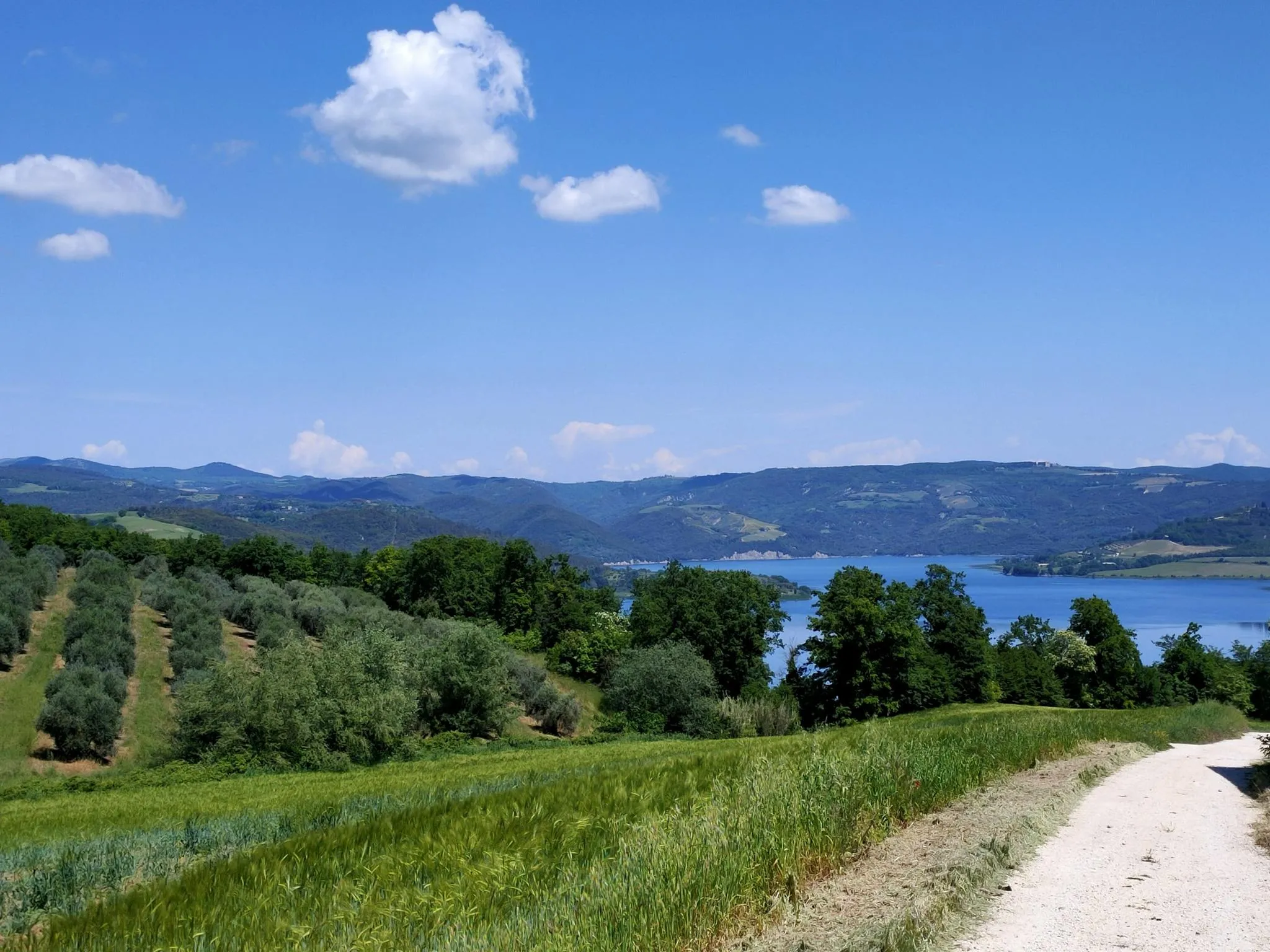
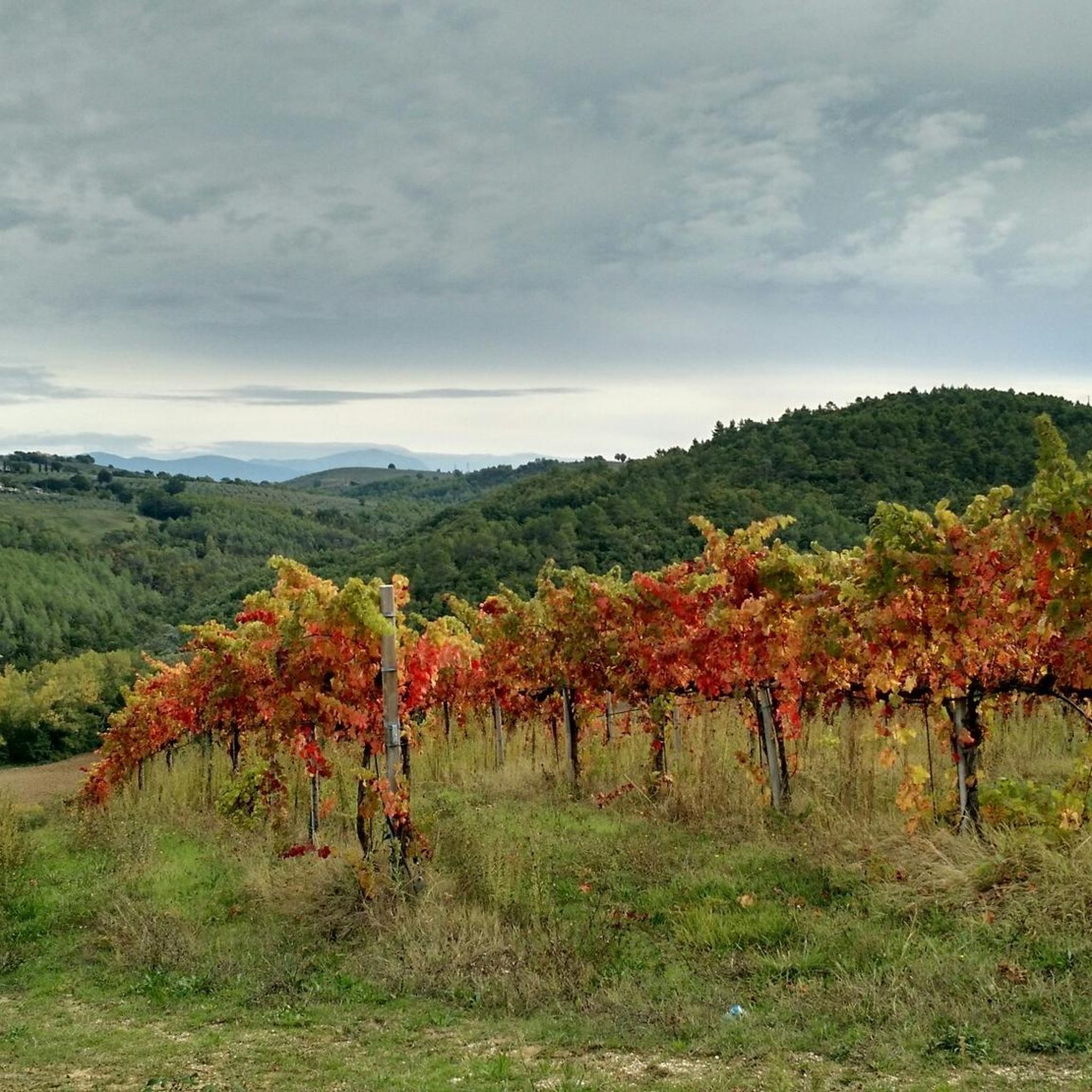
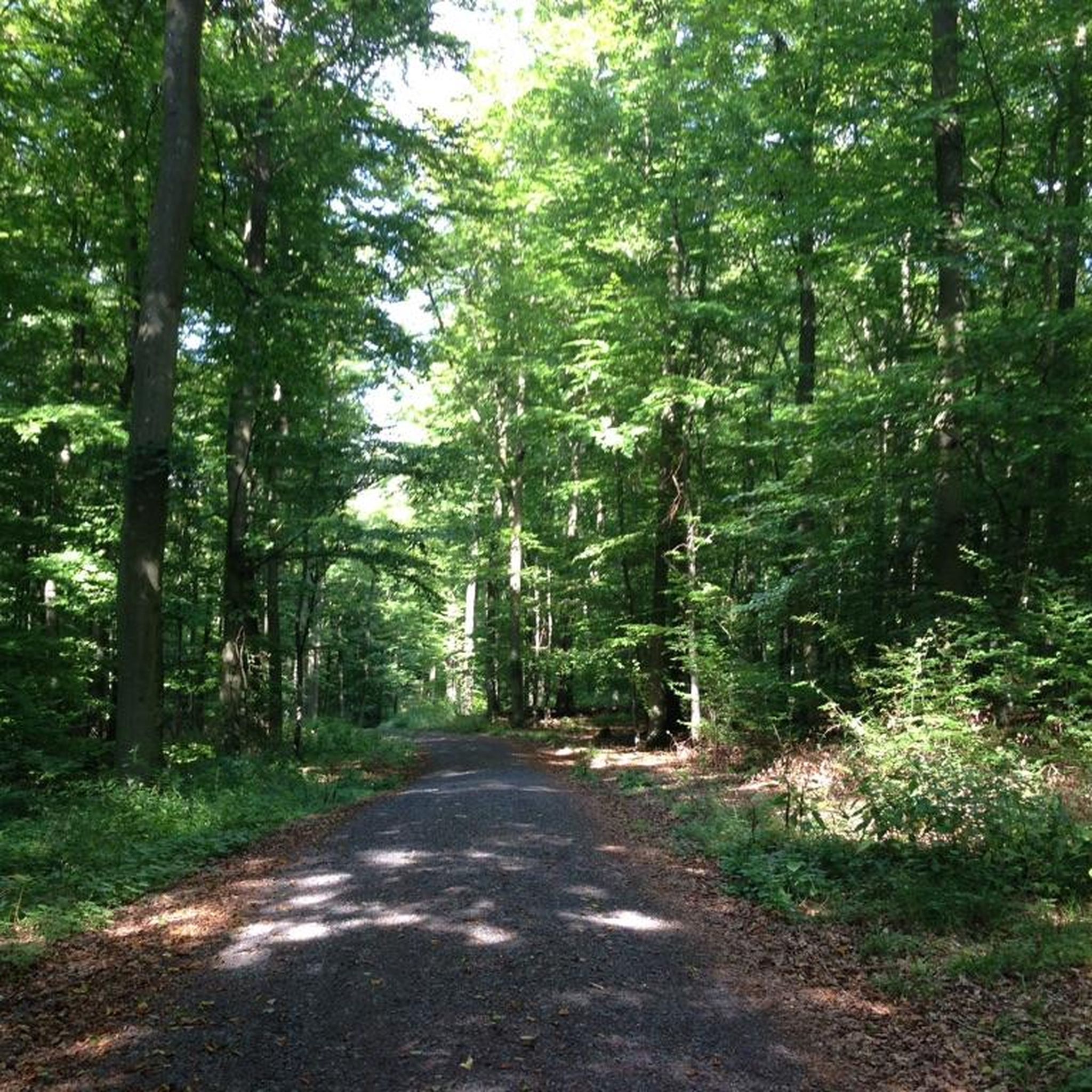
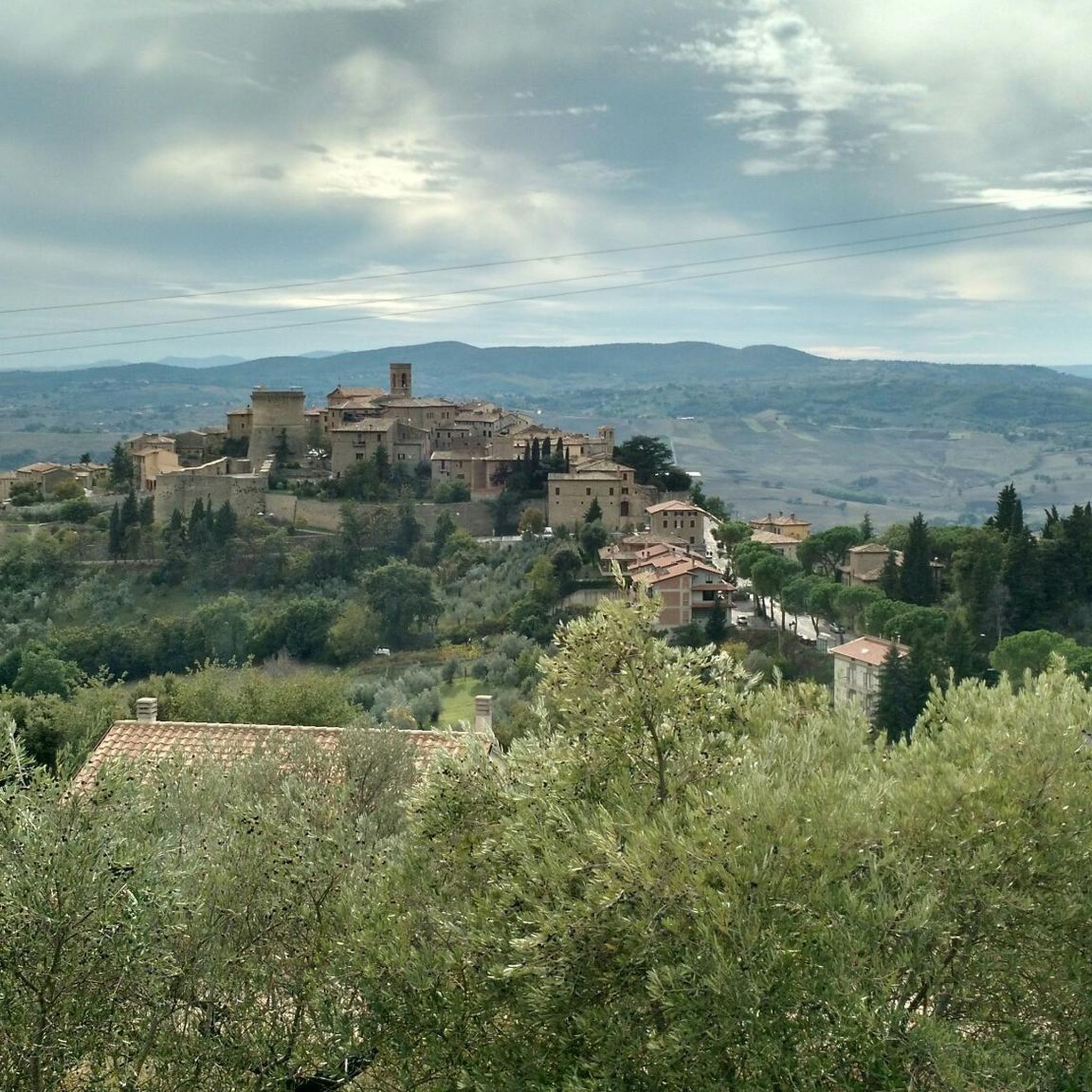
Touring cycling routes around Gualdo Cattaneo traverse a landscape characterized by rolling hills and evergreen Mediterranean scrub forests. This region in Umbria, Italy, offers diverse terrain suitable for cycling, with many routes winding through picturesque wooded areas. The area features a network of paths that connect historical attractions and charming medieval villages. These routes provide varied elevation profiles and scenic backdrops for cyclists.
Best touring cycling routes around Gualdo Cattaneo
- The most popular touring cycling route is Cannara village center…
Last updated: August 4, 2026
4.1
(14)
98
riders
83.7km
05:29
1,050m
1,050m
Hard bike ride. Very good fitness required. Mostly paved surfaces. Suitable for all skill levels.
8
riders
36.2km
02:20
500m
500m
Hard bike ride. Very good fitness required. Mostly paved surfaces. Suitable for all skill levels.

Sign up for free
7
riders
41.0km
02:41
520m
520m
Hard bike ride. Very good fitness required. Mostly paved surfaces. Suitable for all skill levels.
8
riders
27.6km
02:00
580m
580m
Hard bike ride. Very good fitness required. Mostly paved surfaces. Suitable for all skill levels.
5.0
(1)
11
riders
15.7km
01:14
260m
260m
Moderate bike ride. Good fitness required. Mostly paved surfaces. Suitable for all skill levels.
Get access to more routes and recommendations from other explorers.
Sign up for free
Already have an account?
Our route recommendations are based on thousands of hikes, rides, and runs completed by other people on komoot.
Start today with a free account
Your next adventure awaits.
Login or Signup
Other adventures around Gualdo Cattaneo

Tips from the Community

Bring some cash to climb the tower 😀
0
0

On the route from Bevagna to Bastardo, a hamlet of Gualdo Cattaneo, you come across the Scacciadiavoli estate, founded in 1884 by Prince Ugo Boncompagni – Ludovisi. The name Scacciadiavoli comes from the nickname of an exorcist, who lived in a village bordering the property. Legend has it that one day he was entrusted with a young woman who seemed possessed, to free her from the devil. He tried using his formulas and infusions, but failing in his intent, as a last resort, he made her drink some local red wine, making her drunk. The young woman came to her senses. It was the exorcist’s wine that had freed her from the devil. Over time, the village where the exorcist had lived was also called Scacciadiavoli and so was the territory of the area and the cellar. It is one of the oldest companies in the “Montefalco” territory. The cellar was built in the second half of the 19th century, when Prince Boncompagni left Rome to dedicate himself to wine production. Excellent wine!!
0
0
One of the few bridges that cross the Topino river is located in Cannara, the next one in Passaggio di Bettona, the previous one much further away, even in Bevagna
0
0

Bevagna / Region – Umbria / Province – Perugia (PG) The town, surrounded by a city wall with towers and gates, has an intact medieval structure (12th-13th centuries). In the upper part of the town, numerous Roman remains can still be seen: the ruins of a temple, the theater, and a thermal bath complex, of which a frigidarium with a magnificent black and white floor mosaic depicting marine figures from the 2nd century AD survives. The medieval town structure, with its squares and noble houses, developed over the Romanesque foundations: The magnificent Piazza Silvestri is home to the Palazzo dei Consoli (1270), which houses the Torti Theater, the Romanesque churches of San Silvestro and San Michele Arcangelo, both from the late 12th century, and the church of San Domenico e Giacomo (1291). Worth seeing is the Palazzo Comunale (late 18th century), which houses the historical archives, the library, and the art gallery. The Baroque churches of the Monastery of Santa Margherita and San Filippo are also very interesting. At the highest point in the town stands the Church of San Francesco (late 13th century). Next to the altar, one can see the stone on which St. Francis knelt when he preached to the flock of birds at Pian d'Arca. The 18th-century Palazzo Lepri houses the Museum of Bevagna, with works that tell the story of the town from pre-Roman times to the 18th century: archaeological finds from the ancient city of Mevania, medieval documents, and paintings by Dono Doni, Fantino, and Corrado Giaquinto. In the surrounding area, the Sanctuary of Madonna delle Grazie (late 16th century), the Sanctuary of Madonna della Valle, and the Monastery of Annunziata (11th century), formerly a defensive castle, rise up against the hillsides. Text / Source: Umbria Tourism.it contatti@umbriatourism.it https://www.umbriatourism.it/de/bevagna
14
1

This church in Bevegna has a patronal name that is truly on everyone's lips, but only a few will know the person behind it: San SILVESTRO's feast day is December 31st. He lived at the end of the third and beginning of the fourth century and was Bishop of Rome when Emperor Constantine recognized Christianity as a religion with the Edict of Milan - known as the "Edict of Toleration" - and thus ended (at least temporarily) the period of bloody persecution of Christians.
1
0

Great place for lunch. Some of the best wines in umbria
0
0

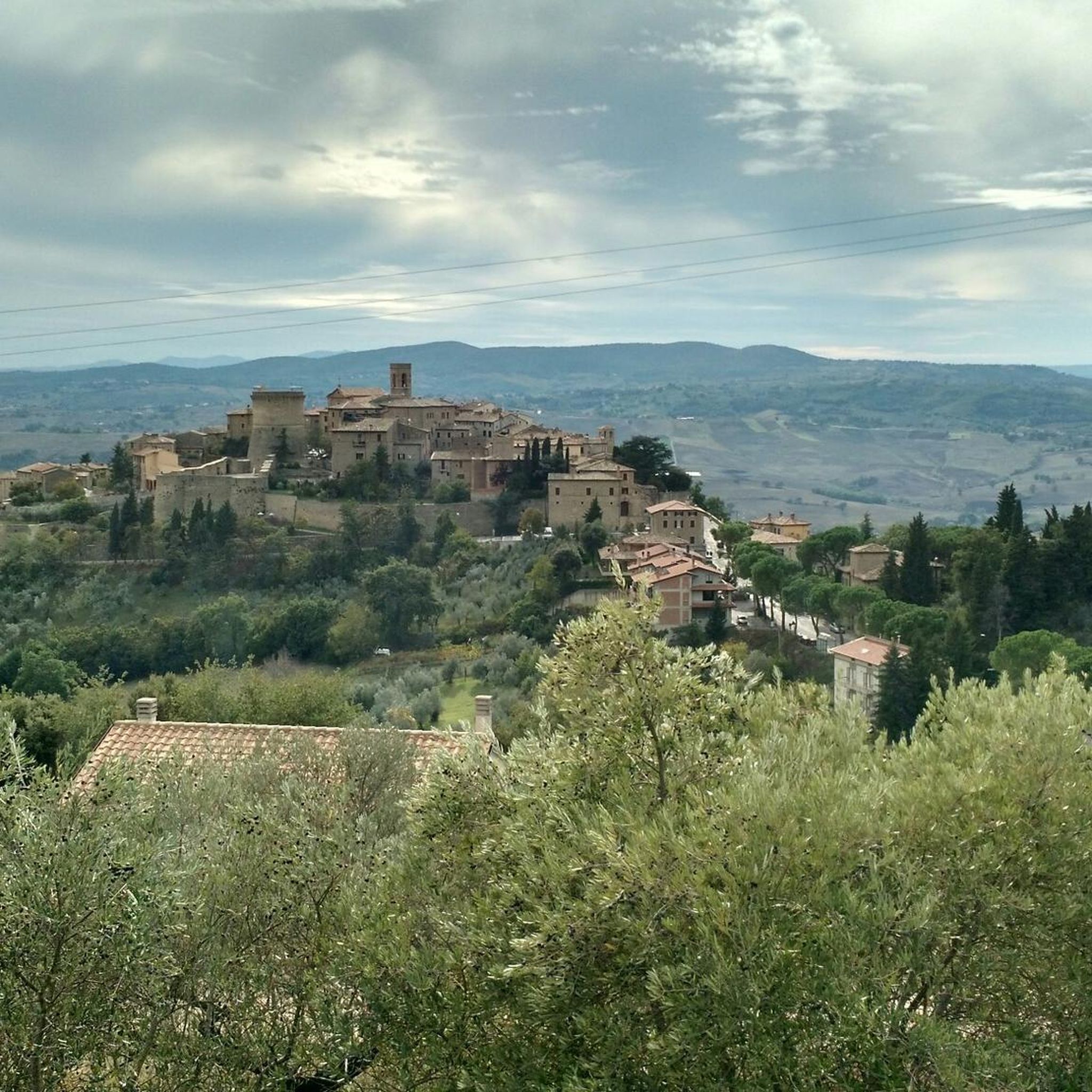
Rocca Sonora, the undisputed symbol of Gualdo Cattaneo.
0
0

This church was featured on one of the old lira banknotes and was visited by Prince Charles after the 1997 earthquake. It is beautiful in its simplicity with its tower on the front and side. The interior with the crypt is very interesting. The best photos of the church are from the steps of the theater opposite.
1
0
Frequently Asked Questions
How many touring cycling routes are available around Gualdo Cattaneo?
Gualdo Cattaneo offers a wide selection of touring cycling routes, with over 250 options to explore. These routes cater to various skill levels, traversing diverse landscapes from rolling hills to evergreen Mediterranean scrub forests.
What kind of terrain can I expect on touring cycling routes in Gualdo Cattaneo?
The touring cycling routes around Gualdo Cattaneo are characterized by picturesque rolling hills and tranquil evergreen Mediterranean scrub forests. You'll find routes winding through these wooded areas, offering scenic backdrops and varied elevation profiles.
What do other cyclists say about the touring routes in Gualdo Cattaneo?
The touring cycling routes in Gualdo Cattaneo are highly regarded by the komoot community, holding an average rating of 4.4 stars from over 200 reviews. Cyclists frequently praise the diverse terrain, the scenic views of historic centers, and the peaceful atmosphere of the routes.
Are there easy touring cycling routes suitable for beginners in Gualdo Cattaneo?
Yes, Gualdo Cattaneo offers a good selection of easier touring cycling routes. There are nearly 30 routes classified as easy, providing accessible options for beginners or those looking for a more relaxed ride through the Umbrian landscape.
Are there challenging touring cycling routes for experienced cyclists?
Absolutely. For experienced cyclists seeking a challenge, Gualdo Cattaneo features over 140 difficult touring cycling routes. An example is the Cannara village center – Historic Center of Bevagna loop from Gualdo Cattaneo, which covers 86.3 km with over 1000 meters of ascent.
Can I find circular touring cycling routes in the area?
Many of the touring cycling routes around Gualdo Cattaneo are designed as loops, allowing you to start and finish in the same location. For instance, the View of Spello – Historic Center of Bevagna loop from Gualdo Cattaneo is a popular circular route that takes you through rolling hills and past historic centers.
What historical sites and villages can I visit along the cycling routes?
The region is rich in history and culture. Many routes pass through or near charming medieval villages and historical sites. You can explore places like the Historic Center of Bevagna, Montefalco, and Cannara village center. The Assisi–Spoleto–Norcia Cycle Route also offers scenic sections with 'white roads' away from traffic.
Are there any castles to see while cycling near Gualdo Cattaneo?
Yes, the area around Gualdo Cattaneo is dotted with medieval castles. You can encounter landmarks such as the Rocca di Gualdo Cattaneo, the Castel Ritaldi Castle, and the Fabbri Castle, which add a historical dimension to your ride.
What is the best time of year for touring cycling in Gualdo Cattaneo?
The months of July and August are particularly popular for cycling in Gualdo Cattaneo. However, the region's Mediterranean climate generally makes spring and early autumn also excellent choices, offering pleasant temperatures and vibrant landscapes for touring cyclists.
Are there family-friendly touring cycling routes in Gualdo Cattaneo?
While specific family-friendly routes are not highlighted, the presence of nearly 30 easy routes suggests options suitable for families. These routes typically feature gentler gradients and shorter distances, allowing for a more relaxed cycling experience for all ages.
Are there options for e-bike riding on the touring routes?
Yes, e-bike riding is supported on several trails in the Gualdo Cattaneo area. This makes the diverse terrain, including some of the more challenging hilly sections, accessible to a wider range of cyclists who prefer assistance.
Can I access broader cycling networks from Gualdo Cattaneo?
Gualdo Cattaneo is strategically located to access broader cycling networks. You can connect to segments of the Assisi–Spoleto–Norcia cycle route, known for its scenic 'white roads'. The famous Trasimeno Cycle Route, a nearly 58 km mostly flat loop around Lake Trasimeno, is also accessible for a different touring experience. For more information on the Trasimeno Cycle Route, you can visit Umbria Tourism.
Are there any routes that pass through the famous Mediterranean scrub forests?
Yes, many routes wind through the region's characteristic evergreen Mediterranean scrub forests. For example, the View of Gualdo Cattaneo – Montefalco loop from Gualdo Cattaneo leads directly through these picturesque wooded areas, offering a tranquil and scenic ride.
Most popular routes around Gualdo Cattaneo
Most popular attractions around Gualdo Cattaneo

Get inspired with the komoot mobile app


Explore more
Browse the best Cycling routes in other regions.
