The best MTB trails around Montefiascone
4.5
(253)
1,201
riders
32
rides
Mountain biking around Montefiascone offers diverse terrain shaped by its unique volcanic landscapes and the expansive Lake Bolsena. The region features a network of trails that traverse hills and forested areas, providing varied riding experiences. Riders can expect panoramic views of Lake Bolsena and the surrounding Tuscia landscape from elevated points. The area's geology contributes to a mix of gentle slopes and more challenging ascents and descents.
Best mountain bike trails around Montefiascone
- The most popular mountain bike trail is…
Last updated: October 24, 2026
4.6
(147)
500
riders
61.0km
04:54
830m
830m
Moderate mountain bike ride. Good fitness required. Advanced riding skills necessary.
5.0
(6)
128
riders
53.7km
05:27
1,430m
1,430m
Hard mountain bike ride. Very good fitness required. Advanced riding skills necessary.

3.8
(8)
35
riders
35.6km
03:12
710m
710m
Moderate mountain bike ride. Good fitness required. Advanced riding skills necessary.
4.6
(9)
72
riders
37.7km
02:46
450m
450m
Moderate mountain bike ride. Good fitness required.
4.3
(3)
29
riders
102km
08:14
1,470m
1,470m
Hard mountain bike ride. Very good fitness required.
Get access to more routes and recommendations from other explorers.
Already have an account?
Our route recommendations are based on thousands of hikes, rides, and runs completed by other people on komoot.
Start today with a free account
Your next adventure awaits.

Other adventures around Montefiascone

Tips from the Community

One of the access gates of Viterbo
0
0

The Basilica is stunning and the catacombs are absolutely worth visiting. We were lucky enough to have explanations from a gentleman who works there who practically acted as our private guide. A must-see
0
0

first time I passed by this Lake, wonderful and moreover in a very strategic position for other future tours
0
0

The Teatro dell'Unione was built at the behest of a group of notable citizens of Viterbo who, led by Count Tommaso Fani Ciotti, joined together in 1844, with a deed of incorporation, to form the “Società dei Palchettisti”: the theatre took its name from their “union”. The Teatro dell'Unione was built because of the great interest the people of Viterbo had in opera, of which they were refined connoisseurs. The Società dei Palchettisti undertook the construction of this building with the intention of creating a "temple" dedicated to opera, given the presence of another theater in the city, the Genio. Even today, the Teatro dell'Unione is one of the most beautiful 19th-century Italian-style theatres in Lazio. During the Second World War, bombings, which devastated the entire city, also damaged the theater: the explosion of the bomb that hit the eastern section, where the dressing rooms were located, damaged the frescoes in the foyer , the box office, and a portion of the fresco in the auditorium. To access the funds earmarked for post -war reconstruction , the heirs of the notable Viterbo citizens who built it decided to sell the building to the municipality, which has owned it ever since. With the arrival of funds, the Municipality took care of the restoration and the theatre was reopened in September 1952. The Teatro dell'Unione remains, to this day, undisputedly one of Viterbo's architectural jewels.
0
0
Porta Fiorentina is one of the ancient gateways to the city of Viterbo, located along the medieval walls surrounding the historic center. It represents one of the main entrances to the city and opens northward, towards the Via Cassia and the city of Florence, from which it takes its name. The construction of the Porta Fiorentina, originally known as Porta Santa Luci, dates back to the 13th century, during a period of intense urban fortification that saw the expansion and strengthening of Viterbo's city walls. The gate was built to control trade and military flows from the north and represented a strategic access point to the city. It was rebuilt in 1768 under Clement XIII and subsequently enlarged in 1886–87 to adapt it to the growing need for urban traffic. It has three arched openings: a central round arch, wider for vehicular traffic, flanked by two smaller round arches, intended for pedestrians or secondary traffic. The arches rest on pillars or columns with capitals – originally in Corinthian style – which introduce a neoclassical ornamental component.
0
0
Okay, the Parco Thermale di Bagnaccio is once again open daily. In winter from 8am to 8pm, in Summer open until 23pm or even midnight! Entry is 5€ for pilgrims with credential (or if you are lucky like me, also without). Else it is 10€. There are three simple changing rooms, some toilets, a snack automat and coffee maschine and, sometimes just outside, a mobile little restaurant selling hot meals.
0
0
The Via Cassia was an ancient Roman consular road that connected Rome with Etruria. Built starting from the 3rd or 2nd century BC, it initially reached Clusium (Chiusi), then was extended to Cortona, Arezzo and Fiesole and, subsequently, towards the Tyrrhenian coast through Pistoia and Lucca from which several routes branched off up to Luni, where the Via Aemilia Scauri began. The Via Cassia started from Rome but did not begin, like all the consular roads, from the golden miliarium located in the Roman Forum. In fact, it originated from the Milvian Bridge, in the northern part of Rome, on the right bank of the Tiber which divided Rome from Etruria (the territory between the Arno and the Tiber ), marking the miles travelled in Etruria.
1
0

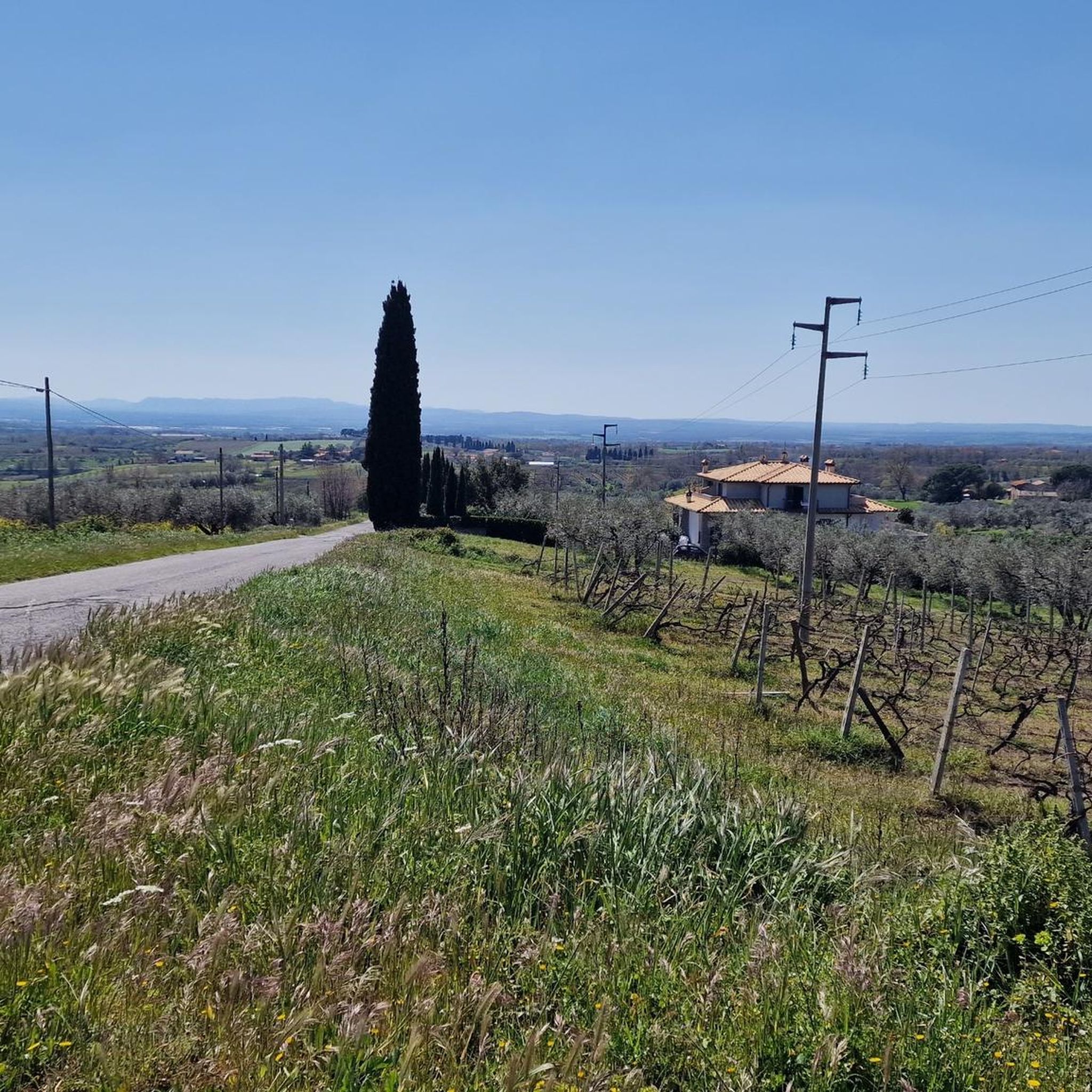
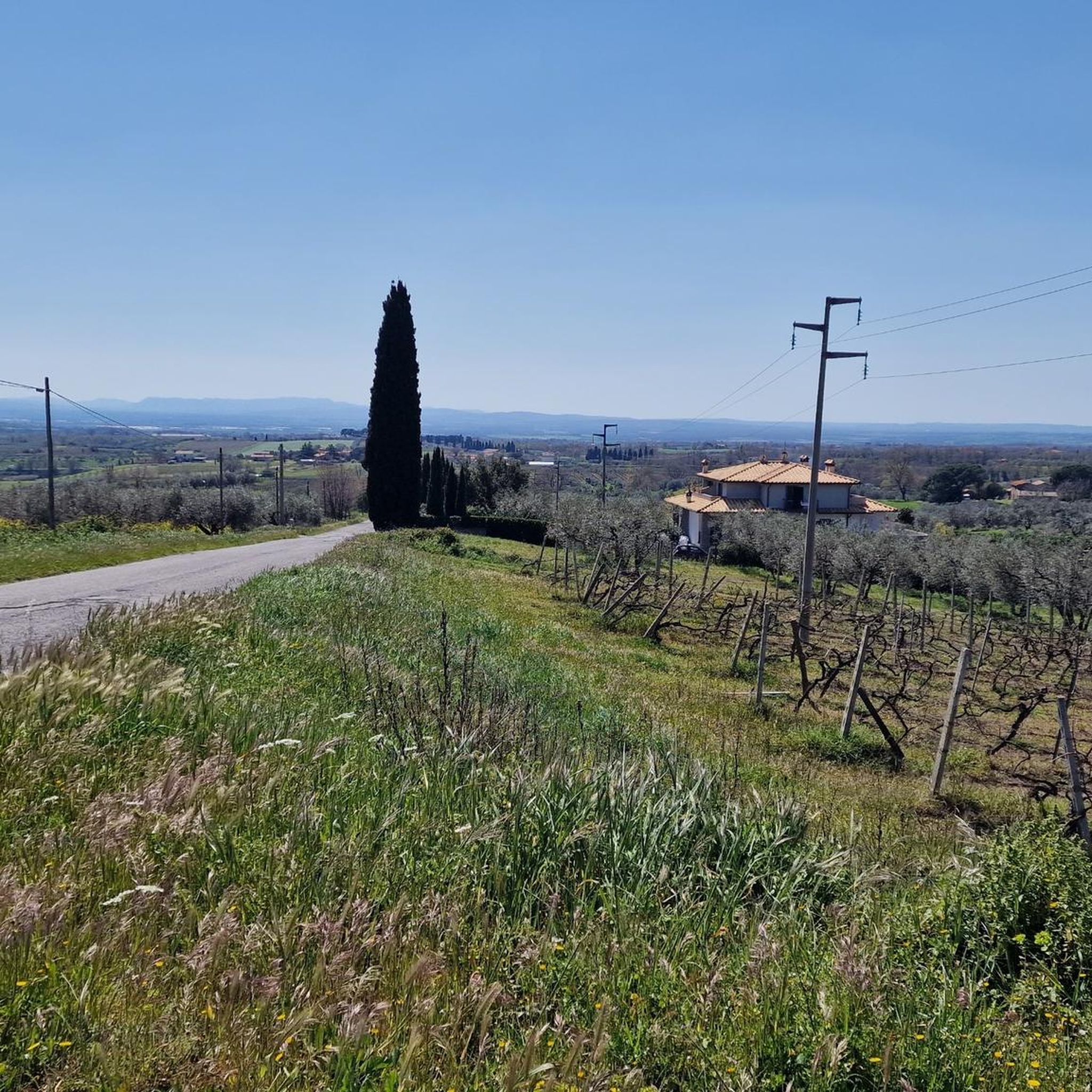
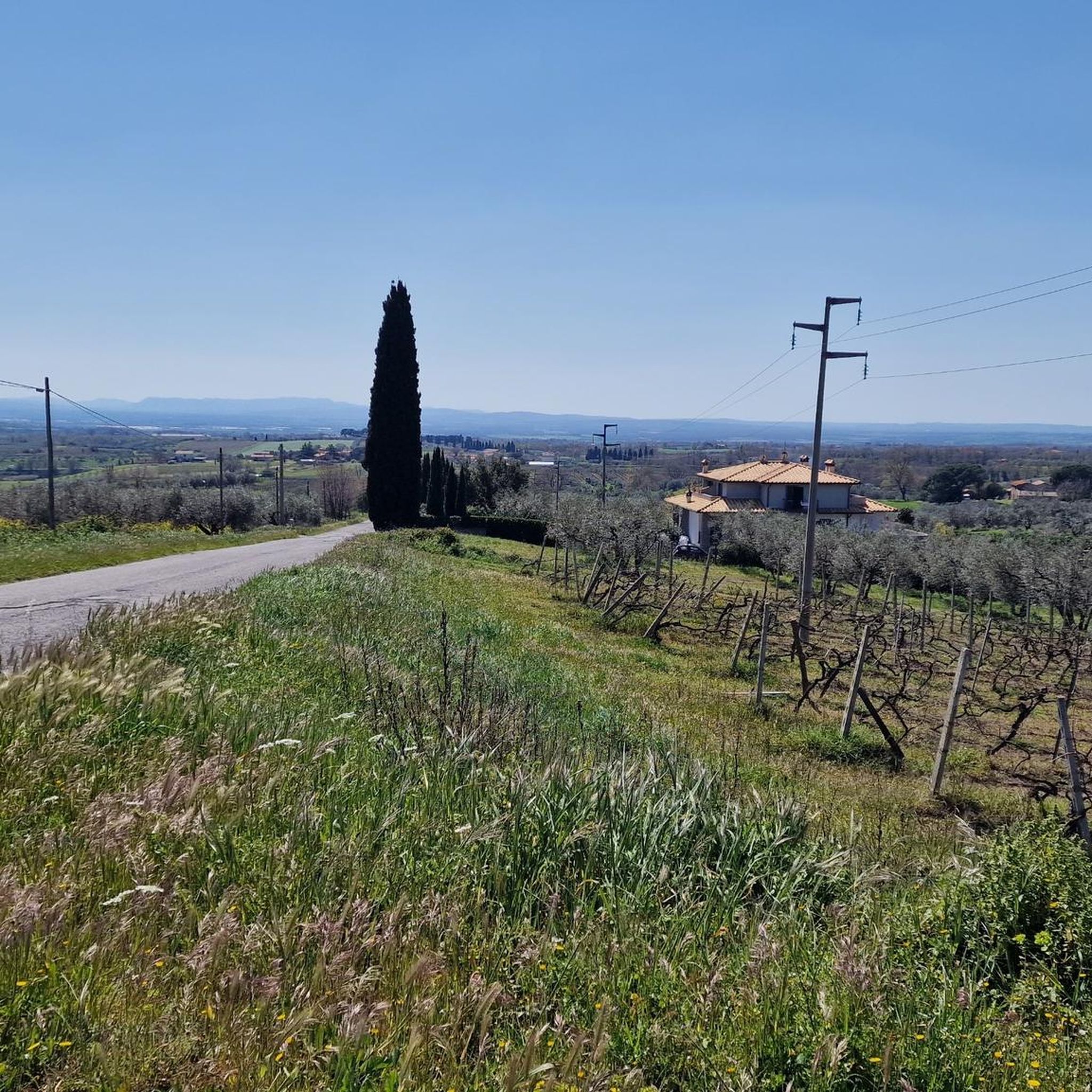
From here you have a beautiful view of the lake.
1
0
Frequently Asked Questions
How many mountain bike trails are available around Montefiascone?
There are over 30 mountain bike trails around Montefiascone, offering a diverse range of experiences. These routes cater to various skill levels, from moderate paths to more challenging, longer rides.
What kind of terrain can I expect on mountain bike trails in Montefiascone?
The terrain around Montefiascone is shaped by its unique volcanic landscapes and the expansive Lake Bolsena. You can expect a mix of hills, forested areas, and paths along the lake shores. This geology provides varied riding experiences, from gentle slopes to more challenging ascents and descents.
Are there mountain bike trails suitable for beginners in Montefiascone?
While most trails are rated moderate, there is at least one easy mountain bike trail available. Many moderate routes also offer sections suitable for those with less experience, especially those with minimal elevation gain around Lake Bolsena.
What are the most scenic mountain bike routes in Montefiascone?
Many routes offer stunning views, particularly those that loop around Lake Bolsena. For example, the Wooden Bridge Over the Stream – View of Lake Bolsena loop from Montefiascone provides consistent lake views. The Intorno al Lago di Bolsena da Montefiascone — giro ad anello also offers a full scenic loop.
What historical landmarks or natural features can I see along the mountain bike trails?
Montefiascone's trails often pass by significant natural and historical sites. You can enjoy panoramic views of Lake Bolsena, Europe's largest volcanic lake, and the typical Tuscia landscape. Some routes, like the View of Lake Bolsena – Basilica of Saint Christina loop from Montefiascone, lead past historical landmarks such as the Basilica of Saint Christina. The historic Via Francigena and Via Cassia Antica also feature in some routes, offering a blend of history and nature.
Are there any circular mountain bike trails in Montefiascone?
Yes, many mountain bike trails in Montefiascone are circular, allowing you to start and end in the same location. A popular example is the Intorno al Lago di Bolsena da Montefiascone — giro ad anello, which offers a full loop around Lake Bolsena.
What is the best time of year for mountain biking in Montefiascone?
Montefiascone is an excellent destination for outdoor activities. While specific weather conditions vary, the region's mild climate generally makes spring and autumn ideal for mountain biking, offering comfortable temperatures and lush scenery. Summer can also be enjoyable, especially in the mornings or late afternoons, to avoid the midday heat.
Are there any family-friendly mountain bike trails in Montefiascone?
While specific 'family-friendly' designations are not always explicit, routes with minimal elevation gain and smoother paths, particularly those closer to Lake Bolsena, can be suitable for families. It's advisable to check the difficulty and elevation profile of individual routes to ensure they match your family's skill level.
What do other mountain bikers enjoy the most about mountain biking in Montefiascone?
The mountain bike routes in Montefiascone are highly rated by the komoot community, with an average score of 4.7 stars from over 180 reviews. More than 1,100 mountain bikers have explored the area. Riders often praise the stunning panoramic views of Lake Bolsena, the diverse volcanic landscapes, and the extensive network of trails that cater to different abilities.
Where can I find parking for mountain biking trails in Montefiascone?
Montefiascone is a town well-suited for outdoor activities, and parking is generally available within the town itself or at various points around Lake Bolsena, depending on your chosen trailhead. For specific routes, it's recommended to check the tour details on komoot for suggested starting points and parking information.
Can I reach mountain bike trails in Montefiascone using public transport?
Montefiascone is accessible by public transport, including bus services that connect it to nearby towns and cities. While public transport can get you to Montefiascone, reaching specific trailheads might require further planning. It's best to research local bus routes and schedules to determine the most convenient access points for your chosen trail.
Are there options for longer, more challenging mountain bike rides?
Yes, Montefiascone offers several challenging routes for experienced riders. For instance, the View of Lake Bolsena – Basilica of Saint Christina loop from Montefiascone is a difficult 63.9-mile (102.9 km) trail with significant elevation gain, often taking over 8 hours to complete. The View of Lake Bolsena – Marta loop from Montefiascone is another difficult option, covering 56 miles (90 km) with over 1000m of ascent.
Most popular routes around Montefiascone
Most popular attractions around Montefiascone

Get inspired with the komoot mobile app


Explore more
Browse the best MTB trails in other regions.
