Attractions and Places To See around Arlena Di Castro - Top 20
Best attractions and places to see around Arlena Di Castro. This historic village in Tuscia, Viterbo, is situated on a tuff plateau at the foot of the Cimini Mountains. The area offers a blend of historical sites, cultural landmarks, and natural features within the Monti Volsini region. Visitors can explore medieval architecture, Etruscan archaeological finds, and protected natural parks.
Best attractions and places to see around Arlena Di Castro
- The most popular attractions is Tuscania, a settlement known for…
Last updated: May 26, 2026
Historic Center of Marta
Highlight • Historical Site
Translated by Google •
Tip by

Rocca Farnese of Capodimonte
Highlight • Castle
Translated by Google •
Tip by

Sign up now to discover places like this
Get recommendations on the best single tracks, peaks, & plenty of other exciting outdoor places.
Sign up for free
Gravel section along the lake
Highlight (Segment) • Cycleway
Translated by Google •
Tip by

Tuscania Historic Center
Highlight • Historical Site
Translated by Google •
Tip by

Fountain of the Seven Spouts
Highlight • Monument
Translated by Google •
Tip by

Sign up for free to discover even more attractions around Arlena Di Castro.
Sign up for free
Already have an account?
Start today with a free account
Your next adventure awaits.
Login or Signup

Tips from the Community

Ancient fountain located in the heart of the historic center of Tuscania, famous for the seven masks that compose it from which the water flows. The coats of arms of some noble families of the time appear on the structure. In the small square that towards the end of the Middle Ages was the market square, there is the ancient source of the Seven Spouts, also known as the Fontana del Butinale, so called because the water comes out of the mouth of seven masks, the Fountain of the Seven Spouts is the oldest of the cities of Tuscania, of Etruscan-Roman age the fountain was completed in 1309 by the podestà Lorenzo da Guglielmo, to better serve the needs of the city. The source seems to have fed the Roman baths existing near the church of Santa Maria Maggiore. In more recent times it seems to have fed a mill near the small square. (c) https://fondoambiente.it/luoghi/fontana-delle-sette-cannelle?ldc
0
0
Located in the heart of the village of Marta, on the southern shore of Lake Bolsena, the Clock Tower is one of the main historical and tourist attractions of the area. This medieval tower, which stands majestically in the historic center, is not only a symbol of the city, but also a witness to centuries of history, art and local traditions. The Clock Tower stands imposingly at 21 meters high. Its structure is characterized by a truncated pyramid base with a square plan and an octagonal body that culminates with a small octagonal tower about 2.5 meters high, where the clock bells are located. This clock, installed in 1575 during the Farnese domination, is one of the distinctive elements of the tower. Originally, the tower was part of the Rocca, a medieval fortification that has seen numerous restorations and alterations due to the turbulent historical events of the village. The tower has survived various modifications and reconstructions, and today represents one of the most fascinating testimonies of Marta's past. (c) https://www.visittuscia.eu/torre-orologio-marta/
0
0

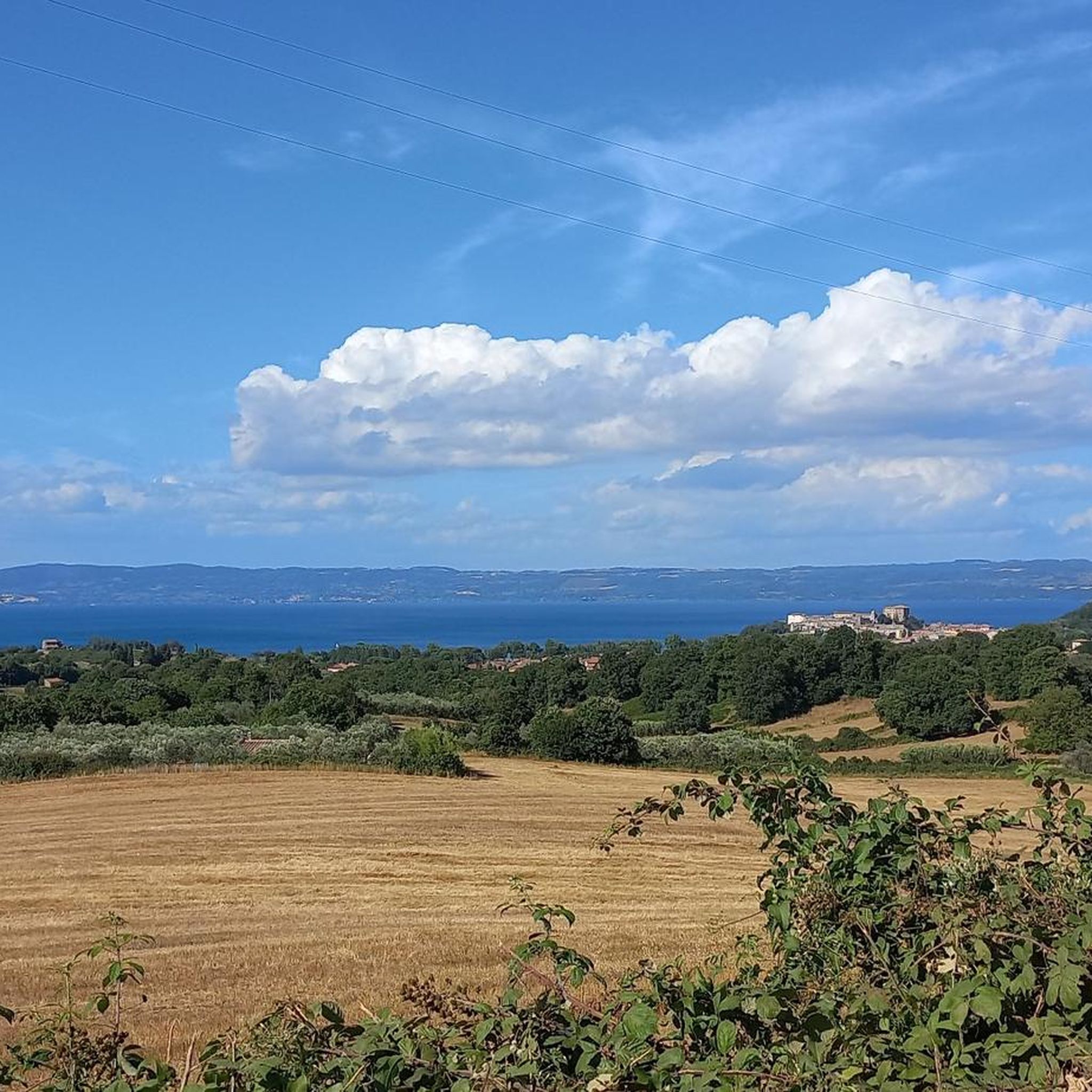
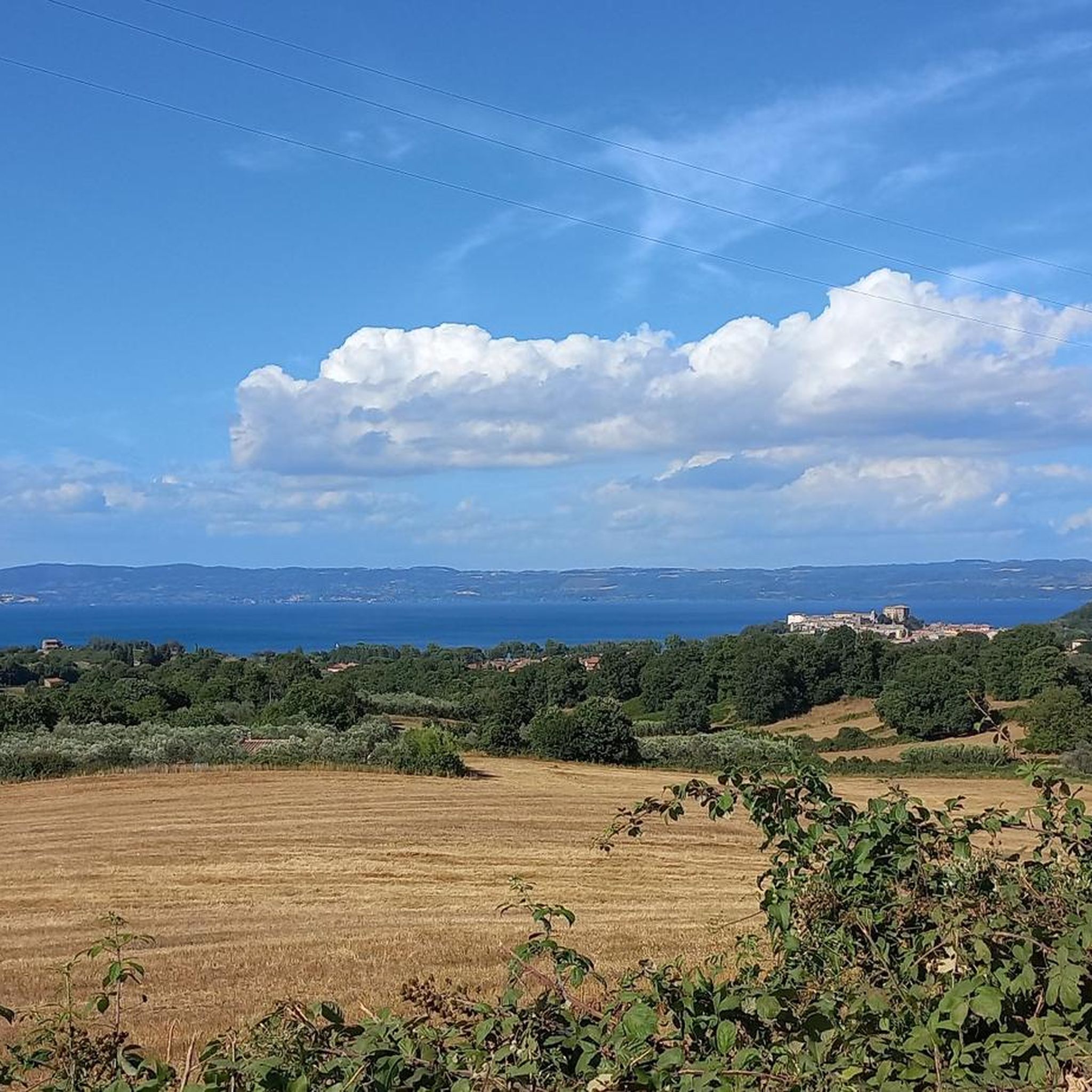
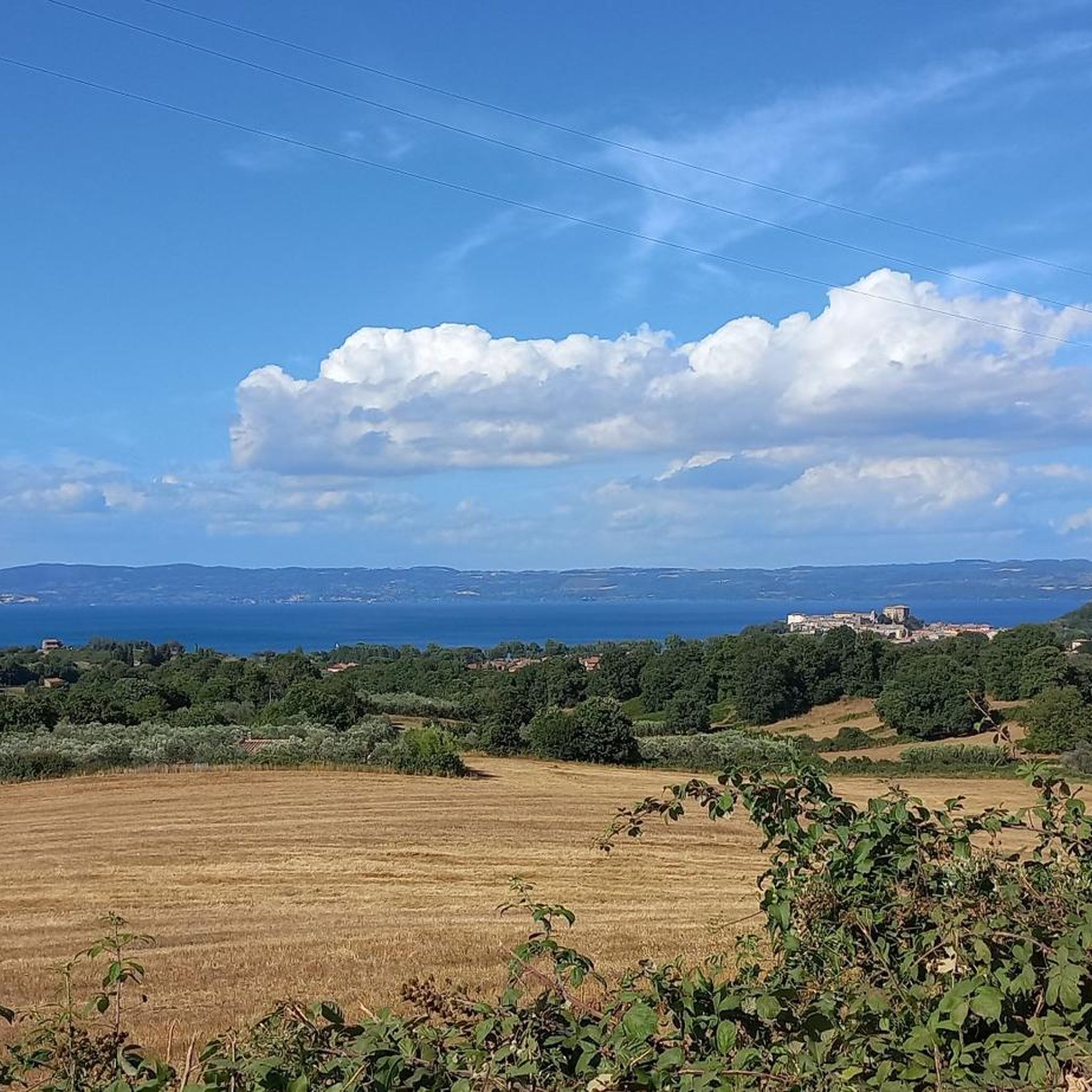
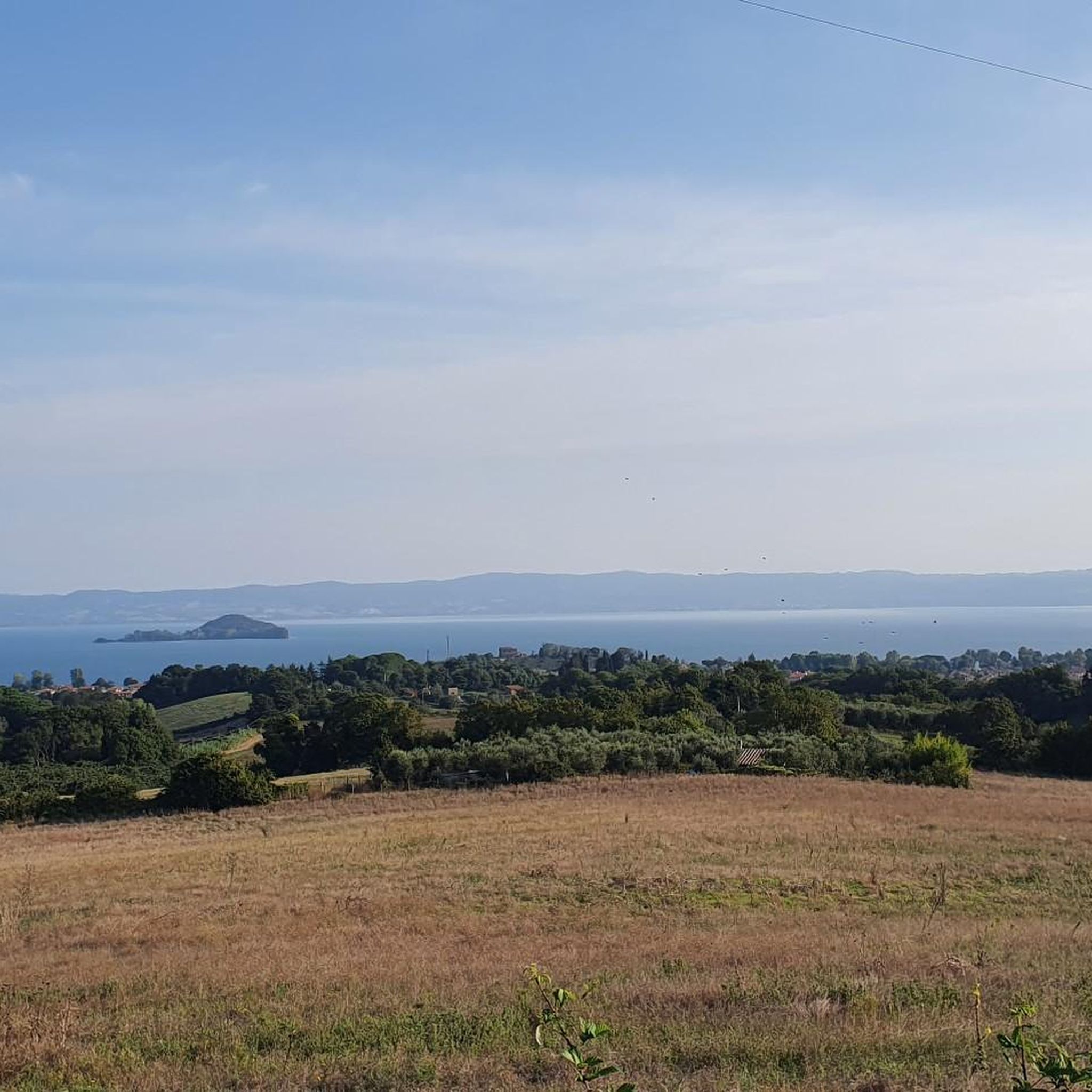
Gravel suitable for road bikes. It's worth it, because the road then becomes a good-quality paved section along the lake. Most paved secondary roads in Italy are in significantly worse condition than this gravel.
0
0

The Rocca Farnese, located in Tuscia, is an imposing 16th-century structure built around a medieval tower, which dominates the historic center of Ischia di Castro. The palace, unfinished for centuries, was recently restored by the new owner, bringing to light ancient forms and a walled Renaissance loggia. Originally built in the 13th century as a fortress, it was transformed into a palace in the 16th century, perhaps designed by Antonio da Sangallo the Younger. It was the residence of the Farnese, lords of the Duchy of Castro, and, after the end of the duchy in 1649, it passed to the Apostolic Chamber and various families.
3
0

Unfortunately I have to disagree. It will definitely be nicer. The gravel path, which is suitable for racing bikes but is borderline, is followed by asphalt paths directly by the lake, partly without any development until about 7 km before Bolsena. Everything can be ridden on a racing bike, although not too fast. The lap around the lake is not a racing tour if you want to get off the roads.
0
0

That's exactly how it is! Wonderfully secluded beach, clear water, you just have to swim! Further towards Bolsena there is more infrastructure (restaurants, boat rentals), but it doesn't get any nicer.
0
1

Definitely worth a detour. You should take a few hours to a whole day because there is a lot to discover and visit.
0
0

Stretch of a couple of km unpaved, but it is a gravel in good condition that can also be traveled by road bike. The road runs along one of the best beaches of Lake Bolsena.
2
0
Frequently Asked Questions
What historical and cultural sites can I explore near Arlena Di Castro?
The area around Arlena Di Castro is rich in history. You can visit the 15th-century San Rocco Church with its 18th-century frescoes, the Baroque Church of San Giovanni Battista, and the Oratory of the Holy Sepulchre. Don't miss the Church of Santa Maria Assunta on Piazza del Popolo, which houses the ancient 'Arlena Cross'. For a broader historical experience, consider visiting Tuscania, known for its Etruscan history and medieval architecture, or the Historic Center of Marta with its charming old town.
Are there any ancient ruins or archaeological sites to see?
Yes, Arlena Di Castro is built on the ruins of the ancient Etruscan city of Contenebra. You can explore the remains of the 11th-century Medieval Castle (Roccaccia di Sopra) which offers panoramic views. The 4th-century BC La Piantata Etruscan Tomb, discovered in 1982, features painted walls and an Etruscan inscription. Additionally, the surrounding area, particularly along the Caninese provincial road in Ararella, has visible Etruscan chamber and pit tombs.
What natural attractions are there for nature lovers?
Arlena Di Castro is nestled in the Monti Volsini, offering a hilly landscape. The region is home to the Upper Selva di Cervara Regional Nature Park, a vast protected area with lush vegetation perfect for trekking and birdwatching, where you might spot the rare black woodpecker. Nearby, the Lamone Nature Reserve features one of the few remaining lowland forests, with the Olpeta River flowing into the 'Pantano' lake, a haven for migratory birds.
What kind of outdoor activities can I do near Arlena Di Castro?
The region offers diverse outdoor activities. You can enjoy cycling, gravel biking, and running on various routes. For cycling, explore routes like the 'Tuscania City Walls – View of the Castle of Tuscania loop' or the 'View of Lake Bolsena – Historic Center of Marta loop'. Gravel biking options include the 'Capodimonte Harbour View – Marta loop'. If you prefer running, consider the 'Ring race on Via Clodia from Tuscania' or the 'Tuscania – Tuscania Historic Center loop'. You can find more details on these activities in the dedicated guides for Cycling around Arlena Di Castro, Gravel biking around Arlena Di Castro, and Running Trails around Arlena Di Castro.
Are there any family-friendly attractions or activities?
Yes, several attractions are suitable for families. Tuscania, with its fascinating history and medieval charm, is considered family-friendly. The Fountain of the Seven Spouts in Tuscania's historic center is also a pleasant spot for families to visit. Exploring the natural parks like Upper Selva di Cervara or Lamone Nature Reserve can also be a great family outing for light trekking and birdwatching.
What are some notable viewpoints or scenic spots?
The Ruins of the Medieval Castle (Roccaccia di Sopra) offer panoramic views of the surrounding Tuscia landscape, characterized by forests and hills. Another excellent spot for views is the Rocca Farnese of Capodimonte, an imposing 16th-century structure that dominates the historic center of Ischia di Castro and provides great vistas.
What is the best time of year to visit Arlena Di Castro?
The region enjoys a mild climate, making it pleasant for visitors for much of the year. Spring and autumn are particularly ideal for exploring historical sites and engaging in outdoor activities like trekking and cycling, as the weather is comfortable and the natural landscapes are vibrant. The Feast of St. Rocco on August 16th and Holy Week re-enactments offer cultural experiences during summer and spring, respectively.
What local culinary traditions or specialties should I try?
Arlena Di Castro boasts rich culinary traditions based on local ingredients. Be sure to try typical dishes such as 'lombrichi', a handmade spaghetti served with wild boar ragout, and 'acquacotta', a hearty vegetable-based soup. The region is also known for local specialties like Canino Green Asparagus IGP and Canino DOP extra virgin olive oil, thanks to its fertile volcanic soils.
Are there opportunities for birdwatching or wildlife spotting?
Yes, the Upper Selva di Cervara Regional Nature Park is an ideal spot for birdwatching, home to diverse wildlife including the rare black woodpecker. The Lamone Nature Reserve, with its lowland forest and the 'Pantano' lake, is a favored spot for migratory birds, offering excellent opportunities for bird enthusiasts.
What do visitors enjoy most about the attractions around Arlena Di Castro?
Visitors particularly appreciate the blend of historical depth and natural beauty. The ancient Etruscan and medieval sites, like Tuscania, are highly valued for their rich heritage. The charming old towns, such as the Historic Center of Marta, are loved for their picturesque streets and unique character. Many also enjoy the scenic views from places like Rocca Farnese of Capodimonte and the tranquil natural settings for outdoor activities.
Can I find trails suitable for road bikes near the attractions?
While many trails are geared towards gravel or mountain biking, some sections are suitable for road bikes. For instance, the Gravel section along the lake near Lake Bolsena is described as a gravel path in good condition that can also be traveled by road bike, leading to a good-quality paved section along the lake.
Most popular routes around Arlena Di Castro

Get inspired with the komoot mobile app


Explore more
Still not found the Highlight you’re looking for? See guides of the top attractions in other regions:
