Attractions and Places To See around Nocciano - Top 20
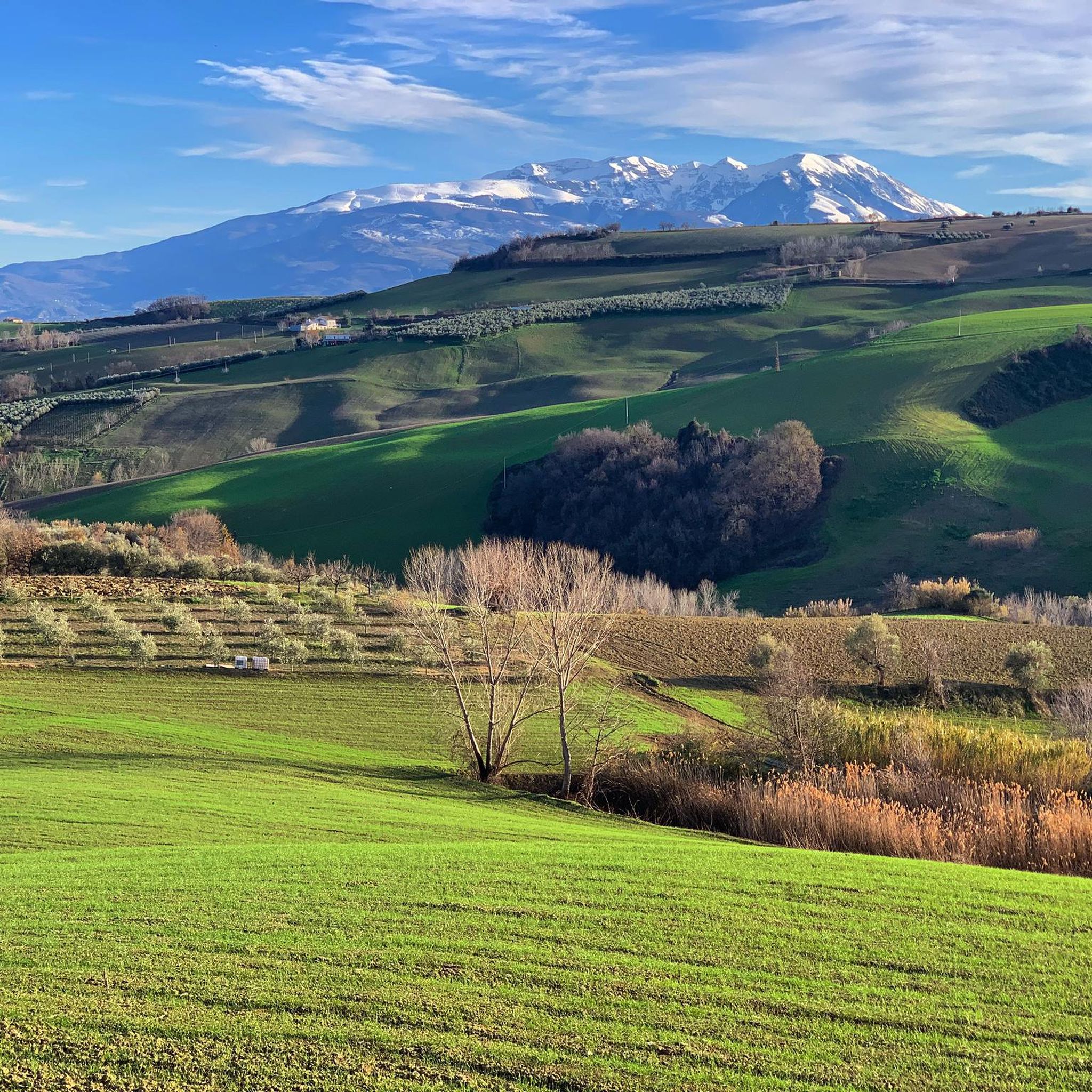
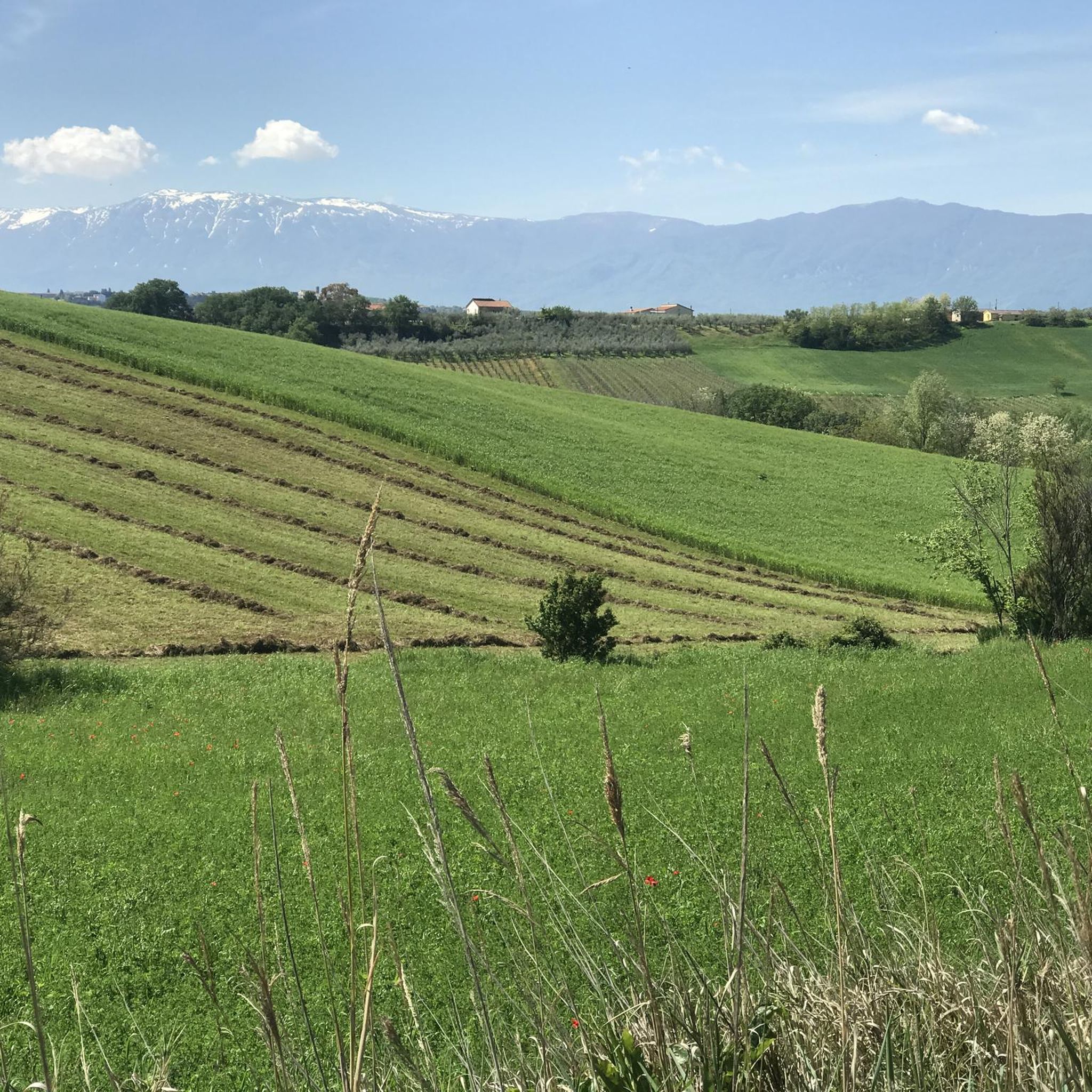
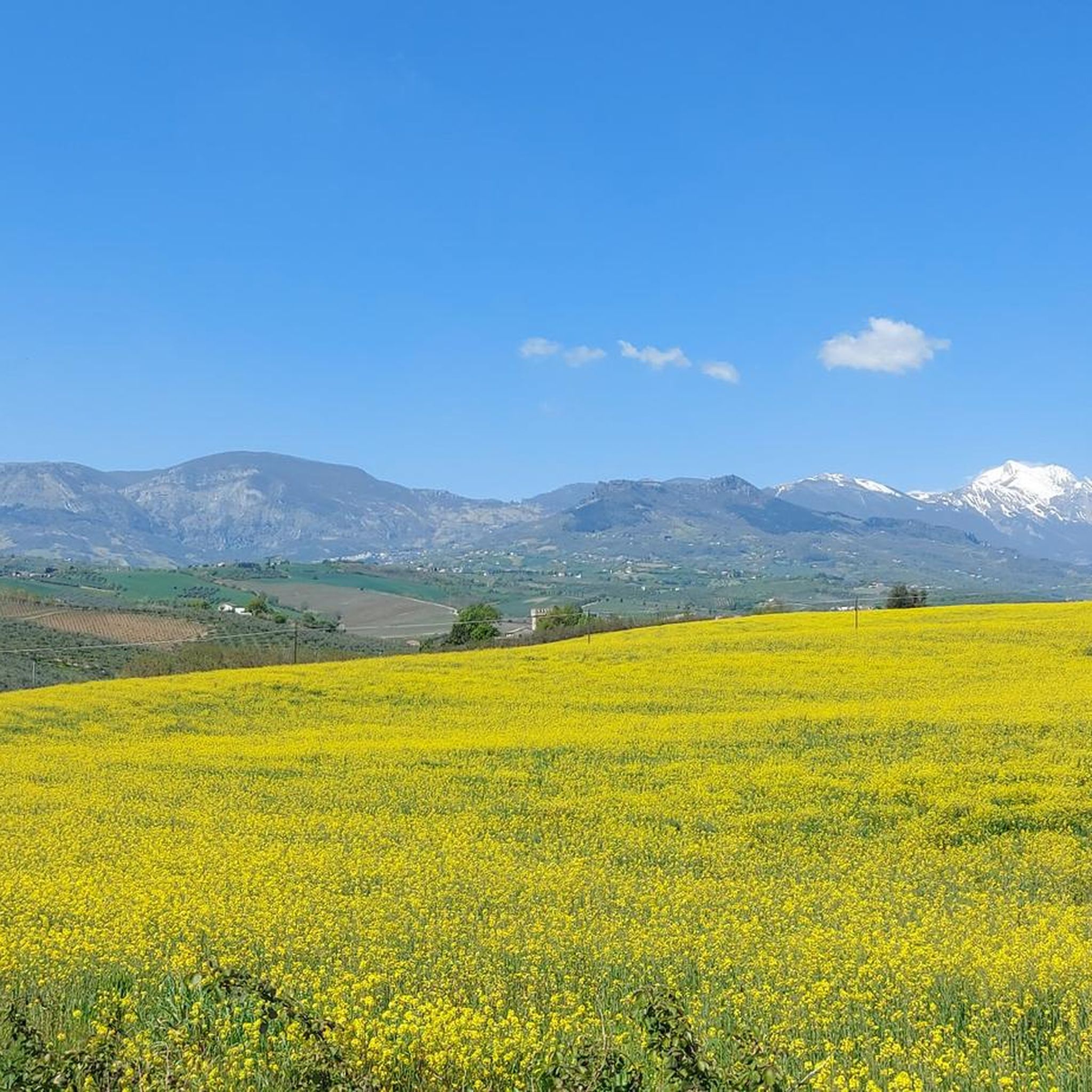
Best attractions and places to see around Nocciano, located in Italy's Abruzzo region, encompass a blend of historical landmarks, cultural sites, and natural features. This area in the Pescara province is characterized by its rich past, evident in its ancient castles and churches, alongside unique natural landscapes. Visitors can explore a variety of sites, from significant historical structures to distinctive natural parks.
Best attractions and places to see around Nocciano
- The most popular attractions is Sulphur Springs of the Lavino River, a river known for its intensely turquoise sulphurous waters. This protected area features a distinctive natural monument with an equipped picnic and play area at its entrance.
- Another must-see spot is Lettomanoppello, a settlement recognized as the "country of the stonemasons." This village is known for its skilled craftsmen in processing Majella stone and offers scenic views.
- Visitors also love Monument of the City of Stone, a man-made monument celebrating the local tradition of stone carving. This site is central to an annual event where artists exhibit works and organize stone processing workshops.
- Nocciano is known for its historical sites, natural features, and cultural landmarks. The region offers a variety of attractions to see and explore, from ancient castles and churches to unique natural parks.
- The attractions around Nocciano are appreciated by the komoot community, with 9 upvotes and 6 photos shared by visitors.
Last updated: May 20, 2026
Monument of the City of Stone
Highlight • Monument
Translated by Google •
Tip by

Sulphur Springs of the Lavino River
Highlight • River
Translated by Google •
Tip by

Sign up now to discover places like this
Get recommendations on the best single tracks, peaks, & plenty of other exciting outdoor places.
Sign up for free
Lettomanoppello
Highlight • Settlement
Translated by Google •
Tip by

Sanctuary of the Holy Face of Manoppello
Highlight • Religious Site
Translated by Google •
Tip by
War Memorial of Lettomanoppello
Highlight • Monument
Translated by Google •
Tip by
Sign up for free to discover even more attractions around Nocciano.
Sign up for free
Already have an account?
Start today with a free account
Your next adventure awaits.
Login or Signup

Tips from the Community

Very scenic ride, quite challenging
0
0


This is a little-known protected area. The characteristic feature is the sulphurous waters of the Lavino river, which are of an intense turquoise colour. Right at the entrance to the park there is an area equipped with tables and a play area.
2
0

Volto Santo di Manoppello. Shroud of Manopello - one of the most famous Christian relics (next to the Shroud of Turin) located in the local Sanctuary. The fabric is immortalized with an image believed to be the face of Jesus Christ. The place is visited by thousands of pilgrims every year.
2
0

Lettomanoppello, known as the "country of the stonemasons", skilled craftsmen in the processing of Majella stone.
0
0
Lettomanoppello-Città della Pietra. Every year, at the end of summer, the "10 Giornate in Pietra" event kicks off in this medieval village. The main theme is the white stone of the area and the long local tradition in carving it. During the event, world and local artists, sculptors and stonemasons exhibit their works and stone processing workshops are organized. Two Italian academies of fine arts were involved in the 2022 edition: Accademia di Belle Arti de L'Aquila and Accademia di Belle Arti di Brera, Milano.
1
0
The monument was made of white stone from Majella. A plaque on the wall commemorates those who died in all the wars of Lettomanoppello.
0
0
Santuario Del Volto Santo in Manoppello. For four centuries, the Sanctuary of the Holy Face has been the destination of pilgrimages from Italy and around the world. In the presbytery of the local church of the Capuchin Fathers, a fabric (17 x 24.5 cm) called the Holy Face (Volto Santo) has been kept since 1638. The relic placed in the monstrance, framed in a decorative walnut wood frame glazed on both sides, presents the face of Jesus Christ. Petrarch called Manopello "Little Jerusalem." Manoppello means "hand full of grain" and Betlehem (Bethlehem) is Hebrew for "house of bread."
1
0
Frequently Asked Questions
What unique natural attractions can I discover near Nocciano?
A must-visit natural attraction is the Sulphur Springs of the Lavino River, located in Parco del Lavino. This protected area is renowned for its intensely turquoise sulfurous waters, which create a striking landscape. The park offers walking and cycling paths, a picnic area, and the historical 16th-century Mulino Farnese.
Are there any historical castles or significant landmarks to visit in and around Nocciano?
Absolutely. In Nocciano itself, you can explore the impressive Castello De Sterlich-Aliprandi, a defensive structure from around 1000 AD, later transformed into a stately residence. It now houses a Museum of Contemporary Art. Nearby, in Cepagatti, the restored Castello Marcantonio offers a glimpse into different historical periods, including Roman-era remains. You can find more information about Castello Marcantonio at cultura.gov.it.
What cultural or religious sites are worth visiting near Nocciano?
Nocciano and its surroundings are rich in cultural and religious heritage. The town features several historic churches, including the Romanesque Church of San Lorenzo and the 16th-17th century Church of St. Anthony of Padua with its Baroque art. A significant pilgrimage destination is the Sanctuary of the Holy Face of Manoppello, about 11.3 km away, which enshrines a venerated relic believed to be the true image of Jesus Christ. The Abbey of San Clemente in Casauria, roughly 12 km from Nocciano, is another notable historical abbey.
What kind of outdoor activities can I do near Nocciano's attractions?
The area around Nocciano is excellent for outdoor activities. You can find numerous routes for hiking, cycling, and running. For hiking, consider exploring trails like the 'Hiking loop from Scafa' or 'View of the Orta Gorge – Scura Cave loop from Piano d'Orta-Bolognano'. Cyclists can enjoy routes such as the 'Flaiano Bridge – Pescara Seafront Cycle Path loop from Pianella'. For more options, check out the dedicated guides for Hiking around Nocciano, Cycling around Nocciano, and Running Trails around Nocciano.
Are there any family-friendly attractions or activities in the Nocciano area?
Yes, several attractions cater to families. The Sulphur Springs of the Lavino River park has an equipped picnic and play area at its entrance, making it suitable for a family outing. The Sanctuary of the Holy Face of Manoppello is also listed as family-friendly, offering a cultural experience. Additionally, the War Memorial of Lettomanoppello is a historical site that can be visited with family.
What is the 'country of the stonemasons' near Nocciano?
Lettomanoppello is known as the 'country of the stonemasons' due to its skilled craftsmen who process Majella stone. This village is recognized for its long tradition in stone carving and offers scenic views. It's also home to the Monument of the City of Stone, which celebrates this local craft and hosts an annual event with artists and workshops.
What do visitors particularly enjoy about the attractions around Nocciano?
Visitors appreciate the blend of historical and natural beauty. The unique turquoise waters of the Sulphur Springs of the Lavino River are a highlight, often described as a 'little-known protected area' with a distinctive natural monument. The cultural significance of sites like the Sanctuary of the Holy Face of Manoppello, a destination for thousands of pilgrims, is also highly valued. The scenic views and rich craftsmanship found in places like Lettomanoppello also receive positive feedback.
Are there any specific events or traditions related to the local stone craftsmanship?
Yes, the village of Lettomanoppello, known for its stonemasons, hosts an annual event called '10 Giornate in Pietra' (10 Days in Stone). This event celebrates the white stone of the area and the local tradition of carving it. During this time, local and international artists, sculptors, and stonemasons exhibit their works, and stone processing workshops are organized, often involving fine arts academies.
What historical churches can be found within Nocciano?
Nocciano is home to several historic churches. These include the Church of San Lorenzo, featuring Romanesque architecture, and the Church of St. Anthony of Padua, dating back to the 16th-17th centuries and adorned with Baroque plasterwork and paintings. Other notable churches are the Romanesque Church of the Madonna delle Grazie with 14th and 15th-century frescoes, and the Small Church of San Rocco, which houses an 18th-century painting.
Is Nocciano a good base for exploring larger natural parks?
Yes, Nocciano's location makes it a convenient base for exploring the broader natural landscapes of Abruzzo. It is situated near the valleys of the Cigno, Pescara, and Nora rivers, and provides good access to larger protected areas such as the Majella National Park, offering opportunities for extensive outdoor adventures.
Are there any easy hiking trails suitable for beginners near Nocciano?
Yes, there are hiking options suitable for various skill levels. For beginners, an 'easy' rated route is the 'Hiking loop from Turrivalignani', which covers a distance of approximately 2.1 km. You can find more details and other hiking routes in the Hiking around Nocciano guide.
Most popular attractions around Nocciano

Get inspired with the komoot mobile app


Explore more
Still not found the Highlight you’re looking for? See guides of the top attractions in other regions:
