Attractions and Places To See around Longone Sabino - Top 20
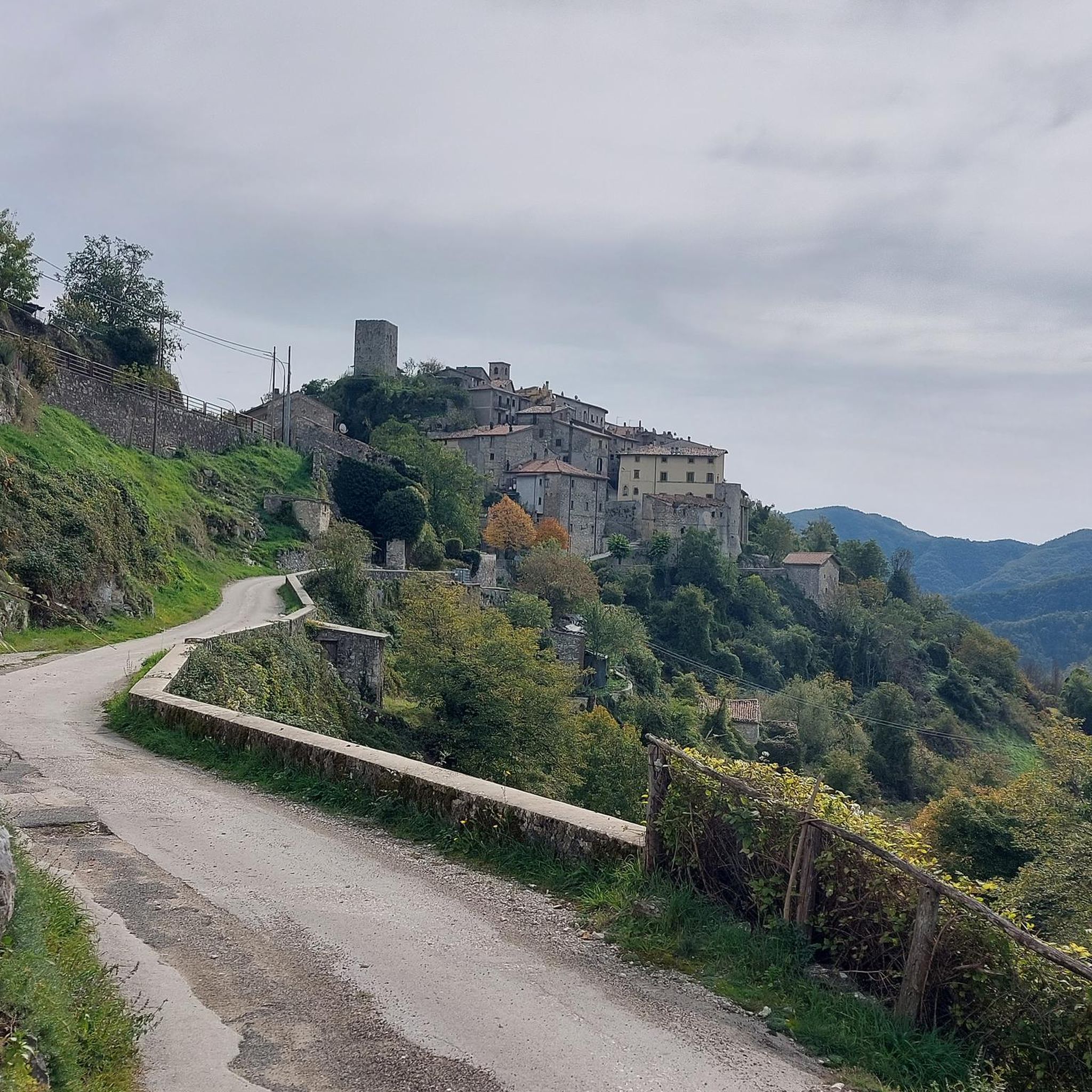
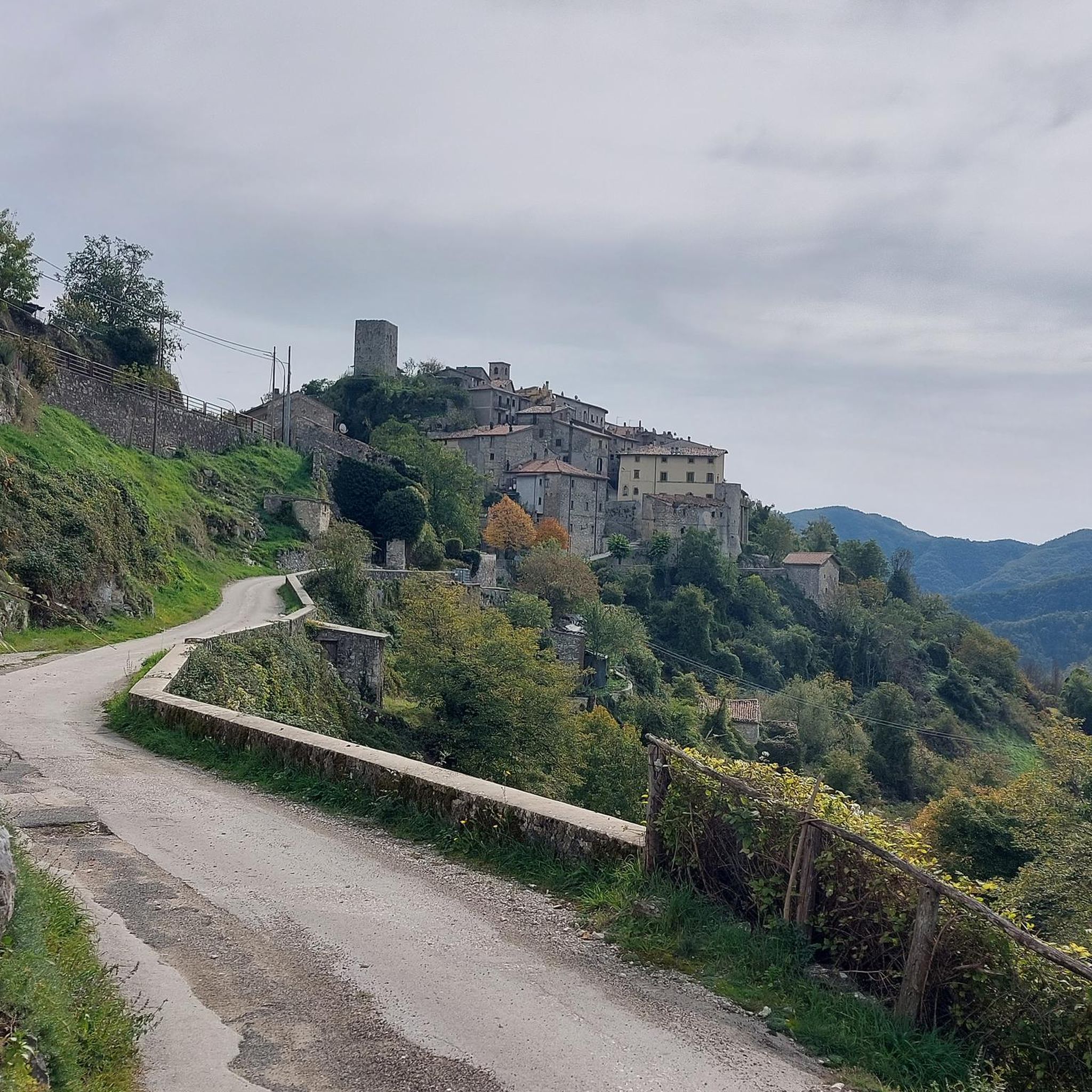
Best attractions and places to see around Longone Sabino include its well-preserved medieval village structure, nestled in the Sabina hills at approximately 800 meters altitude. This region is characterized by its historical sites, such as ancient churches and castle remnants, alongside significant natural features. Longone Sabino is situated between the Salto and Turano Valleys, an area known for its picturesque landscapes and proximity to artificial lakes. The blend of historical depth and natural scenery makes it a notable destination.
Best attractions and places to see around Longone Sabino
- The most popular attractions is Salto Dam, a man-made monument that created the largest artificial lake in Lazio. This dam blocks the Salto river, forming a hydroelectric basin connected to Lake Turano.
- Another must-see spot is Ponte Vecchio of Posticciola, a Romanesque bridge dating back to the 11th century. This bridge served as a post station and a transit point for transhumance, preserving the layout of a medieval Sabine village.
- Visitors also love Umbilicus Italiae — Geographic Center of Italy (Piazza San Rufo, Rieti), a historical site in Rieti. This monument in Piazza San Rufo marks the traditional geographical center of Italy, commemorated by a plaque and a unique circular design.
- Longone Sabino is known for its historical sites, natural features like lakes and valleys, and cultural landmarks. The area offers a variety of attractions to see and explore, from medieval architecture to significant natural landscapes.
- The attractions around Longone Sabino are appreciated by the komoot community, with 48 upvotes and 31 photos shared by visitors.
Last updated: May 27, 2026
Salto Dam
Highlight • Monument
Translated by Google •
Tip by

Umbilicus Italiae — Geographic Center of Italy (Piazza San Rufo, Rieti)
Highlight • Monument
In Piazza San Rufo, Varronian tradition places the so-called Umbilicus Italiae, the geographical center of Italy, commemorated by a plaque.
Piazza San Rufo is located amidst the imposing buildings of the historic center, which line the main streets Via Roma and Via Garibaldi. In the center of the square, a section of wall, a remnant of the Roman city's first city walls, can be seen beneath the pavement. The value of this area is commemorated by a plaque and a monument with a unique shape, located exactly in the center of the square and aptly called "la caciotta" (the caciotta) for its rounded and circular design. The work, created between the 1980s and 1990s following the city's twinning with the Georgian capital Tbilisi, appears to resemble the base of a column and features the design of the Italian peninsula on its surface, accompanied by the inscription "Umbilicus Italiae" (Umbilicus Italiae), which runs along half the circumference of the monument itself.
Text / Source: Official Tourist Portal of the City of Rieti
visitrieti.com/2020/01/25/rieti-umbilicus-italiae
Translated by Google •
Tip by

Sign up now to discover places like this
Get recommendations on the best single tracks, peaks, & plenty of other exciting outdoor places.
Sign up for free
Ponte Vecchio of Posticciola
Highlight • Bridge
Translated by Google •
Tip by

Grand Hotel Quattro Stagioni
Highlight • Rest Area
The hotel is located in a restricted-traffic zone within the medieval walls that surround much of the city center, overlooking the Romanesque cathedral, in front of the magnificent Italian garden of Palazzo Vincentini, two minutes from Sabina Universitas and the shopping street, and in front of the elevator leading to the newly renovated Santa Lucia Cultural Center.
The strategic location also allows visitors to walk to the center of Italy (Umbilicus Italiae, as Rieti's Marco Terenzio Varrone called it) in Piazza San Rufo, whose church houses a wonderful organ and a Guardian Angel by Caravaggio.
Text / Source: Quattro Stagioni, Piazza Cesare Battisti 14, IT-02100 Rieti RI
Internet: hotelquattrostagionirieti.com
Translated by Google •
Tip by
Cathedral of Santa Maria Assunta, Rieti
Highlight • Religious Site
The Cathedral of Saint Mary, Mother of God
The Cathedral of Rieti, dedicated to Santa Maria Madre di Dio and commonly known as the Cathedral of the Assumption of the Virgin Mary, was rebuilt on the foundations of the early Christian basilica, documented since the fifth century, between 1109 and 1225.
The lower basilica, consecrated in 1157 and striking for its sober and composed forms, is divided into nine naves supported by columns made from the rubble of ancient Roman buildings, among which stands out a milestone of the consular salaria.
The upper basilica, in which the architectural lines of the Romanesque plan have remained intact, demonstrates the radical changes resulting from the adaptation of liturgical norms and the change in tastes and styles. Of particular value is the decoration of the main portal, which interprets the motif of acanthus spirals, with clear classical assonance, reinterpreted in the Christian iconography of the Tree of Life.
Text / Source: Official Tourist Portal of the City of Rieti
visitrieti.com/2020/01/25/la-cattedrale-di-s-maria-madre-di-dio
Translated by Google •
Tip by
Sign up for free to discover even more attractions around Longone Sabino.
Sign up for free
Already have an account?
Start today with a free account
Your next adventure awaits.
Login or Signup

Tips from the Community

Grande Albergo Quattro Stagioni, Piazza Cesare, Rieti RI Quattro Stagioni, Piazza Cesare Battisti 14, Rieti RI The hotel is located in a restricted-traffic zone within the medieval walls that surround much of the city center, overlooking the Romanesque cathedral, in front of the magnificent Italian garden of Palazzo Vincentini, two minutes from Sabina Universitas and the shopping street, and in front of the elevator leading to the newly renovated Santa Lucia Cultural Center. The strategic location also allows visitors to walk to the center of Italy (Umbilicus Italiae, as Rieti's Marco Terenzio Varrone called it) in Piazza San Rufo, whose church houses a wonderful organ and a Guardian Angel by Caravaggio. Text / Source: Quattro Stagioni, Piazza Cesare Battisti 14, IT-02100 Rieti RI Internet: https://www.hotelquattrostagionirieti.com/
13
0
Duomo di Santa Maria Assunta, Rieti The Cathedral of Saint Mary, Mother of God The Cathedral of Rieti, dedicated to Santa Maria Madre di Dio and commonly known as the Cathedral of the Assumption of the Virgin Mary, was rebuilt on the foundations of the early Christian basilica, documented since the fifth century, between 1109 and 1225. The lower basilica, consecrated in 1157 and striking for its sober and composed forms, is divided into nine naves supported by columns made from the rubble of ancient Roman buildings, among which stands out a milestone of the consular salaria. The upper basilica, in which the architectural lines of the Romanesque plan have remained intact, demonstrates the radical changes resulting from the adaptation of liturgical norms and the change in tastes and styles. Of particular value is the decoration of the main portal, which interprets the motif of acanthus spirals, with clear classical assonance, reinterpreted in the Christian iconography of the Tree of Life. Text / Source: Official Tourist Portal of the City of Rieti https://www.visitrieti.com/2020/01/25/la-cattedrale-di-s-maria-madre-di-dio/
14
0
Umbilicus Italiæ - Centro d'Italia, Rieti / Geographical Center of Italy In Piazza San Rufo, Varronian tradition places the so-called Umbilicus Italiae, the geographical center of Italy, commemorated by a plaque. Piazza San Rufo is located amidst the imposing buildings of the historic center, which line the main streets Via Roma and Via Garibaldi. In the center of the square, a section of wall, a remnant of the Roman city's first city walls, can be seen beneath the pavement. The value of this area is commemorated by a plaque and a monument with a unique shape, located exactly in the center of the square and aptly called "la caciotta" (the caciotta) for its rounded and circular design. The work, created between the 1980s and 1990s following the city's twinning with the Georgian capital Tbilisi, appears to resemble the base of a column and features the design of the Italian peninsula on its surface, accompanied by the inscription "Umbilicus Italiae" (Umbilicus Italiae), which runs along half the circumference of the monument itself. Text / Source: Official Tourist Portal of the City of Rieti https://www.visitrieti.com/2020/01/25/rieti-umbilicus-italiae/
14
0
Quattro Stagioni, Piazza Cesare Battisti 14, Rieti RI The hotel is located in a restricted-traffic zone within the medieval walls that surround much of the city center, overlooking the Romanesque cathedral, in front of the magnificent Italian garden of Palazzo Vincentini, two minutes from Sabina Universitas and the shopping street, and in front of the elevator leading to the newly renovated Santa Lucia Cultural Center. The strategic location also allows visitors to walk to the center of Italy (Umbilicus Italiae, as Rieti's Marco Terenzio Varrone called it) in Piazza San Rufo, whose church houses a wonderful organ and a Guardian Angel by Caravaggio. Text / Source: Quattro Stagioni, Piazza Cesare Battisti 14, IT-02100 Rieti RI Internet: https://www.hotelquattrostagionirieti.com/
13
0

The three entrance portals to the cathedral and the bell tower maintain the original Romanesque style.
0
0

Lago del Salto is a small but successive artificial lake near Rieti whose circumference is about 32 km of asphalted and mostly flat road. A wonderful route to do by bike, even with the family, taking into account both the low car traffic and the good condition of the road surface perfectly passable with MTB, GRAVEL, City Bike, Racing bike etc. and the beautiful naturalistic views of the lake and the mountains. Along the route there are several rest areas where you can rest and eat a sandwich, but there is also a bar with a beautiful view near the dam. Also along the route you will encounter the town of Fiumata, diametrically opposite the dam, and the town of Borgo San Pietro, halfway between Fiumata and the dam, this is the ideal starting point thanks to the large spaces available for parking cars, but above all for the numerous restaurants with a view of the lake, open all year round and offering excellent local dishes, ideal to enjoy especially after a nice ride like this. For those who want to make the undertaking more challenging there is the variant that passes through Varco Sabino and then through the town of Rigatti, the tour is extended by a total of 10 km, testing a truly challenging climb and descent. Definitely worth trying.
0
0

The passage over the dam is spectacular and the "jump" below is very impressive.
0
0

The patronage “SANTA MARIA ASSUNTA” (in German: “Assumption”) of the Episcopal Church (Cathedral) of Rieti refers to one of the many memorial or festival days in honor of the Mother of God Mary. It goes back to the festival of her physical assumption into heaven, which the (Catholic) Church celebrates annually on August 15th. In the Orthodox churches the feast is called the Dormition of the Virgin Mary. In many rural areas it is customary for bundles of herbs to be collected by the population on this day and blessed during the festival service.
2
0
Frequently Asked Questions
What historical sites can I explore in Longone Sabino?
Longone Sabino is rich in history. You can explore its well-preserved medieval village structure, with narrow, cobblestone streets and remnants of its ancient walls. Significant religious sites include the 6th-7th century Church of Saints Cosma and Damiano, the Parish Church 'Immaculate Conception' in the village center, and the 17th-century Church of St. Anthony. The area also has historical ties to the Abbey of San Salvatore Maggiore, founded by Benedictine monks in 735.
Are there any unique cultural traditions or events in Longone Sabino?
Yes, Longone Sabino is known for its unique cultural traditions. The annual 'Foconi' Ritual takes place during the patronal feast of Saints Cosma and Damiano, featuring a candlelit procession and the lighting of large bundles of dried broom. In spring, the Vertuti Festival celebrates strength and community with a shared meal prepared in a common cauldron. The village also hosts the popular Festival of the Lamb Chop ('Sagra della Braciola di Pecora') every August 16th, attracting many visitors.
What natural features can I discover around Longone Sabino?
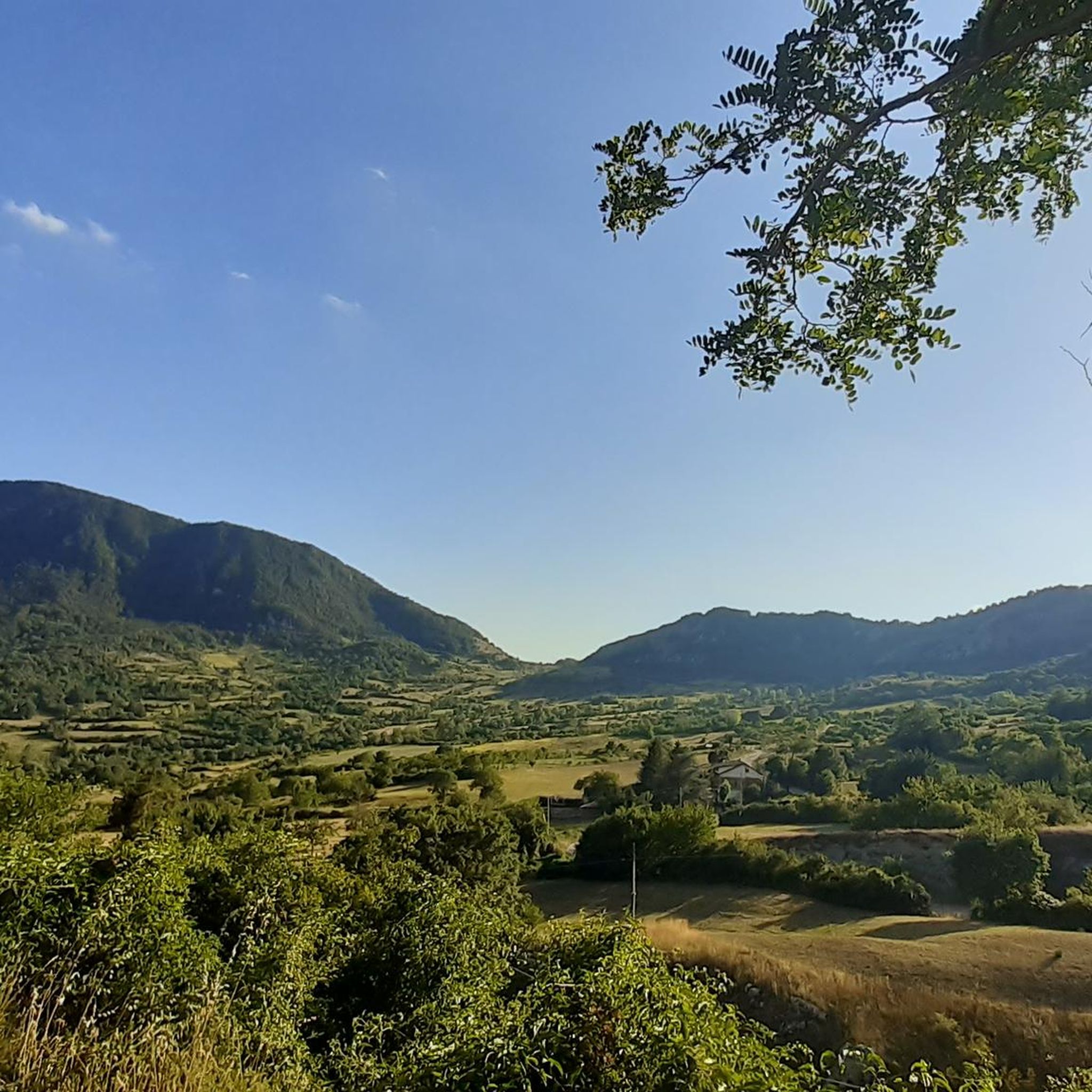
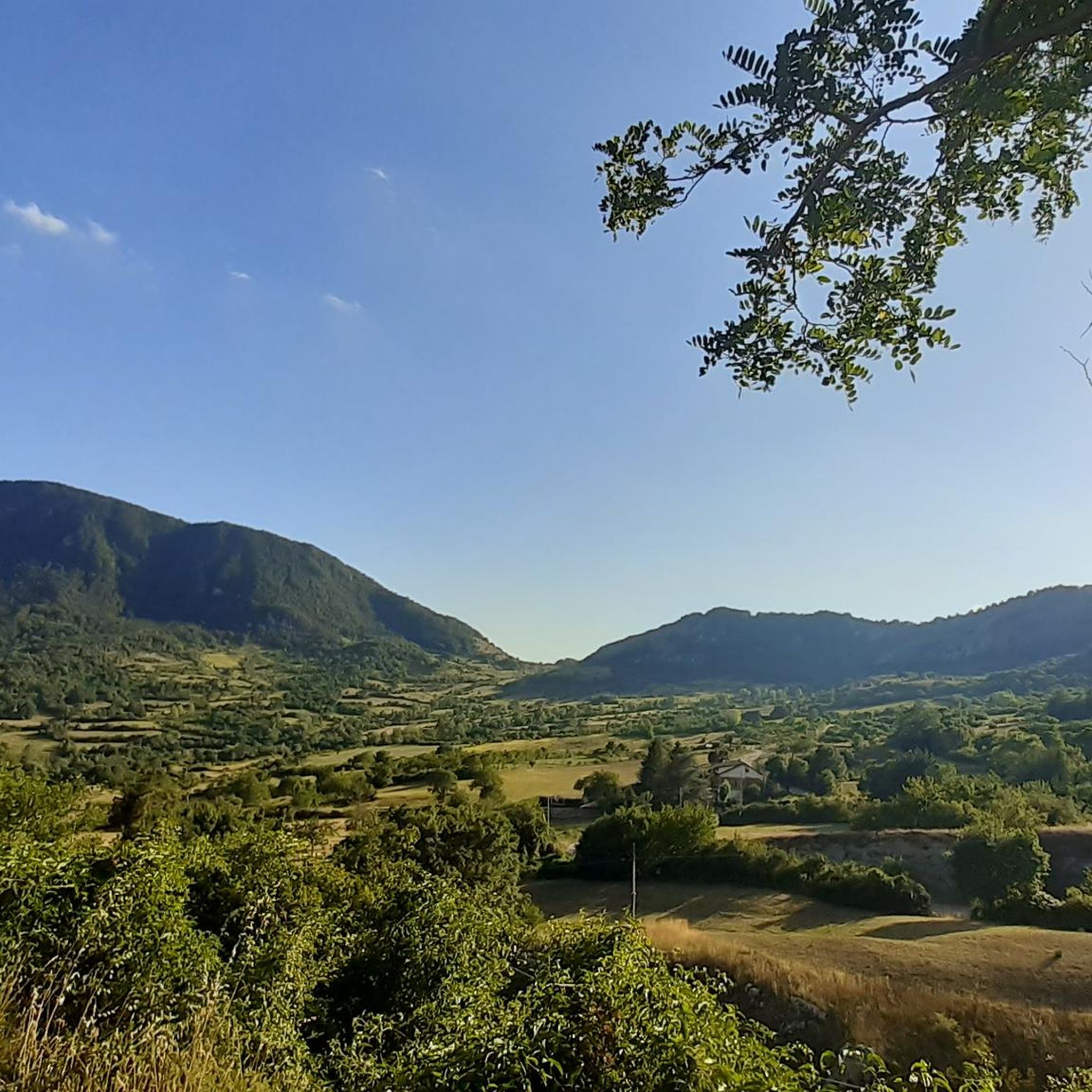
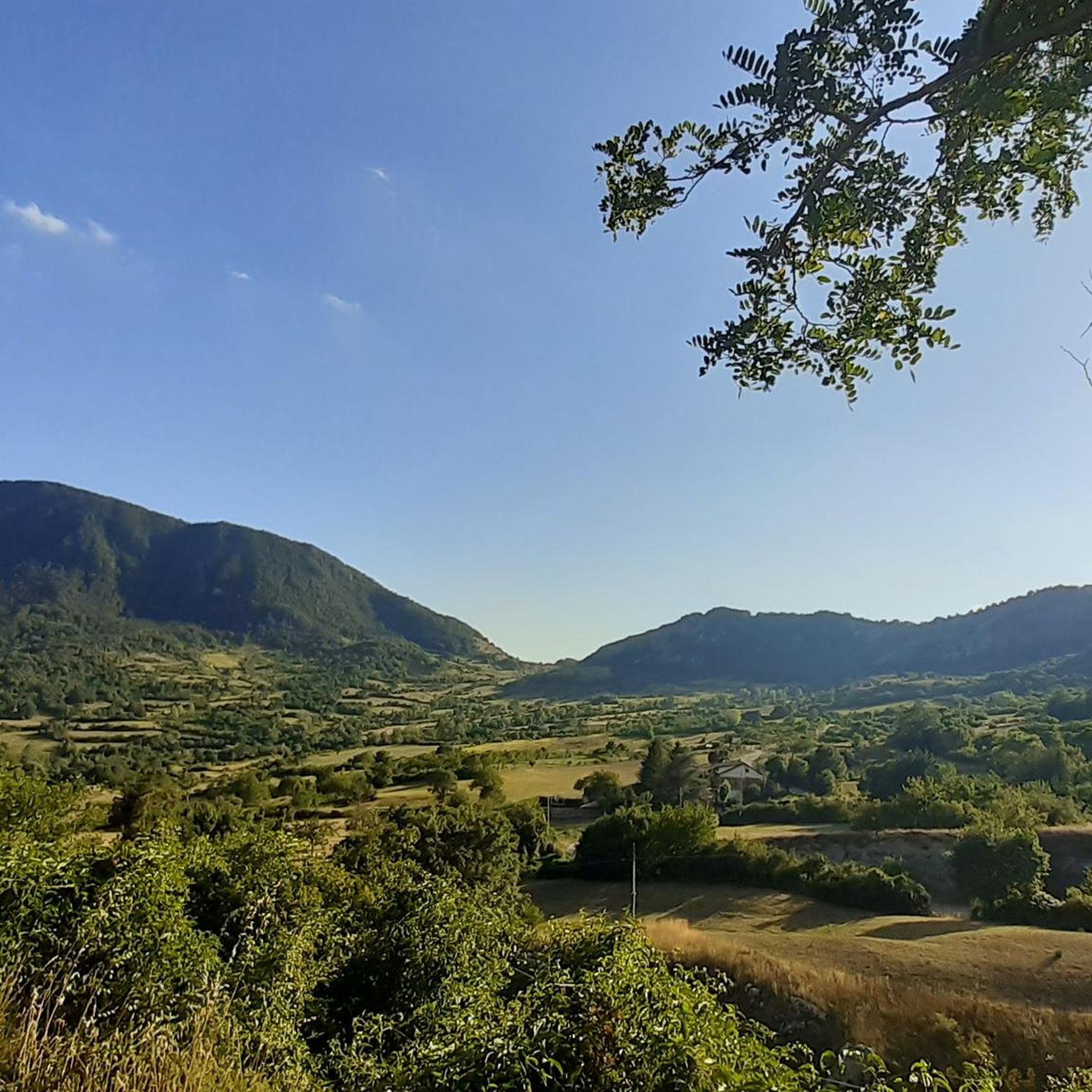
The region around Longone Sabino, often called 'little Switzerland' of Alta Sabina, offers picturesque natural scenery. You'll find thick woods, especially around Monte Aquilone, and the village is nestled between the Salto and Turano Valleys, an area rich in water. Nearby, you can visit the artificial Lago del Salto, formed by the Salto Dam, and Lago del Turano. The Riserva Naturale Monte Navegna E Monte Cervia is also in the vicinity, and the Santa Lucia Cave can be accessed on foot from the Fassinoro cemetery.
What outdoor activities can I do near Longone Sabino?
The area around Longone Sabino is excellent for various outdoor activities. You can find numerous routes for road cycling, gravel biking, and running. For example, there are challenging road cycling loops like the 'Castel di Tora – Rocca Sinibalda loop' and gravel biking routes such as the 'Ascent to the Plateau – Lake Rascino loop'. Running enthusiasts can enjoy trails like the 'Running loop in Rieti' or the 'Castel Di Tora – S.Maria del Piano Trail'. You can explore more options on the dedicated komoot guides for Road Cycling Routes, Gravel Biking, and Running Trails around Longone Sabino.
Are there any family-friendly attractions in the Longone Sabino area?
While specific family-friendly activities are not detailed, the natural landscapes around Longone Sabino, including the lakes and wooded areas, offer opportunities for family outings and gentle walks. The Salto Dam and its surrounding lake are popular for their scenic beauty, which can be enjoyed by families. Exploring the medieval village itself can also be an engaging experience for children interested in history.
What is the best time to visit Longone Sabino for outdoor activities?
Given its location in the Sabina hills and the mention of thick woods and natural scenery, spring and autumn are generally ideal for outdoor activities in Longone Sabino. The weather is typically milder, making it comfortable for hiking, cycling, and exploring the historical sites. Summer can be warm, but the altitude of around 800 meters may offer some relief compared to lower-lying areas. Winter walks are also possible, especially in the 'little Switzerland' landscape.
Where is the geographical center of Italy located near Longone Sabino?
The traditional geographical center of Italy, known as 'Umbilicus Italiae', is located in Rieti, specifically in Piazza San Rufo. This historical site is commemorated by a plaque and a unique circular monument. It's a significant landmark that reflects the region's historical importance.
Can I visit ancient Roman structures or archaeological sites in the area?
Yes, the presence of archaeological finds and the proximity of the ancient Via Cecilia suggest a Roman garrison once stood in the area. There was also an ancient Temple of Hercules where duties were paid. While specific Roman structures are not highlighted as major attractions, the historical context indicates a deep Roman past that can be felt throughout the region.
What is the Ponte Vecchio of Posticciola?
The Ponte Vecchio of Posticciola is a Romanesque bridge dating back to the 11th century. It is a well-preserved example of medieval Sabine architecture and served as a post station and a crucial transit point for transhumance, the seasonal movement of livestock. It offers a glimpse into the historical practices and infrastructure of the region.
What local products or culinary experiences are unique to Longone Sabino?
Longone Sabino is part of the broader Sabina region, which is famous for its Sabina Extra Virgin Olive Oil, known for its ancient origins and high quality. Additionally, the annual Festival of the Lamb Chop ('Sagra della Braciola di Pecora') on August 16th is a significant culinary event, offering authentic local sheep meat grilled and served on traditional earthenware, attracting visitors from across Lazio and beyond.
Are there any viewpoints or scenic spots around Longone Sabino?
Longone Sabino itself, perched on a hill at approximately 800 meters, offers picturesque views of the surrounding Sabina hills. The area is often referred to as 'little Switzerland' due to its scenic natural beauty. The Salto Dam provides a beautiful vantage point over the largest artificial lake in Lazio, offering serene landscapes that make you forget its man-made origin.
What is the significance of the Abbey of San Salvatore Maggiore?
The Abbey of San Salvatore Maggiore, founded in 735 by Benedictine monks, holds significant historical importance for Longone Sabino. The Benedictines were instrumental in building the castle of Longone and its early churches. Although partly affected by earthquakes, the ancient monastic complex has undergone recovery efforts and occasionally hosts cultural events, reflecting its enduring legacy in the region.
Most popular attractions around Longone Sabino

Get inspired with the komoot mobile app


Explore more
Still not found the Highlight you’re looking for? See guides of the top attractions in other regions:
