Attractions and Places To See around Poggio San Lorenzo - Top 20
Best attractions and places to see around Poggio San Lorenzo, a village in the province of Rieti, Italy, offer a blend of historical, cultural, and natural features. This area is characterized by its ancient landmarks, religious sites, and the serene natural beauty of the Sabina region. Visitors can explore well-preserved medieval structures and significant natural points of interest.
Best attractions and places to see around Poggio San Lorenzo
- The most popular attractions is Pozze del Diavolo Waterfall, a waterfall…
Last updated: July 20, 2026
Ponte Vecchio of Posticciola
Highlight • Bridge
Translated by Google •
Tip by

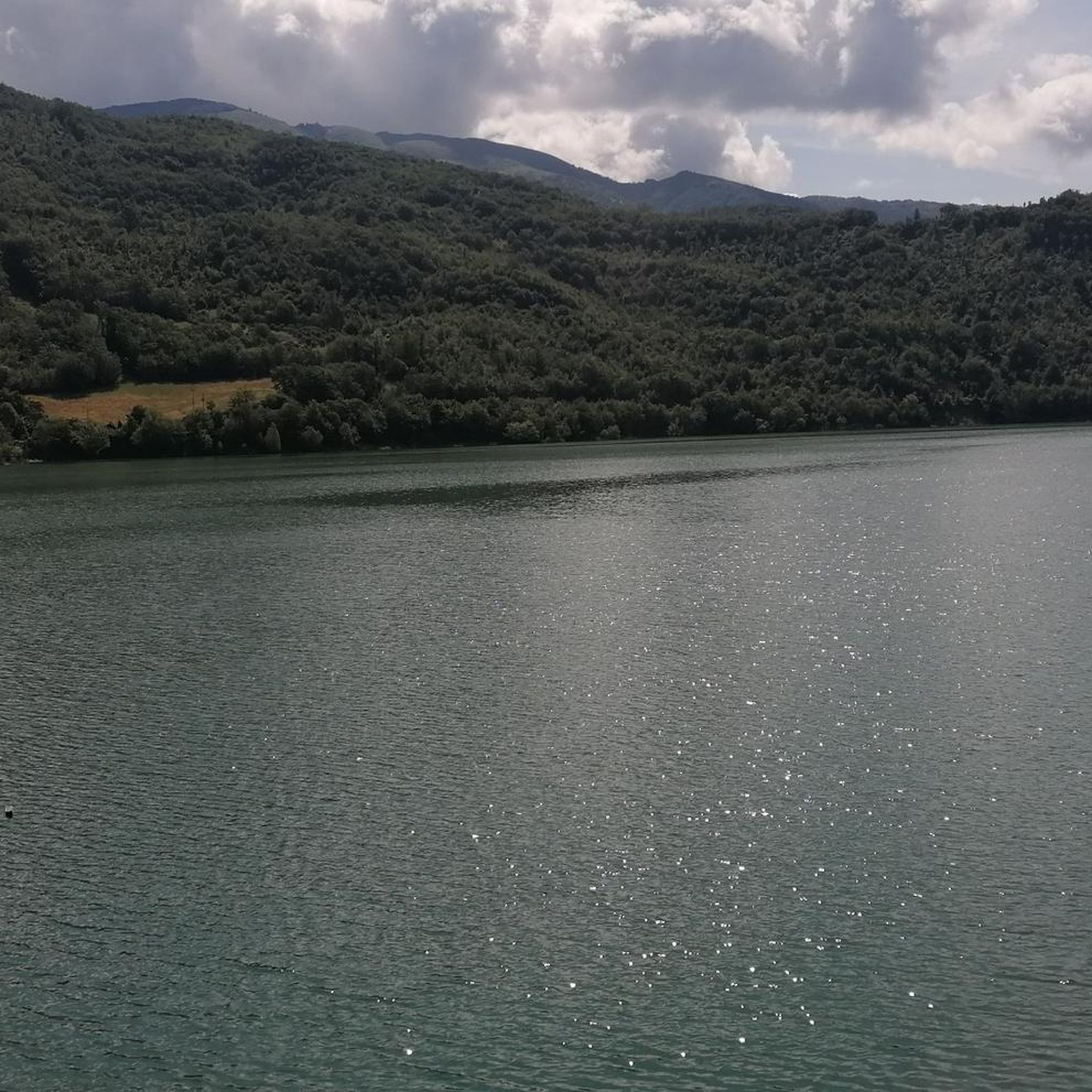
San Rocco Chapel at Lake Turano
Highlight • Religious Site
Translated by Google •
Tip by

Sign up now to discover places like this
Get recommendations on the best single tracks, peaks, & plenty of other exciting outdoor places.
Sign up for free
Rocca Sinibalda Castle
Highlight • Castle
Translated by Google •
Tip by
Tancia Inn
Highlight • Restaurant
Translated by Google •
Tip by

Pozze del Diavolo Waterfall
Highlight • Waterfall
Translated by Google •
Tip by

Sign up for free to discover even more attractions around Poggio San Lorenzo.
Sign up for free
Already have an account?
Start today with a free account
Your next adventure awaits.
Login or Signup
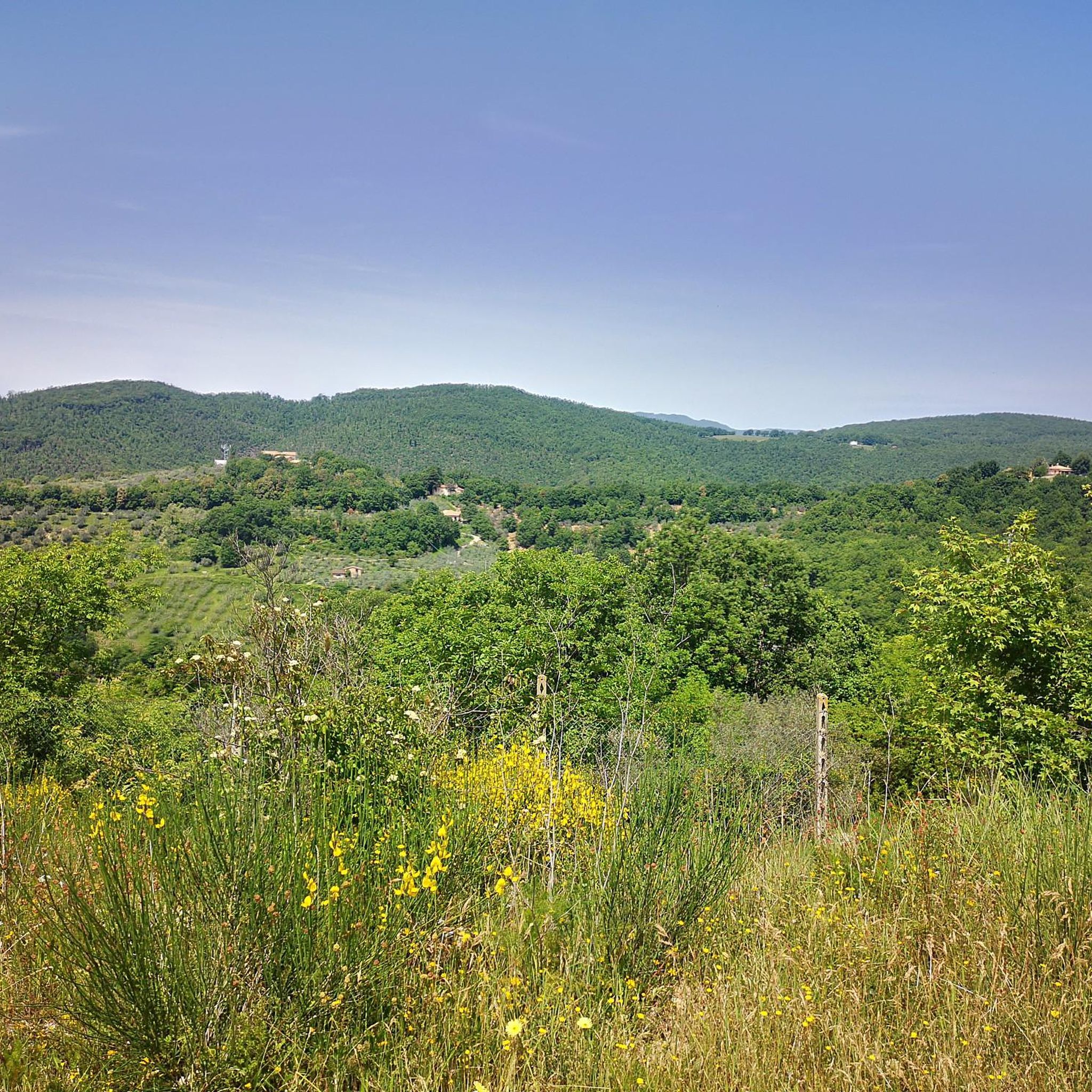
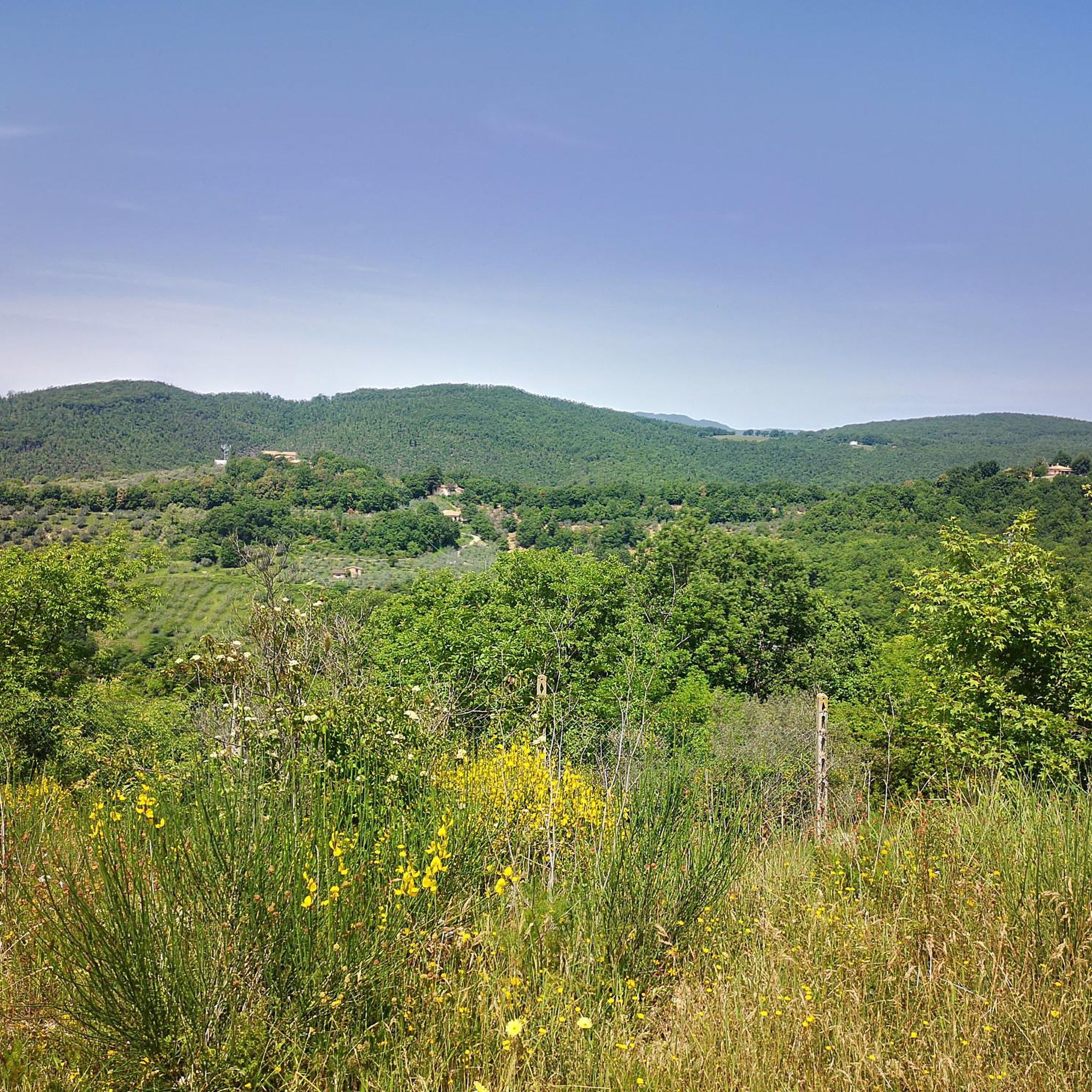
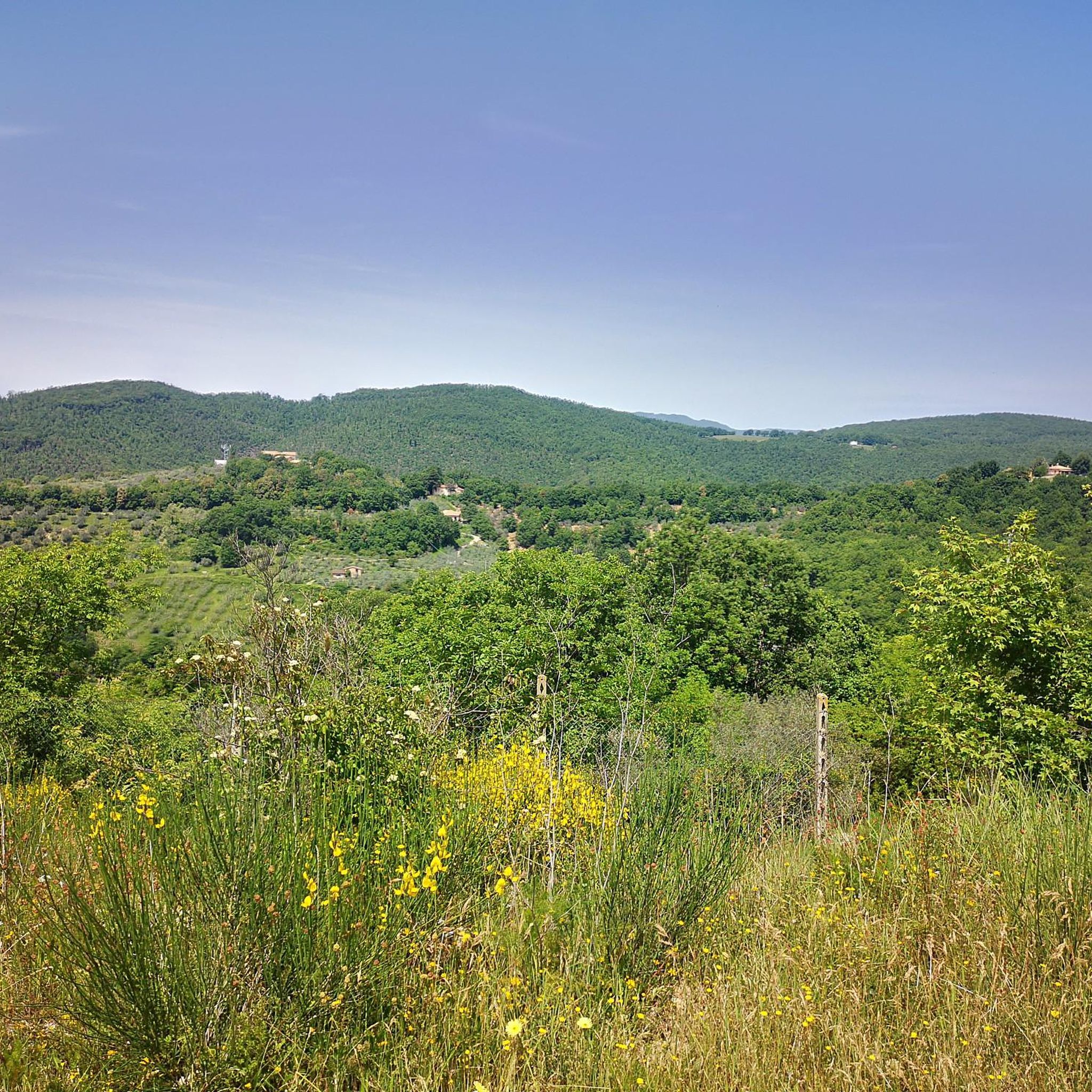
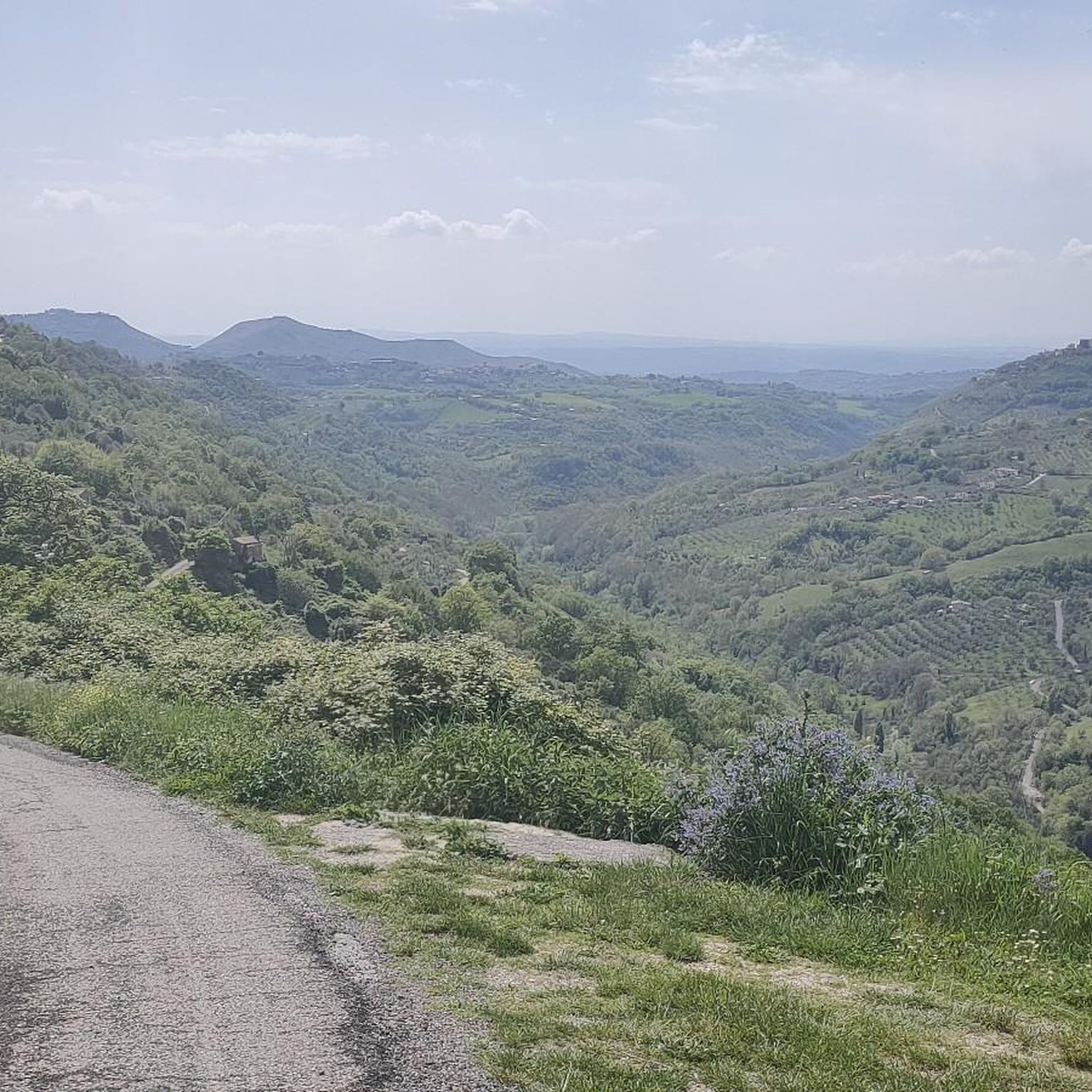
Tips from the Community

Chapel of San Rocco
0
0
Guided Tours - info www.castelloroccasinibalda.it
0
0

The San Michele site is accessible but haunted. The Pozze del Diavolo is accessible if you want to wade through flowing water. Very disappointing!!
0
0

It is located just before the bridge that crosses the lake and leads to Castel di Tora
4
0

The Osteria del Tancia was built towards the end of the Middle Ages, around the 15th century. It arose in a strategic position, on the pass of Mount Tancia, the highest peak of the Sabine Mountains, at about 800 meters above sea level. For centuries, the Osteria del Tancia represented the most important stop along the Via del Tancia, which was the main connection between the Rieti basin and the Sabina Tiberina. This road was frequently traveled by merchants, shepherds who practiced transhumance, pilgrims and bandits.
0
0

San ROCCO was chosen as the patron saint for this church and the corresponding parish. Saint Roch was born in the middle of the 14th century in Montpellier, France. He is popularly regarded as the "plague saint" - alongside Saint Sebastian. A characteristic feature of Roch's depiction in paintings and as a statue is that he is usually pointing to a plague boil on his leg; a dog can also often be seen at his feet, because according to legend, when he was caring for plague victims, he himself became ill and withdrew into solitude, and the dog provided him with bread every day. The memorial day of San Rocco in the calendar of saints is August 16th.
0
0

Rocca Sinibalda dominates the lush Turano Valley from above, the second most important river in Sabina after the Velino. The village is dominated by a castle founded around 1060. It was rebuilt as a fortress and noble residence in the 1630s by Cardinal Alessandro Cesarini who hired the famous Sienese architect Baldassarre Peruzzi for the occasion. It can only be visited on certain days. It is therefore advisable to inform yourself before departure.
0
0

really beautiful place, absolutely worth seeing
0
0
Frequently Asked Questions
What historical landmarks can I explore in Poggio San Lorenzo?
Poggio San Lorenzo is rich in history. You can explore the village's well-preserved medieval walls, which hint at its past as a Roman castrum. The Parish Church of San Lorenzo, dating back to the 14th century, houses significant 16th-century canvases and the Roman tomb of Caius Rufus. Don't miss the Rocca Sinibalda Castle, a 10th-century fortress dominating the Turano Valley, or the ancient Ponte Vecchio of Posticciola, an 11th-century Romanesque bridge.
Are there any ancient religious sites to visit near Poggio San Lorenzo?
Yes, several religious sites offer a glimpse into the region's past. Besides the Parish Church of San Lorenzo, you can visit the Church of Santa Maria in Pulaccio, which preserves 16th-century frescoes. A few kilometers from the village is the Church of the Madonna dei Penitenti, believed to date back to the 4th century AD and built upon the remains of a temple dedicated to the goddess Vacuna. Additionally, the San Rocco Chapel at Lake Turano offers a peaceful setting by the water.
Where can I experience the natural beauty and scenic views around Poggio San Lorenzo?
The area offers stunning natural landscapes. The Pozze del Diavolo Waterfall is a spectacular natural monument, especially impressive when water levels are high. You can also find an impressive centuries-old holm oak near Valle Gemma, reputed to be one of the largest in Europe. The extensive olive terraces around Poggio San Lorenzo also provide picturesque views, reflecting the region's strong olive oil tradition.
Can I learn about the region's olive oil tradition?
Absolutely. The region is renowned for its olive oil production, including the Olio della Sabina DOP. You can visit the historic Capofarfa Oil Mill, dating back to the 1600s, which showcases olive oil production with a Roman-era press base. The Old Oil Mill Museum in the village's main street also guides visitors through the history of olive growing from ancient Rome to the present day.
What outdoor activities are available near Poggio San Lorenzo?
The area around Poggio San Lorenzo is ideal for various outdoor activities. You can explore numerous routes for road cycling, mountain biking, and running. For instance, there are challenging road cycling routes like the 'Hermitage of San Cataldo – Contigliano Alto loop' or mountain biking trails such as the 'Lago del Turano viewpoint – Pratarelle Spring loop'. Find more details on specific routes at the Road Cycling Routes around Poggio San Lorenzo, MTB Trails around Poggio San Lorenzo, and Running Trails around Poggio San Lorenzo guide pages.
Are there family-friendly attractions around Poggio San Lorenzo?
Yes, families can enjoy several spots. The San Rocco Chapel at Lake Turano is noted as family-friendly, offering a serene environment by the lake. Additionally, the Piano dell'Abatino Wildlife Garden/Park provides a unique experience, offering refuge and care to wild animals, which can be an engaging visit for children and adults alike.
When is the best time to visit natural attractions like the Pozze del Diavolo Waterfall?
To best enjoy the spectacular view of the Pozze del Diavolo Waterfall, it is preferable to go in autumn and winter. During these seasons, the water is abundant, and the falls are in full flow, offering a more impressive sight. Early spring is also a good period.
What is the Franciscan Path, and how does Poggio San Lorenzo relate to it?
Poggio San Lorenzo is an important stop on the Franciscan Path (Cammino Francescano), a historical pilgrimage route. The village offers hospitality to pilgrims at the Pilgrim's House, making it a unique and welcoming stop for those traveling this spiritual journey towards Rome.
Are there any places to eat or rest near the attractions?
Yes, the Tancia Inn is an excellent refreshment point located on the pass of Mount Tancia. It offers water, tables to take a break, and panoramic views of the Apennines. The inn is known for its excellent food and also sells sandwiches for packed lunches. It's advisable to check their opening hours as they are typically open on weekends or by prior arrangement.
What do visitors particularly enjoy about the attractions near Poggio San Lorenzo?
Visitors appreciate the diverse points of interest, from historical sites to natural wonders. The Pozze del Diavolo Waterfall is loved for its spectacular views, especially when the water is abundant. The Rocca Sinibalda Castle is admired for its rich history and commanding presence over the Turano Valley. The Ponte Vecchio of Posticciola is valued for preserving the layout of a medieval Sabine village. The komoot community has highlighted these attractions with numerous photos and upvotes, showcasing their appeal.
Are there any unique natural features to discover in the area?
Beyond the Pozze del Diavolo Waterfall, the region boasts a centuries-old holm oak near Valle Gemma, which is reputed to be the largest in Europe, with an impressive circumference and height. The landscape is also characterized by extensive olive terraces, which are not only beautiful but also signify the area's deep connection to olive oil production.
Most popular routes around Poggio San Lorenzo
Most popular attractions around Poggio San Lorenzo

Get inspired with the komoot mobile app


Explore more
Still not found the Highlight you’re looking for? See guides of the top attractions in other regions:
