Attractions and Places To See around Tricarico - Top 20
Best attractions and places to see around Tricarico include a rich tapestry of historical, cultural, and natural sites in the Basilicata region of Southern Italy. The town features a well-preserved medieval historic center with influences from Arab, Byzantine, and Norman periods. Surrounded by oak and turkey oak forests, the area overlooks the Basento River valley, providing picturesque scenery. Visitors can explore ancient archaeological areas and significant religious sites.
Best attractions and places to see around Tricarico
- The most popular attractions…
Last updated: May 9, 2026
Castelmezzano
Highlight • Settlement
Translated by Google •
Tip by

Pietrapertosa
Highlight • Settlement
Translated by Google •
Tip by

Sign up now to discover places like this
Get recommendations on the best single tracks, peaks, & plenty of other exciting outdoor places.
Sign up for free
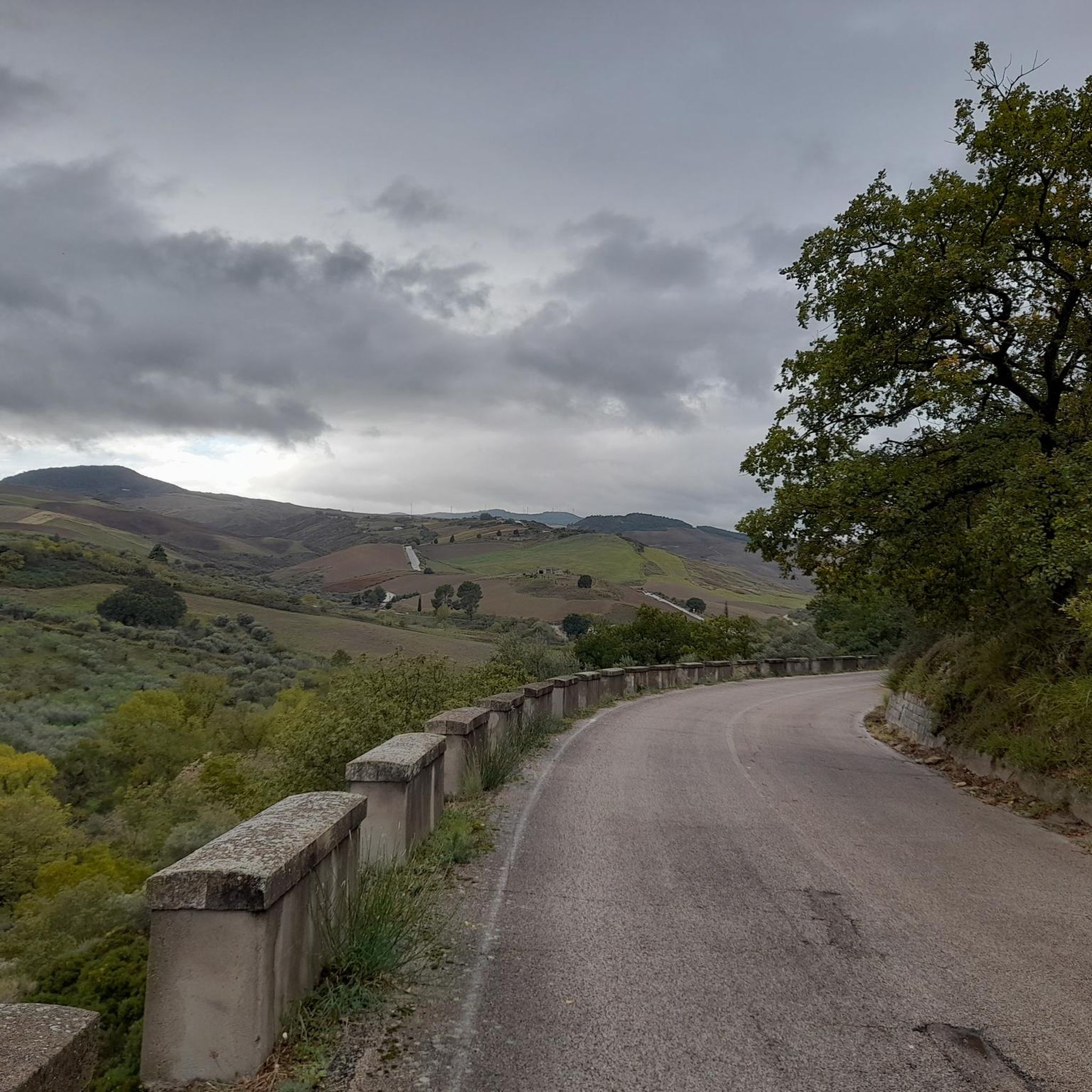
Road Between Pietrapertosa and Campomaggiore
Highlight (Segment) • Trail
Translated by Google •
Tip by

Petre de la Mola
Highlight • Natural Monument
Translated by Google •
Tip by

Historic Center of Grottole
Highlight • Historical Site
Translated by Google •
Tip by

Sign up for free to discover even more attractions around Tricarico.
Sign up for free
Already have an account?
Start today with a free account
Your next adventure awaits.
Login or Signup
Tips from the Community

After the narrow alleys and steps through the old town, the climb to the rocks is worthwhile. Even in rainy weather, the rocks are easily accessible via iron stairs. In heavy rain, every small alley becomes a rushing stream.
3
0

Pietrapertosa, fabulous place, welcoming and very polite people! a magnificent place for those looking for relaxation
0
0

Grottole presents itself as a village divided into two distinct parts: the ancient part, full of cobbled streets and historic buildings that narrate the history of the community, and the modern part, more functional and contemporary. While the old Grottole enchants with its timeless charm and its authenticity rooted in history, the new Grottole offers a vision of the growth and evolution of the city. The contrast between the two parts adds a unique element to the experience of visiting Grottole, highlighting the diversity and coexistence of past and present.
1
0

Steep stairs, narrow streets, some chapels and churches are waiting to be explored. There are beautiful views from the Piazza Emilio Caizzo of the village and the surrounding countryside.
2
0

Village located between the Basento and Bradano rivers included, in part, in the San Giuliano regional reserve. The city is famous for a clay working.
1
1
A beautiful road with slopes not to be underestimated that connects Pietrapertosa and Campomaggiore. Guaranteed excellent views of the Lucanian Dolomites, especially towards Castelmezzano.
1
1

Castelmezzano is an enchanting village perched in the heart of the Little Lucanian Dolomites, in the province of Potenza. The historic center of the town, among houses carved into the rock, steep stairs and small alleys that offer unexpected views of the wonderful panoramas of the Lucanian Dolomites, have meant that Castelmezzano is counted among the most beautiful villages in Italy. Right above the town center there are particular and extremely characteristic sandstone rock formations which contribute to the spectacular nature of the landscape.
3
0

Grottole has remote origins so as to be one of the oldest centers in the region. The finds of prehistoric, Greek and Roman settlements are a precise testimony in this sense. The toponym could derive from the Greek Kruptai, hidden places, and from the Latin cryptulae or small caves, rooms used for working clay, an art for which Grottole has remained famous over the centuries. In the Magna Graecia period, Grottole was part of the VII Metapontine region, colonized by the Greeks starting from the VIII century BC. It was fortified by the Longobards, from whom it managed to escape around the year 1000. In 1061, in the Norman era, the feud of Grottole passed under the dominion of Guglielmo Braccio di Ferro, and subsequently passed to Roberto il Guiscardo and then to the counts Loffredo di Matera. Over the centuries the fiefdom of Grottole was disputed by various lordships. Carlo I D'Angiò assigned it to Ruggero di Lauro, count of Tricarico, who had supported the Angevin conquest, and from these it passed to the Monteforte and Orsini Del Balzo families. At the beginning of the sixteenth century it was a possession of the Gaetani Dell'Aquila d'Aragona family. In 1534 it passed under the dominion of the Marquises Sanchez De Luna of Aragon, the treasurers of the Kingdom of Naples, while in the following century the Caracciolos and Spinellis of San Giorgio followed one another, until 1738 when it passed to the Sanseverinos of Bisignano by marriage. After 1806, with the subversive law of feudalism, the assets were divided between the descendants of the Sanseverinos and D. Rosa Miracco, a natural daughter of Luigi Sanseverino 13th Prince of Bisignano [8], who had always been closely linked to the feud of Grottole. Only in 1874 did Grottole get rid of the last feudatory Prince Sanseverino. The municipal territory (the ancient universitas as the municipalities were once called) was divided into districts.
0
2
Frequently Asked Questions
What historical sites can I explore in Tricarico?
Tricarico boasts a rich history, evident in its well-preserved medieval center. You can visit the imposing Norman Tower, the Tricarico Cathedral (Santa Maria Assunta), and the Ducal Palace, which now houses the archaeological museum. Other significant sites include the Convent of Saint Francis, the Convent Complex of St. Anthony of Padua, and the churches of Santa Chiara and the Carmine. Don't miss the ancient streets of the Ràbata and Saracena quarters, reflecting Arab influences.
Are there any natural attractions or viewpoints near Tricarico?
Yes, the area around Tricarico offers beautiful natural landscapes. You can explore the Mantenera Malcanale Forest, a protected area known for its diverse bird species. The town also overlooks the picturesque Basento River Valley, ideal for scenic walks. For a unique natural and historical site, visit Petre de la Mola, a natural limestone rock formation within the Gallipoli Cognato Piccole Dolomiti Lucane Regional Park, believed to have been used as a 'stone calendar' in the Bronze Age.
What are some unique cultural experiences or traditions in Tricarico?
Tricarico is known for its vibrant traditions. The Tricarico Carnival is a lively annual event connected to transhumance. The region also has strong artisanal traditions, including copper work, cowbell production, and wool weaving. You can also delve into the town's past by exploring the archaeological areas of Civita, Serra del Cedro, and Calle, which show evidence of Lucanian and Roman habitation.
What outdoor activities can I do near Tricarico?
The region around Tricarico is excellent for outdoor enthusiasts. You can find numerous routes for cycling, mountain biking, and hiking. For hiking, explore trails like 'Pietra della Mola - Parco Regionale Gallipoli Cognato Piccole Dolomiti Lucane' or the 'Eastern Trail of Monte Malerba'. You can find more details on various routes in the Hiking around Tricarico guide, Cycling around Tricarico guide, and MTB Trails around Tricarico guide.
Are there any family-friendly attractions or activities in the area?
While specific family-friendly activities are not detailed, the natural landscapes and historical sites can be engaging for families. Exploring the medieval streets of Tricarico's historic center, visiting the Ducal Palace with its archaeological museum, or enjoying a walk in the Mantenera Malcanale Forest can be enjoyable for all ages. The scenic Road Between Pietrapertosa and Campomaggiore offers beautiful views that children might appreciate, especially if combined with the 'Flight of the Angel' experience in nearby Castelmezzano/Pietrapertosa.
What is the best time of year to visit Tricarico?
Given the region's outdoor attractions and historical sites, the best time to visit Tricarico is typically during the spring (April to June) and autumn (September to October). During these seasons, the weather is generally mild and pleasant, making it ideal for exploring the historic center, hiking in the surrounding forests, and enjoying the scenic views without the intense heat of summer.
What is Pietrapertosa and why is it a popular attraction?
Pietrapertosa is one of the most beautiful villages in Italy, nestled in the Lucanian Dolomites. It's highly popular due to its spectacular setting, perched at the foot of uniquely shaped rocks. Visitors appreciate its welcoming atmosphere and the breathtaking views it offers. It's also a starting point for the thrilling 'Flight of the Angel' experience.
Can I find any ancient archaeological sites near Tricarico?
Yes, the area around Tricarico is rich in archaeological finds. Excavations in areas like Civita, Serra del Cedro, and Calle have revealed evidence of habitation by the Lucanians dating back to the 6th-5th century BC, including necropolises, temple remains, and Roman mosaics. The Ducal Palace in Tricarico houses an archaeological museum where you can see many of these discoveries.
What is the Historic Center of Grottole known for?
The Historic Center of Grottole is a fascinating village divided into ancient and modern parts. The old section is renowned for its cobbled streets and historic buildings that tell the community's story. Grottole has ancient origins, being one of the oldest centers in the region, with finds from prehistoric, Greek, and Roman settlements. It's also historically famous for its clay working traditions.
Is there anything adventurous to do near Tricarico?
For an adventurous experience, consider visiting the Nepalese Bridge of Castelmezzano. This rope bridge connects two starting points of via ferratas, offering a thrilling walk with stunning views. It's a unique way to experience the dramatic landscapes of the Lucanian Dolomites.
What are the local products and crafts of Tricarico?
Tricarico and its surrounding area are known for traditional products such as local oil, wine, and livestock. Artisanal traditions are also strong, with local craftsmen practicing copper work, producing traditional cowbells, and weaving wool for shepherds' clothing. These crafts reflect the deep cultural heritage of the region.
Where can I find information about the history of Tricarico?
For more in-depth information about the history of Tricarico, you can visit the Ducal Palace, which serves as the archaeological museum. Additionally, the website mappeditalia.it provides a concise overview of Tricarico's historical context, including its Arab, Byzantine, and Norman influences.
Most popular attractions around Tricarico

Get inspired with the komoot mobile app


Explore more
Still not found the Highlight you’re looking for? See guides of the top attractions in other regions:
